Explore 30 April

Explore 30 April: George Washington takes the oath as the first US president, Rome ends its great persecution of Christians, Saigon falls as the Vietnam War ends, and the Mothers of the Plaza de Mayo first gather in Buenos Aires. Meet Dadasaheb Phalke, Mary II and Jane Campion, born on this date, and remember George Balanchine.

This day through time →14 verified events across 5 eras

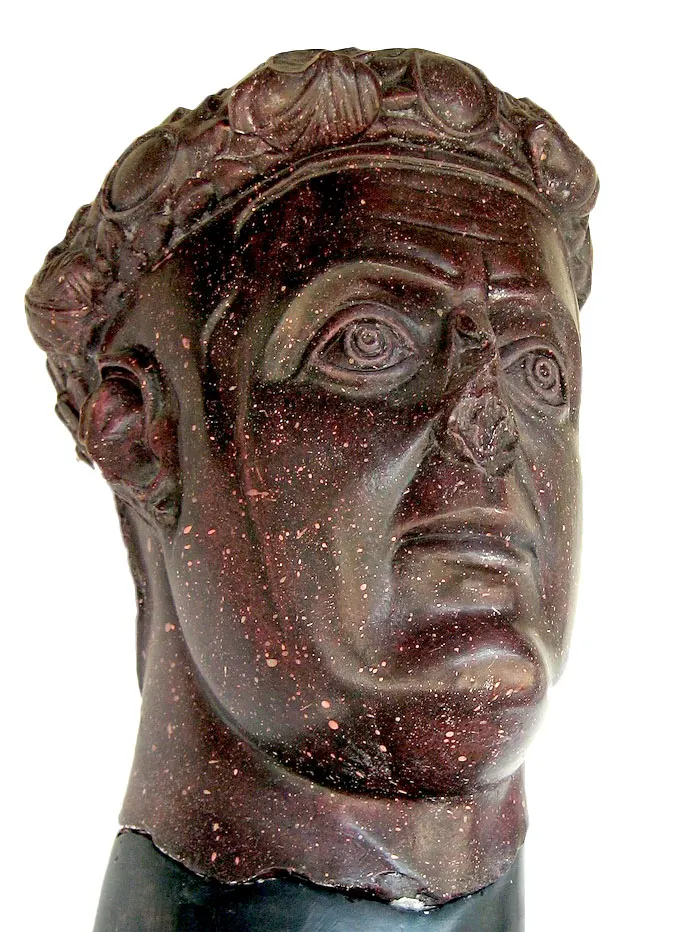
A porphyry portrait head of Emperor Galerius from his palace at Romuliana (Gamzigrad), in present-day Serbia.
Image creditShinjirod · CC BY 3.0Resized and cropped for display.

Rome ends its great persecution of Christians

On 30 April 311 an edict in the name of the senior emperor Galerius was posted at Nicomedia, the eastern imperial capital in what is now north-west Turkey. After eight years of the harshest persecution Christians had faced, it allowed them to exist again and to hold their meetings, provided they did nothing against public order.

Galerius, who had been one of the persecution’s chief supporters, was gravely ill and asked Christians in return to pray for him and for the state. He died within days, and two years later the emperors Constantine and Licinius went further, granting freedom of worship to all.

Read the full storyHistory & Timeline →Source: Lactantius, Of the Manner in Which the Persecutors Died, ch. 34-35 (New Advent) ↗
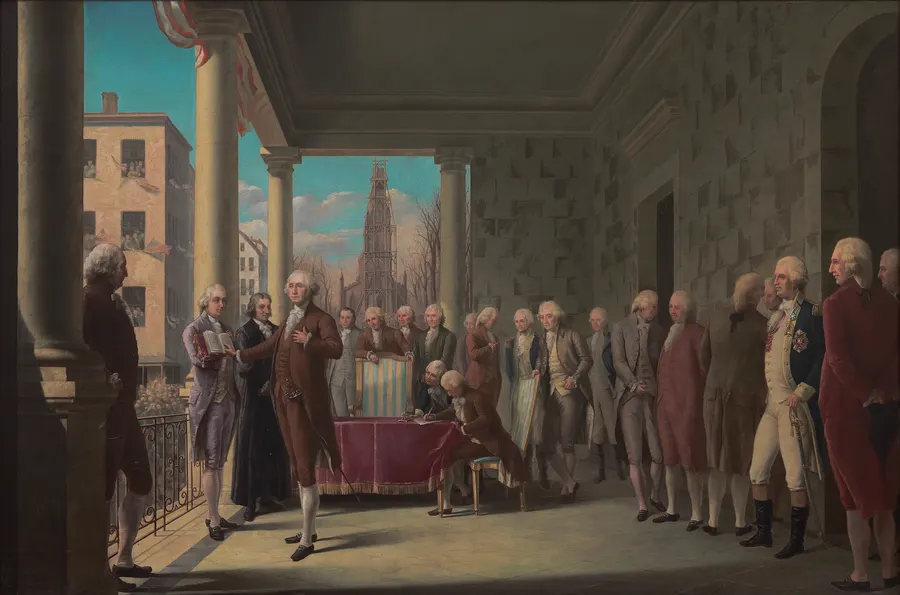

Ramon de Elorriaga's painting of Washington taking the oath on the balcony of Federal Hall, New York.
Ramon de Elorriaga’s painting of Washington taking the oath on the balcony of Federal Hall, New York.
Image creditRamon Elorriaga · Public domainResized and cropped for display.

George Washington takes the oath as first president

On 30 April 1789 George Washington stepped onto a balcony of Federal Hall on Wall Street in New York and took the oath as the first president of the United States. It was administered by Robert Livingston, the chancellor of New York, in front of a crowd filling the streets below.

Washington then went inside to the Senate chamber and delivered the first inaugural address to both houses of Congress. The ceremony had been delayed for weeks because bad winter weather held up members of the new Congress on their way to the capital.

Read the full storyHistory & Timeline →Source: US National Archives: George Washington’s First Inaugural Address, April 30, 1789 ↗
Tank 843, one of the North Vietnamese tanks that broke into the Independence Palace grounds, kept at the palace in Ho Chi Minh City.
Image credit源義信 · CC BY 4.0Resized and cropped for display.

Saigon falls and the Vietnam War ends

On 30 April 1975 North Vietnamese tanks rolled into Saigon, and around midday one crashed through the gates of the presidential palace. General Duong Van Minh, president for only two days, had already told his forces to lay down their arms, and the South Vietnamese government surrendered unconditionally.

In the hours before, US helicopters had lifted thousands of Americans and South Vietnamese out of the city in Operation Frequent Wind. The fall of Saigon ended decades of war, the country was formally reunified the next year, and Saigon was renamed Ho Chi Minh City.

Read the full storyHistory & Timeline →Source: Britannica: Fall of Saigon ↗
An embroidered white headscarf of the Mothers of the Plaza de Mayo, asking for the disappeared to be returned alive (Museo del Bicentenario, Buenos Aires).
Image creditMuseo del Bicentenario · CC BY-SA 3.0Resized and cropped for display.

The Mothers of the Plaza de Mayo first gather

On 30 April 1977 fourteen women whose children had disappeared under Argentina’s military government met in the Plaza de Mayo in Buenos Aires, opposite the presidential palace. The idea came from Azucena Villaflor, who believed the mothers would be heard only if they stood together in public.

Because the police would not let people stand in groups, the women walked slowly round the square, and soon wore white headscarves to recognise each other. Villaflor herself was abducted that December, but the weekly marches continued and became a symbol of peaceful resistance around the world.

Read the full storyHistory & Timeline →Source: International Centre for the Promotion of Human Rights (CIPDH-UNESCO): The March of Mothers of Plaza de Mayo ↗
♙
PEOPLE

Born Today

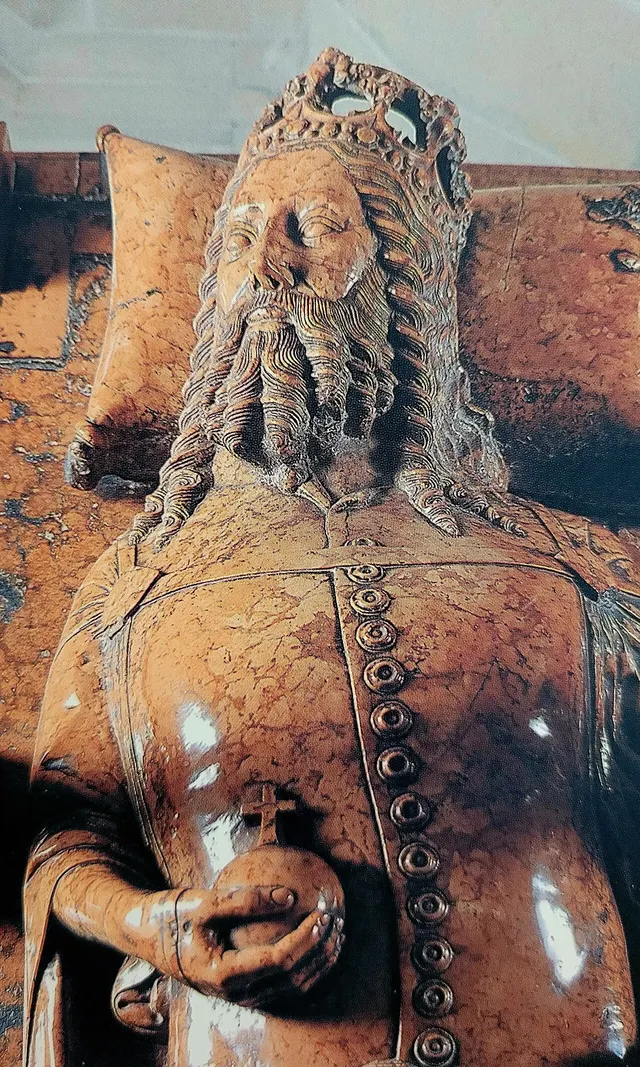
Casimir III the Great
Image creditBornholm · CC BY-SA 4.0Resized and cropped for display.

Casimir III the Great

King of Poland who rebuilt and codified his kingdom and founded the university in Kraków.

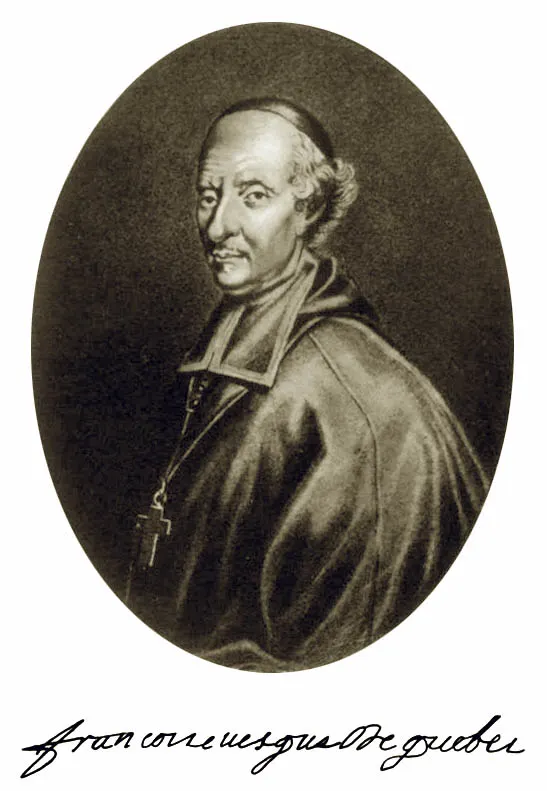
François de Laval
Image creditUnknown · Public domainResized and cropped for display.

François de Laval

French priest who became the first Catholic bishop of Quebec and founded its seminary.

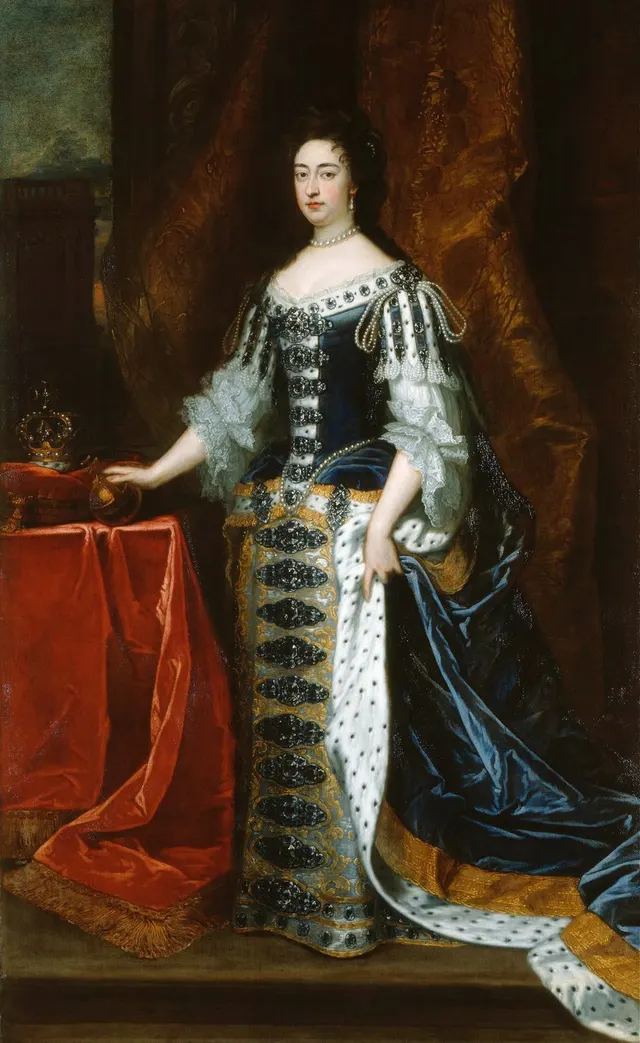
Mary II
Image creditGodfrey Kneller · Public domainResized and cropped for display.

Mary II

Queen of England, Scotland and Ireland who reigned jointly with her husband William III.

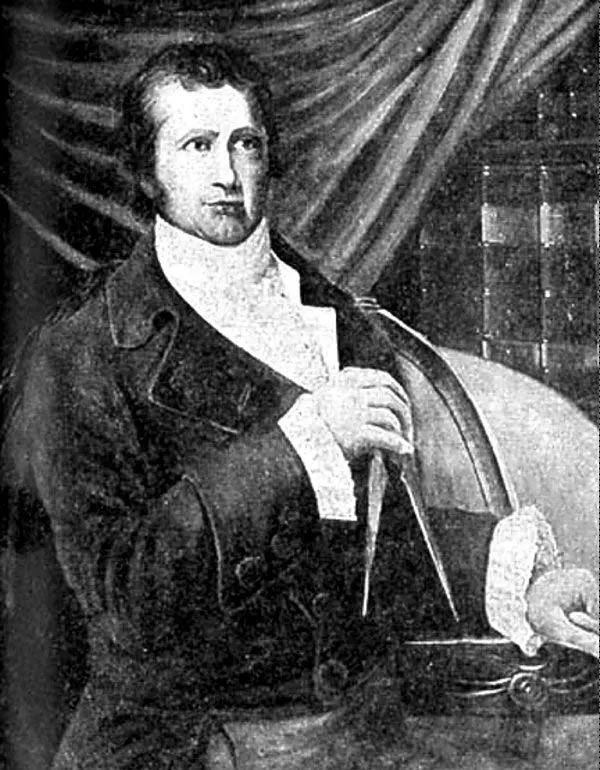
David Thompson
Image creditUnknown author · Public domainResized and cropped for display.

David Thompson

British-Canadian fur trader and surveyor who mapped much of western North America.

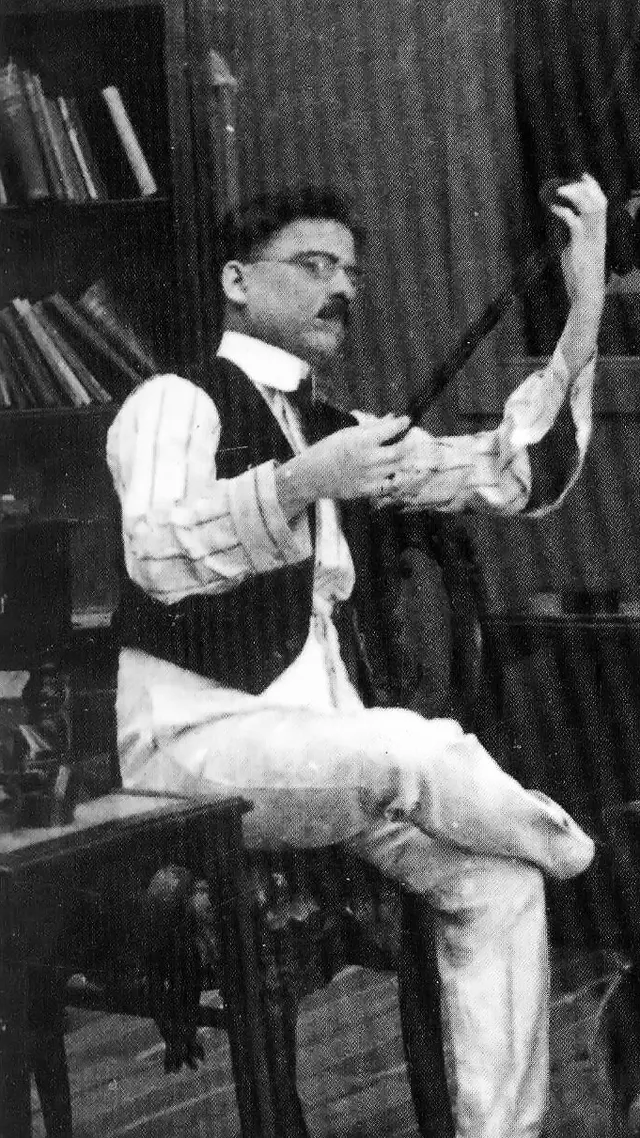
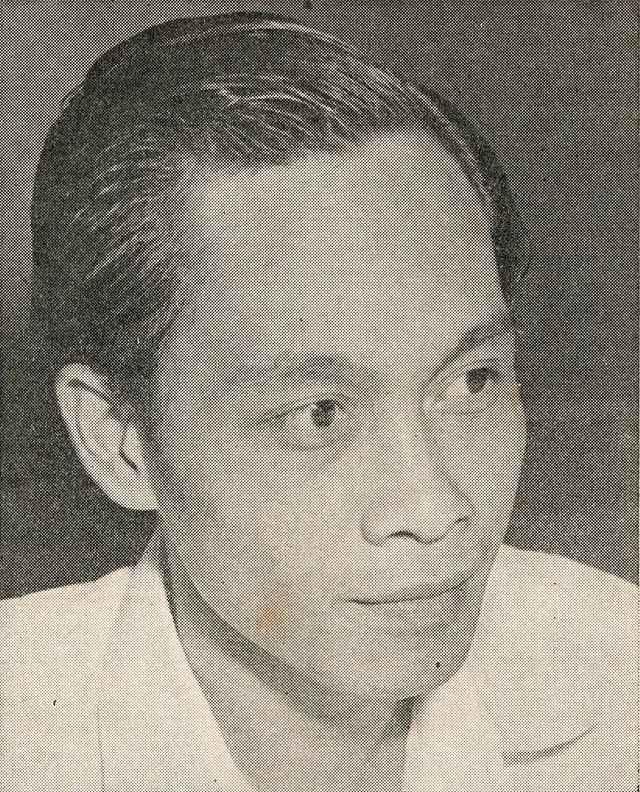
Dadasaheb Phalke
Image creditUnknown photographer · Public domainResized and cropped for display.

Dadasaheb Phalke

Film-maker who made India’s first full-length feature film, Raja Harishchandra.

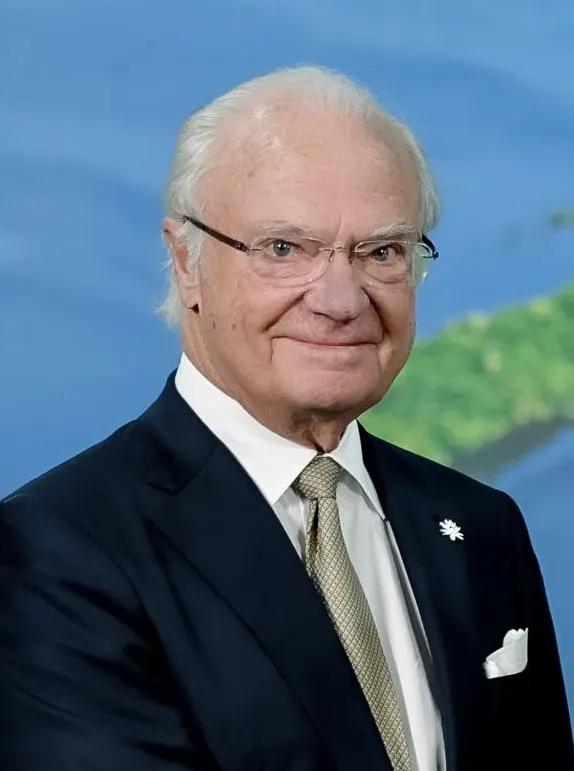
Carl XVI Gustaf
Image creditLula Oficial · CC BY-SA 4.0Resized and cropped for display.

Carl XVI Gustaf

King of Sweden since 1973, the country’s longest-reigning monarch.

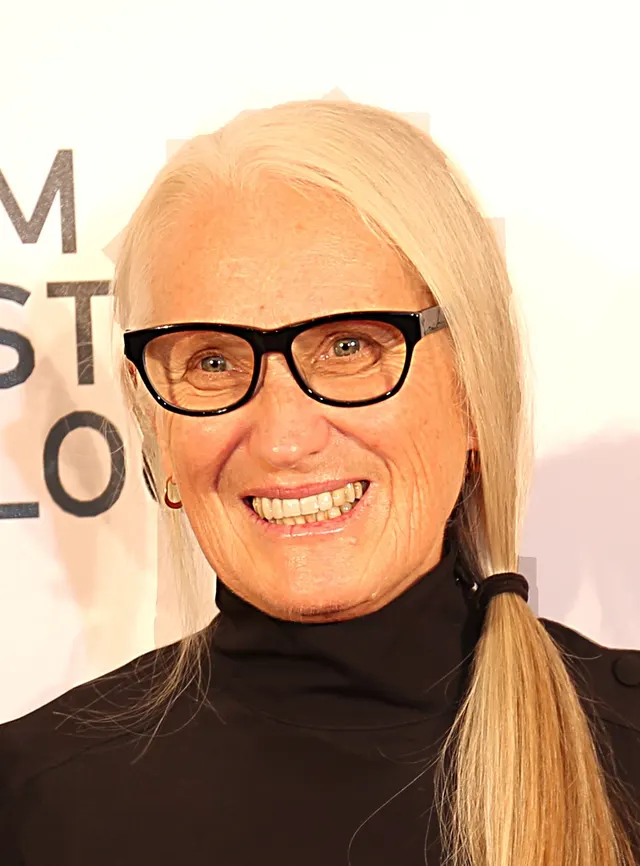
Jane Campion
Image credit9EkieraM1 · CC BY-SA 3.0Resized and cropped for display.

Jane Campion

New Zealand film-maker whose The Piano made her the first woman to win the Palme d’Or.

◉
IDEAS THAT CHANGED THINGS

Firsts, Science & Discoveries

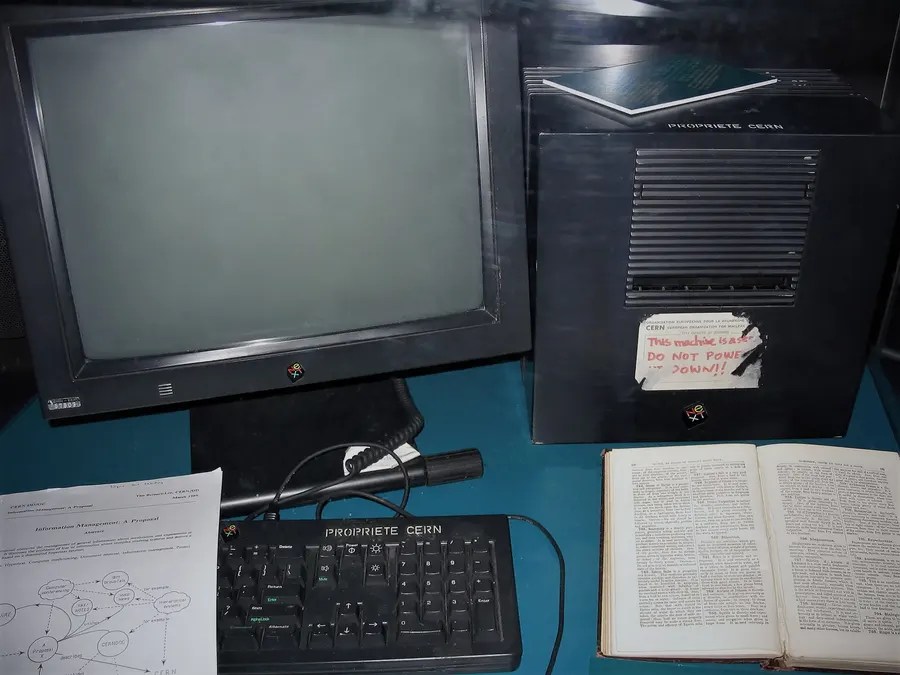
The NeXT computer that Tim Berners-Lee used at CERN as the first web server.
Image creditCoolcaesar (English Wikipedia) · CC BY-SA 3.0Resized and cropped for display.

CERN gives the World Wide Web to the world

On 30 April 1993 CERN, the European particle physics laboratory near Geneva, signed a short document releasing the World Wide Web software into the public domain. Two of its directors, Walter Hoogland and Helmut Weber, gave up all rights to the code and allowed anyone to use, copy, change and pass it on.

Tim Berners-Lee had proposed the web at CERN four years earlier to help physicists share information. Making it free, with no fees or licences, let it spread far faster than rival systems and helped turn it into the everyday web used today.

Read the full storyHistory & Timeline →Source: CERN Document Server: Software release of WWW into public domain ↗
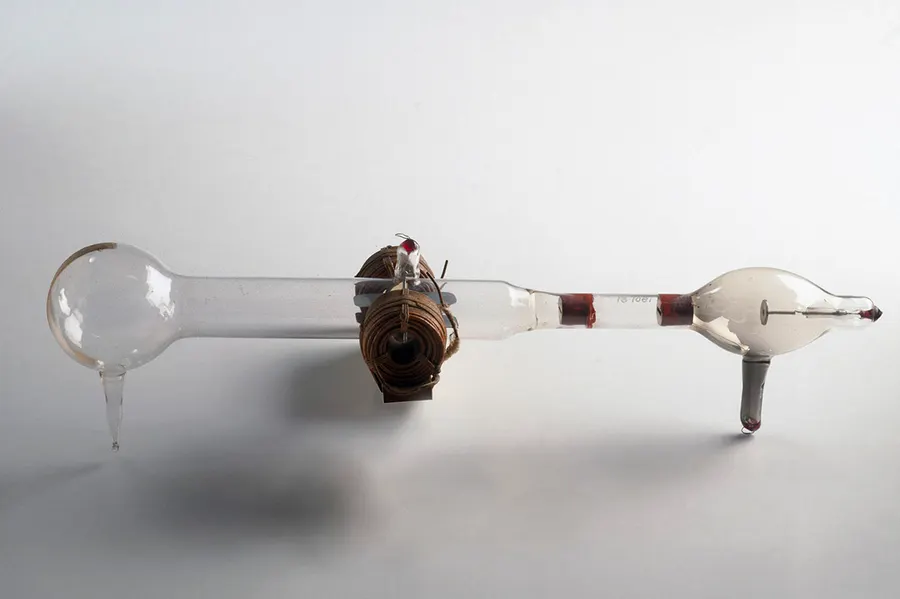
J. J. Thomson's cathode-ray tube of 1897, the apparatus of his electron experiments (Science Museum, London).
J. J. Thomson’s cathode-ray tube of 1897, the apparatus of his electron experiments (Science Museum, London).
Image creditScience Museum London / Science and Society Picture Library · CC BY-SA 2.0Resized and cropped for display.

J. J. Thomson announces the electron

On 30 April 1897 the Cambridge physicist J. J. Thomson gave a Friday Evening Discourse at the Royal Institution in London on cathode rays. He argued that the rays were streams of tiny negatively charged particles, far lighter than any atom, and that they were part of all matter.

Thomson called them corpuscles; others soon adopted the name electron. The idea that the atom could be broken into smaller parts overturned centuries of thinking, and it earned him the Nobel Prize in Physics in 1906.

Read the full storyHistory & Timeline →Source: Royal Institution: Subatomic science - JJ Thomson’s discovery of the electron ↗
♫
MUSIC • FILM • BOOKS • CULTURE

Culture Stories

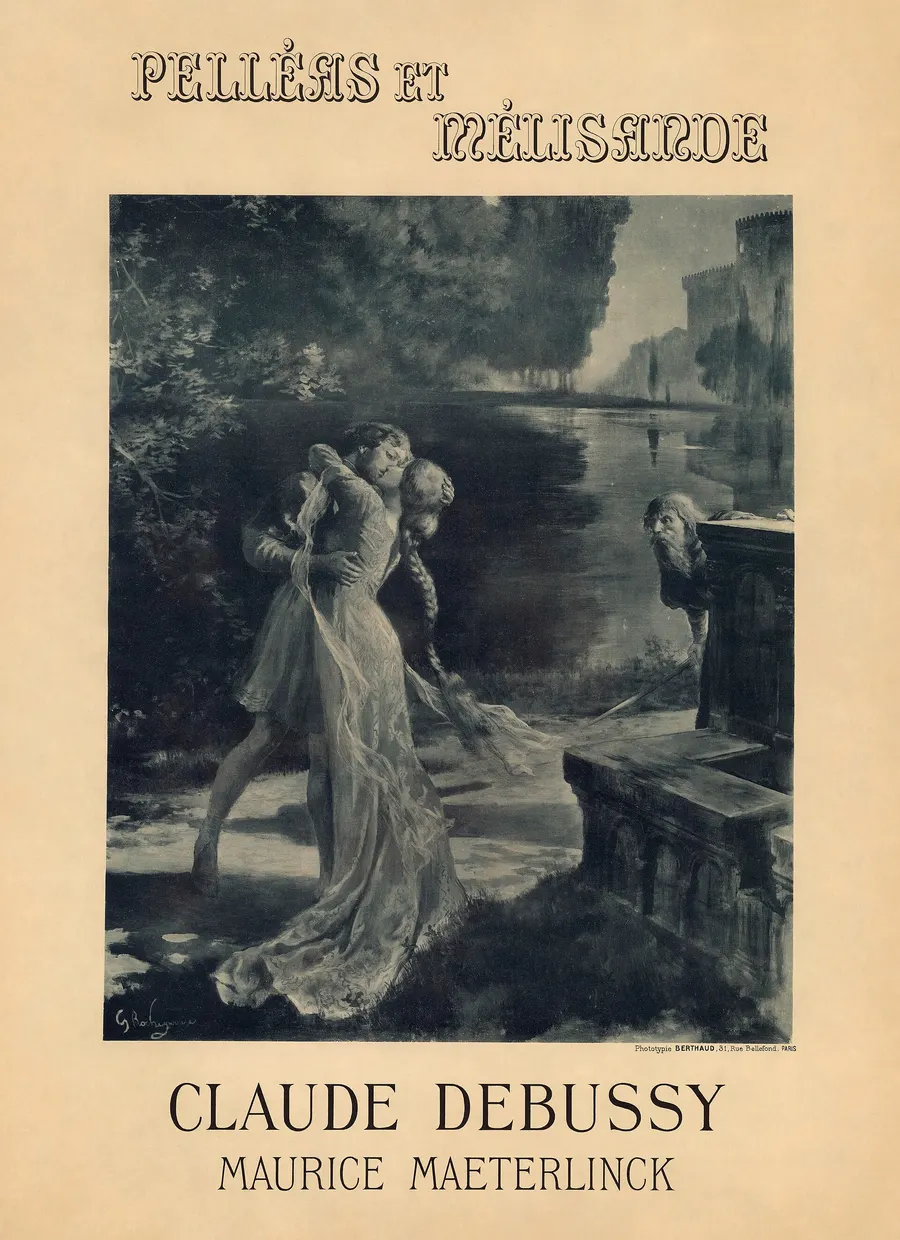
Georges Rochegrosse's poster for the first production of Pelléas et Mélisande, 1902.
Georges Rochegrosse’s poster for the first production of Pelléas et Mélisande, 1902.
Image creditGeorges Rochegrosse / Adam Cuerden · Public domainResized and cropped for display.

Debussy’s Pelléas et Mélisande opens in Paris

On 30 April 1902 the Opéra-Comique in Paris gave the first performance of Claude Debussy’s only completed opera, Pelléas et Mélisande, conducted by André Messager. The Scottish soprano Mary Garden sang Mélisande and Jean Périer sang Pelléas.

Debussy had set Maurice Maeterlinck’s play almost word for word over nearly a decade, but the playwright turned against the production shortly before the opening, partly because he had wanted a different singer. The hushed, floating score puzzled some early listeners, yet it became one of the most influential operas of the century.

Read the full storyHistory & Timeline →Source: Opéra-Comique: Pelléas et Mélisande ↗
✦
LIVES REMEMBERED

Remembered Today

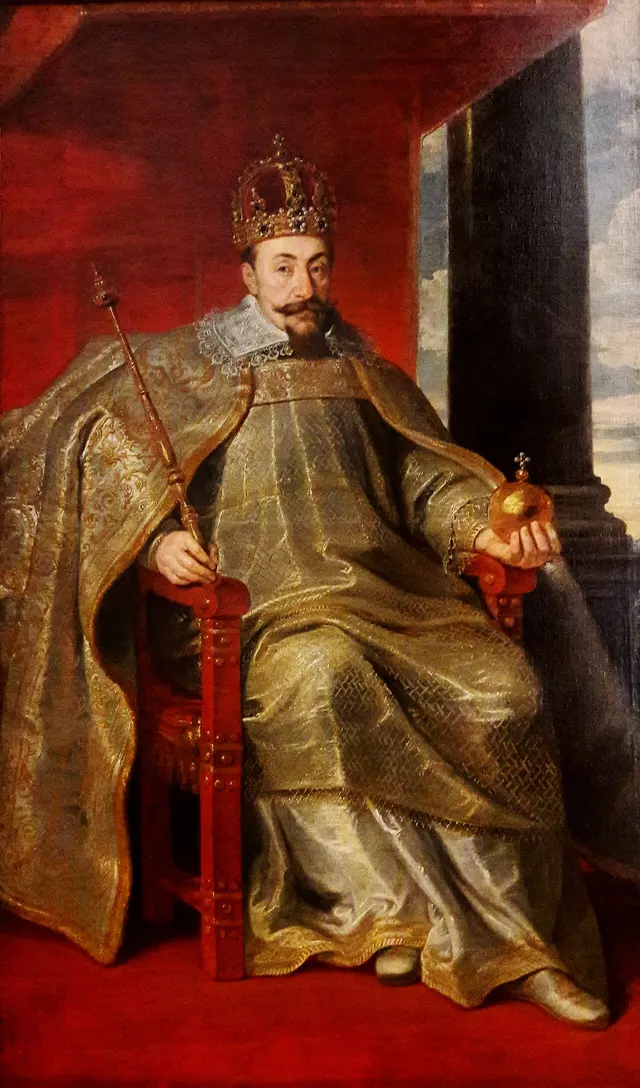
Sigismund III Vasa
Image creditPieter Soutman · Public domainResized and cropped for display.

Sigismund III Vasa

King of Poland and, for a time, of Sweden, who moved the Polish capital to Warsaw.

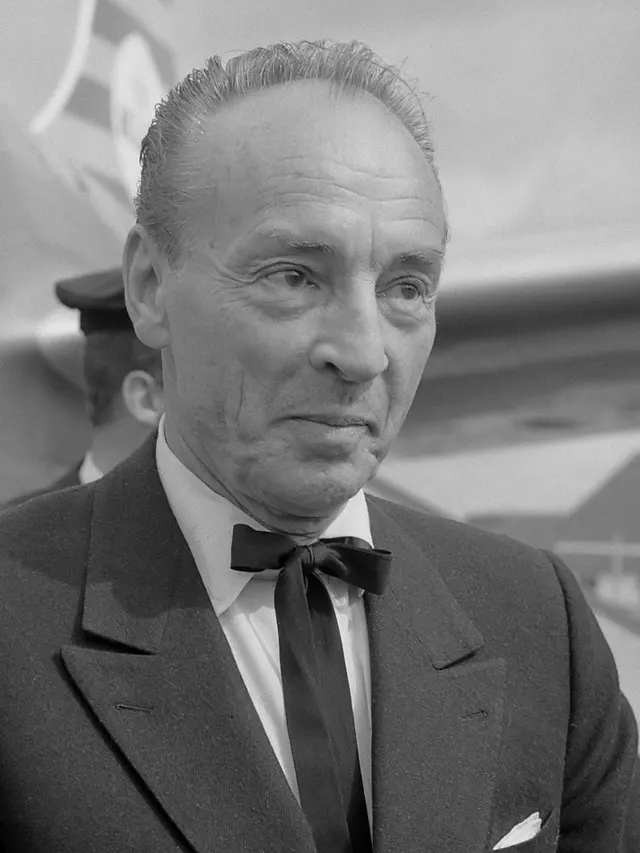
Tony Allen
Image creditTore Sætre · CC BY-SA 4.0Resized and cropped for display.

Tony Allen

Nigerian drummer who, with Fela Kuti, created the rhythms of Afrobeat.

☉
AROUND THE WORLD

Observances & Anniversaries

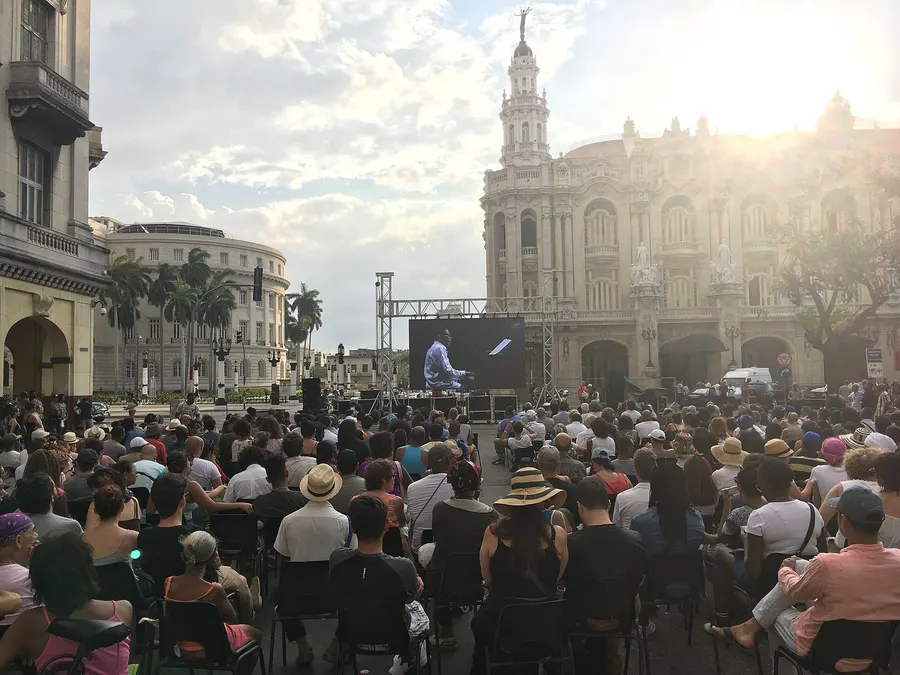
Crowds at the International Jazz Day concert in Havana, 2017.
Image creditwilldanieley · CC BY 4.0Resized and cropped for display.

International Jazz Day

UNESCO proclaimed 30 April International Jazz Day in November 2011, at the suggestion of the pianist Herbie Hancock, one of its goodwill ambassadors. Concerts, classes and broadcasts around the world celebrate jazz as music that crosses borders and brings people together, and a different city hosts the main concert each year.

Source: UNESCO: International Jazz Day ↗
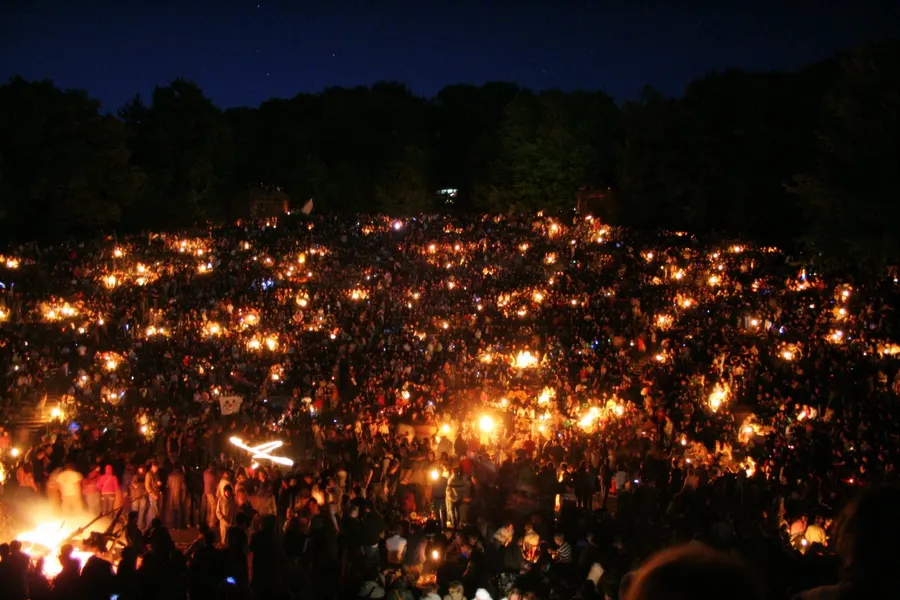
Candles and fires at the Walpurgis Night gathering at the Thingstätte in Heidelberg.
Image creditAndreas Fink · CC BY-SA 2.0 deResized and cropped for display.

Walpurgis Night

The night of 30 April is Walpurgis Night in much of northern and central Europe, named after Walburga, an English-born abbess who worked in Germany in the 8th century. In Sweden and Finland people welcome spring with bonfires, choirs and street parties, while in Germany’s Harz Mountains legend has witches gathering on the Brocken.

Source: sweden.se: Walpurgis Night - 30 April ↗
HISTORY & TIMELINE

Finished the highlights?

Follow 30 April chronologically, from the Middle Ages to the modern day, with 14 verified events and the sources behind them.

This day through time →