
HISTORY & TIMELINE
30 April

A journey through
30 April in history

From the Roman emperor Galerius’s edict of toleration in 311 to Emperor Akihito’s abdication in 2019, 30 April has seen the Louisiana Purchase signed in Paris, the Foreign Legion’s stand at Camarón, the end of Hitler’s regime in a Berlin bunker, the liberation of Ravensbrück, the founding charter of the Organization of American States and a Dutch queen hand the throne to her daughter. This timeline follows the date across seventeen centuries.

I
EARLIEST RECORDS

Ancient & Early History

The earliest worthwhile records and events connected with this date.

311
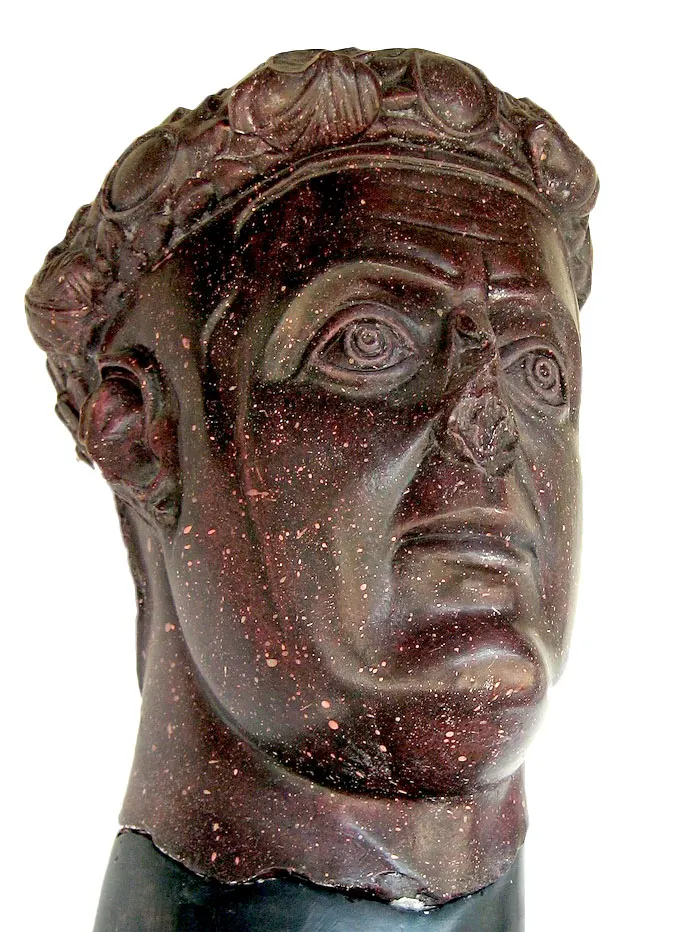
A porphyry portrait head of Emperor Galerius from his palace at Romuliana (Gamzigrad), in present-day Serbia.A porphyry portrait head of Emperor Galerius from his palace at Romuliana (Gamzigrad), in present-day Serbia.Image: Shinjirod · CC BY 3.0
culture · Middle East

Rome ends its great persecution of Christians

On 30 April 311 an edict in the name of the senior emperor Galerius was posted at Nicomedia, the eastern imperial capital in what is now north-west Turkey. After eight years of the harshest persecution Christians had faced, it allowed them to exist again and to hold their meetings, provided they did nothing against public order. Galerius, who had been one of the persecution’s chief supporters, was gravely ill and asked Christians in return to pray for him and for the state. He died within days, and two years later the emperors Constantine and Licinius went further, granting freedom of worship to all.

Source: Lactantius, Of the Manner in Which the Persecutors Died, ch. 34-35 (New Advent) ↗
III
A CHANGING WORLD

Early Modern Era

Exploration, political change, scientific development and expanding global connections.

1789
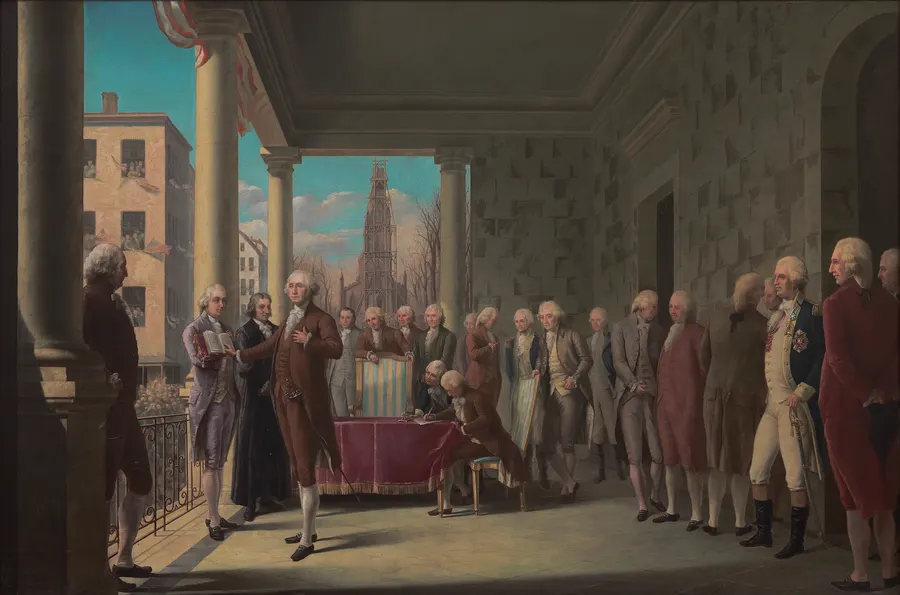
Ramon de Elorriaga's painting of Washington taking the oath on the balcony of Federal Hall, New York.Ramon de Elorriaga’s painting of Washington taking the oath on the balcony of Federal Hall, New York.Image: Ramon Elorriaga · Public domain
politics · Americas

George Washington takes the oath as first president

On 30 April 1789 George Washington stepped onto a balcony of Federal Hall on Wall Street in New York and took the oath as the first president of the United States. It was administered by Robert Livingston, the chancellor of New York, in front of a crowd filling the streets below. Washington then went inside to the Senate chamber and delivered the first inaugural address to both houses of Congress. The ceremony had been delayed for weeks because bad winter weather held up members of the new Congress on their way to the capital.

Source: US National Archives: George Washington’s First Inaugural Address, April 30, 1789 ↗
IV
THE NINETEENTH CENTURY

The 1800s

Industry, empire, invention, reform and a century of enormous transformation.

1803
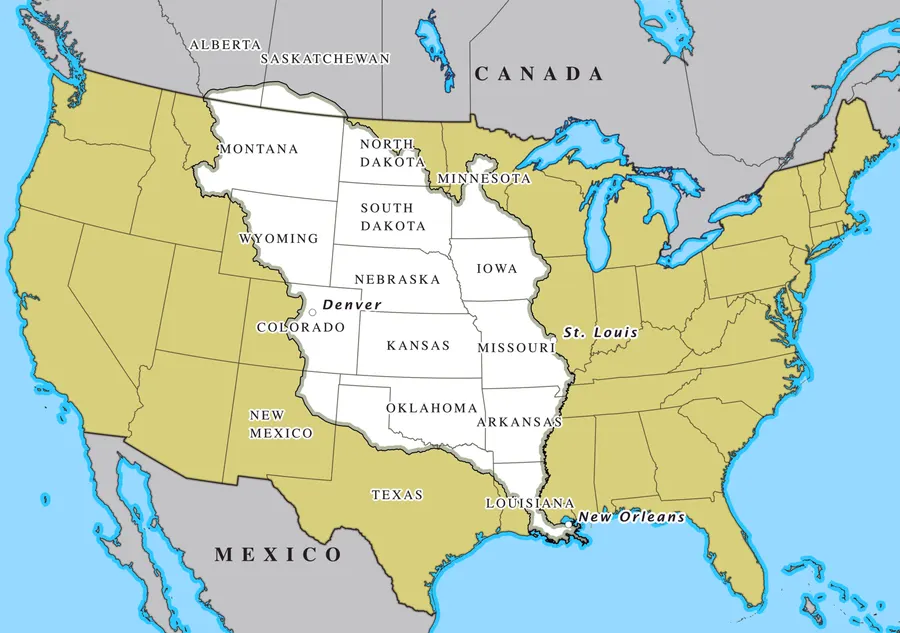
A modern map of the Louisiana Purchase (white) within the present-day United States.A modern map of the Louisiana Purchase (white) within the present-day United States.Image: William Morris · CC BY-SA 4.0
politics · Americas

The Louisiana Purchase treaty is agreed

On 30 April 1803 American envoys Robert Livingston and James Monroe and the French minister François Barbé-Marbois concluded the treaty, dated that day in Paris, by which France sold Louisiana to the United States. Napoleon, short of money and facing war with Britain, let go a vast territory stretching from the Mississippi to the Rocky Mountains. The price came to about 15 million dollars. The purchase roughly doubled the size of the young republic.

Source: US National Archives: Louisiana Purchase Treaty (1803) ↗
1863
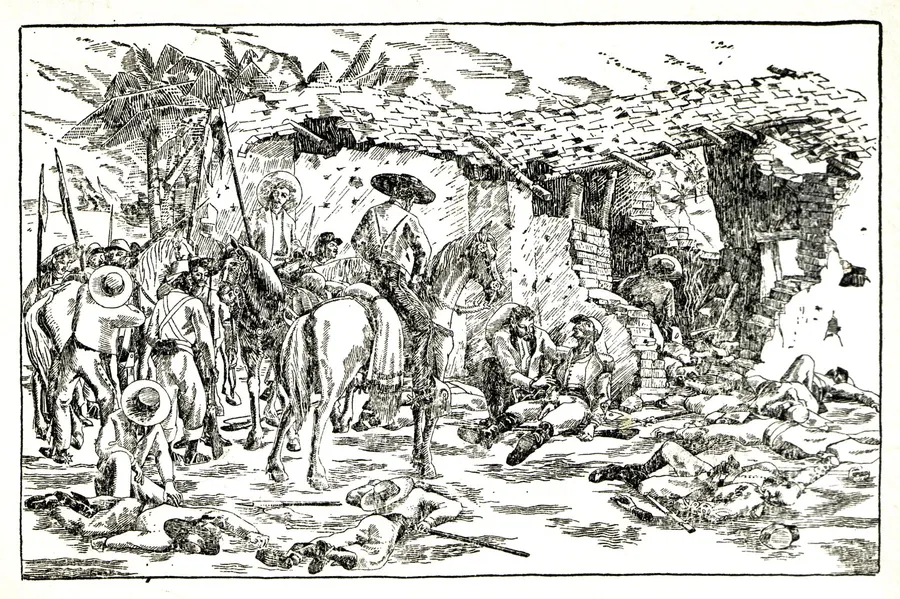
A late 19th-century postcard showing Mexican soldiers lifting wounded legionnaires after the fight at Camarón.A late 19th-century postcard showing Mexican soldiers lifting wounded legionnaires after the fight at Camarón.Image: davric · Public domain
world · Americas

The Foreign Legion’s stand at Camarón

On 30 April 1863, during France’s intervention in Mexico, a company of 65 French Foreign Legion soldiers under Captain Jean Danjou was attacked near the village of Camarón in Veracruz. They held out for most of the day in a walled farmyard against a far larger Mexican force. Danjou was killed, and the last few legionnaires were taken prisoner. The Legion still marks the fight each year as Camerone Day.

Source: French Ministry of the Armed Forces, Chemins de mémoire: Camarón - 30 April 1863 ↗
1897
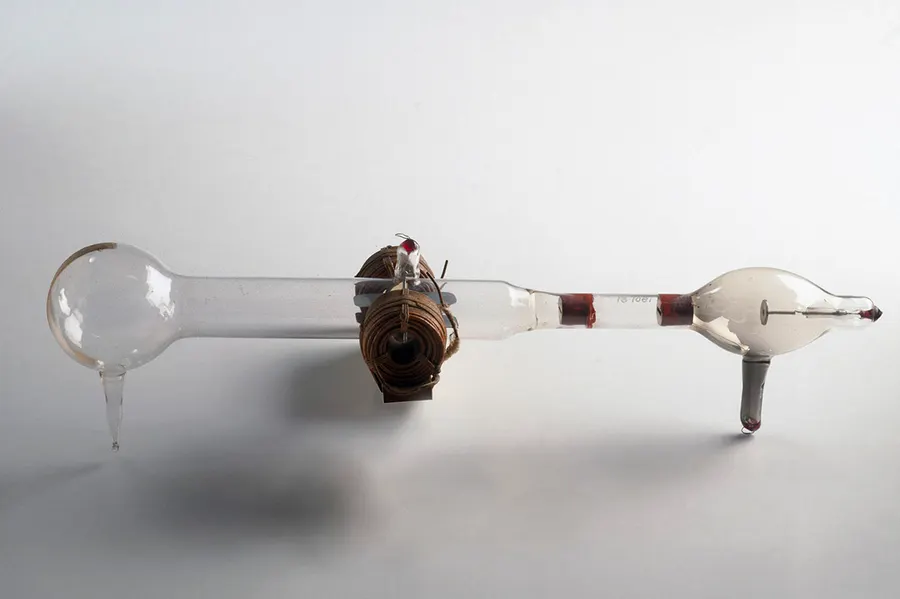
J. J. Thomson's cathode-ray tube of 1897, the apparatus of his electron experiments (Science Museum, London).J. J. Thomson’s cathode-ray tube of 1897, the apparatus of his electron experiments (Science Museum, London).Image: Science Museum London / Science and Society Picture Library · CC BY-SA 2.0

science · Europe

J. J. Thomson announces the electron

On 30 April 1897 the Cambridge physicist J. J. Thomson gave a Friday Evening Discourse at the Royal Institution in London on cathode rays. He argued that the rays were streams of tiny negatively charged particles, far lighter than any atom, and that they were part of all matter. Thomson called them corpuscles; others soon adopted the name electron. The idea that the atom could be broken into smaller parts overturned centuries of thinking, and it earned him the Nobel Prize in Physics in 1906.

Source: Royal Institution: Subatomic science - JJ Thomson’s discovery of the electron ↗
V
THE TWENTIETH CENTURY

The 1900s

War and peace, technological leaps, social change, politics, sport and popular culture.

1902
Georges Rochegrosse's poster for the first production of Pelléas et Mélisande, 1902.Georges Rochegrosse’s poster for the first production of Pelléas et Mélisande, 1902.Image: Georges Rochegrosse / Adam Cuerden · Public domain
culture · Europe

Debussy’s Pelléas et Mélisande opens in Paris

On 30 April 1902 the Opéra-Comique in Paris gave the first performance of Claude Debussy’s only completed opera, Pelléas et Mélisande, conducted by André Messager. The Scottish soprano Mary Garden sang Mélisande and Jean Périer sang Pelléas. Debussy had set Maurice Maeterlinck’s play almost word for word over nearly a decade, but the playwright turned against the production shortly before the opening, partly because he had wanted a different singer. The hushed, floating score puzzled some early listeners, yet it became one of the most influential operas of the century.

Source: Opéra-Comique: Pelléas et Mélisande ↗
1945
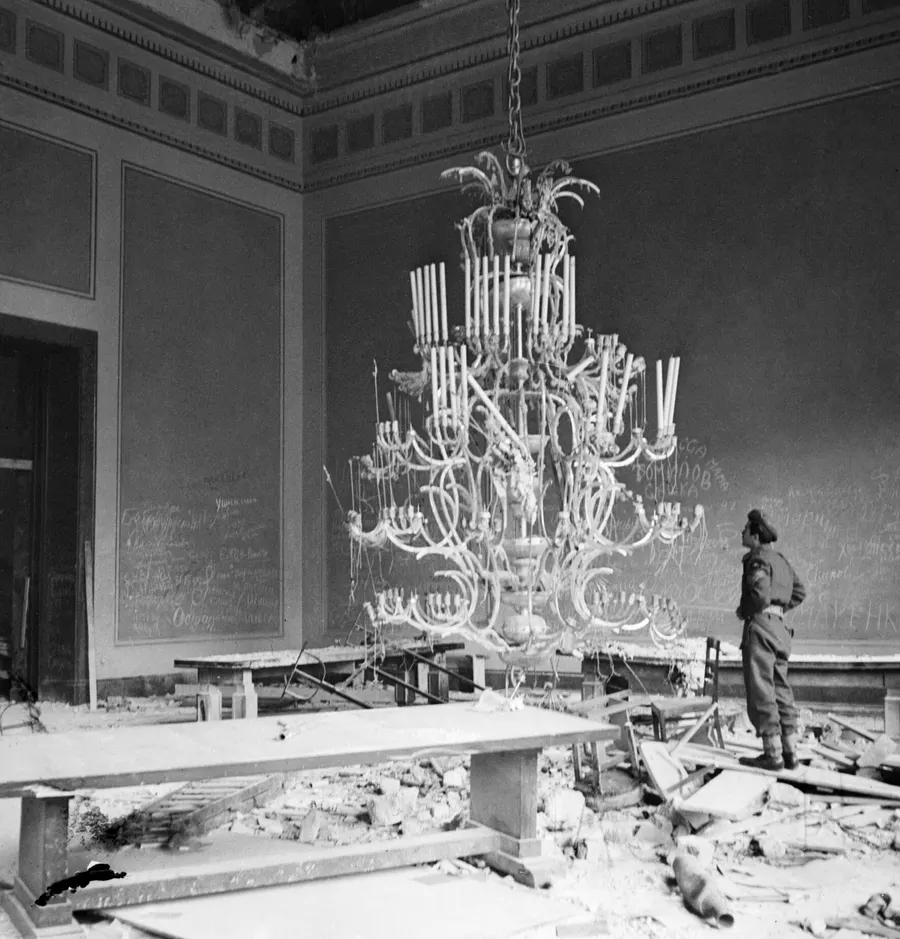
A British army photographer in the ruins of the Reich Chancellery in Berlin, July 1945.A British army photographer in the ruins of the Reich Chancellery in Berlin, July 1945.Image: Hewitt (Sergeant), No 5 Army Film & Photographic Unit · Public domain
world · Europe

Hitler’s regime ends in a Berlin bunker

On 30 April 1945, with Soviet troops fighting their way through the centre of Berlin, Adolf Hitler took his own life in his underground bunker. Command passed to Admiral Karl Dönitz. German forces in Berlin surrendered on 2 May. Within a week Germany had surrendered unconditionally, ending the war in Europe.

Source: United States Holocaust Memorial Museum, Holocaust Encyclopedia: German surrender ↗
1945
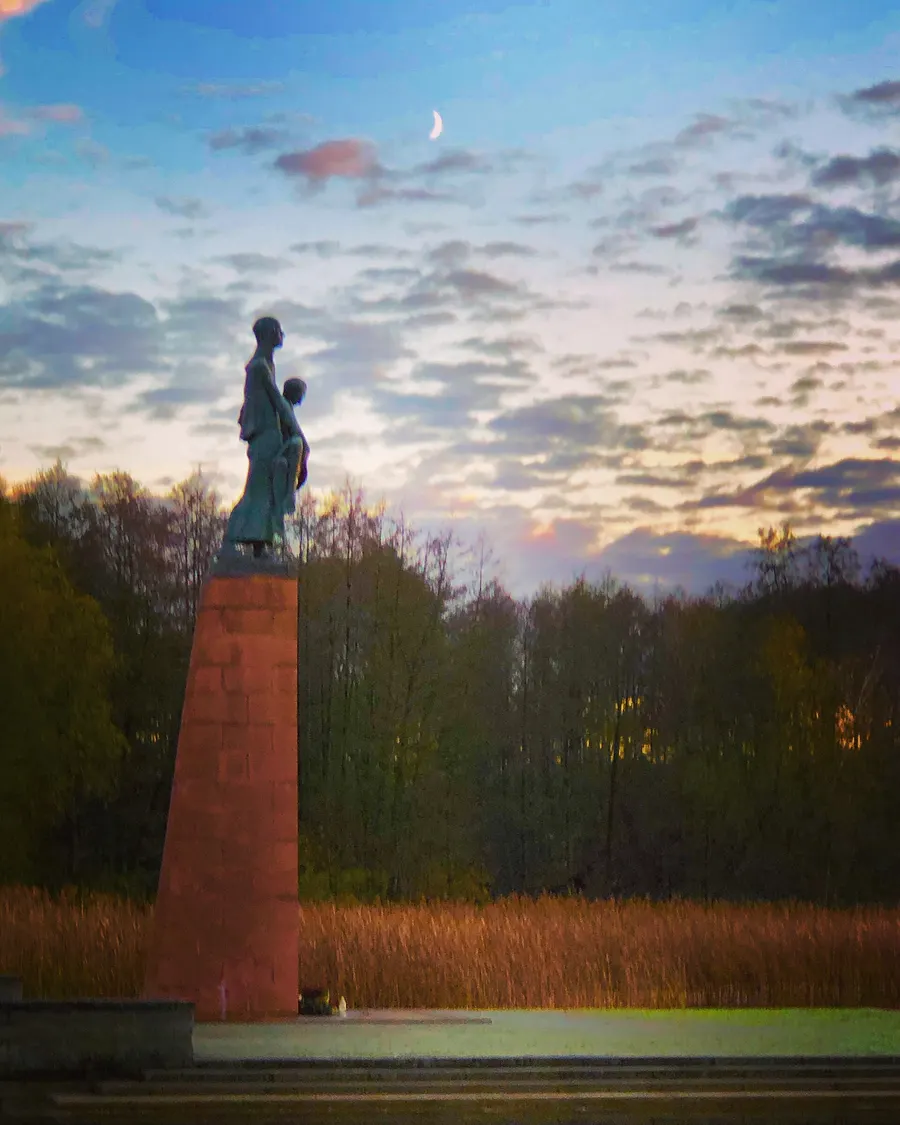
Will Lammert's sculpture Tragende (Woman with a Burden) at the Ravensbrück memorial.Will Lammert’s sculpture Tragende (Woman with a Burden) at the Ravensbrück memorial.Image: M. Huculak · CC BY-SA 4.0
world · Europe

Soviet troops reach Ravensbrück

On 30 April 1945 the first Soviet soldiers reached Ravensbrück, the largest Nazi concentration camp for women, north of Berlin. They found about 2,000 sick and weakened prisoners; most of the others had been forced out on marches days earlier. Well over 100,000 women and some 20,000 men passed through the camp, and tens of thousands died there. The site is now a memorial.

Source: Ravensbrück Memorial: The Ravensbrück Women’s Concentration Camp (1939-1945) ↗
1948
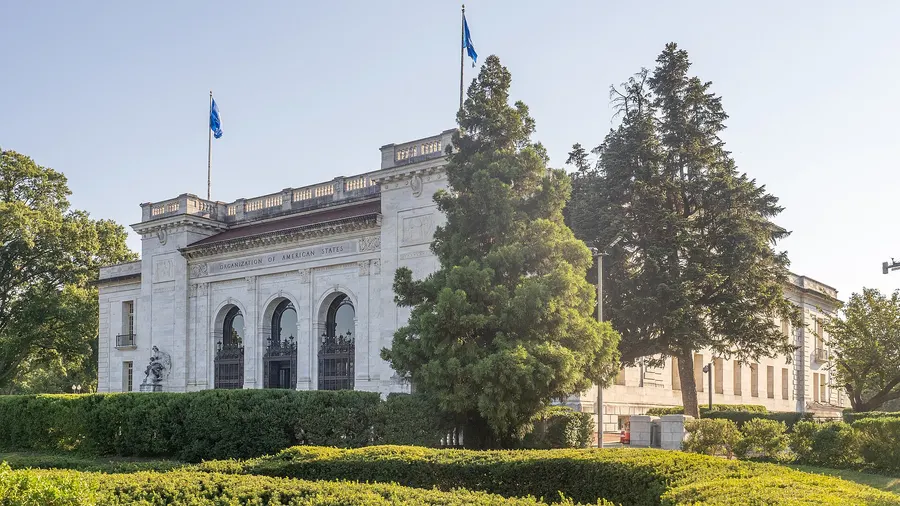
The headquarters of the Organization of American States in Washington, DC.The headquarters of the Organization of American States in Washington, DC.Image: ajay_suresh · CC BY 2.0
politics · Americas

The Organization of American States is founded

On 30 April 1948 delegates of 21 American republics meeting in Bogotá, Colombia, signed the charter of the Organization of American States. It turned an older union of American republics into a regional body pledged to peace, democracy and cooperation. The conference also adopted a treaty on settling disputes peacefully and a declaration of human rights. The OAS is based in Washington and today has 35 member states.

Source: Organization of American States: Charter of the OAS (1948) ↗
1975
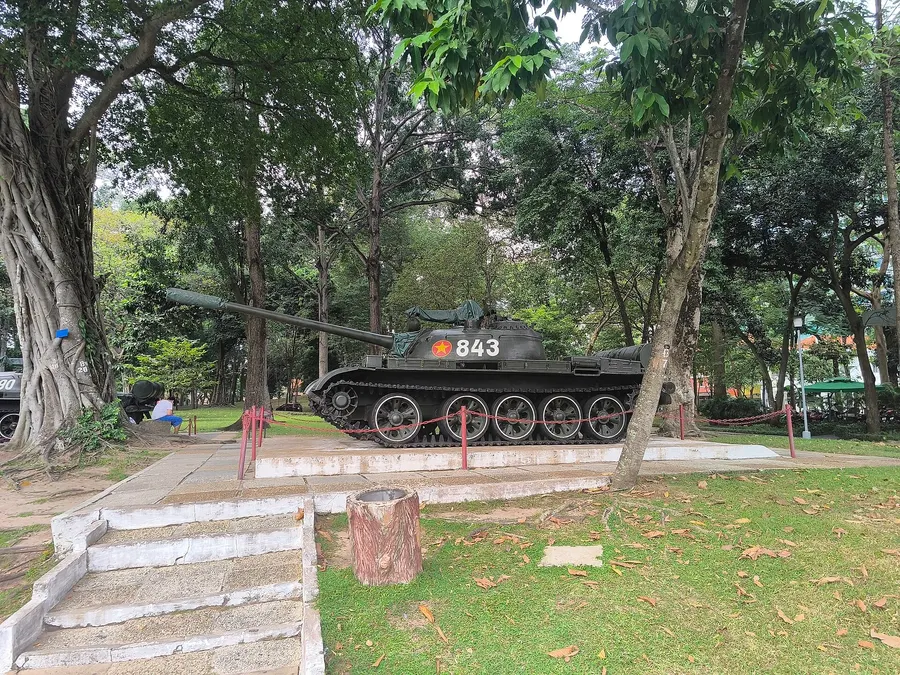
Tank 843, one of the North Vietnamese tanks that broke into the Independence Palace grounds, kept at the palace in Ho Chi Minh City.Tank 843, one of the North Vietnamese tanks that broke into the Independence Palace grounds, kept at the palace in Ho Chi Minh City.Image: 源義信 · CC BY 4.0

world · Asia

Saigon falls and the Vietnam War ends

On 30 April 1975 North Vietnamese tanks rolled into Saigon, and around midday one crashed through the gates of the presidential palace. General Duong Van Minh, president for only two days, had already told his forces to lay down their arms, and the South Vietnamese government surrendered unconditionally. In the hours before, US helicopters had lifted thousands of Americans and South Vietnamese out of the city in Operation Frequent Wind. The fall of Saigon ended decades of war, the country was formally reunified the next year, and Saigon was renamed Ho Chi Minh City.

Source: Britannica: Fall of Saigon ↗
1977
An embroidered white headscarf of the Mothers of the Plaza de Mayo, asking for the disappeared to be returned alive (Museo del Bicentenario, Buenos Aires).An embroidered white headscarf of the Mothers of the Plaza de Mayo, asking for the disappeared to be returned alive (Museo del Bicentenario, Buenos Aires).Image: Museo del Bicentenario · CC BY-SA 3.0
world · Americas

The Mothers of the Plaza de Mayo first gather

On 30 April 1977 fourteen women whose children had disappeared under Argentina’s military government met in the Plaza de Mayo in Buenos Aires, opposite the presidential palace. The idea came from Azucena Villaflor, who believed the mothers would be heard only if they stood together in public. Because the police would not let people stand in groups, the women walked slowly round the square, and soon wore white headscarves to recognise each other. Villaflor herself was abducted that December, but the weekly marches continued and became a symbol of peaceful resistance around the world.

Source: International Centre for the Promotion of Human Rights (CIPDH-UNESCO): The March of Mothers of Plaza de Mayo ↗
1980
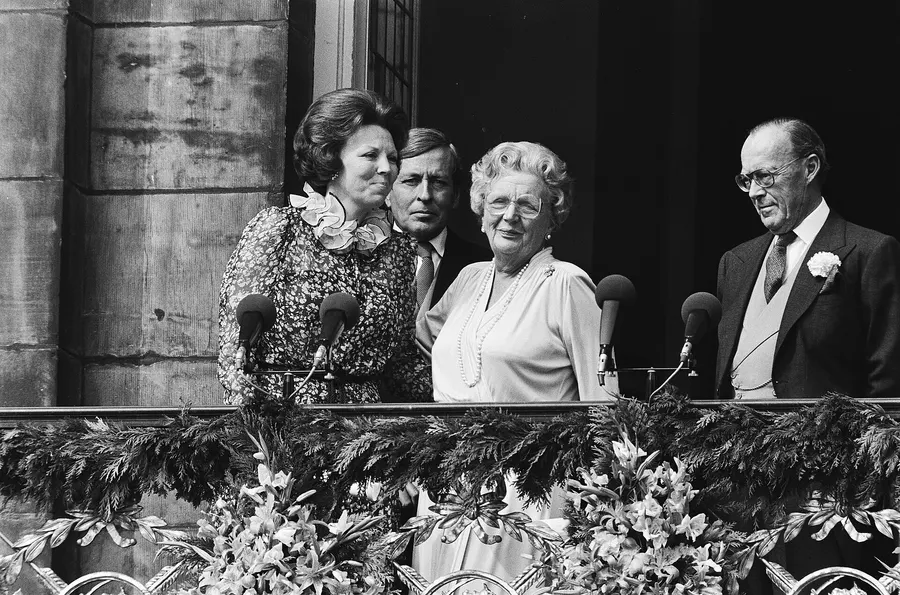
Queen Beatrix and Princess Juliana on the balcony of the Royal Palace in Amsterdam after the abdication, 30 April 1980.Queen Beatrix and Princess Juliana on the balcony of the Royal Palace in Amsterdam after the abdication, 30 April 1980.Image: Rob Croes for Anefo · CC0
politics · Europe

Queen Juliana hands the Dutch throne to Beatrix

On 30 April 1980, her 71st birthday, Queen Juliana of the Netherlands signed her abdication at the Royal Palace in Amsterdam. Her daughter Beatrix became queen and was sworn in at the Nieuwe Kerk the same day. Juliana had announced her decision on radio and television at the end of January. Beatrix kept 30 April as Queen’s Day, and herself stepped down on the same date in 2013.

Source: Royal House of the Netherlands: Queen Juliana (1909-2004) ↗
1993
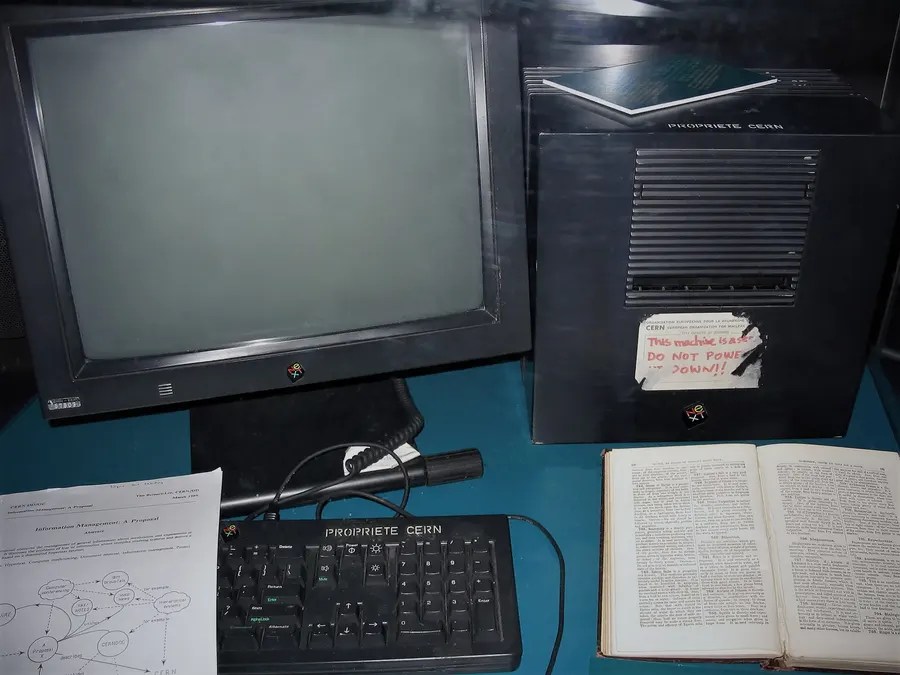
The NeXT computer that Tim Berners-Lee used at CERN as the first web server.The NeXT computer that Tim Berners-Lee used at CERN as the first web server.Image: Coolcaesar (English Wikipedia) · CC BY-SA 3.0
science · Europe

CERN gives the World Wide Web to the world

On 30 April 1993 CERN, the European particle physics laboratory near Geneva, signed a short document releasing the World Wide Web software into the public domain. Two of its directors, Walter Hoogland and Helmut Weber, gave up all rights to the code and allowed anyone to use, copy, change and pass it on. Tim Berners-Lee had proposed the web at CERN four years earlier to help physicists share information. Making it free, with no fees or licences, let it spread far faster than rival systems and helped turn it into the everyday web used today.

Source: CERN Document Server: Software release of WWW into public domain ↗
VI
2000 TO TODAY

Modern Day

The events of recent decades that have already become part of the historical record.

2019
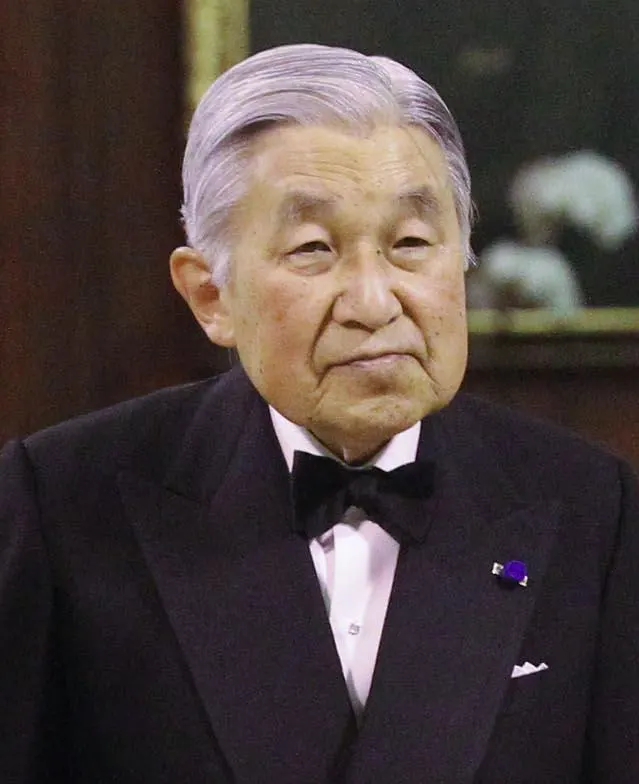
Emperor Akihito in 2016.Emperor Akihito in 2016.Image: Malacañang Photo Bureau · Public domain
politics · Asia

Emperor Akihito steps down

On 30 April 2019 Emperor Akihito of Japan formally gave up the throne in a short state ceremony at the Imperial Palace in Tokyo. It was the first abdication by a Japanese emperor in about two centuries, and needed a special law passed in 2017. His reign had lasted 30 years, the Heisei era. His son Naruhito became emperor the next day, beginning the Reiwa era.

Source: Imperial Household Agency: Remarks by His Majesty the Emperor on the Occasion of the Ceremony of His Abdication, April 30, 2019 ↗
RESEARCH

Sources & Further Reading

Selected authoritative references supporting the events on this page.

Lactantius, Of the Manner in Which the Persecutors Died, ch. 34-35 (New Advent)↗Philip Schaff, History of the Christian Church, vol. II (Christian Classics Ethereal Library)↗Wikipedia: Edict of Serdica↗US National Archives: George Washington’s First Inaugural Address, April 30, 1789↗George Washington’s Mount Vernon: April 30, 1789, President Washington’s Inauguration↗Library of Congress: George Washington’s first inaugural address, 30 April 1789↗US National Archives: Louisiana Purchase Treaty (1803)↗US Office of the Historian: Louisiana Purchase, 1803↗French Ministry of the Armed Forces, Chemins de mémoire: Camarón - 30 April 1863↗Britannica: Battle of Camarón↗Royal Institution: Subatomic science - JJ Thomson’s discovery of the electron↗University of St Andrews research repository: J J Thomson and the discovery of the electron (Physics Education, 1997)↗Opéra-Comique: Pelléas et Mélisande↗Wikipedia: Pelléas et Mélisande (opera)↗United States Holocaust Memorial Museum, Holocaust Encyclopedia: German surrender↗The National WWII Museum: The Death of Adolf Hitler↗Ravensbrück Memorial: The Ravensbrück Women’s Concentration Camp (1939-1945)↗United States Holocaust Memorial Museum, Holocaust Encyclopedia: Liberation of Ravensbrück↗Organization of American States: Charter of the OAS (1948)↗Organization of American States: Our History↗US Office of the Historian: Ninth International Conference of American States (FRUS 1948)↗Britannica: Fall of Saigon↗US National Archives, The Unwritten Record: Operation Frequent Wind and the Fall of Saigon↗Australian War Memorial: After the fall↗International Centre for the Promotion of Human Rights (CIPDH-UNESCO): The March of Mothers of Plaza de Mayo↗European Parliament, Sakharov Prize: Las Madres de Plaza de Mayo, 1992↗Wikipedia: Mothers of the Plaza de Mayo↗Royal House of the Netherlands: Queen Juliana (1909-2004)↗Royal House of the Netherlands: Princess Beatrix↗CERN Document Server: Software release of WWW into public domain↗CERN: 30 years of a free and open Web↗CERN: The birth of the Web↗Imperial Household Agency: Remarks by His Majesty the Emperor on the Occasion of the Ceremony of His Abdication, April 30, 2019↗Prime Minister of Japan and His Cabinet: Remarks by Prime Minister Shinzo Abe at the Ceremony of the Abdication↗Nippon.com: Emperor Akihito Abdicates After 30 Years↗
WHY THESE MOMENTS?

Significance before volume

This page is not the longest possible list of events. It is a chronological journey through 30 April, where each entry is chosen for historical significance, human interest and reliability.

Facts are checked against authoritative museums, archives, universities and reference works. Where sources disagree, the page says so.

EXPLORED THE DEEPER STORY?

Return to the highlights of 30 April

Discover the lighter side of the date with famous birthdays, culture, firsts and lives remembered.

Explore This Day →
← PREVIOUS DAY29 April
HISTORY & TIMELINE30 April
NEXT DAY →1 May