
HISTORY & TIMELINE
29 April

A journey through
29 April in history

From the Byzantine victory at Levounion in 1091 to a royal wedding at Westminster Abbey in 2011, 29 April has seen a blow with a fly whisk in Algiers, a mountain collapse on the Canadian town of Frank, the founding of Tsinghua in Beijing, the surrender at Kut and the first food drops over the starving Netherlands. This timeline follows the date across more than nine centuries.

II
THE MIDDLE AGES

Medieval History

Kingdoms, conflict, faith, power and the changing medieval world.

1091
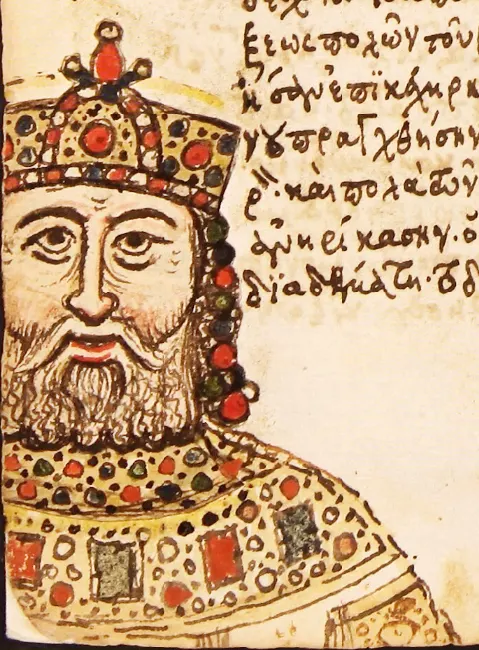
Emperor Alexios I Komnenos in a Byzantine manuscript portrait (Mutinensis gr. 122).Emperor Alexios I Komnenos in a Byzantine manuscript portrait (Mutinensis gr. 122).Image: Unknown Byzantine scribes · Public domain
world · Europe

Byzantium defeats the Pechenegs at Levounion

On 29 April 1091 (Julian calendar) the Byzantine emperor Alexios I Komnenos and his Cuman allies fell on the camp of the Pechenegs at Levounion, near the River Maritsa in Thrace. The nomadic Pechenegs had raided deep into the empire for years and had come with their families, and the battle became a slaughter. It ended the Pecheneg threat to Byzantium for a generation. The victory was the first great success of Alexios’s long effort to restore the empire.

Source: Oxford Reference: Battle of Levounion ↗
1429
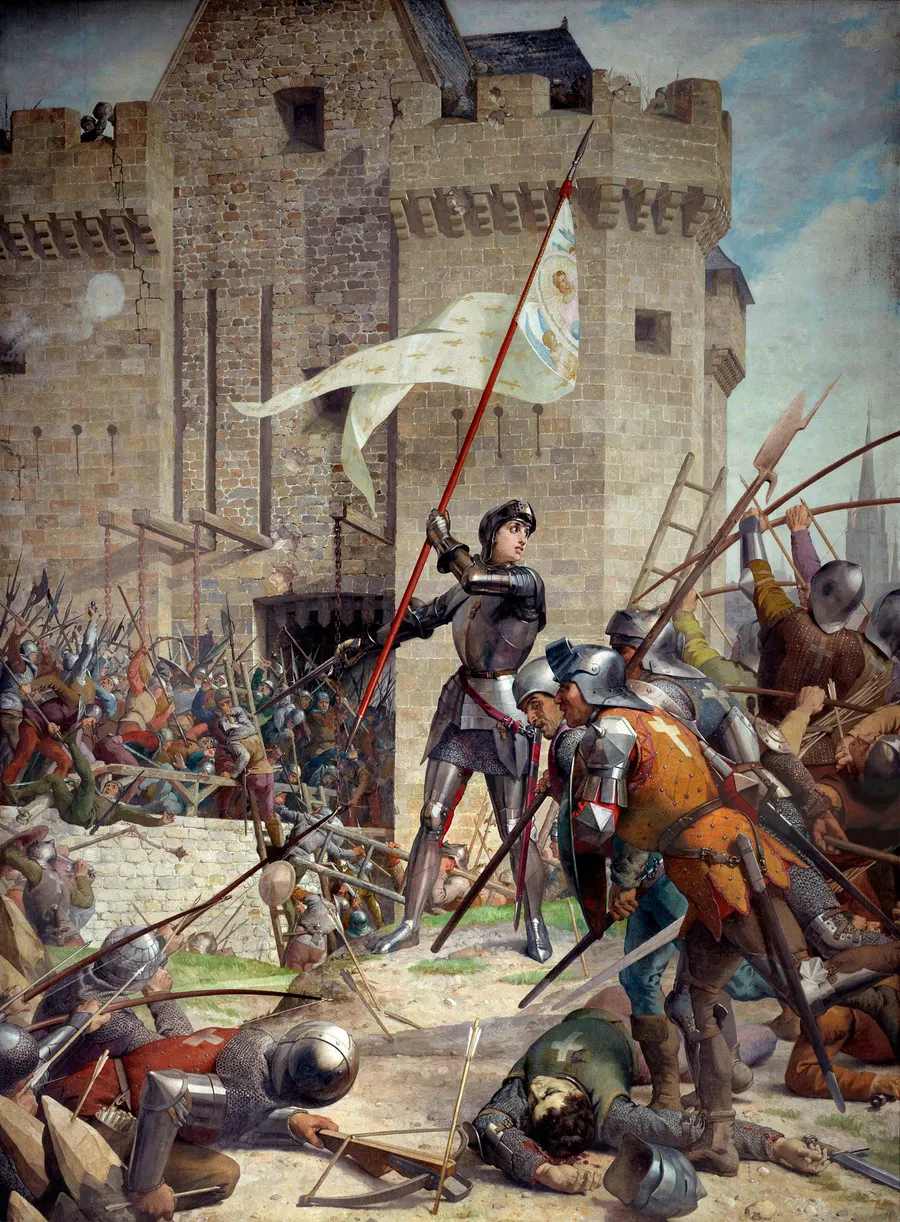
Joan of Arc at the siege of Orléans, a romantic scene painted by Jules Eugène Lenepveu in 1886-1890 for the Panthéon, Paris.Joan of Arc at the siege of Orléans, a romantic scene painted by Jules Eugène Lenepveu in 1886-1890 for the Panthéon, Paris.Image: Eugène Lenepveu · Public domain
world · Europe

Joan of Arc rides into besieged Orléans

On 29 April 1429 a 17-year-old peasant girl from Lorraine entered the city of Orléans, which English forces had held under siege since the previous October. While a French sortie drew the English attention to the west, Joan of Arc came in through the eastern gate after dark, in armour and carrying her banner, with a convoy of supplies. Orléans was the key to the Loire and to southern France, and its fall would have left the uncrowned Charles VII with little to defend. Within ten days the French had taken the English forts around the city and the siege was lifted on 8 May, a turning point that led to Charles’s coronation at Reims that July.

Source: Britannica: Saint Joan of Arc ↗
III
A CHANGING WORLD

Early Modern Era

Exploration, political change, scientific development and expanding global connections.

1770
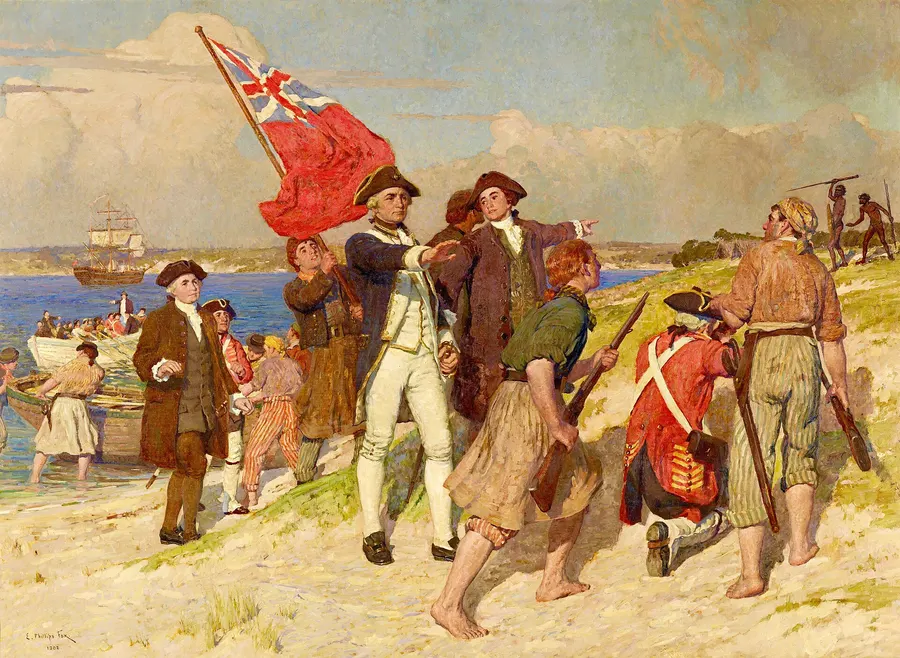
E. Phillips Fox's painting of Cook's landing at Botany Bay, an imagined scene painted more than a century later.E. Phillips Fox’s painting of Cook’s landing at Botany Bay, an imagined scene painted more than a century later.Image: E. Phillips Fox · Public domain
world · Oceania

The Endeavour anchors in Botany Bay

On 29 April 1770 the British ship Endeavour, commanded by James Cook, anchored on the southern shore of the bay the Gweagal people call Kamay, at what is now Kurnell in Sydney. It was the first European landing on the east coast of Australia, and the Gweagal met the strangers with clear signs that they were not welcome. The crew stayed eight days, taking on water and firewood while the naturalists Joseph Banks and Daniel Solander gathered so many new plants that Cook named the place Botany Bay. His favourable report on the bay helped persuade the British government to send the convict fleet there in 1788.

Source: National Museum of Australia: Kamay - Botany Bay ↗
IV
THE NINETEENTH CENTURY

The 1800s

Industry, empire, invention, reform and a century of enormous transformation.

1826
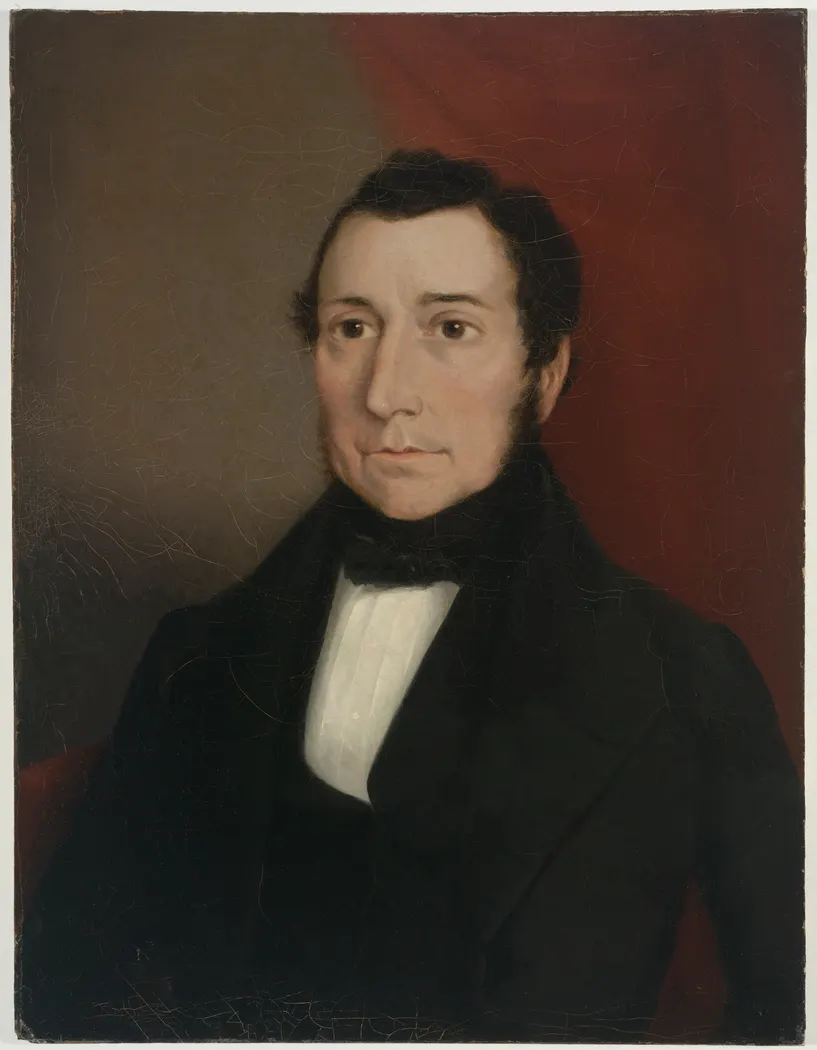
James Dunlop, in an oil portrait by Joseph Backler of about 1843 (State Library of New South Wales).James Dunlop, in an oil portrait by Joseph Backler of about 1843 (State Library of New South Wales).Image: Joseph Backler · Public domain
science · Oceania

A galaxy is spotted from Parramatta

On 29 April 1826 the Scottish-born astronomer James Dunlop, sweeping the southern sky from the observatory at Parramatta near Sydney, noted a faint, hazy patch in the constellation Centaurus. He listed it in his catalogue of southern nebulae; it is now known as NGC 5128. More than a century later radio astronomers found that the object is one of the brightest radio sources in the sky, and named it Centaurus A. It is a giant galaxy crossed by a dark band of dust, the remains of a smaller spiral galaxy it swallowed, with a massive black hole at its centre.

Source: Orchiston et al., Publications of the Astronomical Society of Australia (arXiv): Early Australian Optical and Radio Observations of Centaurus A ↗
1827
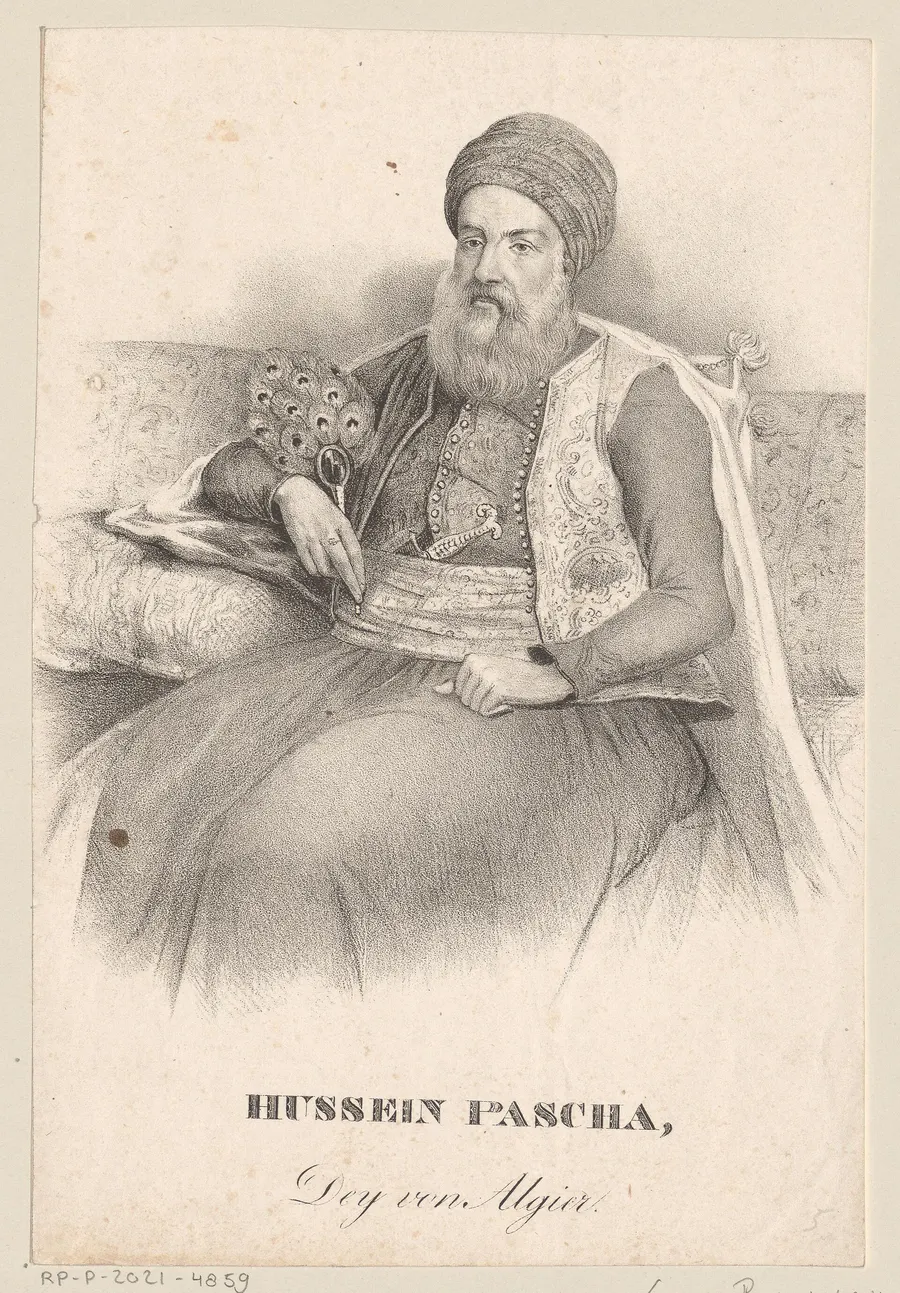
Hussein Dey, the last Ottoman ruler of Algiers, in a 19th-century print.Hussein Dey, the last Ottoman ruler of Algiers, in a 19th-century print.Image: Unknown artist · Public domain
politics · Africa

A blow with a fly whisk in Algiers

On 29 April 1827 Hussein Dey, ruler of Algiers, received the French consul Pierre Deval and pressed him about a debt France had owed Algerian merchants since the 1790s. Unhappy with the answer, the Dey struck the consul with his fly whisk. France demanded an apology, and when none came it blockaded Algiers for three years. The quarrel became the pretext for the French invasion of 1830 and more than 130 years of French rule in Algeria.

Source: Encyclopedia of the Modern Middle East and North Africa (via Encyclopedia.com): Fly Whisk Incident (1827) ↗
1899
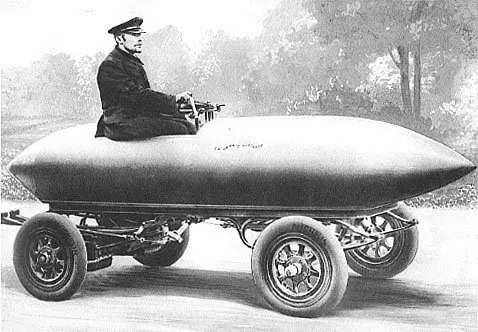
Camille Jenatzy at the tiller of La Jamais Contente, the bullet-shaped electric car.Camille Jenatzy at the tiller of La Jamais Contente, the bullet-shaped electric car.Image: Unknown · Public domain
science · Europe

An electric car passes 100 km/h

On 29 April 1899 the Belgian driver Camille Jenatzy took his torpedo-shaped electric car, La Jamais Contente (‘Never Satisfied’), along a road at Achères, west of Paris, and reached about 105 km/h. No road vehicle had gone faster than 100 km/h before. The car ran on heavy batteries driving two electric motors, and sat on Michelin tyres. For a few years electric cars held the land speed record, before petrol engines took over; the car itself survives in the car museum at Compiègne.

Source: Ville d’Achères: 125 ans du record de la Jamais Contente ↗
V
THE TWENTIETH CENTURY

The 1900s

War and peace, technological leaps, social change, politics, sport and popular culture.

1903
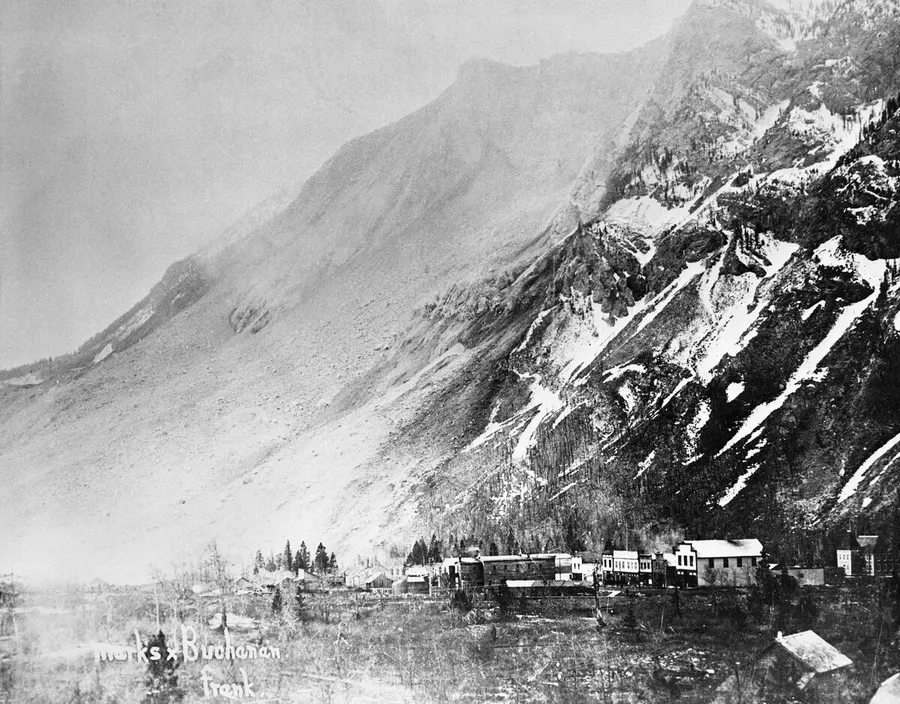
The slide below Turtle Mountain, photographed on 30 April 1903, the day after the rockfall.The slide below Turtle Mountain, photographed on 30 April 1903, the day after the rockfall.Image: Unknown author · Public domain
world · Americas

Turtle Mountain falls on the town of Frank

On 29 April 1903, at about 4.10 in the morning, some 82 million tonnes of limestone broke from the face of Turtle Mountain and swept across the valley below in about 90 seconds. It buried the edge of the coal-mining town of Frank, in what is now Alberta, along with ranches, a railway line and the mine entrance. Around 70 people are thought to have died, though the exact number is not known. The Frank Slide remains Canada’s deadliest rockslide, and the mountain is still monitored today.

Source: The Canadian Encyclopedia: Frank Slide ↗
1911
The gate of Tsinghua University in Beijing in 1928.The gate of Tsinghua University in Beijing in 1928.Image: Tsinghua University · Public domain
science · Asia

Tsinghua opens its doors in Beijing

On 29 April 1911 Tsinghua Imperial College opened in a former princely garden in north-west Beijing. It was paid for with part of the indemnity China owed the United States after the Boxer Rising, which the Americans agreed to return as scholarships. The college prepared students for study at American universities. It became a full university in 1928 and is now one of China’s leading centres of science and engineering.

Source: Tsinghua University: History ↗
1916
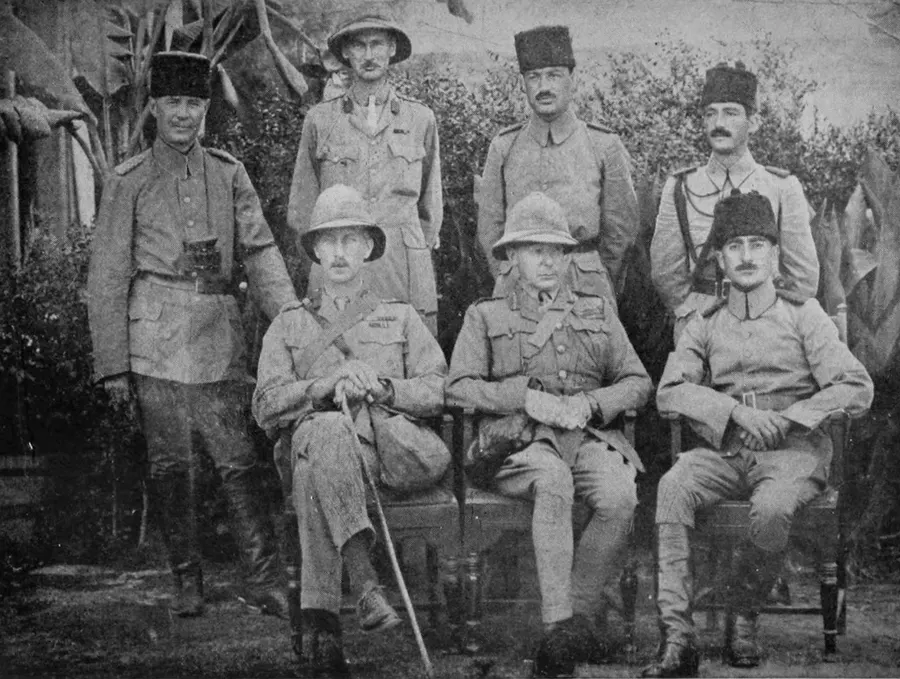
General Townshend, seated centre, with the Ottoman commander Khalil Pasha and officers after the fall of Kut.General Townshend, seated centre, with the Ottoman commander Khalil Pasha and officers after the fall of Kut.Image: Unknown photographer · Public domain
world · Middle East

The garrison of Kut surrenders

On 29 April 1916, after a siege of almost five months, the British and Indian garrison at Kut-al-Amara on the River Tigris surrendered to the Ottoman army. Its commander, Major-General Charles Townshend, had retreated there after failing to reach Baghdad, and relief forces lost some 23,000 men trying to break through. About 13,000 soldiers went into captivity, and many died of disease and hardship on the march and in the camps. It was one of the worst British defeats of the First World War.

Source: National Army Museum: Mesopotamia campaign ↗
1945
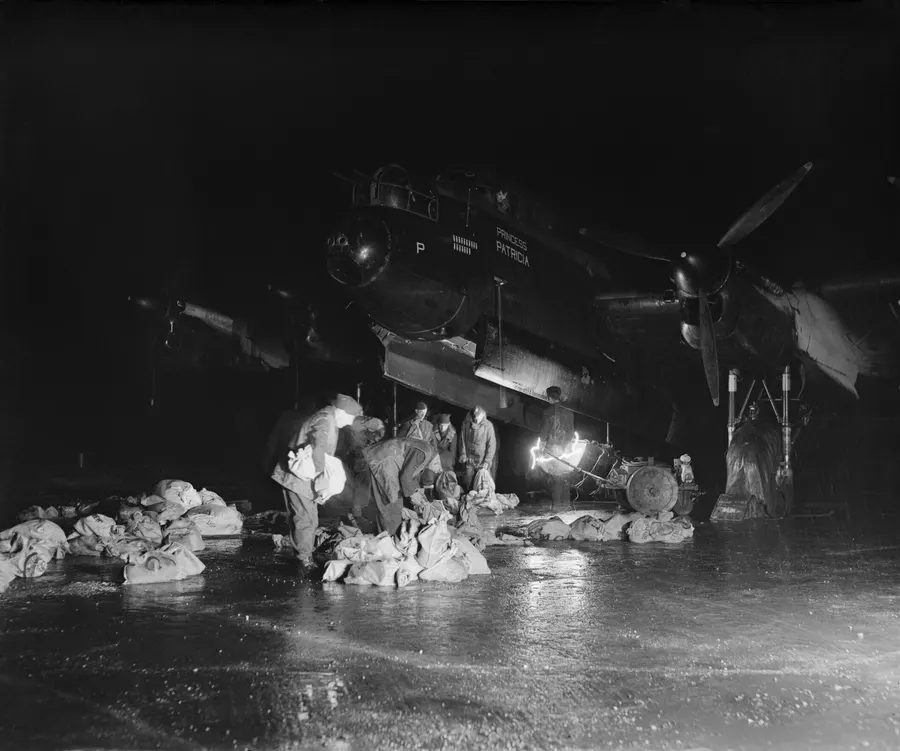
RAF ground crew at Waterbeach load food into a Lancaster's bomb bay for Operation Manna, 29 April 1945.RAF ground crew at Waterbeach load food into a Lancaster’s bomb bay for Operation Manna, 29 April 1945.Image: Royal Air Force official photographer, Penfold (Plt Off) · Public domain
world · Europe

Food falls from the sky over the Netherlands

On 29 April 1945 more than 240 RAF Lancaster bombers flew low over the German-occupied western Netherlands and dropped over 500 tonnes of food on agreed drop zones. The region was in the grip of the ‘Hunger Winter’, and thousands had already died of starvation. The first flights went in before the local truce was fully agreed, trusting the German gunners to hold fire. Over the following ten days British and American aircraft dropped thousands of tonnes more in Operations Manna and Chowhound.

Source: RAF Museum: Operation Manna Remembered ↗
1968
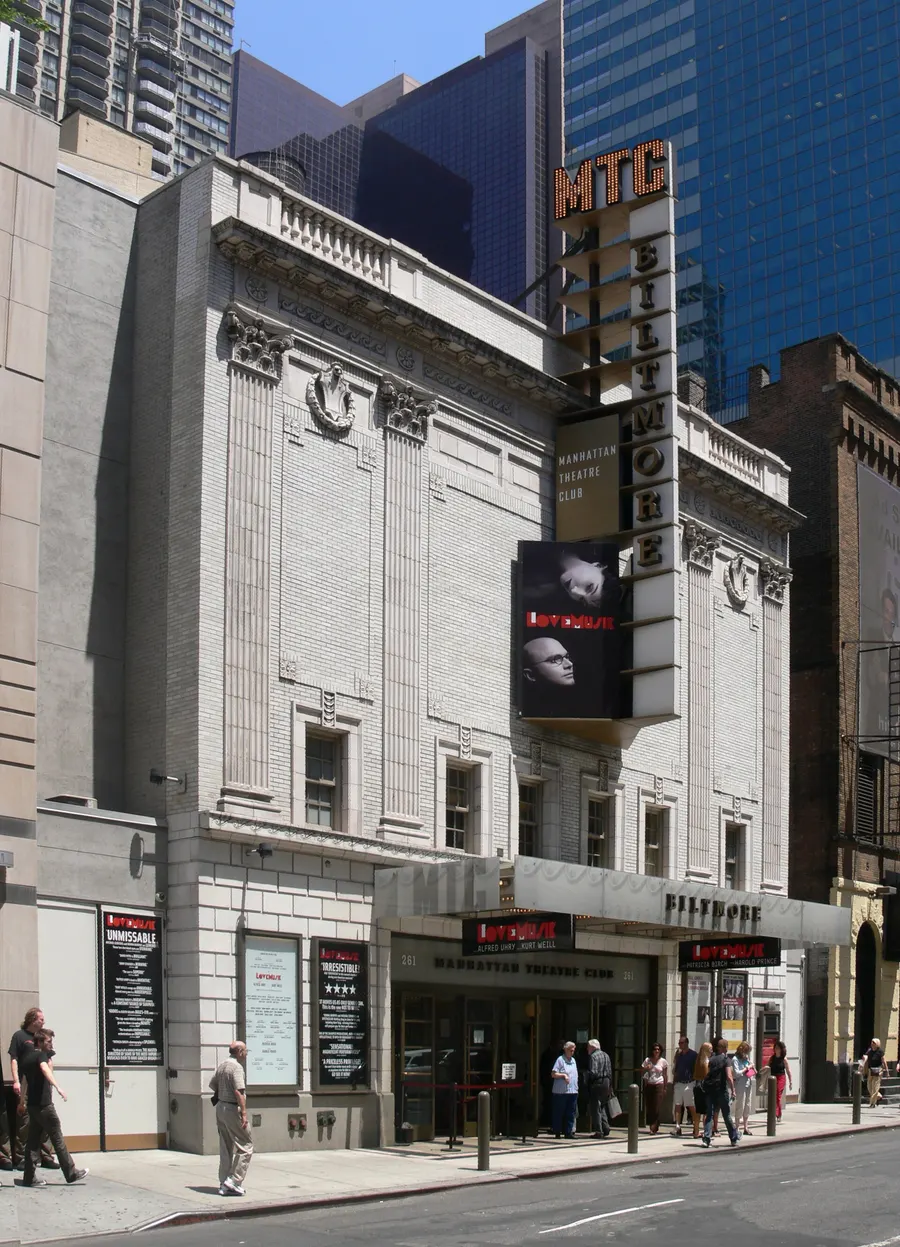
The Biltmore Theatre on West 47th Street, New York, where Hair opened on Broadway, photographed in 2007.The Biltmore Theatre on West 47th Street, New York, where Hair opened on Broadway, photographed in 2007.Image: Andreas Praefcke · CC BY 3.0
culture · Americas

Hair opens on Broadway

On 29 April 1968 the rock musical Hair, written by Gerome Ragni and James Rado with music by Galt MacDermot, opened at the Biltmore Theatre in New York. Subtitled ‘The American Tribal Love-Rock Musical’, it followed a group of young hippies as one of them faces the draft for the Vietnam War. Its rock score, loose plot and frank treatment of drugs, sex and protest were new to Broadway. The show ran for 1,750 performances, and its songs ‘Aquarius’ and ‘Let the Sunshine In’ became hits around the world.

Source: Internet Broadway Database: Hair (1968) ↗
1978
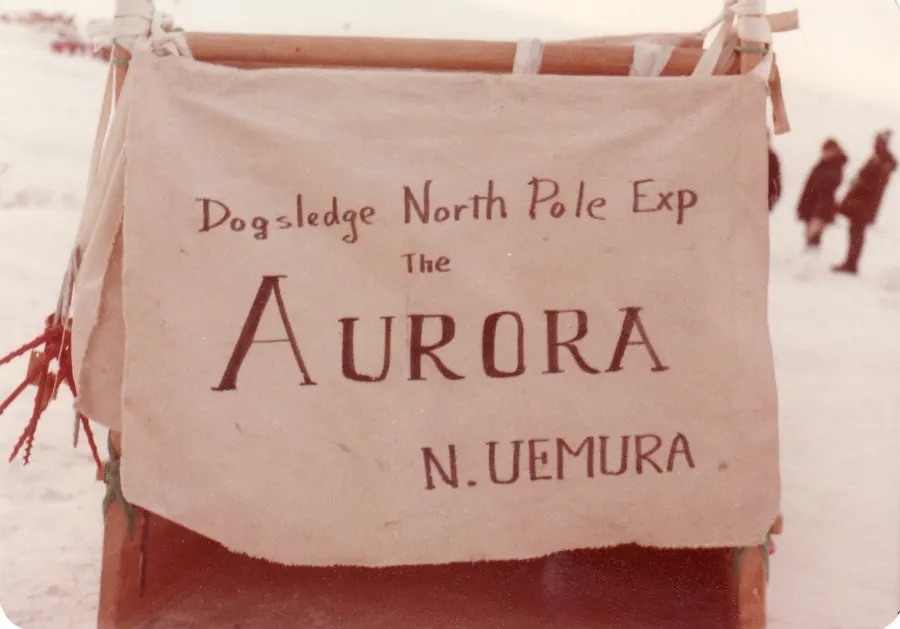
The sled from Naomi Uemura's 1978 solo journey to the North Pole, marked 'Aurora'.The sled from Naomi Uemura’s 1978 solo journey to the North Pole, marked ‘Aurora’.Image: RobertTheRed · CC BY-SA 3.0
sport · Asia

Naomi Uemura reaches the North Pole alone

On 29 April 1978 the Japanese adventurer Naomi Uemura reached the North Pole by dog sled, the first person to make the journey alone. He had set out from Cape Edward on Ellesmere Island in northern Canada in early March and crossed around 770 km of shifting sea ice in 55 days, with supplies dropped by air. On the way a polar bear raided his camp and the floe he was sleeping on broke apart. Uemura, who had already climbed the highest peaks on five continents, died on Denali in Alaska in 1984, and is remembered in Japan as one of its greatest explorers.

Source: Guinness World Records: First solo expedition to the North Pole ↗
1991
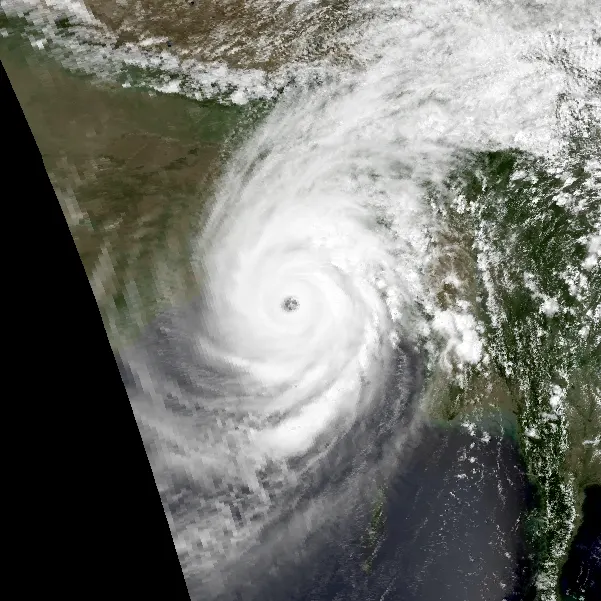
The cyclone over the Bay of Bengal on 29 April 1991, in a NOAA satellite image.The cyclone over the Bay of Bengal on 29 April 1991, in a NOAA satellite image.Image: The National Oceanic and Atmospheric Administration, NCDC · Public domain
world · Asia

A great cyclone strikes the coast of Bangladesh

On 29 April 1991 a powerful tropical cyclone came ashore near Chittagong in south-eastern Bangladesh late in the evening, with winds of around 250 km/h and a storm surge that swept over low-lying islands and coastal land. It was one of the deadliest storms on record: about 138,000 people died and millions lost their homes. After a cyclone in 1970 the country had begun building raised concrete shelters, and studies later found that those in use saved many lives, though there were far too few. The disaster led Bangladesh to expand its warning system and shelter network, which has greatly reduced the death toll from later storms.

Source: Britannica: Bangladesh cyclone of 1991 ↗
1997
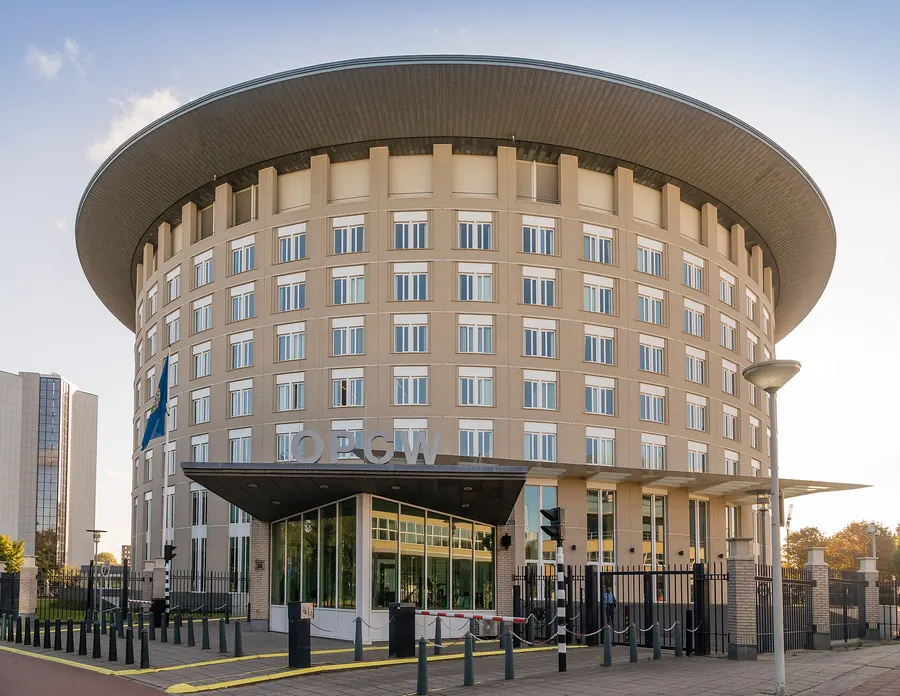
The headquarters of the Organisation for the Prohibition of Chemical Weapons in The Hague.The headquarters of the Organisation for the Prohibition of Chemical Weapons in The Hague.Image: CEphoto, Uwe Aranas · CC BY-SA 4.0

politics · Global

The ban on chemical weapons comes into force

On 29 April 1997 the Chemical Weapons Convention came into force, 180 days after Hungary became the 65th country to ratify it. The treaty forbids states to develop, produce, stockpile or use chemical weapons, and requires them to destroy any they hold. The same day the Organisation for the Prohibition of Chemical Weapons was formally set up in The Hague to inspect and verify that work. Almost every country has since joined, and in 2023 the organisation confirmed that all declared stockpiles had been destroyed; it received the Nobel Peace Prize in 2013.

Source: OPCW: History ↗
VI
2000 TO TODAY

Modern Day

The events of recent decades that have already become part of the historical record.

2011
Prince William and Catherine wave from their carriage after the wedding, 29 April 2011.Prince William and Catherine wave from their carriage after the wedding, 29 April 2011.Image: Robbie Dale · CC BY-SA 2.0
culture · Europe

Prince William marries Catherine Middleton

On 29 April 2011 Prince William, second in line to the British throne, married Catherine Middleton at Westminster Abbey in London. The couple had met as students at the University of St Andrews. That morning the Queen made William Duke of Cambridge, Earl of Strathearn and Baron Carrickfergus. The service was broadcast around the world and watched by many millions, while crowds filled the streets between the abbey and Buckingham Palace.

Source: The Royal Family: The Prince of Wales ↗
RESEARCH

Sources & Further Reading

Selected authoritative references supporting the events on this page.

Oxford Reference: Battle of Levounion↗Wikipedia: Battle of Levounion↗Britannica: Saint Joan of Arc↗EBSCO Research Starters: Joan of Arc’s Relief of Orléans↗Wikipedia: Siege of Orléans↗National Museum of Australia: Kamay - Botany Bay↗National Museum of Australia: Cook’s journal, April 1770↗Wikipedia: Botany Bay↗Orchiston et al., Publications of the Astronomical Society of Australia (arXiv): Early Australian Optical and Radio Observations of Centaurus A↗Wikipedia: Centaurus A↗Encyclopedia of the Modern Middle East and North Africa (via Encyclopedia.com): Fly Whisk Incident (1827)↗Wikipedia: Hussein Dey↗Ville d’Achères: 125 ans du record de la Jamais Contente↗Wikipedia: La Jamais Contente↗The Canadian Encyclopedia: Frank Slide↗Alberta Geological Survey: Frank Slide↗Wikipedia: Frank Slide↗Tsinghua University: History↗History Today: Tsinghua University Founded↗Wikipedia: History of Tsinghua University↗National Army Museum: Mesopotamia campaign↗Imperial War Museums: Signals sent by General Townshend during the Siege of Kut↗Wikipedia: Siege of Kut↗RAF Museum: Operation Manna Remembered↗Australian War Memorial: Food from Heaven - 460 Squadron and Operation Manna, 1945↗Wikipedia: Operation Manna and Chowhound↗Internet Broadway Database: Hair (1968)↗PBS, Broadway: The American Musical: Hair↗Wikipedia: Hair (musical)↗Guinness World Records: First solo expedition to the North Pole↗Nippon.com: Remembering legendary Japanese adventurer Uemura Naomi↗Wikipedia: Naomi Uemura↗Britannica: Bangladesh cyclone of 1991↗Chowdhury et al., Disasters (Wiley, 1993): The Bangladesh Cyclone of 1991: Why So Many People Died↗Wikipedia: 1991 Bangladesh cyclone↗OPCW: History↗United Nations Office for Disarmament Affairs: Chemical Weapons↗Wikipedia: Chemical Weapons Convention↗The Royal Family: The Prince of Wales↗Wikipedia: Wedding of Prince William and Catherine Middleton↗
WHY THESE MOMENTS?

Significance before volume

This page is not the longest possible list of events. It is a chronological journey through 29 April, where each entry is chosen for historical significance, human interest and reliability.

Facts are checked against authoritative museums, archives, universities and reference works. Where sources disagree, the page says so.

EXPLORED THE DEEPER STORY?

Return to the highlights of 29 April

Discover the lighter side of the date with famous birthdays, culture, firsts and lives remembered.

Explore This Day →
← PREVIOUS DAY28 April
HISTORY & TIMELINE29 April
NEXT DAY →30 April