HISTORY & TIMELINE
28 April

A journey through
28 April in history

From the battle that founded Sasanian Persia in 224 to the first paying tourist’s flight into space in 2001, 28 April has seen the murder of a crusader king in Tyre, the founding of Asia’s oldest surviving university in Manila, Maryland’s vote for the US Constitution, a crowded first Cup final at Wembley, the premiere of Balanchine’s Orpheus and Muhammad Ali’s refusal to join the US Army. This timeline follows the date across eighteen centuries.

I
EARLIEST RECORDS

Ancient & Early History

The earliest worthwhile records and events connected with this date.

224
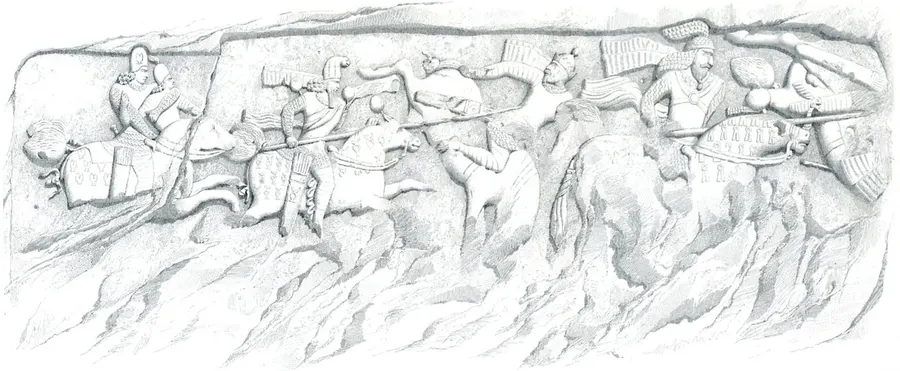
Eugène Flandin's drawing of the rock relief at Firuzabad showing Ardashir's victory over the Parthians.Eugène Flandin’s drawing of the rock relief at Firuzabad showing Ardashir’s victory over the Parthians.Image: Eugène Flandin · Public domain
world · Middle East

Ardashir defeats the last Parthian king

On 28 April 224, the traditional date for the battle, the Persian ruler Ardashir defeated and killed Artabanus IV, the last king of the Parthian dynasty, at Hormozdgan in south-western Iran. The victory ended almost five centuries of Parthian rule. Ardashir took the title King of Kings and founded the Sasanian empire, which lasted until the Arab conquests of the 7th century. He celebrated the battle in a great rock relief near Firuzabad.

Source: Encyclopaedia Iranica: Hormozdgan ↗
II
THE MIDDLE AGES

Medieval History

Kingdoms, conflict, faith, power and the changing medieval world.

1192
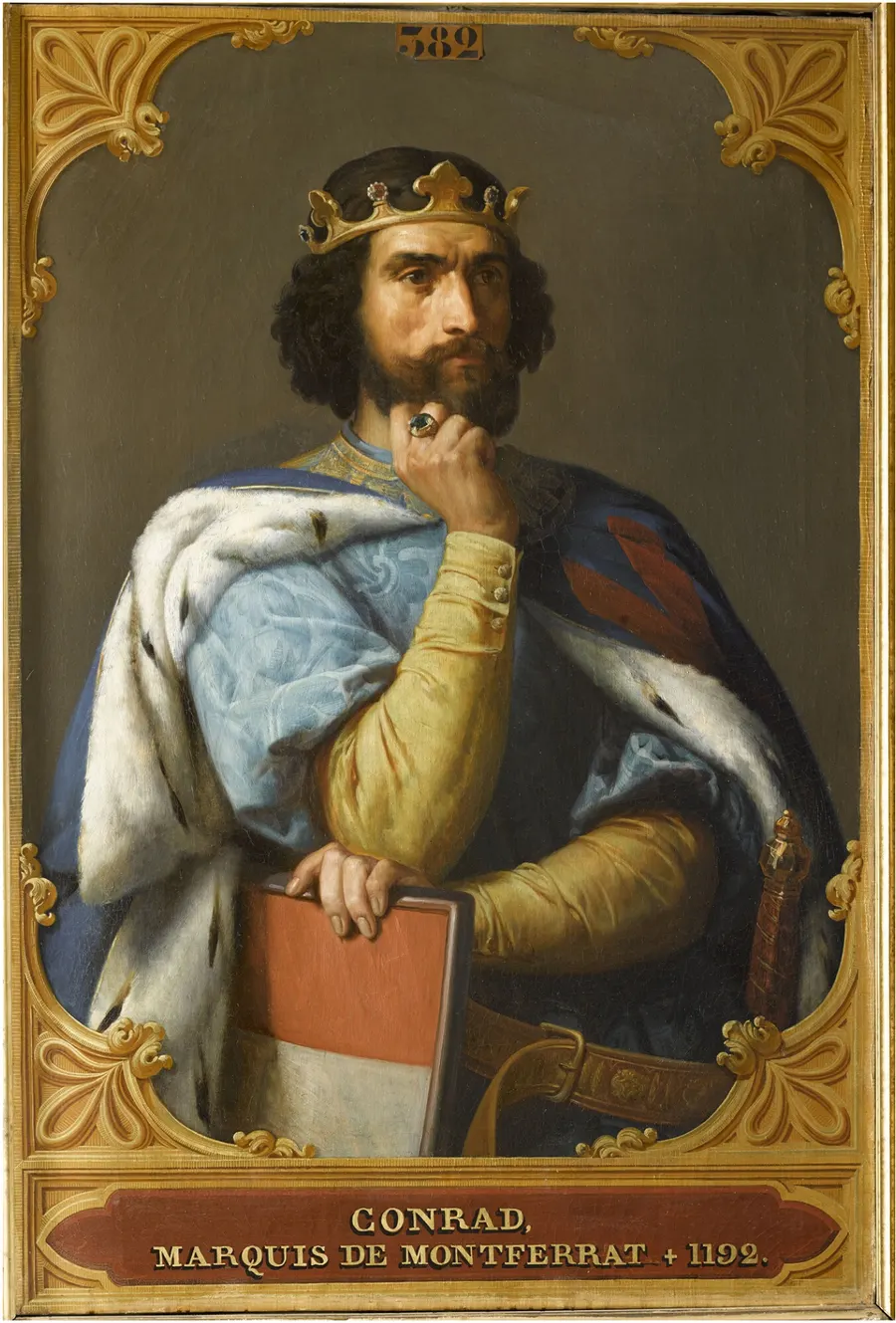
Conrad of Montferrat as imagined by François-Édouard Picot in the 19th century, for the Salles des Croisades at Versailles.Conrad of Montferrat as imagined by François-Édouard Picot in the 19th century, for the Salles des Croisades at Versailles.Image: François-Édouard Picot · Public domain
politics · Middle East

Conrad of Montferrat is murdered in Tyre

On 28 April 1192 Conrad of Montferrat, newly chosen king of the crusader kingdom of Jerusalem, was stabbed to death by two men in the streets of Tyre. News of his election had reached him only days earlier. The killers belonged to the Nizari Ismailis, known to the crusaders as the Assassins, and who ordered the murder is still debated. Within a week his widow Isabella married Henry of Champagne, who became ruler in his place.

Source: Britannica: Conrad of Montferrat ↗
III
A CHANGING WORLD

Early Modern Era

Exploration, political change, scientific development and expanding global connections.

1611
The Main Building of the University of Santo Tomas on España Boulevard, Manila, in 2023.The Main Building of the University of Santo Tomas on España Boulevard, Manila, in 2023.Image: Patrickroque01 · CC BY-SA 4.0
world · Asia

A Dominican college is founded in Manila

On 28 April 1611 a college for training priests was founded in Manila, paid for by the books and money left by Archbishop Miguel de Benavides. First called the College of Our Lady of the Most Holy Rosary, it was soon renamed after St Thomas Aquinas. The pope raised it to the status of a university in 1645. Today the University of Santo Tomas is one of the oldest universities in Asia still operating.

Source: University of Santo Tomas: University history ↗
1788
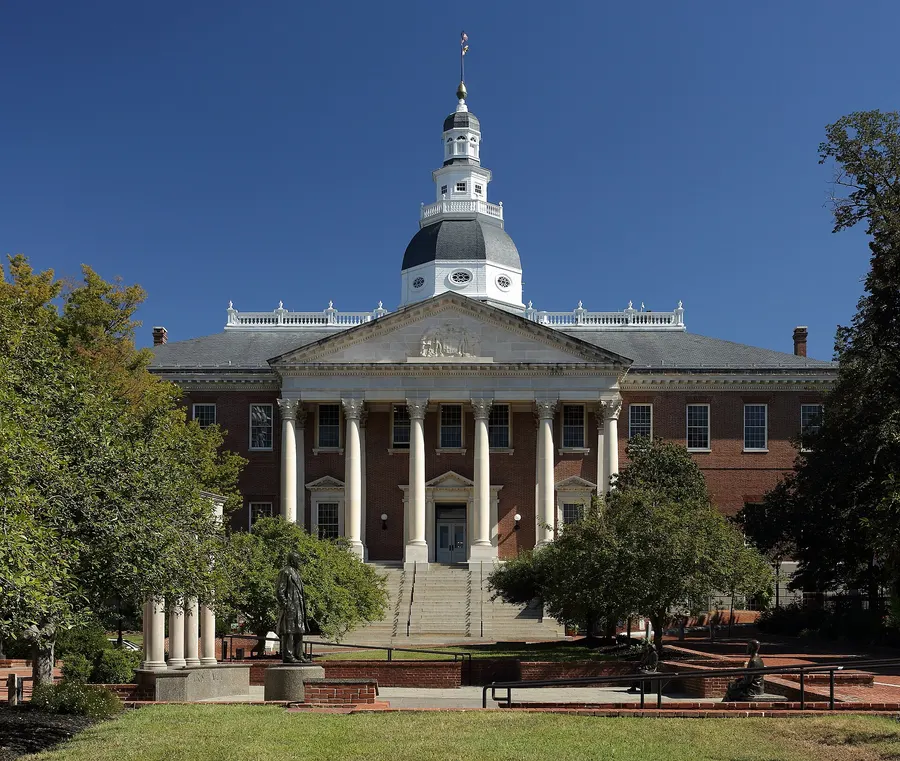
The Maryland State House in Annapolis.The Maryland State House in Annapolis.Image: Martin Falbisoner · CC BY-SA 3.0
politics · Americas

Maryland ratifies the US Constitution

On 28 April 1788 a convention meeting in the State House at Annapolis ratified the new Constitution of the United States. Maryland was the seventh state to do so, by 63 votes to 11. Nine states were needed for the Constitution to take effect, a total reached two months later. The convention chose not to recommend any amendments.

Source: Maryland State Archives: Maryland at a Glance, chronology 1700s ↗
1789
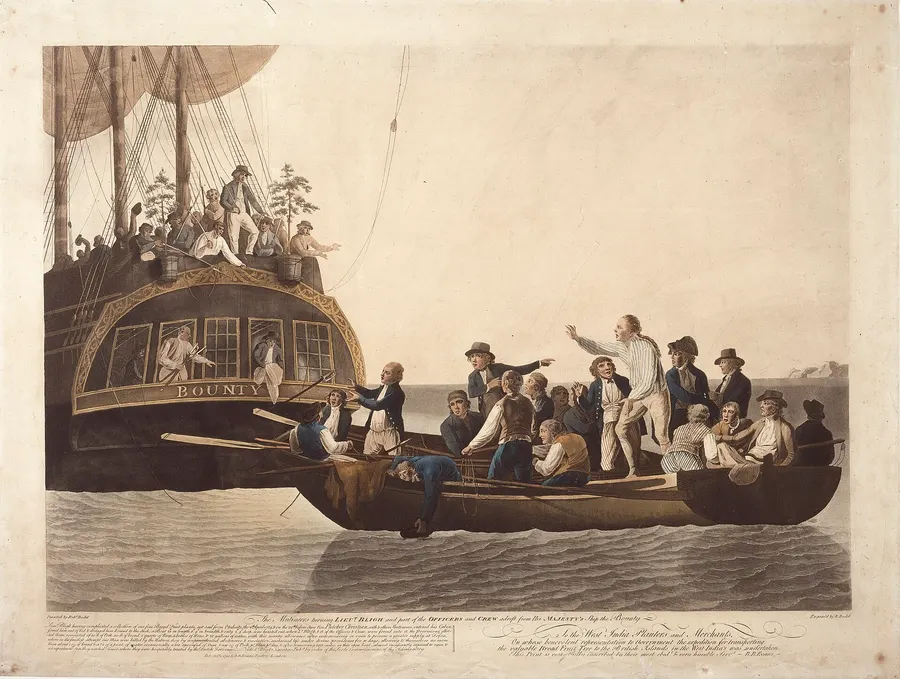
Robert Dodd's 1790 print of the mutineers turning Bligh and his men adrift from the Bounty.Robert Dodd’s 1790 print of the mutineers turning Bligh and his men adrift from the Bounty.Image: Robert Dodd · Public domain
world · Oceania

Mutineers seize the Bounty

On 28 April 1789, near the island of Tofua in the South Pacific, master’s mate Fletcher Christian and a group of sailors took control of HMS Bounty. The ship had been collecting breadfruit plants in Tahiti to carry to the Caribbean, and many of the crew were unwilling to leave the island life behind. Lieutenant William Bligh and 18 loyal men were forced into the ship’s open launch with a compass, a sextant and little food. Bligh steered them some 3,600 nautical miles to Timor, one of the great feats of small-boat navigation, while the mutineers eventually hid on remote Pitcairn Island.

Source: Royal Museums Greenwich: Mutiny on the Bounty ↗
V
THE TWENTIETH CENTURY

The 1900s

War and peace, technological leaps, social change, politics, sport and popular culture.

1923
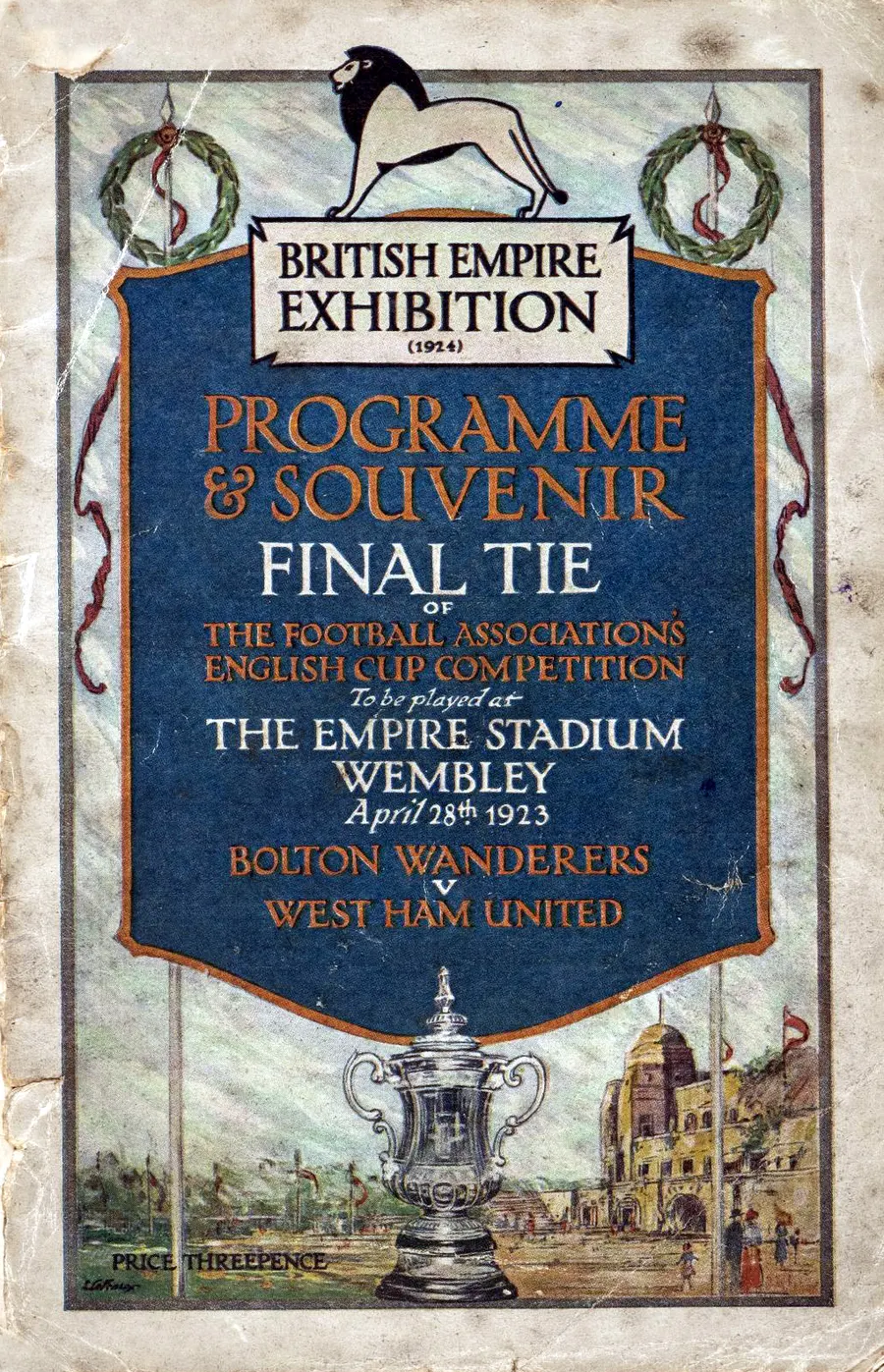
The programme for the 1923 Cup final at the new Empire Stadium, Wembley, dated 28 April 1923.The programme for the 1923 Cup final at the new Empire Stadium, Wembley, dated 28 April 1923.Image: Unknown author · Public domain
sport · Europe

Wembley’s first match, the ‘White Horse Final’

On 28 April 1923 the new Empire Stadium at Wembley in north-west London staged its first event, the FA Cup final between Bolton Wanderers and West Ham United. The stadium had been built in about 300 days, and far more people came than it could hold, with many spilling onto the pitch. Mounted police slowly cleared the grass, and a policeman on a pale grey horse became the lasting image of the day. Bolton won 2-0, and the crush led to all-ticket finals in later years.

Source: National Football Museum: Wembley 100 - The White Horse Final ↗
1947
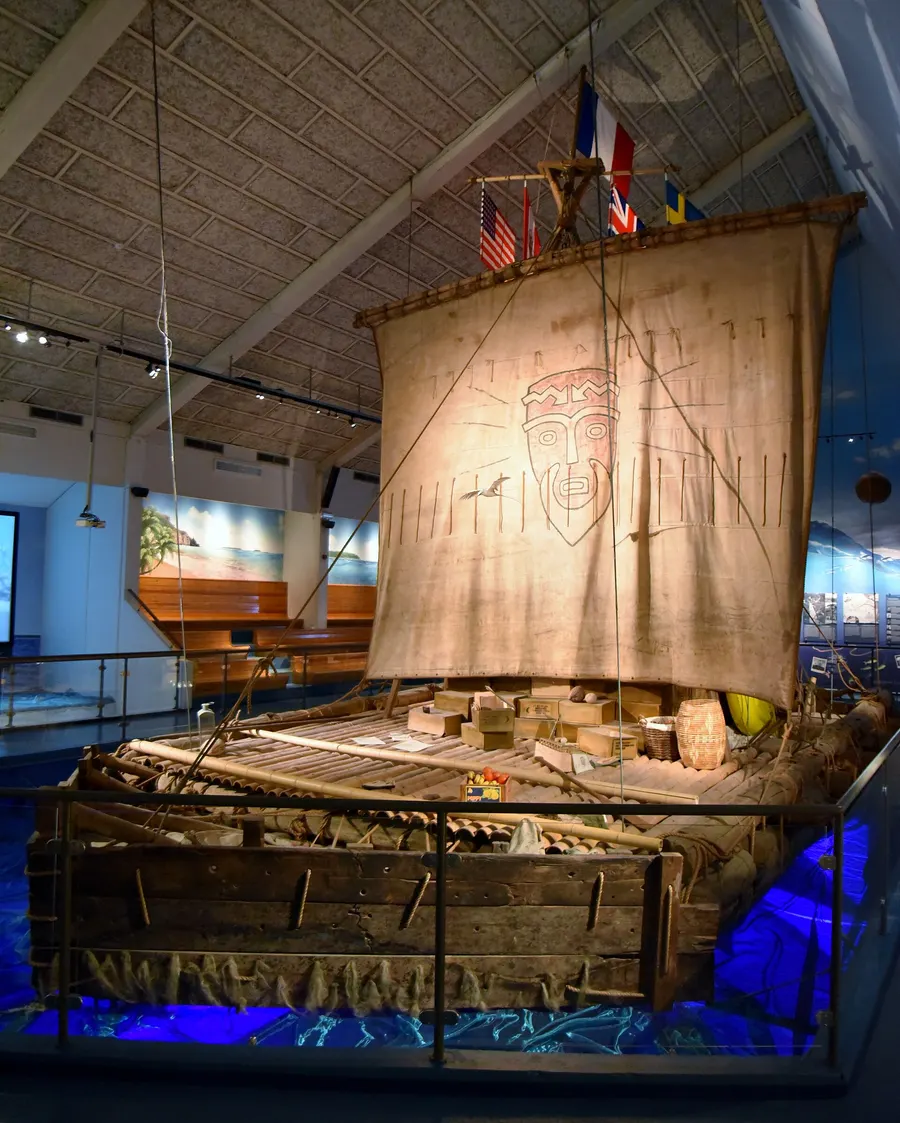
The Kon-Tiki raft on display in the Kon-Tiki Museum, Oslo.The Kon-Tiki raft on display in the Kon-Tiki Museum, Oslo.Image: Bahnfrend · CC BY-SA 4.0
world · Americas

The Kon-Tiki raft sets out from Peru

On 28 April 1947 a raft of balsa logs carrying six men and a parrot was towed out of the harbour at Callao in Peru. Its leader, the Norwegian Thor Heyerdahl, wanted to show that ancient South Americans could have drifted across the Pacific on the Humboldt Current and the trade winds. After 101 days at sea the Kon-Tiki ran onto a coral reef at Raroia in the Tuamotu islands of French Polynesia, and all six men waded ashore. Most scholars still trace the Polynesians to Asia rather than South America, but the voyage and Heyerdahl’s book about it caught the world’s imagination, and the raft is kept in a museum in Oslo.

Source: Kon-Tiki Museum: The Kon-Tiki expedition ↗
1948
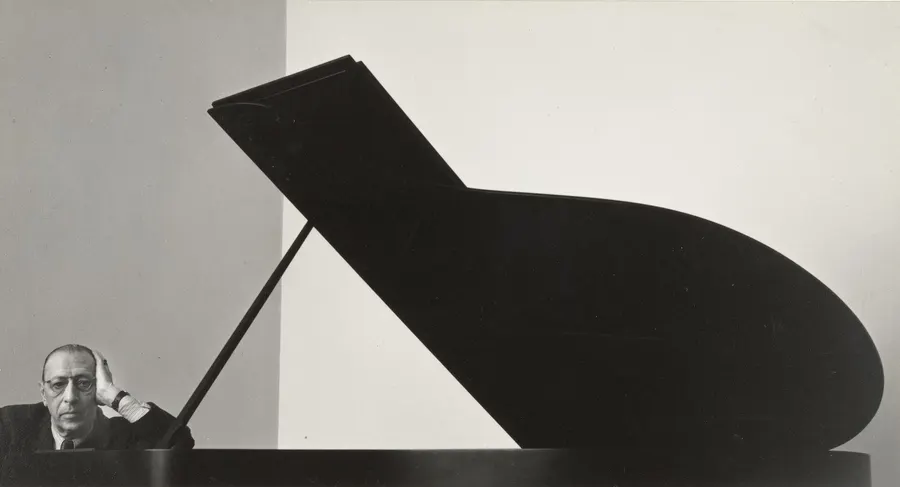
Igor Stravinsky, who wrote the music for Orpheus, photographed at the piano by Arnold Newman.Igor Stravinsky, who wrote the music for Orpheus, photographed at the piano by Arnold Newman.Image: Arnold Newman · Public domain
culture · Americas

Balanchine’s Orpheus is first danced in New York

On 28 April 1948 the ballet Orpheus was first performed by Ballet Society at the City Center of Music and Drama in New York. George Balanchine made the choreography to a new score by Igor Stravinsky, with sets and costumes by the sculptor Isamu Noguchi. The ballet retold the Greek story of the musician who tries to lead his wife Eurydice back from the dead. Its success led City Center to invite the company to become its resident troupe, and later that year it began performing as New York City Ballet.

Source: New York City Ballet: Orpheus ↗
1952
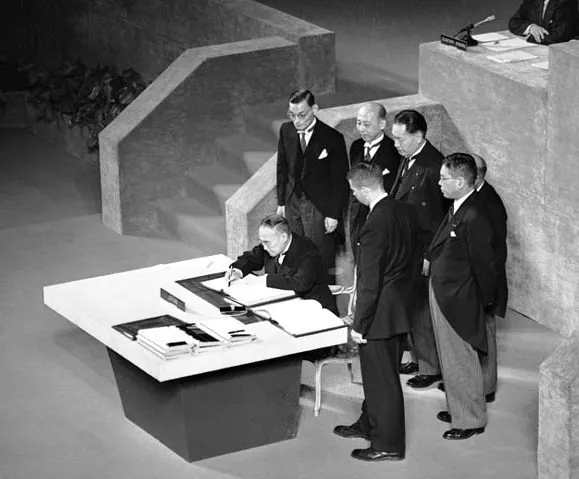
Prime Minister Shigeru Yoshida signs the peace treaty in San Francisco in September 1951; it took effect the following April.Prime Minister Shigeru Yoshida signs the peace treaty in San Francisco in September 1951; it took effect the following April.Image: Unknown author · Public domain
politics · Asia

Japan regains its independence

On 28 April 1952 the Treaty of Peace with Japan came into force, formally ending the state of war between Japan and most of the Allied nations. It had been signed in San Francisco the previous September by Japan and 48 other countries. The day brought the Allied occupation, run by the United States since 1945, to an end, and Japan became a sovereign state again. A separate security treaty took effect at the same time, allowing American forces to remain in Japan.

Source: National Diet Library (Japan): Peace Treaty and the U.S.-Japan Security Treaty ↗
1967
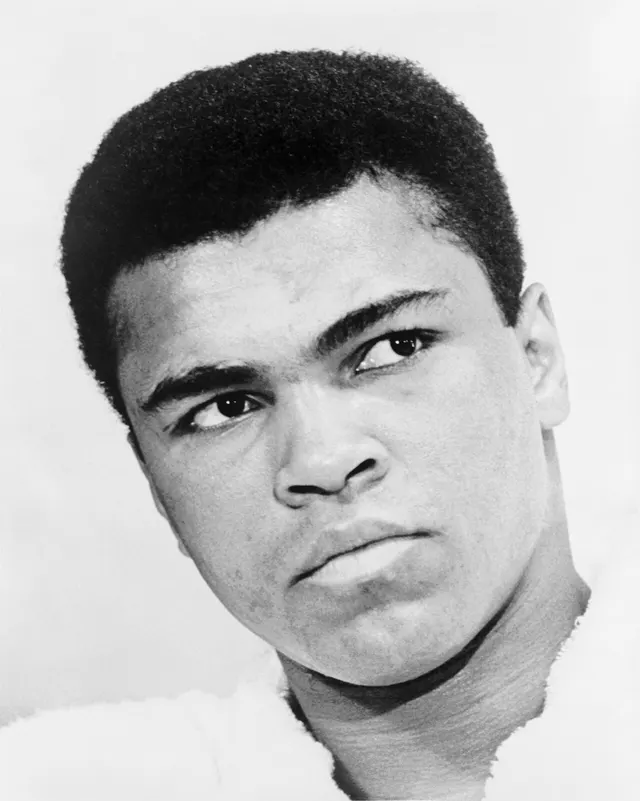
Muhammad Ali photographed by Ira Rosenberg for the New York World-Telegram.Muhammad Ali photographed by Ira Rosenberg for the New York World-Telegram.Image: Ira Rosenberg · Public domain
world · Americas

Muhammad Ali refuses to join the army

On 28 April 1967 the world heavyweight boxing champion Muhammad Ali reported to the army induction centre in Houston, Texas, but would not step forward when his name was called. He said his Muslim faith prevented him from fighting in Vietnam. Boxing authorities took away his title and licence, and he was convicted of refusing the draft. The Supreme Court overturned the conviction in 1971, and Ali regained his title in 1974.

Source: Library of Congress: Muhammad Ali escorted from the Armed Forces examining and entrance station in Houston (photograph, 1967) ↗
1969
politics · Europe

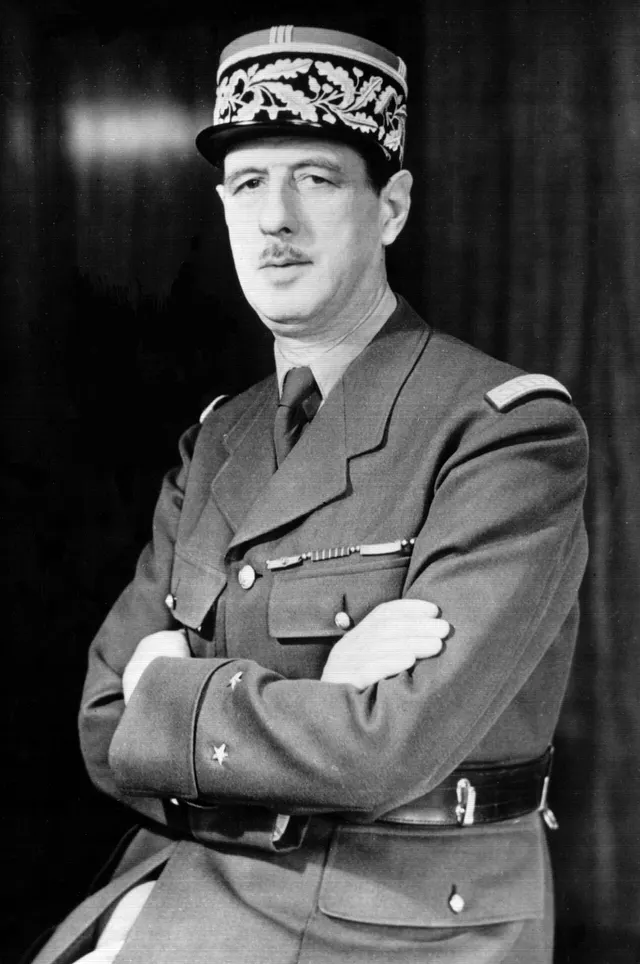
De Gaulle steps down as President of France

On 28 April 1969 Charles de Gaulle gave up the presidency of France, a day after voters rejected his plan to reform the Senate and give more power to the regions. He had said beforehand that he would leave office if the referendum failed, and just over 52 per cent voted no. A short statement issued from his home at Colombey-les-Deux-Églises said his resignation would take effect at noon. The wartime leader of Free France, who had founded the Fifth Republic in 1958, did not return to public life and died the following year.

Source: US Office of the Historian: Foreign Relations of the United States 1969-76, vol. XLI, document 125 ↗
VI
2000 TO TODAY

Modern Day

The events of recent decades that have already become part of the historical record.

2001
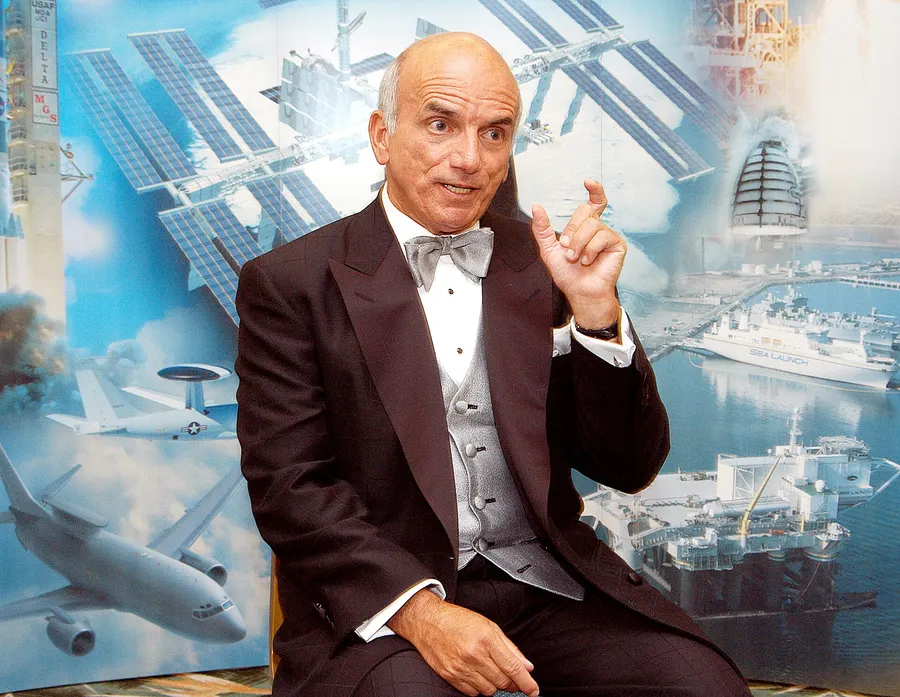
Dennis Tito, the first private citizen to visit the International Space Station, speaking at the Space Congress at Cape Canaveral in 2003 (NASA).Dennis Tito, the first private citizen to visit the International Space Station, speaking at the Space Congress at Cape Canaveral in 2003 (NASA).Image: NASA · Public domain
science · Asia

The first paying tourist flies into space

On 28 April 2001 the American businessman Dennis Tito lifted off from Baikonur in Kazakhstan aboard the Russian spacecraft Soyuz TM-32. He had paid a reported 20 million US dollars for the trip and trained for months at Star City outside Moscow. Tito spent six days on the International Space Station before returning to Earth on an older Soyuz. NASA had at first opposed the visit, but his flight opened the way for the private space travel of later years.

Source: Smithsonian National Air and Space Museum: Patch, Mission, Soyuz TM-31 and TM-32 ↗
RESEARCH

Sources & Further Reading

Selected authoritative references supporting the events on this page.

WHY THESE MOMENTS?

Significance before volume

This page is not the longest possible list of events. It is a chronological journey through 28 April, where each entry is chosen for historical significance, human interest and reliability.

Facts are checked against authoritative museums, archives, universities and reference works. Where sources disagree, the page says so.

EXPLORED THE DEEPER STORY?

Return to the highlights of 28 April

Discover the lighter side of the date with famous birthdays, culture, firsts and lives remembered.

Explore This Day →
← PREVIOUS DAY27 April
HISTORY & TIMELINE28 April
NEXT DAY →29 April