Explore 28 April

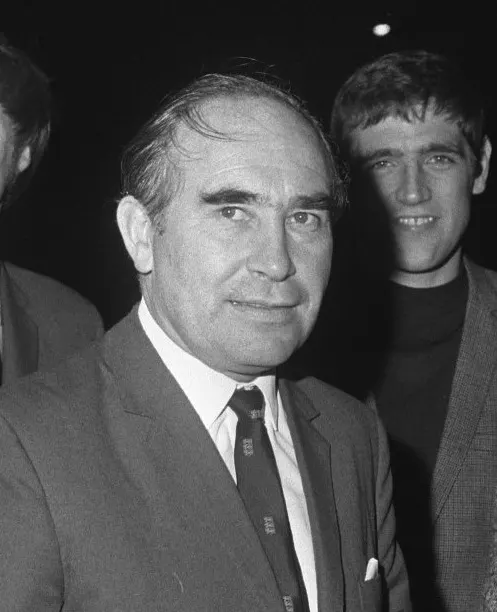
Explore 28 April: mutineers seize the Bounty in the South Pacific, the Kon-Tiki raft sets out from Peru, Japan regains its sovereignty as the San Francisco peace treaty takes effect and Charles de Gaulle steps down as President of France. Meet Kurt Gödel, Kenneth Kaunda and Penélope Cruz, born on this date, and remember Alf Ramsey.

This day through time →12 verified events across 5 eras

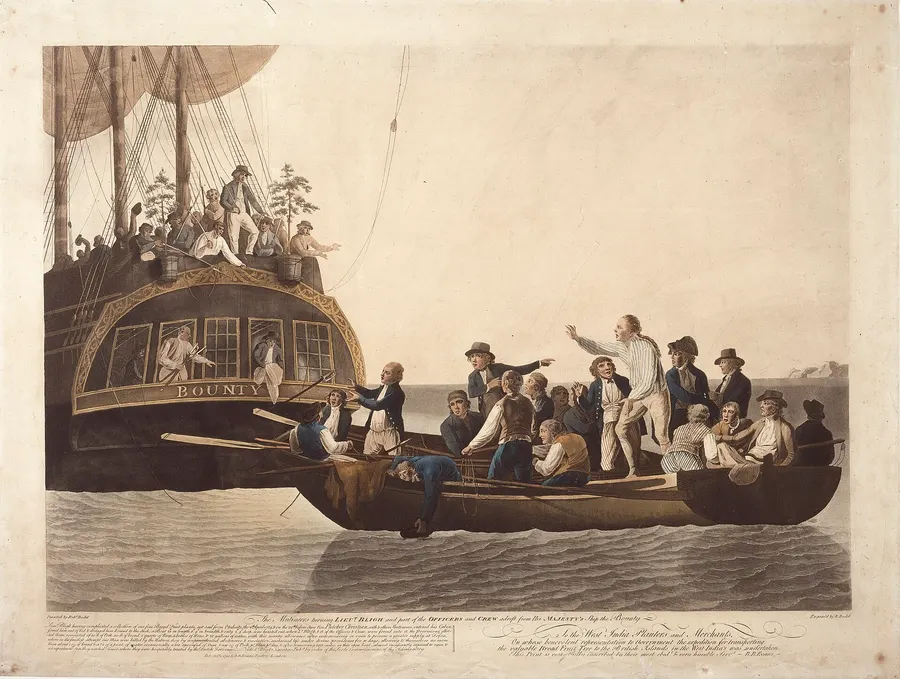
Robert Dodd's 1790 print of the mutineers turning Bligh and his men adrift from the Bounty.
Robert Dodd’s 1790 print of the mutineers turning Bligh and his men adrift from the Bounty.
Image creditRobert Dodd · Public domainResized and cropped for display.

Mutineers seize the Bounty

On 28 April 1789, near the island of Tofua in the South Pacific, master’s mate Fletcher Christian and a group of sailors took control of HMS Bounty. The ship had been collecting breadfruit plants in Tahiti to carry to the Caribbean, and many of the crew were unwilling to leave the island life behind.

Lieutenant William Bligh and 18 loyal men were forced into the ship’s open launch with a compass, a sextant and little food. Bligh steered them some 3,600 nautical miles to Timor, one of the great feats of small-boat navigation, while the mutineers eventually hid on remote Pitcairn Island.

Read the full storyHistory & Timeline →Source: Royal Museums Greenwich: Mutiny on the Bounty ↗
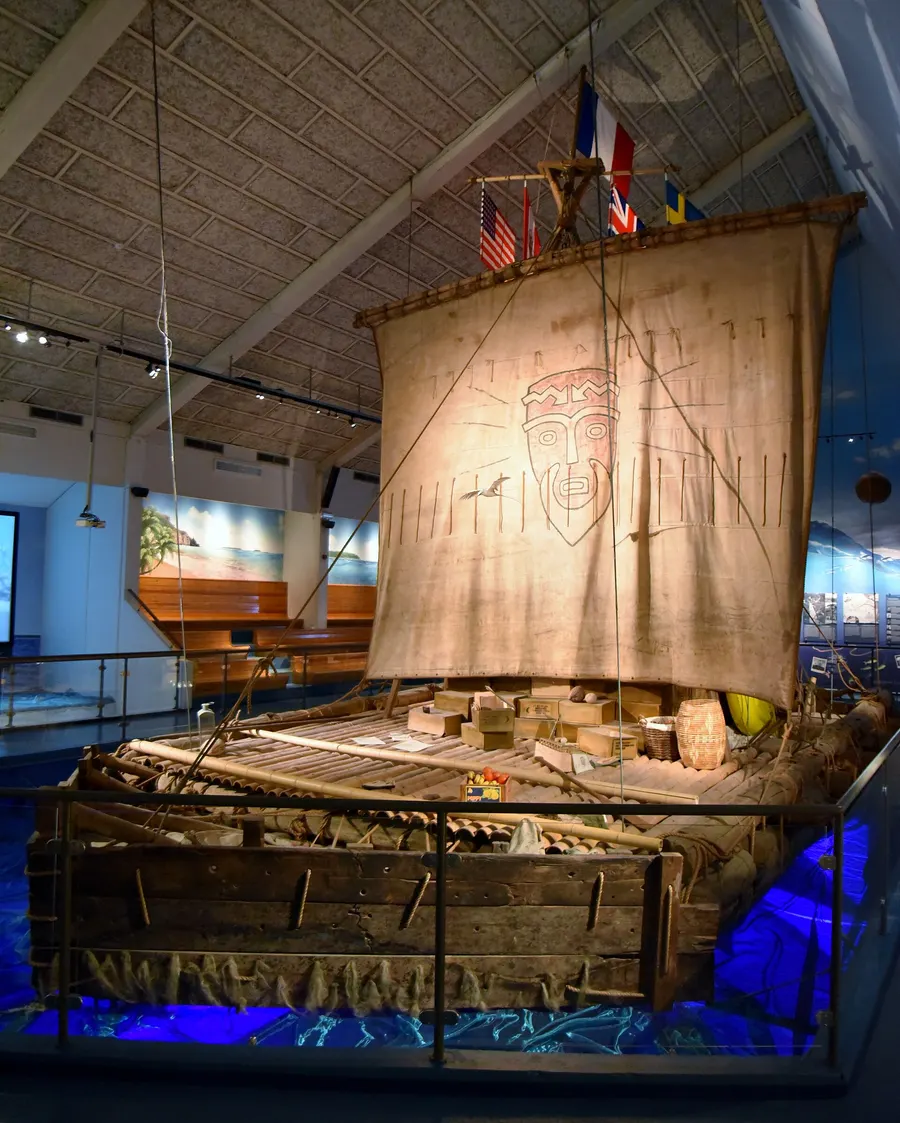
The Kon-Tiki raft on display in the Kon-Tiki Museum, Oslo.
Image creditBahnfrend · CC BY-SA 4.0Resized and cropped for display.

The Kon-Tiki raft sets out from Peru

On 28 April 1947 a raft of balsa logs carrying six men and a parrot was towed out of the harbour at Callao in Peru. Its leader, the Norwegian Thor Heyerdahl, wanted to show that ancient South Americans could have drifted across the Pacific on the Humboldt Current and the trade winds.

After 101 days at sea the Kon-Tiki ran onto a coral reef at Raroia in the Tuamotu islands of French Polynesia, and all six men waded ashore. Most scholars still trace the Polynesians to Asia rather than South America, but the voyage and Heyerdahl’s book about it caught the world’s imagination, and the raft is kept in a museum in Oslo.

Read the full storyHistory & Timeline →Source: Kon-Tiki Museum: The Kon-Tiki expedition ↗
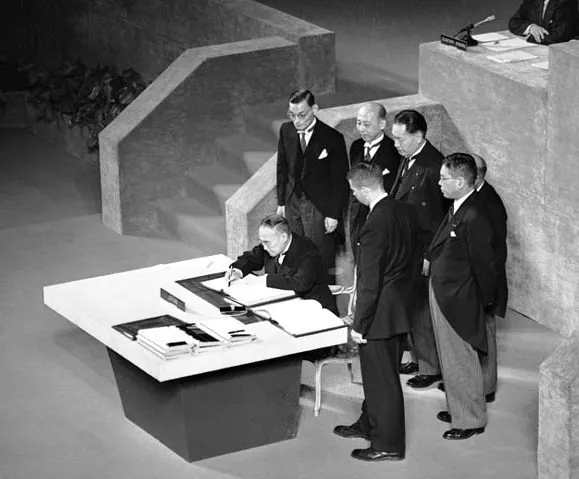
Prime Minister Shigeru Yoshida signs the peace treaty in San Francisco in September 1951; it took effect the following April.
Image creditUnknown author · Public domainResized and cropped for display.

Japan regains its independence

On 28 April 1952 the Treaty of Peace with Japan came into force, formally ending the state of war between Japan and most of the Allied nations. It had been signed in San Francisco the previous September by Japan and 48 other countries.

The day brought the Allied occupation, run by the United States since 1945, to an end, and Japan became a sovereign state again. A separate security treaty took effect at the same time, allowing American forces to remain in Japan.

Read the full storyHistory & Timeline →Source: National Diet Library (Japan): Peace Treaty and the U.S.-Japan Security Treaty ↗

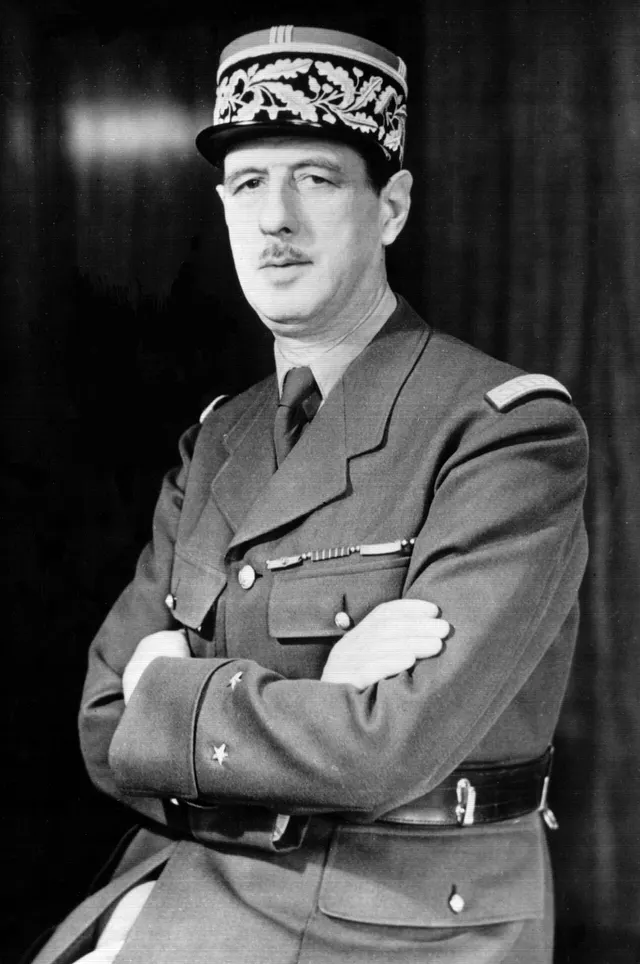
De Gaulle steps down as President of France

On 28 April 1969 Charles de Gaulle gave up the presidency of France, a day after voters rejected his plan to reform the Senate and give more power to the regions. He had said beforehand that he would leave office if the referendum failed, and just over 52 per cent voted no.

A short statement issued from his home at Colombey-les-Deux-Églises said his resignation would take effect at noon. The wartime leader of Free France, who had founded the Fifth Republic in 1958, did not return to public life and died the following year.

Read the full storyHistory & Timeline →Source: US Office of the Historian: Foreign Relations of the United States 1969-76, vol. XLI, document 125 ↗
♙
PEOPLE

Born Today

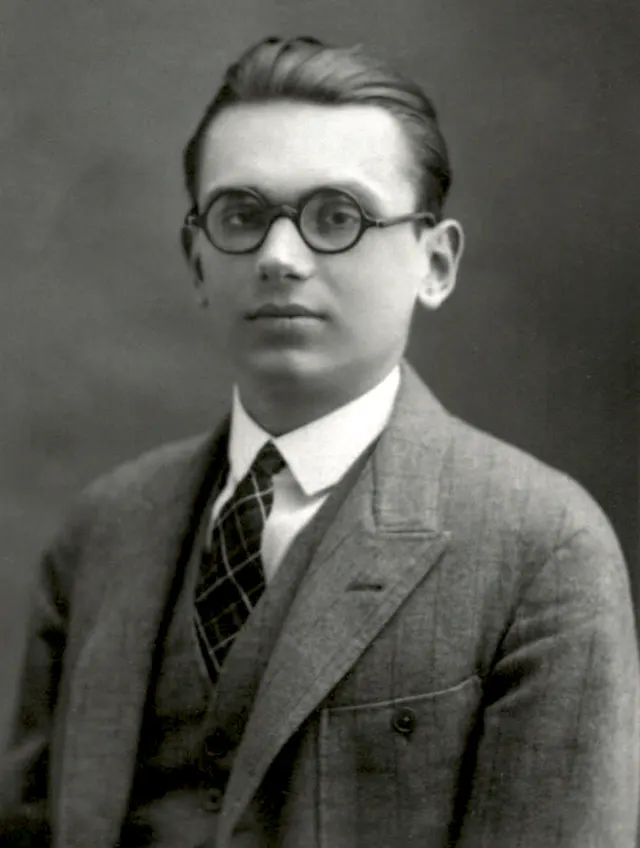
Kurt Gödel
Image creditUnknown author · Public domainResized and cropped for display.

Kurt Gödel

Logician from Brno whose incompleteness theorems showed the limits of what mathematics can prove.

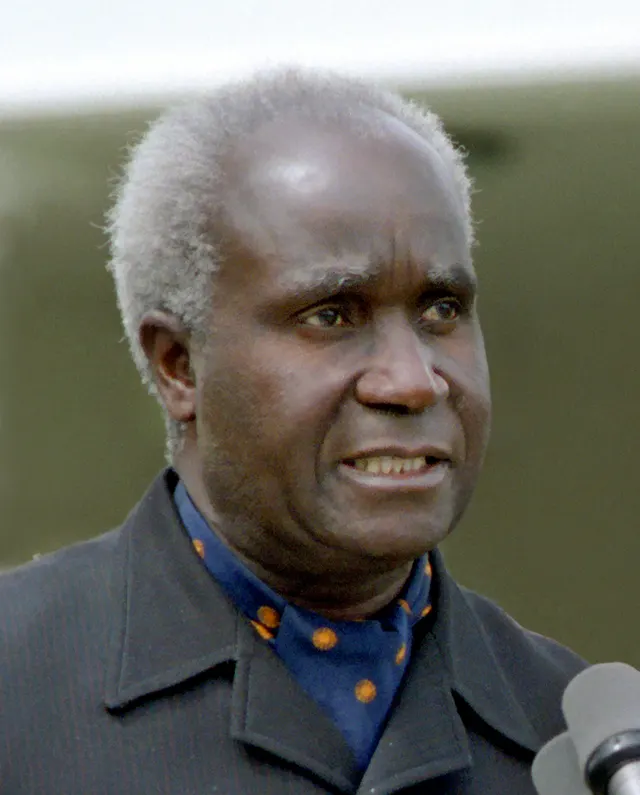
Kenneth Kaunda
Image creditUnknown photographer · Public domainResized and cropped for display.

Kenneth Kaunda

Teacher and independence leader who became the first president of Zambia.

Penélope Cruz
Image creditColleen Sturtevant · CC BY-SA 4.0Resized and cropped for display.

Penélope Cruz

Spanish actress, the first from Spain to win an Academy Award for acting.

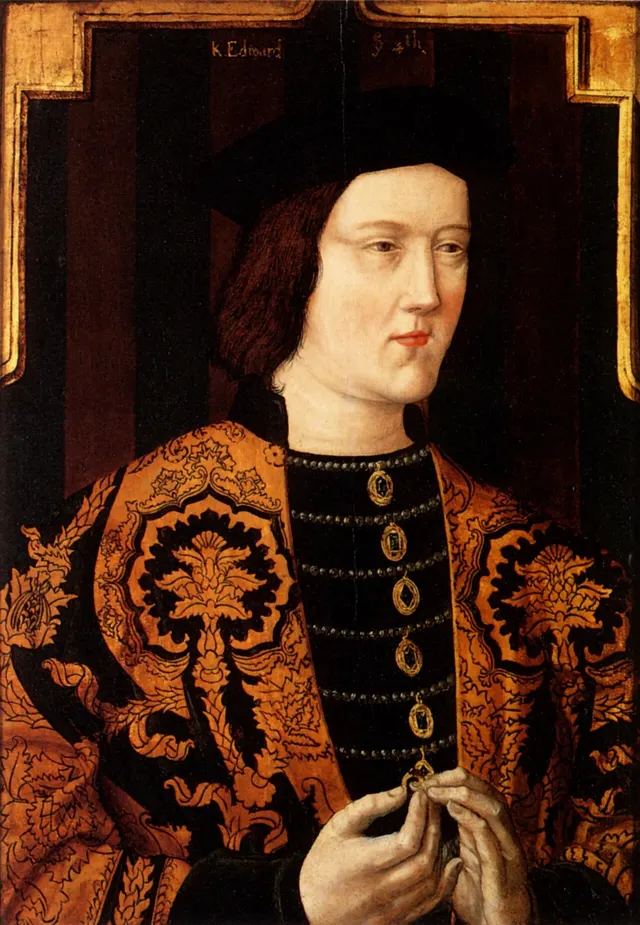
Edward IV
Image creditLucas Horenbout · Public domainResized and cropped for display.

Edward IV

Yorkist king of England who won the throne twice during the Wars of the Roses.

Yves Klein
Image creditUnknown author · Public domainResized and cropped for display.

Yves Klein

French artist famous for paintings in his own deep ultramarine, International Klein Blue.

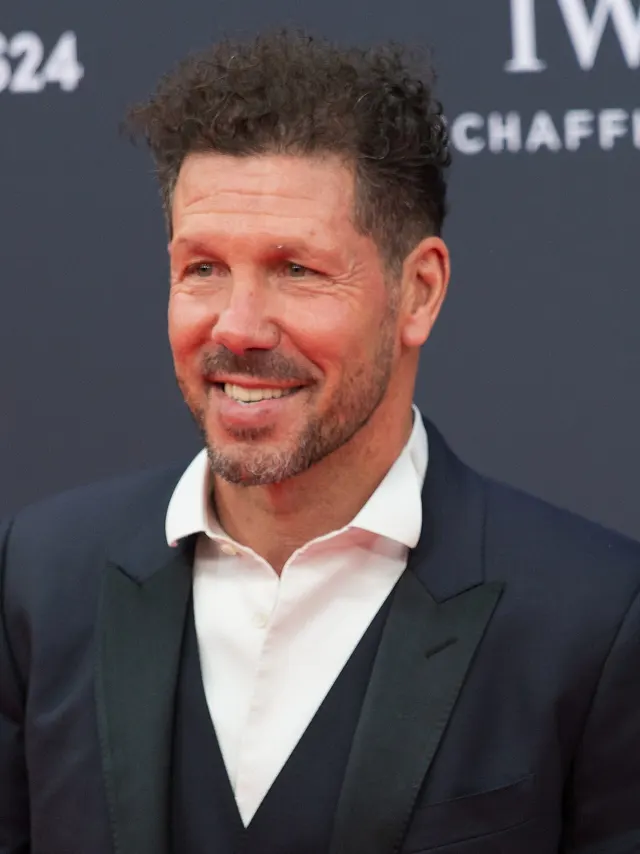
Diego Simeone
Image creditBarcex · CC BY-SA 4.0Resized and cropped for display.

Diego Simeone

Argentine midfielder and long-serving coach of Atlético Madrid.

◉
IDEAS THAT CHANGED THINGS

Firsts, Science & Discoveries

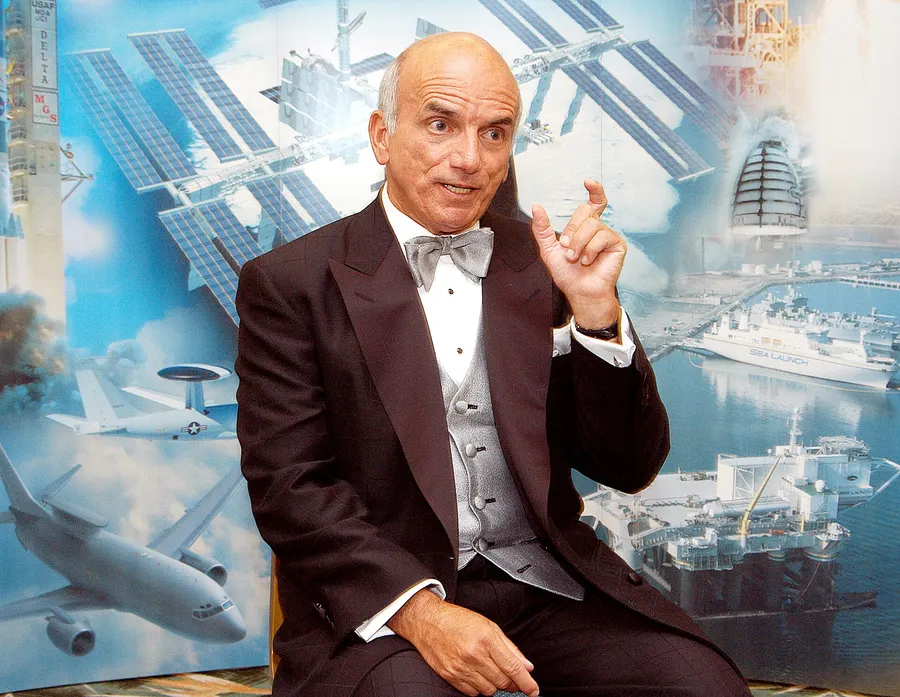
Dennis Tito, the first private citizen to visit the International Space Station, speaking at the Space Congress at Cape Canaveral in 2003 (NASA).
Image creditNASA · Public domainResized and cropped for display.

The first paying tourist flies into space

On 28 April 2001 the American businessman Dennis Tito lifted off from Baikonur in Kazakhstan aboard the Russian spacecraft Soyuz TM-32. He had paid a reported 20 million US dollars for the trip and trained for months at Star City outside Moscow.

Tito spent six days on the International Space Station before returning to Earth on an older Soyuz. NASA had at first opposed the visit, but his flight opened the way for the private space travel of later years.

Read the full storyHistory & Timeline →Source: Smithsonian National Air and Space Museum: Patch, Mission, Soyuz TM-31 and TM-32 ↗
☆
SPORTING HISTORY

Sporting Moments

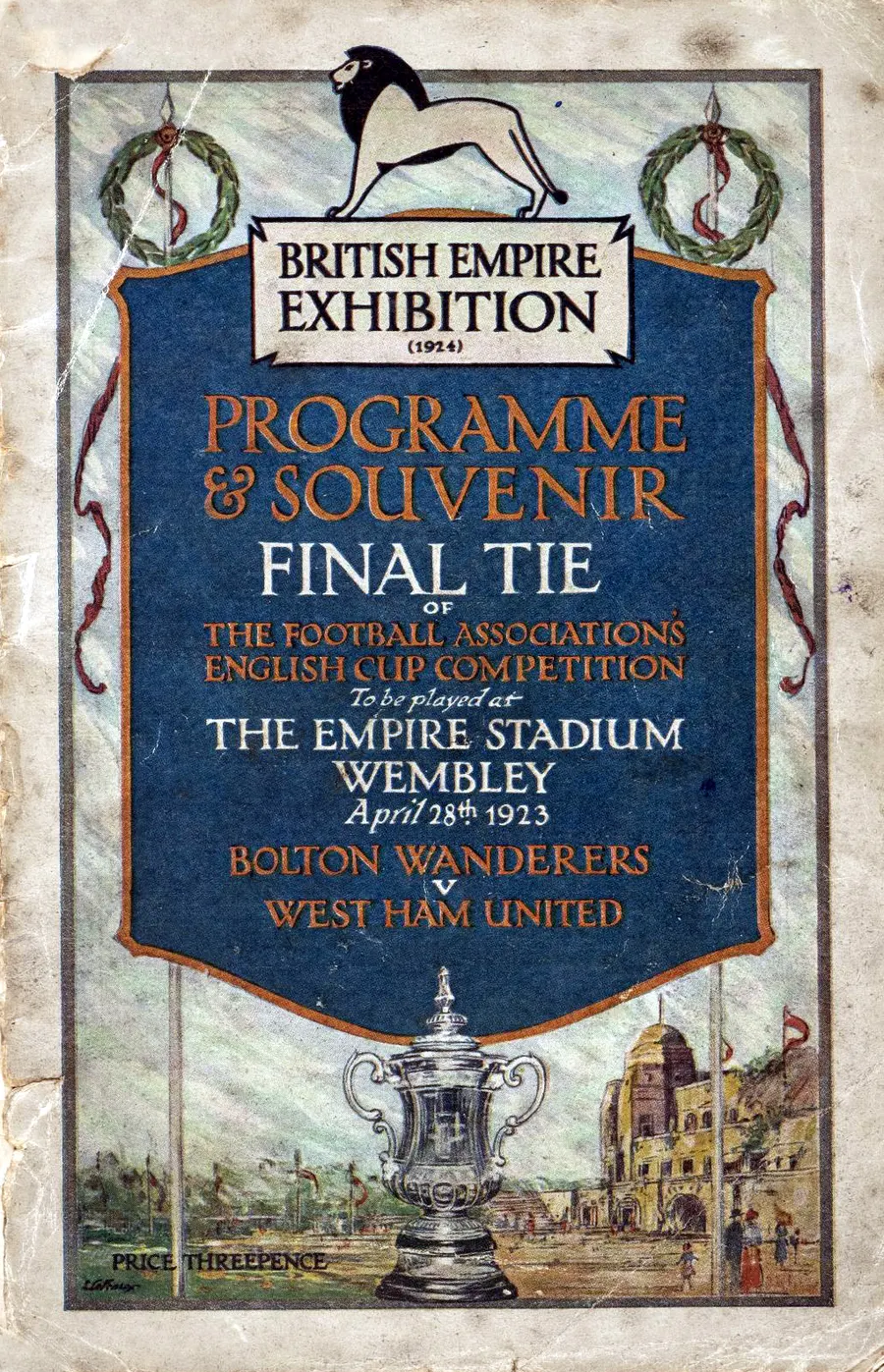
The programme for the 1923 Cup final at the new Empire Stadium, Wembley, dated 28 April 1923.
Image creditUnknown author · Public domainResized and cropped for display.

Wembley’s first match, the ‘White Horse Final’

On 28 April 1923 the new Empire Stadium at Wembley in north-west London staged its first event, the FA Cup final between Bolton Wanderers and West Ham United. The stadium had been built in about 300 days, and far more people came than it could hold, with many spilling onto the pitch.

Mounted police slowly cleared the grass, and a policeman on a pale grey horse became the lasting image of the day. Bolton won 2-0, and the crush led to all-ticket finals in later years.

Read the full storyHistory & Timeline →Source: National Football Museum: Wembley 100 - The White Horse Final ↗
♫
MUSIC • FILM • BOOKS • CULTURE

Culture Stories

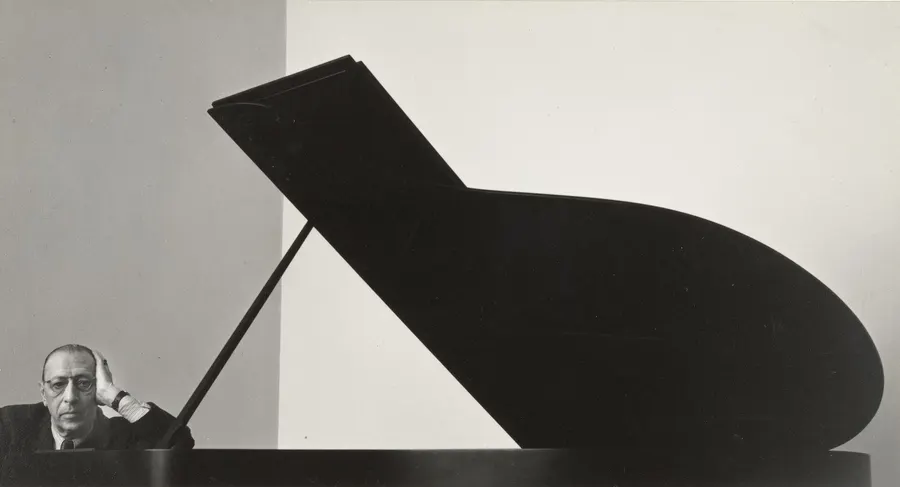
Igor Stravinsky, who wrote the music for Orpheus, photographed at the piano by Arnold Newman.
Image creditArnold Newman · Public domainResized and cropped for display.

Balanchine’s Orpheus is first danced in New York

On 28 April 1948 the ballet Orpheus was first performed by Ballet Society at the City Center of Music and Drama in New York. George Balanchine made the choreography to a new score by Igor Stravinsky, with sets and costumes by the sculptor Isamu Noguchi.

The ballet retold the Greek story of the musician who tries to lead his wife Eurydice back from the dead. Its success led City Center to invite the company to become its resident troupe, and later that year it began performing as New York City Ballet.

Read the full storyHistory & Timeline →Source: New York City Ballet: Orpheus ↗
✦
LIVES REMEMBERED

Remembered Today

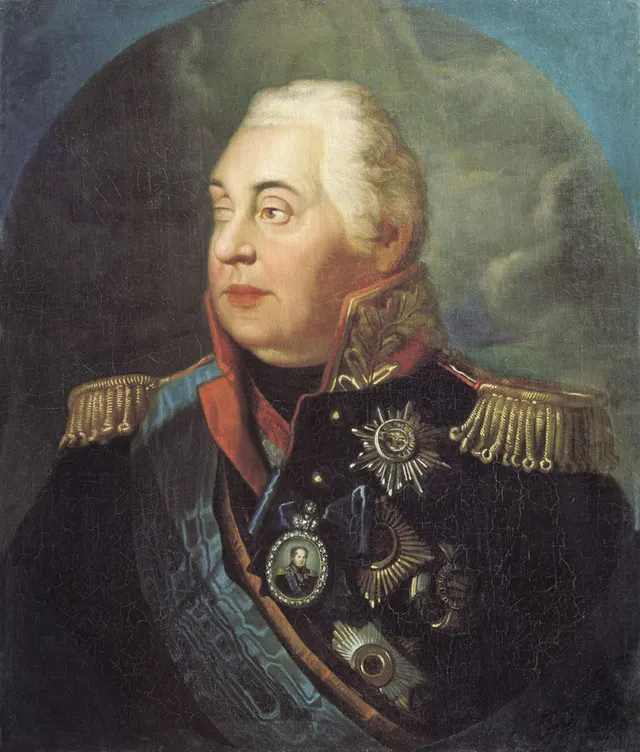
Mikhail Kutuzov
Image creditR.M. Volkov (1776-1831) · Public domainResized and cropped for display.

Mikhail Kutuzov

Russian field marshal who led the resistance to Napoleon’s invasion of 1812.

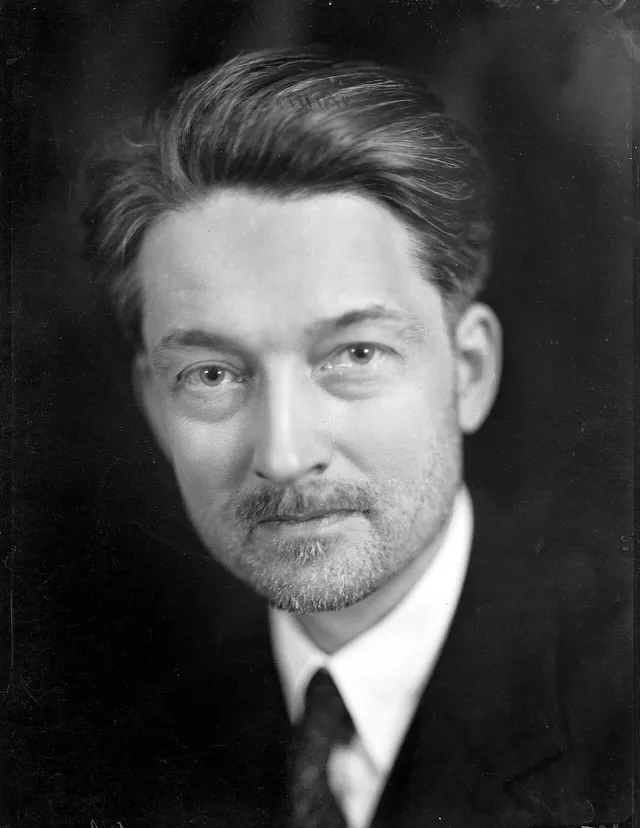
Jacques Maritain
Image creditUnknown author · Public domainResized and cropped for display.

Jacques Maritain

French Catholic philosopher whose writing on human dignity influenced post-war thinking on human rights.

☉
AROUND THE WORLD

Observances & Anniversaries

Workers discuss personal safety on a building site (US National Institute for Occupational Safety and Health).
Image creditUS National Institute for Occupational Safety and Health · Public domainResized and cropped for display.

World Day for Safety and Health at Work

The International Labour Organization marks 28 April as a day to promote the prevention of accidents and illness at work, and has done so since 2003. The date had already been kept since the 1990s by trade unions as Workers’ Memorial Day, remembering people killed or injured at work.

Source: United Nations: World Day for Safety and Health at Work ↗
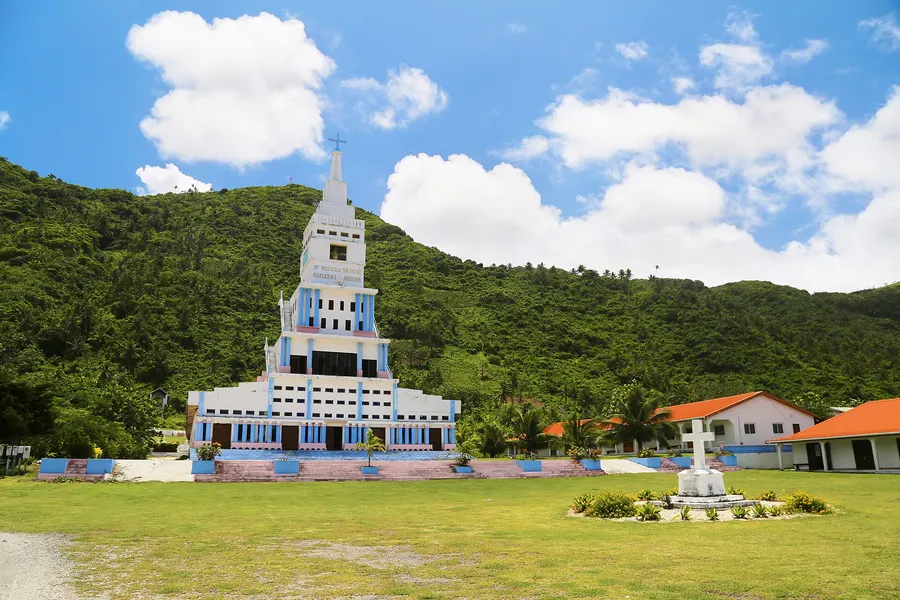
The Basilica of Saint Pierre Chanel at Poi, on Futuna, near where he was killed.
Image creditVogensto · CC BY-SA 4.0Resized and cropped for display.

Feast of St Peter Chanel

Catholics remember Peter Chanel, a French missionary priest of the Society of Mary, on 28 April, the day he was killed on the island of Futuna in the South Pacific in 1841. He is honoured as the first martyr of Oceania and was declared a saint in 1954.

Source: Franciscan Media: Saint Peter Chanel ↗
HISTORY & TIMELINE

Finished the highlights?

Follow 28 April chronologically, from the Middle Ages to the modern day, with 12 verified events and the sources behind them.

This day through time →