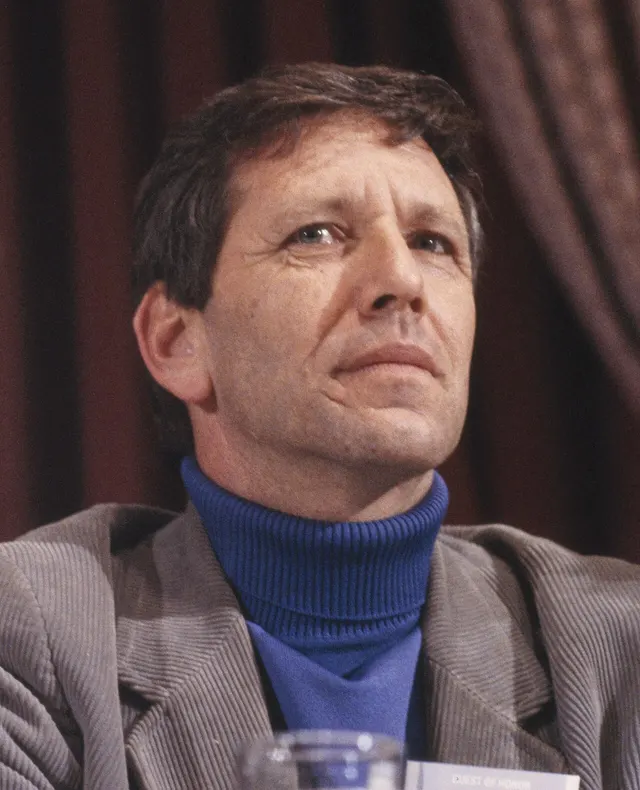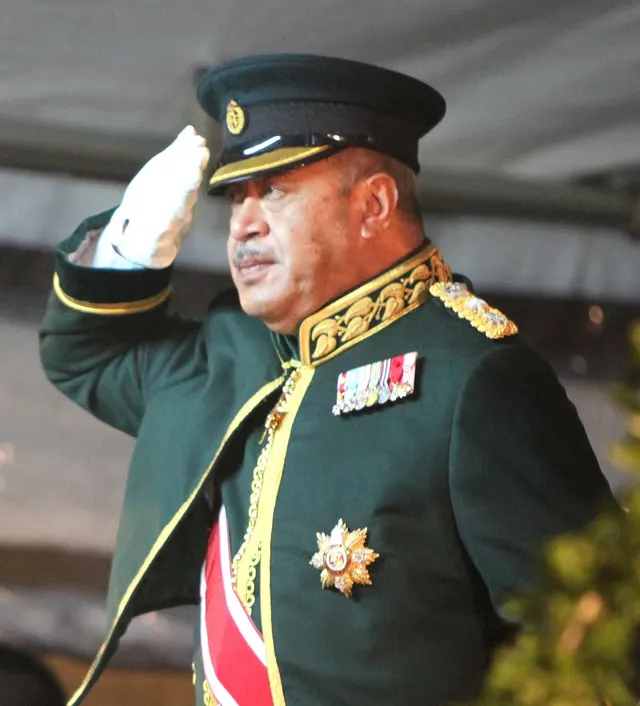
Explore 4 May

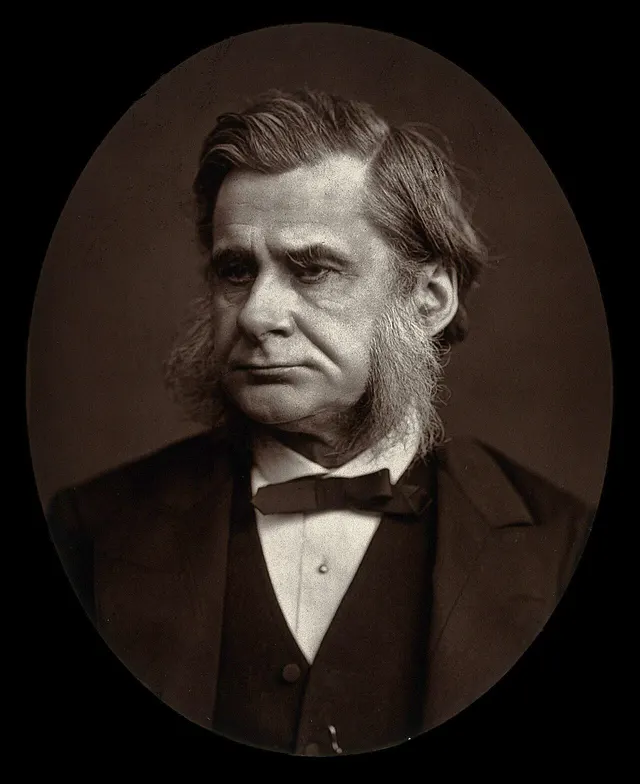
Explore 4 May: a pope divides the newly reached lands of the Atlantic world, the United States takes over the Panama Canal works, Beijing’s students march in the May Fourth Movement and Margaret Thatcher becomes Britain’s first woman prime minister. Meet Bartolomeo Cristofori, Thomas Henry Huxley and Amos Oz, born on this date, and remember Josip Broz Tito.

This day through time →13 verified events across 5 eras

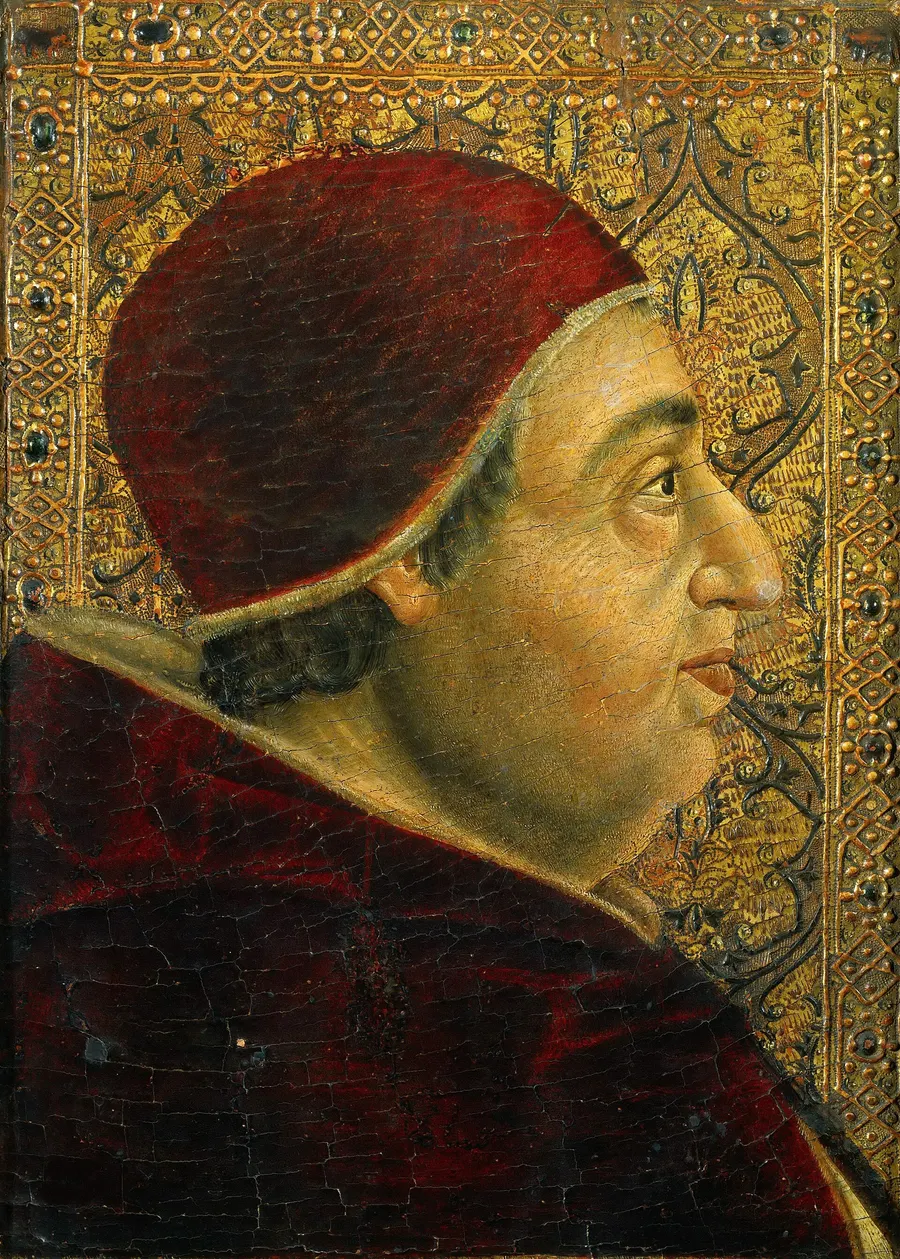
Pope Alexander VI, in a portrait attributed to Pedro Berruguete in the Vatican Museums.
Image creditAttributed to Pedro Berruguete · Public domainResized and cropped for display.

A pope divides the Atlantic world

Pope Alexander VI issued the bull Inter caetera, dated 4 May 1493, a few weeks after news of Columbus’s first voyage reached Europe. It granted the Catholic Monarchs of Castile and Aragon all lands not already held by a Christian ruler lying west and south of a line drawn from pole to pole, 100 leagues beyond the Azores and Cape Verde islands.

The document gave papal backing to Spanish claims in the Americas and was soon renegotiated by Spain and Portugal in the Treaty of Tordesillas of 1494. Centuries later it is remembered as a founding text of the so-called doctrine of discovery, used to justify taking land from Indigenous peoples.

Read the full storyHistory & Timeline →Source: Encyclopedia Virginia: Inter caetera by Pope Alexander VI (May 4, 1493) ↗
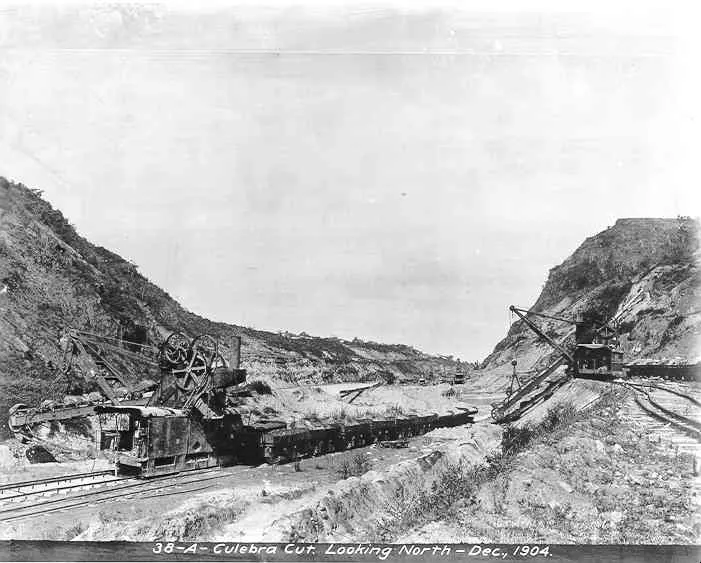
The Culebra Cut, the canal's deepest excavation, as it looked in December 1904.
The Culebra Cut, the canal’s deepest excavation, as it looked in December 1904.
Image creditUnknown · Public domainResized and cropped for display.

The United States takes over the Panama Canal works

On 4 May 1904 a short ceremony on the isthmus of Panama handed the property of the failed French canal company to the United States. A US Army engineer, Lieutenant Mark Brooke, received the keys to the storehouses and to Ancon Hospital, and the day became known as Acquisition Day.

The French effort under Ferdinand de Lesseps had collapsed amid disease and debt. The American project, which first had to control yellow fever and malaria, took ten more years and opened the canal to shipping in August 1914.

Read the full storyHistory & Timeline →Source: Panama Canal Authority: American canal construction ↗
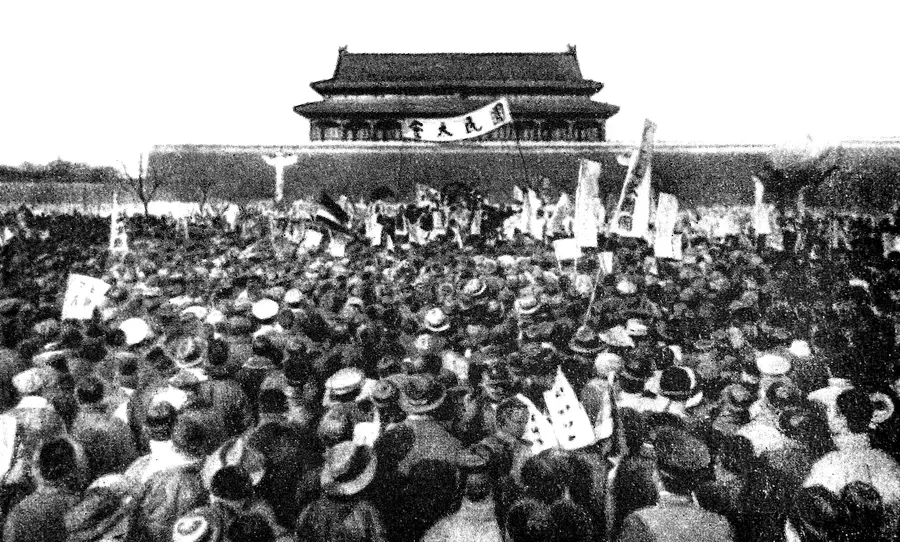
Students gathered in front of the Tiananmen gate in Beijing on 4 May 1919.
Image creditUnknown author · Public domainResized and cropped for display.

Beijing’s students start the May Fourth Movement

On 4 May 1919 more than 3,000 students from colleges across Beijing gathered in front of the Tiananmen gate. They were protesting against the Paris Peace Conference’s decision to hand Germany’s former rights in Shandong province to Japan rather than return them to China.

Protesters attacked the house of a minister seen as pro-Japanese, and demonstrations and strikes spread across the country in the following weeks. The day gave its name to a wider movement for national renewal, science and a modern written language, and China still marks 4 May as Youth Day.

Read the full storyHistory & Timeline →Source: Britannica: May Fourth Movement ↗
Margaret Thatcher at the White House with President Jimmy Carter in December 1979, her first year as prime minister.
Image creditUnknown photographer · Public domainResized and cropped for display.

Britain gets its first woman prime minister

On 4 May 1979, the day after the Conservatives won the general election with a clear overall majority, Margaret Thatcher went to Buckingham Palace and was appointed prime minister. The grocer’s daughter from Grantham, trained as a chemist and a barrister, was the first woman to hold the office.

She would govern for more than eleven years, longer than any British prime minister of the 20th century. Her programme of privatisation, curbs on trade union power and tight control of the money supply divided opinion sharply, at home and abroad.

Read the full storyHistory & Timeline →Source: Churchill Archives Centre: Margaret Thatcher, a biography ↗
♙
PEOPLE

Born Today

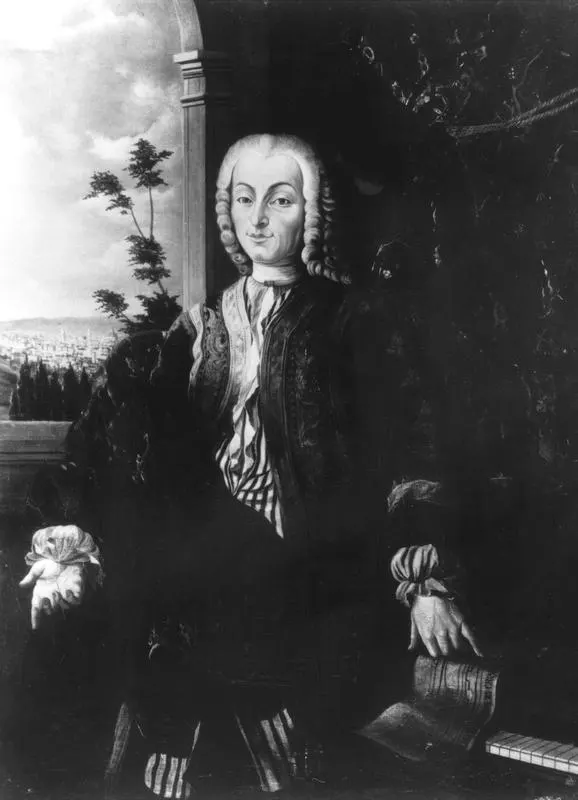
Bartolomeo Cristofori
Image creditUnknown author · Public domainResized and cropped for display.

Bartolomeo Cristofori

Paduan instrument maker who built the first piano in Florence.

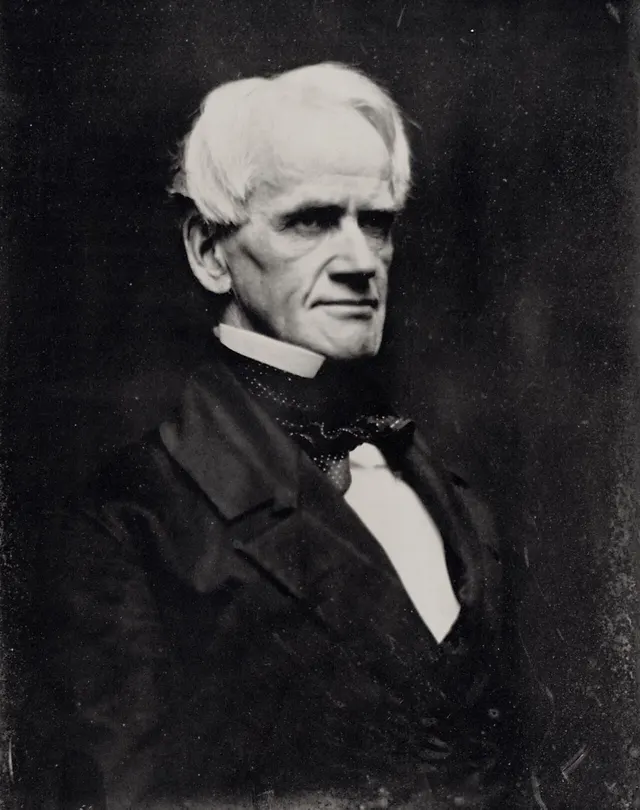
Horace Mann
Image creditSouthworth & Hawes · Public domainResized and cropped for display.

Horace Mann

American reformer who championed free public schools for all children.

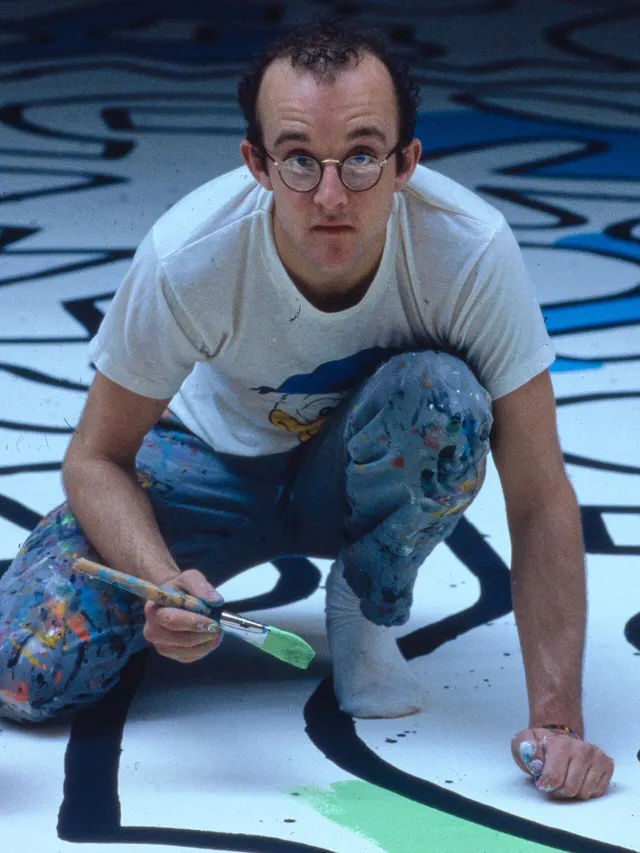
Keith Haring
Image creditBernard Gotfryd · Public domainResized and cropped for display.

Keith Haring

New York artist whose bold chalk and paint figures became a global visual language.

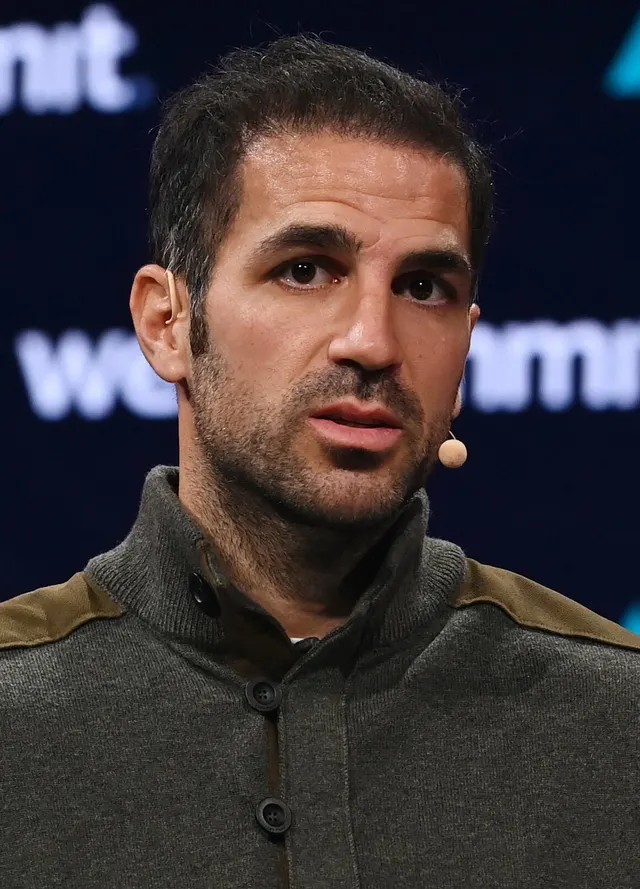
Cesc Fàbregas
Image creditWeb Summit · CC BY 2.0Resized and cropped for display.

Cesc Fàbregas

Spanish midfielder who won the World Cup and two European Championships.

◉
IDEAS THAT CHANGED THINGS

Firsts, Science & Discoveries

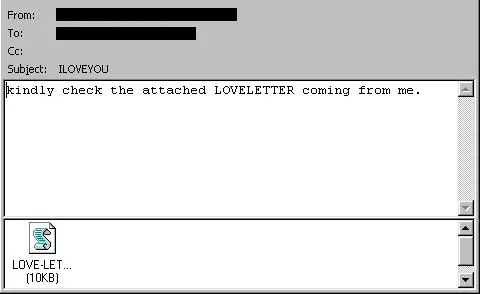
An illustration of the ILOVEYOU e-mail and its 'love letter' attachment.
An illustration of the ILOVEYOU e-mail and its ‘love letter’ attachment.
Image creditMario23 · Public domainResized and cropped for display.

The ILOVEYOU worm circles the world

On 4 May 2000 e-mails with the subject line ‘ILOVEYOU’ began arriving in inboxes, first in Asia and then, within hours, in Europe and North America. The attachment, which looked like a love letter, was a script that overwrote files and sent itself to everyone in the victim’s address book.

By the afternoon of the same day the CERT Coordination Center in the United States had reports of hundreds of thousands of infected computers, and many companies and governments shut down their e-mail. The worm was traced to the Philippines, which had no law against computer crime; it passed one within weeks.

Read the full storyHistory & Timeline →Source: Software Engineering Institute, Carnegie Mellon: 2000 CERT Advisories (CA-2000-04) ↗
☆
SPORTING HISTORY

Sporting Moments

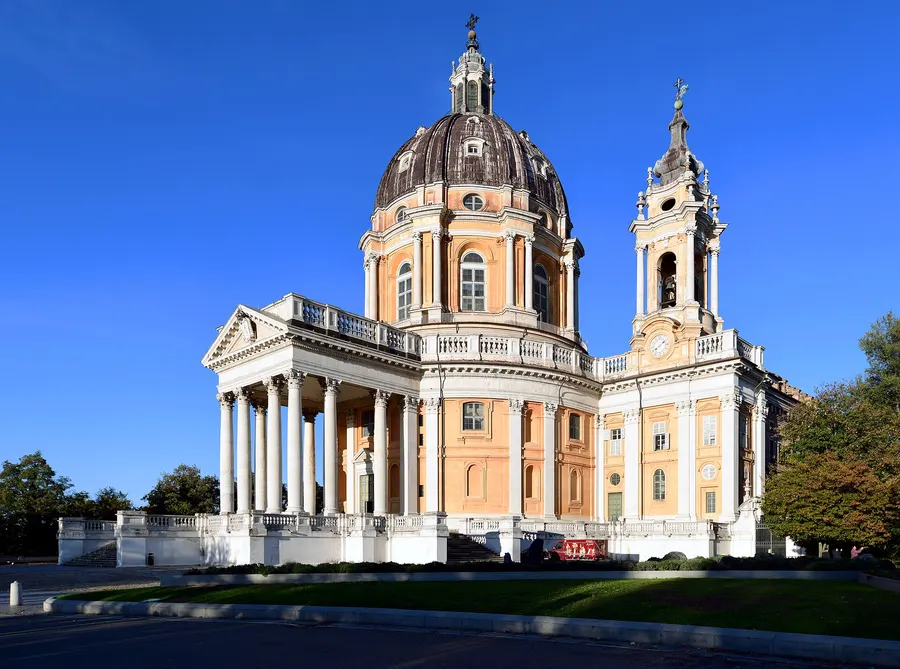
The Basilica of Superga on its hill above Turin.
Image creditParis Orlando · CC BY-SA 4.0Resized and cropped for display.

Italy loses the Grande Torino

On 4 May 1949 the aircraft bringing the Torino football team home from a friendly match in Lisbon struck the wall behind the Basilica of Superga, on a hill above Turin, in poor weather. All 31 people on board were killed: players, coaches, club officials, journalists and crew.

The side, known as the Grande Torino, had won four league titles in a row, was about to win a fifth and supplied most of the Italian national team. Every year on 4 May supporters climb the hill to Superga, where the names of the dead are listed.

Read the full storyHistory & Timeline →Source: Museo del Grande Torino e della Leggenda Granata: Il Grande Torino ↗
♫
MUSIC • FILM • BOOKS • CULTURE

Culture Stories

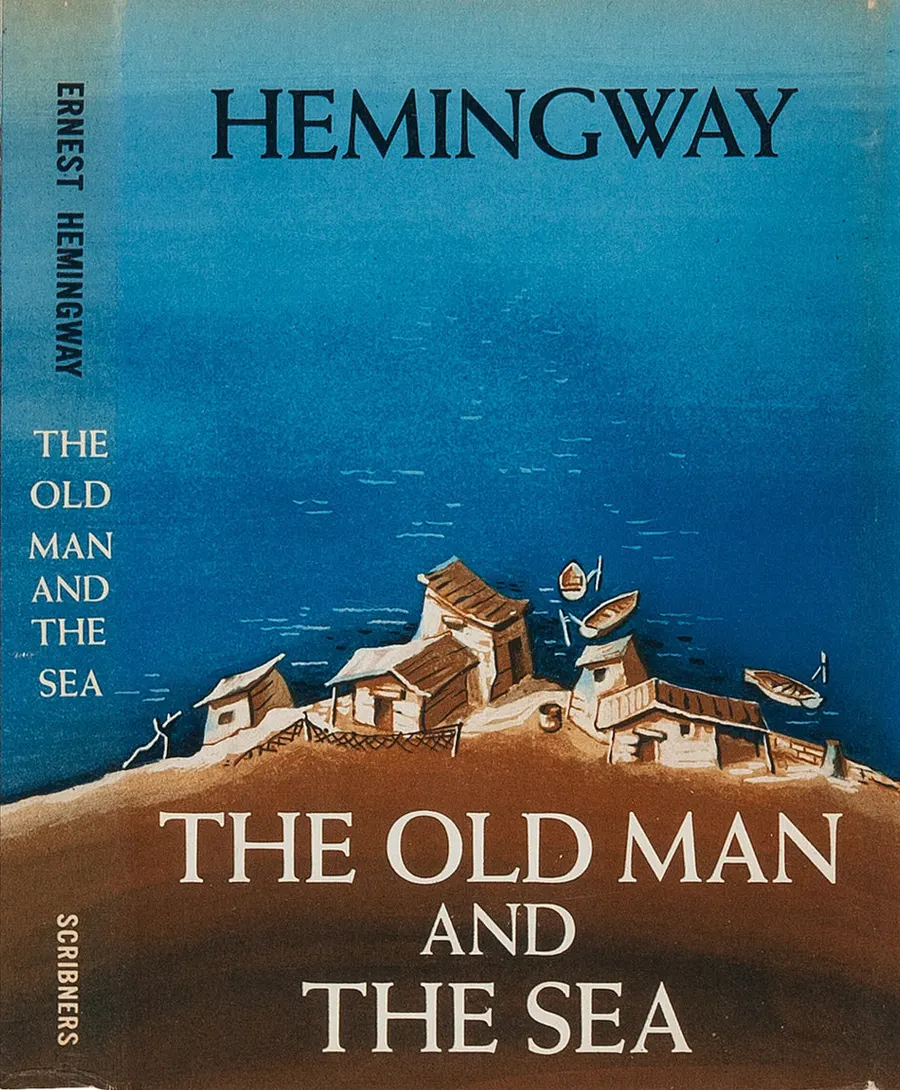
The jacket of the first edition of The Old Man and the Sea, published by Scribner in 1952.
Image creditCharles Scribner's Sons (jacket design) · Public domainResized and cropped for display.

Hemingway wins the Pulitzer for The Old Man and the Sea

The 1953 Pulitzer Prizes were announced on 4 May, and the prize for fiction went to Ernest Hemingway for The Old Man and the Sea. The short novel, about an old Cuban fisherman’s long struggle with a giant marlin, had first appeared complete in a single issue of Life magazine the previous September.

It was Hemingway’s only Pulitzer and came after a decade in which critics had written him off. The following year he received the Nobel Prize in Literature, and the Swedish Academy singled out this book in its citation.

Read the full storyHistory & Timeline →Source: Poynter: 1953 Pulitzer winners included Ernest Hemingway ↗
✦
LIVES REMEMBERED

Remembered Today

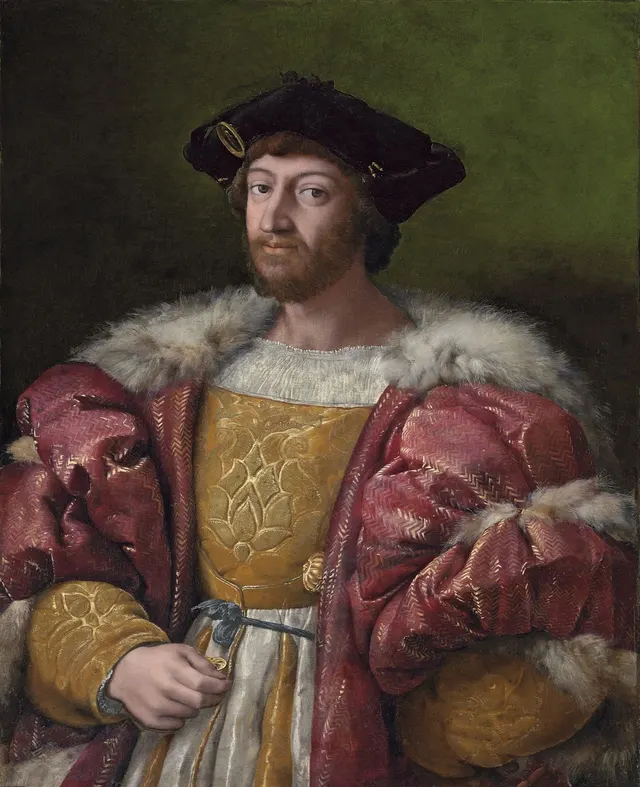
Lorenzo de' Medici, Duke of Urbino
Image creditRaphael · Public domainResized and cropped for display.

Lorenzo de’ Medici, Duke of Urbino

Ruler of Florence and father of Catherine de’ Medici, honoured with a tomb by Michelangelo.

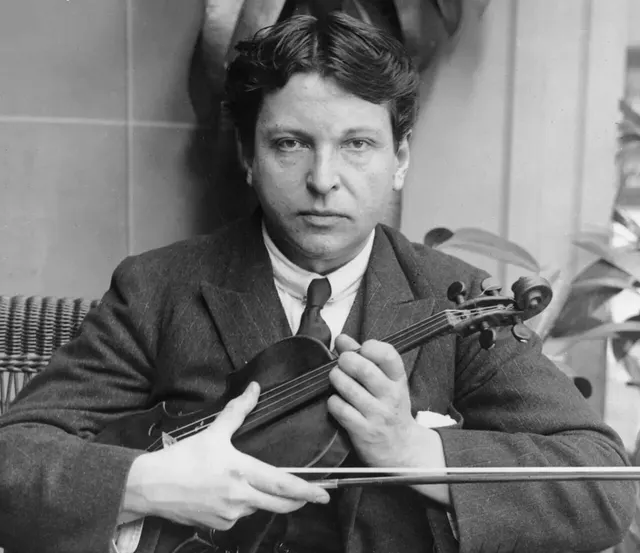
George Enescu
Image creditUnknown · Public domainResized and cropped for display.

George Enescu

Romanian composer and violinist, the creator of the Romanian Rhapsodies.

Josip Broz Tito
Image creditUnknown photographer · Public domainResized and cropped for display.

Josip Broz Tito

Partisan leader who ruled Yugoslavia for 35 years and co-founded the Non-Aligned Movement.

☉
AROUND THE WORLD

Observances & Anniversaries

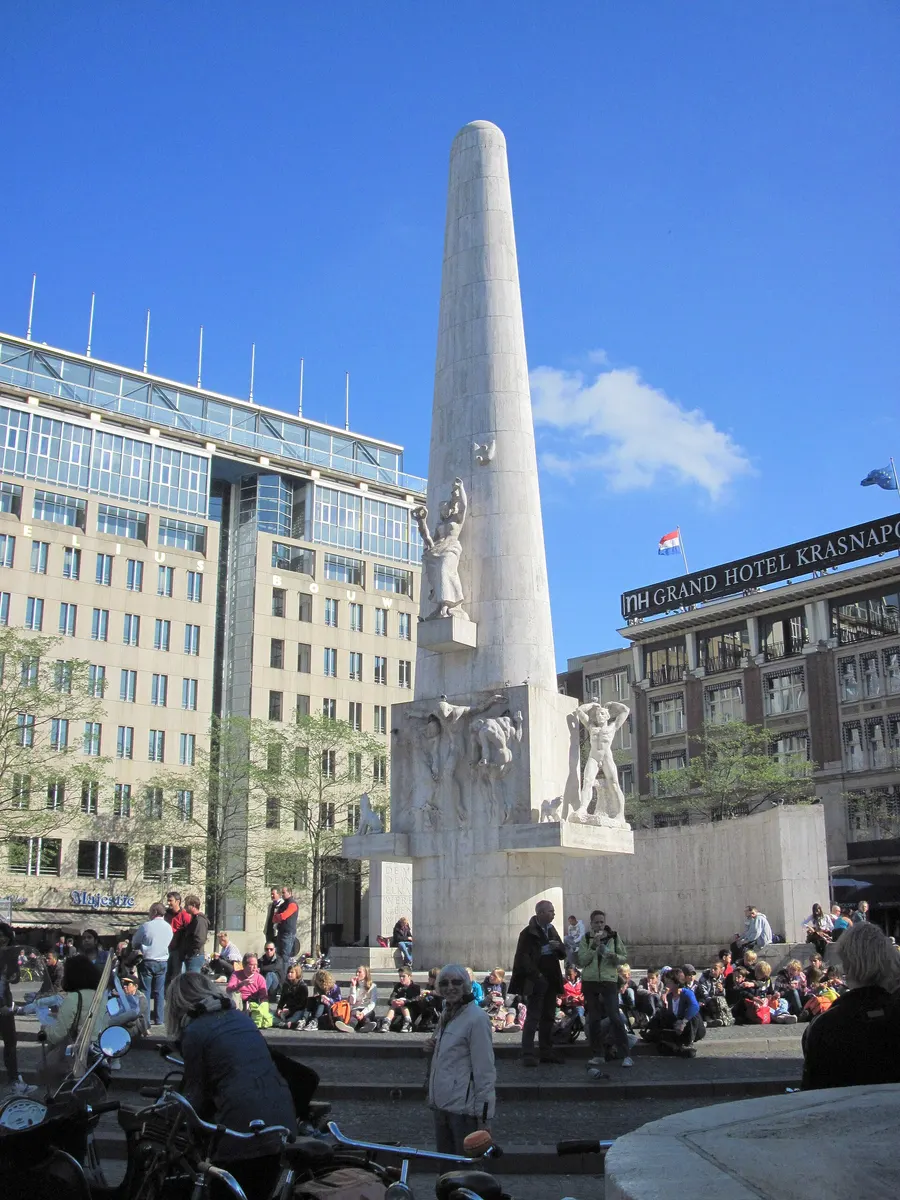
The National Monument on Dam Square in Amsterdam, where the national wreath-laying takes place.
Image creditVladimir Shelyapin · CC0Resized and cropped for display.

National Remembrance of the Dead (Netherlands)

Every year on 4 May the Netherlands remembers the civilians and servicemen who died in the Second World War and in wars and peace missions since. The country falls silent for two minutes at eight in the evening, and the King and Queen lay a wreath at the National Monument on Dam Square in Amsterdam, the day before Liberation Day.

Source: Nationaal Comité 4 en 5 mei: Wie en wat herdenken we? ↗
HISTORY & TIMELINE

Finished the highlights?

Follow 4 May chronologically, from the Middle Ages to the modern day, with 13 verified events and the sources behind them.

This day through time →