Explore 9 May

Explore 9 May: Robert Schuman sets out the plan that grew into the European Union, Australia opens its first national parliament, the Royal Navy seizes an Enigma machine from U-110, and a Japanese and Sherpa team first stands on top of Manaslu. Born today: J. M. Barrie, Glenda Jackson and Billy Joel.

This day through time →12 verified events across 4 eras

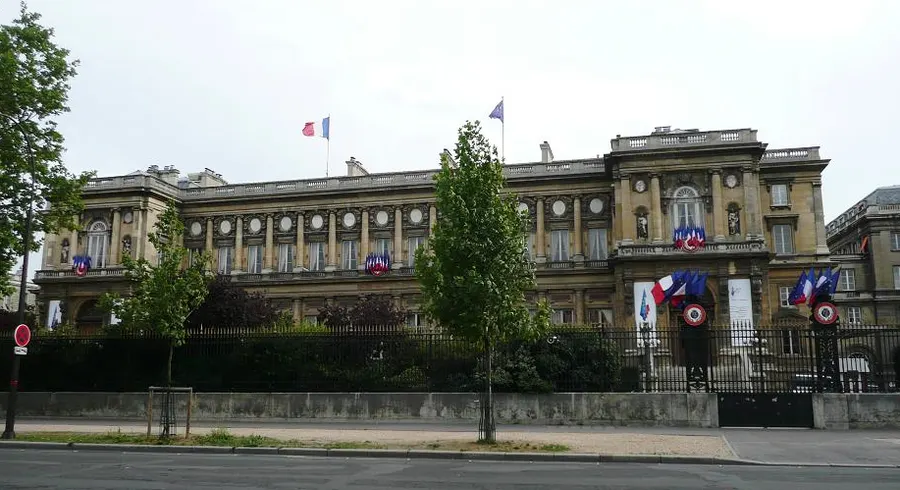
The French Ministry of Foreign Affairs on the Quai d'Orsay in Paris, where the declaration was read
The French Ministry of Foreign Affairs on the Quai d’Orsay in Paris, where the declaration was read
Image creditSimdaperce · CC BY-SA 3.0Resized and cropped for display.

Robert Schuman proposes pooling Europe’s coal and steel

Five years and a day after the war in Europe ended, France’s foreign minister Robert Schuman stood in the Salon de l’Horloge at the foreign ministry in Paris and read out a short statement. He proposed that French and West German coal and steel production be placed under a single, shared authority open to other European countries.

The idea was that if the raw materials of war were run jointly, a fresh conflict between France and Germany would become not just unlikely but practically impossible. Six countries signed up, creating the European Coal and Steel Community in 1952. That body was the seed of today’s European Union, which marks 9 May each year as Europe Day.

Read the full storyHistory & Timeline →Source: European Union: Schuman Declaration May 1950 ↗
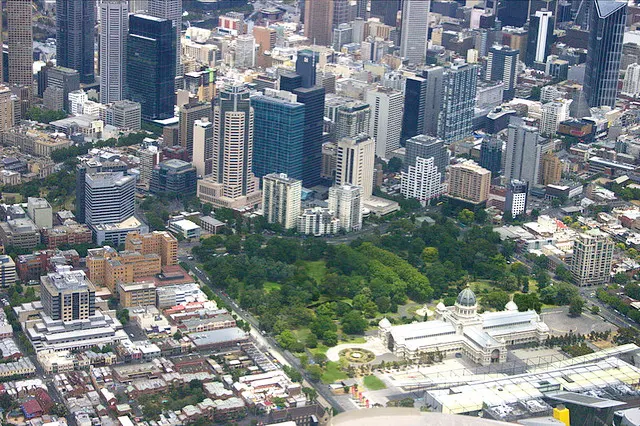
Melbourne from the air, with the Royal Exhibition Building among the trees in the foreground.
Image creditAndrew Lukaris · CC BY-SA 2.0Resized and cropped for display.

Australia’s first national parliament opens in Melbourne

Four months after the six colonies federated, more than 12,000 people packed into Melbourne’s Exhibition Building to see the first Parliament of the Commonwealth of Australia opened. The Duke of York, the future King George V, read a proclamation from his father, Edward VII, and the new senators and members of the House of Representatives were sworn in.

Melbourne served as the temporary seat of government while a new capital was planned. Parliament kept meeting there for more than a quarter of a century, until it finally moved to Canberra, where a provisional Parliament House was opened on exactly the same date, 9 May, in 1927.

Read the full storyHistory & Timeline →Source: National Archives of Australia: The opening of the first Commonwealth Parliament ↗
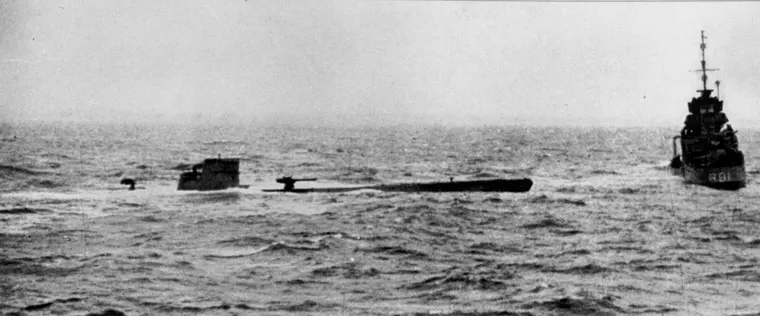
The captured submarine U-110 photographed from HMS Bulldog
Image creditRoyal Navy official photographer · Public domainResized and cropped for display.

The Royal Navy seizes an Enigma machine from U-110

South of Iceland, the German submarine U-110 attacked a convoy and was then forced to the surface by depth charges from British escort ships. Its crew abandoned the boat, and a boarding party led by Sub-Lieutenant David Balme from the destroyer HMS Bulldog climbed inside before it could sink.

They carried away an Enigma cipher machine with its rotors in place, along with code books and signal documents. The haul went to the codebreakers at Bletchley Park and helped them read German naval messages. The capture was kept so secret that the surviving German crew never learned their boat had been taken.

Read the full storyHistory & Timeline →Source: Imperial War Museums: The capture of the German submarine U-110 by HMS Bulldog ↗
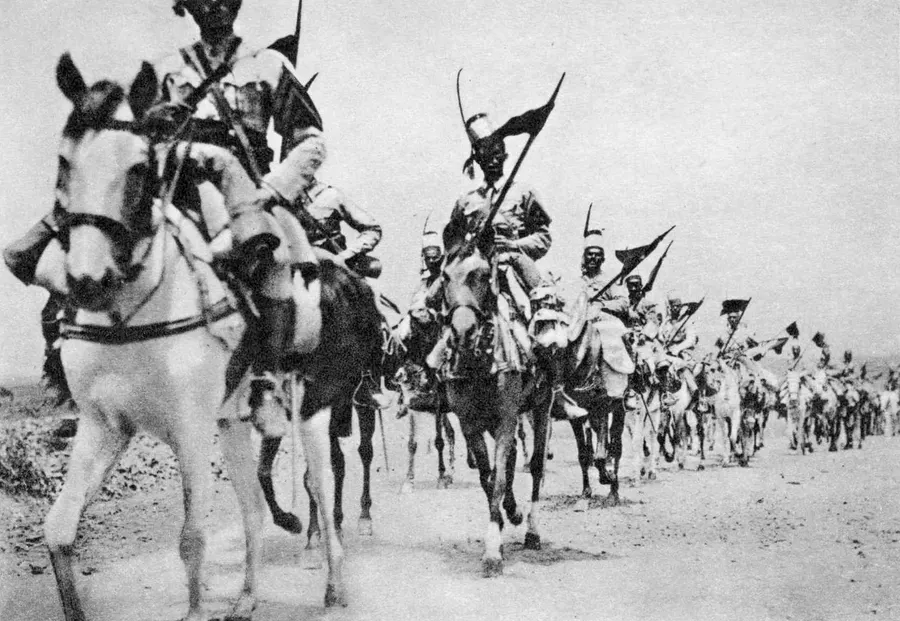
A 1936 Italian photograph of colonial cavalry advancing towards Addis Ababa
Image creditIstituto Luce (art edition by V. E. Boeri, Rome) · Public domainResized and cropped for display.

Mussolini proclaims an Italian empire in Ethiopia

Four days after Italian troops entered Addis Ababa, Benito Mussolini told a vast crowd in Rome’s Piazza Venezia that Italy now had an empire. That same day a royal decree declared full Italian sovereignty over Ethiopia, and King Victor Emmanuel III took the title Emperor of Ethiopia.

Ethiopia’s emperor, Haile Selassie, had already left for exile and went on to appeal to the League of Nations in Geneva, which failed to act. Italian rule proved short. British, Commonwealth and Ethiopian forces drove the Italians out in 1941, and Haile Selassie returned to his capital five years to the day after it had fallen.

Read the full storyHistory & Timeline →Source: Office of the Historian: Annexation of Ethiopia by Italy, May 9, 1936 ↗
♙
PEOPLE

Born Today

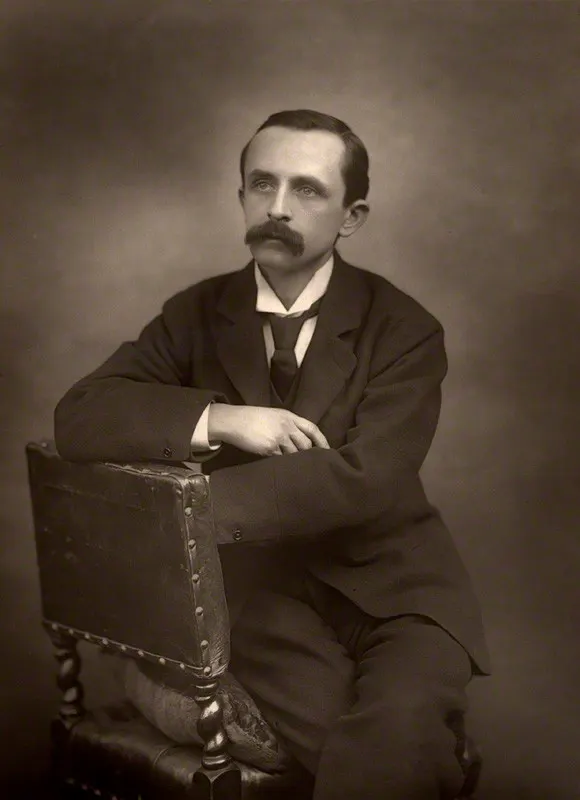
J. M. Barrie
Image creditHerbert Rose Barraud · Public domainResized and cropped for display.

J. M. Barrie

Scottish novelist and playwright who created Peter Pan, the boy who would not grow up.

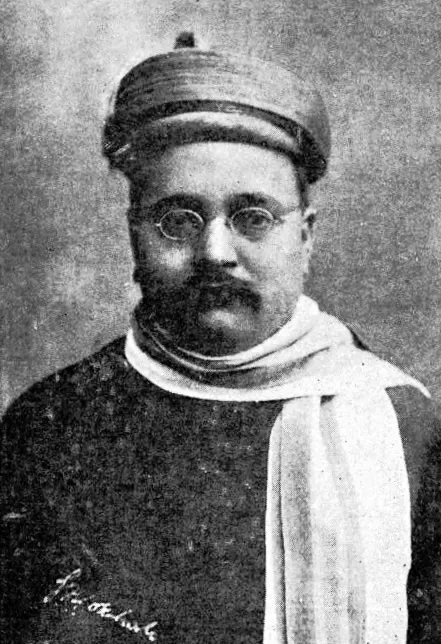
Gopal Krishna Gokhale
Image creditUnknown author · Public domainResized and cropped for display.

Gopal Krishna Gokhale

Indian reformer and Congress leader who founded the Servants of India Society and was a political mentor to Gandhi.

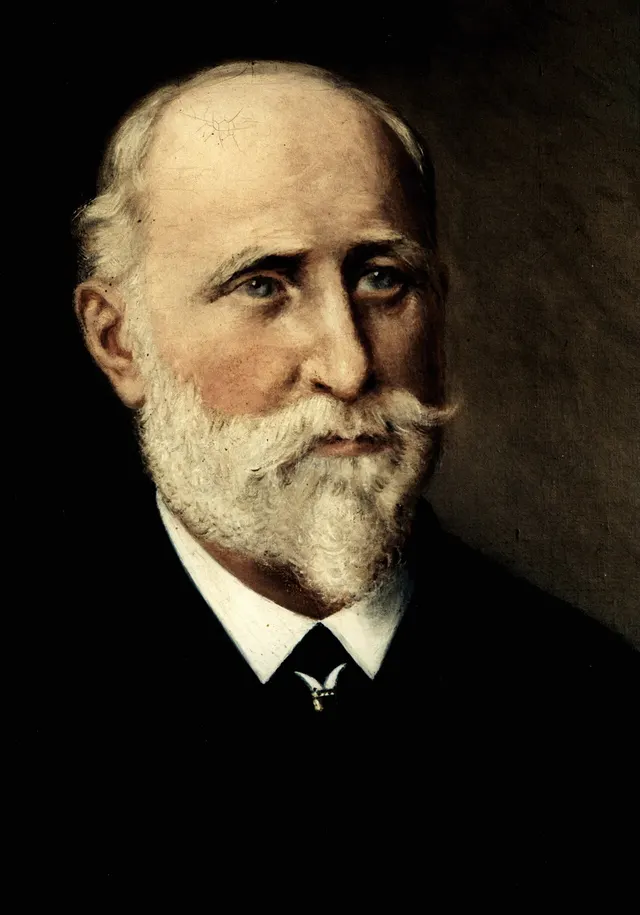
Adam Opel
Image creditUnknown author · Public domainResized and cropped for display.

Adam Opel

German entrepreneur whose sewing machine and bicycle business grew into the Opel car company.

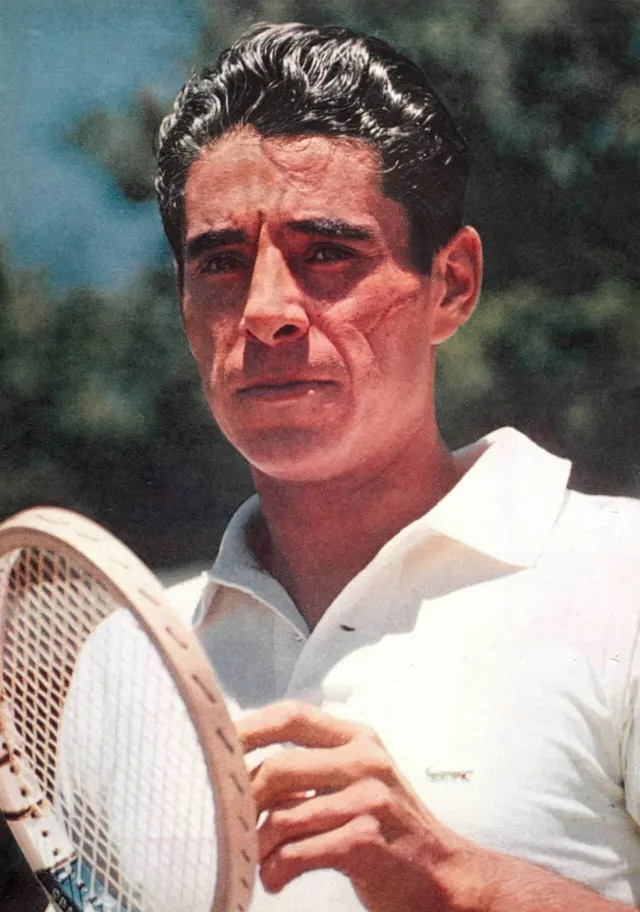
Pancho Gonzales
Image creditTom Hutchins · Public domainResized and cropped for display.

Pancho Gonzales

American tennis player with a thunderous serve who dominated the professional game through the 1950s.

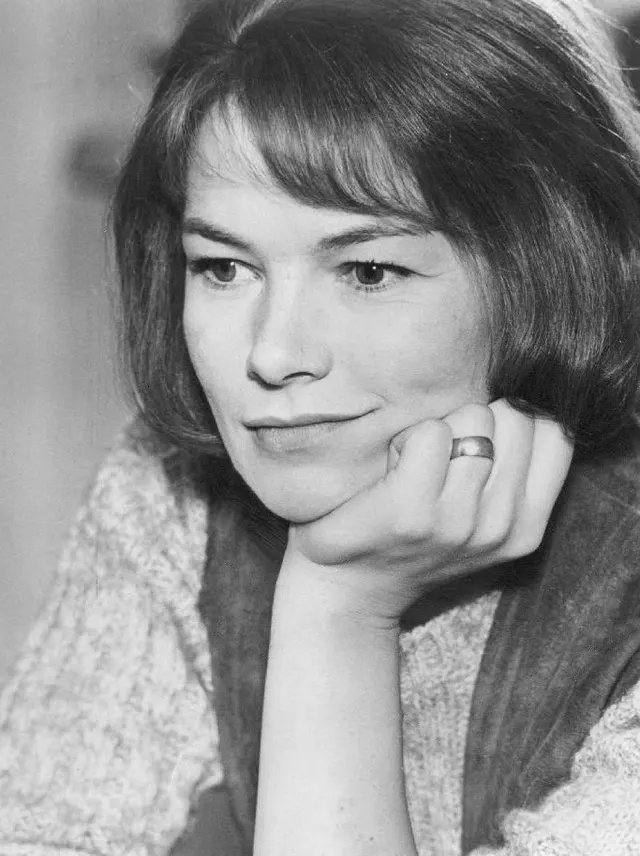
Glenda Jackson
Image creditStudio Publicity · Public domainResized and cropped for display.

Glenda Jackson

English actress who won two Academy Awards and later served 23 years as a Labour member of Parliament.

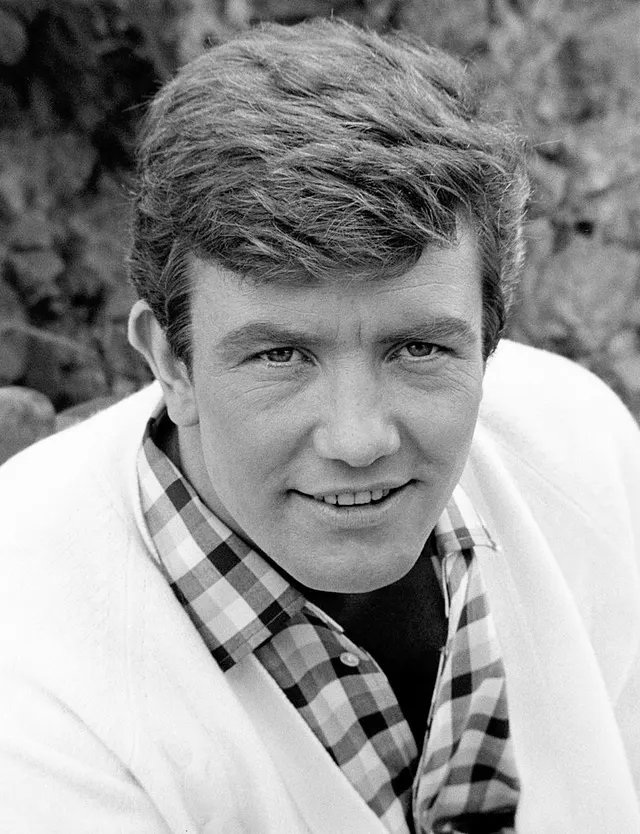
Albert Finney
Image creditUnknown (Mondadori Publishers) · Public domainResized and cropped for display.

Albert Finney

English actor who broke through in Saturday Night and Sunday Morning and Tom Jones and earned five Oscar nominations.

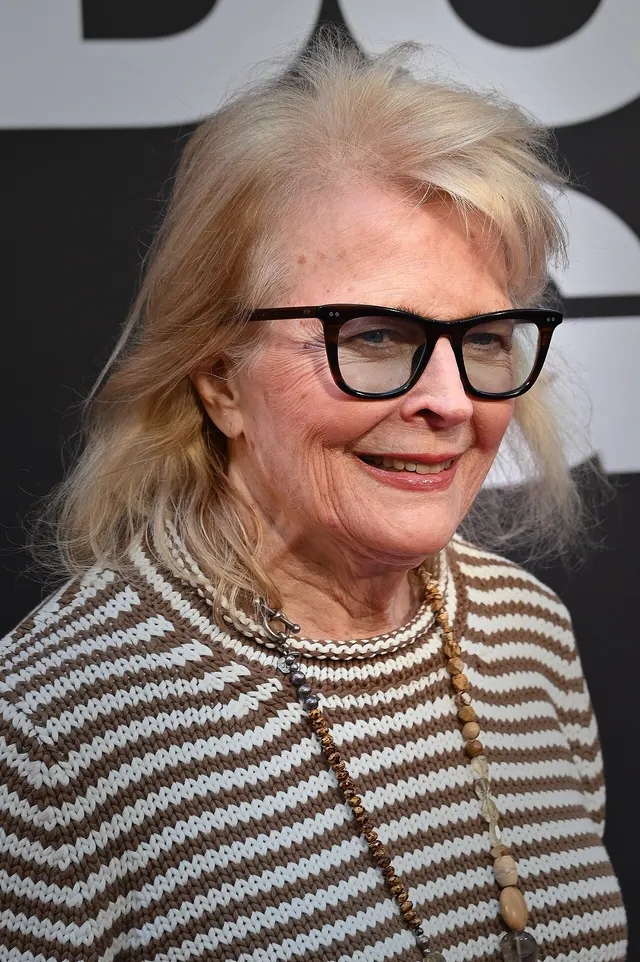
Candice Bergen
Image creditPhilipRomanoPhoto · CC BY 4.0Resized and cropped for display.

Candice Bergen

American actress best known as the television newsreader Murphy Brown, a role that won her five Emmy Awards.

Billy Joel
Image creditRaph_PH · CC BY 2.0Resized and cropped for display.

Billy Joel

American singer, songwriter and pianist behind ‘Piano Man’, one of the best-selling solo artists in history.

◉
IDEAS THAT CHANGED THINGS

Firsts, Science & Discoveries

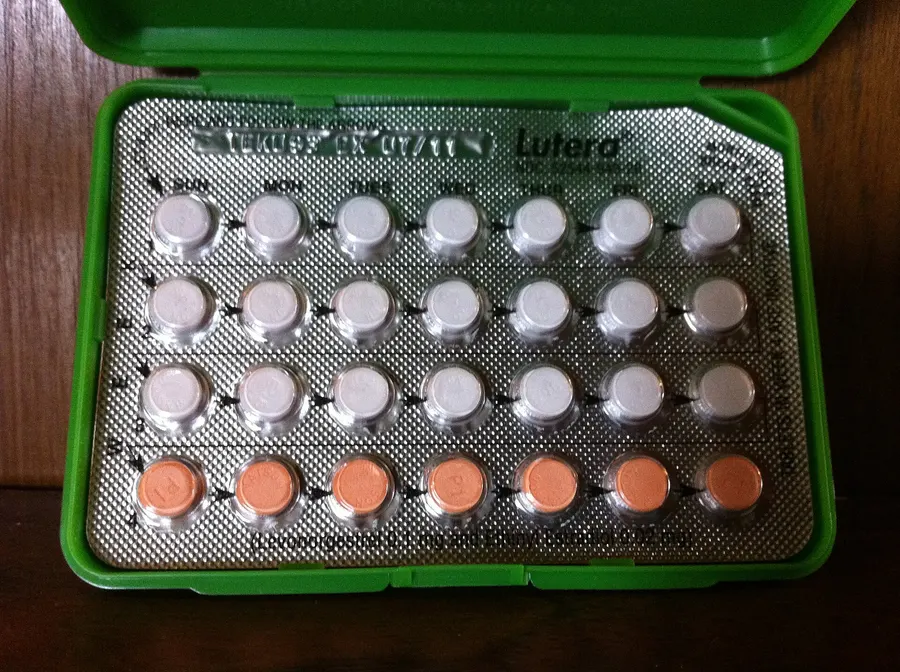
A modern blister pack of combined oral contraceptive pills
Image creditParentingPatch · CC BY-SA 3.0Resized and cropped for display.

The United States clears the first contraceptive pill

The US Food and Drug Administration announced that it would approve Enovid, a hormone pill made by G. D. Searle, for use as a contraceptive. The drug had been on sale since 1957 for menstrual disorders, but this was the first time any medicine had been approved to prevent pregnancy rather than to treat an illness.

Research behind the pill had been driven by the campaigner Margaret Sanger, funded by Katharine McCormick and carried out by scientists including Gregory Pincus and John Rock. Within a few years millions of American women were taking it, and ‘the pill’ became one of the most socially significant medicines of the century.

Read the full storyHistory & Timeline →Source: U.S. Food and Drug Administration: FDA’s Approval of the First Oral Contraceptive, Enovid ↗
☆
SPORTING HISTORY

Sporting Moments

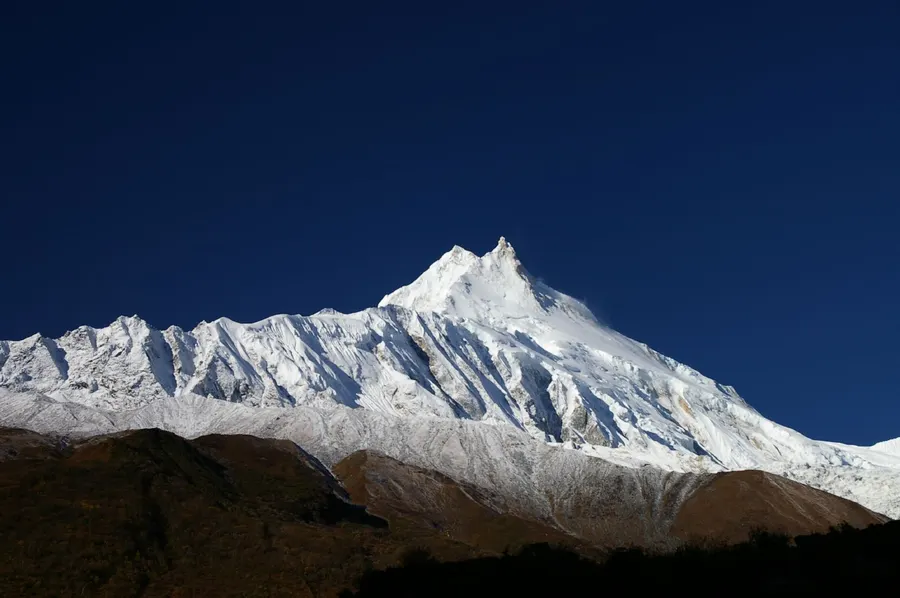
Manaslu seen on the trek to base camp in Nepal
Image creditBen Tubby · CC BY 2.0Resized and cropped for display.

A Japanese and Sherpa pair first reach the top of Manaslu

Just after midday, Toshio Imanishi of Japan and the Sherpa sirdar Gyalzen Norbu stood on the summit of Manaslu in Nepal, at 8,163 metres the eighth highest mountain on Earth. They were part of a Japanese Alpine Club expedition led by Yuko Maki, after earlier Japanese attempts in 1953 and 1954 had fallen short.

It was the first ascent of an 8,000-metre peak by a Japanese team, and in Japan it was celebrated as a national triumph. Gyalzen Norbu, who had climbed Makalu the year before, became the first person to stand on top of two of the world’s 8,000-metre mountains.

Read the full storyHistory & Timeline →Source: The Himalayan Club: The Ascent of Manaslu (Himalayan Journal 20) ↗
♫
MUSIC • FILM • BOOKS • CULTURE

Culture Stories

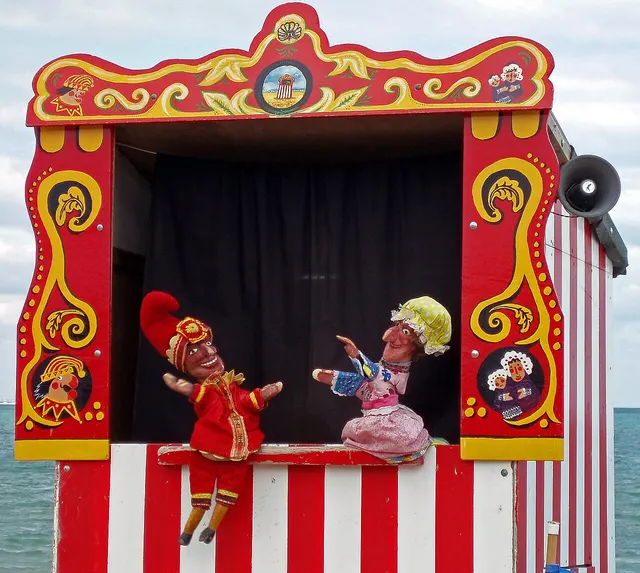
A traditional Punch and Judy booth on the seafront at Swanage, Dorset.
Image creditALoan at English Wikipedia · Public domainResized and cropped for display.

Samuel Pepys watches the puppet who became Mr Punch

The diarist Samuel Pepys went to Covent Garden and watched an Italian puppet show that he judged the best he had ever seen. It was put on by the Bolognese showman Pietro Gimonde, known as Signor Bologna, and starred a character called Pulcinella, a figure from Italian street comedy.

Bologna used marionettes on strings rather than the glove puppets of later seaside shows, but his hook-nosed trickster slowly turned into the English Mr Punch. Because Pepys’s diary entry is the first record of the character in Britain, puppeteers still treat 9 May as Mr Punch’s birthday.

Read the full storyHistory & Timeline →Source: Victoria and Albert Museum: A history of Punch and Judy ↗
✦
LIVES REMEMBERED

Remembered Today

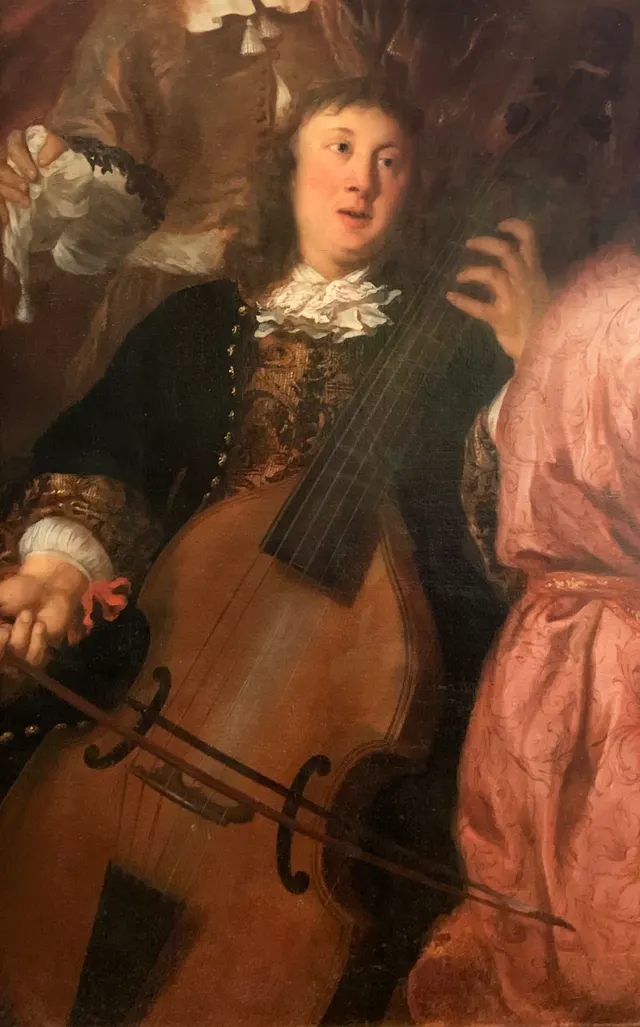
Dieterich Buxtehude
Image creditJohannes Voorhout · CC BY-SA 4.0Resized and cropped for display.

Dieterich Buxtehude

Danish-German organist and composer at Lübeck whose playing drew the young J. S. Bach to walk hundreds of miles to hear him.

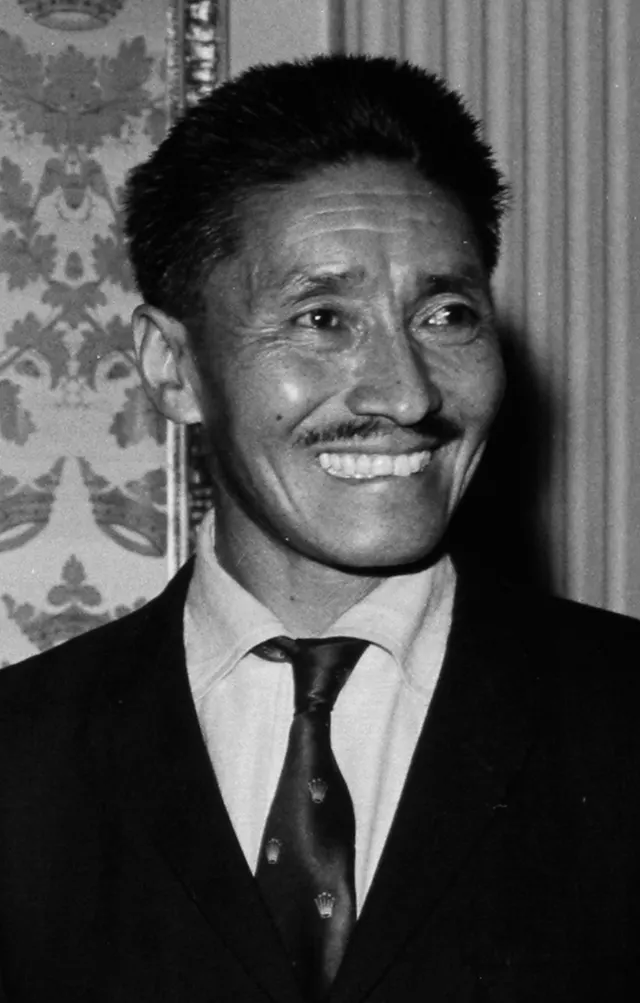
Tenzing Norgay
Image creditSAS Scandinavian Airlines · Public domainResized and cropped for display.

Tenzing Norgay

Sherpa mountaineer who, with Edmund Hillary, made the first confirmed ascent of Mount Everest in 1953.

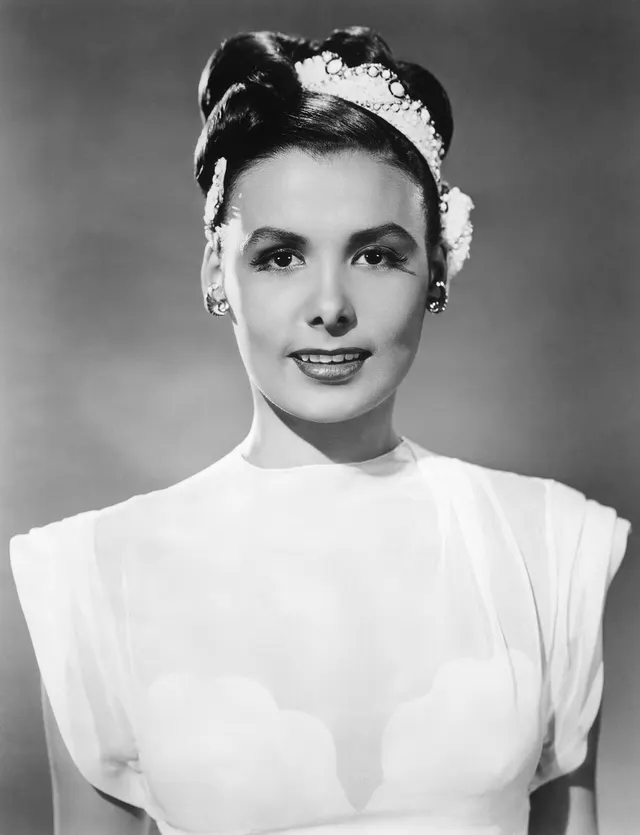
Lena Horne
Image creditStudio publicity still · Public domainResized and cropped for display.

Lena Horne

American singer, actress and civil rights campaigner famed for ‘Stormy Weather’ and a career spanning seven decades.

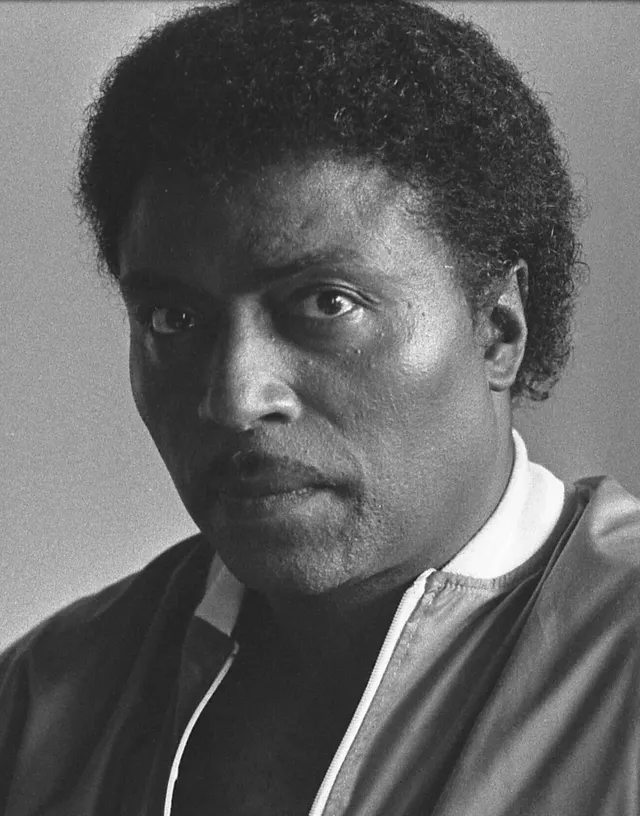
Little Richard
Image creditIan Dryden, Los Angeles Times · CC BY 4.0Resized and cropped for display.

Little Richard

American singer and pianist whose wild hits such as ‘Tutti Frutti’ helped lay the foundations of rock and roll.

☉
AROUND THE WORLD

Observances & Anniversaries

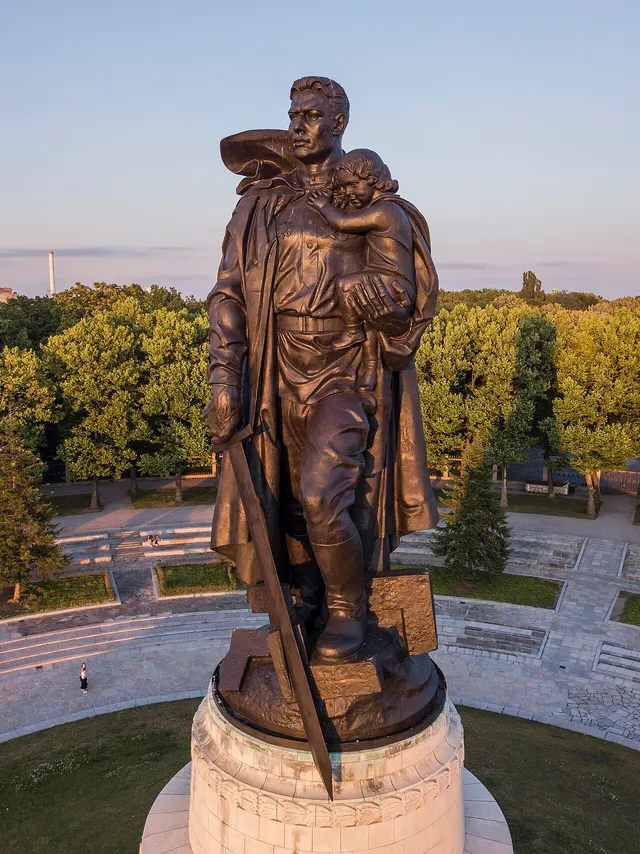
The Soviet War Memorial in Treptower Park, Berlin.
Image creditToniklemm · CC BY-SA 4.0Resized and cropped for display.

Victory Day

Russia and several other former Soviet countries mark the defeat of Nazi Germany on 9 May rather than 8 May. The final German surrender, signed in Berlin late on 8 May 1945, took effect after midnight Moscow time, so the Soviet Union celebrated on the following day. It is commemorated with parades, wreath-laying and processions of families carrying portraits of relatives who served.

Source: Britannica: V-E Day ↗
HISTORY & TIMELINE

Finished the highlights?

Follow 9 May chronologically, from the Middle Ages to the modern day, with 12 verified events and the sources behind them.

This day through time →