HISTORY & TIMELINE
9 May

A journey through
9 May in history

The story of 9 May runs from the consecration of Lincoln’s great Norman cathedral in 1092, through Mr Punch’s first recorded appearance in London and a daring raid on the Crown Jewels. It ends in the 20th century with an Arctic flight still argued over, the first licensed contraceptive pill and the proclamation of an Italian empire in Ethiopia.

JUMP THROUGH TIME
II
THE MIDDLE AGES

Medieval History

Kingdoms, conflict, faith, power and the changing medieval world.

1092
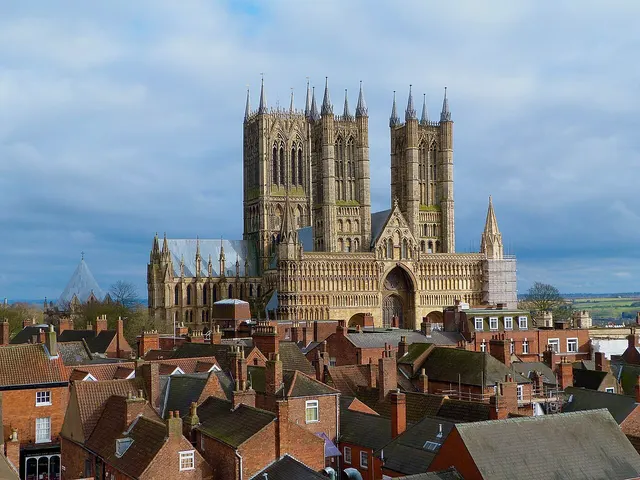
Lincoln Cathedral seen from Lincoln Castle.Lincoln Cathedral seen from Lincoln Castle.Image: DrMoschi · CC BY-SA 4.0
culture · Europe

Lincoln’s Norman cathedral is consecrated

The cathedral begun at Lincoln by Remigius, the first Norman bishop of the diocese, was consecrated two days after its founder had died. Remigius had moved his see from Dorchester-on-Thames to the hilltop beside the new castle in the 1070s. Much of the building was later damaged by fire and an earthquake and rebuilt in Gothic style, and for centuries its spire made it the tallest building in the world.

Source: British History Online: Lincoln cathedral (Victoria County History, Lincolnshire vol. 2) ↗
III
A CHANGING WORLD

Early Modern Era

Exploration, political change, scientific development and expanding global connections.

1662
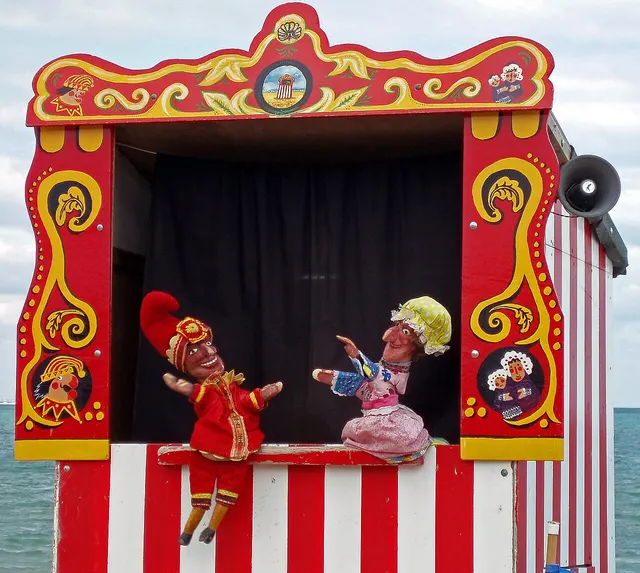
A traditional Punch and Judy booth on the seafront at Swanage, Dorset.A traditional Punch and Judy booth on the seafront at Swanage, Dorset.Image: ALoan at English Wikipedia · Public domain
culture · Europe

Samuel Pepys watches the puppet who became Mr Punch

The diarist Samuel Pepys went to Covent Garden and watched an Italian puppet show that he judged the best he had ever seen. It was put on by the Bolognese showman Pietro Gimonde, known as Signor Bologna, and starred a character called Pulcinella, a figure from Italian street comedy. Bologna used marionettes on strings rather than the glove puppets of later seaside shows, but his hook-nosed trickster slowly turned into the English Mr Punch. Because Pepys’s diary entry is the first record of the character in Britain, puppeteers still treat 9 May as Mr Punch’s birthday.

Source: Victoria and Albert Museum: A history of Punch and Judy ↗
1671
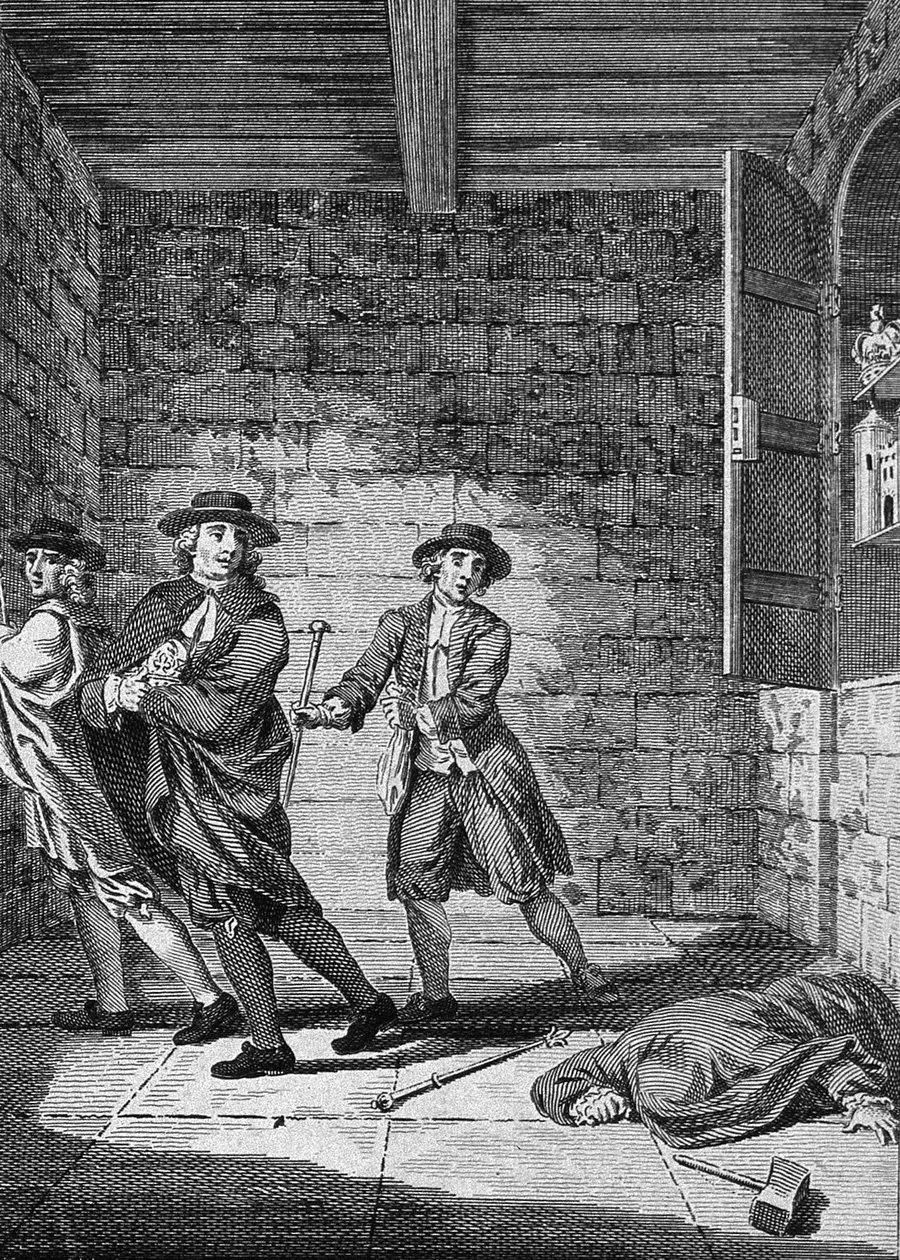
A late 18th-century print showing Thomas Blood's theft of the Crown JewelsA late 18th-century print showing Thomas Blood’s theft of the Crown JewelsImage: T. Simpson (active 1790–1814) · Public domain
culture · Europe

Colonel Blood tries to steal the Crown Jewels

Thomas Blood, an Irish adventurer who had befriended the elderly keeper of the jewels while posing as a parson, arrived at the Tower of London early in the morning with three companions. They overpowered the keeper and grabbed the crown, orb and sceptre, but were caught while fleeing. Remarkably, King Charles II pardoned Blood and even granted him land in Ireland.

Source: Historic Royal Palaces: The Crown Jewels ↗
IV
THE NINETEENTH CENTURY

The 1800s

Industry, empire, invention, reform and a century of enormous transformation.

1874
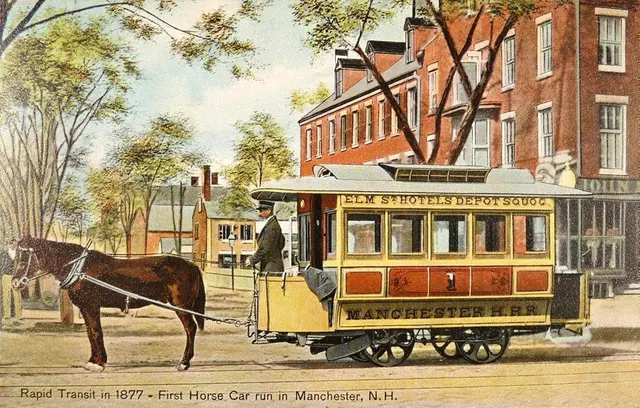
The first horse-drawn tram in Manchester, New Hampshire, on an old postcard: a tram of the same era as Bombay's.The first horse-drawn tram in Manchester, New Hampshire, on an old postcard: a tram of the same era as Bombay’s.Image: Unknown author · Public domain
world · Asia

Horse-drawn trams start running in Bombay

Bombay’s first trams, pulled by horses, began carrying passengers along routes from Colaba to Pydhonie by way of Crawford Market, and from Bori Bunder to Pydhonie through Kalbadevi. The Bombay Tramway Company had been licensed under a new Tramways Act that year. The horse cars served the growing city for more than 30 years before electric trams took over in 1905.

Source: Maharashtra State Gazetteers: Greater Bombay District, Communications ↗
V
THE TWENTIETH CENTURY

The 1900s

War and peace, technological leaps, social change, politics, sport and popular culture.

1901
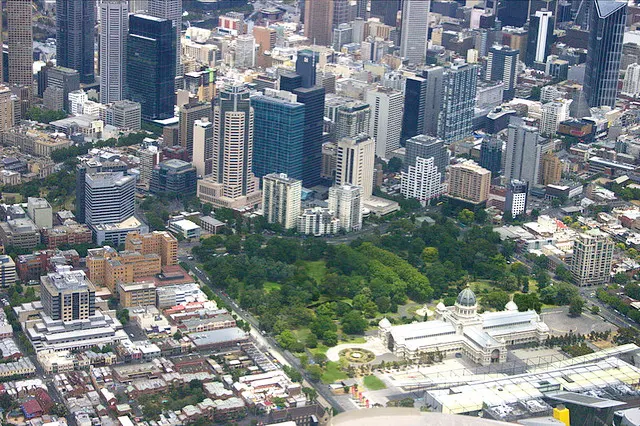
Melbourne from the air, with the Royal Exhibition Building among the trees in the foreground.Melbourne from the air, with the Royal Exhibition Building among the trees in the foreground.Image: Andrew Lukaris · CC BY-SA 2.0
politics · Oceania

Australia’s first national parliament opens in Melbourne

Four months after the six colonies federated, more than 12,000 people packed into Melbourne’s Exhibition Building to see the first Parliament of the Commonwealth of Australia opened. The Duke of York, the future King George V, read a proclamation from his father, Edward VII, and the new senators and members of the House of Representatives were sworn in. Melbourne served as the temporary seat of government while a new capital was planned. Parliament kept meeting there for more than a quarter of a century, until it finally moved to Canberra, where a provisional Parliament House was opened on exactly the same date, 9 May, in 1927.

Source: National Archives of Australia: The opening of the first Commonwealth Parliament ↗
1914
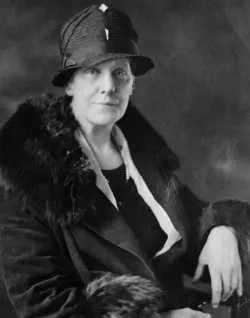
Anna Jarvis, who campaigned for a national Mother's Day.Anna Jarvis, who campaigned for a national Mother’s Day.Image: Olairian · Public domain
culture · Americas

President Wilson proclaims the first national Mother’s Day

A day after Congress passed a resolution naming the second Sunday in May as Mother’s Day, President Woodrow Wilson issued a proclamation asking Americans to fly the flag at their homes as a public sign of love for the nation’s mothers. It was the result of years of campaigning by Anna Jarvis of West Virginia, who later came to resent how commercial the day had become.

Source: The American Presidency Project: Proclamation 1268, Mother’s Day, 1914 ↗
1926
Portrait of Richard E. ByrdPortrait of Richard E. ByrdImage: Underwood & Underwood · Public domain
world · Global

Byrd and Bennett claim a flight over the North Pole

Richard Byrd and pilot Floyd Bennett took off from Spitsbergen in the Fokker trimotor Josephine Ford and returned about 16 hours later saying they had circled the North Pole. The US Navy and the National Geographic Society accepted the claim and both men received the Medal of Honor. Doubts about the aircraft’s speed persisted, however, and many historians now think they turned back short of the pole.

Source: Byrd Polar and Climate Research Center, Ohio State University: Who was the first to fly a plane over the North Pole? ↗
1936
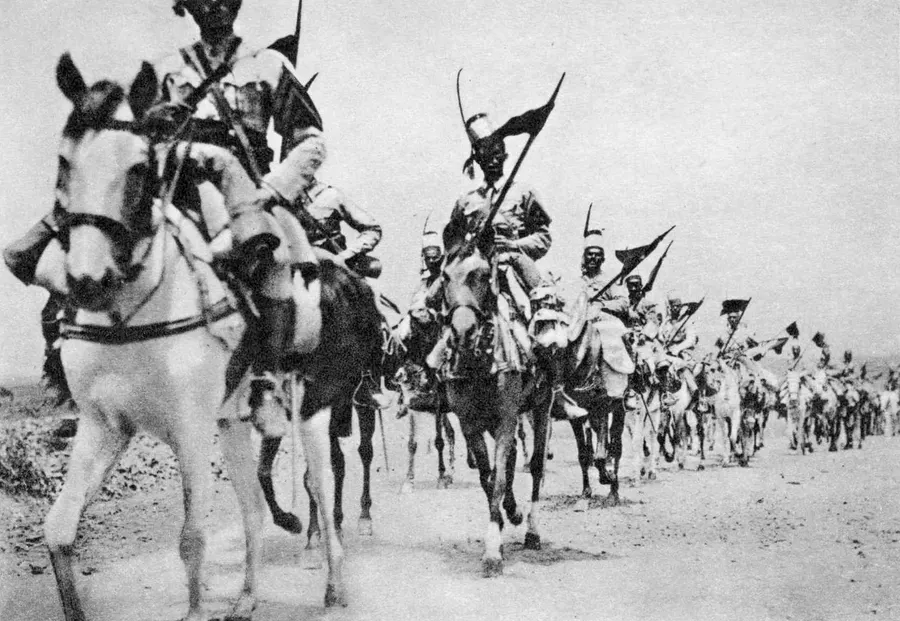
A 1936 Italian photograph of colonial cavalry advancing towards Addis AbabaA 1936 Italian photograph of colonial cavalry advancing towards Addis AbabaImage: Istituto Luce (art edition by V. E. Boeri, Rome) · Public domain
world · Africa

Mussolini proclaims an Italian empire in Ethiopia

Four days after Italian troops entered Addis Ababa, Benito Mussolini told a vast crowd in Rome’s Piazza Venezia that Italy now had an empire. That same day a royal decree declared full Italian sovereignty over Ethiopia, and King Victor Emmanuel III took the title Emperor of Ethiopia. Ethiopia’s emperor, Haile Selassie, had already left for exile and went on to appeal to the League of Nations in Geneva, which failed to act. Italian rule proved short. British, Commonwealth and Ethiopian forces drove the Italians out in 1941, and Haile Selassie returned to his capital five years to the day after it had fallen.

Source: Office of the Historian: Annexation of Ethiopia by Italy, May 9, 1936 ↗
1941
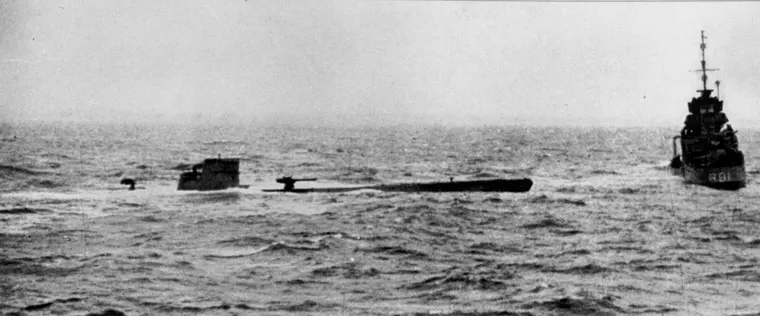
The captured submarine U-110 photographed from HMS BulldogThe captured submarine U-110 photographed from HMS BulldogImage: Royal Navy official photographer · Public domain
world · Europe

The Royal Navy seizes an Enigma machine from U-110

South of Iceland, the German submarine U-110 attacked a convoy and was then forced to the surface by depth charges from British escort ships. Its crew abandoned the boat, and a boarding party led by Sub-Lieutenant David Balme from the destroyer HMS Bulldog climbed inside before it could sink. They carried away an Enigma cipher machine with its rotors in place, along with code books and signal documents. The haul went to the codebreakers at Bletchley Park and helped them read German naval messages. The capture was kept so secret that the surviving German crew never learned their boat had been taken.

Source: Imperial War Museums: The capture of the German submarine U-110 by HMS Bulldog ↗
1950
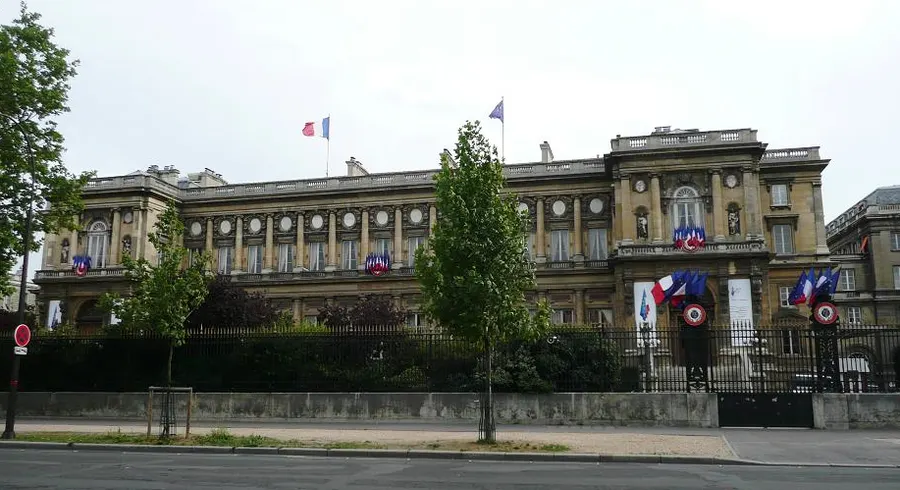
The French Ministry of Foreign Affairs on the Quai d'Orsay in Paris, where the declaration was readThe French Ministry of Foreign Affairs on the Quai d’Orsay in Paris, where the declaration was readImage: Simdaperce · CC BY-SA 3.0
politics · Europe

Robert Schuman proposes pooling Europe’s coal and steel

The plan was drafted largely by Jean Monnet and his team, and was agreed with West German chancellor Konrad Adenauer before it was announced. France, West Germany, Italy, Belgium, the Netherlands and Luxembourg became the founding members of the new community, and the same six went on to form the European Economic Community in 1958.

Source: European Union: Schuman Declaration May 1950 ↗
1956
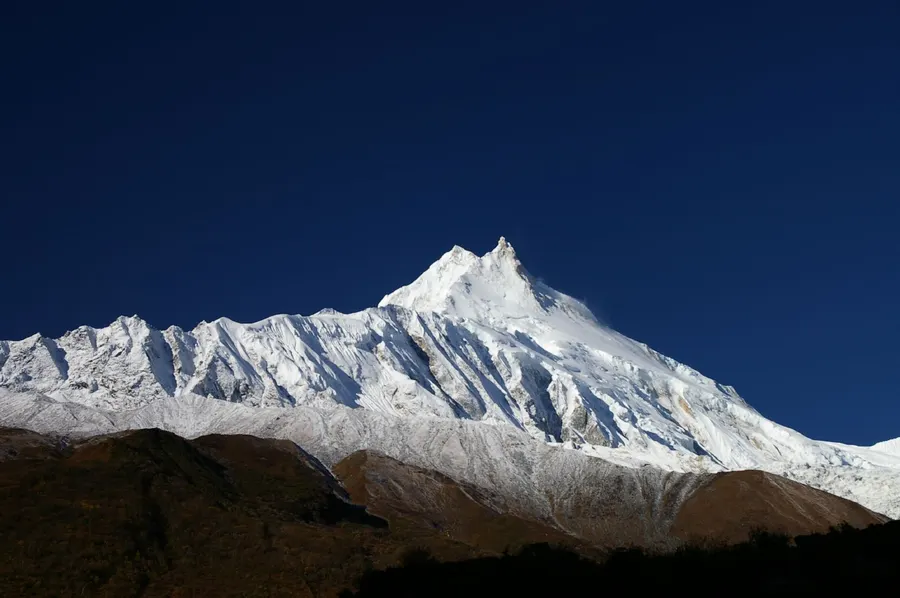
Manaslu seen on the trek to base camp in NepalManaslu seen on the trek to base camp in NepalImage: Ben Tubby · CC BY 2.0
sport · Asia

A Japanese and Sherpa pair first reach the top of Manaslu

Just after midday, Toshio Imanishi of Japan and the Sherpa sirdar Gyalzen Norbu stood on the summit of Manaslu in Nepal, at 8,163 metres the eighth highest mountain on Earth. They were part of a Japanese Alpine Club expedition led by Yuko Maki, after earlier Japanese attempts in 1953 and 1954 had fallen short. It was the first ascent of an 8,000-metre peak by a Japanese team, and in Japan it was celebrated as a national triumph. Gyalzen Norbu, who had climbed Makalu the year before, became the first person to stand on top of two of the world’s 8,000-metre mountains.

Source: The Himalayan Club: The Ascent of Manaslu (Himalayan Journal 20) ↗
1960
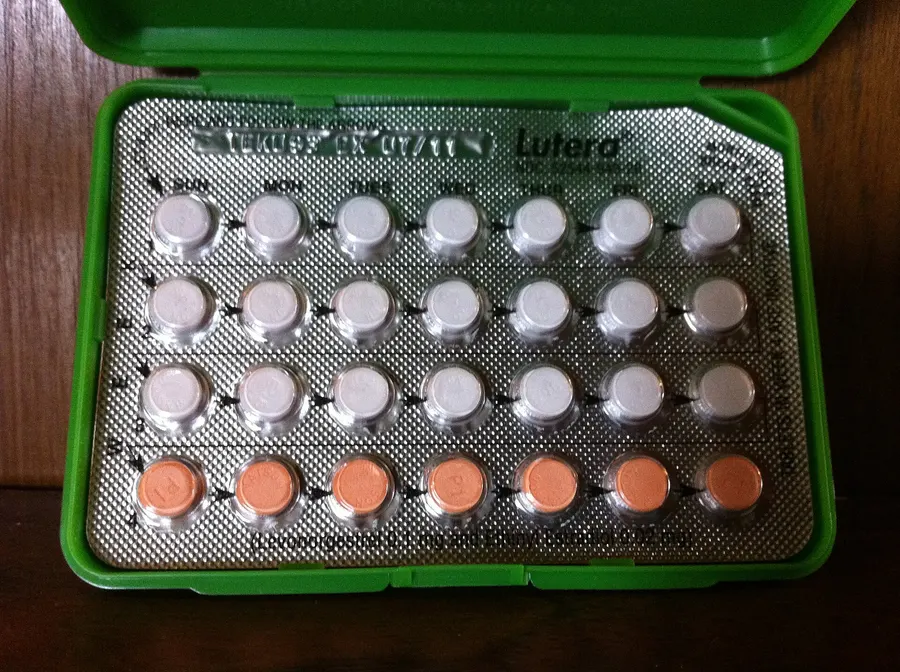
A modern blister pack of combined oral contraceptive pillsA modern blister pack of combined oral contraceptive pillsImage: ParentingPatch · CC BY-SA 3.0
science · Americas

The United States clears the first contraceptive pill

The US Food and Drug Administration announced that it would approve Enovid, a hormone pill made by G. D. Searle, for use as a contraceptive. The drug had been on sale since 1957 for menstrual disorders, but this was the first time any medicine had been approved to prevent pregnancy rather than to treat an illness. Research behind the pill had been driven by the campaigner Margaret Sanger, funded by Katharine McCormick and carried out by scientists including Gregory Pincus and John Rock. Within a few years millions of American women were taking it, and ‘the pill’ became one of the most socially significant medicines of the century.

Source: U.S. Food and Drug Administration: FDA’s Approval of the First Oral Contraceptive, Enovid ↗
RESEARCH

Sources & Further Reading

Selected authoritative references supporting the events on this page.

British History Online: Lincoln cathedral (Victoria County History, Lincolnshire vol. 2)↗Wikipedia: Lincoln Cathedral↗Victoria and Albert Museum: A history of Punch and Judy↗The Diary of Samuel Pepys: Friday 9 May 1662↗Historic Royal Palaces: The Crown Jewels↗Historic UK: Colonel Blood and the theft of the Crown Jewels↗Maharashtra State Gazetteers: Greater Bombay District, Communications↗FIBIS: Bombay Tramways↗Wikipedia: Brihanmumbai Electric Supply and Transport↗National Archives of Australia: The opening of the first Commonwealth Parliament↗Parliament of Australia: The first sitting of the Commonwealth Parliament 1901↗Museums Victoria: Opening of the First Parliament of the Commonwealth, 9 May 1901↗The American Presidency Project: Proclamation 1268, Mother’s Day, 1914↗National Archives: Happy Mother’s Day! (Pieces of History)↗Byrd Polar and Climate Research Center, Ohio State University: Who was the first to fly a plane over the North Pole?↗The Henry Ford: Richard Byrd’s North Pole Flight↗Office of the Historian: Annexation of Ethiopia by Italy, May 9, 1936↗Britannica: Italian East Africa↗Imperial War Museums: The capture of the German submarine U-110 by HMS Bulldog↗uboat.net: The Type IXB U-boat U-110↗European Union: Schuman Declaration May 1950↗CVCE: The Schuman Declaration (Paris, 9 May 1950)↗Britannica: Schuman Plan↗The Himalayan Club: The Ascent of Manaslu (Himalayan Journal 20)↗Guinness World Records: First ascent of Manaslu↗Wikipedia: Manaslu↗U.S. Food and Drug Administration: FDA’s Approval of the First Oral Contraceptive, Enovid↗PBS American Experience: The FDA Approves the Pill↗
WHY THESE MOMENTS?

Significance before volume

This page is not the longest possible list of events. It is a chronological journey through 9 May, where each entry is chosen for historical significance, human interest and reliability.

Facts are checked against authoritative museums, archives, universities and reference works. Where sources disagree, the page says so.

EXPLORED THE DEEPER STORY?

Return to the highlights of 9 May

Discover the lighter side of the date with famous birthdays, culture, firsts and lives remembered.

Explore This Day →
← PREVIOUS DAY8 May
HISTORY & TIMELINE9 May
NEXT DAY →10 May