HISTORY & TIMELINE
10 May

A journey through
10 May in history

The story of 10 May runs from Columbus sighting two small turtle-covered islands in the Caribbean in 1503 to a deadly earthquake in eastern Iran in 1997. In between come a fort taken at dawn, a bridge stormed in Lombardy, a peace that redrew the map of France and a night of burning books in Berlin.

JUMP THROUGH TIME
III
A CHANGING WORLD

Early Modern Era

Exploration, political change, scientific development and expanding global connections.

1503
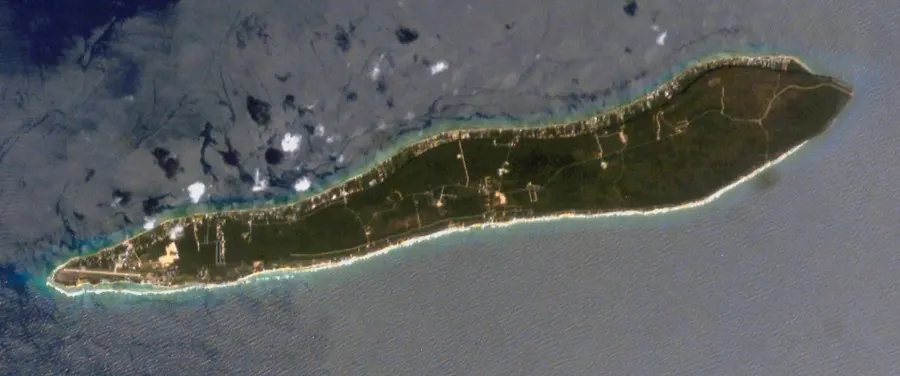
Cayman Brac seen from the International Space StationCayman Brac seen from the International Space StationImage: NASA (ISS astronaut photograph), cropped by Zollwurf · Public domain
world · Americas

Columbus sights the Cayman Islands

On his fourth and final voyage, Christopher Columbus was blown westward on the way to Hispaniola and sighted two small, low islands, now Cayman Brac and Little Cayman. The surrounding sea was so full of turtles that he called them Las Tortugas. The islands, later renamed after the caimans once found there, became a vital stop for sailors seeking fresh turtle meat.

Source: Cayman Islands Government: History ↗
1775
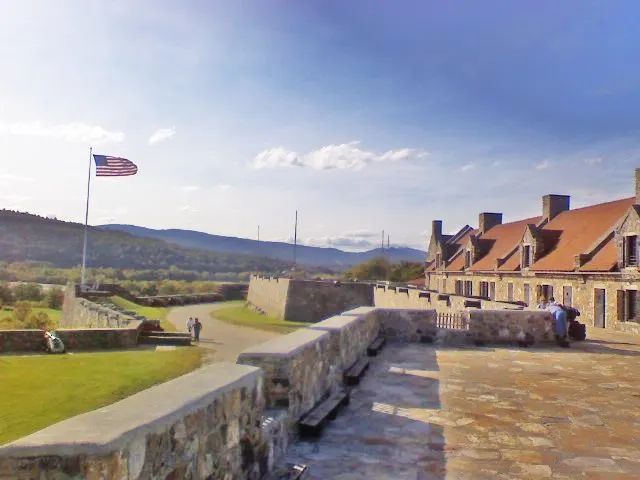
Fort Ticonderoga on Lake Champlain, New YorkFort Ticonderoga on Lake Champlain, New YorkImage: Peetlesnumber1 · Public domain
world · Americas

Fort Ticonderoga falls without a fight

At about four in the morning, a small force of Green Mountain Boys and Massachusetts volunteers under Ethan Allen and Benedict Arnold slipped into Fort Ticonderoga on Lake Champlain and took its sleeping British garrison of around 45 men prisoner. The American rebels gained a strategic fort and dozens of cannon, which were later dragged overland to help force the British out of Boston.

Source: Fort Ticonderoga: The Capture of Fort Ticonderoga (documents) ↗
1796
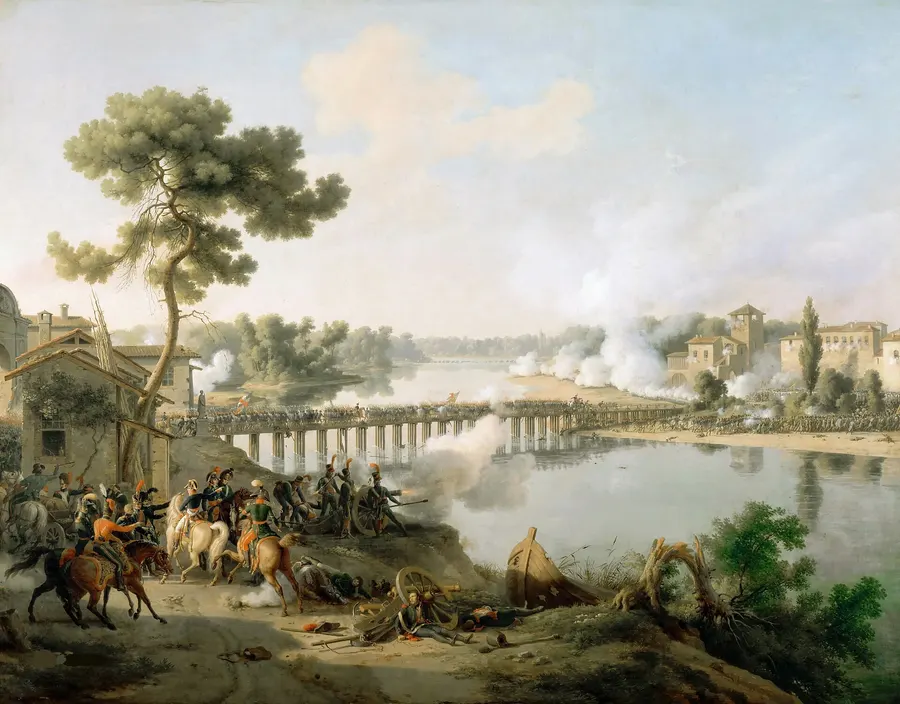
The Battle of Lodi, painted by Louis-François LejeuneThe Battle of Lodi, painted by Louis-François LejeuneImage: Louis-François, Baron Lejeune · Public domain
world · Europe

Bonaparte storms the bridge at Lodi

In northern Italy, the 26-year-old General Napoleon Bonaparte sent a column of French infantry charging across the bridge over the Adda River at Lodi, into heavy Austrian fire. When the attack faltered he and his senior officers rallied it, and the Austrian rearguard was driven off. The victory opened the road to Milan, and his soldiers began calling him the Little Corporal.

Source: Britannica: Battle of Lodi ↗
IV
THE NINETEENTH CENTURY

The 1800s

Industry, empire, invention, reform and a century of enormous transformation.

1857
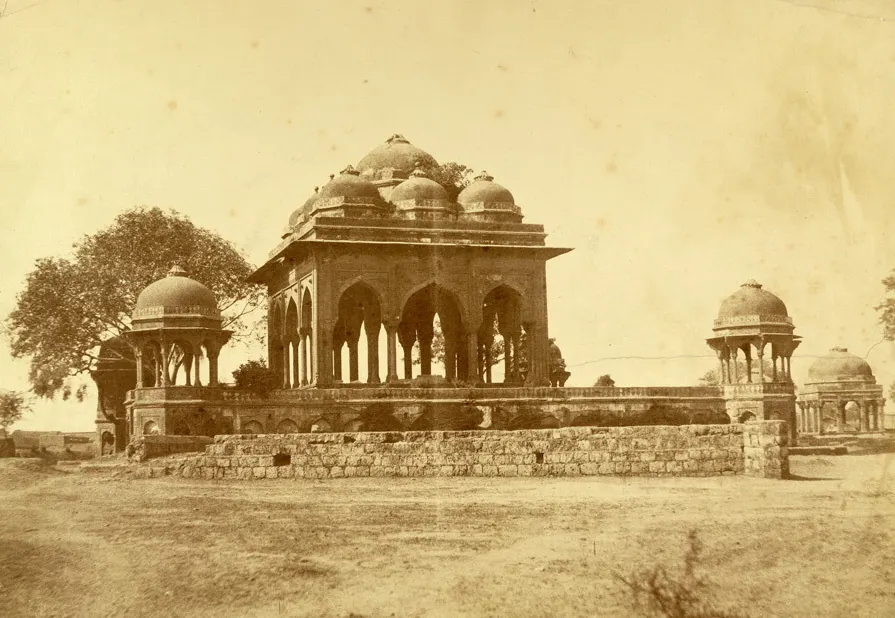
A mosque at Meerut, photographed by Robert and Harriet Tytler soon after the risingA mosque at Meerut, photographed by Robert and Harriet Tytler soon after the risingImage: Major Robert Christopher Tytler (1818–1872) · Public domain
world · Asia

Sepoys rise at Meerut and march on Delhi

In the garrison town of Meerut, north-east of Delhi, Indian soldiers of the East India Company’s army broke into open revolt. Comrades who had refused the new Enfield rifle cartridges, rumoured to be greased with cow and pig fat, had just been given long prison sentences. On the evening of 10 May the sepoys freed them, shot British officers and set off for Delhi. At Delhi the local garrison joined them and the elderly Mughal emperor, Bahadur Shah II, was proclaimed their leader. The rising spread across northern India and took more than a year to suppress. Its aftermath ended the East India Company’s rule, with the British Crown taking direct control of India in 1858.

Source: Britannica: Indian Mutiny ↗
1869
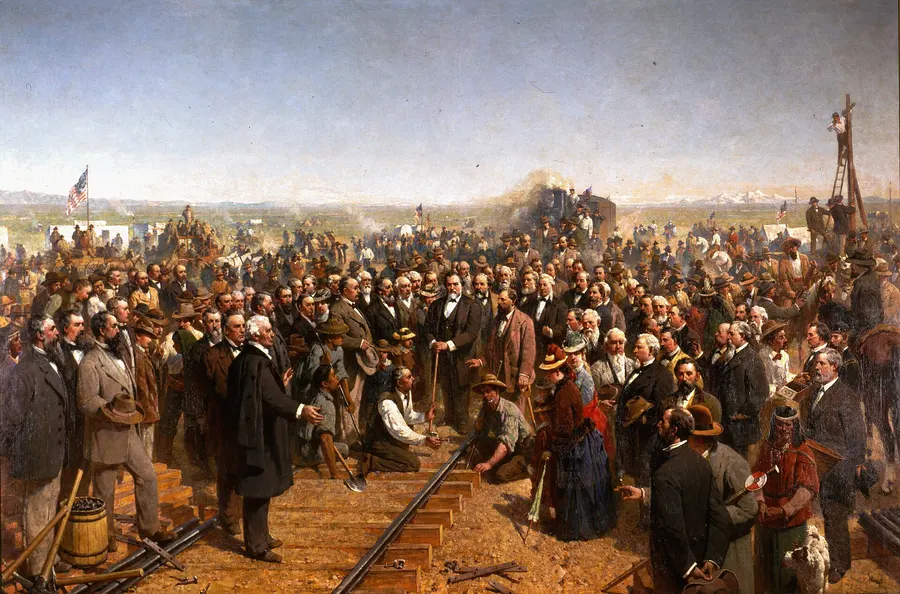
The Last Spike, Thomas Hill's painting of the ceremony at Promontory SummitThe Last Spike, Thomas Hill’s painting of the ceremony at Promontory SummitImage: Thomas Hill · Public domain
world · Americas

The golden spike joins America coast to coast

At Promontory Summit in Utah Territory, the tracks of the Central Pacific Railroad, built east from Sacramento, met those of the Union Pacific, built west from Omaha. A ceremonial last spike of gold was presented to Leland Stanford of the Central Pacific, and at 12:47 in the afternoon a telegraph operator tapped out a single word to the waiting nation: DONE. Six years of work had gone into the line, much of it by Chinese labourers on the western section and Irish and other immigrant crews in the east. A journey across the continent that had taken months by wagon could now be made in about a week, reshaping trade, settlement and the lives of the Native nations whose lands the railway crossed.

Source: National Park Service: Golden Spike National Historical Park, Utah ↗
1871
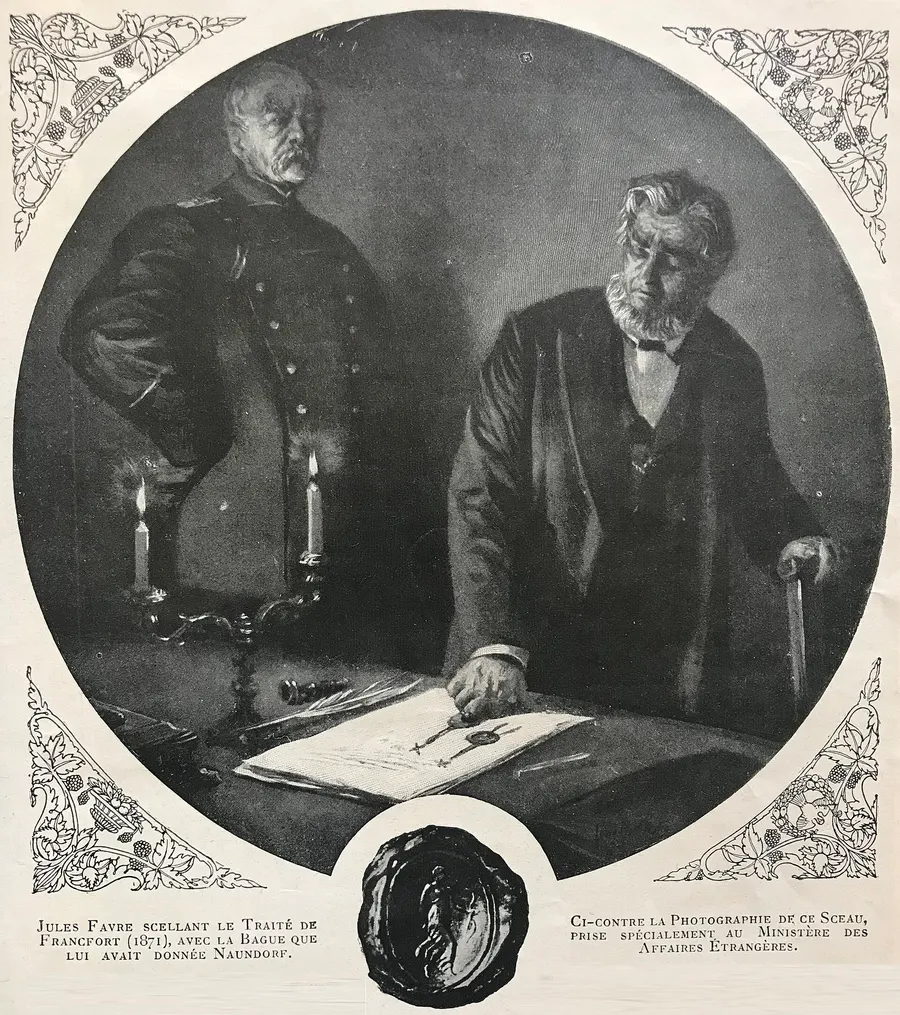
Jules Favre putting his seal on the Treaty of Frankfurt, in a picture published in 1906.Jules Favre putting his seal on the Treaty of Frankfurt, in a picture published in 1906.Image: Cliché Manuel, pris chez Falise · Public domain
politics · Europe

The Treaty of Frankfurt ends the Franco-Prussian War

France and the new German Empire signed a peace treaty at Frankfurt am Main, formally ending the war of 1870 to 1871. France gave up Alsace and most of Lorraine, including the city of Metz, and agreed to pay an indemnity of five billion francs, with German troops staying in eastern France until it was paid. The loss of the two provinces fed French resentment for decades.

Source: Britannica: Treaty of Frankfurt ↗
V
THE TWENTIETH CENTURY

The 1900s

War and peace, technological leaps, social change, politics, sport and popular culture.

1933
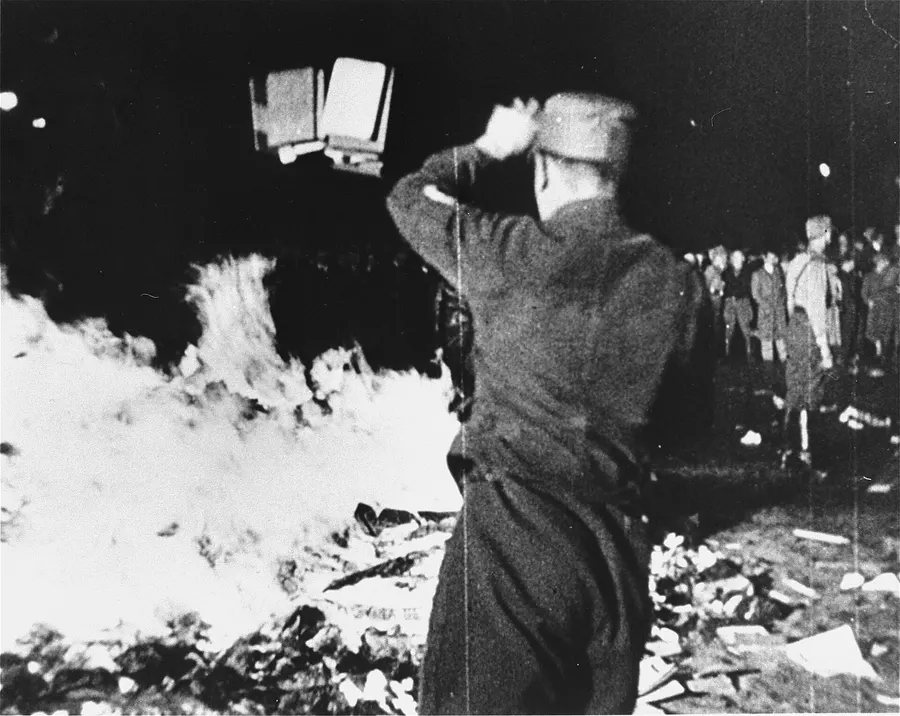
A man throws books onto the fire on Berlin's Opernplatz, 10 May 1933.A man throws books onto the fire on Berlin’s Opernplatz, 10 May 1933.Image: Unknown author · Public domain
politics · Europe

Books are burned in the heart of Berlin

Pro-Nazi students staged book burnings in university towns across Germany. The largest took place on Berlin’s Opernplatz, now Bebelplatz, where some 40,000 people watched around 20,000 books thrown on a bonfire, among them works by Jewish, pacifist and left-wing writers. Joseph Goebbels spoke, and the event was broadcast on radio and filmed for newsreels.

Source: United States Holocaust Memorial Museum: Book Burning ↗
1940
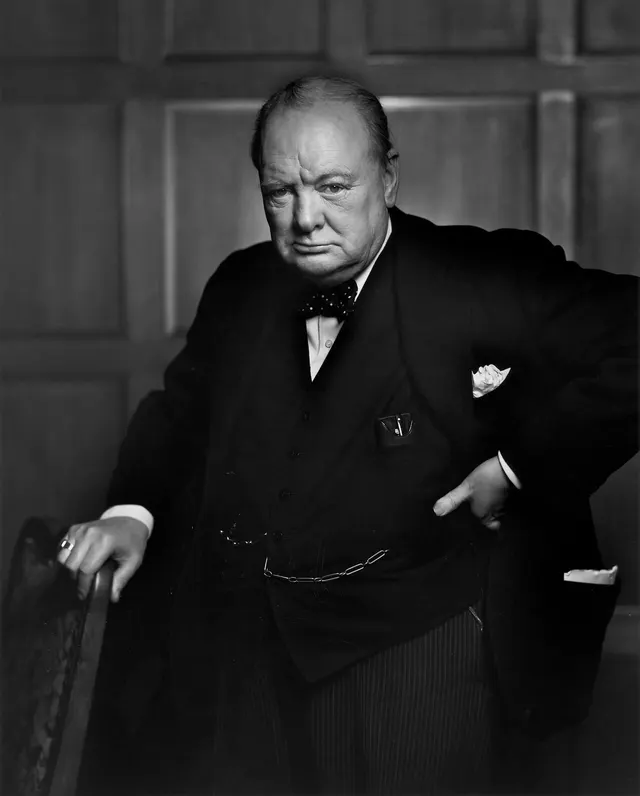
Winston Churchill, photographed during the Second World WarWinston Churchill, photographed during the Second World WarImage: Yousuf Karsh · Public domain
world · Europe

Germany strikes west and Churchill takes charge

Before dawn on 10 May, German forces invaded the Netherlands, Belgium and Luxembourg, opening the campaign that would bring France down within six weeks. The long, uneasy lull of the ‘Phoney War’ was over. The Netherlands surrendered within a week and Belgium held out for eighteen days. That same evening in London, Neville Chamberlain resigned and King George VI asked Winston Churchill, then 65, to form a government, after Lord Halifax declined the post. Churchill led a coalition of all the main parties and his first weeks in office brought the evacuation from Dunkirk and the fall of France.

Source: Imperial War Museums: How Churchill led Britain to victory in the Second World War ↗
1941
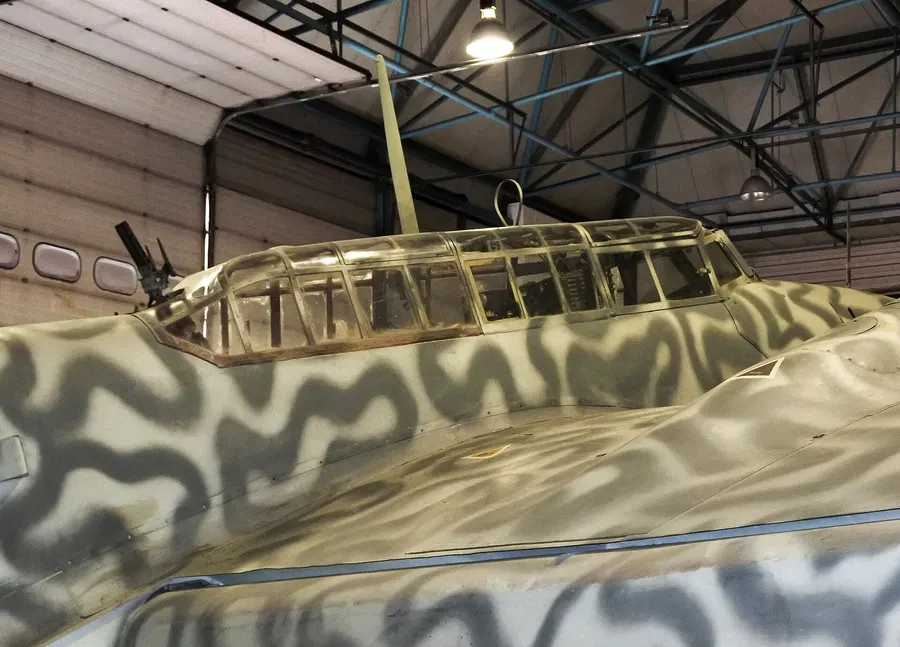
The cockpit of a Messerschmitt Bf 110 at the RAF Museum, LondonThe cockpit of a Messerschmitt Bf 110 at the RAF Museum, LondonImage: Wilson44691 · CC0
world · Europe

Rudolf Hess flies alone to Scotland

Rudolf Hess, Hitler’s deputy, took off alone from Augsburg in a Messerschmitt Bf 110 and flew to Scotland, where he bailed out and came down near Eaglesham, south of Glasgow. He said he had come to negotiate peace between Britain and Germany. The British government ignored his proposals and held him as a prisoner for the rest of the war.

Source: The National Archives: Spotlight on Rudolf Hess ↗
1960
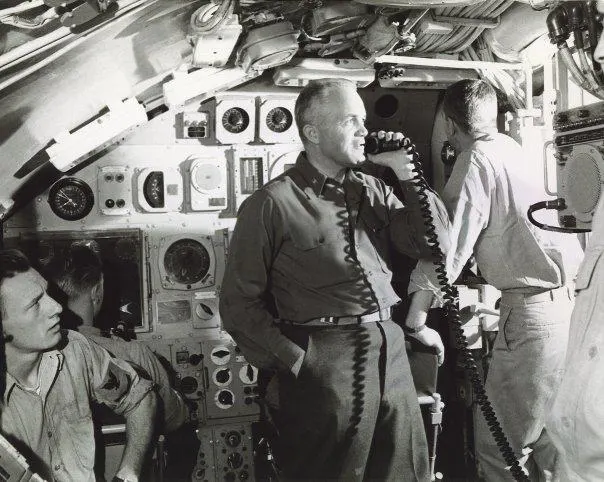
Captain Edward L. Beach aboard USS Triton in February 1960Captain Edward L. Beach aboard USS Triton in February 1960Image: Commander Joseph Baylor Roberts, USNR (Official U.S. Navy photograph) · Public domain
science · Global

A submarine goes round the world underwater

The nuclear-powered submarine USS Triton returned to Groton, Connecticut, on 10 May, ending the first submerged voyage around the world. Under Captain Edward L. Beach she had left in February, circled the globe from St Peter and St Paul Rocks in the mid-Atlantic, rounded Cape Horn and the Cape of Good Hope, and stayed beneath the surface for about 84 days. The voyage loosely followed the route of Magellan’s expedition four centuries earlier. It showed how far a nuclear reactor could carry a vessel without refuelling or surfacing, and it gave the United States a welcome propaganda success during the Cold War, when both superpowers were competing for technical firsts.

Source: Naval History and Heritage Command: Triton V (SSR(N)-586) ↗
1970
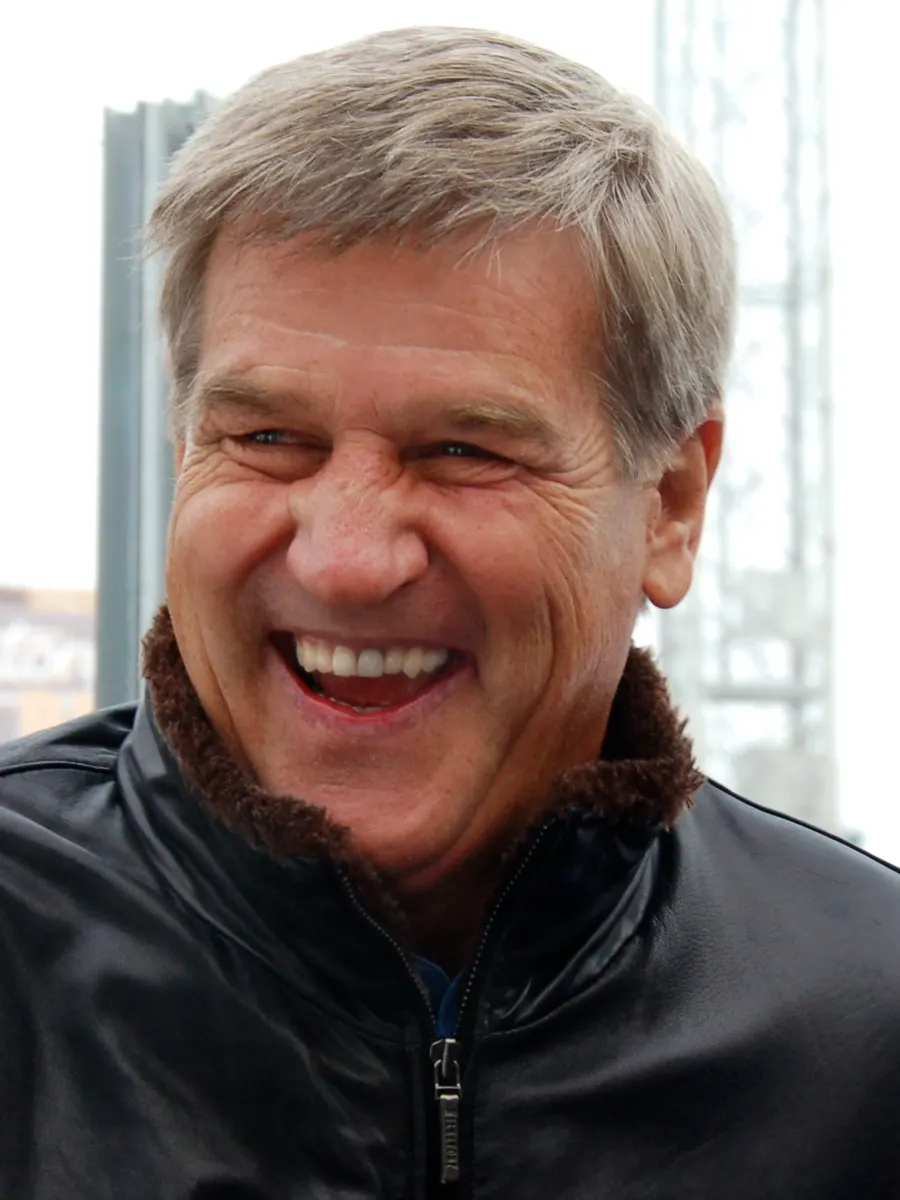
Bobby Orr at the NHL Winter Classic in Boston in 2010Bobby Orr at the NHL Winter Classic in Boston in 2010Image: Aaron Frutman · CC BY 2.0
sport · Americas

Bobby Orr’s flying goal wins the Stanley Cup

Forty seconds into overtime in game four of the Stanley Cup final, the Boston Bruins defenceman Bobby Orr took a return pass from Derek Sanderson and slipped the puck past the St Louis Blues goalkeeper Glenn Hall. The 4-3 win completed a four-game sweep and gave Boston its first Stanley Cup in 29 years. As the puck went in, Orr was tripped by Noel Picard and sailed through the air with his arms raised. Ray Lussier’s photograph of that moment became one of the most famous images in sport, and Orr, who set playoff scoring records for a defenceman, was named the most valuable player of the playoffs.

Source: NHL.com: Bobby Orr goal to win Stanley Cup had Bruins flying high ↗
1994
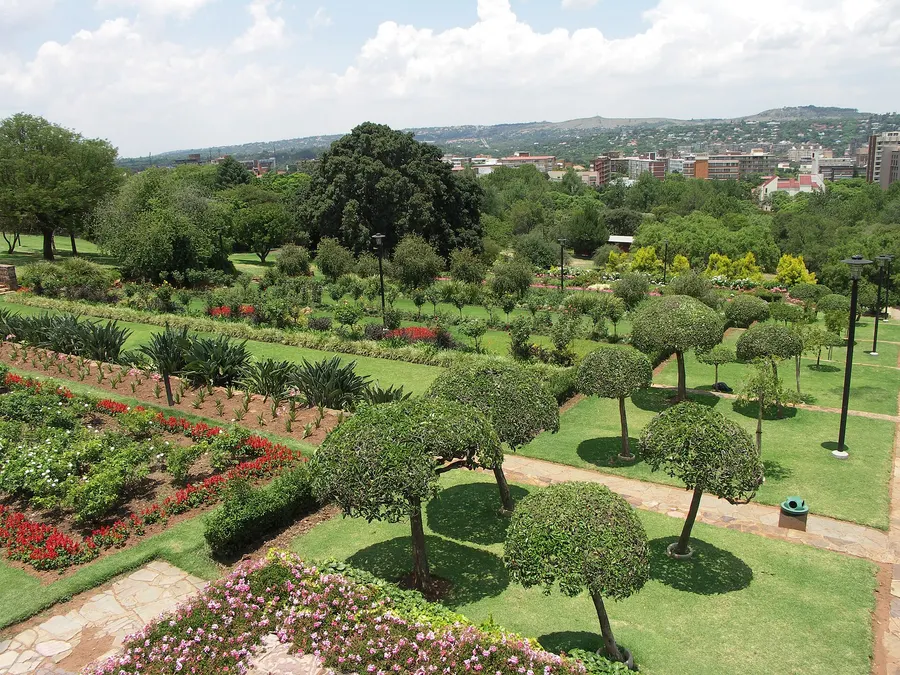
The terraced gardens of the Union Buildings in Pretoria, where Mandela took the oath.The terraced gardens of the Union Buildings in Pretoria, where Mandela took the oath.Image: NJR ZA · CC BY-SA 3.0
politics · Africa

Nelson Mandela is sworn in as president

Two weeks after South Africa’s first election open to all races, Nelson Mandela took the oath as president in the amphitheatre of the Union Buildings in Pretoria. Guests from more than 140 countries watched as the man who had spent 27 years in prison became head of state, with Thabo Mbeki and F. W. de Klerk sworn in as deputy presidents. In his address Mandela spoke of healing old wounds and building a nation for all its people. Air force jets flew over trailing smoke in the colours of the new flag, and crowds on the lawns below celebrated the formal end of apartheid rule and the start of a democratic South Africa.

Source: South African Government: President Nelson Mandela, 1994 presidential inauguration ↗
1997
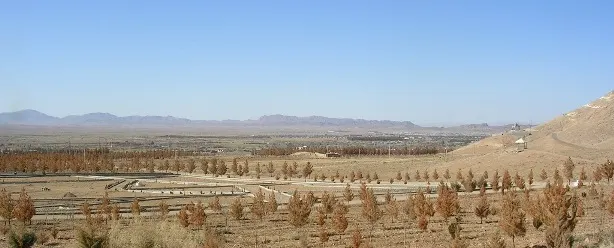
The town of Qayen in eastern IranThe town of Qayen in eastern IranImage: S. Mehdi Nasrollahi · CC BY 3.0
world · Middle East

An earthquake strikes eastern Iran

A powerful earthquake struck the Qayen and Birjand area of Khorasan province in eastern Iran, near the border with Afghanistan. At least 1,567 people were killed, about 2,300 were injured and some 50,000 lost their homes as more than 10,000 houses were destroyed. The shock also caused deaths and damage around Herat in neighbouring Afghanistan.

Source: NOAA National Centers for Environmental Information: Significant earthquake, 10 May 1997, Iran ↗
RESEARCH

Sources & Further Reading

Selected authoritative references supporting the events on this page.

Cayman Islands Government: History↗Wikipedia: Fourth voyage of Columbus↗Fort Ticonderoga: The Capture of Fort Ticonderoga (documents)↗Britannica: Green Mountain Boys↗Britannica: Battle of Lodi↗Napoleon.org: General Bonaparte gives his orders at the battle of Lodi bridge, 10 May 1796↗National Gallery: Our history↗National Gallery: John Julius Angerstein↗Britannica: National Gallery↗Britannica: Indian Mutiny↗National Army Museum: Why did the Indian Rebellion happen?↗National Park Service: Golden Spike National Historical Park, Utah↗Wikipedia: Golden spike↗Britannica: Treaty of Frankfurt↗Wikipedia: Treaty of Frankfurt (1871)↗United States Holocaust Memorial Museum: Book Burning↗Wikipedia: Nazi book burnings↗Imperial War Museums: How Churchill led Britain to victory in the Second World War↗Britannica: World War II, the invasion of the Low Countries and France↗The National Archives: Spotlight on Rudolf Hess↗Britannica: What is Rudolf Hess most famous for?↗Naval History and Heritage Command: Triton V (SSR(N)-586)↗Britannica: Triton, submarine↗NHL.com: Bobby Orr goal to win Stanley Cup had Bruins flying high↗Wikipedia: The Goal (ice hockey)↗South African Government: President Nelson Mandela, 1994 presidential inauguration↗South African History Online: Nelson Mandela is inaugurated as South Africa’s first democratic President↗NOAA National Centers for Environmental Information: Significant earthquake, 10 May 1997, Iran↗ReliefWeb: Iran, Earthquake, May 1997↗
WHY THESE MOMENTS?

Significance before volume

This page is not the longest possible list of events. It is a chronological journey through 10 May, where each entry is chosen for historical significance, human interest and reliability.

Facts are checked against authoritative museums, archives, universities and reference works. Where sources disagree, the page says so.

EXPLORED THE DEEPER STORY?

Return to the highlights of 10 May

Discover the lighter side of the date with famous birthdays, culture, firsts and lives remembered.

Explore This Day →
← PREVIOUS DAY9 May
HISTORY & TIMELINE10 May
NEXT DAY →11 May