
330
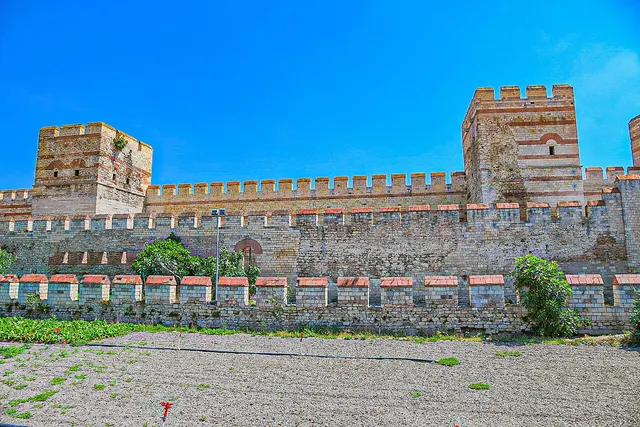 Arches in the outer ring of the Theodosian Walls of ConstantinopleImage:
politics · Europe
Constantine dedicates his New Rome
On 11 May 330 the emperor Constantine the Great formally dedicated the city he had rebuilt on the site of ancient Byzantium, on the strait that joins Europe and Asia. He had chosen the spot six years earlier, and in that time the old Greek town had been greatly enlarged with new walls, forums, palaces and a vast hippodrome for chariot racing. Constantine called it New Rome, but people soon knew it as Constantinople, the city of Constantine. It became the capital of the Roman Empire in the east and remained the seat of Byzantine emperors for more than 1,100 years, until the Ottoman conquest of 1453. Today the city is Istanbul, still one of the great crossroads of the world.
Source: Britannica: Constantine I ↗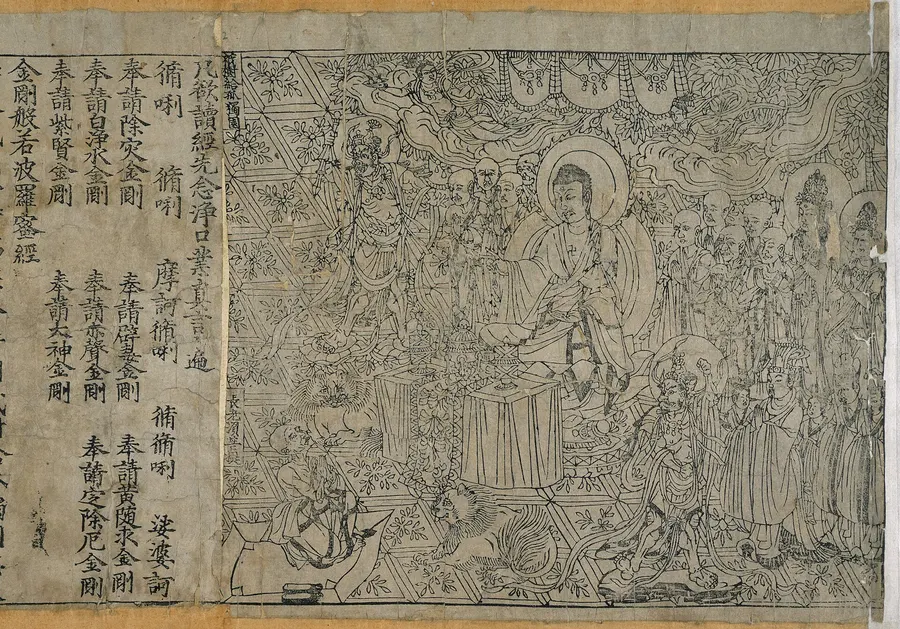 The frontispiece and opening text of the printed Diamond Sutra scroll from DunhuangImage:
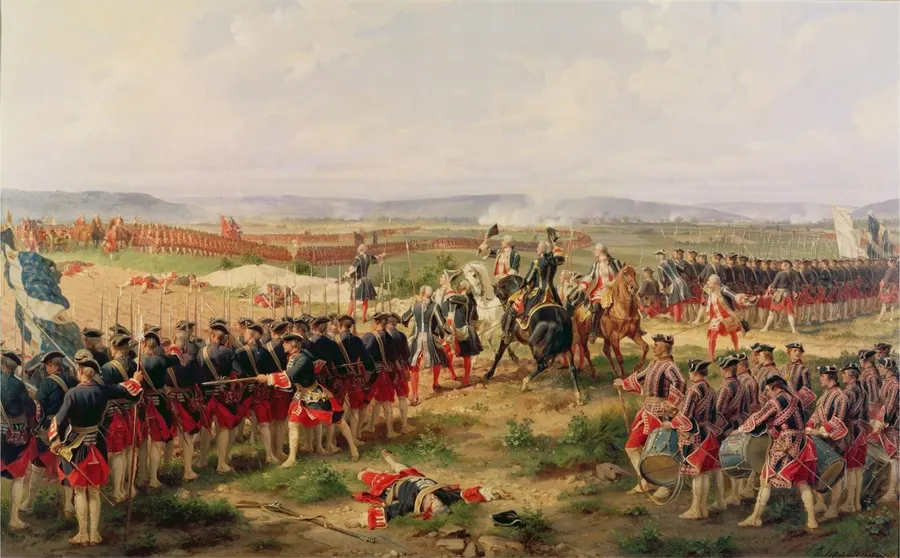 Philippoteaux’s painting of French and British officers facing each other at FontenoyImage:
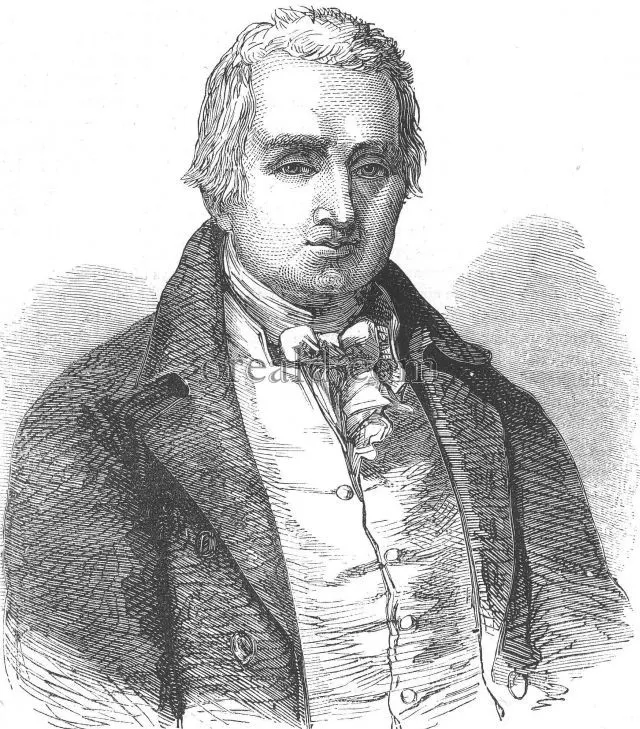 Spencer Perceval, prime minister from 1809, in an engraved portrait.Image:
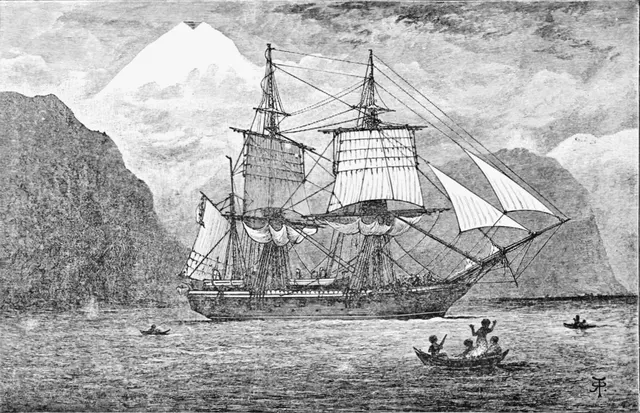 HMS Beagle, the survey ship that carried Charles DarwinImage:
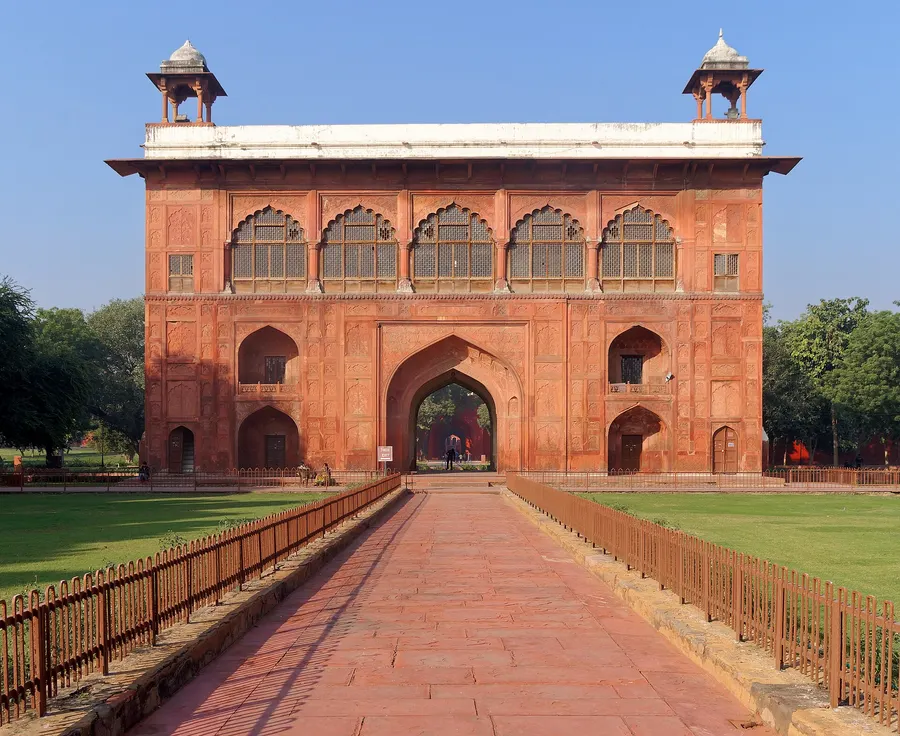 The Naubat Khana (drum house) inside the Red Fort, DelhiImage:
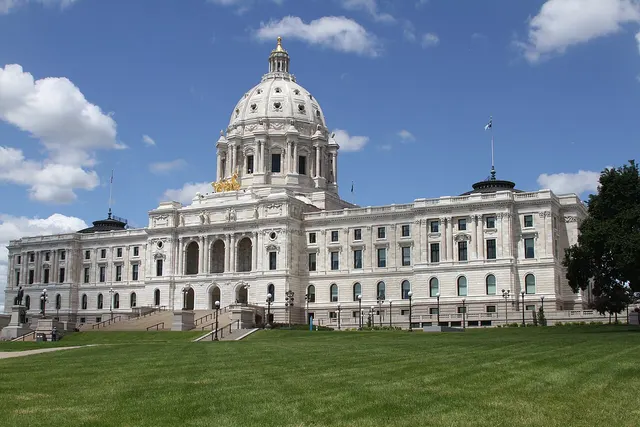 The Minnesota State Capitol in Saint PaulImage:
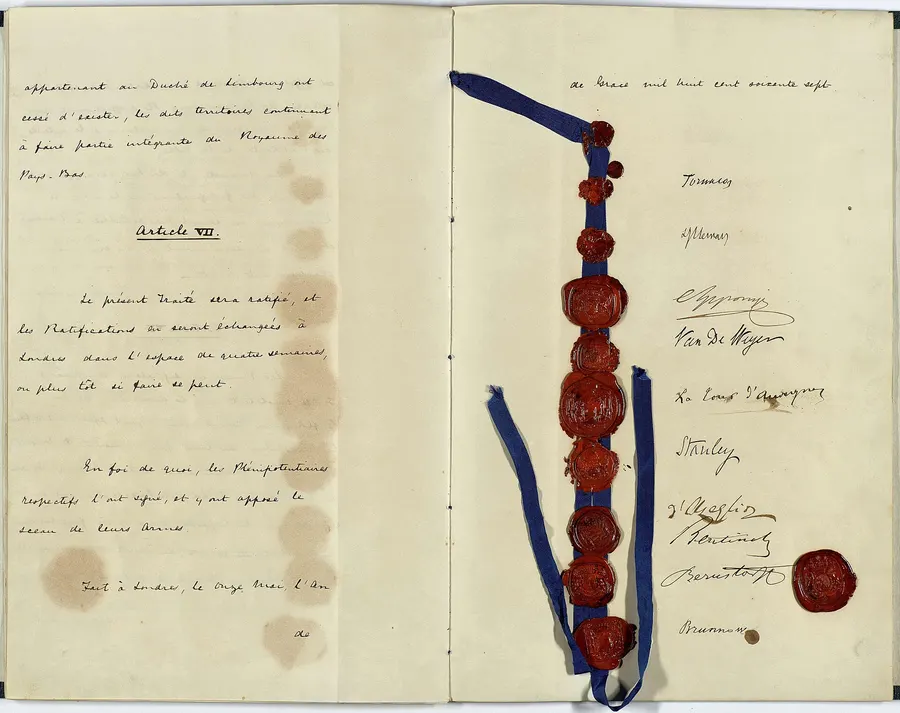 Article VII and the signatures of the 1867 Treaty of London, held by the National Archives of LuxembourgImage:
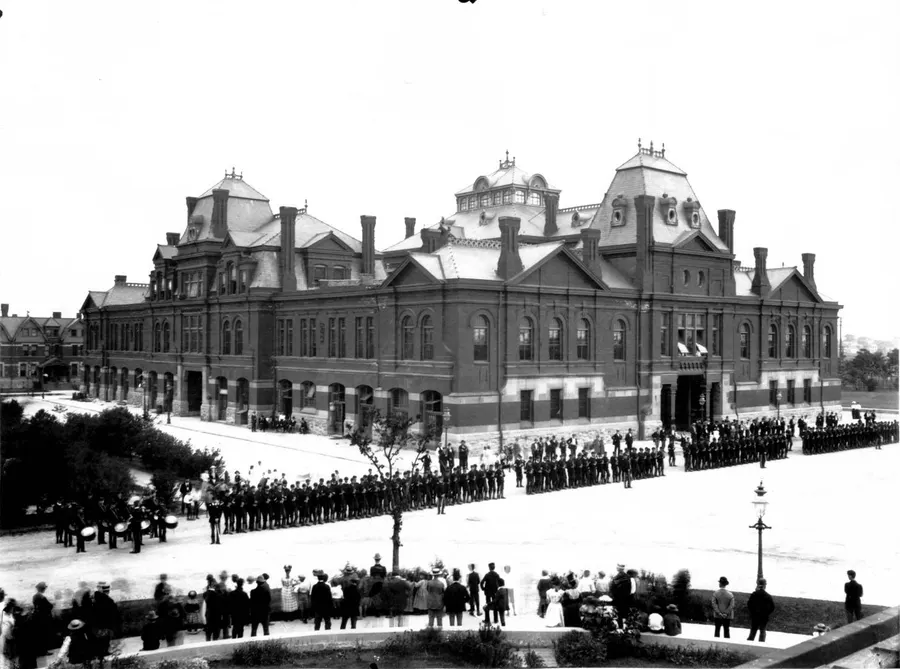 Pullman strikers gathered outside the Arcade Building in Pullman, Illinois, 1894Image:
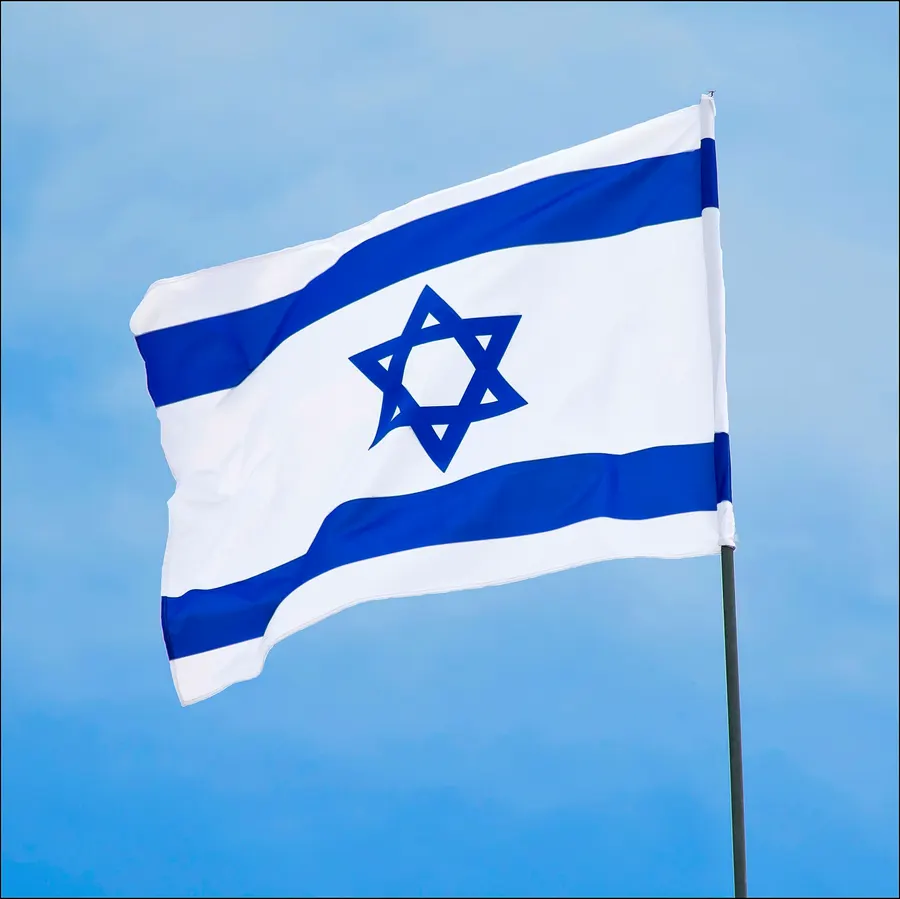 The flag of Israel flying against the skyImage:
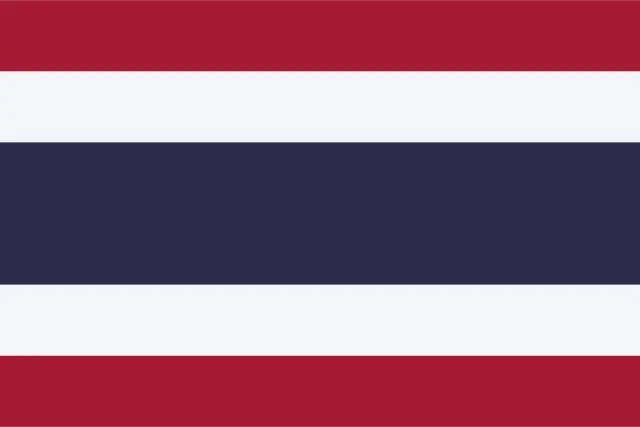 The flag of Thailand.Image:
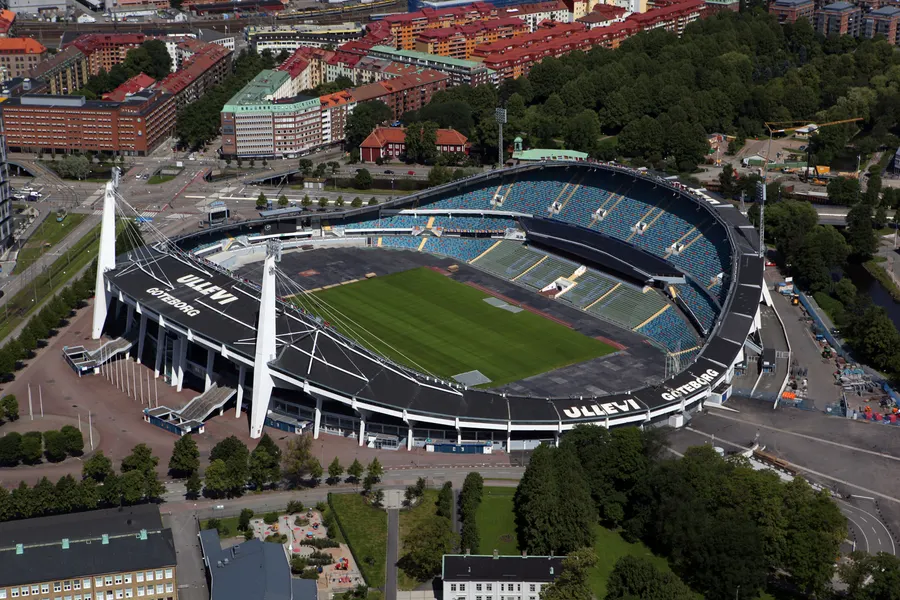 The Ullevi stadium in Gothenburg, SwedenImage:
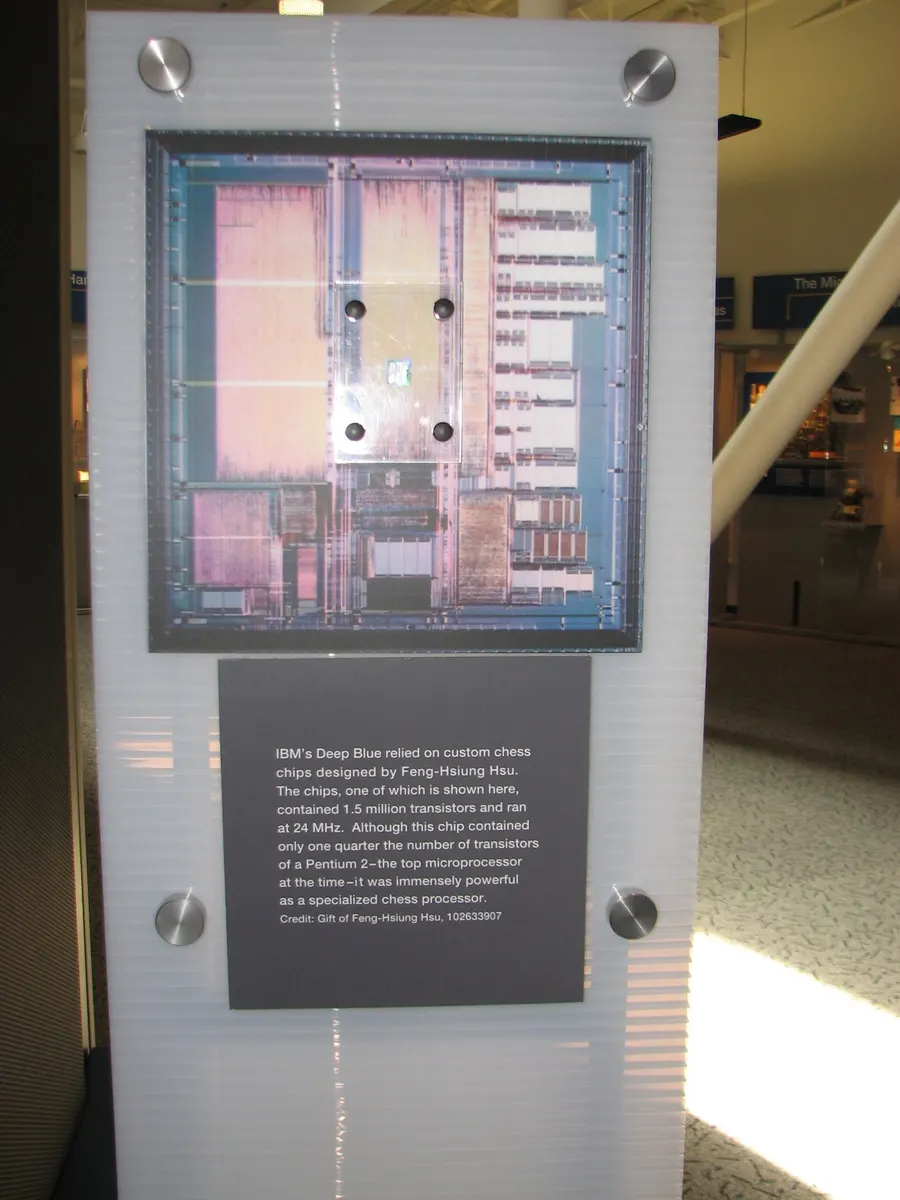 One of Deep Blue’s processor boards on display in a museum case.Image: