Explore 10 May

Explore 10 May: the golden spike joins America’s first transcontinental railway, sepoys rise at Meerut, Churchill takes over as Germany strikes west, and Nelson Mandela is sworn in as president. Born today: Fred Astaire, Bono and Dennis Bergkamp.

This day through time →14 verified events across 3 eras

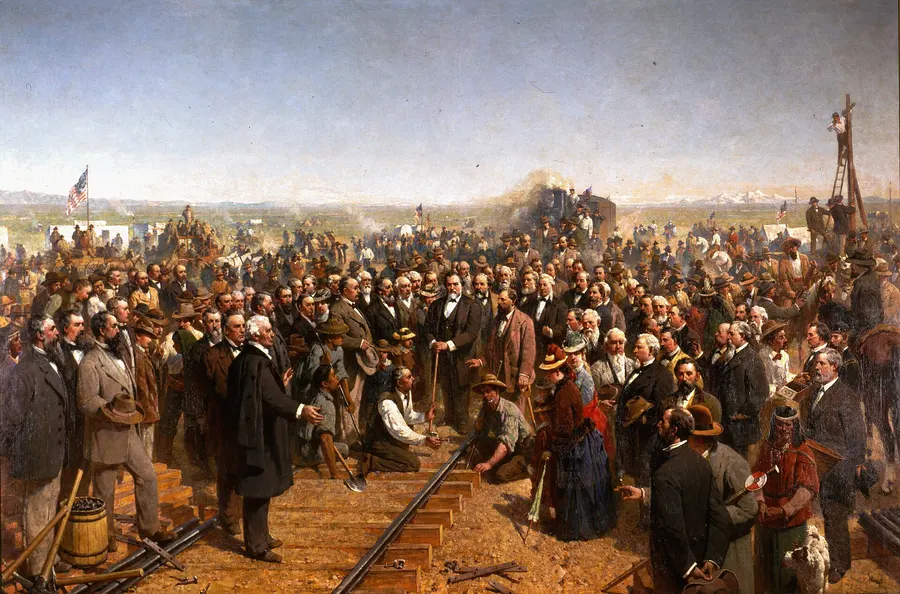
The Last Spike, Thomas Hill's painting of the ceremony at Promontory Summit
The Last Spike, Thomas Hill’s painting of the ceremony at Promontory Summit
Image creditThomas Hill · Public domainResized and cropped for display.

The golden spike joins America coast to coast

At Promontory Summit in Utah Territory, the tracks of the Central Pacific Railroad, built east from Sacramento, met those of the Union Pacific, built west from Omaha. A ceremonial last spike of gold was presented to Leland Stanford of the Central Pacific, and at 12:47 in the afternoon a telegraph operator tapped out a single word to the waiting nation: DONE.

Six years of work had gone into the line, much of it by Chinese labourers on the western section and Irish and other immigrant crews in the east. A journey across the continent that had taken months by wagon could now be made in about a week, reshaping trade, settlement and the lives of the Native nations whose lands the railway crossed.

Read the full storyHistory & Timeline →Source: National Park Service: Golden Spike National Historical Park, Utah ↗
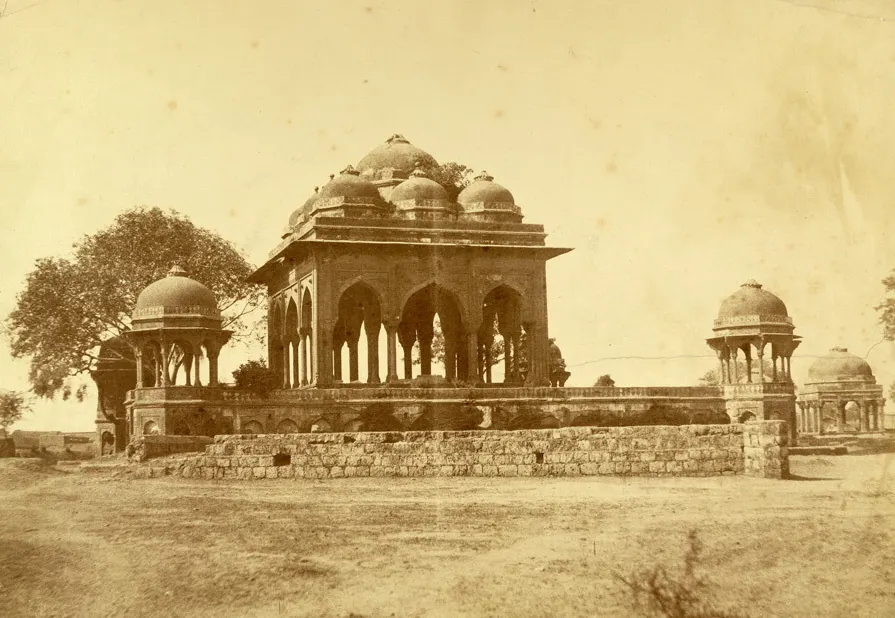
A mosque at Meerut, photographed by Robert and Harriet Tytler soon after the rising
Image creditMajor Robert Christopher Tytler (1818–1872) · Public domainResized and cropped for display.

Sepoys rise at Meerut and march on Delhi

In the garrison town of Meerut, north-east of Delhi, Indian soldiers of the East India Company’s army broke into open revolt. Comrades who had refused the new Enfield rifle cartridges, rumoured to be greased with cow and pig fat, had just been given long prison sentences. On the evening of 10 May the sepoys freed them, shot British officers and set off for Delhi.

At Delhi the local garrison joined them and the elderly Mughal emperor, Bahadur Shah II, was proclaimed their leader. The rising spread across northern India and took more than a year to suppress. Its aftermath ended the East India Company’s rule, with the British Crown taking direct control of India in 1858.

Read the full storyHistory & Timeline →Source: Britannica: Indian Mutiny ↗
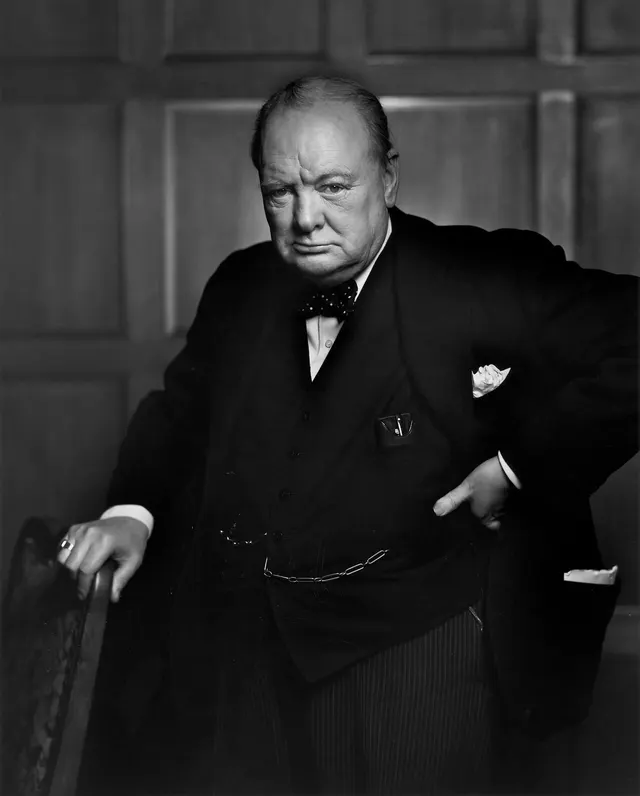
Winston Churchill, photographed during the Second World War
Image creditYousuf Karsh · Public domainResized and cropped for display.

Germany strikes west and Churchill takes charge

Before dawn on 10 May, German forces invaded the Netherlands, Belgium and Luxembourg, opening the campaign that would bring France down within six weeks. The long, uneasy lull of the ‘Phoney War’ was over. The Netherlands surrendered within a week and Belgium held out for eighteen days.

That same evening in London, Neville Chamberlain resigned and King George VI asked Winston Churchill, then 65, to form a government, after Lord Halifax declined the post. Churchill led a coalition of all the main parties and his first weeks in office brought the evacuation from Dunkirk and the fall of France.

Read the full storyHistory & Timeline →Source: Imperial War Museums: How Churchill led Britain to victory in the Second World War ↗
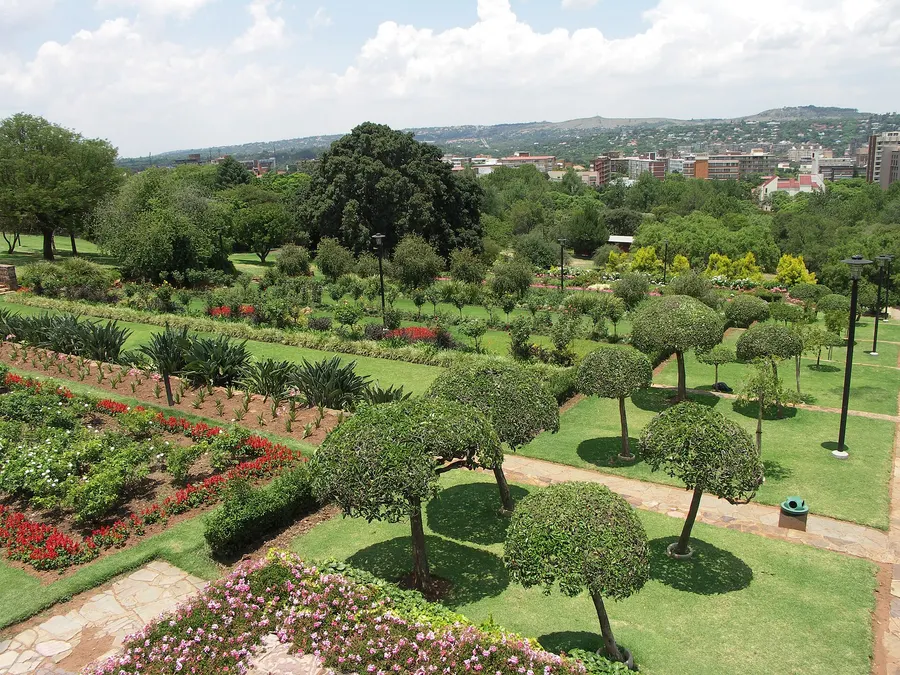
The terraced gardens of the Union Buildings in Pretoria, where Mandela took the oath.
Image creditNJR ZA · CC BY-SA 3.0Resized and cropped for display.

Nelson Mandela is sworn in as president

Two weeks after South Africa’s first election open to all races, Nelson Mandela took the oath as president in the amphitheatre of the Union Buildings in Pretoria. Guests from more than 140 countries watched as the man who had spent 27 years in prison became head of state, with Thabo Mbeki and F. W. de Klerk sworn in as deputy presidents.

In his address Mandela spoke of healing old wounds and building a nation for all its people. Air force jets flew over trailing smoke in the colours of the new flag, and crowds on the lawns below celebrated the formal end of apartheid rule and the start of a democratic South Africa.

Read the full storyHistory & Timeline →Source: South African Government: President Nelson Mandela, 1994 presidential inauguration ↗
♙
PEOPLE

Born Today

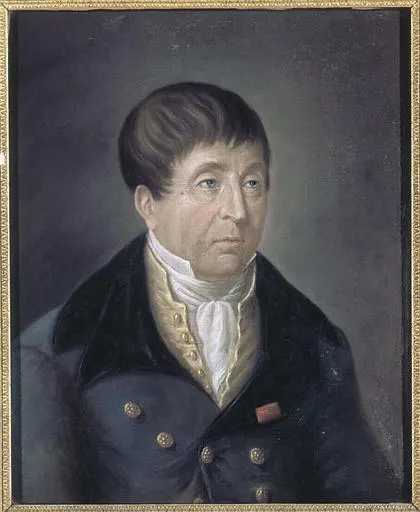
Claude Joseph Rouget de Lisle
Image creditUnknown artist · Public domainResized and cropped for display.

Claude Joseph Rouget de Lisle

French army officer who wrote the song that became La Marseillaise, France’s national anthem.

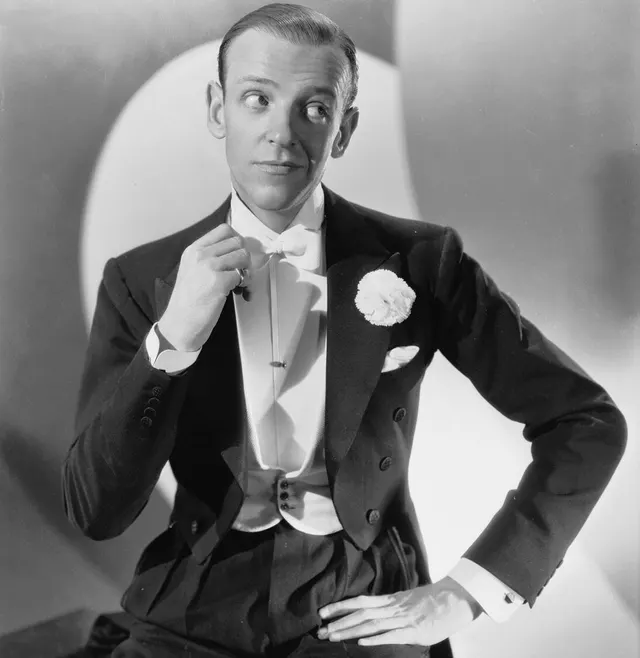
Fred Astaire
Image creditStudio publicity still · Public domainResized and cropped for display.

Fred Astaire

American dancer, singer and actor whose film partnership with Ginger Rogers set the standard for screen dance.

David O. Selznick
Image creditUnknown photographer · Public domainResized and cropped for display.

David O. Selznick

American film producer behind Gone with the Wind and Rebecca, both winners of the Oscar for best picture.

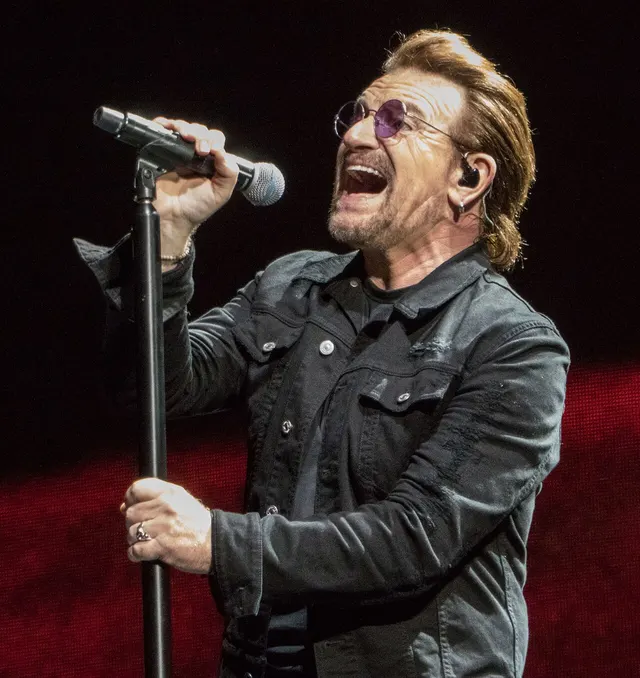
Bono
Image creditDaniel Hazard · CC BY-SA 4.0Resized and cropped for display.

Bono

Irish singer and lead vocalist of U2, also known for his campaigning on poverty and debt relief.

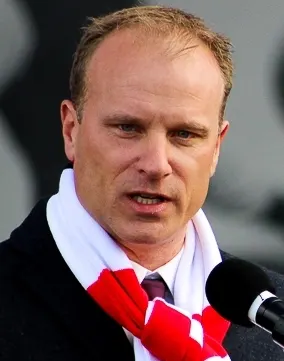
Dennis Bergkamp
Image creditKieran Clarke · CC BY 2.0Resized and cropped for display.

Dennis Bergkamp

Dutch forward admired for his technique at Ajax, Inter Milan, Arsenal and the Netherlands national team.

◉
IDEAS THAT CHANGED THINGS

Firsts, Science & Discoveries

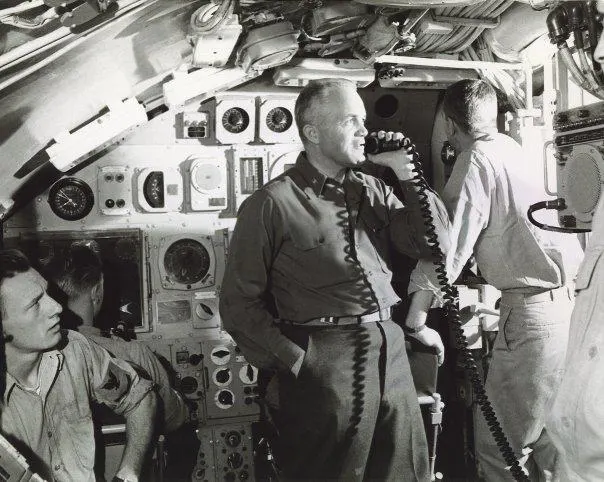
Captain Edward L. Beach aboard USS Triton in February 1960
Image creditCommander Joseph Baylor Roberts, USNR (Official U.S. Navy photograph) · Public domainResized and cropped for display.

A submarine goes round the world underwater

The nuclear-powered submarine USS Triton returned to Groton, Connecticut, on 10 May, ending the first submerged voyage around the world. Under Captain Edward L. Beach she had left in February, circled the globe from St Peter and St Paul Rocks in the mid-Atlantic, rounded Cape Horn and the Cape of Good Hope, and stayed beneath the surface for about 84 days.

The voyage loosely followed the route of Magellan’s expedition four centuries earlier. It showed how far a nuclear reactor could carry a vessel without refuelling or surfacing, and it gave the United States a welcome propaganda success during the Cold War, when both superpowers were competing for technical firsts.

Read the full storyHistory & Timeline →Source: Naval History and Heritage Command: Triton V (SSR(N)-586) ↗
☆
SPORTING HISTORY

Sporting Moments

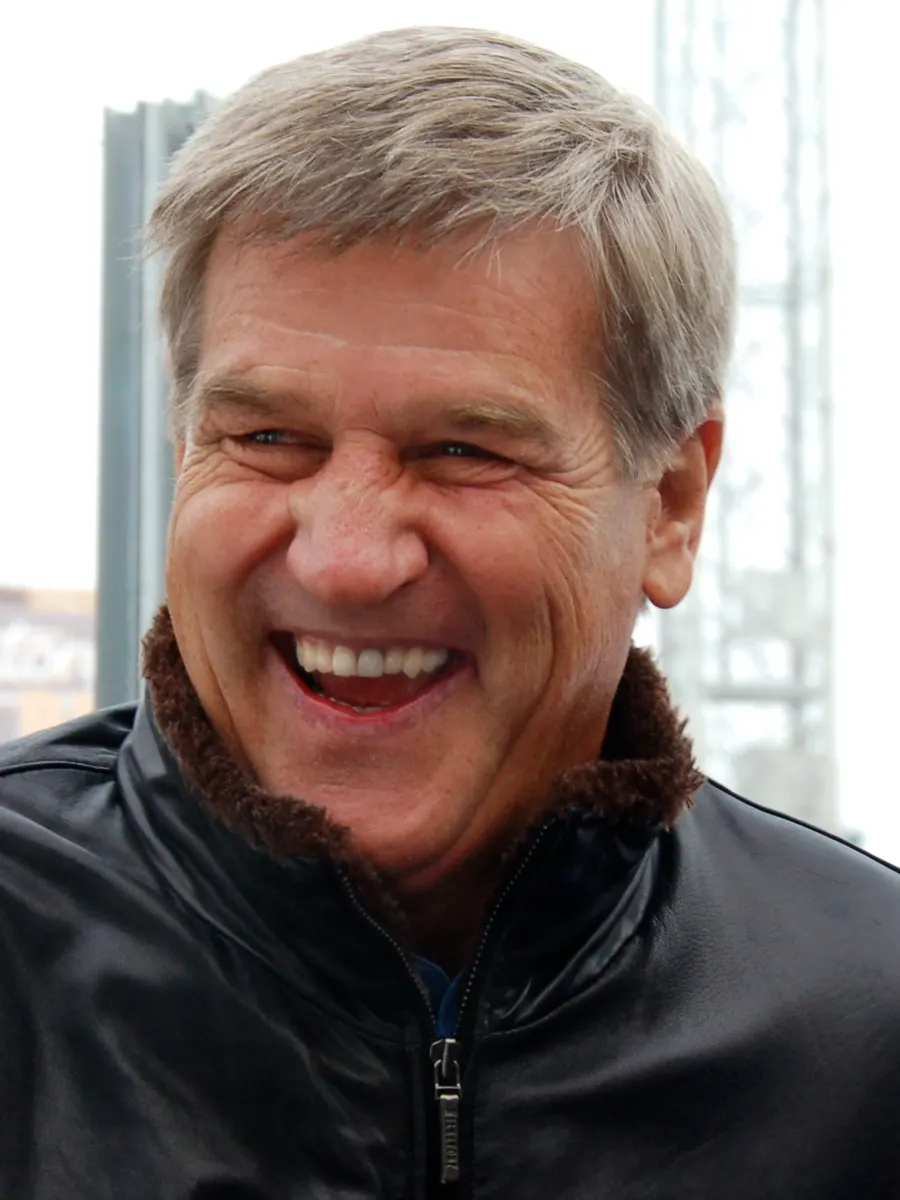
Bobby Orr at the NHL Winter Classic in Boston in 2010
Image creditAaron Frutman · CC BY 2.0Resized and cropped for display.

Bobby Orr’s flying goal wins the Stanley Cup

Forty seconds into overtime in game four of the Stanley Cup final, the Boston Bruins defenceman Bobby Orr took a return pass from Derek Sanderson and slipped the puck past the St Louis Blues goalkeeper Glenn Hall. The 4-3 win completed a four-game sweep and gave Boston its first Stanley Cup in 29 years.

As the puck went in, Orr was tripped by Noel Picard and sailed through the air with his arms raised. Ray Lussier’s photograph of that moment became one of the most famous images in sport, and Orr, who set playoff scoring records for a defenceman, was named the most valuable player of the playoffs.

Read the full storyHistory & Timeline →Source: NHL.com: Bobby Orr goal to win Stanley Cup had Bruins flying high ↗
♫
MUSIC • FILM • BOOKS • CULTURE

Culture Stories

✦
LIVES REMEMBERED

Remembered Today

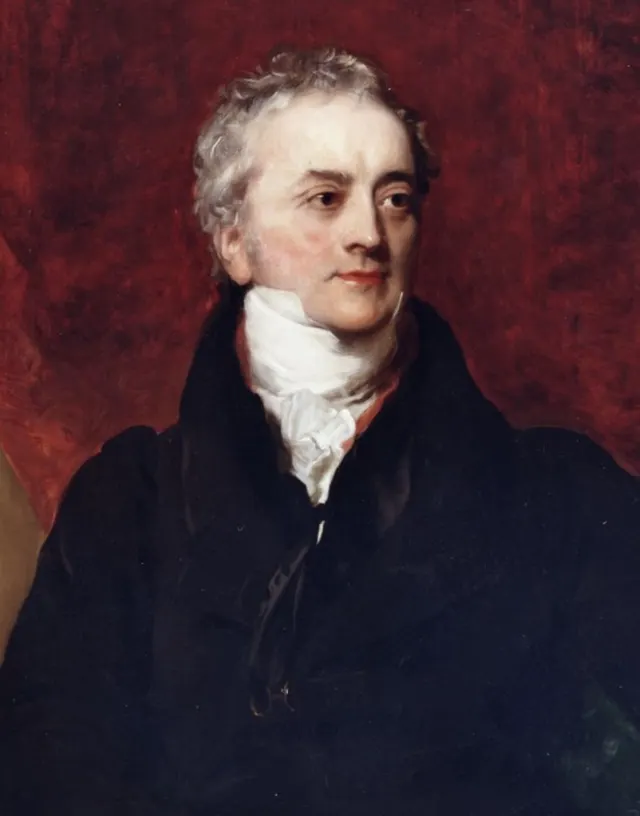
Thomas Young
Image creditHenry Perronet Briggs · CC BY-SA 4.0Resized and cropped for display.

Thomas Young

English polymath who showed light behaves as a wave and helped begin the decipherment of Egyptian hieroglyphs.

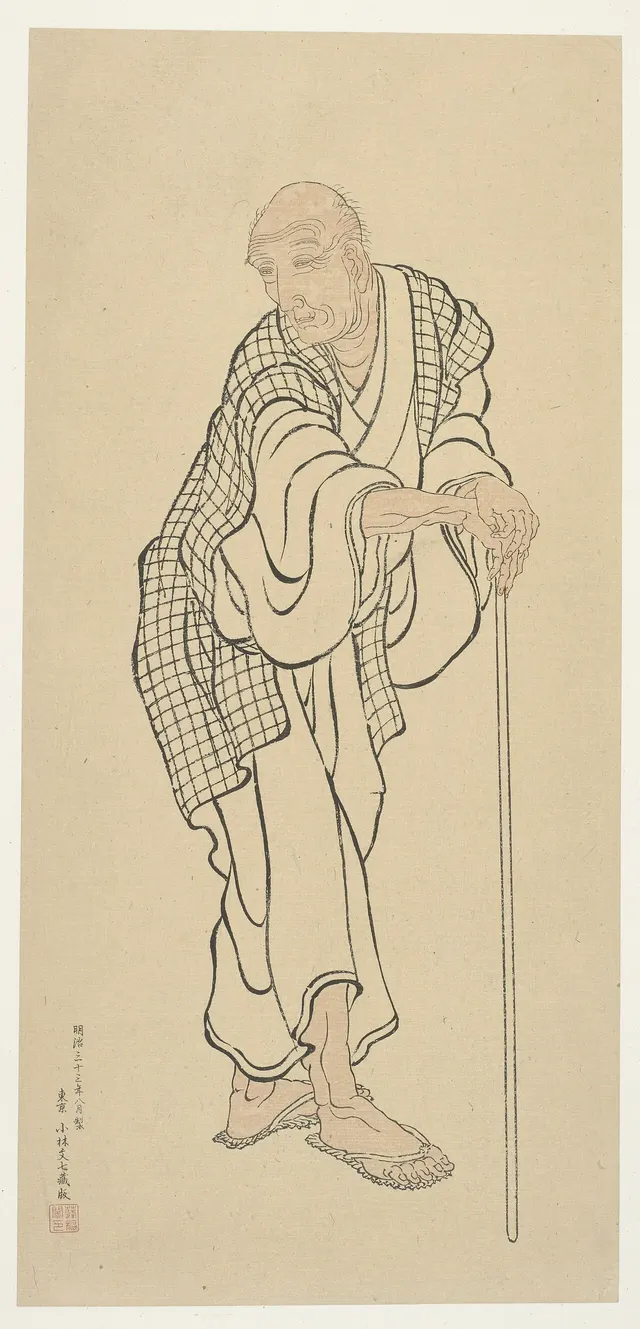
Hokusai
Image creditUnknown artist · CC0Resized and cropped for display.

Hokusai

Japanese artist and printmaker best known for The Great Wave off Kanagawa.

Henry Morton Stanley
Image creditJ. Russell & Sons · Public domainResized and cropped for display.

Henry Morton Stanley

Welsh-American journalist and explorer who found David Livingstone and traced the course of the Congo River.

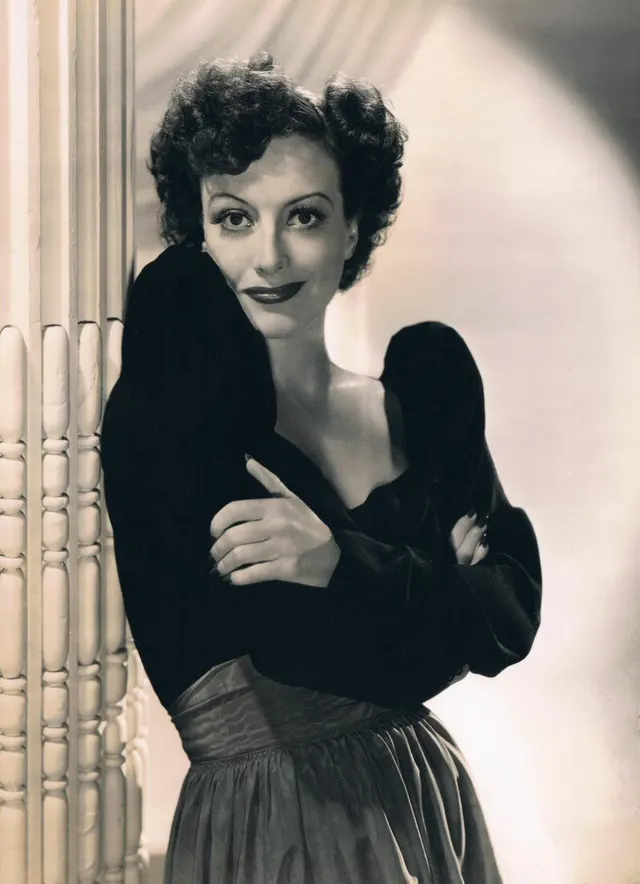
Joan Crawford
Image creditStudio Publicity · Public domainResized and cropped for display.

Joan Crawford

American film star of Hollywood’s golden age who won the Oscar for best actress for Mildred Pierce.

☉
AROUND THE WORLD

Observances & Anniversaries

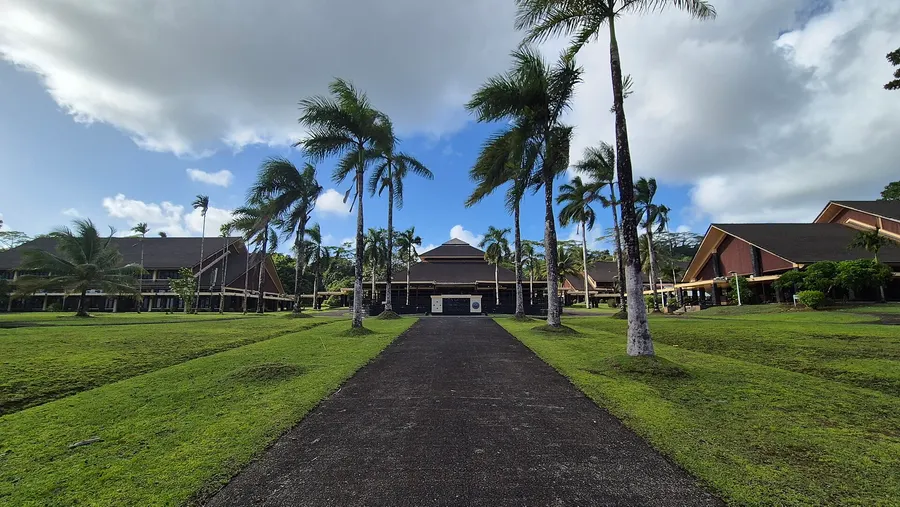
Government buildings at Palikir, capital of the Federated States of Micronesia
Image creditMaxMonaco · CC BY-SA 4.0Resized and cropped for display.

Constitution Day in Micronesia

The Federated States of Micronesia marks Constitution Day on 10 May, the anniversary of the day in 1979 when its constitution came into force. Drafted from 1975 and ratified by the islands’ voters in 1978, it created a federation of four states, Yap, Chuuk, Pohnpei and Kosrae, as the Pacific islands moved away from United States trusteeship.

Source: Pacific Islands Legal Information Institute (University of the South Pacific): The Federated States of Micronesia ↗
HISTORY & TIMELINE

Finished the highlights?

Follow 10 May chronologically, from the Middle Ages to the modern day, with 14 verified events and the sources behind them.

This day through time →