Explore 13 May

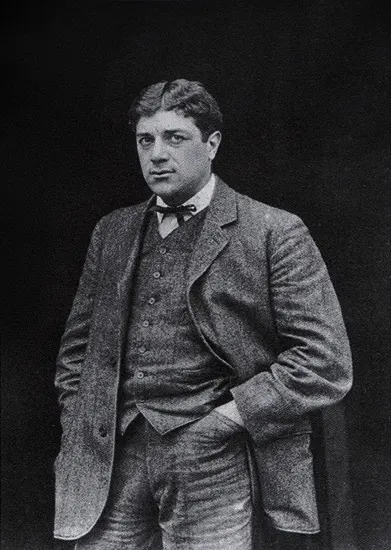
Explore 13 May: Brazil ends slavery with the Golden Law, German troops cross the Meuse as Churchill offers ‘blood, toil, tears and sweat’, Formula One runs its first world championship race and students begin a hunger strike in Tiananmen Square. Born today: Stevie Wonder, Georges Braque and Arthur Sullivan.

This day through time →13 verified events across 3 eras

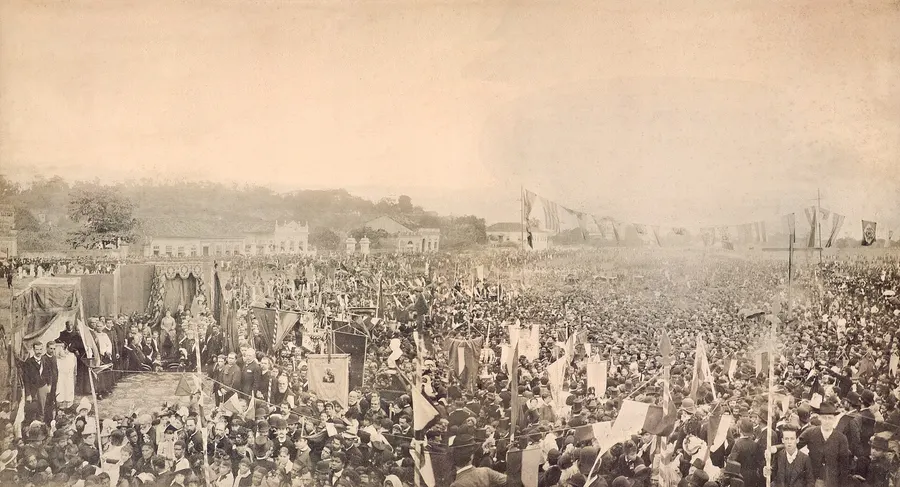
An open-air Mass in Rio de Janeiro on 17 May 1888, held to celebrate the end of slavery, photographed by Antônio Luiz Ferreira
Image creditAntônio Luiz Ferreira · Public domainResized and cropped for display.

Brazil’s Golden Law ends slavery

With Emperor Pedro II abroad, his daughter Princess Isabel, acting as regent, signed a short law of just two articles on 13 May 1888. It declared slavery extinct in Brazil from that day. Known as the Lei Áurea, or Golden Law, it freed around 700,000 people who were still enslaved, and it offered no compensation at all to those who had owned them.

Brazil had taken more enslaved Africans than any other country in the Americas and was the last nation in the western hemisphere to abolish slavery. The law was greeted with days of celebration in Rio de Janeiro, but it angered many powerful landowners. Their loss of faith in the monarchy helped bring about its fall, when the army declared a republic the following year.

Read the full storyHistory & Timeline →Source: Britannica: Brazil, the collapse of the empire ↗
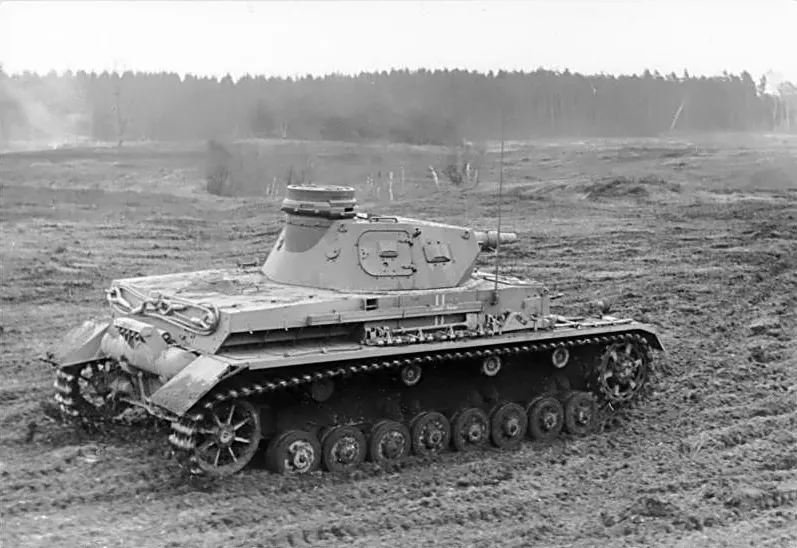
A German Panzer IV tank in a German Federal Archives photograph from the 'In the West' series; it is not from the Meuse crossing itself.
A German Panzer IV tank in a German Federal Archives photograph from the ‘In the West’ series; it is not from the Meuse crossing itself.
Image creditGutjahr · CC BY-SA 3.0 deResized and cropped for display.

German troops cross the Meuse as Churchill offers ‘blood, toil, tears and sweat’

Three days after Germany attacked the Low Countries, its armoured columns emerged from the wooded Ardennes and reached the river Meuse. At Sedan, wave after wave of dive bombers pounded the French positions on the far bank, and German infantry crossed in rubber boats and on rafts. French commanders had thought an attack through the Ardennes almost impossible, and the defenders there were short of anti-tank and anti-aircraft guns.

That same afternoon in London, Winston Churchill made his first speech to the House of Commons as prime minister. He told members he had nothing to offer but ‘blood, toil, tears and sweat’, and that his aim was victory at all costs. Within two days German tanks had broken through the French line near Sedan and were racing west towards the Channel.

Read the full storyHistory & Timeline →Source: Britannica: World War II, the invasion of the Low Countries and France ↗
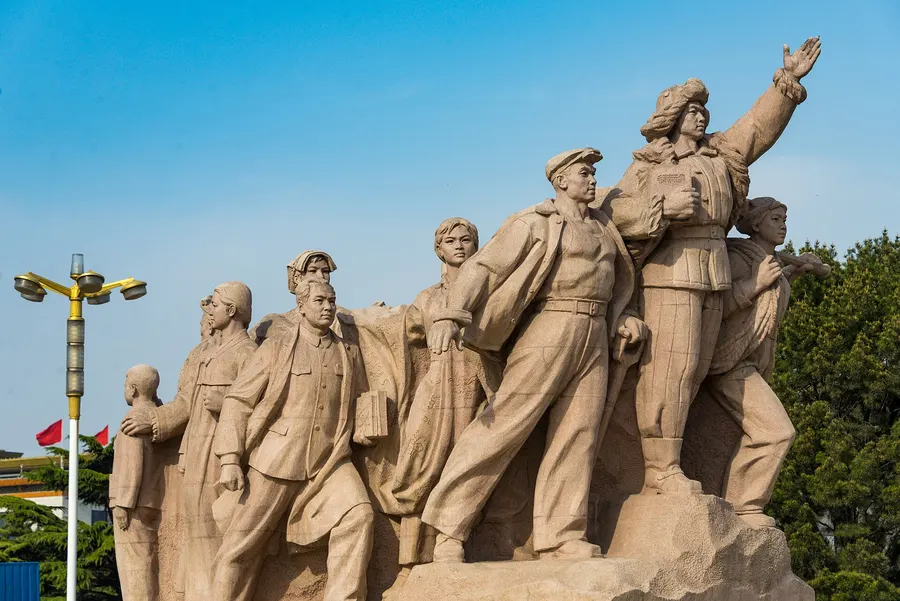
Sculptures beside the Mao Zedong Mausoleum in Tiananmen Square, Beijing.
Image creditxiquinhosilva · CC BY 2.0Resized and cropped for display.

Students begin a hunger strike in Tiananmen Square

Student protests had filled Tiananmen Square in Beijing on and off since the death of the reforming leader Hu Yaobang in April 1989. On 13 May, with the government still refusing to talk to them, around 160 students began a hunger strike in the square. Their manifestos complained of inflation, corruption and abuse of power, and asked the people of China to hear their voices.

The timing was deliberate. The Soviet leader Mikhail Gorbachev was due in Beijing two days later for the first Sino-Soviet summit in thirty years, and the official welcome in the square had to be abandoned. The hunger strike won wide public sympathy and swelled the crowds, but the government declared martial law later in May, and the protests were crushed by the army in early June.

Read the full storyHistory & Timeline →Source: PBS Frontline: Timeline, what led to the Tiananmen Square massacre ↗
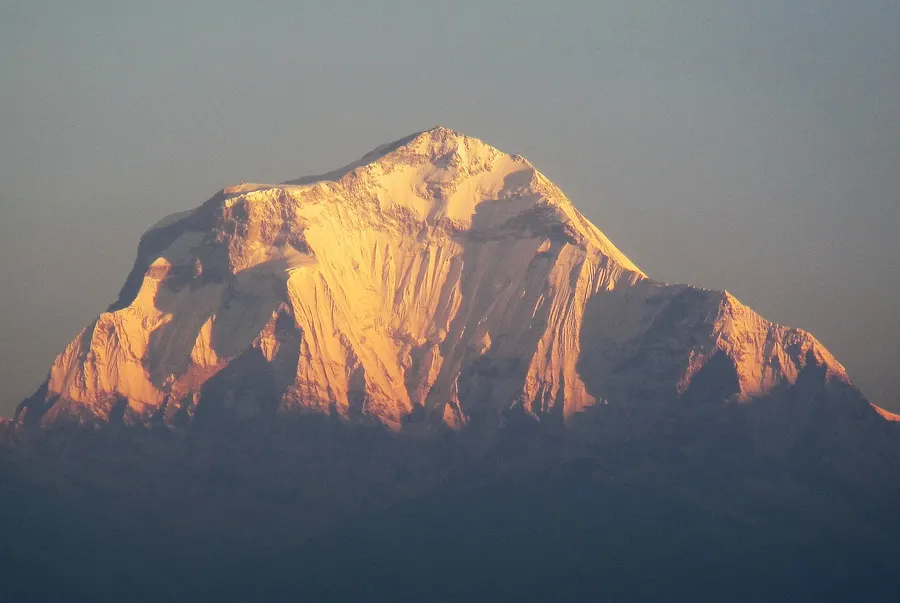
Sunrise on Dhaulagiri, the 'white mountain' of western Nepal
Sunrise on Dhaulagiri, the ‘white mountain’ of western Nepal
Image creditRaphael Duprat · CC BY-SA 4.0Resized and cropped for display.

Climbers reach the top of Dhaulagiri

Dhaulagiri, whose name means ‘white mountain’, rises to 8,167 metres in western Nepal and is the seventh highest peak on Earth. Several expeditions had failed on it before a Swiss-led team tried in 1960. On 13 May, six climbers stood on the summit: Kurt Diemberger of Austria, Peter Diener of Germany, the Swiss Ernst Forrer and Albin Schelbert, and the Nepali Sherpas Nawang Dorje and Nima Dorje.

It was the first time an international team had made the first ascent of an 8,000-metre peak. The expedition also broke new ground by using a small aircraft, named Yeti, to fly climbers and supplies to a glacier camp at about 5,700 metres. For Diemberger it was a second first ascent of an 8,000-metre mountain, after Broad Peak in 1957.

Read the full storyHistory & Timeline →Source: Himalayan Club: Dhaulagiri, the ‘white mountain’, a chronicle of the 1960 expedition ↗
♙
PEOPLE

Born Today

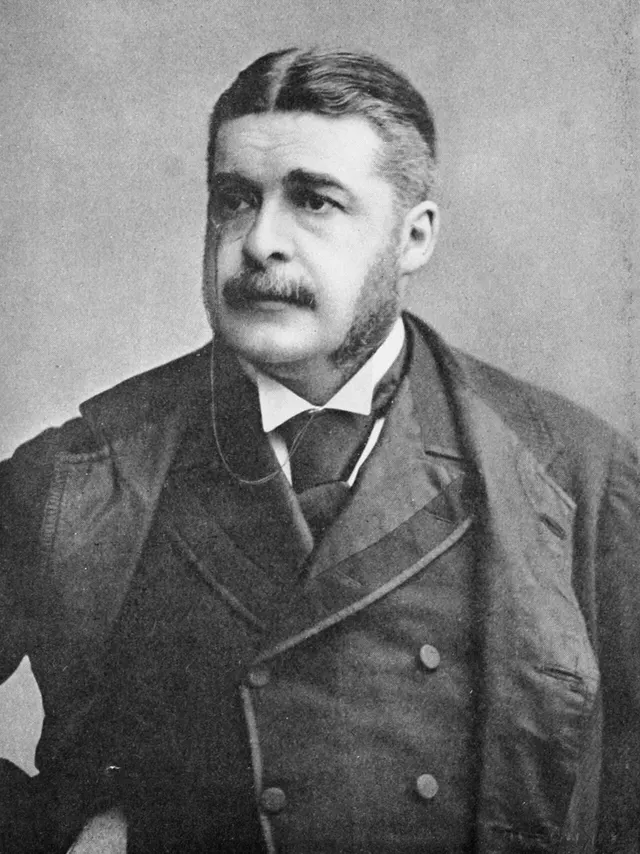
Arthur Sullivan
Image creditEllis & Walery · Public domainResized and cropped for display.

Arthur Sullivan

English composer who wrote the music for fourteen comic operas with W. S. Gilbert, including The Pirates of Penzance and The Mikado.

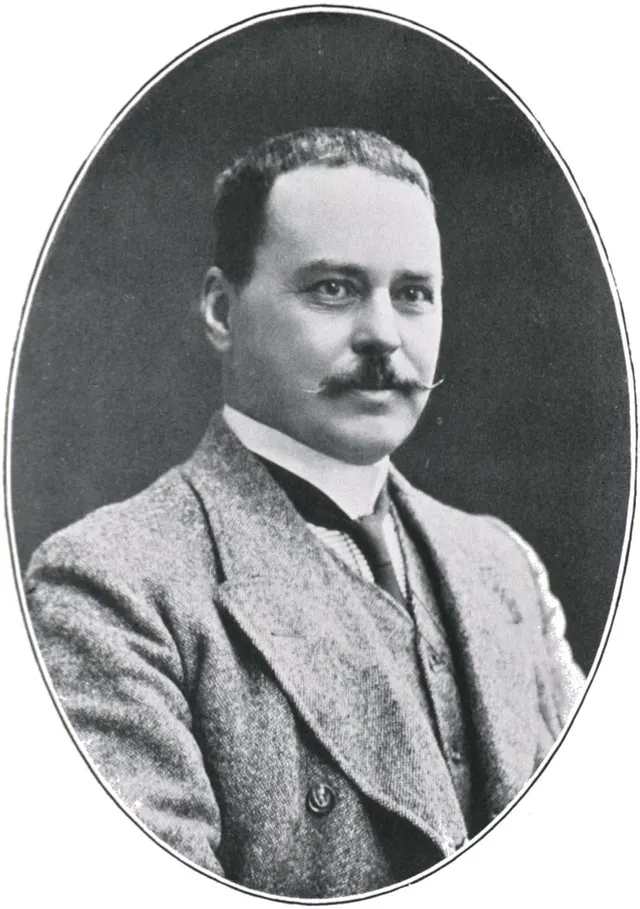
Ronald Ross
Image creditUnknown author · Public domainResized and cropped for display.

Ronald Ross

British doctor, born in India, who showed that mosquitoes spread malaria and won the 1902 Nobel Prize in medicine.

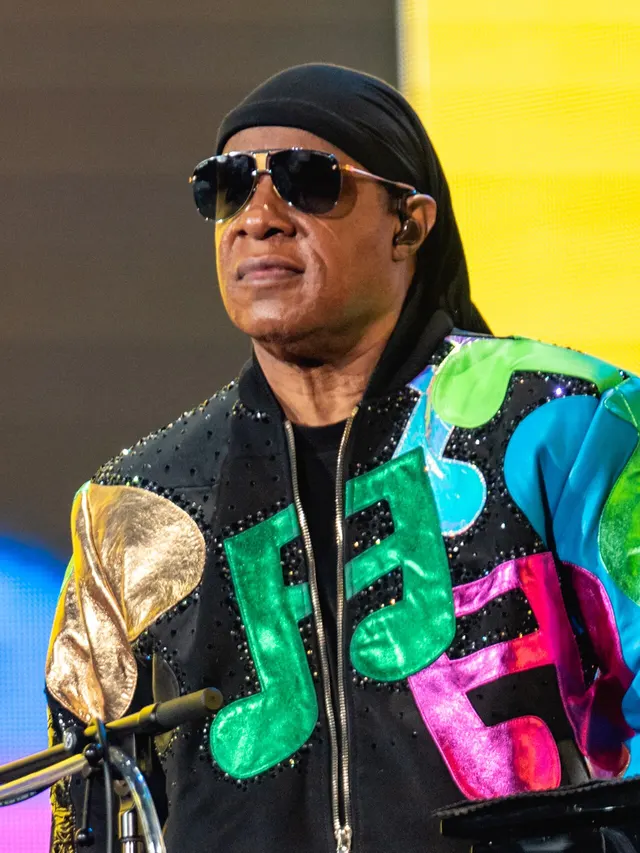
Stevie Wonder
Image creditRaph_PH · CC BY 2.0Resized and cropped for display.

Stevie Wonder

American singer, songwriter and multi-instrumentalist, blind from infancy, who signed to Motown at eleven and became one of the most influential musicians of his century.

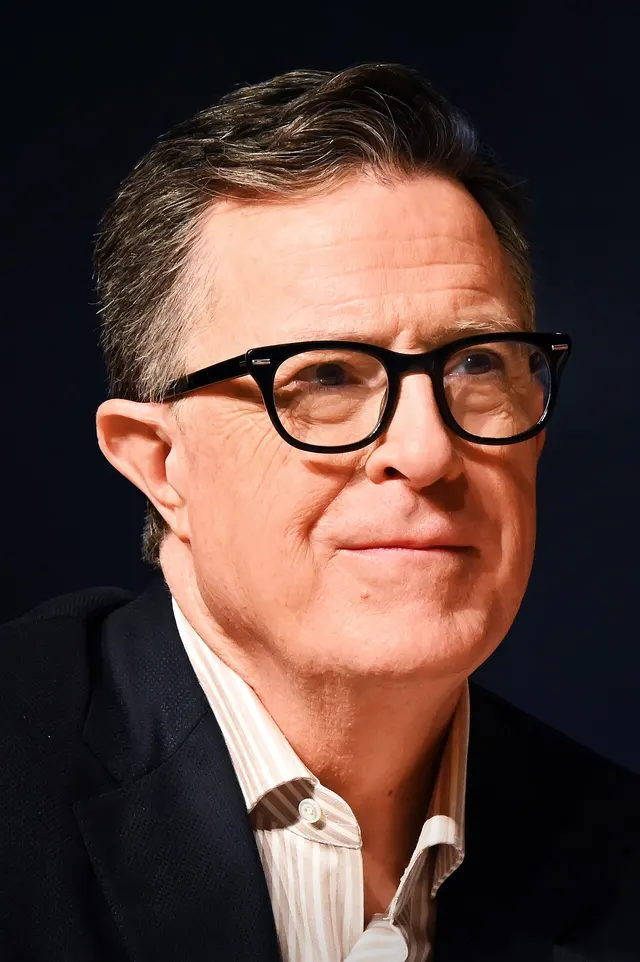
Stephen Colbert
Image creditPhilipRomanoPhoto · CC BY 4.0Resized and cropped for display.

Stephen Colbert

American comedian and television host known for The Colbert Report and The Late Show with Stephen Colbert.

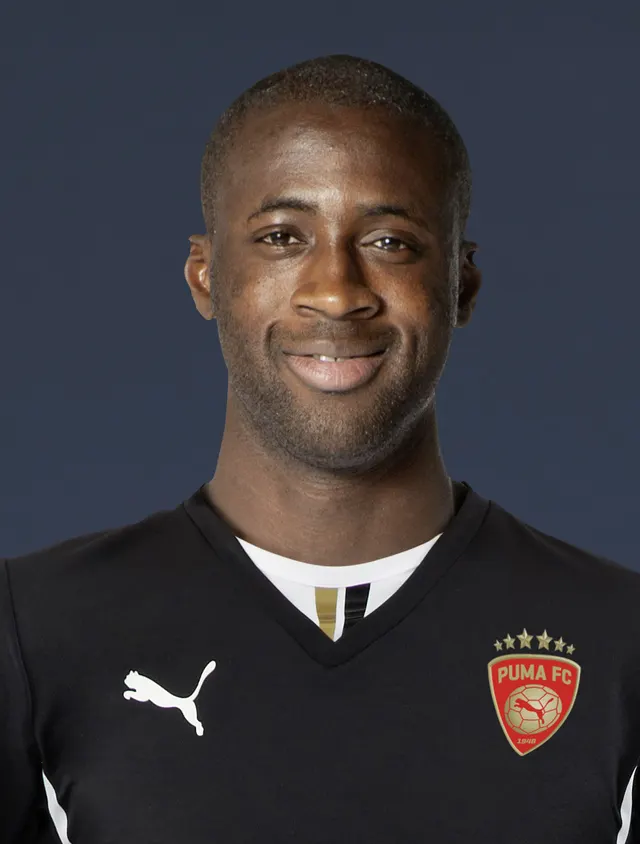
Yaya Touré
Image creditPuma · CC BY 3.0Resized and cropped for display.

Yaya Touré

Ivorian midfielder who won the Premier League with Manchester City and was named African Footballer of the Year four times in a row.

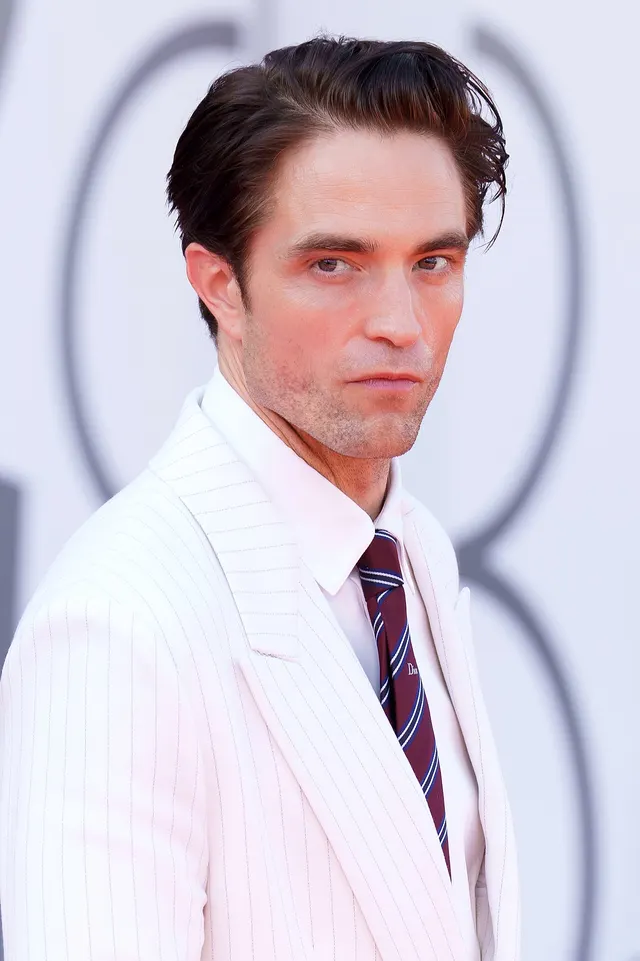
Robert Pattinson
Image creditColleen Sturtevant · CC BY-SA 4.0Resized and cropped for display.

Robert Pattinson

English actor who found fame in the Twilight films and later played Batman in The Batman.

◉
IDEAS THAT CHANGED THINGS

Firsts, Science & Discoveries

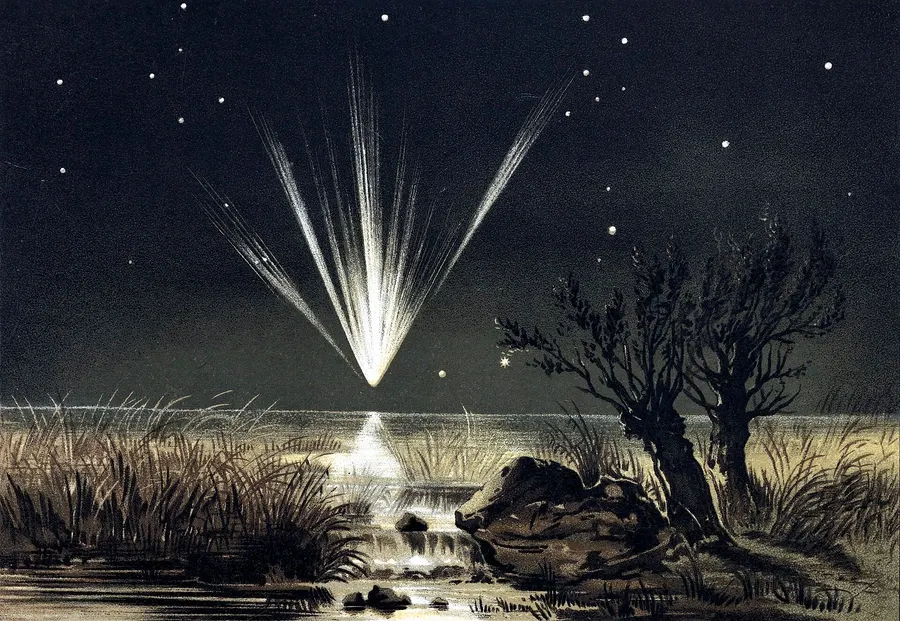
The Great Comet of 1861, drawn by the astronomer Edmund Weiss
Image creditEdmund Weiss · Public domainResized and cropped for display.

A farmer in New South Wales spots the Great Comet

John Tebbutt was a young farmer at Windsor, near Sydney, who studied the sky from a small wooden observatory on his family’s land. On the evening of 13 May 1861 he noticed a faint, fuzzy object through a simple marine telescope. Watching it over the following nights, he saw it move against the stars and announced that he had found a comet.

It grew into one of the finest comets of the 19th century, visible to the naked eye for about three months, with a tail that at one point stretched across more than 100 degrees of sky. Tebbutt went on to become one of Australia’s best-known astronomers, discovered a second great comet in 1881 and was later pictured on the Australian 100-dollar note.

Read the full storyHistory & Timeline →Source: Australian Dictionary of Biography: John Tebbutt ↗
☆
SPORTING HISTORY

Sporting Moments

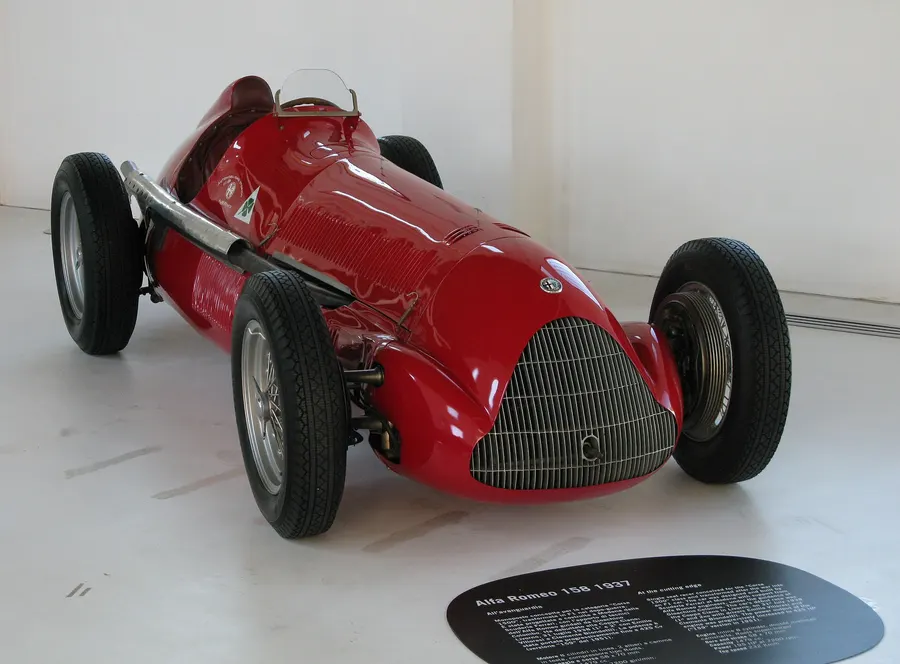
An Alfa Romeo 158, the type of car that won the first Formula One world championship race
Image creditHerranderssvensson · CC BY-SA 4.0Resized and cropped for display.

Formula One holds its first world championship race

At three in the afternoon on 13 May 1950, the cars set off at Silverstone, a former wartime airfield in Northamptonshire, in the first race of the new Formula One World Championship. A crowd estimated at 120,000 came to watch, among them King George VI, Queen Elizabeth and Princess Margaret.

The Alfa Romeo team dominated. Giuseppe ‘Nino’ Farina started from pole position, set the fastest lap and won after 70 laps and more than two hours of racing, finishing just 2.6 seconds ahead of his team-mate Luigi Fagioli. Farina went on to become the first Formula One world champion at the final race of the season at Monza.

Read the full storyHistory & Timeline →Source: Formula 1: Ten fascinating facts about the very first F1 race ↗
♫
MUSIC • FILM • BOOKS • CULTURE

Culture Stories

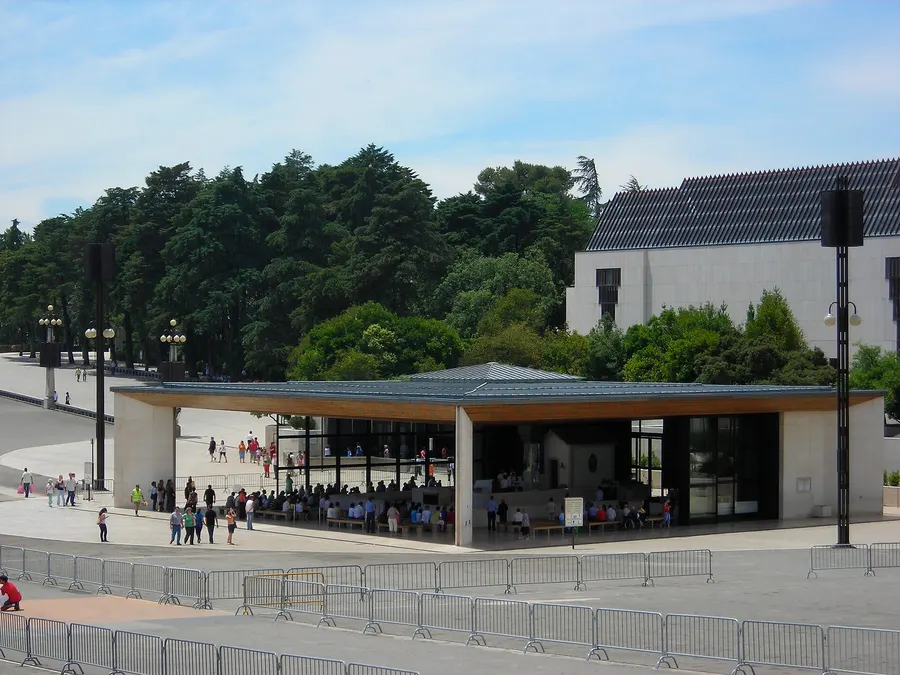
The Chapel of the Apparitions at the Sanctuary of Fátima, Portugal
Image creditTherese C · CC BY 2.0Resized and cropped for display.

Three shepherd children report a vision at Fátima

Lúcia dos Santos, aged nine, and her younger cousins Francisco and Jacinta Marto were minding sheep near the village of Fátima in central Portugal on 13 May 1917. They said a woman surrounded by light had appeared to them, later calling herself the Lady of the Rosary, and asked them to pray the rosary for peace while the First World War raged.

The children reported seeing her on the 13th of each month until October, when a crowd of tens of thousands gathered and many described the sun seeming to spin and plunge towards Earth. The Catholic Church approved the visions in 1930, and Fátima grew into one of the world’s great pilgrimage sites, with 13 May kept as the feast of Our Lady of Fátima.

Read the full storyHistory & Timeline →Source: Britannica: Our Lady of Fatima ↗
✦
LIVES REMEMBERED

Remembered Today

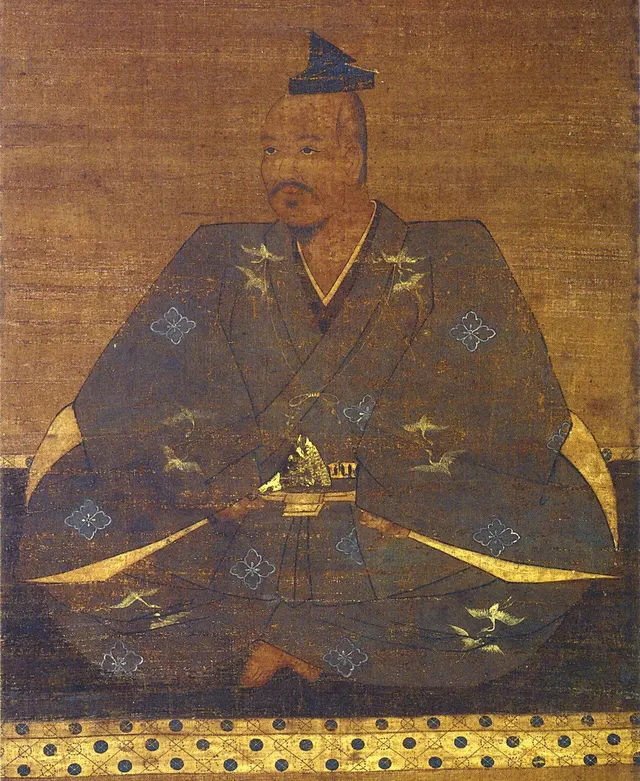
Takeda Shingen
Image creditUnknown · Public domainResized and cropped for display.

Takeda Shingen

Japanese warlord known as the ‘Tiger of Kai’, one of the most feared military leaders of Japan’s Sengoku period.

John Nash
Image creditThomas Lawrence · Public domainResized and cropped for display.

John Nash

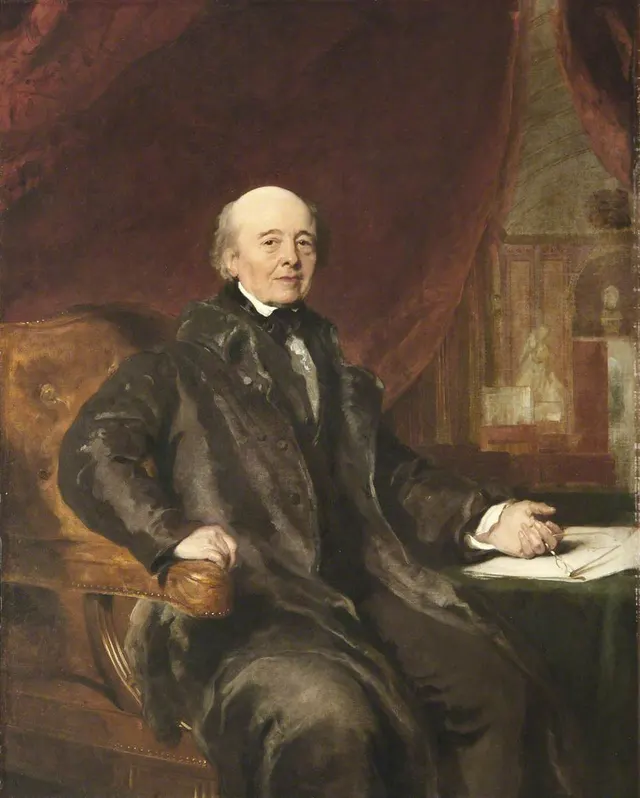
British architect who shaped Regency London, designing Regent Street, Regent’s Park terraces and the Royal Pavilion in Brighton.

Sholem Aleichem
Image creditUnknown author · Public domainResized and cropped for display.

Sholem Aleichem

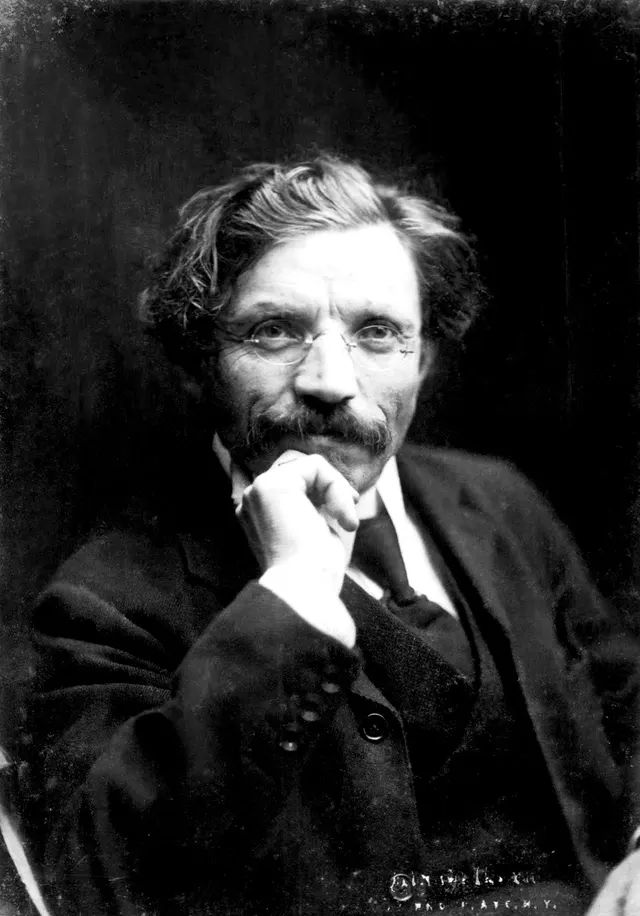
Yiddish writer whose stories of Tevye the Dairyman became the basis of the musical Fiddler on the Roof.

Khalifa bin Zayed Al Nahyan
Image creditHelene C. Stikkel · Public domainResized and cropped for display.

Khalifa bin Zayed Al Nahyan

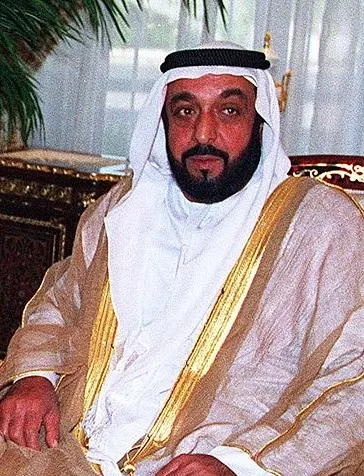
Second president of the United Arab Emirates and ruler of Abu Dhabi from 2004, after whom the Burj Khalifa is named.

HISTORY & TIMELINE

Finished the highlights?

Follow 13 May chronologically, from the Middle Ages to the modern day, with 13 verified events and the sources behind them.

This day through time →