Explore 18 May

Explore 18 May: the Crusaders lose their last great stronghold at Acre, Napoleon is proclaimed Emperor of the French, India tests its first nuclear device and Mount St Helens blows apart in Washington State. Born today: Pope John Paul II, Walter Gropius and Tina Fey.

This day through time →15 verified events across 4 eras

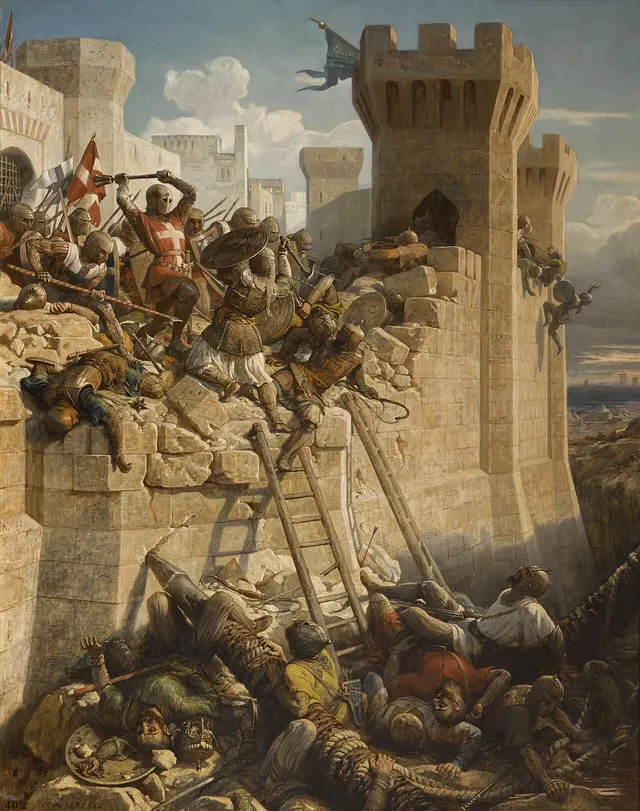
A later painting of the knights defending the walls of Acre during the siege of 1291
Image creditLouis-Dominique Papety · Public domainResized and cropped for display.

Acre falls and the crusader states come to an end

By the late 13th century the crusader kingdoms that had once held Jerusalem had shrunk to a string of coastal towns, and Acre was the greatest of them. In April 1291 the Mamluk sultan of Egypt, al-Ashraf Khalil, arrived outside its walls with a huge army and siege engines. His miners brought down towers one after another, and on 18 May his troops broke into the city.

Much of Acre was sacked, and many who could not reach the ships were killed or enslaved. Within weeks the remaining Christian-held towns of Tyre, Sidon and Beirut surrendered. After almost two centuries the crusaders had lost their last real foothold in the Holy Land, and the survivors regrouped on Cyprus.

Read the full storyHistory & Timeline →Source: World History Encyclopedia: The Siege of Acre, 1291 CE ↗
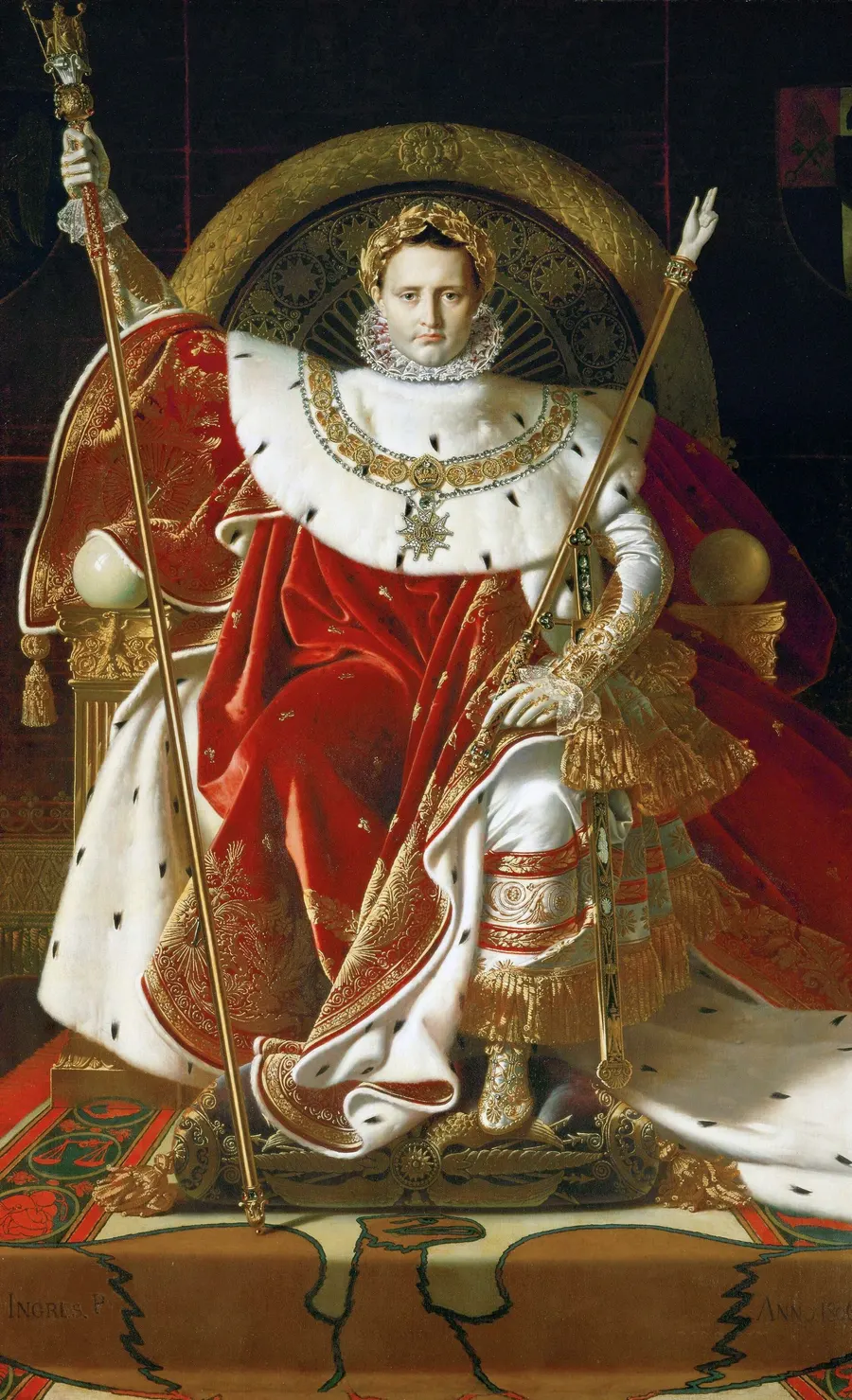
Ingres's 1806 portrait of Napoleon I on his imperial throne
Ingres’s 1806 portrait of Napoleon I on his imperial throne
Image creditJean-Auguste-Dominique Ingres · Public domainResized and cropped for display.

The French Senate proclaims Napoleon emperor

Napoleon Bonaparte had ruled France as First Consul since 1799 and had already been made consul for life. On 18 May 1804 the Senate adopted a decree that entrusted the government of the Republic to a hereditary emperor, and named him Napoleon I, Emperor of the French. Senators travelled out to his palace at Saint-Cloud to give him the news in person.

The change was later approved by a public vote. The grand coronation at Notre-Dame in Paris followed on 2 December, but it was the Senate’s decree that created the empire in law. Napoleon went on to dominate Europe for another decade before his final defeat in 1815.

Read the full storyHistory & Timeline →Source: Fondation Napoléon: The proclamation of Empire, 18 May 1804 ↗
Indira Gandhi, India's prime minister when the 1974 test was carried out
Indira Gandhi, India’s prime minister when the 1974 test was carried out
Image creditAnefo · CC0Resized and cropped for display.

India tests its first nuclear device

Deep under the desert at Pokhran in Rajasthan, Indian scientists set off a plutonium device on 18 May 1974. The test was code-named Smiling Buddha, and the Indian government described it as a peaceful nuclear explosion, insisting it had no plan to build weapons. It made India the sixth country known to have exploded a nuclear device.

The plutonium had come from a research reactor built with Canadian help and fuelled with American heavy water on the understanding that it would be used only for peaceful purposes. Canada quickly cut off nuclear co-operation, and the test led to the creation of the Nuclear Suppliers Group to tighten controls on nuclear exports.

Read the full storyHistory & Timeline →Source: CTBTO: 18 May 1974, Smiling Buddha ↗
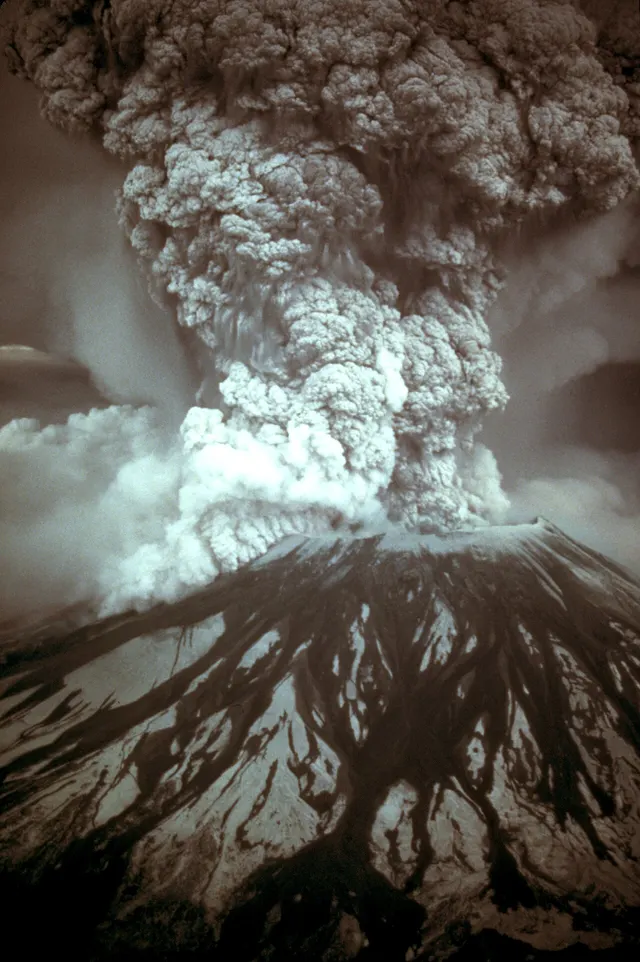
The ash column rising from Mount St Helens on 18 May 1980
Image creditAustin Post · Public domainResized and cropped for display.

Mount St Helens erupts in Washington State

For two months Mount St Helens had been rumbling and its north side had been bulging outwards as magma pushed up inside. At 8.32 in the morning on 18 May 1980 an earthquake shook the bulge loose, and the whole north face slid away in the largest landslide in recorded history. With the pressure suddenly released, the volcano exploded sideways in a blast that flattened forests for miles.

An ash column rose high into the sky and winds carried the ash east across the United States, turning day into darkness in Spokane. Mudflows swept down the river valleys. Fifty-seven people died, making it the most destructive eruption in US history, and the lessons learned changed how scientists monitor volcanoes.

Read the full storyHistory & Timeline →Source: USGS: 1980 Cataclysmic Eruption ↗
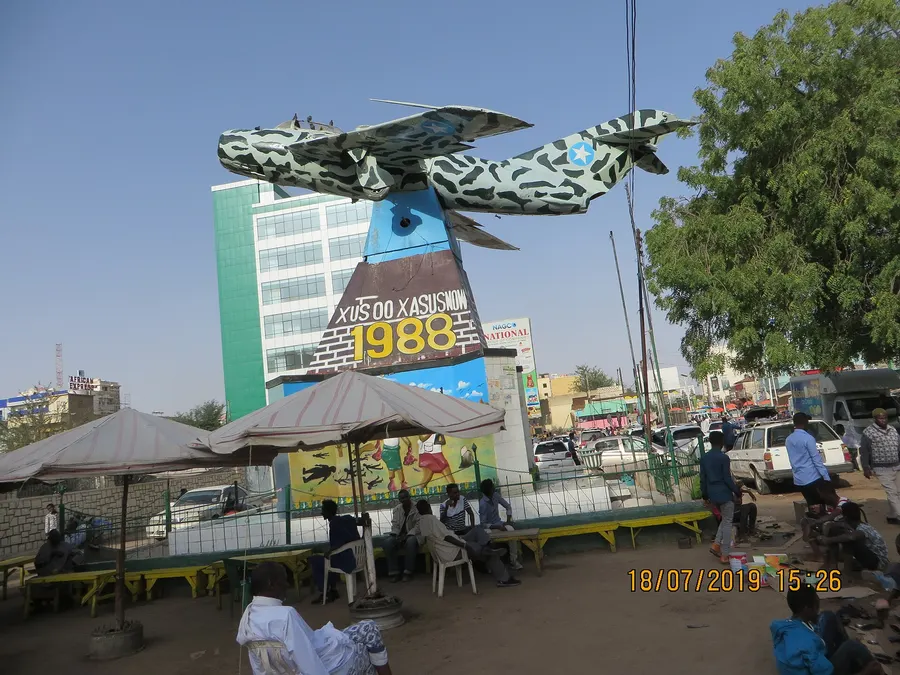
The Hargeisa War Memorial, a downed fighter jet on a plinth in the Somaliland capital, photographed in 2019
Image creditGerard van de Bruinhorst · CC BY-SA 4.0Resized and cropped for display.

Somaliland declares its independence from Somalia

The former British Somaliland had joined the former Italian colony to form Somalia in 1960. In the 1980s the north suffered brutally in a civil war against the government of Siad Barre, and when his regime collapsed in early 1991 the Somali National Movement controlled the region. At a congress in the town of Burao on 18 May 1991, northern leaders proclaimed the Republic of Somaliland.

Somaliland has since built its own government, currency and elections, and has been far more stable than much of the rest of Somalia. Yet it has struggled for decades to win formal recognition as an independent state from other countries and international organisations.

Read the full storyHistory & Timeline →Source: Britannica: Republic of Somaliland ↗
♙
PEOPLE

Born Today

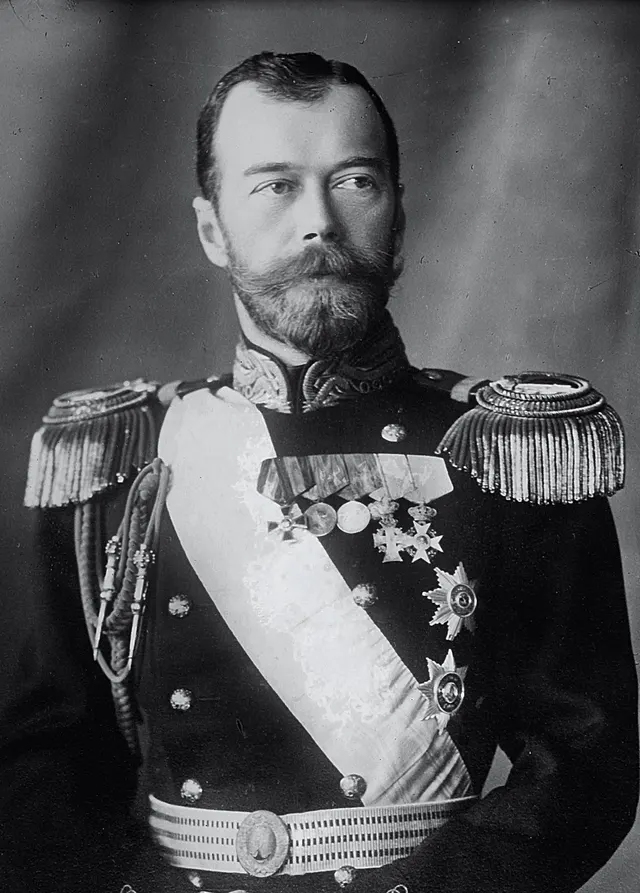
Nicholas II of Russia
Image creditUnknown author · Public domainResized and cropped for display.

Nicholas II of Russia

The last tsar of Russia, whose reign saw war with Japan, revolution and the First World War. He abdicated in 1917 and was killed with his family in 1918.

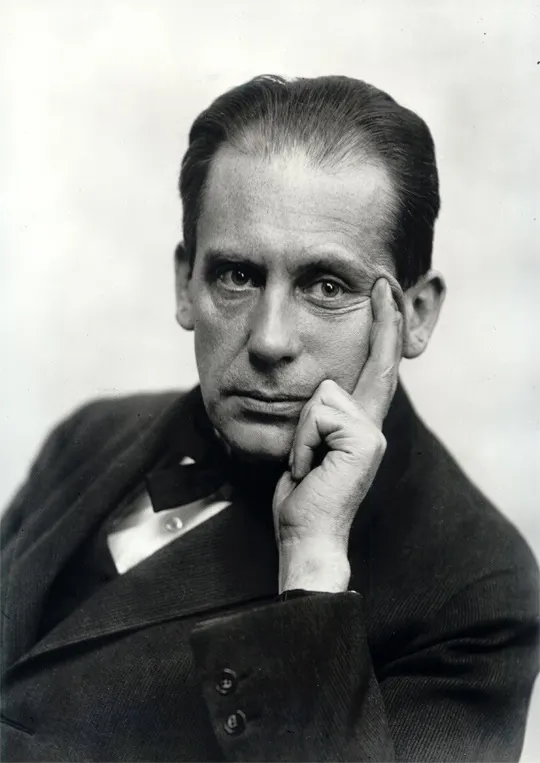
Walter Gropius
Image creditLouis Held · Public domainResized and cropped for display.

Walter Gropius

German architect who founded the Bauhaus school in 1919, shaping modern design with clean lines, new materials and the idea that art should serve everyday life.

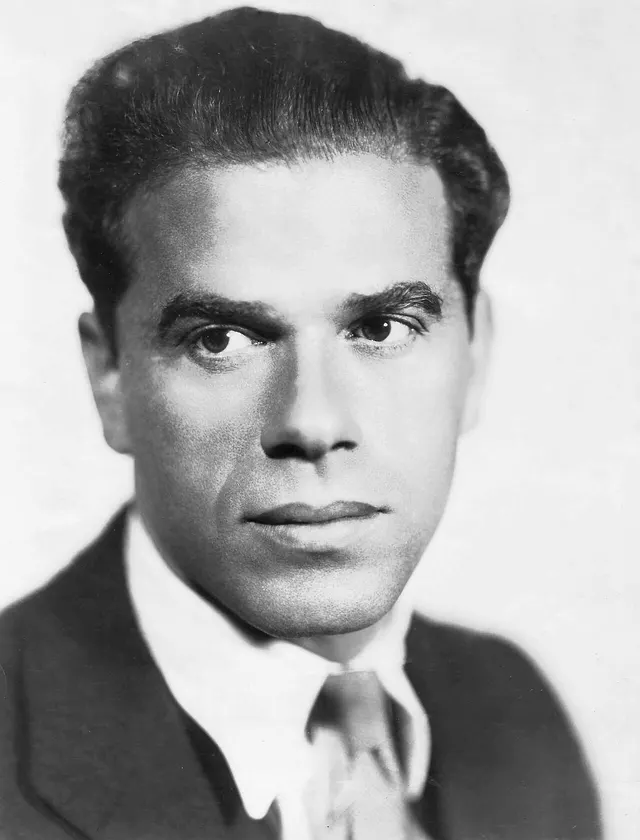
Frank Capra
Image creditColumbia Pictures · Public domainResized and cropped for display.

Frank Capra

Sicilian-born American film director of warm, idealistic films such as It Happened One Night, Mr. Smith Goes to Washington and It’s a Wonderful Life.

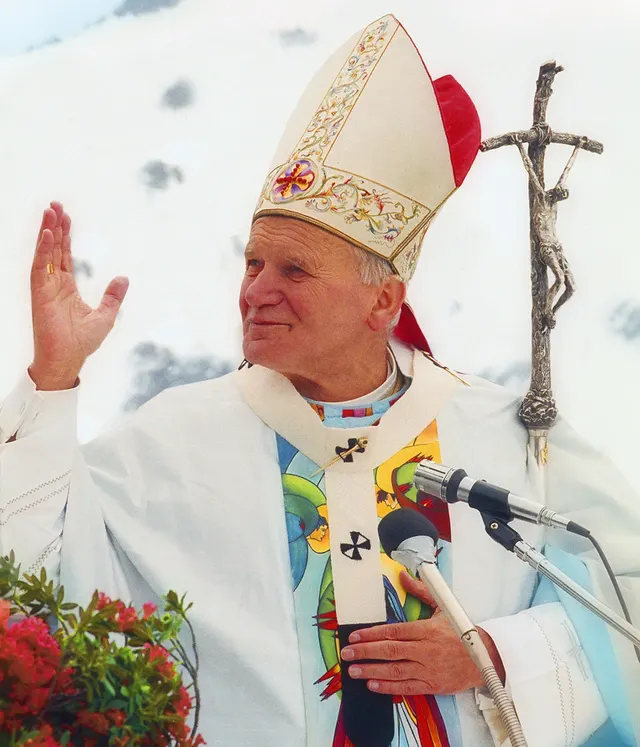
Pope John Paul II
Image creditGregorini Demetrio · CC BY-SA 3.0Resized and cropped for display.

Pope John Paul II

Karol Wojtyła, born in Wadowice, Poland, who became the first non-Italian pope in over four centuries and travelled the world during a reign of nearly 27 years.

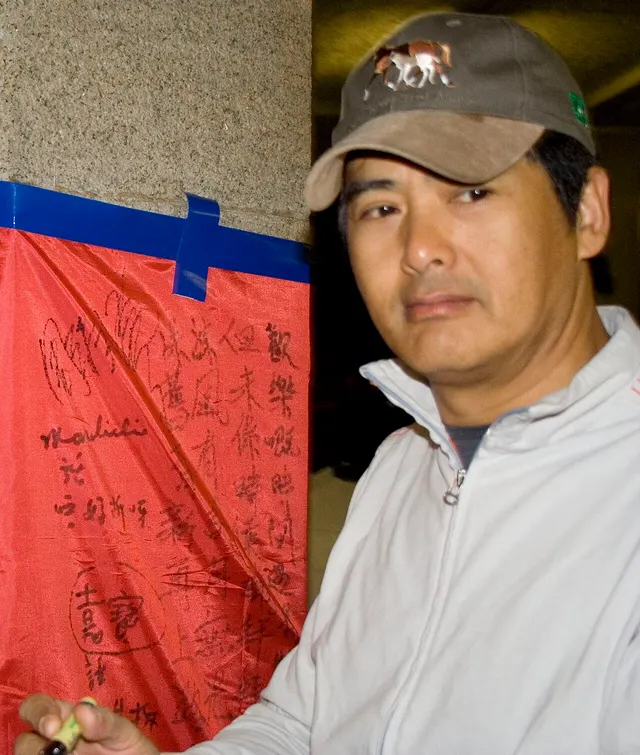
Chow Yun-fat
Image creditSliceof · CC BY-SA 3.0Resized and cropped for display.

Chow Yun-fat

Hong Kong actor who became a star in John Woo’s action films and won international fame in Crouching Tiger, Hidden Dragon.

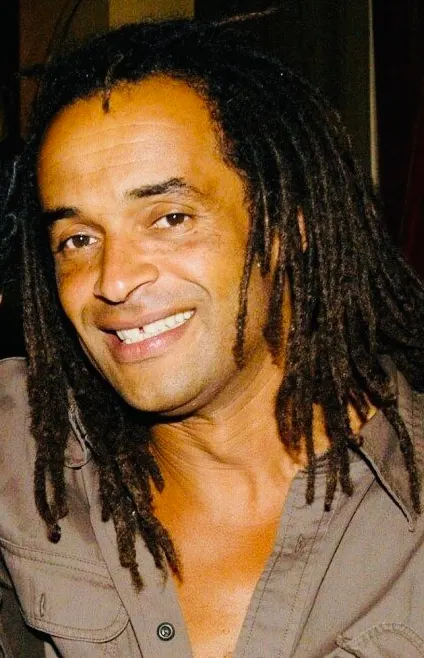
Yannick Noah
Image creditRachid Bellak · CC0Resized and cropped for display.

Yannick Noah

French tennis player of Cameroonian descent who won the French Open in 1983, later captained France to Davis Cup glory and found success as a singer.

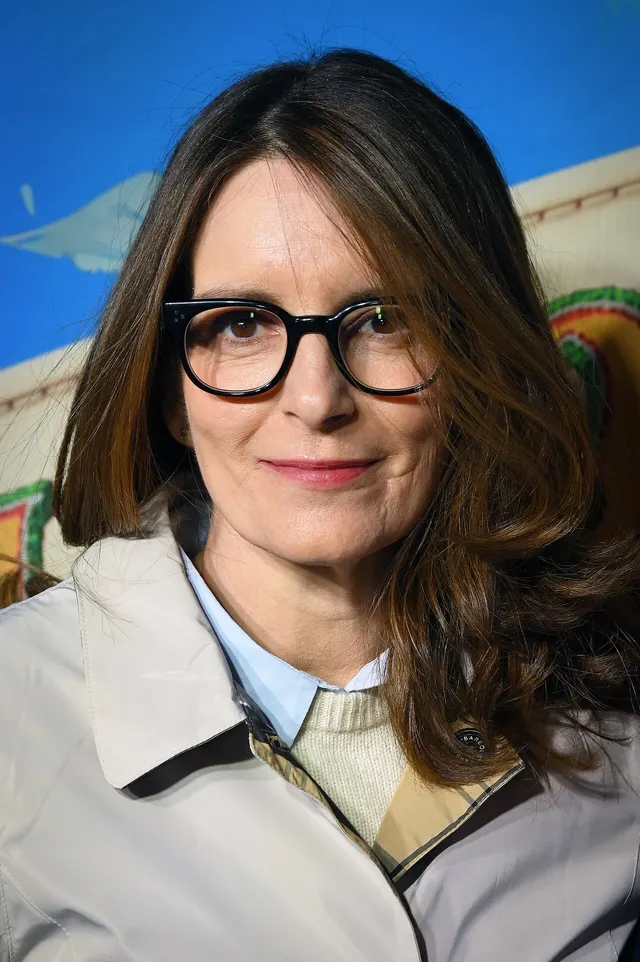
Tina Fey
Image creditPhilipRomanoPhoto · CC BY-SA 4.0Resized and cropped for display.

Tina Fey

American comedian and writer who became the first woman head writer of Saturday Night Live and created and starred in the sitcom 30 Rock.

◉
IDEAS THAT CHANGED THINGS

Firsts, Science & Discoveries

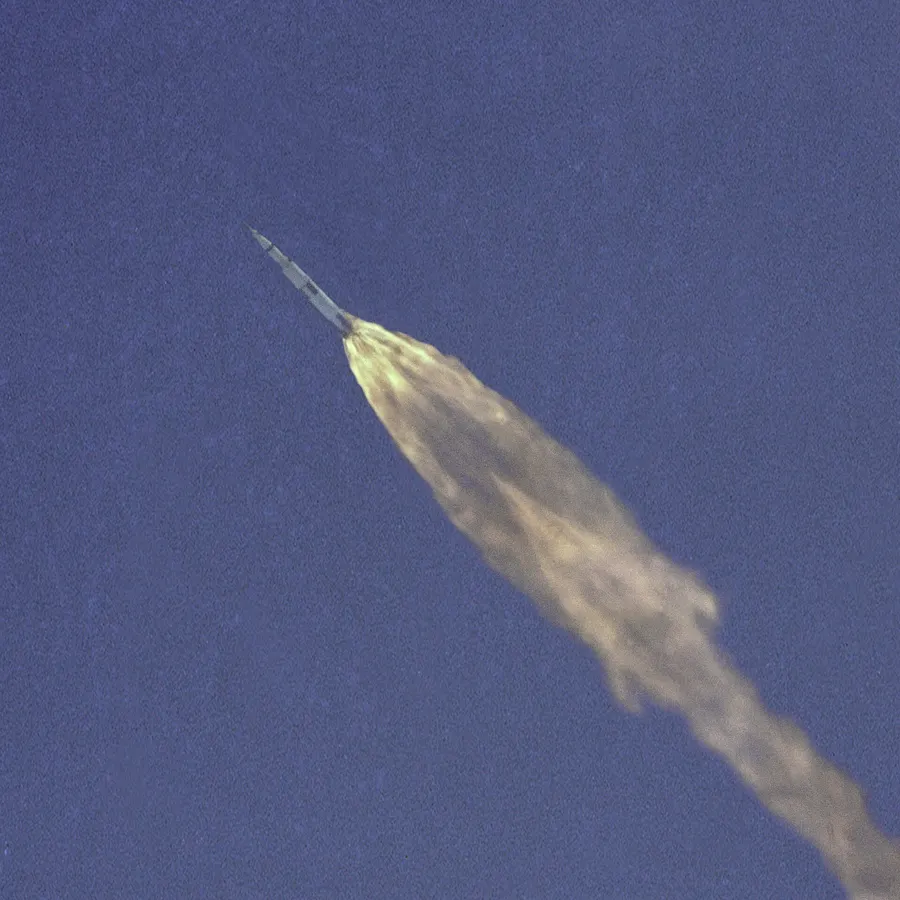
Apollo 10's Saturn V rocket climbing into the sky after launch on 18 May 1969
Apollo 10’s Saturn V rocket climbing into the sky after launch on 18 May 1969
Image creditNASA/photographer unknown · Public domainResized and cropped for display.

Apollo 10 lifts off for a dress rehearsal of the Moon landing

At 12.49 in the afternoon on 18 May 1969, a Saturn V rocket carried Thomas Stafford, John Young and Eugene Cernan away from the Kennedy Space Center in Florida. Apollo 10 was the first mission to take the complete Apollo spacecraft, including the lunar module, to the Moon, and it was planned to test every step of a landing except the touchdown itself.

In lunar orbit, Stafford and Cernan took the lunar module, nicknamed Snoopy, down to within about 50,000 feet of the surface while Young waited in the command module Charlie Brown. The crew splashed down safely on 26 May, clearing the way for Apollo 11 to land two months later.

Read the full storyHistory & Timeline →Source: NASA: Apollo 10 ↗
☆
SPORTING HISTORY

Sporting Moments

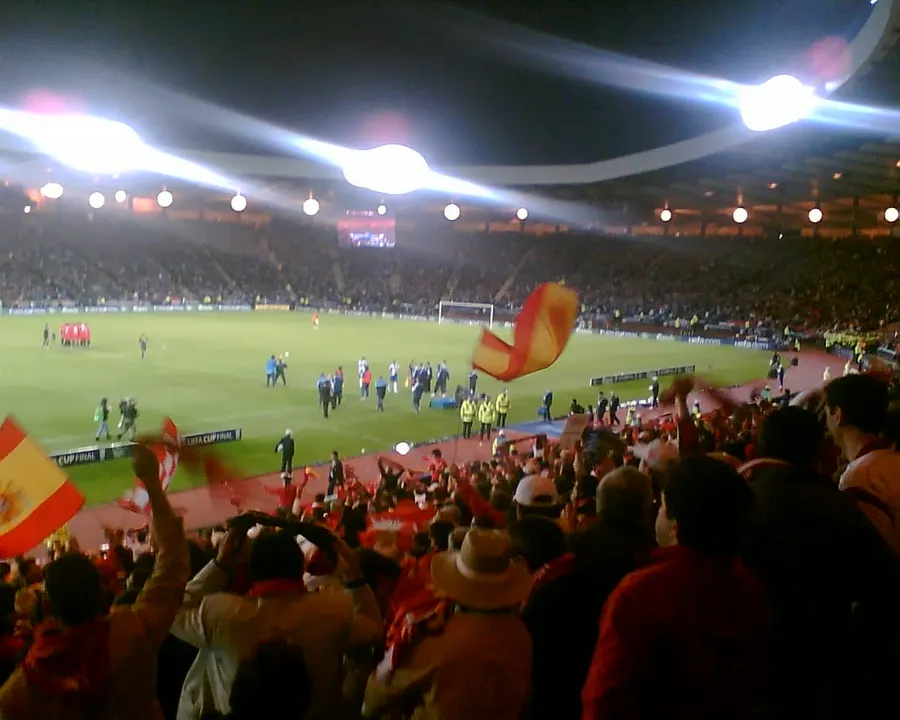
Hampden Park in Glasgow, the stadium where the 1960 final was played, seen during the 2007 UEFA Cup final
Image creditAlan O'Dowd · CC BY-SA 2.0Resized and cropped for display.

Real Madrid beat Eintracht Frankfurt 7-3 at Hampden Park

More than 127,000 spectators packed Hampden Park in Glasgow on 18 May 1960 for the final of the European Cup. Real Madrid had won every edition of the competition since it began in 1956, and their opponents, Eintracht Frankfurt, had crushed Rangers 12-4 over two legs in the semi-final. The German side even took the lead.

What followed is still remembered as one of the finest displays in football history. Ferenc Puskás scored four goals and Alfredo Di Stéfano three as Madrid won 7-3, lifting the trophy for the fifth year in a row, a run no club has matched since.

Read the full storyHistory & Timeline →Source: UEFA: Real Madrid 7-3 Frankfurt, 1959/60 final ↗
♫
MUSIC • FILM • BOOKS • CULTURE

Culture Stories

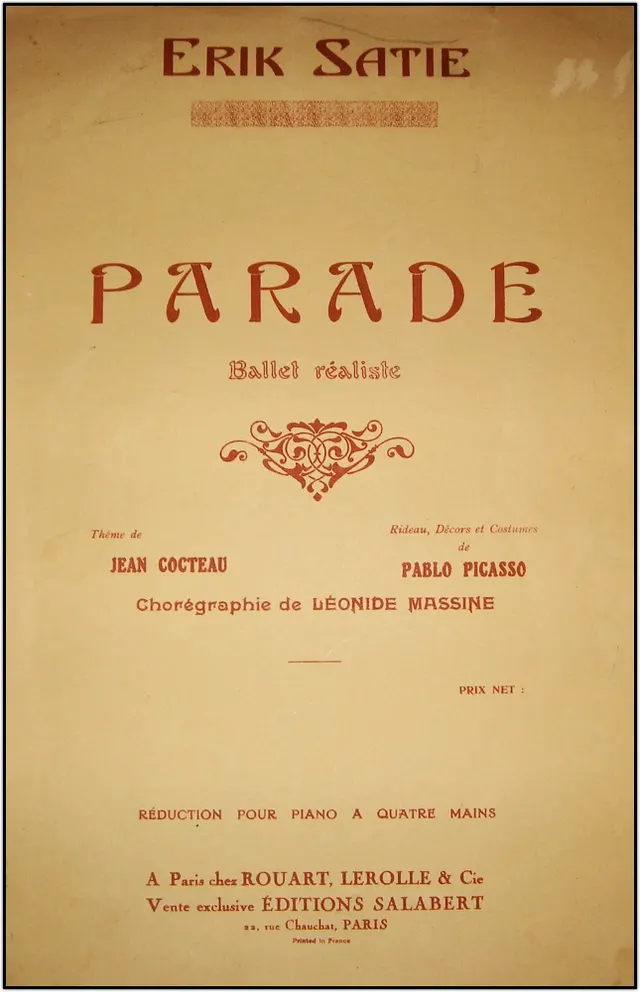
The cover of Erik Satie's published score for Parade
The cover of Erik Satie’s published score for Parade
Image creditRouart, Lerolle & Cie. · Public domainResized and cropped for display.

Parade shocks Paris with Picasso, Satie and Cocteau

In the middle of the First World War, Serge Diaghilev’s Ballets Russes staged a new one-act ballet at the Théâtre du Châtelet in Paris on 18 May 1917. Parade told the story of circus performers trying to lure a crowd into their show. The idea came from the poet Jean Cocteau, the music was by Erik Satie, the dances by Léonide Massine and the sets and costumes by Pablo Picasso.

Satie’s score included the sounds of a typewriter, sirens and pistol shots, and Picasso dressed some dancers in towering Cubist constructions. Many in the audience were outraged. The poet Guillaume Apollinaire’s programme note described the work with a new word, surrealism, which would soon name a whole art movement.

Read the full storyHistory & Timeline →Source: Britannica: Parade, ballet by Satie and Cocteau ↗
✦
LIVES REMEMBERED

Remembered Today

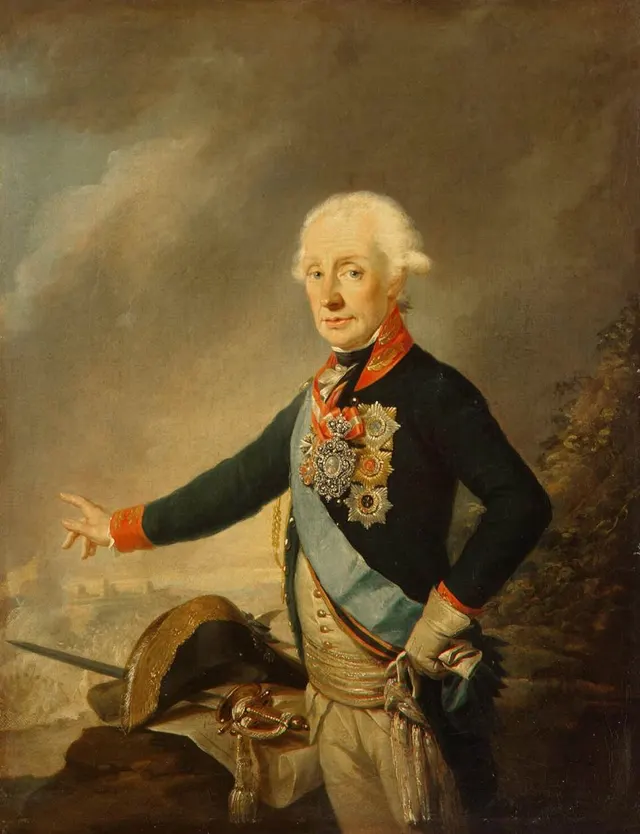
Alexander Suvorov
Image creditJoseph Kreutzinger · Public domainResized and cropped for display.

Alexander Suvorov

Russian commander famed for never losing a major battle, who led an army across the Alps in 1799 and was made generalissimo months before his death.

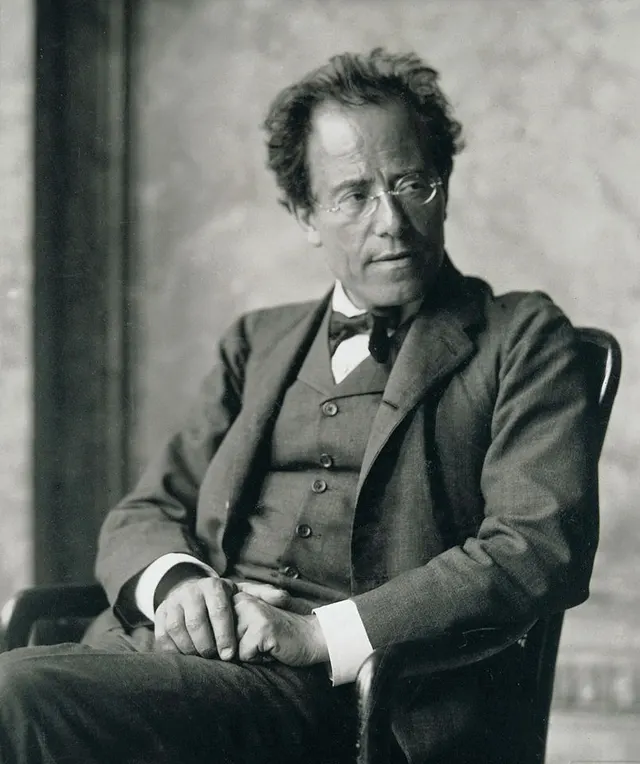
Gustav Mahler
Image creditMoritz Nähr · Public domainResized and cropped for display.

Gustav Mahler

Austrian composer and conductor whose vast symphonies and song cycles bridged Romanticism and modern music. He died in Vienna aged 50.

William Saroyan
Image creditLibrary of Congress · Public domainResized and cropped for display.

William Saroyan

Armenian-American writer from Fresno, California, whose play The Time of Your Life was awarded a Pulitzer Prize, which he turned down, and who wrote the novel The Human Comedy.

☉
AROUND THE WORLD

Observances & Anniversaries

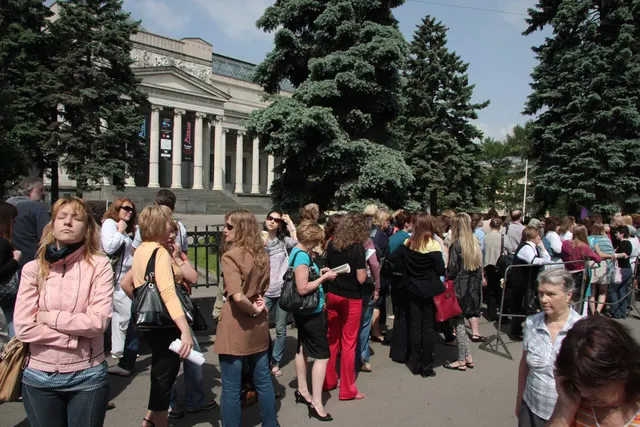
Visitors queuing outside the Pushkin Museum in Moscow on International Museum Day
Image creditPetr Chernov / Петр Чернов · CC BY-SA 3.0Resized and cropped for display.

International Museum Day

Every year since 1977 the International Council of Museums has marked 18 May as International Museum Day, to highlight the role museums play in cultural exchange, understanding and peace. Tens of thousands of museums in more than 150 countries take part, often opening their doors free of charge or holding special events on or around the day.

Source: International Council of Museums: International Museum Day ↗
HISTORY & TIMELINE

Finished the highlights?

Follow 18 May chronologically, from the Middle Ages to the modern day, with 15 verified events and the sources behind them.

This day through time →