Explore 15 May

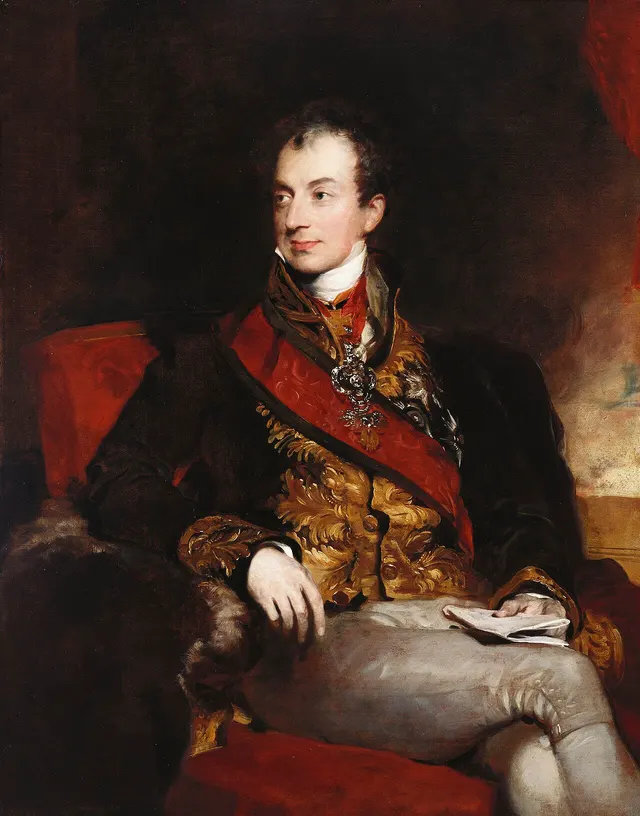
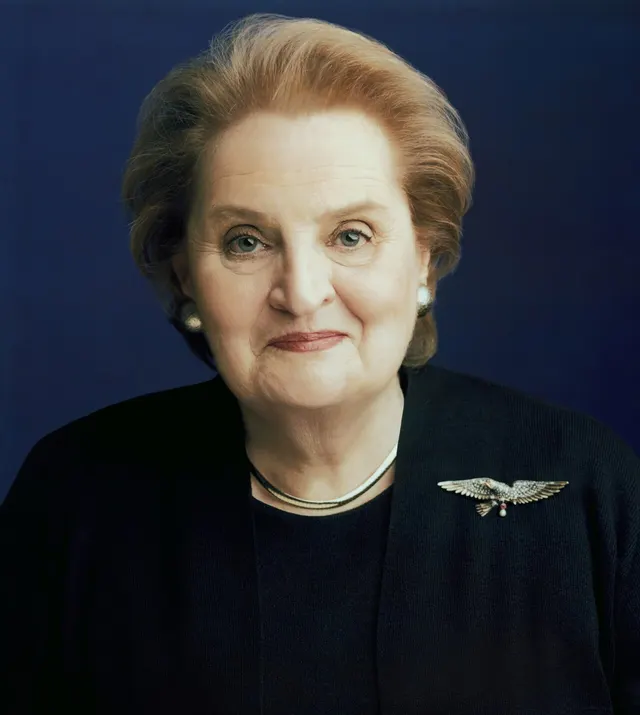
Explore 15 May: naval officers kill Japan’s prime minister, Pope Leo XIII speaks up for working people, Okinawa returns to Japan and two brothers open the first McDonald’s. Born today: Klemens von Metternich, Madeleine Albright and Andy Murray.

This day through time →12 verified events across 4 eras

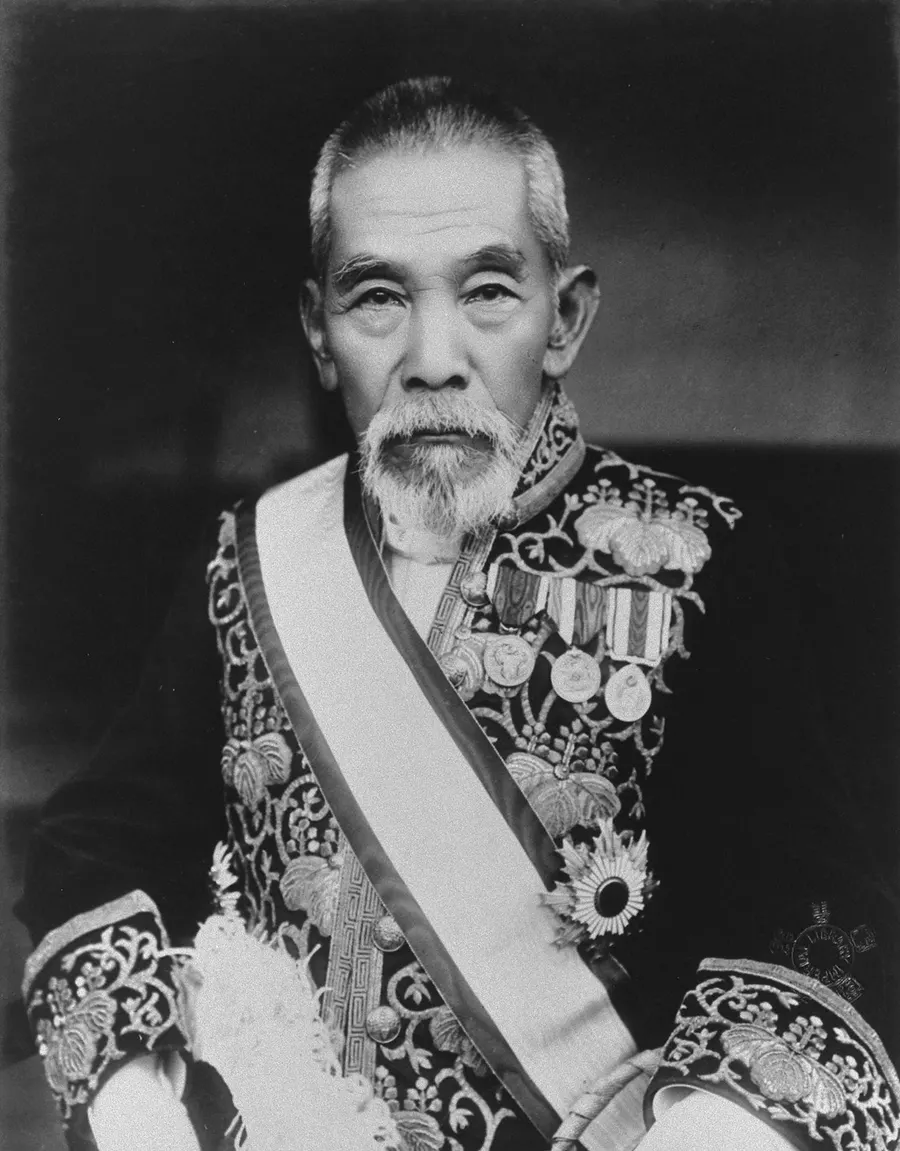
Inukai Tsuyoshi, prime minister of Japan, in a formal portrait
Image creditUnknown author · Public domainResized and cropped for display.

Naval officers kill Japan’s prime minister

On the evening of 15 May 1932, a band of young naval officers, helped by army cadets and civilian ultranationalists, forced their way into the official residence of Japan’s prime minister, Inukai Tsuyoshi, in Tokyo and shot him. Inukai, aged 76, had tried to rein in the army after its seizure of Manchuria. Other groups attacked a bank, a power station and party offices in the same night.

The plotters hoped to force martial law and a military government, and in that they failed. Yet the incident still changed Japan. Inukai’s death ended the era of party cabinets, as the army made clear it would not accept another, and an admiral, Saito Makoto, took over. The attackers received light sentences after a wave of public sympathy, a sign of how far militarism had spread.

Read the full storyHistory & Timeline →Source: Britannica: Japan, the rise of the militarists ↗
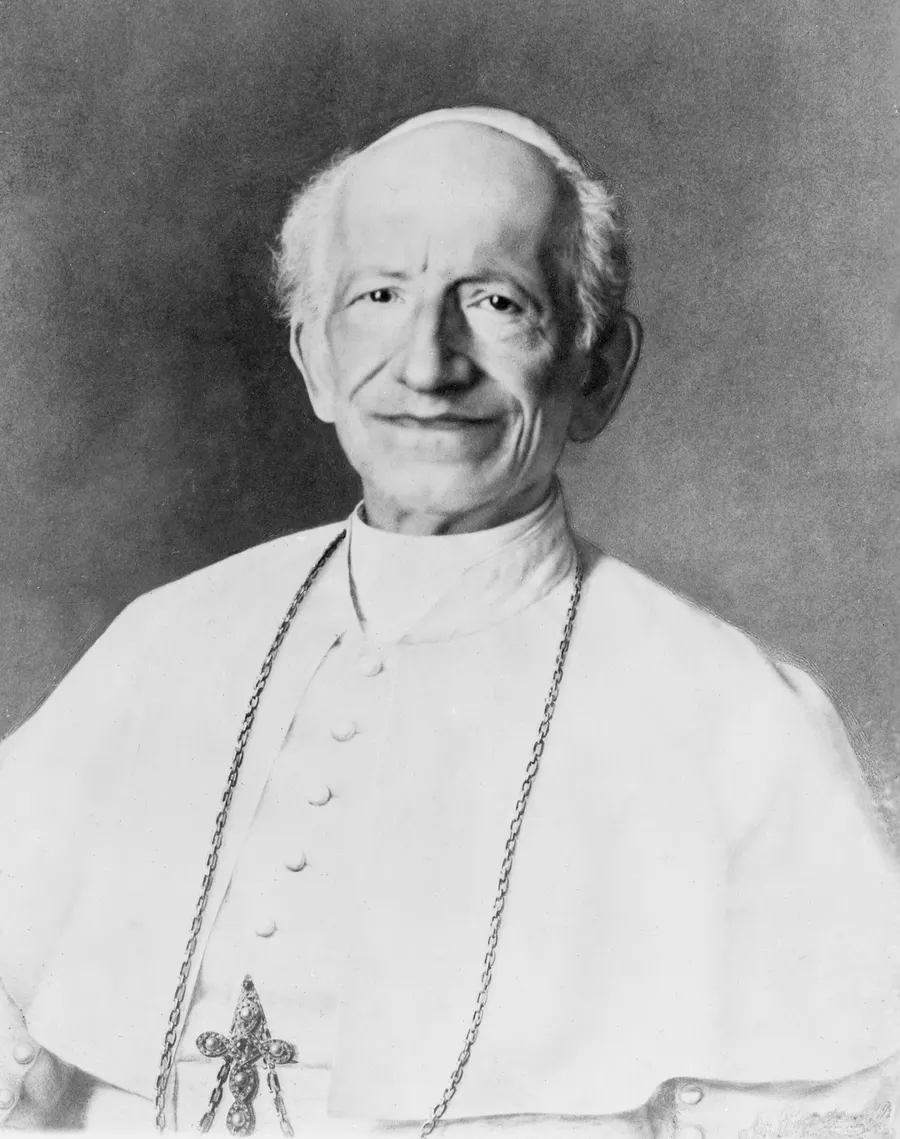
Pope Leo XIII, photographed by Francesco De Federicis in 1898.
Image creditFrancesco De Federicis · Public domainResized and cropped for display.

Pope Leo XIII speaks up for working people

On 15 May 1891, Pope Leo XIII issued Rerum novarum, an open letter to the Catholic bishops of the world on the condition of the working classes. Written as factories and cities swelled across Europe and the Americas, it asked what the Church should say about low pay, long hours and the gulf between owners and labourers.

The encyclical rejected socialism and defended private property, but it also insisted that workers deserved a wage fit to live on, reasonable hours and the right to form their own associations. Employers and the state, it argued, both had duties towards labour. Rerum novarum became the foundation of modern Catholic social teaching, and later popes marked its anniversaries with letters of their own.

Read the full storyHistory & Timeline →Source: Britannica: Rerum novarum ↗
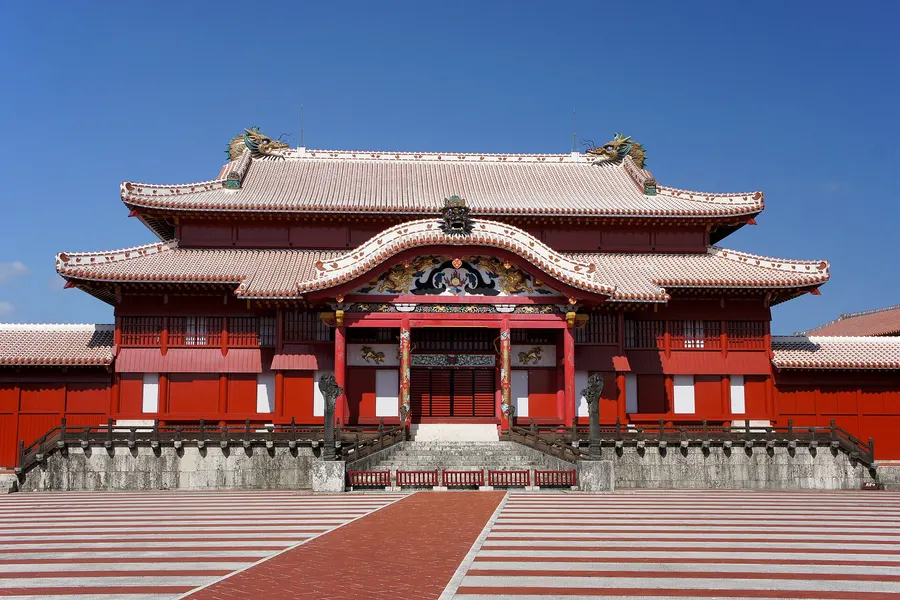
Shuri Castle in Naha, Okinawa, the old seat of the Ryukyu kings
Image credit663highland · CC BY 2.5Resized and cropped for display.

Okinawa returns to Japan

At midnight on 15 May 1972, Okinawa passed back from American to Japanese administration, 27 years after United States forces had taken the island in one of the bloodiest battles of the Second World War. Since then the Ryukyu Islands had been run by an American civil administration, with their own currency, the dollar, and passports needed for travel to mainland Japan.

The handover followed years of campaigning by Okinawans and talks between Tokyo and Washington, agreed in principle in 1969 and settled by treaty in 1971. Okinawa became a Japanese prefecture once more and the yen replaced the dollar. The large American bases stayed, however, and their place on the island has remained a source of debate ever since.

Read the full storyHistory & Timeline →Source: Britannica: Okinawa ↗
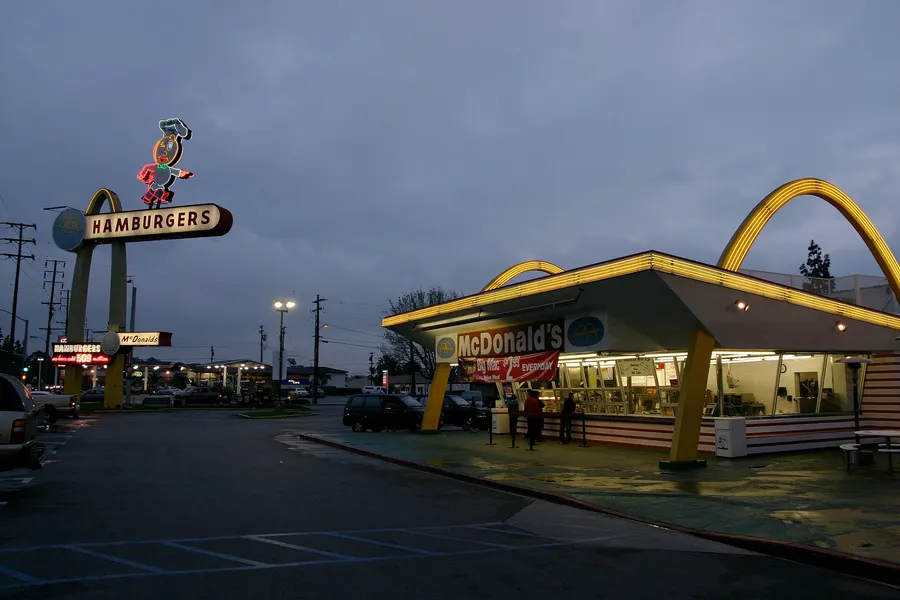
The McDonald's in Downey, California, the oldest surviving restaurant of the chain
The McDonald’s in Downey, California, the oldest surviving restaurant of the chain
Image creditPhoto by Bryan Hong (Brybry26) · CC BY-SA 2.5Resized and cropped for display.

Two brothers open the first McDonald’s

On 15 May 1940, the brothers Richard and Maurice McDonald opened McDonald’s Bar-B-Q, a drive-in restaurant in San Bernardino, California. It was a typical roadside business of its day, with carhops bringing food to customers in their parked cars and a long menu built around barbecue.

In 1948 the brothers noticed that most of their takings came from hamburgers. They closed, cut the menu, dropped the carhops and reopened with a kitchen run like an assembly line, which they called the Speedee Service System. A milkshake-mixer salesman, Ray Kroc, later began franchising their idea and bought the brothers out in 1961, turning one drive-in into a worldwide chain.

Read the full storyHistory & Timeline →Source: Library of Congress, Inside Adams: McDonald’s Bar-B-Que? ↗

♙
PEOPLE

Born Today

Klemens von Metternich
Image creditThomas Lawrence · Public domainResized and cropped for display.

Klemens von Metternich

Austrian statesman who steered the Congress of Vienna and dominated European diplomacy for a generation after Napoleon.

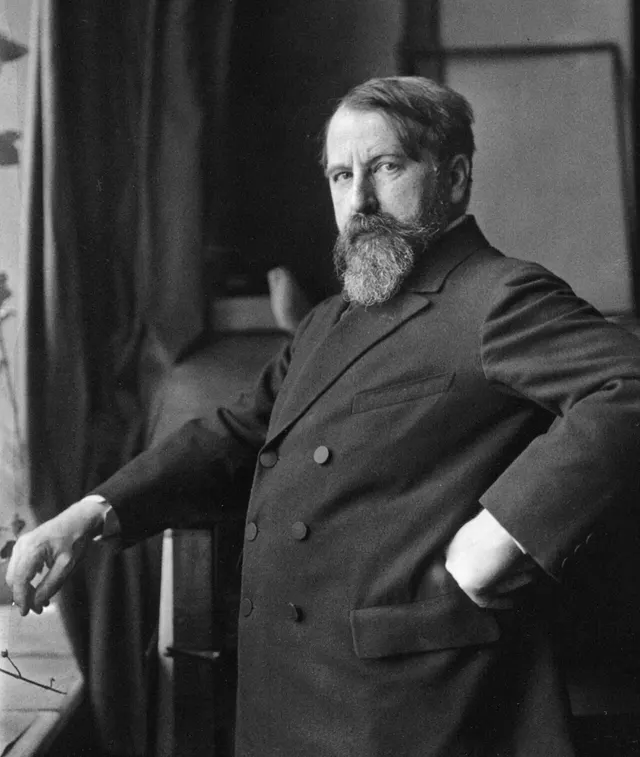
Arthur Schnitzler
Image creditFerdinand Schmutzer · Public domainResized and cropped for display.

Arthur Schnitzler

Viennese doctor and writer whose frank plays and stories, including La Ronde, explored love and society in fin-de-siècle Vienna.

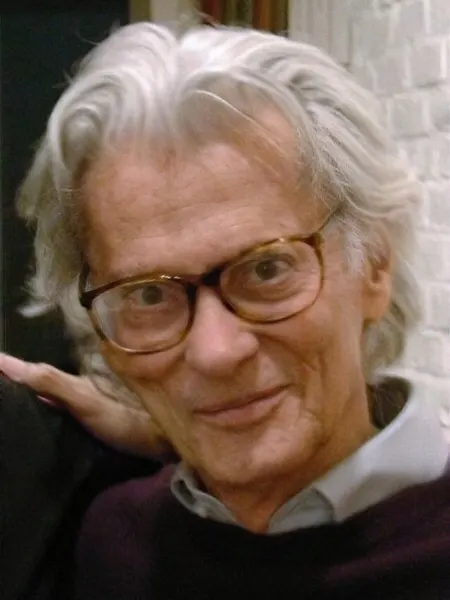
Richard Avedon
Image creditblaze6t9 · CC BY 2.0Resized and cropped for display.

Richard Avedon

American photographer whose fashion pictures and stark white-background portraits reshaped magazine photography.

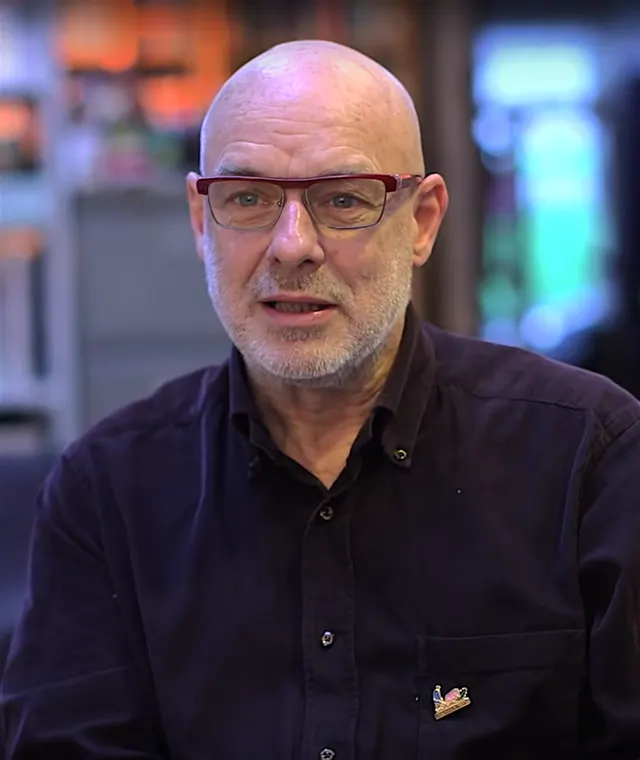
Brian Eno
Image creditHow We Get To Next · CC BY 3.0Resized and cropped for display.

Brian Eno

English musician and producer who pioneered ambient music and shaped records by Talking Heads, David Bowie and U2.

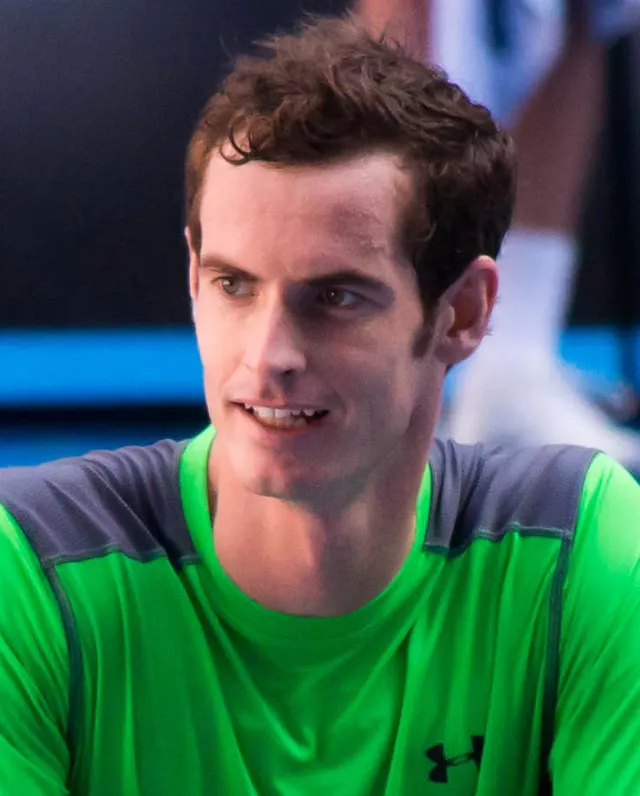
Andy Murray
Image creditBrendan Dennis · CC BY-SA 4.0Resized and cropped for display.

Andy Murray

Scottish tennis player who won three Grand Slam titles, two Olympic singles golds and reached world number one.

◉
IDEAS THAT CHANGED THINGS

Firsts, Science & Discoveries

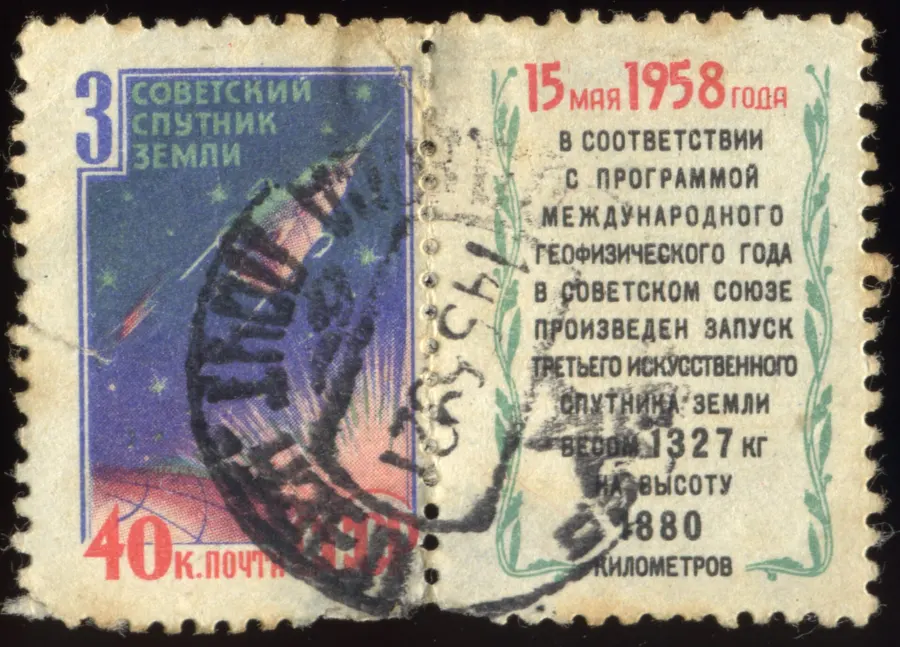
A Soviet postage stamp of 1958 showing Sputnik 3
Image creditUnknown · Public domainResized and cropped for display.

Sputnik 3 carries a laboratory into orbit

On 15 May 1958, a modified R-7 rocket lifted off from Baikonur in Kazakhstan and put Sputnik 3 into orbit. Weighing 1,327 kg, it was by far the heaviest satellite yet launched, and unlike its two predecessors it was a true flying laboratory, carrying a dozen instruments to study the upper atmosphere, cosmic rays, magnetic fields and tiny meteoric particles.

The satellite was the work of Sergei Korolev’s design team, and a first attempt had broken up shortly after launch in April. Sputnik 3 sent back a great deal of data, but its tape recorder failed, so it could report only while passing over Soviet ground stations. It stayed in orbit until 1960.

Read the full storyHistory & Timeline →Source: NASA: 60 years ago, Soviets launch Sputnik 3 ↗
☆
SPORTING HISTORY

Sporting Moments

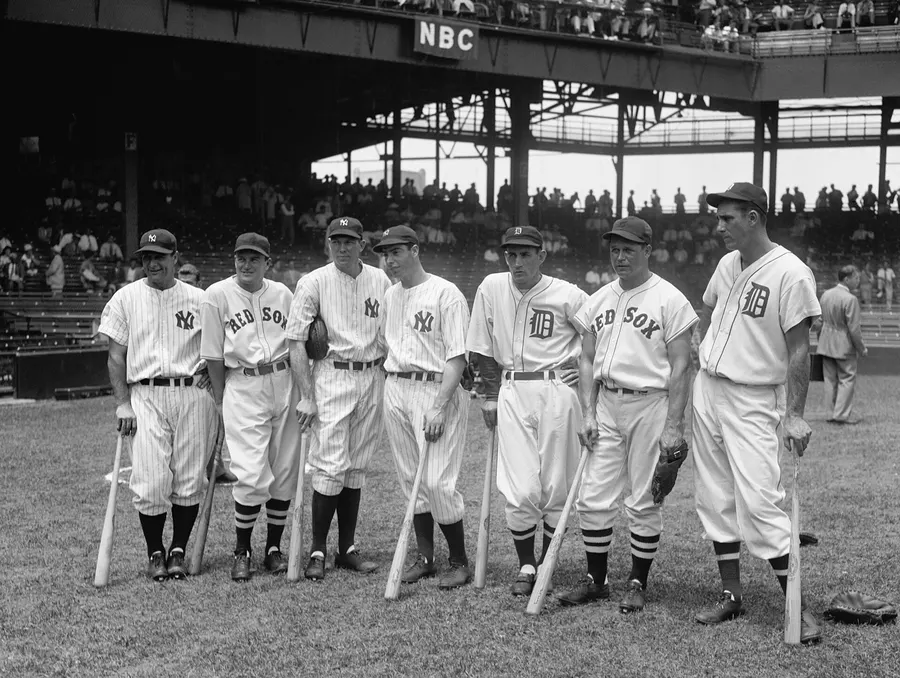
American League All-Stars in 1937, Joe DiMaggio among them
Image creditHarris & Ewing · Public domainResized and cropped for display.

Joe DiMaggio begins his 56-game streak

On 15 May 1941, in a 13 to 1 home defeat by the Chicago White Sox, the New York Yankees centre fielder Joe DiMaggio hit a single off the pitcher Eddie Smith. Nobody paid it much attention. It was the first game of a hitting streak that would run for two months and become one of baseball’s most famous records.

DiMaggio got at least one hit in 56 games in a row, passing Willie Keeler’s old mark of 44 on 2 July. Over the run he batted .408 and hit 15 home runs. The streak finally ended in Cleveland on 17 July, and more than 80 years later no major league player has come close to it.

Read the full storyHistory & Timeline →Source: National Baseball Hall of Fame: DiMaggio singles to start hitting streak ↗
♫
MUSIC • FILM • BOOKS • CULTURE

Culture Stories

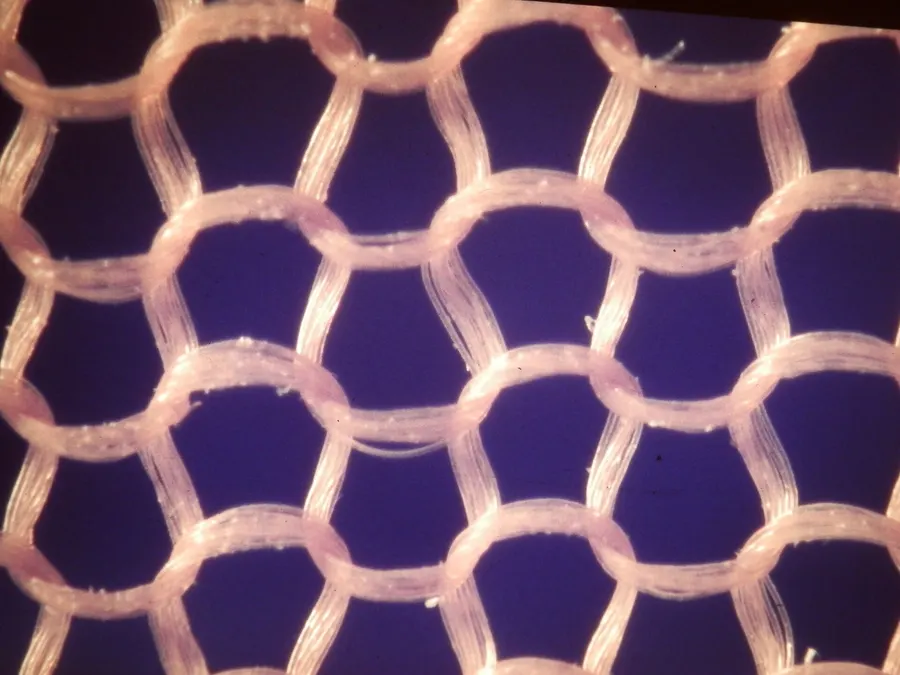
A close-up of a nylon stocking
Image creditVigorini · CC BY 4.0Resized and cropped for display.

Nylon stockings go on sale across America

On 15 May 1940, nylon stockings went on sale in shops across the United States for the first time. The new fibre had been invented at DuPont by Wallace Carothers’s team, and a small batch had been tried out in Wilmington, Delaware, the autumn before. Priced at $1.15 a pair, the stockings sold out in many stores within hours, with close to 800,000 pairs bought on the first day.

Nylons quickly replaced silk, which was costly and came mostly from Japan. Within two years, though, the United States was at war and DuPont’s nylon went into parachutes, ropes and tyre cords instead. Stockings became scarce, and when they returned to the shops after 1945 the queues were long enough to earn the name nylon riots.

Read the full storyHistory & Timeline →Source: Hagley Museum and Library: The Nylon Craze ↗
✦
LIVES REMEMBERED

Remembered Today

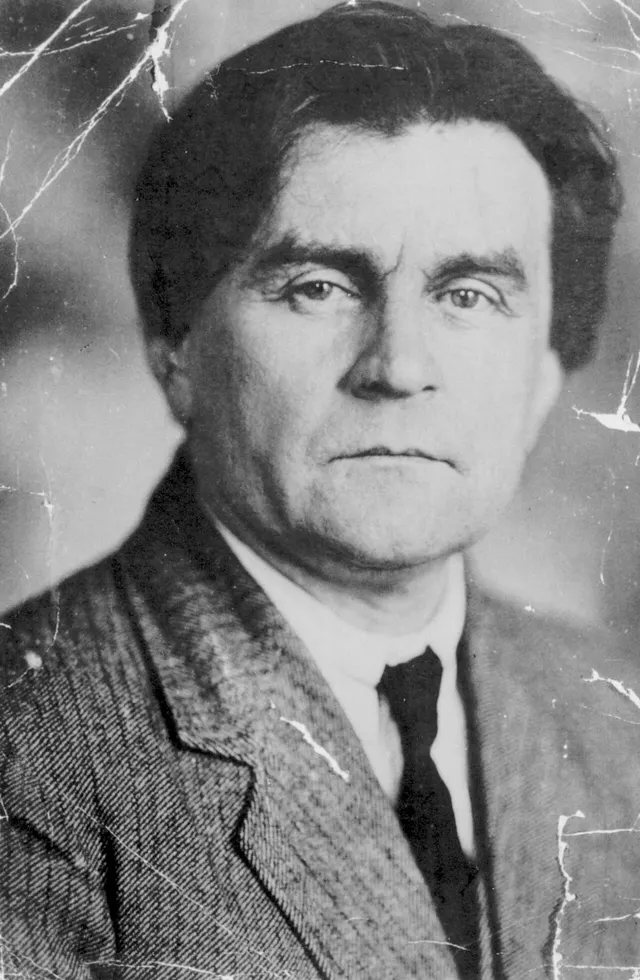
Kazimir Malevich
Image creditUnknown author · Public domainResized and cropped for display.

Kazimir Malevich

Kyiv-born avant-garde painter whose Black Square launched Suprematism, one of the first purely abstract art movements.

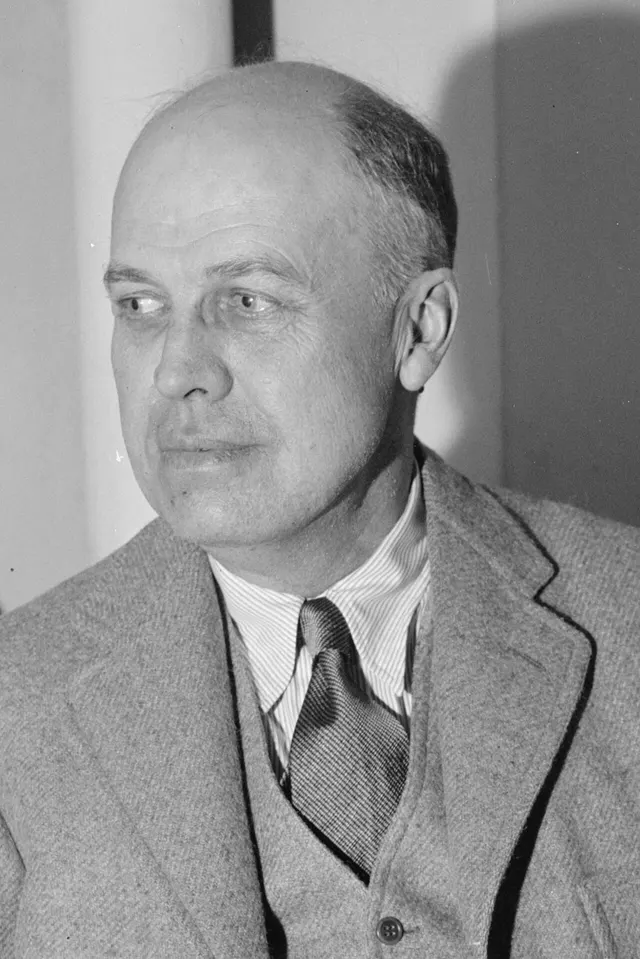
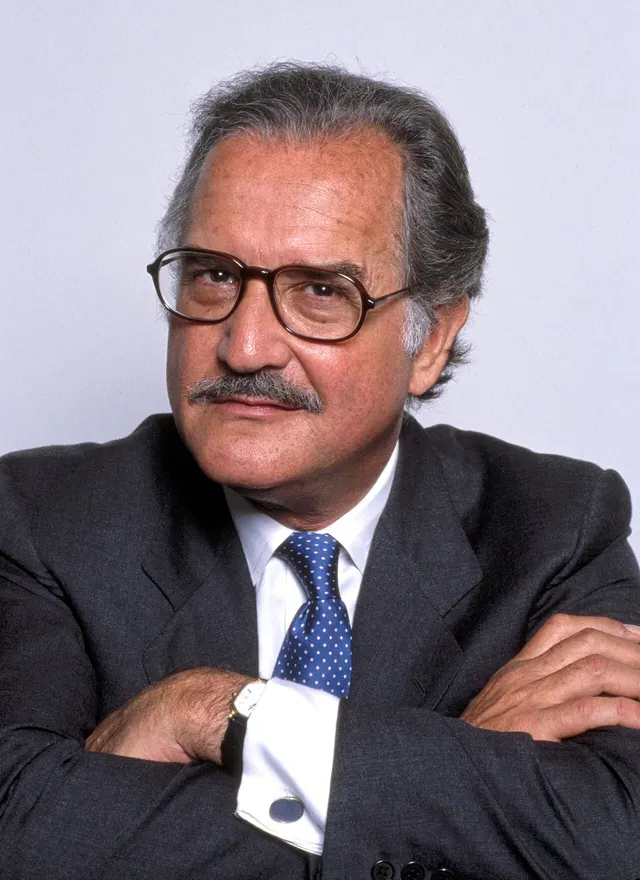
Carlos Fuentes
Image creditGotfryd, Bernard, photographer · Public domainResized and cropped for display.

Carlos Fuentes

Mexican novelist and essayist, author of The Death of Artemio Cruz and a leading voice of the Latin American literary boom.

HISTORY & TIMELINE

Finished the highlights?

Follow 15 May chronologically, from the Middle Ages to the modern day, with 12 verified events and the sources behind them.

This day through time →