HISTORY & TIMELINE
15 May

A journey through
15 May in history

From the death of the young emperor Valentinian II in Gaul in 392 to France’s first woman prime minister in 1991, 15 May runs through peasant revolts, papal letters and the founding of Las Vegas. Along the way come nylon stockings, a record baseball streak, a heavy Soviet satellite and the return of Okinawa.

I
EARLIEST RECORDS

Ancient & Early History

The earliest worthwhile records and events connected with this date.

392
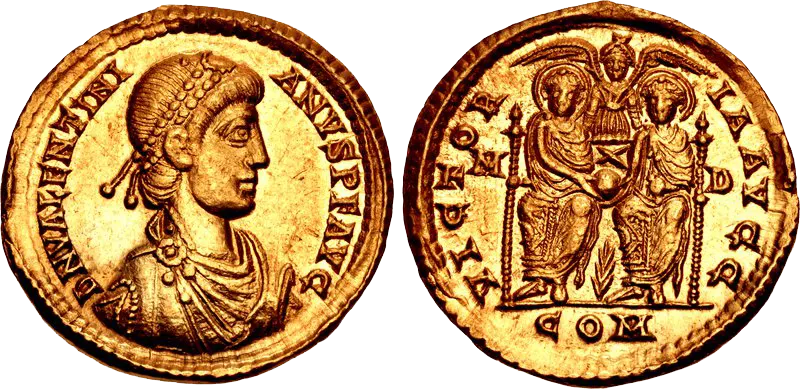
A gold solidus of Valentinian II, struck around AD 390A gold solidus of Valentinian II, struck around AD 390Image: CNG · CC BY-SA 2.5
politics · Europe

The young emperor Valentinian II is found dead

On 15 May 392, Valentinian II, emperor of the western Roman Empire and only about 21 years old, was found hanged in his residence at Vienne in Gaul. He had tried to dismiss his powerful Frankish general Arbogast, who tore up the order. Many suspected murder. Arbogast then raised a scholar, Eugenius, to the throne, until the eastern emperor Theodosius defeated them both in 394.

Source: Britannica: Valentinian II ↗
III
A CHANGING WORLD

Early Modern Era

Exploration, political change, scientific development and expanding global connections.

1525
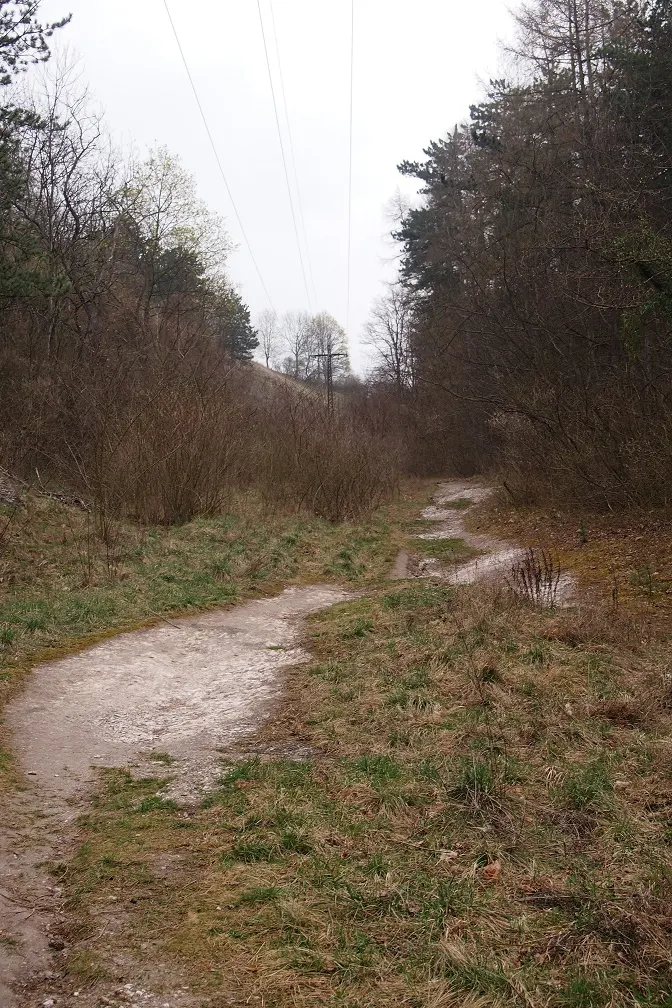
The Wuestes Kalktal valley near Bad Frankenhausen, where the battle was foughtThe Wuestes Kalktal valley near Bad Frankenhausen, where the battle was foughtImage: Doug Miller · CC BY-SA 4.0
world · Europe

The princes crush the peasants at Frankenhausen

On 15 May 1525, the armies of Landgrave Philip of Hesse and Duke George of Saxony overwhelmed a large peasant force at Frankenhausen in Thuringia. The rebels were led by the radical preacher Thomas Muntzer, who had promised them divine help. Thousands were killed in the rout. Muntzer was captured and executed later that month, and the defeat marked the end of the German Peasants’ War in the region.

Source: Britannica: Battle of Frankenhausen ↗
IV
THE NINETEENTH CENTURY

The 1800s

Industry, empire, invention, reform and a century of enormous transformation.

1891
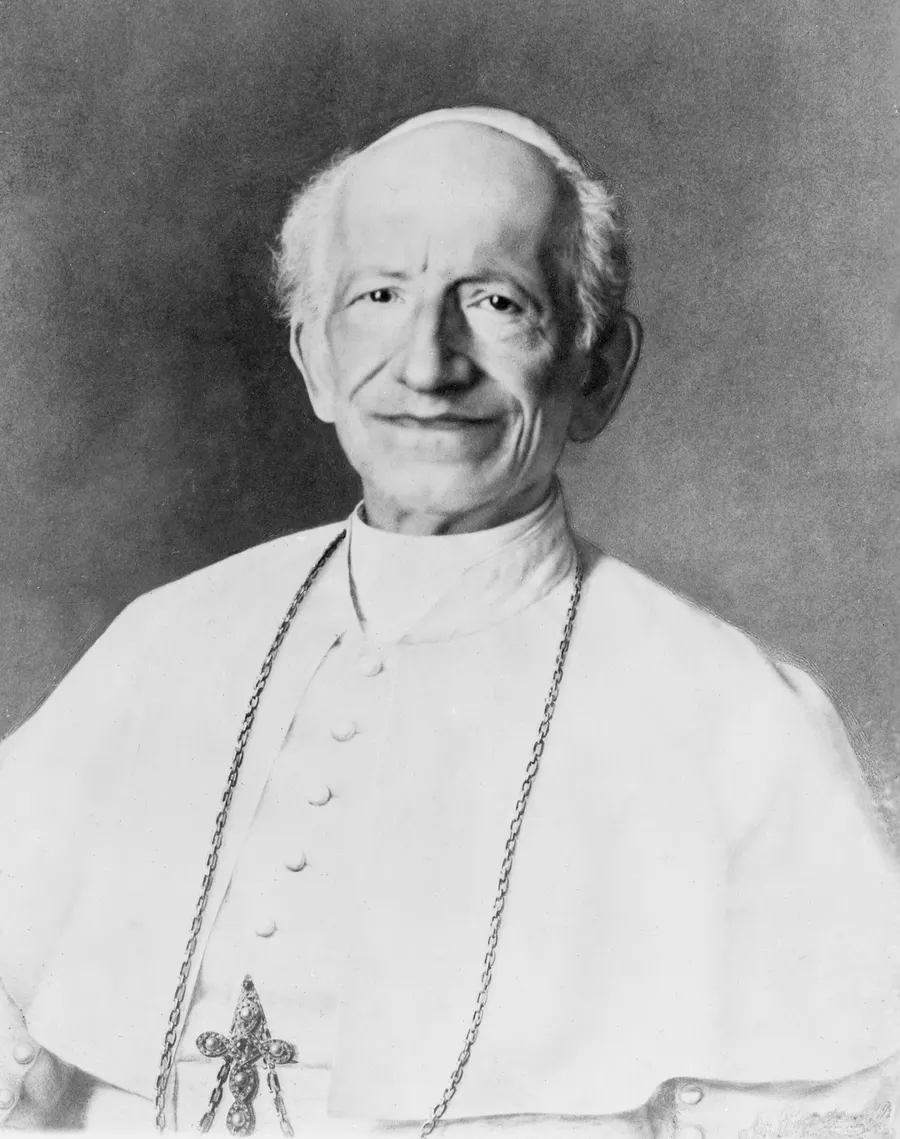
Pope Leo XIII, photographed by Francesco De Federicis in 1898.Pope Leo XIII, photographed by Francesco De Federicis in 1898.Image: Francesco De Federicis · Public domain
culture · Europe

Pope Leo XIII speaks up for working people

On 15 May 1891, Pope Leo XIII issued Rerum novarum, an open letter to the Catholic bishops of the world on the condition of the working classes. Written as factories and cities swelled across Europe and the Americas, it asked what the Church should say about low pay, long hours and the gulf between owners and labourers. The encyclical rejected socialism and defended private property, but it also insisted that workers deserved a wage fit to live on, reasonable hours and the right to form their own associations. Employers and the state, it argued, both had duties towards labour. Rerum novarum became the foundation of modern Catholic social teaching, and later popes marked its anniversaries with letters of their own.

Source: Britannica: Rerum novarum ↗
V
THE TWENTIETH CENTURY

The 1900s

War and peace, technological leaps, social change, politics, sport and popular culture.

1905
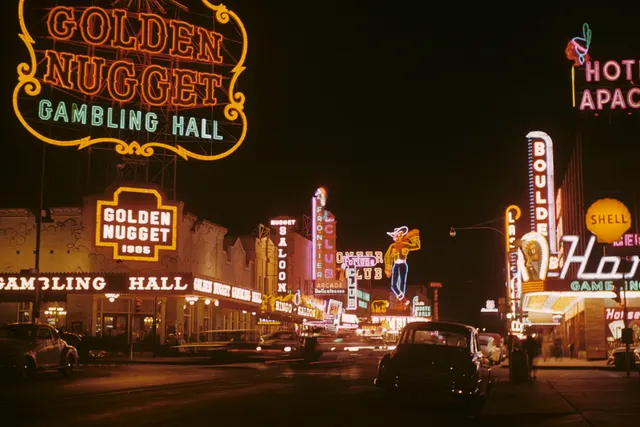
Fremont Street in downtown Las Vegas at night, 1952.Fremont Street in downtown Las Vegas at night, 1952.Image: Edward N. Edstrom · Public domain
world · Americas

Las Vegas is founded at a railway land sale

On 15 May 1905, crowds gathered in the Nevada desert for an auction of building plots laid out by Senator William Clark’s new railway between Los Angeles and Salt Lake City. The line needed a stop with water at Las Vegas springs, and by mid-afternoon 176 lots had been sold. The sale, which ran into a second day, is counted as the founding of the city.

Source: Online Nevada Encyclopedia: Clark’s Las Vegas Townsite Auction ↗
1932
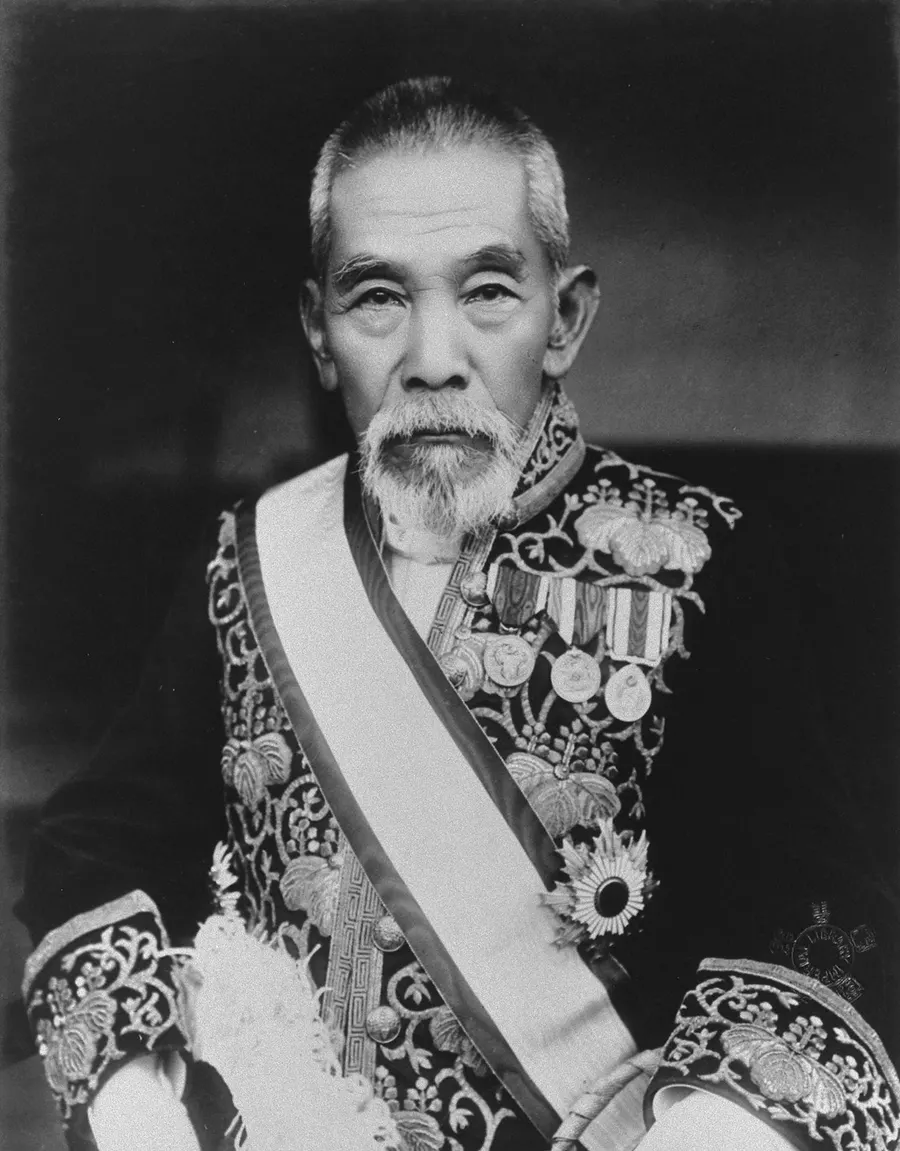
Inukai Tsuyoshi, prime minister of Japan, in a formal portraitInukai Tsuyoshi, prime minister of Japan, in a formal portraitImage: Unknown author · Public domain
politics · Asia

Naval officers kill Japan’s prime minister

On the evening of 15 May 1932, a band of young naval officers, helped by army cadets and civilian ultranationalists, forced their way into the official residence of Japan’s prime minister, Inukai Tsuyoshi, in Tokyo and shot him. Inukai, aged 76, had tried to rein in the army after its seizure of Manchuria. Other groups attacked a bank, a power station and party offices in the same night. The plotters hoped to force martial law and a military government, and in that they failed. Yet the incident still changed Japan. Inukai’s death ended the era of party cabinets, as the army made clear it would not accept another, and an admiral, Saito Makoto, took over. The attackers received light sentences after a wave of public sympathy, a sign of how far militarism had spread.

Source: Britannica: Japan, the rise of the militarists ↗
1940
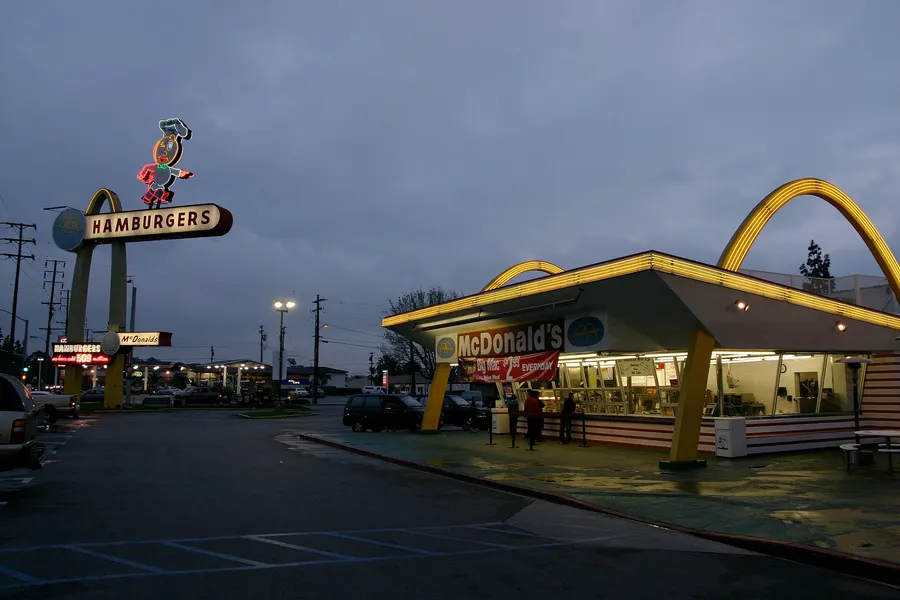
The McDonald's in Downey, California, the oldest surviving restaurant of the chainThe McDonald’s in Downey, California, the oldest surviving restaurant of the chainImage: Photo by Bryan Hong (Brybry26) · CC BY-SA 2.5
world · Americas

Two brothers open the first McDonald’s

On 15 May 1940, the brothers Richard and Maurice McDonald opened McDonald’s Bar-B-Q, a drive-in restaurant in San Bernardino, California. It was a typical roadside business of its day, with carhops bringing food to customers in their parked cars and a long menu built around barbecue. In 1948 the brothers noticed that most of their takings came from hamburgers. They closed, cut the menu, dropped the carhops and reopened with a kitchen run like an assembly line, which they called the Speedee Service System. A milkshake-mixer salesman, Ray Kroc, later began franchising their idea and bought the brothers out in 1961, turning one drive-in into a worldwide chain.

Source: Library of Congress, Inside Adams: McDonald’s Bar-B-Que? ↗
1940
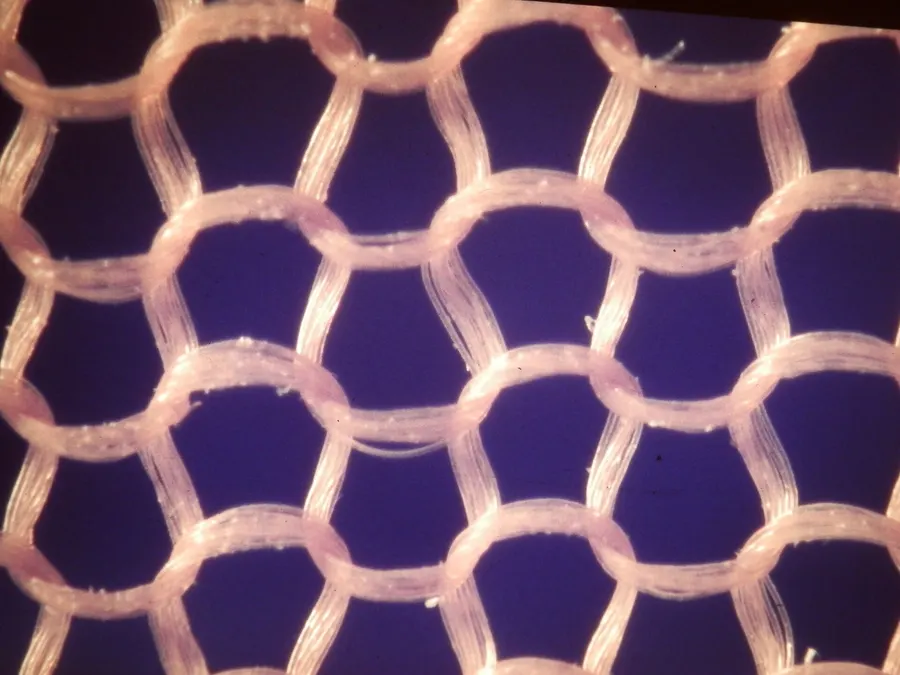
A close-up of a nylon stockingA close-up of a nylon stockingImage: Vigorini · CC BY 4.0
culture · Americas

Nylon stockings go on sale across America

On 15 May 1940, nylon stockings went on sale in shops across the United States for the first time. The new fibre had been invented at DuPont by Wallace Carothers’s team, and a small batch had been tried out in Wilmington, Delaware, the autumn before. Priced at $1.15 a pair, the stockings sold out in many stores within hours, with close to 800,000 pairs bought on the first day. Nylons quickly replaced silk, which was costly and came mostly from Japan. Within two years, though, the United States was at war and DuPont’s nylon went into parachutes, ropes and tyre cords instead. Stockings became scarce, and when they returned to the shops after 1945 the queues were long enough to earn the name nylon riots.

Source: Hagley Museum and Library: The Nylon Craze ↗
1941
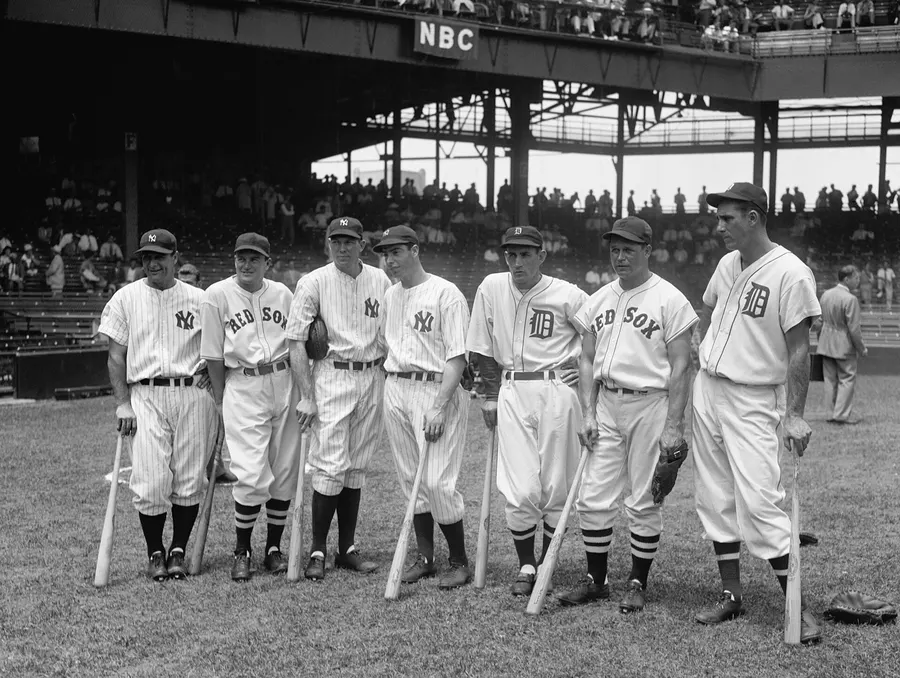
American League All-Stars in 1937, Joe DiMaggio among themAmerican League All-Stars in 1937, Joe DiMaggio among themImage: Harris & Ewing · Public domain
sport · Americas

Joe DiMaggio begins his 56-game streak

On 15 May 1941, in a 13 to 1 home defeat by the Chicago White Sox, the New York Yankees centre fielder Joe DiMaggio hit a single off the pitcher Eddie Smith. Nobody paid it much attention. It was the first game of a hitting streak that would run for two months and become one of baseball’s most famous records. DiMaggio got at least one hit in 56 games in a row, passing Willie Keeler’s old mark of 44 on 2 July. Over the run he batted .408 and hit 15 home runs. The streak finally ended in Cleveland on 17 July, and more than 80 years later no major league player has come close to it.

Source: National Baseball Hall of Fame: DiMaggio singles to start hitting streak ↗
1957
The shore of Malden Island in the central Pacific.The shore of Malden Island in the central Pacific.Image: Angela K. Kepler · Public domain
world · Oceania

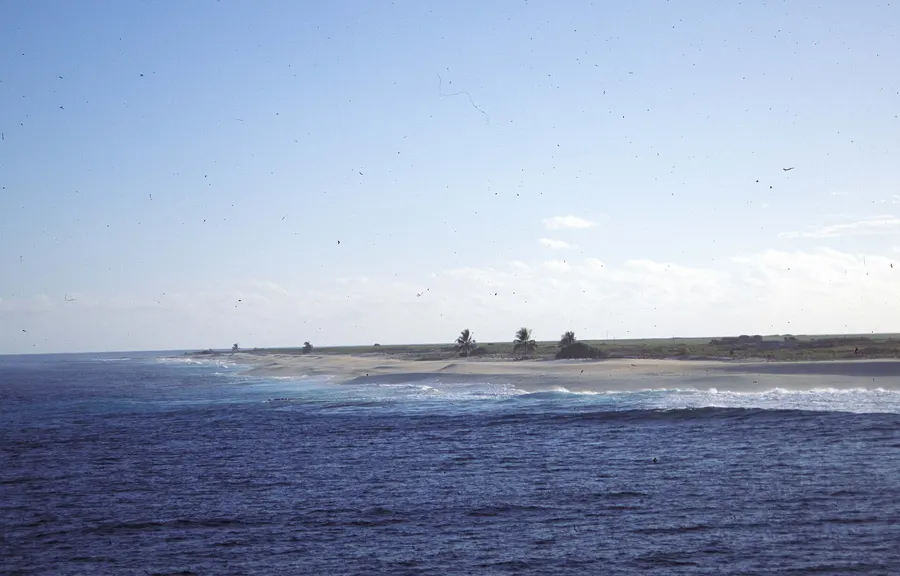
Britain tests its first hydrogen bomb design over the Pacific

On 15 May 1957, an RAF Valiant bomber dropped a device called Short Granite off Malden Island in the central Pacific, opening Operation Grapple. It was Britain’s first test of a thermonuclear design, but its yield fell well short of the megaton hoped for. A true megaton blast came only with Grapple X that November, and the success helped restore close nuclear cooperation with the United States.

Source: Imperial War Museums: Operation Grapple ↗
1958
A Soviet postage stamp of 1958 showing Sputnik 3A Soviet postage stamp of 1958 showing Sputnik 3Image: Unknown · Public domain
science · Asia

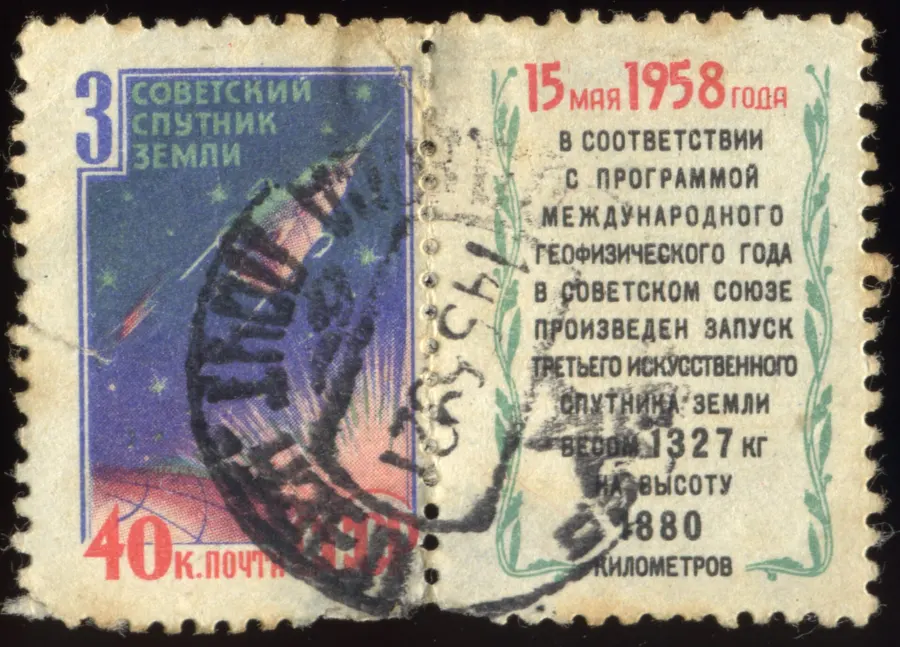
Sputnik 3 carries a laboratory into orbit

On 15 May 1958, a modified R-7 rocket lifted off from Baikonur in Kazakhstan and put Sputnik 3 into orbit. Weighing 1,327 kg, it was by far the heaviest satellite yet launched, and unlike its two predecessors it was a true flying laboratory, carrying a dozen instruments to study the upper atmosphere, cosmic rays, magnetic fields and tiny meteoric particles. The satellite was the work of Sergei Korolev’s design team, and a first attempt had broken up shortly after launch in April. Sputnik 3 sent back a great deal of data, but its tape recorder failed, so it could report only while passing over Soviet ground stations. It stayed in orbit until 1960.

Source: NASA: 60 years ago, Soviets launch Sputnik 3 ↗
1972
Shuri Castle in Naha, Okinawa, the old seat of the Ryukyu kingsShuri Castle in Naha, Okinawa, the old seat of the Ryukyu kingsImage: 663highland · CC BY 2.5
politics · Asia

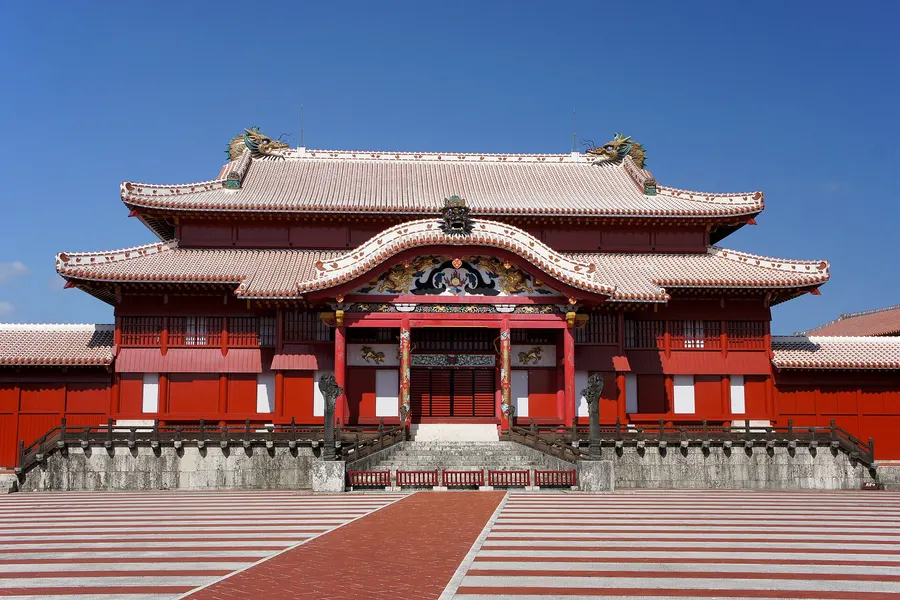
Okinawa returns to Japan

At midnight on 15 May 1972, Okinawa passed back from American to Japanese administration, 27 years after United States forces had taken the island in one of the bloodiest battles of the Second World War. Since then the Ryukyu Islands had been run by an American civil administration, with their own currency, the dollar, and passports needed for travel to mainland Japan. The handover followed years of campaigning by Okinawans and talks between Tokyo and Washington, agreed in principle in 1969 and settled by treaty in 1971. Okinawa became a Japanese prefecture once more and the yen replaced the dollar. The large American bases stayed, however, and their place on the island has remained a source of debate ever since.

Source: Britannica: Okinawa ↗
1991
politics · Europe

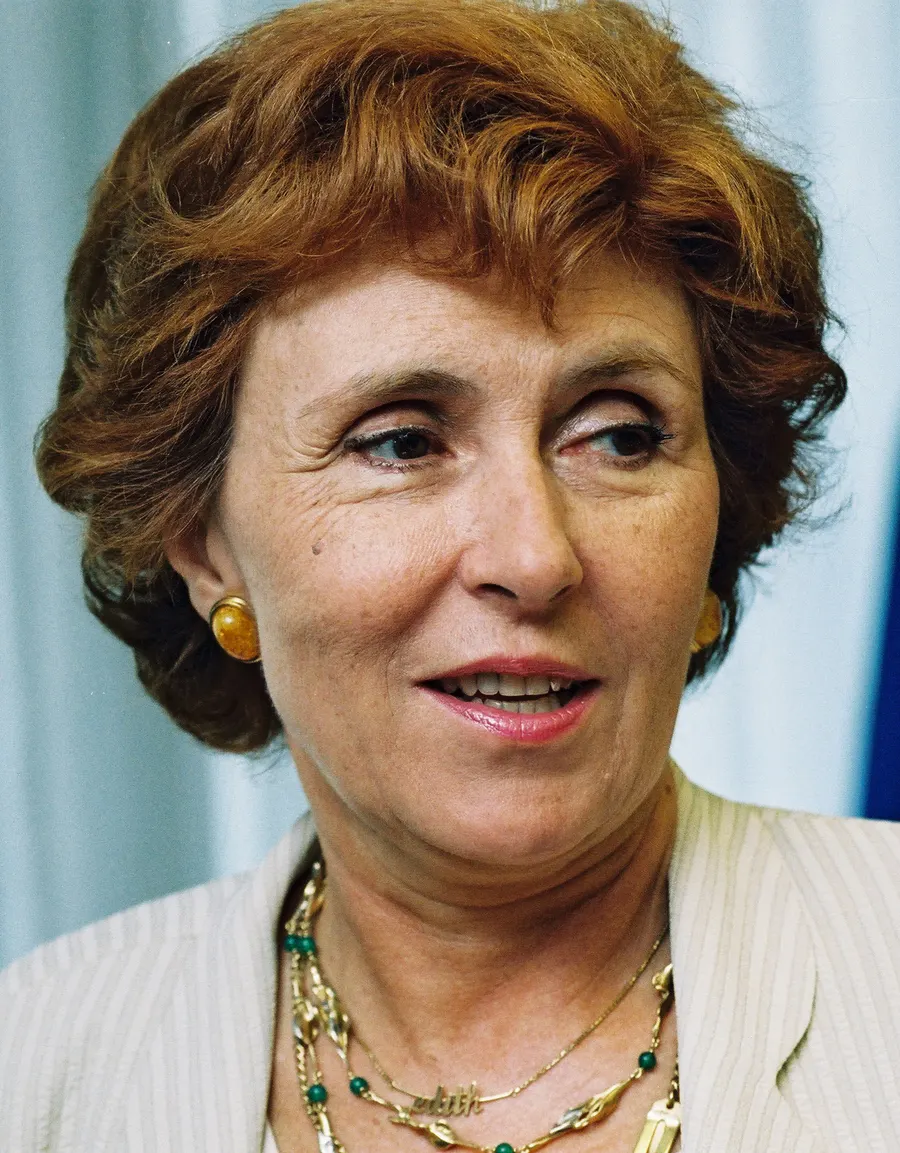
Édith Cresson becomes France’s first woman prime minister

On 15 May 1991, President François Mitterrand appointed Édith Cresson prime minister of France in place of Michel Rocard. A Socialist and a long-standing Mitterrand ally, she had already served as minister for agriculture, trade and European affairs. Her term was short and stormy: after heavy Socialist losses in regional elections she was replaced in April 1992, and no other woman held the post until 2022.

Source: Britannica: Édith Cresson ↗
WHY THESE MOMENTS?

Significance before volume

This page is not the longest possible list of events. It is a chronological journey through 15 May, where each entry is chosen for historical significance, human interest and reliability.

Facts are checked against authoritative museums, archives, universities and reference works. Where sources disagree, the page says so.

EXPLORED THE DEEPER STORY?

Return to the highlights of 15 May

Discover the lighter side of the date with famous birthdays, culture, firsts and lives remembered.

Explore This Day →
← PREVIOUS DAY14 May
HISTORY & TIMELINE15 May
NEXT DAY →16 May