
HISTORY & TIMELINE
14 May

A journey through
14 May in history

The story of 14 May runs from Simon de Montfort’s victory over Henry III at Lewes in 1264 and the killing of France’s Henry IV in 1610 to the landings at Jamestown and in Fiji and the birth of Paraguay’s independence. It closes in the 20th century with Israel’s declaration, the Warsaw Pact, a burning Freedom Riders bus in Alabama and the launch of Skylab in 1973.

JUMP THROUGH TIME
II
THE MIDDLE AGES

Medieval History

Kingdoms, conflict, faith, power and the changing medieval world.

1264
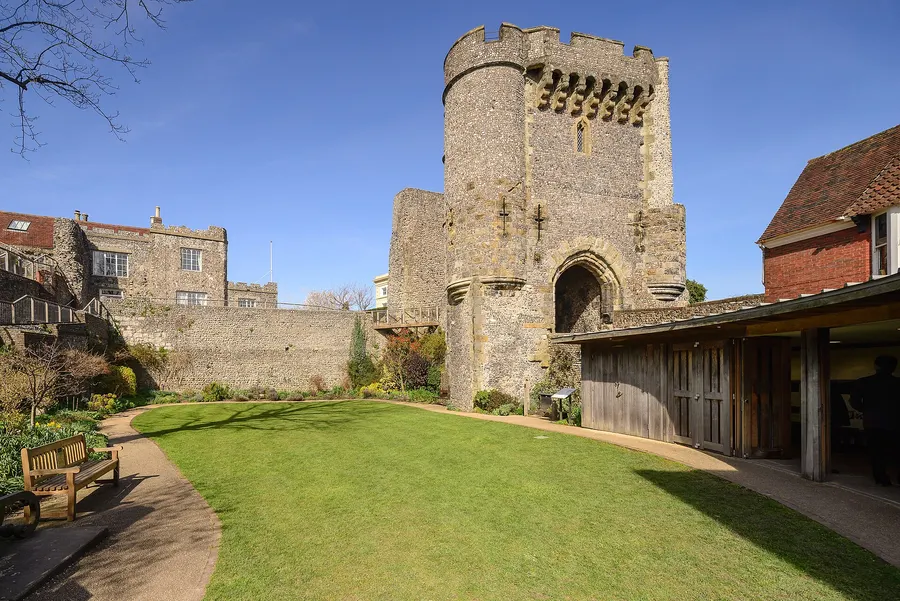
The barbican gate of Lewes Castle in East SussexThe barbican gate of Lewes Castle in East SussexImage: Arild Vågen · CC BY-SA 4.0
world · Europe

Simon de Montfort captures Henry III at Lewes

On the morning of 14 May 1264 a rebel army of barons led by Simon de Montfort lined up on the Downs above Lewes in Sussex and defeated the forces of King Henry III. The king and his son Edward were taken prisoner. For a time Montfort governed England in the king’s name, and in 1265 he called a parliament that included elected representatives of the towns, an important step in the history of Parliament.

Source: Historic England: Battle of Lewes 1264 ↗
III
A CHANGING WORLD

Early Modern Era

Exploration, political change, scientific development and expanding global connections.

1607
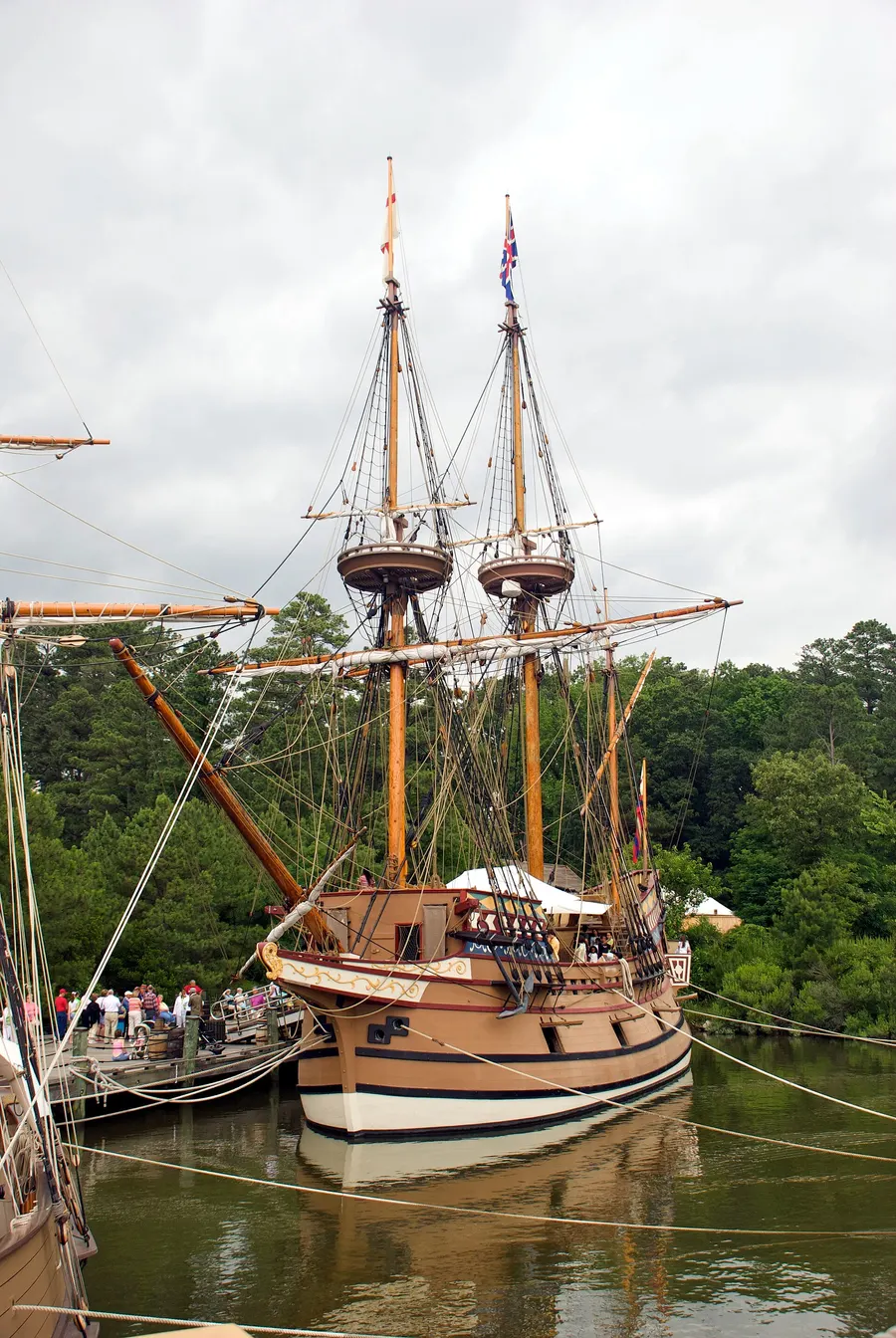
A replica of one of the three Jamestown ships, moored at Jamestown Settlement, Virginia.A replica of one of the three Jamestown ships, moored at Jamestown Settlement, Virginia.Image: Warfieldian · CC BY-SA 3.0
world · Americas

English settlers land at Jamestown

On 14 May 1607 about a hundred men and boys sent by the Virginia Company of London came ashore on a marshy island in the James River, some 60 miles up from Chesapeake Bay. They had crossed the Atlantic in three small ships, the Susan Constant, the Godspeed and the Discovery, and chose the spot because it could be defended and deep water ran close to the bank. Within weeks they had raised a triangular wooden fort, finished by mid-June. The land already belonged to the Powhatan people, and the early years brought hunger, disease and conflict that killed most of the first settlers. Yet the colony survived to become the first permanent English settlement in the Americas and, for most of the 17th century, the capital of Virginia.

Source: National Park Service: A Short History of Jamestown ↗
1610
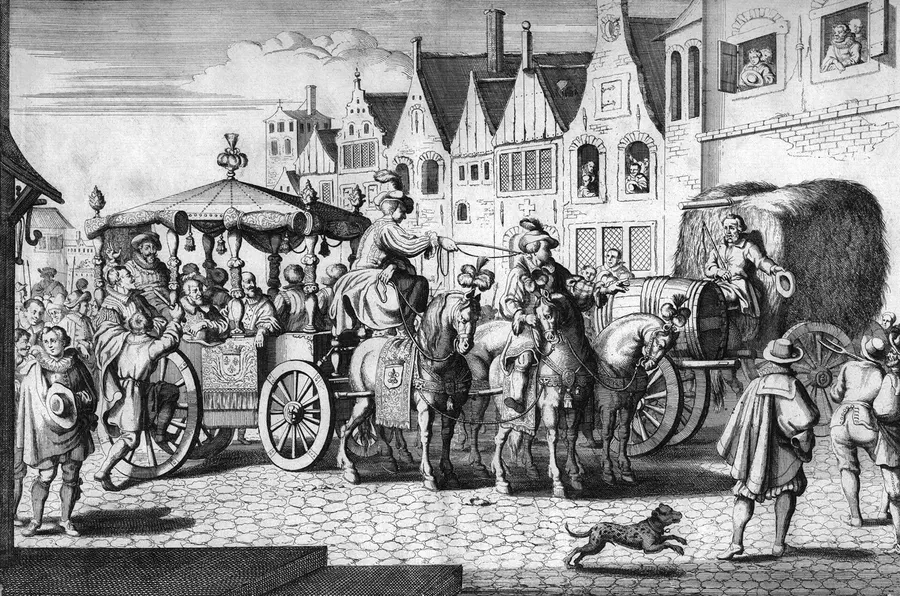
Engraving of the assassination of Henry IV by Gaspar BouttatsEngraving of the assassination of Henry IV by Gaspar BouttatsImage: Gaspar Bouttats · Public domain
politics · Europe

Henry IV of France is stabbed in a Paris street

On 14 May 1610 King Henry IV’s carriage was held up in the narrow rue de la Ferronnerie in Paris when François Ravaillac, a Catholic fanatic, climbed onto it and stabbed him. The king died soon afterwards. Henry had ended decades of religious war and granted rights to Protestants through the Edict of Nantes, and he was widely mourned. His eight-year-old son became King Louis XIII, with his mother Marie de’ Medici as regent.

Source: Britannica: François Ravaillac ↗
1643
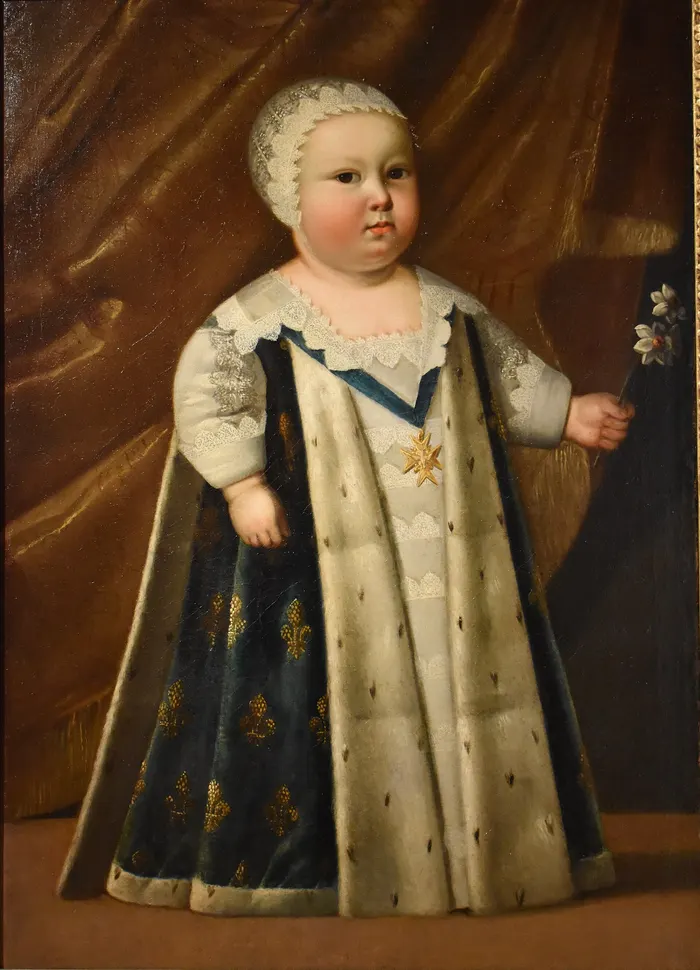
Louis XIV as a small boy, when he was still the dauphin, after a portrait by Henri and Charles Beaubrun.Louis XIV as a small boy, when he was still the dauphin, after a portrait by Henri and Charles Beaubrun.Image: After Henri and Charles Beaubrun · Public domain
politics · Europe

Four-year-old Louis XIV becomes king

When Louis XIII died on 14 May 1643, 33 years to the day after his own father’s murder, the crown of France passed to his son, a boy of four. His mother, Anne of Austria, governed as regent with Cardinal Mazarin at her side. Louis XIV went on to rule for 72 years, the longest recorded reign of any monarch in European history, and became known as the Sun King, builder of Versailles.

Source: Britannica: Louis XIV ↗
1796
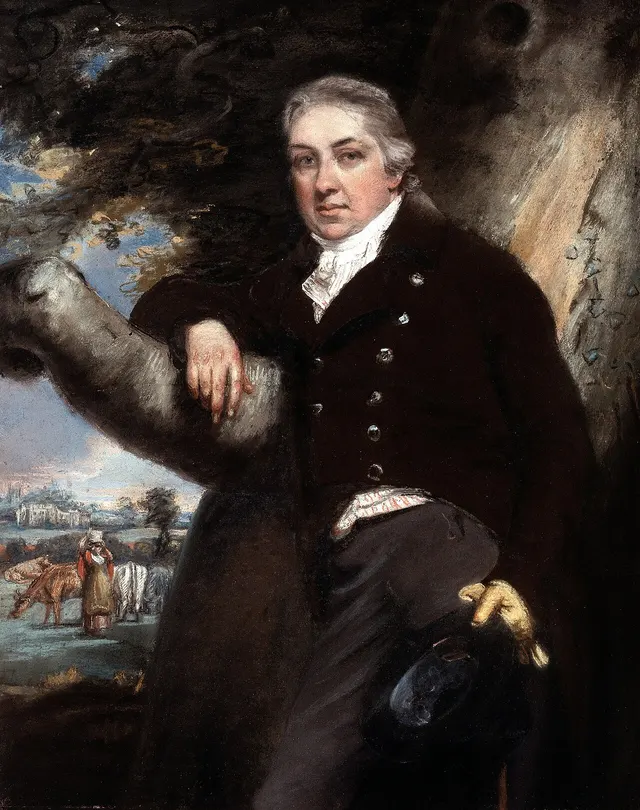
Edward Jenner, with a country scene behind him, after a portrait by John Raphael Smith.Edward Jenner, with a country scene behind him, after a portrait by John Raphael Smith.Image: John Raphael Smith · Public domain
science · Europe

Edward Jenner gives the first vaccination

Country people in Gloucestershire had long said that milkmaids who caught cowpox, a mild disease of cattle, never caught smallpox. On 14 May 1796 the Berkeley doctor Edward Jenner put the idea to the test. He took material from a cowpox sore on the hand of a milkmaid, Sarah Nelmes, and introduced it into two small cuts on the arm of James Phipps, the eight-year-old son of his gardener. The boy had a slight fever and soon recovered. Six weeks later Jenner exposed him to smallpox matter, and he did not fall ill. Jenner published his findings in 1798, calling the method vaccination after the Latin word for cow. Within a few years it had spread across Europe and beyond, and nearly two centuries later smallpox became the first human disease to be wiped out.

Source: World Health Organization: History of smallpox vaccination ↗
IV
THE NINETEENTH CENTURY

The 1800s

Industry, empire, invention, reform and a century of enormous transformation.

1804
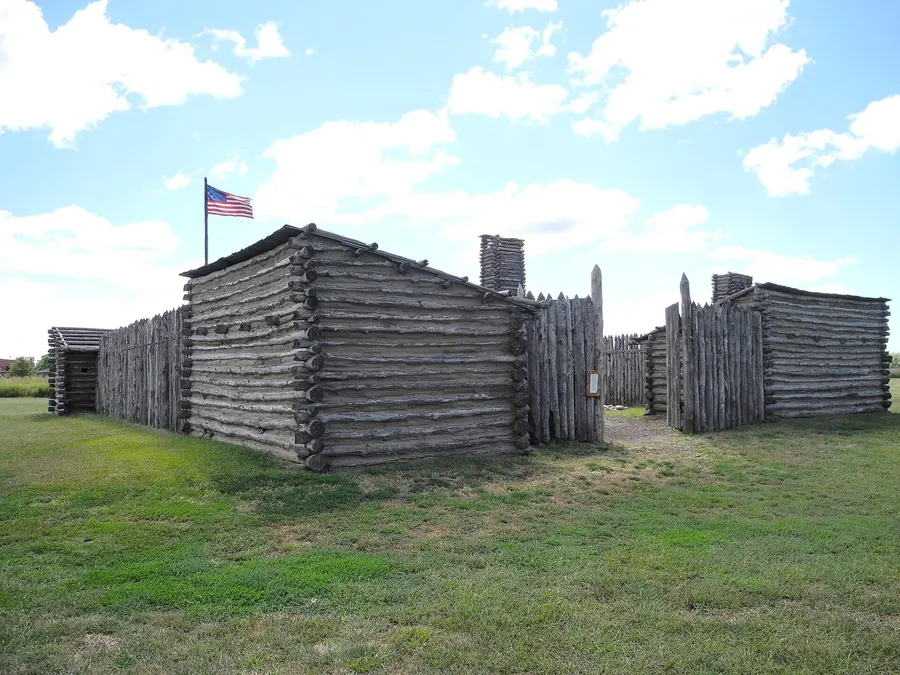
Reconstruction of Camp Dubois at the Lewis and Clark State Historic Site, IllinoisReconstruction of Camp Dubois at the Lewis and Clark State Historic Site, IllinoisImage: Kbh3rd · CC BY-SA 3.0
world · Americas

Lewis and Clark’s expedition sets off up the Missouri

In the late afternoon of 14 May 1804 William Clark and around 40 men left Camp Dubois, their winter base on the Mississippi near St Louis, and began rowing up the Missouri River. Meriwether Lewis joined them a few days later at St Charles. Sent by President Thomas Jefferson to explore the newly bought Louisiana Territory, the Corps of Discovery reached the Pacific the following year and returned in 1806.

Source: National Park Service: Camp Dubois, Illinois ↗
1811
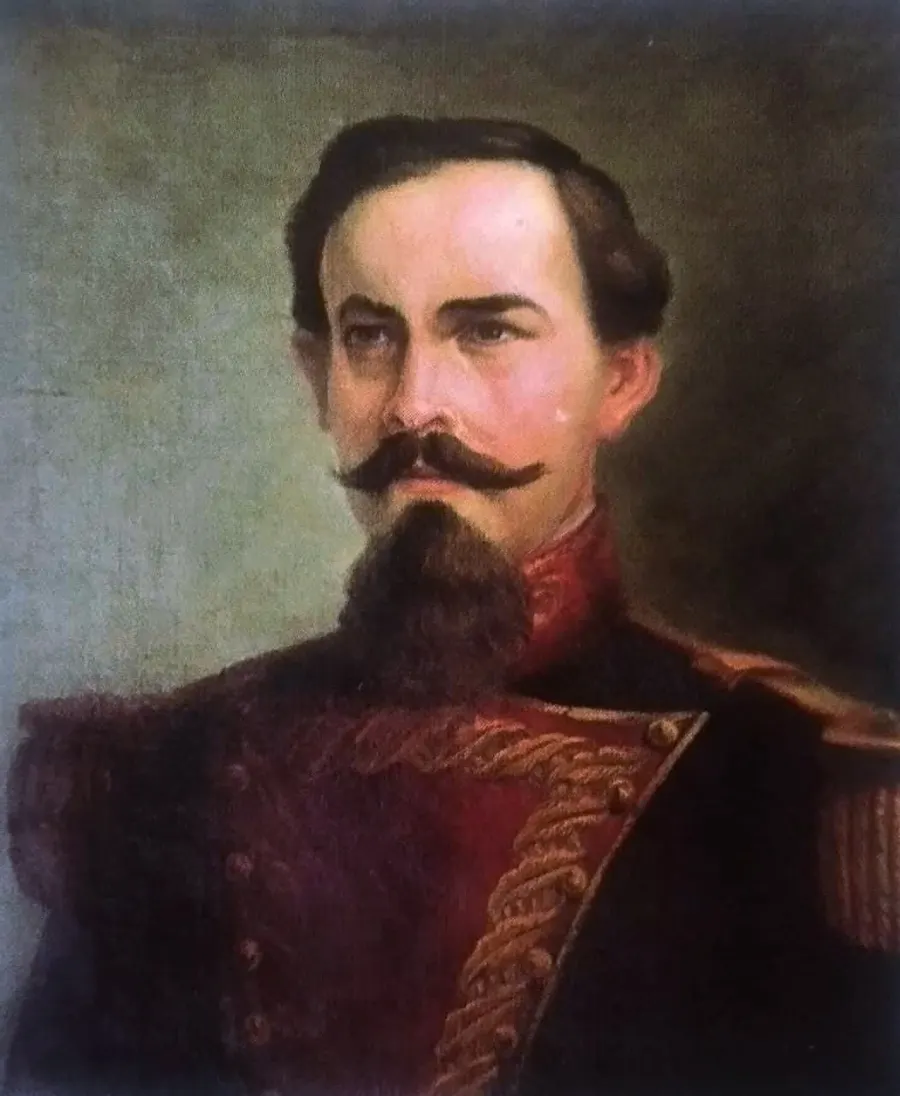
Portrait of Fulgencio Yegros painted by Pablo Alborno in 1910Portrait of Fulgencio Yegros painted by Pablo Alborno in 1910Image: Pablo Alborno (1910) · CC BY-SA 4.0
politics · Americas

Paraguay breaks away from Spanish rule

In the spring of 1811 Paraguay’s militia had just beaten off an army sent from Buenos Aires, which wanted the province under its control. When the Spanish governor turned to Portugal for help, local officers decided they had had enough. On the night of 14 May, led by captains Pedro Juan Caballero and Fulgencio Yegros, they took over the barracks in Asunción and forced the governor to give up his power. A ruling junta was set up under Yegros, though the lawyer José Gaspar Rodríguez de Francia soon became its strongest voice and later ruled the country alone for decades. Paraguay formally declared itself a republic in 1813. Today the country marks its independence over two days, on 14 and 15 May, with flags, parades and family gatherings.

Source: Britannica: History of Paraguay ↗
1878
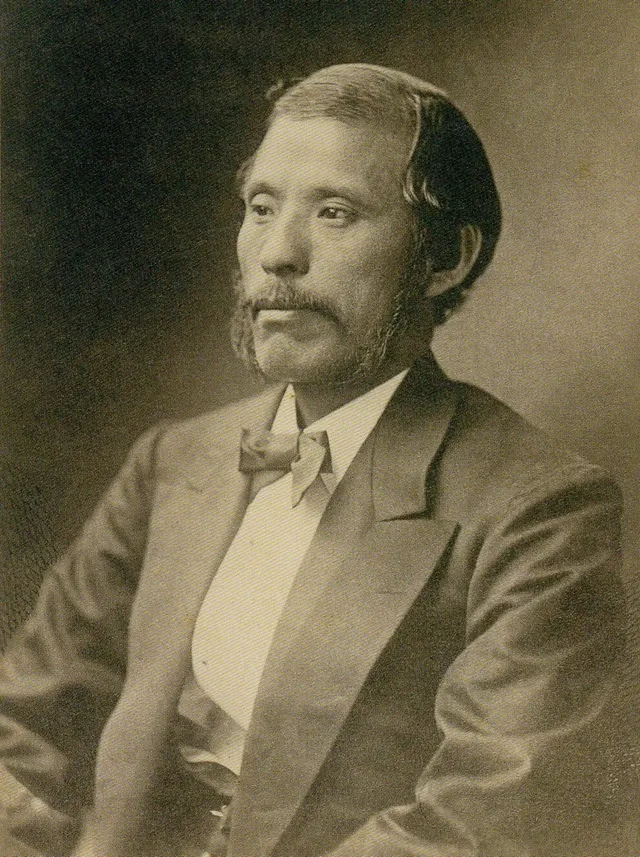
Ōkubo Toshimichi, photographed in Washington, DC, in 1872.Ōkubo Toshimichi, photographed in Washington, DC, in 1872.Image: Unknown photographer (Washington, DC, 1872) · Public domain
politics · Asia

Ōkubo Toshimichi, architect of modern Japan, is killed

On 14 May 1878 Ōkubo Toshimichi, one of the samurai leaders who had overthrown the Tokugawa shogunate and restored the emperor’s rule in 1868, was assassinated in Tokyo by a group of discontented former samurai. As home minister he had driven Japan’s rapid modernisation and put down the Satsuma Rebellion the year before. His post passed to Itō Hirobumi, who later became Japan’s first prime minister.

Source: Britannica: Ōkubo Toshimichi ↗
1879
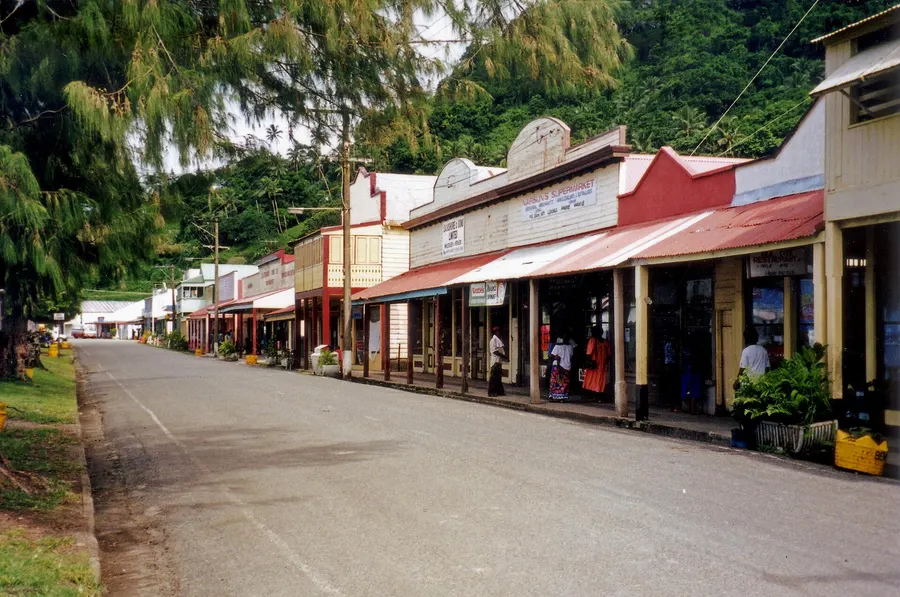
Beach Street in Levuka, the old capital of Fiji on the island of OvalauBeach Street in Levuka, the old capital of Fiji on the island of OvalauImage: Anton Leddin · CC BY-SA 3.0
world · Oceania

The first indentured Indians reach Fiji

On the evening of 14 May 1879 the sailing ship Leonidas anchored off Levuka, then the capital of Fiji, after a hard voyage of more than two months from Calcutta. On board were nearly 500 men, women and children recruited in India to work on Fiji’s sugar plantations under contracts of indenture. Cholera and smallpox had broken out at sea, and a number of passengers died before landfall. The labourers became known as Girmitiyas, from the English word agreement. The Leonidas was the first of dozens of ships, and over the following decades more than 60,000 people made the same journey. Their descendants now form a large part of Fiji’s population, and 14 May is remembered each year in Fiji as Girmit Day.

Source: Fiji Government: Fiji and India reflect on Girmit Day ↗
V
THE TWENTIETH CENTURY

The 1900s

War and peace, technological leaps, social change, politics, sport and popular culture.

1900
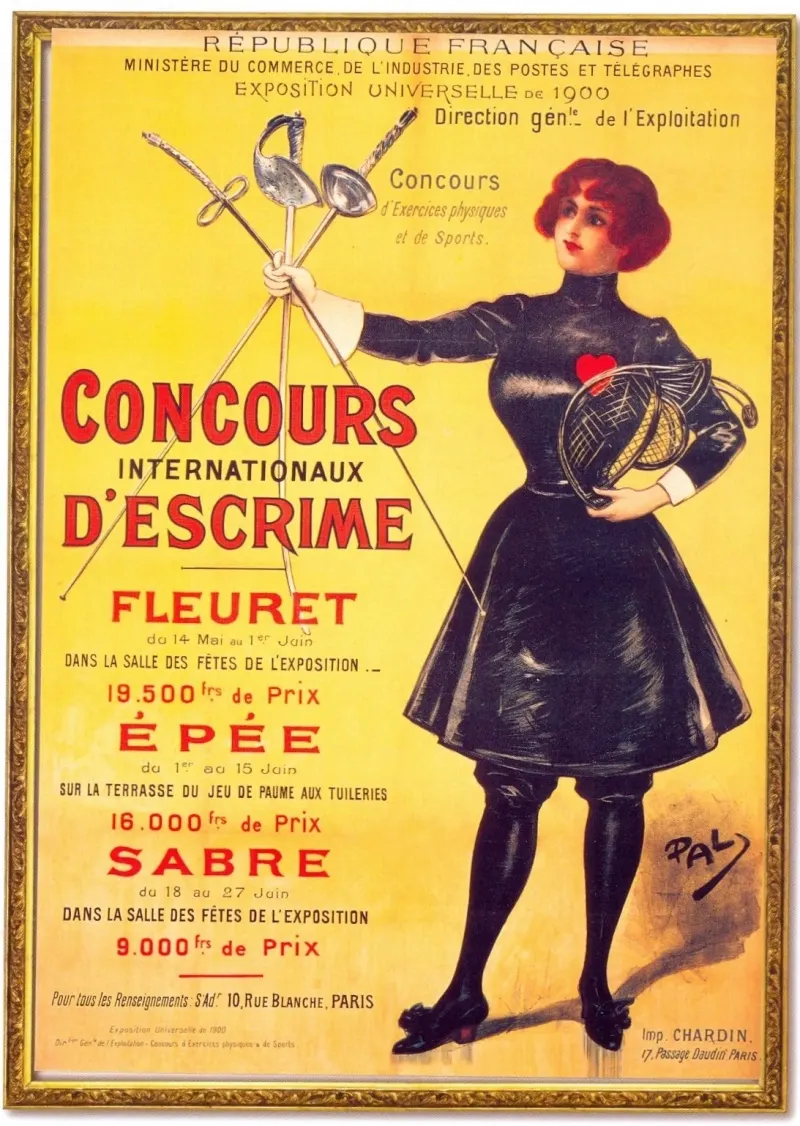
Poster for the fencing competitions of the 1900 Games in ParisPoster for the fencing competitions of the 1900 Games in ParisImage: Jean de Paleologu · Public domain
sport · Europe

The Paris Olympics begin without a ceremony

The second modern Olympic Games opened in Paris on 14 May 1900, though hardly anyone noticed. They were folded into the vast Exposition Universelle, the world’s fair of that year, and there was no opening ceremony at all. Events were scattered across more than five months, ending on 28 October, and some competitors never realised they had taken part in the Olympics. Despite the confusion, the Paris Games made history. Women competed for the first time, in sports including tennis and golf, and the programme ranged from athletics and rowing to unusual contests that never returned. Paris would host the Games again in 1924 and 2024, making it one of the few cities to stage the Olympics three times.

Source: Britannica: Paris 1900 Olympic Games ↗
1925
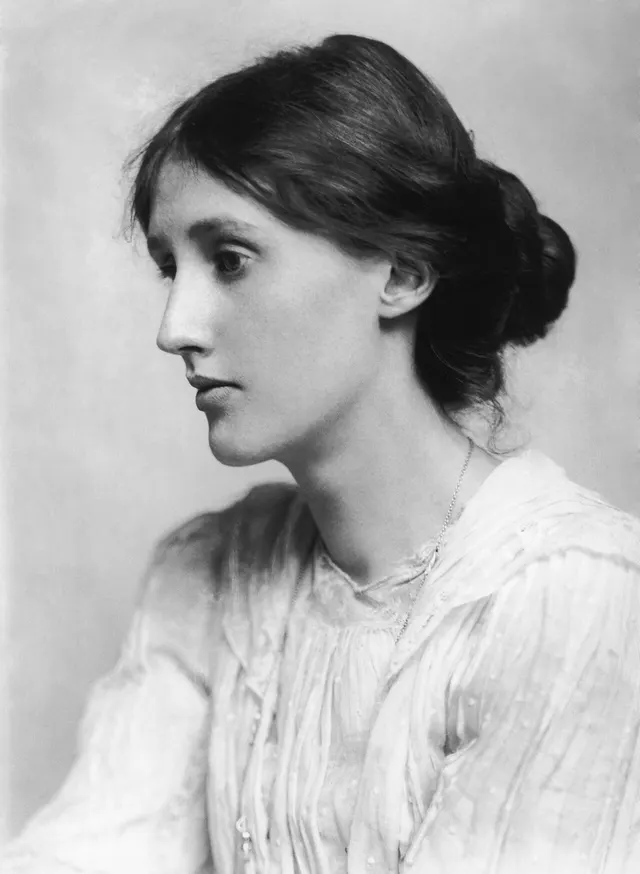
Portrait photograph of the novelist Virginia WoolfPortrait photograph of the novelist Virginia WoolfImage: George Charles Beresford / Adam Cuerden · Public domain
culture · Europe

Virginia Woolf publishes Mrs Dalloway

On 14 May 1925 the Hogarth Press, the small publishing house Virginia Woolf ran with her husband Leonard, brought out her fourth novel, Mrs Dalloway. Its jacket was designed by her sister, the painter Vanessa Bell. The book follows a single day in June 1923 as Clarissa Dalloway, a London society hostess, walks through the city and prepares for a party that evening. Running alongside her story is that of Septimus Warren Smith, a former soldier still haunted by the First World War. Woolf moves in and out of her characters’ thoughts, letting memory and the present flow together, and the novel became one of the landmarks of modernist writing. It has since been adapted for film and inspired Michael Cunningham’s novel The Hours.

Source: JSTOR Daily: Celebrating Mrs. Dalloway ↗
1948
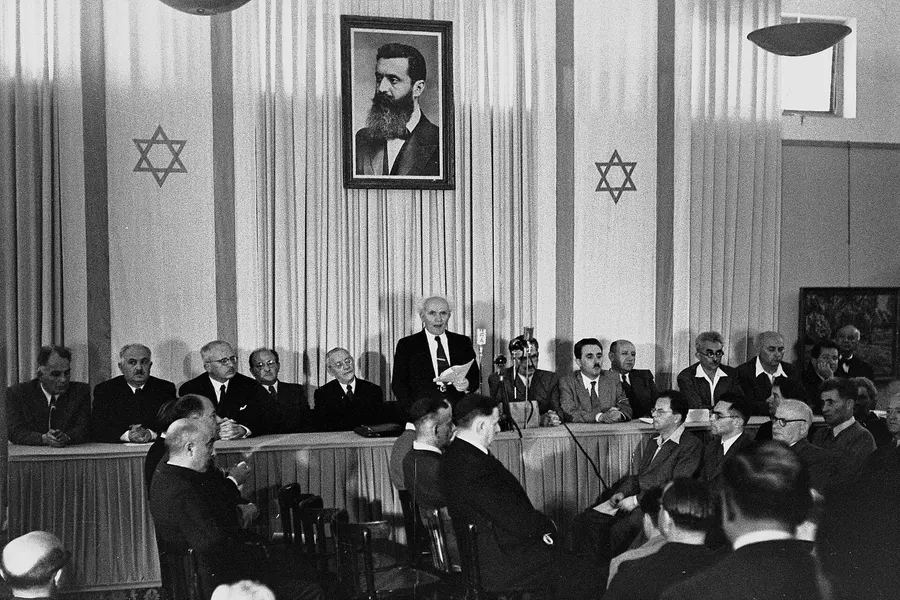
David Ben-Gurion reads the declaration in the Tel Aviv Museum, 14 May 1948David Ben-Gurion reads the declaration in the Tel Aviv Museum, 14 May 1948Image: Rudi Weissenstein · Public domain
politics · Middle East

The State of Israel is proclaimed

At four o’clock on the afternoon of Friday 14 May 1948, David Ben-Gurion stood in the hall of the Tel Aviv Museum on Rothschild Boulevard and read out the declaration establishing the State of Israel. It came eight hours before the British Mandate for Palestine was due to end. Only a small audience was present, but the ceremony was carried live on radio. The United States recognised the new state that same night, and the Soviet Union followed within days. The next day armies from neighbouring Arab states entered the territory, widening the war that had already begun. Israelis mark the date as their independence, while Palestinians remember the flight and expulsion of hundreds of thousands of people in this period as the Nakba.

Source: Israel Ministry of Foreign Affairs: The Declaration of the Establishment of the State of Israel ↗
1955
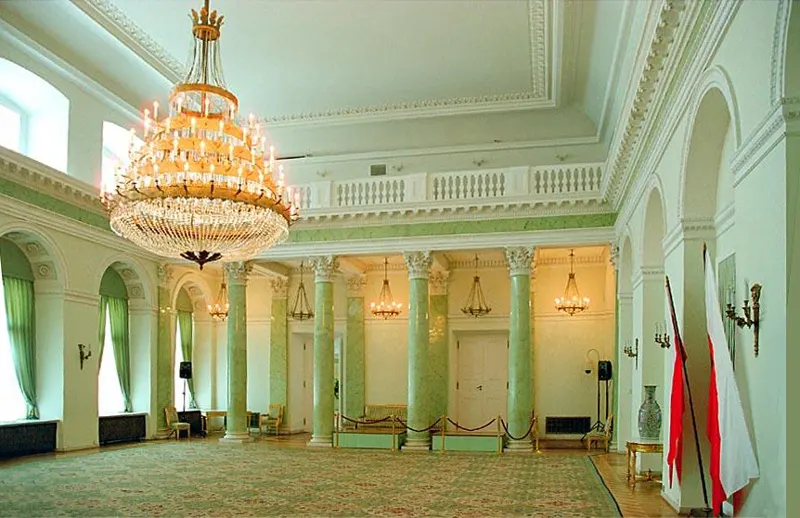
A hall inside the Presidential Palace in Warsaw.A hall inside the Presidential Palace in Warsaw.Image: Marek and Ewa Wojciechowscy · CC BY-SA 3.0
politics · Europe

Eight states sign the Warsaw Pact

On 14 May 1955 the Soviet Union and seven Eastern European states, Albania, Bulgaria, Czechoslovakia, East Germany, Hungary, Poland and Romania, signed a Treaty of Friendship, Cooperation and Mutual Assistance in Warsaw. It came days after West Germany had joined NATO, and Moscow presented the new alliance as the East’s answer to the Western defence pact. The treaty created a joint military command under Soviet leadership and allowed Soviet troops to be based across the member states. Its forces were later used against members themselves, most famously in Czechoslovakia in 1968. The alliance faded after the revolutions of 1989 and was formally dissolved in 1991, and several of its former members have since joined NATO.

Source: Britannica: Warsaw Treaty Organization ↗
1961
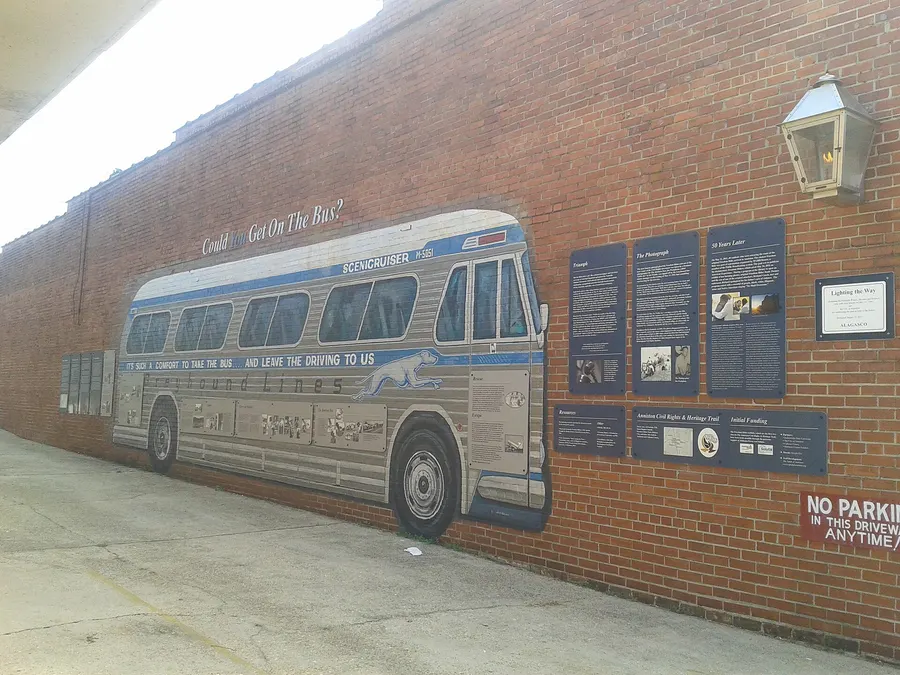
Bus mural and signage at the Freedom Riders National Monument in Anniston, AlabamaBus mural and signage at the Freedom Riders National Monument in Anniston, AlabamaImage: Ser Amantio di Nicolao · CC BY-SA 4.0
politics · Americas

A Freedom Riders bus is set alight in Alabama

On Sunday 14 May 1961, Mother’s Day, a mob attacked a Greyhound bus carrying black and white Freedom Riders who were testing the ban on segregated interstate travel. Outside Anniston, Alabama, its tyres were slashed and a firebomb was thrown inside. The riders escaped the burning bus, and several were beaten. Photographs of the wreck shocked the nation and helped push the federal government to enforce desegregation on buses.

Source: National Park Service: Greyhound Bus Burning Site ↗
1973
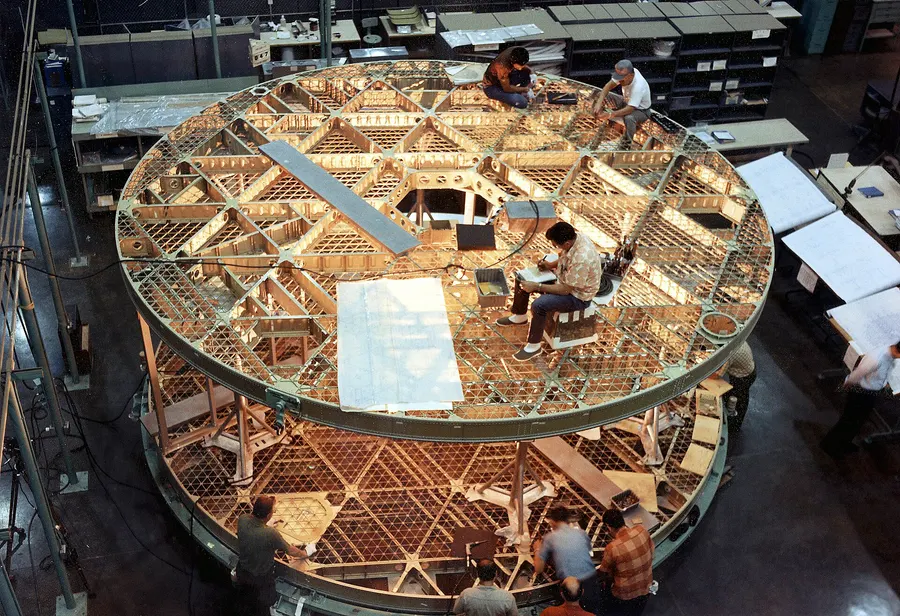
Skylab's orbital workshop being assembled, seen from above.Skylab’s orbital workshop being assembled, seen from above.Image: NASA · Public domain
science · Americas

Skylab, America’s first space station, is launched

On 14 May 1973 a Saturn V rocket lifted Skylab into orbit from Florida. About a minute into the flight its protective shield tore away, ripping off one solar panel and jamming the other. The first crew’s launch was delayed while engineers worked out a rescue, and astronauts then repaired the station in orbit. Three crews lived aboard Skylab until February 1974, carrying out experiments and studying the Sun.

Source: NASA: 50 Years Ago, The Launch of Skylab ↗
RESEARCH

Sources & Further Reading

Selected authoritative references supporting the events on this page.

WHY THESE MOMENTS?

Significance before volume

This page is not the longest possible list of events. It is a chronological journey through 14 May, where each entry is chosen for historical significance, human interest and reliability.

Facts are checked against authoritative museums, archives, universities and reference works. Where sources disagree, the page says so.

EXPLORED THE DEEPER STORY?

Return to the highlights of 14 May

Discover the lighter side of the date with famous birthdays, culture, firsts and lives remembered.

Explore This Day →
← PREVIOUS DAY13 May
HISTORY & TIMELINE14 May
NEXT DAY →15 May