
HISTORY & TIMELINE
13 May

A journey through
13 May in history

The story of 13 May runs from the beheading of the Dutch statesman Johan van Oldenbarnevelt in The Hague in 1619 to a student hunger strike in Beijing in 1989. In between come a peace that ended the ‘potato war’, a new republic in the Andes, a comet spotted by an Australian farmer, a first summit on the white mountain of Nepal and shots fired in St Peter’s Square.

JUMP THROUGH TIME
III
A CHANGING WORLD

Early Modern Era

Exploration, political change, scientific development and expanding global connections.

1619
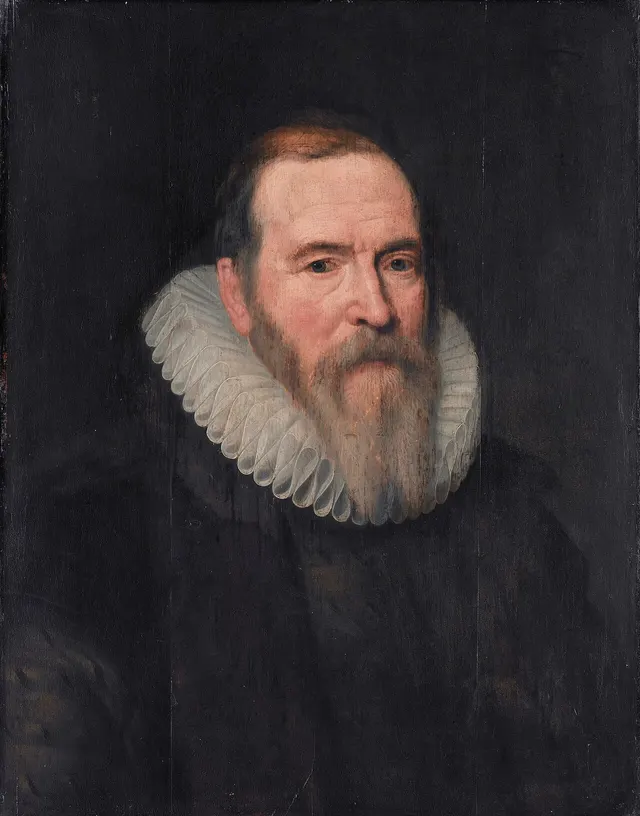
Johan van Oldenbarnevelt, painted by the workshop of Michiel van MiereveltJohan van Oldenbarnevelt, painted by the workshop of Michiel van MiereveltImage: Workshop of Michiel Jansz. van Mierevelt · Public domain
politics · Europe

Johan van Oldenbarnevelt is beheaded in The Hague

For three decades Johan van Oldenbarnevelt had been the leading statesman of the young Dutch Republic, steering its fight for independence from Spain. A bitter religious and political quarrel set him against Maurice of Nassau, the military leader of the republic. Arrested in 1618 and condemned for subverting the country’s religion and government, the 71-year-old was beheaded on a scaffold at the Binnenhof on 13 May 1619, leaving Maurice supreme.

Source: Britannica: Johan van Oldenbarnevelt ↗
1779
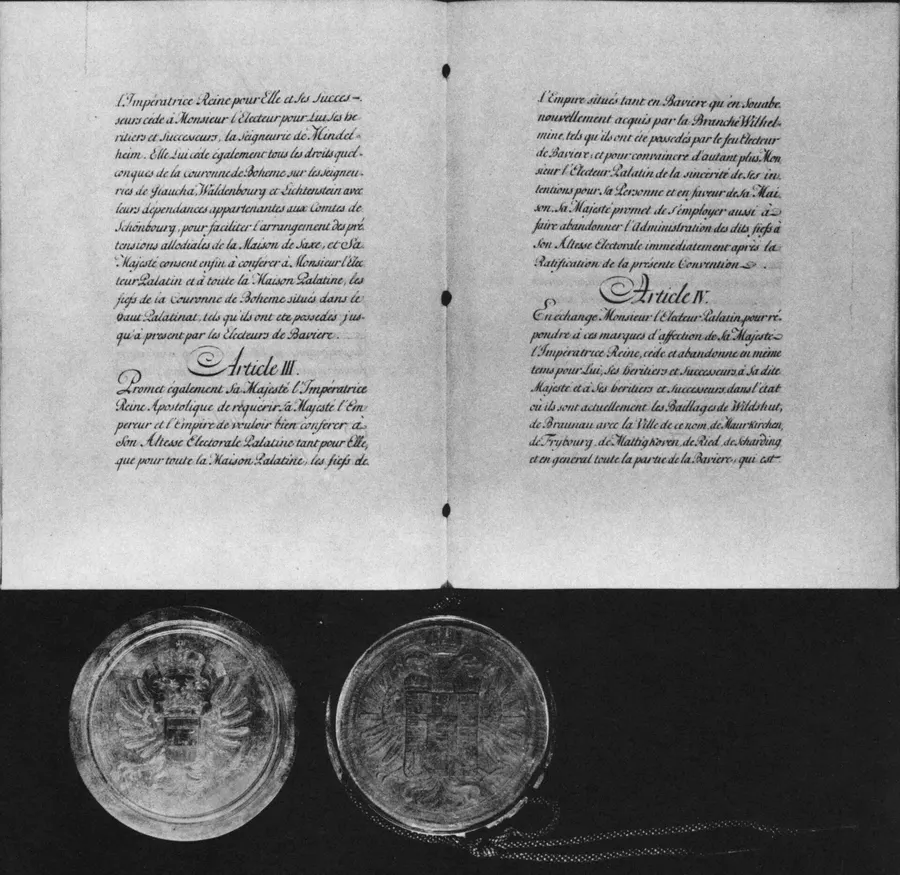
A page of the Treaty of Teschen, 1779A page of the Treaty of Teschen, 1779Image: Maria Theresa of Austria · Public domain
politics · Europe

The Treaty of Teschen ends the ‘potato war’

Austria’s Joseph II had hoped to take over much of Bavaria, but Frederick the Great of Prussia marched to stop him in 1778. The armies spent more time seizing each other’s supplies than fighting, and soldiers nicknamed it the potato war. With France and Russia acting as go-betweens, the two powers made peace at Teschen, in Silesia, on 13 May 1779. Austria gained only the small Inn district, and Bavaria stayed independent.

Source: Britannica: Treaty of Teschen ↗
IV
THE NINETEENTH CENTURY

The 1800s

Industry, empire, invention, reform and a century of enormous transformation.

1830
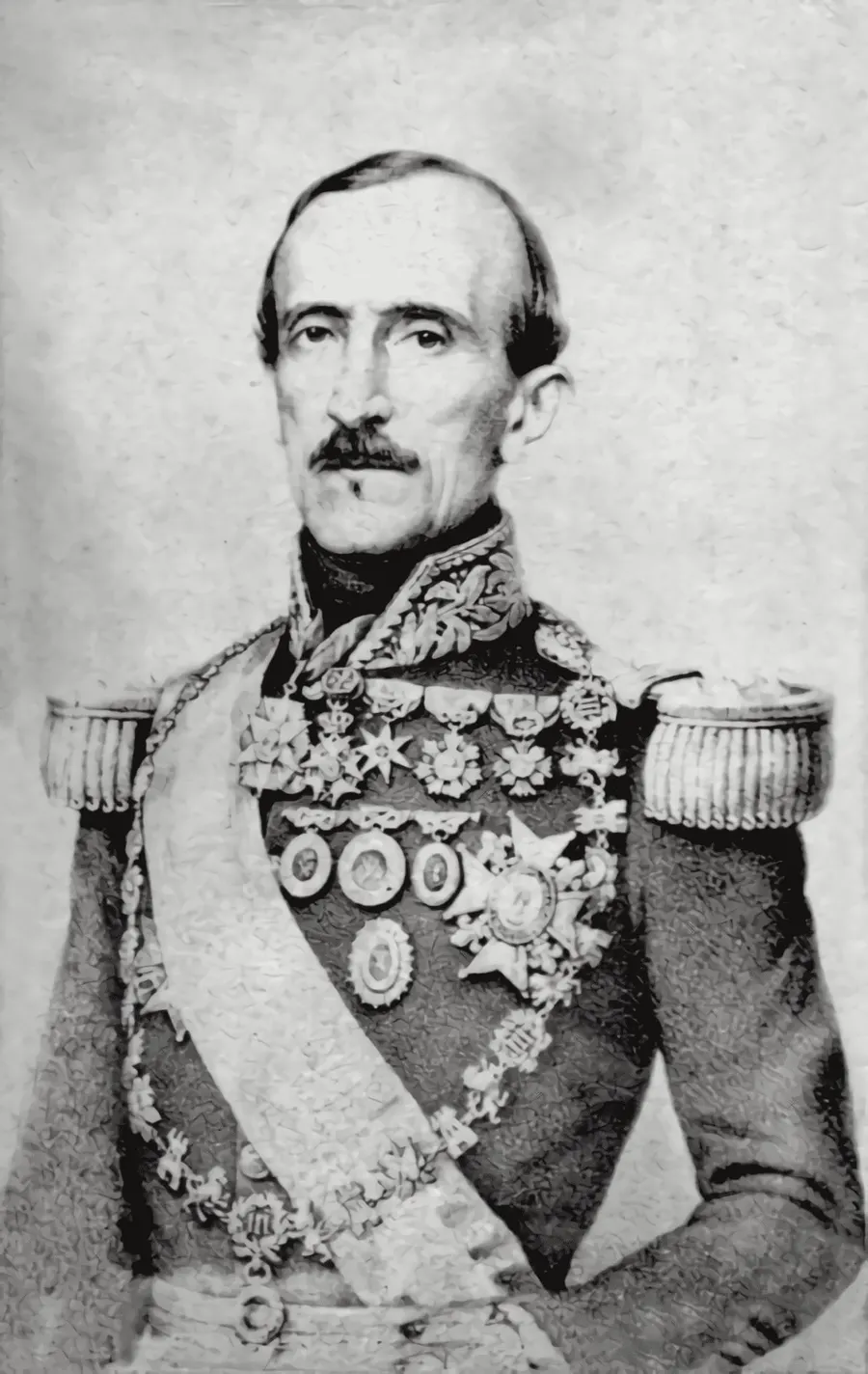
Juan José Flores, first president of EcuadorJuan José Flores, first president of EcuadorImage: Banrepcultural · CC BY 2.0
politics · Americas

Ecuador breaks away from Gran Colombia

After the wars of independence, the lands of today’s Ecuador formed the southern part of Gran Colombia, Simón Bolívar’s great republic that also took in Colombia, Venezuela and Panama. Rivalries between its regions pulled it apart, and on 13 May 1830 leaders in Quito declared Ecuador a separate, independent state. The Venezuelan-born general Juan José Flores became its first president, and the rest of Gran Colombia dissolved the same year.

Source: Britannica: History of Ecuador ↗
1846
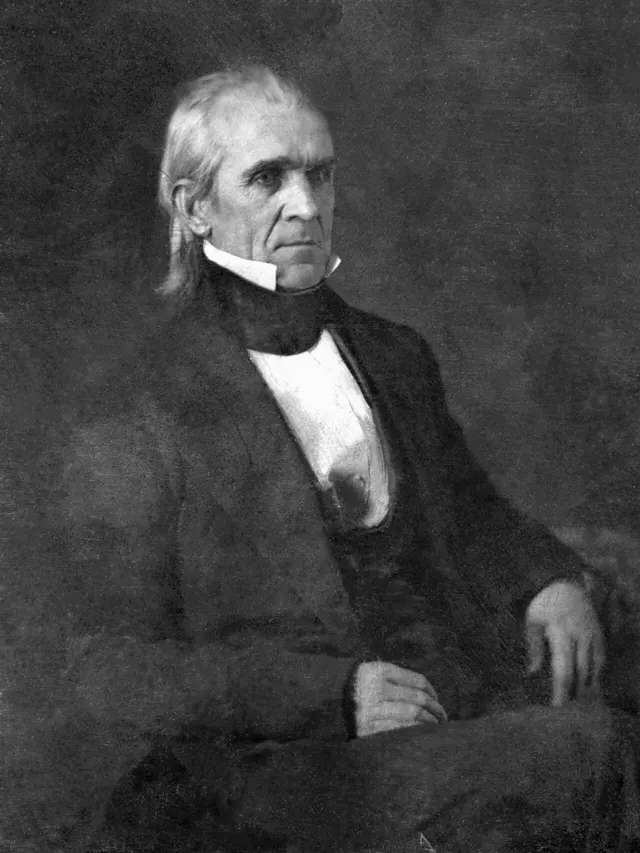
James K. Polk, eleventh president of the United StatesJames K. Polk, eleventh president of the United StatesImage: Mathew B. Brady (restoration by Superwikifan) · Public domain
world · Americas

The United States declares war on Mexico

The American annexation of Texas in 1845 had left the border with Mexico in dispute. After a clash between the two armies in the contested land north of the Rio Grande, President James K. Polk told Congress that American blood had been shed on American soil. On 13 May 1846 Congress declared war, by 40 votes to 2 in the Senate. The war ended in 1848 with Mexico giving up about half its territory.

Source: US Senate: The Senate votes for war against Mexico ↗
1861
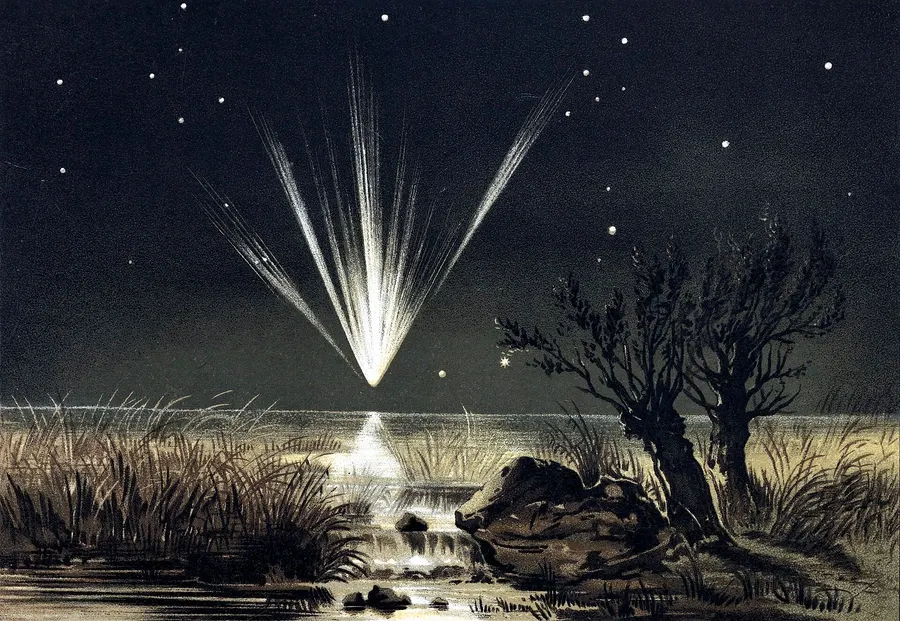
The Great Comet of 1861, drawn by the astronomer Edmund WeissThe Great Comet of 1861, drawn by the astronomer Edmund WeissImage: Edmund Weiss · Public domain
science · Oceania

A farmer in New South Wales spots the Great Comet

John Tebbutt was a young farmer at Windsor, near Sydney, who studied the sky from a small wooden observatory on his family’s land. On the evening of 13 May 1861 he noticed a faint, fuzzy object through a simple marine telescope. Watching it over the following nights, he saw it move against the stars and announced that he had found a comet. It grew into one of the finest comets of the 19th century, visible to the naked eye for about three months, with a tail that at one point stretched across more than 100 degrees of sky. Tebbutt went on to become one of Australia’s best-known astronomers, discovered a second great comet in 1881 and was later pictured on the Australian 100-dollar note.

Source: Australian Dictionary of Biography: John Tebbutt ↗
1888
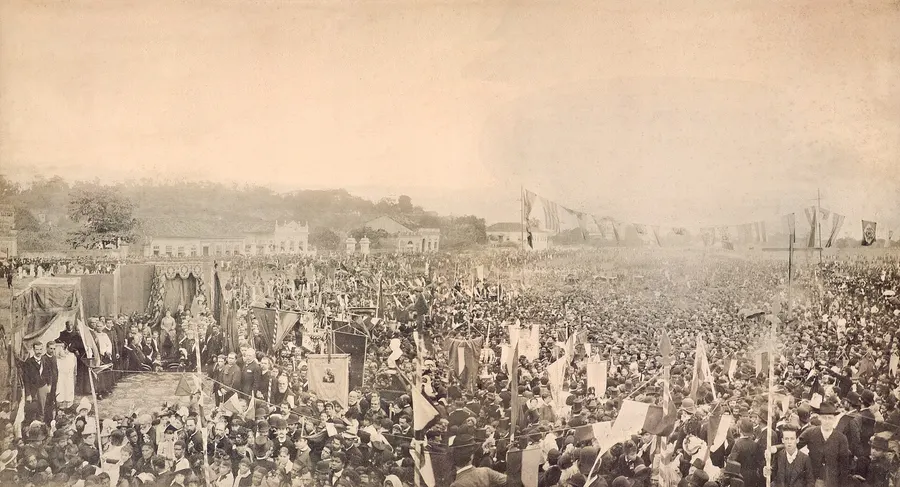
An open-air Mass in Rio de Janeiro on 17 May 1888, held to celebrate the end of slavery, photographed by Antônio Luiz FerreiraAn open-air Mass in Rio de Janeiro on 17 May 1888, held to celebrate the end of slavery, photographed by Antônio Luiz FerreiraImage: Antônio Luiz Ferreira · Public domain
politics · Americas

Brazil’s Golden Law ends slavery

With Emperor Pedro II abroad, his daughter Princess Isabel, acting as regent, signed a short law of just two articles on 13 May 1888. It declared slavery extinct in Brazil from that day. Known as the Lei Áurea, or Golden Law, it freed around 700,000 people who were still enslaved, and it offered no compensation at all to those who had owned them. Brazil had taken more enslaved Africans than any other country in the Americas and was the last nation in the western hemisphere to abolish slavery. The law was greeted with days of celebration in Rio de Janeiro, but it angered many powerful landowners. Their loss of faith in the monarchy helped bring about its fall, when the army declared a republic the following year.

Source: Britannica: Brazil, the collapse of the empire ↗
V
THE TWENTIETH CENTURY

The 1900s

War and peace, technological leaps, social change, politics, sport and popular culture.

1917
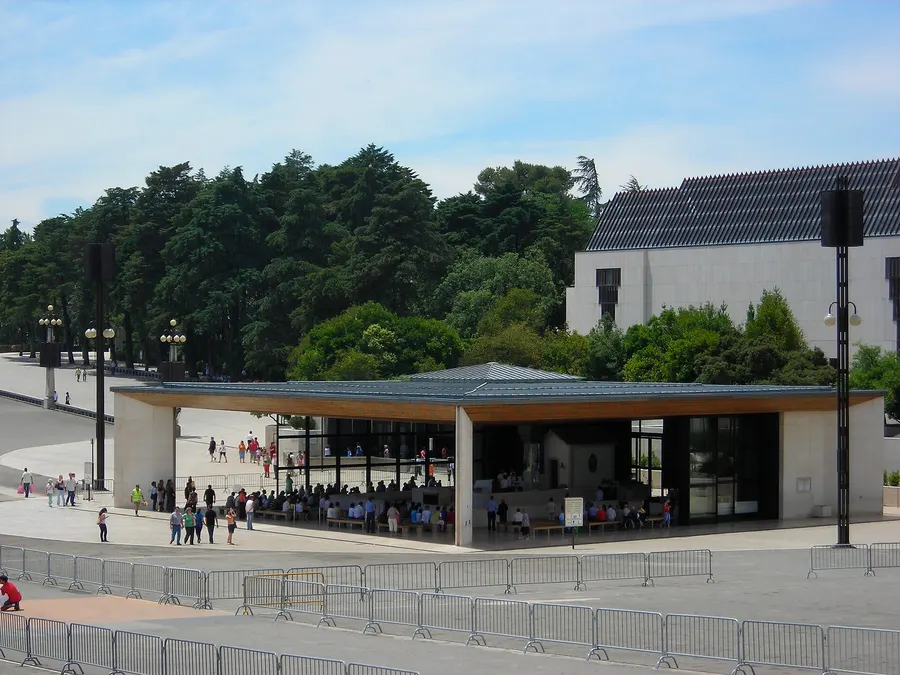
The Chapel of the Apparitions at the Sanctuary of Fátima, PortugalThe Chapel of the Apparitions at the Sanctuary of Fátima, PortugalImage: Therese C · CC BY 2.0
culture · Europe

Three shepherd children report a vision at Fátima

Lúcia dos Santos, aged nine, and her younger cousins Francisco and Jacinta Marto were minding sheep near the village of Fátima in central Portugal on 13 May 1917. They said a woman surrounded by light had appeared to them, later calling herself the Lady of the Rosary, and asked them to pray the rosary for peace while the First World War raged. The children reported seeing her on the 13th of each month until October, when a crowd of tens of thousands gathered and many described the sun seeming to spin and plunge towards Earth. The Catholic Church approved the visions in 1930, and Fátima grew into one of the world’s great pilgrimage sites, with 13 May kept as the feast of Our Lady of Fátima.

Source: Britannica: Our Lady of Fatima ↗
1940
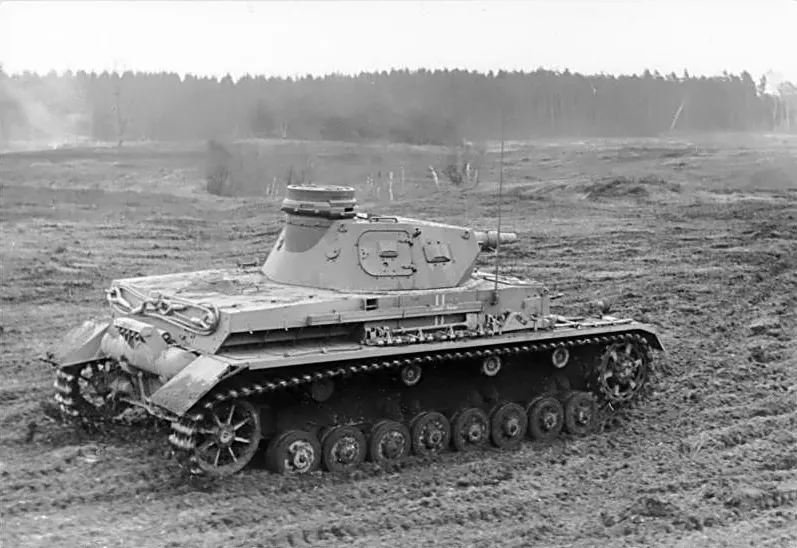
A German Panzer IV tank in a German Federal Archives photograph from the 'In the West' series; it is not from the Meuse crossing itself.A German Panzer IV tank in a German Federal Archives photograph from the ‘In the West’ series; it is not from the Meuse crossing itself.Image: Gutjahr · CC BY-SA 3.0 de
world · Europe

German troops cross the Meuse as Churchill offers ‘blood, toil, tears and sweat’

Three days after Germany attacked the Low Countries, its armoured columns emerged from the wooded Ardennes and reached the river Meuse. At Sedan, wave after wave of dive bombers pounded the French positions on the far bank, and German infantry crossed in rubber boats and on rafts. French commanders had thought an attack through the Ardennes almost impossible, and the defenders there were short of anti-tank and anti-aircraft guns. That same afternoon in London, Winston Churchill made his first speech to the House of Commons as prime minister. He told members he had nothing to offer but ‘blood, toil, tears and sweat’, and that his aim was victory at all costs. Within two days German tanks had broken through the French line near Sedan and were racing west towards the Channel.

Source: Britannica: World War II, the invasion of the Low Countries and France ↗
1950
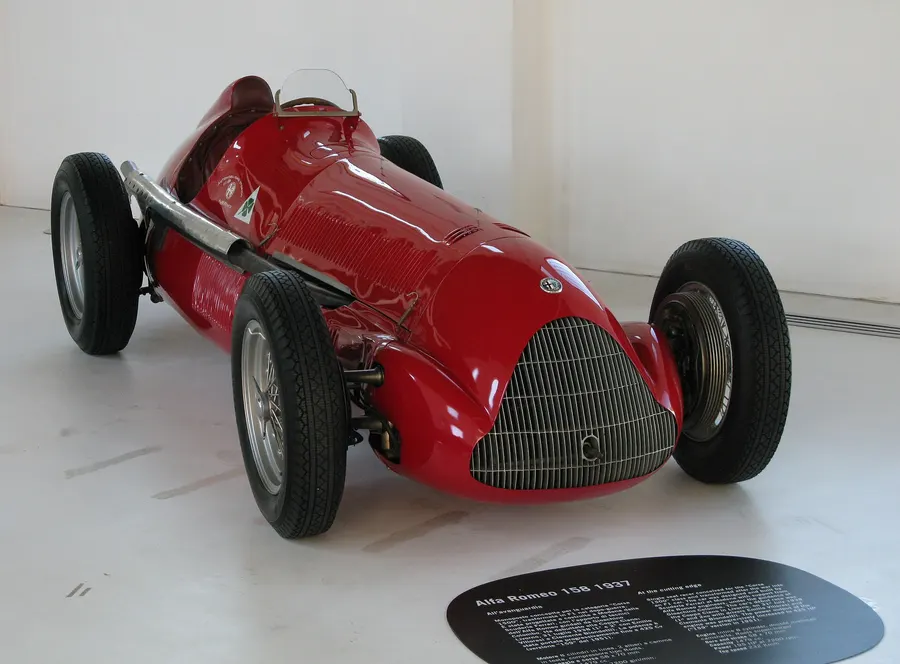
An Alfa Romeo 158, the type of car that won the first Formula One world championship raceAn Alfa Romeo 158, the type of car that won the first Formula One world championship raceImage: Herranderssvensson · CC BY-SA 4.0
sport · Europe

Formula One holds its first world championship race

At three in the afternoon on 13 May 1950, the cars set off at Silverstone, a former wartime airfield in Northamptonshire, in the first race of the new Formula One World Championship. A crowd estimated at 120,000 came to watch, among them King George VI, Queen Elizabeth and Princess Margaret. The Alfa Romeo team dominated. Giuseppe ‘Nino’ Farina started from pole position, set the fastest lap and won after 70 laps and more than two hours of racing, finishing just 2.6 seconds ahead of his team-mate Luigi Fagioli. Farina went on to become the first Formula One world champion at the final race of the season at Monza.

Source: Formula 1: Ten fascinating facts about the very first F1 race ↗
1952
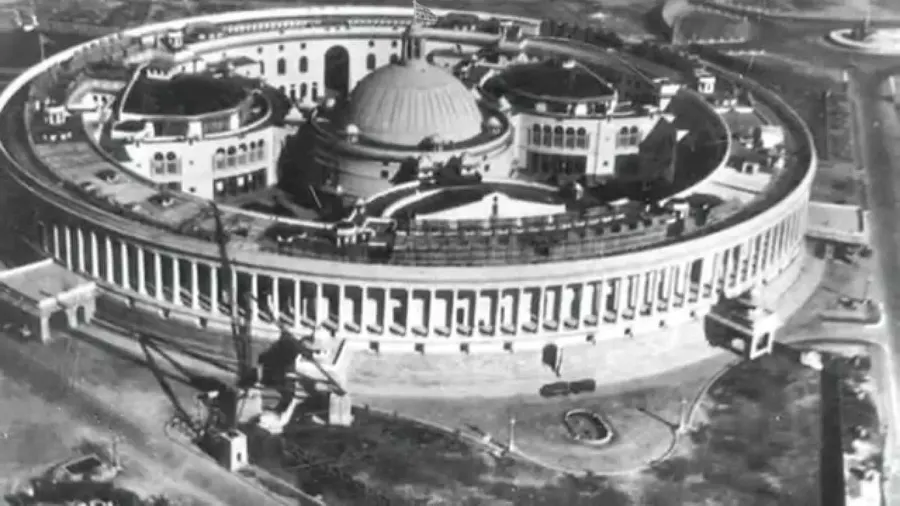
Parliament House in New Delhi from the air, photographed in 1926.Parliament House in New Delhi from the air, photographed in 1926.Image: British India · CC0
politics · Asia

India’s Council of States holds its first sitting

India’s first general election, held over the winter of 1951 to 1952, was the largest democratic vote the world had yet seen. The new Parliament then took shape, and on 13 May 1952 its upper house, the Rajya Sabha or Council of States, met for the first time. Its chairman, the philosopher and Vice-President Sarvepalli Radhakrishnan, used the occasion to set out what a revising second chamber should do for the young republic.

Source: Rajya Sabha: Fifty Years of Rajya Sabha (1952-2002), origin and history ↗
1960
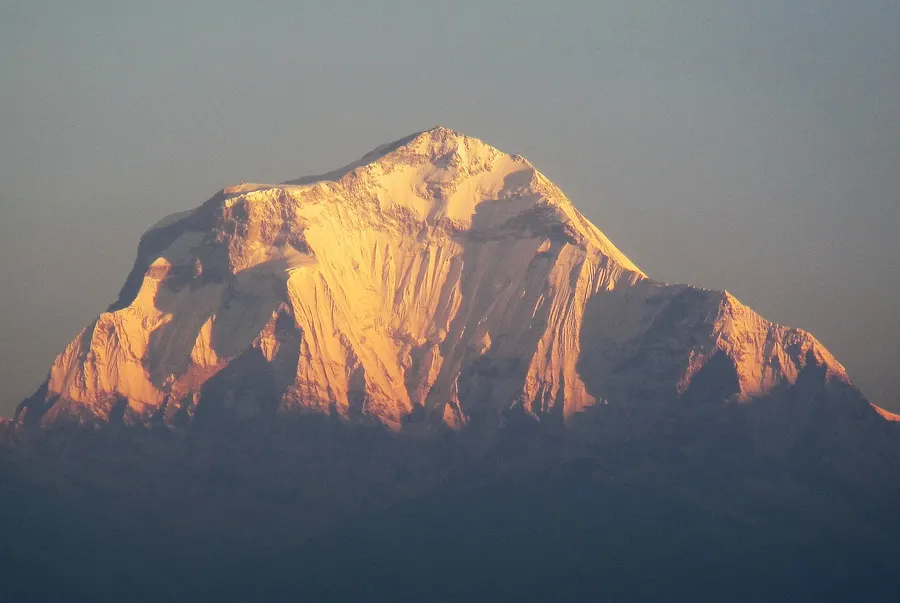
Sunrise on Dhaulagiri, the 'white mountain' of western NepalSunrise on Dhaulagiri, the ‘white mountain’ of western NepalImage: Raphael Duprat · CC BY-SA 4.0

world · Asia

Climbers reach the top of Dhaulagiri

Dhaulagiri, whose name means ‘white mountain’, rises to 8,167 metres in western Nepal and is the seventh highest peak on Earth. Several expeditions had failed on it before a Swiss-led team tried in 1960. On 13 May, six climbers stood on the summit: Kurt Diemberger of Austria, Peter Diener of Germany, the Swiss Ernst Forrer and Albin Schelbert, and the Nepali Sherpas Nawang Dorje and Nima Dorje. It was the first time an international team had made the first ascent of an 8,000-metre peak. The expedition also broke new ground by using a small aircraft, named Yeti, to fly climbers and supplies to a glacier camp at about 5,700 metres. For Diemberger it was a second first ascent of an 8,000-metre mountain, after Broad Peak in 1957.

Source: Himalayan Club: Dhaulagiri, the ‘white mountain’, a chronicle of the 1960 expedition ↗
1981
The white Fiat Campagnola in which John Paul II was riding when he was shot, now in the Vatican MuseumsThe white Fiat Campagnola in which John Paul II was riding when he was shot, now in the Vatican MuseumsImage: Livioandronico2013 · CC BY-SA 4.0
world · Europe

Pope John Paul II is shot in St Peter’s Square

As Pope John Paul II was driven through the crowd in St Peter’s Square in an open white vehicle on 13 May 1981, a young Turkish gunman, Mehmet Ali Ağca, fired at him. The pope was badly wounded in the abdomen but survived after surgery. He later visited Ağca in prison and forgave him, and he credited Our Lady of Fátima, on whose feast day he was shot, with saving his life.

Source: Britannica: Mehmet Ali Agca ↗
1989
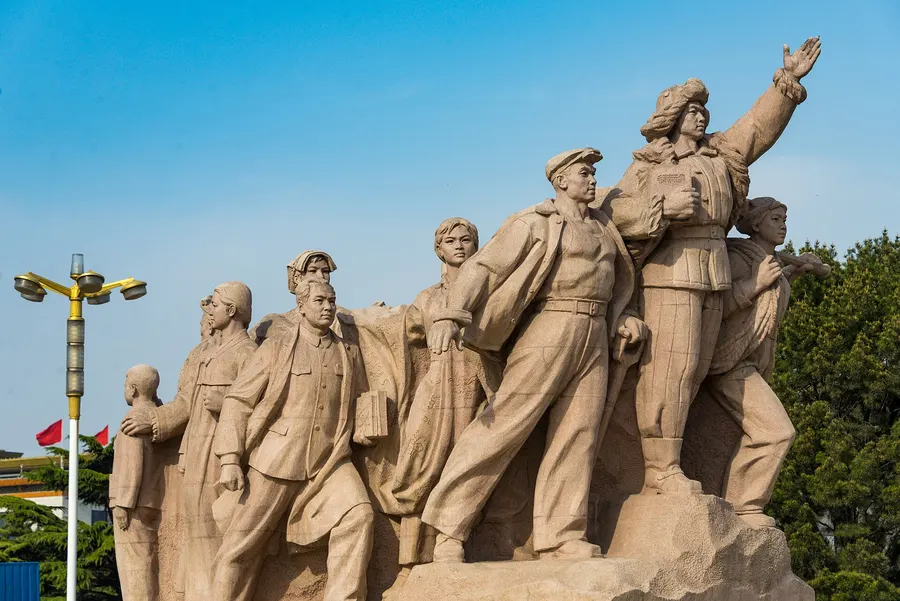
Sculptures beside the Mao Zedong Mausoleum in Tiananmen Square, Beijing.Sculptures beside the Mao Zedong Mausoleum in Tiananmen Square, Beijing.Image: xiquinhosilva · CC BY 2.0
politics · Asia

Students begin a hunger strike in Tiananmen Square

Student protests had filled Tiananmen Square in Beijing on and off since the death of the reforming leader Hu Yaobang in April 1989. On 13 May, with the government still refusing to talk to them, around 160 students began a hunger strike in the square. Their manifestos complained of inflation, corruption and abuse of power, and asked the people of China to hear their voices. The timing was deliberate. The Soviet leader Mikhail Gorbachev was due in Beijing two days later for the first Sino-Soviet summit in thirty years, and the official welcome in the square had to be abandoned. The hunger strike won wide public sympathy and swelled the crowds, but the government declared martial law later in May, and the protests were crushed by the army in early June.

Source: PBS Frontline: Timeline, what led to the Tiananmen Square massacre ↗
RESEARCH

Sources & Further Reading

Selected authoritative references supporting the events on this page.

Britannica: Johan van Oldenbarnevelt↗Rijksmuseum: The beheading of Johan van Oldenbarnevelt, 1619↗Britannica: Treaty of Teschen↗Britannica: War of the Bavarian Succession↗Britannica: History of Ecuador↗US Office of the Historian: Ecuador↗US Senate: The Senate votes for war against Mexico↗National Park Service: Timeline of the US-Mexican War↗Australian Dictionary of Biography: John Tebbutt↗Powerhouse: The discovery of the Great Comet of 1861 by John Tebbutt↗Wikipedia: C/1861 J1 (Tebbutt)↗Britannica: Brazil, the collapse of the empire↗Wikipedia: Lei Áurea↗Britannica: Our Lady of Fatima↗Britannica: When did Our Lady of Fátima appear?↗Britannica: World War II, the invasion of the Low Countries and France↗UK Parliament: ‘Blood, Toil, Tears and Sweat’↗Hansard: His Majesty’s Government, 13 May 1940↗Formula 1: Ten fascinating facts about the very first F1 race↗Silverstone: History of the British Grand Prix↗Wikipedia: 1950 British Grand Prix↗Rajya Sabha: Fifty Years of Rajya Sabha (1952-2002), origin and history↗Press Information Bureau: Landmark 250th session of Rajya Sabha begins tomorrow↗Himalayan Club: Dhaulagiri, the ‘white mountain’, a chronicle of the 1960 expedition↗UIAA: Diemberger recalls first ascent of Dhaulagiri 50 years ago↗Wikipedia: Dhaulagiri↗Britannica: Mehmet Ali Agca↗Vatican: Plaque marking the place of the attack on John Paul II↗PBS Frontline: Timeline, what led to the Tiananmen Square massacre↗Britannica: Tiananmen Square incident↗
WHY THESE MOMENTS?

Significance before volume

This page is not the longest possible list of events. It is a chronological journey through 13 May, where each entry is chosen for historical significance, human interest and reliability.

Facts are checked against authoritative museums, archives, universities and reference works. Where sources disagree, the page says so.

EXPLORED THE DEEPER STORY?

Return to the highlights of 13 May

Discover the lighter side of the date with famous birthdays, culture, firsts and lives remembered.

Explore This Day →
← PREVIOUS DAY12 May
HISTORY & TIMELINE13 May
NEXT DAY →14 May