HISTORY & TIMELINE
16 May

A journey through
16 May in history

The story of 16 May runs from the crowning of the first Latin emperor in Hagia Sophia in 1204 to a new French president taking office at the Élysée in 2007. In between come a royal wedding at Versailles, a bloody battle in Spain, a secret carve-up of the Middle East, the first laser, a Soviet probe falling through the skies of Venus, a new Indian state and the flight of a long-ruling African president.

II
THE MIDDLE AGES

Medieval History

Kingdoms, conflict, faith, power and the changing medieval world.

1204
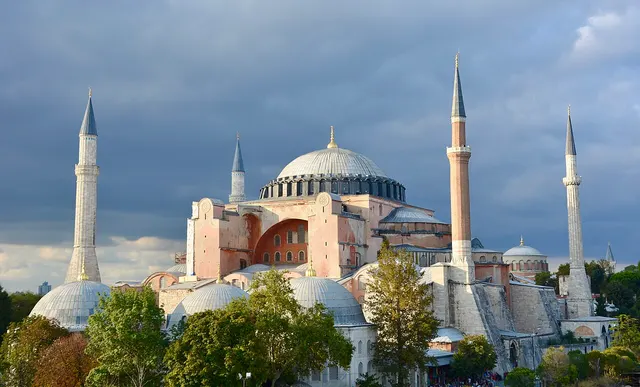
Hagia Sophia in Istanbul, the great church where Baldwin of Flanders was crownedHagia Sophia in Istanbul, the great church where Baldwin of Flanders was crownedImage: Adli Wahid · CC BY-SA 3.0
culture · Europe

A Flemish count is crowned emperor in Constantinople

Just a month after the armies of the Fourth Crusade stormed and plundered Constantinople, the victors needed a ruler for the city they had taken. A panel of crusaders and Venetians chose Baldwin, Count of Flanders and Hainaut, and on 16 May 1204 he was crowned in the great church of Hagia Sophia as the first emperor of what historians call the Latin Empire. His new realm was far weaker than its title suggested. Venice took a large share of the lands and trade, rival Greek states sprang up in Nicaea and Epirus, and Baldwin himself was captured by the Bulgarians within a year and never seen again. The Latin Empire limped on until 1261, when Byzantine forces retook the city.

Source: Britannica: Baldwin I, first Latin emperor of Constantinople ↗
III
A CHANGING WORLD

Early Modern Era

Exploration, political change, scientific development and expanding global connections.

1770
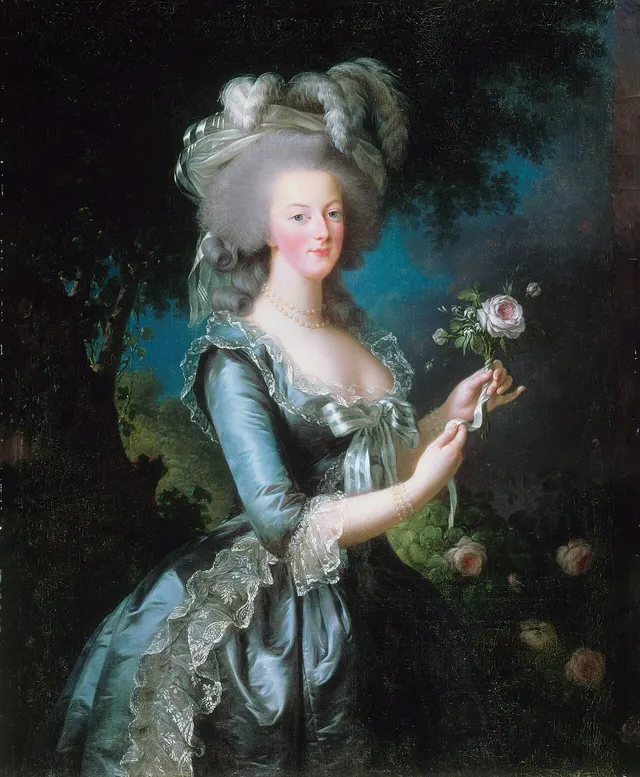
Portrait of Marie Antoinette, queen of FrancePortrait of Marie Antoinette, queen of FranceImage: Élisabeth Louise Vigée Le Brun · Public domain
politics · Europe

Marie Antoinette marries the future Louis XVI at Versailles

Maria Antonia, the youngest daughter of the Habsburg empress Maria Theresa, was only 14 when she arrived at Versailles on the morning of 16 May 1770. A proxy wedding had already taken place in Vienna, and that day she married Louis, the 15-year-old grandson and heir of Louis XV, in the palace’s Royal Chapel, followed by a lavish banquet and celebrations. The match had been planned for years to seal a new friendship between France and Austria, old enemies who had become allies. The couple became king and queen in 1774. Marie Antoinette’s extravagance and foreign birth made her a target of public anger, and both she and her husband were executed during the French Revolution in 1793.

Source: Château de Versailles: Marriage of the Dauphin Louis and Marie-Antoinette ↗
IV
THE NINETEENTH CENTURY

The 1800s

Industry, empire, invention, reform and a century of enormous transformation.

1811
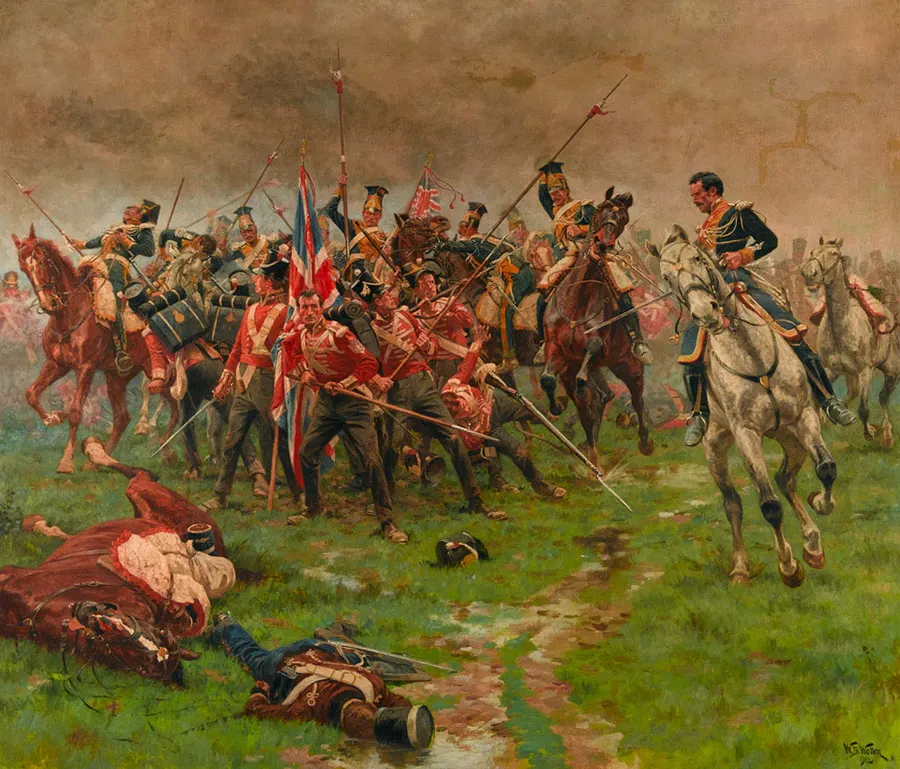
The Battle of Albuhera, painted by William Barnes WollenThe Battle of Albuhera, painted by William Barnes WollenImage: William Barnes Wollen · Public domain
world · Europe

British, Spanish and Portuguese troops fight the French at Albuera

During the Peninsular War, an allied army of British, Spanish and Portuguese soldiers under William Beresford met a French force led by Marshal Soult near the village of La Albuera in south-west Spain on 16 May 1811. A French flanking attack in rain and hail tore into the allied lines, and some British regiments lost most of their men. The French withdrew, but the victory was so costly that Beresford was sharply criticised at home.

Source: Britannica: William Carr Beresford, Viscount Beresford ↗
V
THE TWENTIETH CENTURY

The 1900s

War and peace, technological leaps, social change, politics, sport and popular culture.

1916
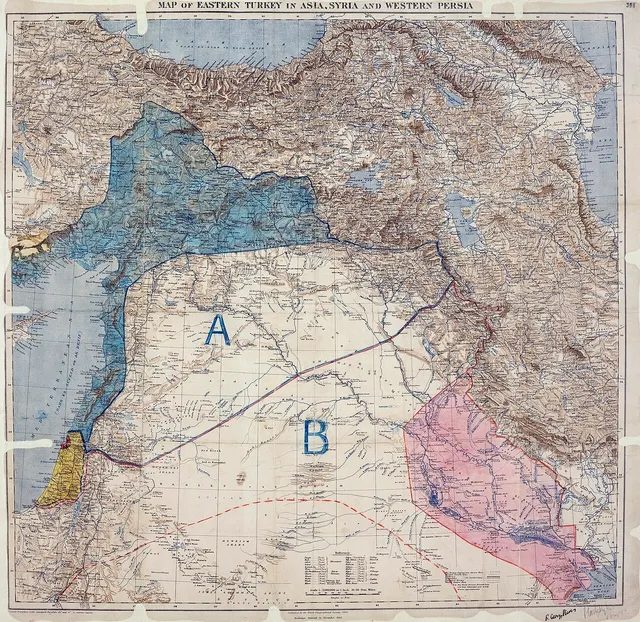
A map of the 1916 Sykes-Picot agreement, marking the zones Britain and France planned to controlA map of the 1916 Sykes-Picot agreement, marking the zones Britain and France planned to controlImage: Royal Geographical Society (Map), Mark Sykes & François Georges-Picot (Annotations) · Public domain
world · Middle East

Britain and France secretly divide the Ottoman Middle East

In the middle of the First World War, British diplomat Mark Sykes and his French counterpart François Georges-Picot drew up a plan for the Ottoman Empire’s Arab lands once the war was won. Their governments concluded the deal in an exchange of letters completed on 16 May 1916, with Russia’s agreement. France was to take Lebanon, coastal Syria and parts of Turkey, and Britain southern Mesopotamia including Baghdad. Palestine was to be placed under international control. The arrangement was kept secret until Russia’s new Bolshevik government published it late in 1917, and Arab leaders, who had been promised independence by the British, were outraged. Although the final post-war borders differed from its lines, Sykes-Picot remains a byword in the region for outside powers carving up Arab lands.

Source: Britannica: Sykes-Picot Agreement ↗
1929
Guests at the first Academy Awards banquet in the Blossom Room of the Hollywood Roosevelt Hotel, 1929Guests at the first Academy Awards banquet in the Blossom Room of the Hollywood Roosevelt Hotel, 1929Image: Academy of Motion Picture Arts and Sciences · Public domain
culture · Americas

Hollywood holds its first Academy Awards

On the evening of 16 May 1929 around 270 guests gathered for a banquet in the Blossom Room of the Hollywood Roosevelt Hotel. The new Academy of Motion Picture Arts and Sciences handed out its first awards, honouring films released between August 1927 and August 1928. The ceremony was short, and the winners had been announced three months before. The war film Wings took the top prize and remains the only silent film to win Best Picture under that award. The German actor Emil Jannings was named Best Actor and Janet Gaynor Best Actress. From the following year the results were kept secret until the night, and the gold statuettes, later nicknamed Oscars, became the film world’s best-known prize.

Source: Oscars.org: The 1st Academy Awards, 1929 ↗
1960
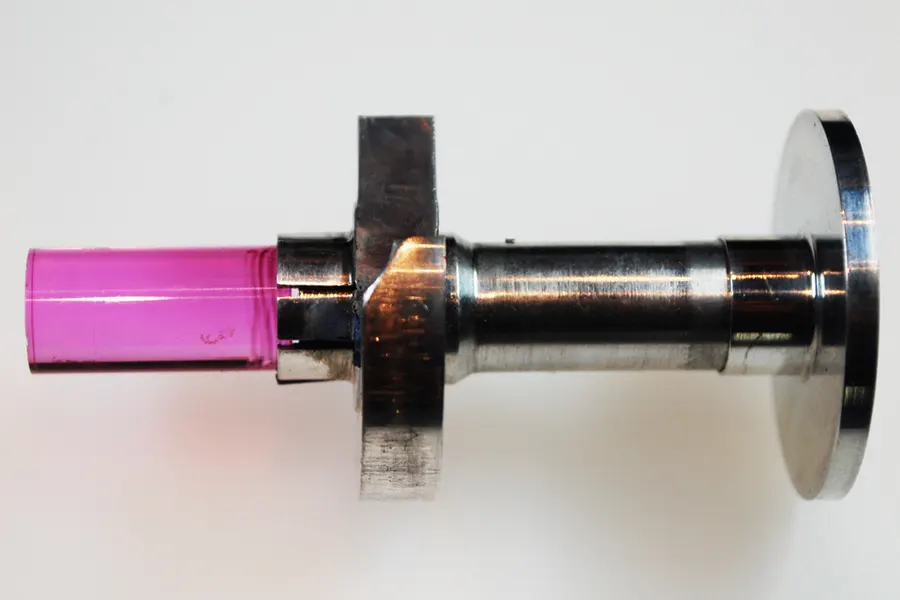
The ruby crystal from Theodore Maiman's first laserThe ruby crystal from Theodore Maiman’s first laserImage: Guy Immega · CC0
science · Americas

Theodore Maiman fires the first laser

Physicists had worked out in the 1950s how atoms might be coaxed into producing a pure, concentrated beam of light, but nobody had built a device that worked. At Hughes Research Laboratories in Malibu, California, Theodore Maiman tried a small rod of synthetic ruby with mirrored ends, wrapped in a coiled photographic flash lamp. On 16 May 1960 it produced a brief pulse of red laser light. Many experts had doubted that ruby could do the job, and Maiman’s paper was at first turned down by a leading journal. Within a few years lasers were being built from gases, glass and semiconductors. Today they read barcodes and discs, carry data through optical fibres, cut metal, measure distances and are used in eye surgery.

Source: HRL Laboratories: The Laser ↗
1966
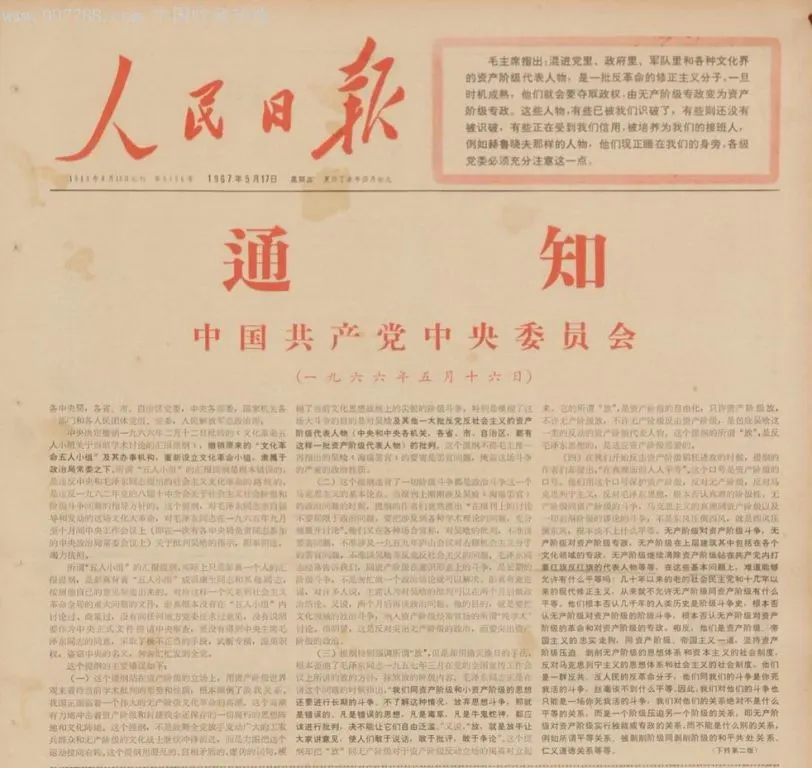
The People's Daily front page carrying the 16 May Notice, which was made public a year later, in 1967.The People’s Daily front page carrying the 16 May Notice, which was made public a year later, in 1967.Image: 中共中央 · Public domain
politics · Asia

The May 16 Notice sets China’s Cultural Revolution in motion

On 16 May 1966 an enlarged meeting of the Politburo of the Chinese Communist Party adopted a circular that became known as the May 16 Notice. It scrapped a milder report on cultural policy, dissolved the group of senior officials who had drafted it and warned that ‘representatives of the bourgeoisie’ had crept into the party, the government and the army. The document was a victory for Mao Zedong over rivals in the leadership, several of whom were soon purged. It is usually seen as the opening shot of the Cultural Revolution, a decade of upheaval in which Red Guards attacked teachers, officials and traditions, millions were persecuted and schools and universities were closed for years. It was only made public a year later.

Source: China Daily (CPC news): ‘Cultural revolution’ (1966-76) ↗
1969
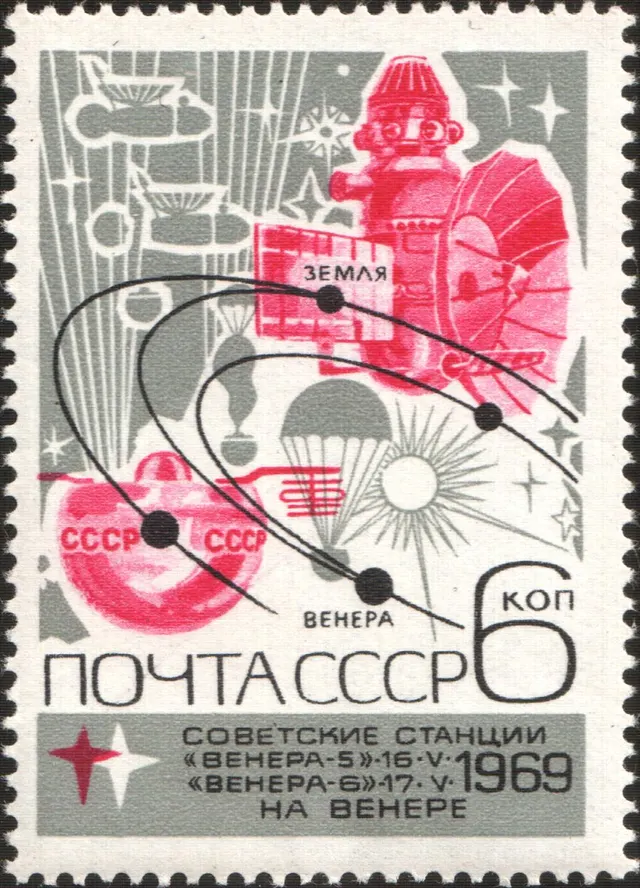
A Soviet postage stamp of 1969 celebrating the space probes to VenusA Soviet postage stamp of 1969 celebrating the space probes to VenusImage: USSR Post · Public domain
science · Global

Soviet probe Venera 5 plunges into the atmosphere of Venus

Four months after leaving Earth, the Soviet spacecraft Venera 5 released its landing capsule, which entered the night side of Venus on 16 May 1969. Under a parachute it sent back readings of pressure, temperature and the make-up of the air for 53 minutes before the crushing heat and pressure silenced it. Together with its twin Venera 6, it confirmed that the planet’s thick atmosphere is almost all carbon dioxide.

Source: NASA NSSDCA: Venera 5 Descent Craft ↗
1975
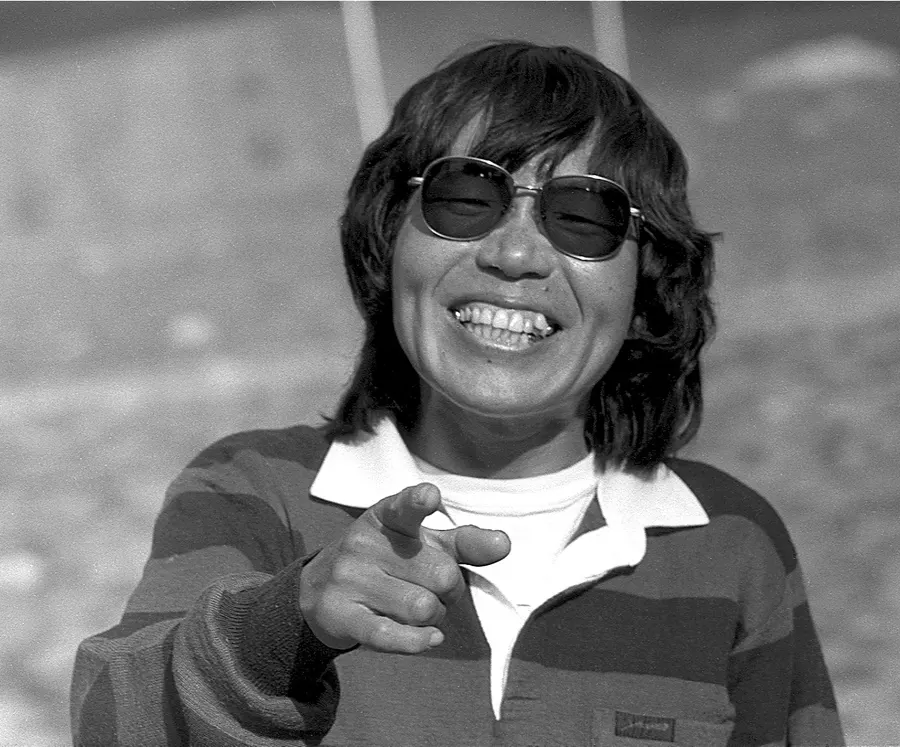
Junko Tabei photographed in 1985Junko Tabei photographed in 1985Image: Jaan Künnap · CC BY-SA 4.0
sport · Asia

Junko Tabei becomes the first woman to climb Everest

Junko Tabei, a Japanese climber and mother of a young daughter, was the deputy leader of an all-women Japanese expedition to Everest in 1975. Early in May an avalanche swept through the team’s camp and buried her, and she was dug out by Sherpas. Despite her injuries, she kept going, and on 16 May 1975 she reached the summit by the South Col route with the Sherpa guide Ang Tsering. She was the first woman to stand on the highest point on Earth. Tabei went on to climb the highest peak on every continent, completing the set in 1992, and spent later years campaigning to clean up the rubbish left on Himalayan mountains. She remained a keen climber until her death in 2016.

Source: Britannica: Mount Everest, extraordinary feats ↗
1975
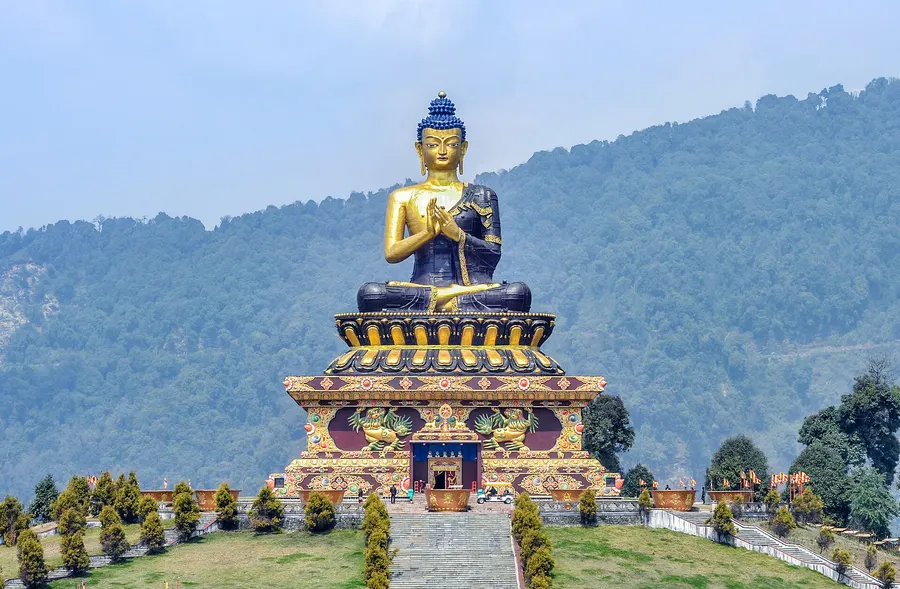
The Buddha statue at Buddha Park, Ravangla, in SikkimThe Buddha statue at Buddha Park, Ravangla, in SikkimImage: Joydeep · CC BY-SA 4.0
politics · Asia

Sikkim becomes a state of India

The small Himalayan kingdom of Sikkim, ruled for centuries by its own monarchs, had been an Indian protectorate since 1950. After unrest against the king and a referendum in April 1975 in which voters backed ending the monarchy, India’s parliament passed a constitutional amendment, and on 16 May 1975 Sikkim became India’s 22nd state. The day is still marked there each year as State Day.

Source: Government of India, PIB: Sikkim celebrates State Day ↗
1997
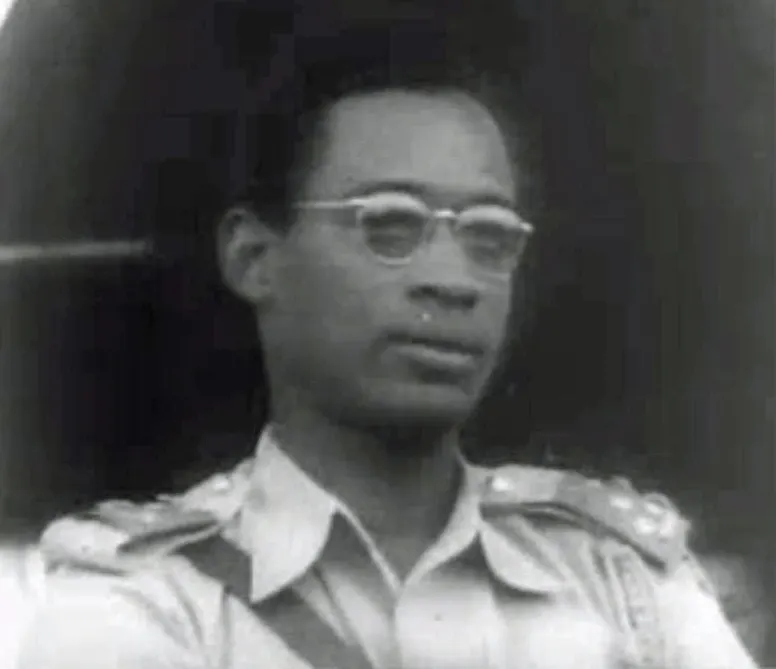
Mobutu Sese Seko as a young colonelMobutu Sese Seko as a young colonelImage: Universal Studios · CC0
politics · Africa

Mobutu gives up power in Zaire after 32 years

By May 1997 rebel forces led by Laurent Kabila had swept across Zaire and were closing in on the capital, Kinshasa. Talks brokered by South Africa had failed, and on 16 May the ailing president Mobutu Sese Seko announced that he was leaving power after 32 years and left the city. Kabila declared himself head of state the next day and restored the country’s old name, the Democratic Republic of the Congo.

Source: Britannica: Mobutu Sese Seko ↗
VI
2000 TO TODAY

Modern Day

The events of recent decades that have already become part of the historical record.

2007
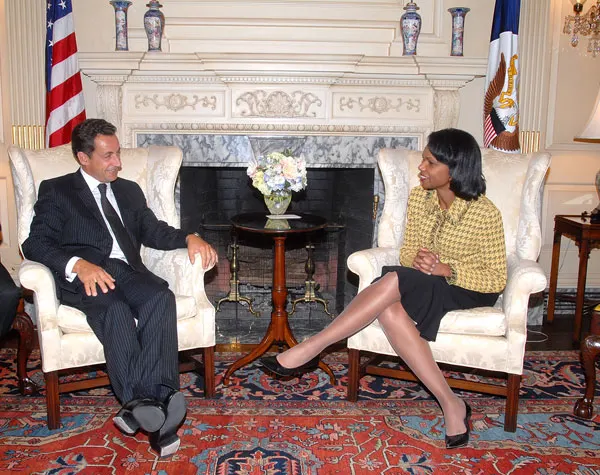
Nicolas Sarkozy meeting the US Secretary of State, Condoleezza Rice, in Washington in September 2006.Nicolas Sarkozy meeting the US Secretary of State, Condoleezza Rice, in Washington in September 2006.Image: State Department photo by Michael Gross · Public domain
politics · Europe

Nicolas Sarkozy takes office as president of France

Ten days after winning the presidential election, Nicolas Sarkozy was welcomed to the Élysée Palace by the outgoing president Jacques Chirac on 16 May 2007. The results were formally proclaimed, making him the sixth president of the Fifth Republic, and he then laid a wreath at the Tomb of the Unknown Soldier beneath the Arc de Triomphe. He served one five-year term.

Source: Élysée: L’investiture de Nicolas Sarkozy ↗
WHY THESE MOMENTS?

Significance before volume

This page is not the longest possible list of events. It is a chronological journey through 16 May, where each entry is chosen for historical significance, human interest and reliability.

Facts are checked against authoritative museums, archives, universities and reference works. Where sources disagree, the page says so.

EXPLORED THE DEEPER STORY?

Return to the highlights of 16 May

Discover the lighter side of the date with famous birthdays, culture, firsts and lives remembered.

Explore This Day →
← PREVIOUS DAY15 May
HISTORY & TIMELINE16 May
NEXT DAY →17 May