Explore 16 May

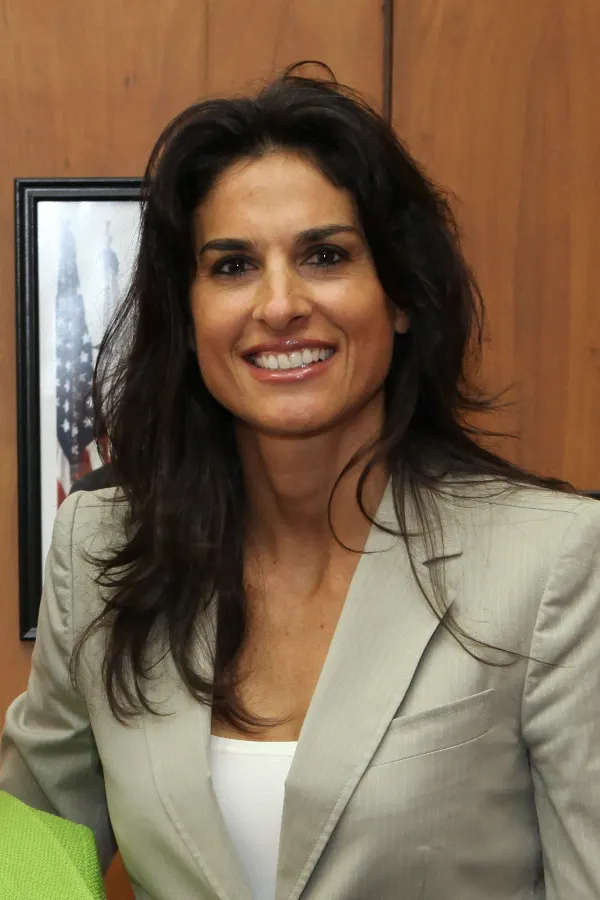
Explore 16 May: a Flemish count is crowned emperor in Constantinople, Marie Antoinette marries the future Louis XVI, Hollywood hands out its first Academy Awards and Junko Tabei becomes the first woman on top of Everest. Born today: Henry Fonda, Maria Gaetana Agnesi and Olga Korbut.

This day through time →12 verified events across 5 eras

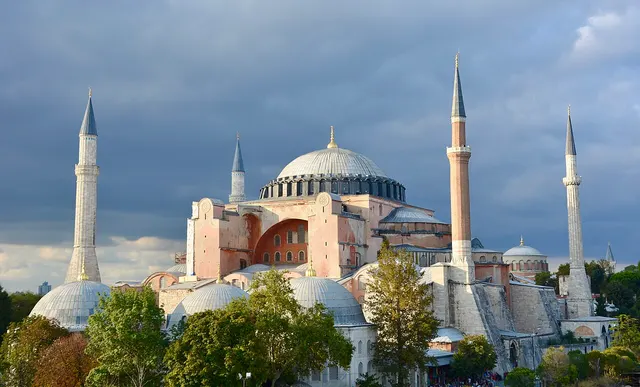
Hagia Sophia in Istanbul, the great church where Baldwin of Flanders was crowned
Image creditAdli Wahid · CC BY-SA 3.0Resized and cropped for display.

A Flemish count is crowned emperor in Constantinople

Just a month after the armies of the Fourth Crusade stormed and plundered Constantinople, the victors needed a ruler for the city they had taken. A panel of crusaders and Venetians chose Baldwin, Count of Flanders and Hainaut, and on 16 May 1204 he was crowned in the great church of Hagia Sophia as the first emperor of what historians call the Latin Empire.

His new realm was far weaker than its title suggested. Venice took a large share of the lands and trade, rival Greek states sprang up in Nicaea and Epirus, and Baldwin himself was captured by the Bulgarians within a year and never seen again. The Latin Empire limped on until 1261, when Byzantine forces retook the city.

Read the full storyHistory & Timeline →Source: Britannica: Baldwin I, first Latin emperor of Constantinople ↗
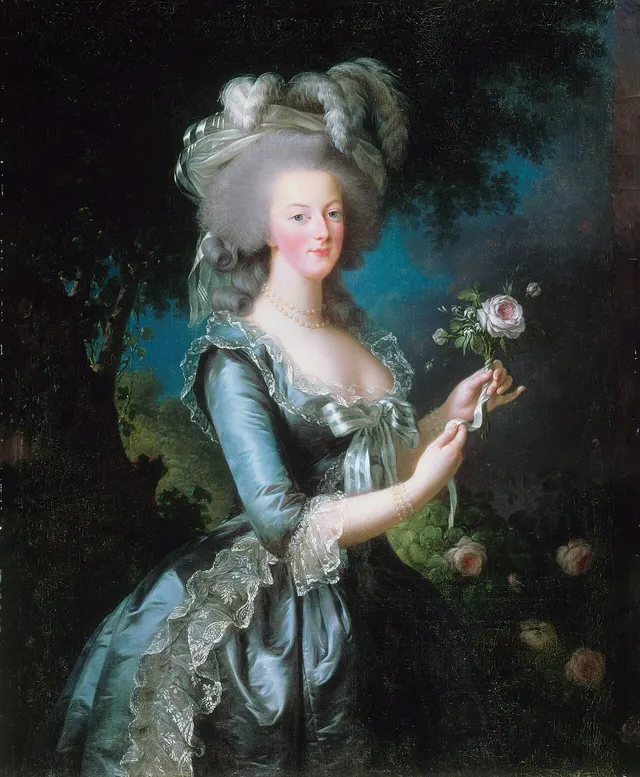
Portrait of Marie Antoinette, queen of France
Image creditÉlisabeth Louise Vigée Le Brun · Public domainResized and cropped for display.

Marie Antoinette marries the future Louis XVI at Versailles

Maria Antonia, the youngest daughter of the Habsburg empress Maria Theresa, was only 14 when she arrived at Versailles on the morning of 16 May 1770. A proxy wedding had already taken place in Vienna, and that day she married Louis, the 15-year-old grandson and heir of Louis XV, in the palace’s Royal Chapel, followed by a lavish banquet and celebrations.

The match had been planned for years to seal a new friendship between France and Austria, old enemies who had become allies. The couple became king and queen in 1774. Marie Antoinette’s extravagance and foreign birth made her a target of public anger, and both she and her husband were executed during the French Revolution in 1793.

Read the full storyHistory & Timeline →Source: Château de Versailles: Marriage of the Dauphin Louis and Marie-Antoinette ↗
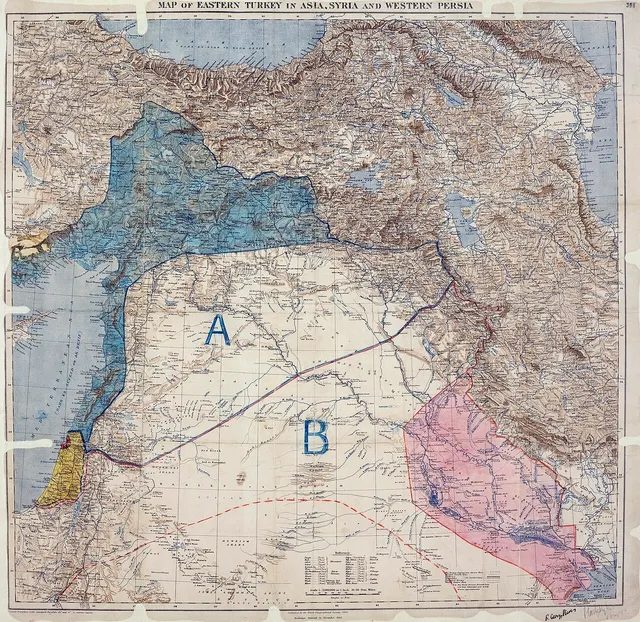
A map of the 1916 Sykes-Picot agreement, marking the zones Britain and France planned to control
Image creditRoyal Geographical Society (Map), Mark Sykes & François Georges-Picot (Annotations) · Public domainResized and cropped for display.

Britain and France secretly divide the Ottoman Middle East

In the middle of the First World War, British diplomat Mark Sykes and his French counterpart François Georges-Picot drew up a plan for the Ottoman Empire’s Arab lands once the war was won. Their governments concluded the deal in an exchange of letters completed on 16 May 1916, with Russia’s agreement. France was to take Lebanon, coastal Syria and parts of Turkey, and Britain southern Mesopotamia including Baghdad.

Palestine was to be placed under international control. The arrangement was kept secret until Russia’s new Bolshevik government published it late in 1917, and Arab leaders, who had been promised independence by the British, were outraged. Although the final post-war borders differed from its lines, Sykes-Picot remains a byword in the region for outside powers carving up Arab lands.

Read the full storyHistory & Timeline →Source: Britannica: Sykes-Picot Agreement ↗
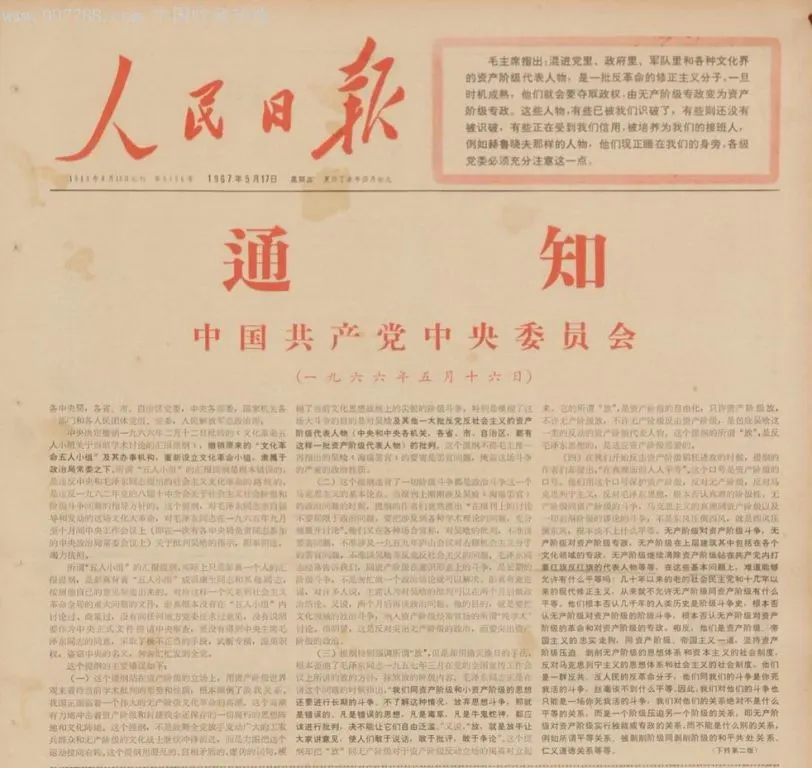
The People's Daily front page carrying the 16 May Notice, which was made public a year later, in 1967.
The People’s Daily front page carrying the 16 May Notice, which was made public a year later, in 1967.
Image credit中共中央 · Public domainResized and cropped for display.

The May 16 Notice sets China’s Cultural Revolution in motion

On 16 May 1966 an enlarged meeting of the Politburo of the Chinese Communist Party adopted a circular that became known as the May 16 Notice. It scrapped a milder report on cultural policy, dissolved the group of senior officials who had drafted it and warned that ‘representatives of the bourgeoisie’ had crept into the party, the government and the army.

The document was a victory for Mao Zedong over rivals in the leadership, several of whom were soon purged. It is usually seen as the opening shot of the Cultural Revolution, a decade of upheaval in which Red Guards attacked teachers, officials and traditions, millions were persecuted and schools and universities were closed for years. It was only made public a year later.

Read the full storyHistory & Timeline →Source: China Daily (CPC news): ‘Cultural revolution’ (1966-76) ↗
♙
PEOPLE

Born Today

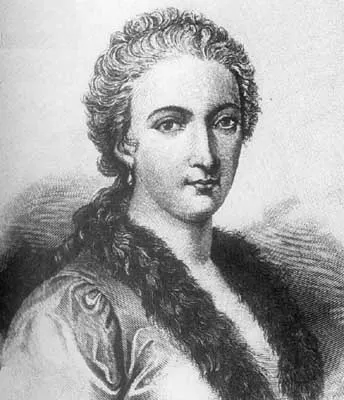
Maria Gaetana Agnesi
Image creditUnknown author · Public domainResized and cropped for display.

Maria Gaetana Agnesi

Milanese mathematician whose 1748 textbook on algebra and calculus was praised across Europe, and who gave her name to the curve known as the Witch of Agnesi.

Henry Fonda
Image creditStudio publicity still · Public domainResized and cropped for display.

Henry Fonda

American actor of quiet integrity, remembered for The Grapes of Wrath and 12 Angry Men, who won an Oscar for On Golden Pond at the age of 76.

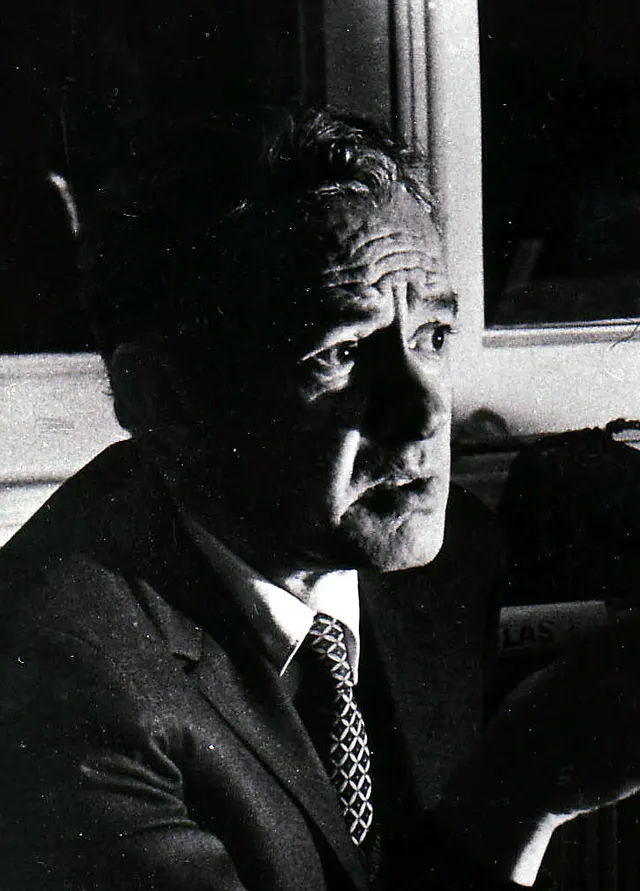
Juan Rulfo
Image creditUnknown · Public domainResized and cropped for display.

Juan Rulfo

Mexican writer and photographer whose short novel Pedro Páramo, set in a town of ghosts, inspired a generation of Latin American authors.

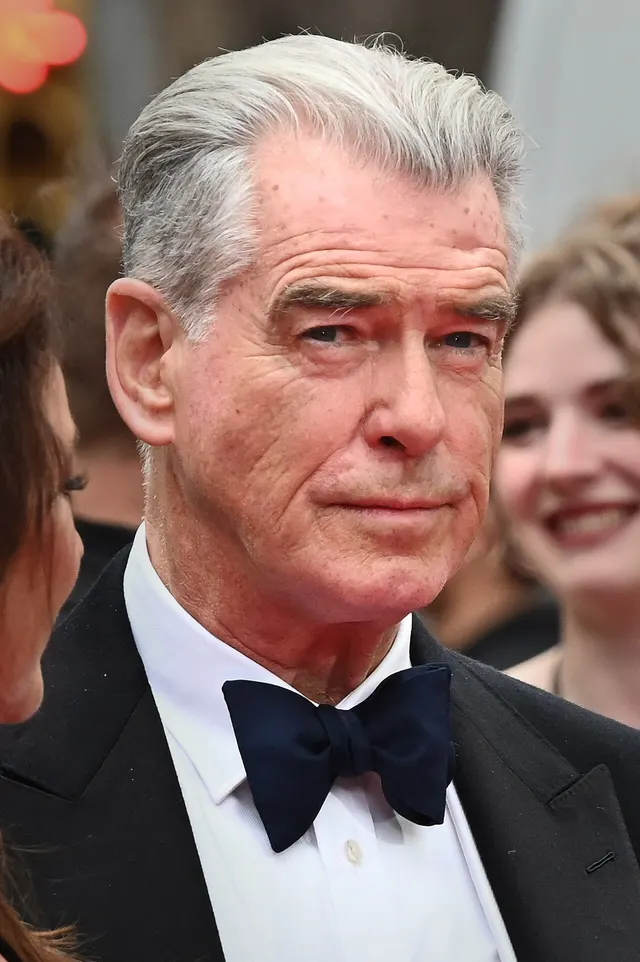
Pierce Brosnan
Image creditPhilipRomanoPhoto · CC BY 4.0Resized and cropped for display.

Pierce Brosnan

Irish actor who played James Bond in four films, from GoldenEye in 1995 to Die Another Day in 2002.

Olga Korbut
Image creditUnknown author · Public domainResized and cropped for display.

Olga Korbut

Belarusian gymnast who won three Olympic gold medals for the Soviet Union at Munich in 1972 and made daring new moves popular around the world.

Janet Jackson
Image creditRich Esteban · CC BY-SA 4.0Resized and cropped for display.

Janet Jackson

American singer and dancer whose albums Control and Rhythm Nation 1814 made her one of the biggest pop stars of the late 20th century.

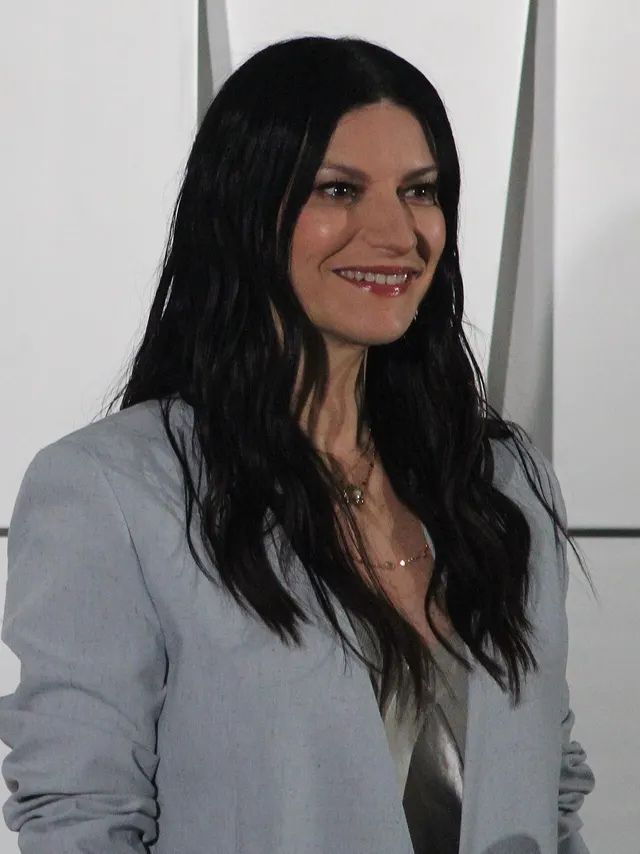
Laura Pausini
Image creditFerdinando Traversa · CC BY-SA 4.0Resized and cropped for display.

Laura Pausini

Italian pop singer who rose to fame at the Sanremo festival in 1993 with La solitudine and went on to sell millions of records in Italian and Spanish.

◉
IDEAS THAT CHANGED THINGS

Firsts, Science & Discoveries

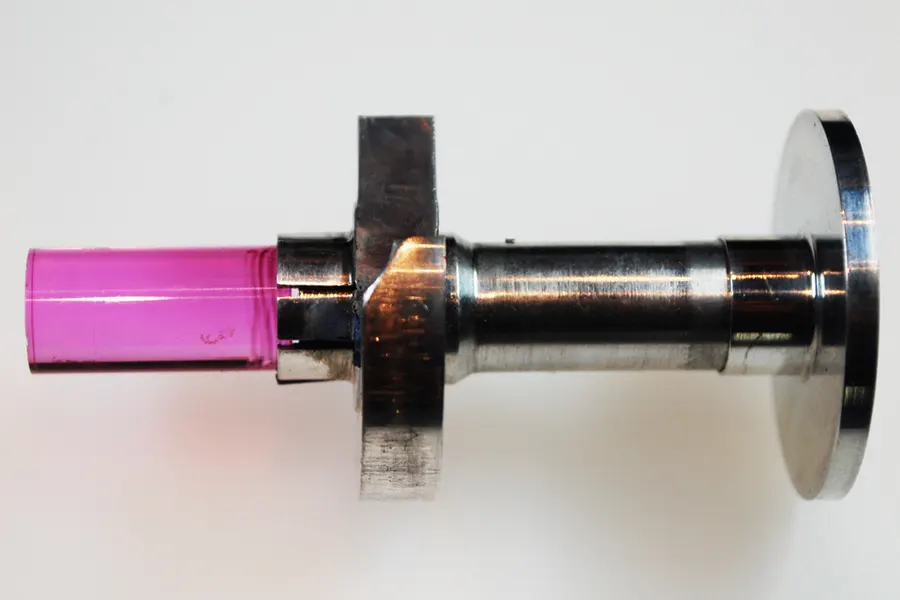
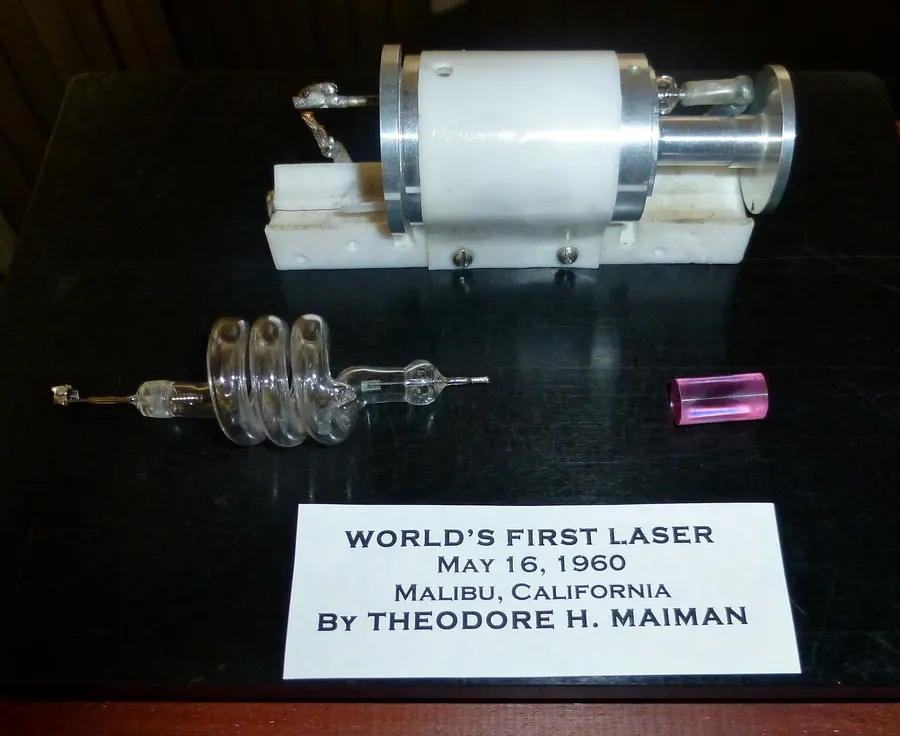
The ruby crystal from Theodore Maiman's first laser
The ruby crystal from Theodore Maiman’s first laser
Image creditGuy Immega · CC0Resized and cropped for display.

Theodore Maiman fires the first laser

Physicists had worked out in the 1950s how atoms might be coaxed into producing a pure, concentrated beam of light, but nobody had built a device that worked. At Hughes Research Laboratories in Malibu, California, Theodore Maiman tried a small rod of synthetic ruby with mirrored ends, wrapped in a coiled photographic flash lamp. On 16 May 1960 it produced a brief pulse of red laser light.

Many experts had doubted that ruby could do the job, and Maiman’s paper was at first turned down by a leading journal. Within a few years lasers were being built from gases, glass and semiconductors. Today they read barcodes and discs, carry data through optical fibres, cut metal, measure distances and are used in eye surgery.

Read the full storyHistory & Timeline →Source: HRL Laboratories: The Laser ↗
☆
SPORTING HISTORY

Sporting Moments

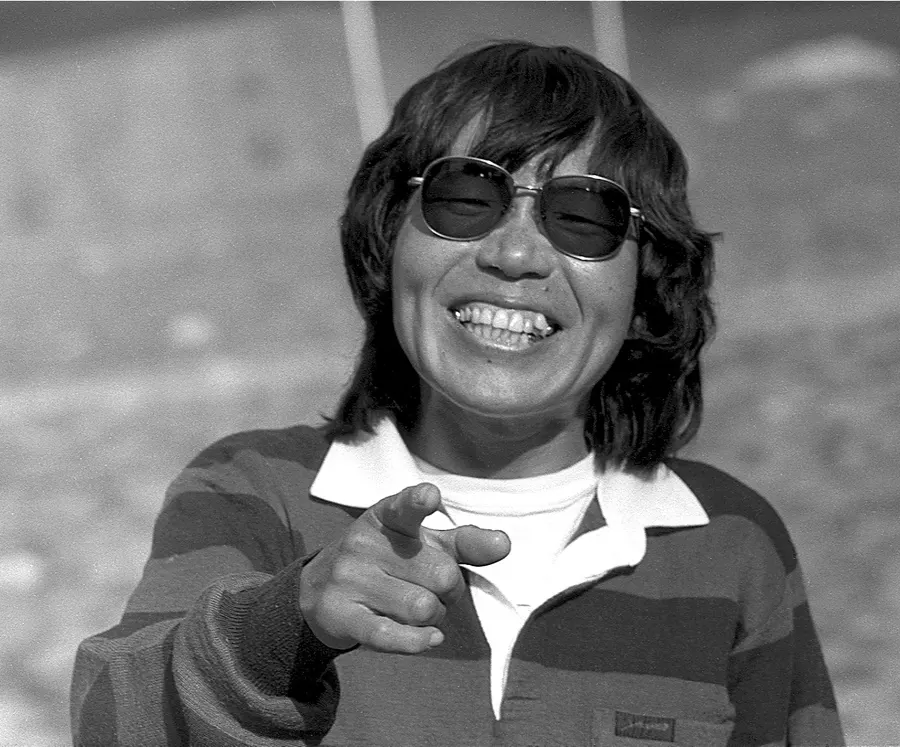
Junko Tabei photographed in 1985
Image creditJaan Künnap · CC BY-SA 4.0Resized and cropped for display.

Junko Tabei becomes the first woman to climb Everest

Junko Tabei, a Japanese climber and mother of a young daughter, was the deputy leader of an all-women Japanese expedition to Everest in 1975. Early in May an avalanche swept through the team’s camp and buried her, and she was dug out by Sherpas. Despite her injuries, she kept going, and on 16 May 1975 she reached the summit by the South Col route with the Sherpa guide Ang Tsering.

She was the first woman to stand on the highest point on Earth. Tabei went on to climb the highest peak on every continent, completing the set in 1992, and spent later years campaigning to clean up the rubbish left on Himalayan mountains. She remained a keen climber until her death in 2016.

Read the full storyHistory & Timeline →Source: Britannica: Mount Everest, extraordinary feats ↗
♫
MUSIC • FILM • BOOKS • CULTURE

Culture Stories

Guests at the first Academy Awards banquet in the Blossom Room of the Hollywood Roosevelt Hotel, 1929
Image creditAcademy of Motion Picture Arts and Sciences · Public domainResized and cropped for display.

Hollywood holds its first Academy Awards

On the evening of 16 May 1929 around 270 guests gathered for a banquet in the Blossom Room of the Hollywood Roosevelt Hotel. The new Academy of Motion Picture Arts and Sciences handed out its first awards, honouring films released between August 1927 and August 1928. The ceremony was short, and the winners had been announced three months before.

The war film Wings took the top prize and remains the only silent film to win Best Picture under that award. The German actor Emil Jannings was named Best Actor and Janet Gaynor Best Actress. From the following year the results were kept secret until the night, and the gold statuettes, later nicknamed Oscars, became the film world’s best-known prize.

Read the full storyHistory & Timeline →Source: Oscars.org: The 1st Academy Awards, 1929 ↗
✦
LIVES REMEMBERED

Remembered Today

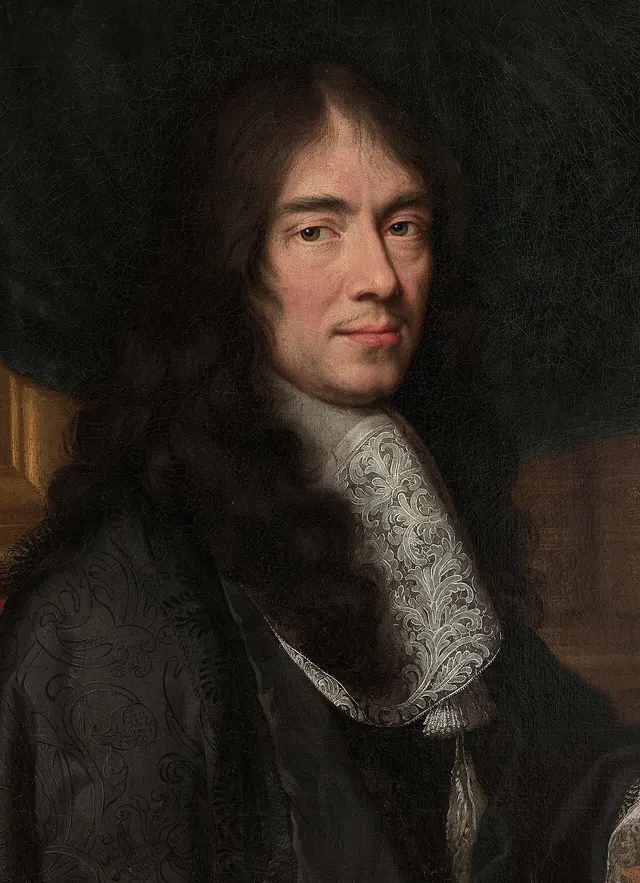
Charles Perrault
Image creditCharles Le Brun · Public domainResized and cropped for display.

Charles Perrault

French writer whose 1697 collection of tales gave the world lasting versions of Cinderella, Little Red Riding Hood, Sleeping Beauty and Puss in Boots.

Mehmed VI
Image creditGeorge Grantham Bain · Public domainResized and cropped for display.

Mehmed VI

The last sultan of the Ottoman Empire, who left Istanbul on a British warship after the sultanate was abolished in 1922 and died in exile in San Remo.

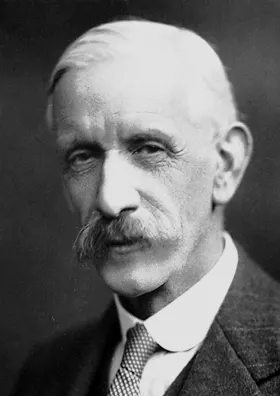
Frederick Gowland Hopkins
Image creditJohn Palmer Clarke (active 1890-1909) · Public domainResized and cropped for display.

Frederick Gowland Hopkins

English biochemist who shared the 1929 Nobel Prize in Physiology or Medicine for showing that foods contain vital substances later called vitamins.

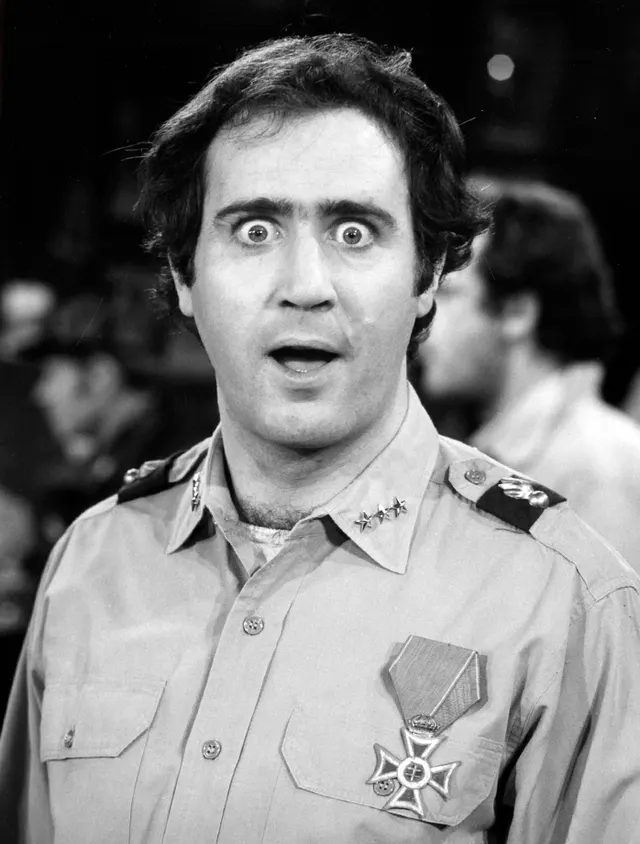
Andy Kaufman
Image creditABC · Public domainResized and cropped for display.

Andy Kaufman

American comic and performance artist, famous as Latka in the sitcom Taxi, whose baffling stunts blurred the line between act and reality.

Ronnie James Dio
Image creditAdam Bielawski · CC BY-SA 3.0Resized and cropped for display.

Ronnie James Dio

American heavy metal singer with a powerful voice who fronted Rainbow, Black Sabbath and his own band Dio.

☉
AROUND THE WORLD

Observances & Anniversaries

The world's first laser, shown out of its case
The world’s first laser, shown out of its case
Image creditTheodore and Kathleen Maiman · CC BY-SA 4.0Resized and cropped for display.

International Day of Light

UNESCO chose 16 May for its International Day of Light because it is the anniversary of Theodore Maiman’s first working laser in 1960. First held in 2018, the day celebrates the part that light and light-based technology play in science, medicine, communications, art and culture, and in efforts to bring clean energy and education to more people around the world.

Source: UNESCO: International Day of Light ↗
HISTORY & TIMELINE

Finished the highlights?

Follow 16 May chronologically, from the Middle Ages to the modern day, with 12 verified events and the sources behind them.

This day through time →