Explore 17 May

Explore 17 May: Norway signs its constitution at Eidsvoll, French settlers found the outpost that became Montreal, the US Supreme Court strikes down school segregation and the World Health Organization stops classing homosexuality as an illness. Born today: Erik Satie, Enya and Dennis Hopper.

This day through time →13 verified events across 4 eras

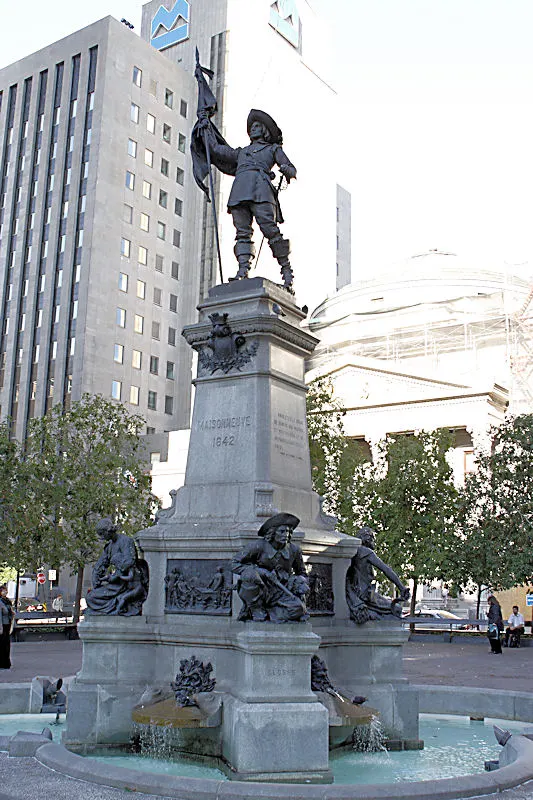
The monument to Paul de Chomedey de Maisonneuve on Place d'Armes in Montreal
The monument to Paul de Chomedey de Maisonneuve on Place d’Armes in Montreal
Image creditFrankyb602 · CC BY-SA 3.0Resized and cropped for display.

French settlers found the outpost that grew into Montreal

On 17 May 1642 a small party of French colonists stepped ashore on the island of Montreal, far up the St Lawrence River. Led by the soldier Paul de Chomedey de Maisonneuve and the nurse Jeanne Mance, and sent by a devout Paris society, they had wintered near Quebec before pushing on. A priest said Mass to mark the founding of their settlement, which they named Ville-Marie.

The aim was religious: to bring Christianity to the Indigenous peoples of the region. Life in the fortified outpost was hard and often dangerous, but it survived. Mance opened a hospital, Maisonneuve served as the first governor, and the little mission gradually grew into Montreal, today one of the largest French-speaking cities in the world.

Read the full storyHistory & Timeline →Source: The Canadian Encyclopedia: Ville-Marie (Colony) ↗
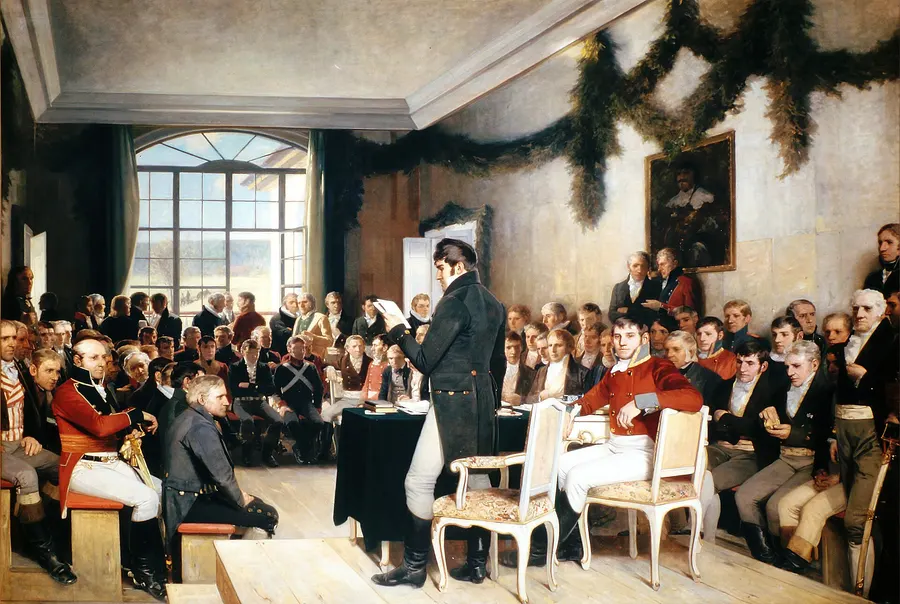
Oscar Wergeland's 1885 painting of the Constituent Assembly at Eidsvoll in 1814
Oscar Wergeland’s 1885 painting of the Constituent Assembly at Eidsvoll in 1814
Image creditOscar Wergeland · Public domainResized and cropped for display.

Norway adopts its constitution at Eidsvoll

Early in 1814 the Treaty of Kiel handed Norway from Denmark to Sweden, and many Norwegians refused to accept it. Elected representatives gathered at a manor house at Eidsvoll, north of Christiania (now Oslo), and after weeks of debate they laid down a constitution on 17 May 1814. The same day they chose the Danish prince Christian Frederick as king of an independent Norway.

Independence lasted only months: after a brief war Norway entered a union with Sweden that autumn, but it kept its constitution and its own parliament, the Storting. The Eidsvoll document is still in force, one of the oldest written constitutions in use today, and 17 May is Norway’s national day, celebrated with children’s parades across the country.

Read the full storyHistory & Timeline →Source: Stortinget: The Constitution ↗
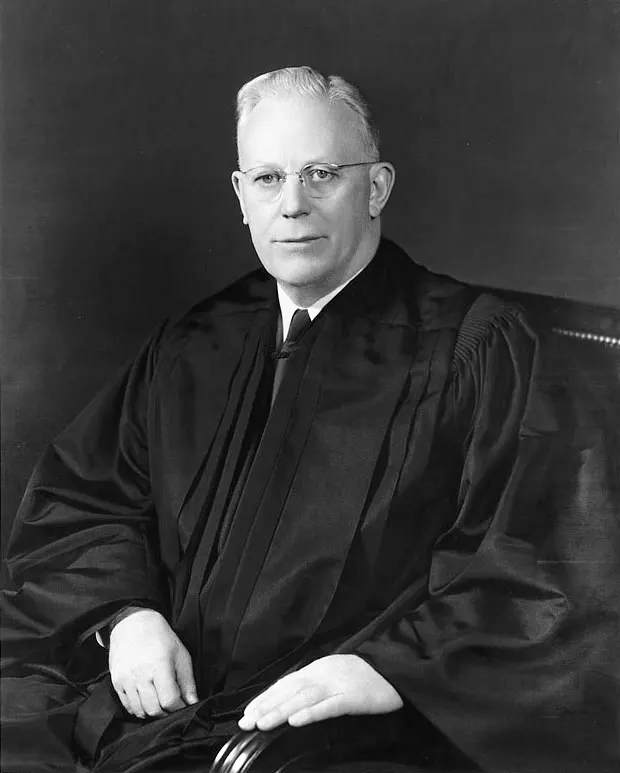
Chief Justice Earl Warren, who delivered the court's unanimous opinion
Chief Justice Earl Warren, who delivered the court’s unanimous opinion
Image creditHarris & Ewing photography firm · Public domainResized and cropped for display.

The US Supreme Court rules school segregation unconstitutional

For more than half a century American law had allowed states to keep Black and white children in separate schools, so long as the schools were supposedly equal. On 17 May 1954 the Supreme Court, speaking through Chief Justice Earl Warren, ruled unanimously in Brown v. Board of Education of Topeka that separate schools were by their nature unequal and broke the Constitution’s promise of equal protection.

The case had been brought by Black families in Kansas and several other states, argued by the NAACP lawyer Thurgood Marshall. The ruling overturned the ‘separate but equal’ doctrine of 1896, but change was slow and fiercely resisted in parts of the South. It nonetheless became a cornerstone of the civil rights movement that followed.

Read the full storyHistory & Timeline →Source: National Archives: Brown v. Board of Education (1954) ↗
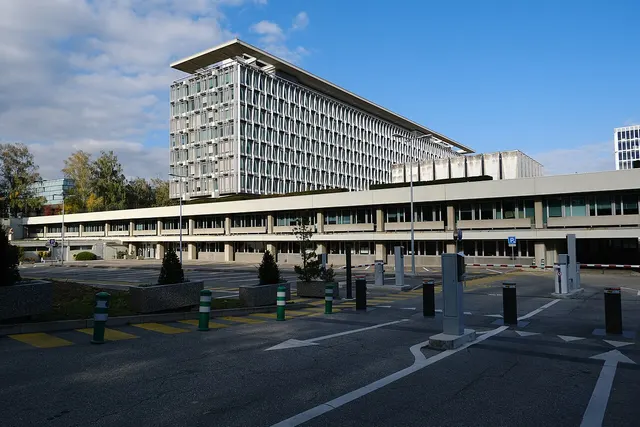
The World Health Organization's headquarters at Pregny-Chambésy, Geneva
The World Health Organization’s headquarters at Pregny-Chambésy, Geneva
Image creditGuilhem Vellut from Annecy, France · CC BY 2.0Resized and cropped for display.

The WHO stops classing homosexuality as an illness

For decades homosexuality appeared in the International Classification of Diseases, the World Health Organization’s standard list that doctors and health systems across the world use to record illness. On 17 May 1990 the WHO decided to remove it, a decision that took effect in later editions of the classification.

The change mattered far beyond medicine, because the label had been used to justify discrimination, so-called cures and criminal laws. In 2004 campaigners chose the anniversary for the International Day Against Homophobia, Biphobia and Transphobia, now marked each 17 May in well over a hundred countries and supported by the European Union and the Council of Europe.

Read the full storyHistory & Timeline →Source: Council of the European Union library: Break the bias, a library guide on unconscious bias and LGBTI ↗
♙
PEOPLE

Born Today

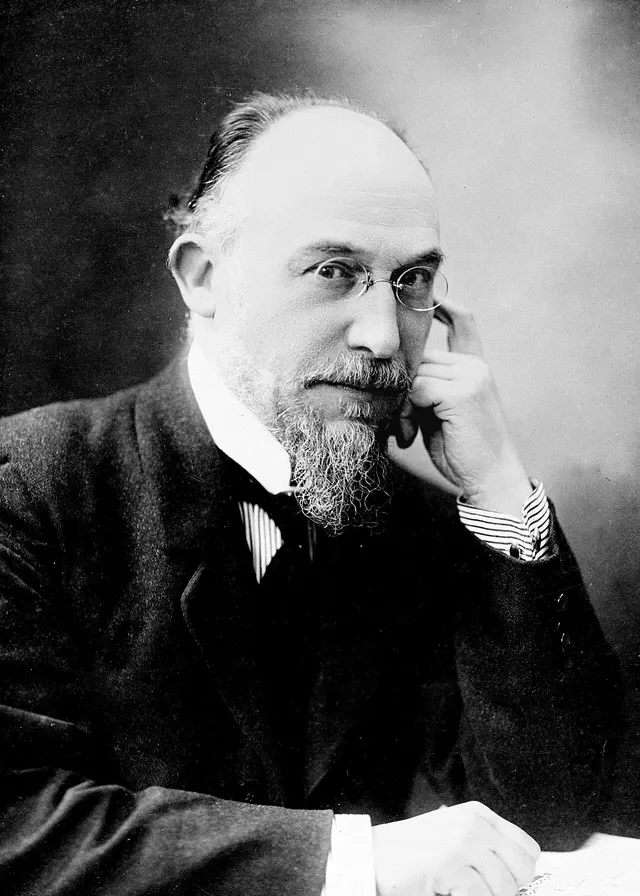
Erik Satie
Image creditHenri Manuel · Public domainResized and cropped for display.

Erik Satie

French composer whose spare, dreamlike piano pieces such as the Gymnopédies influenced Debussy, Ravel and, much later, minimalist and ambient music.

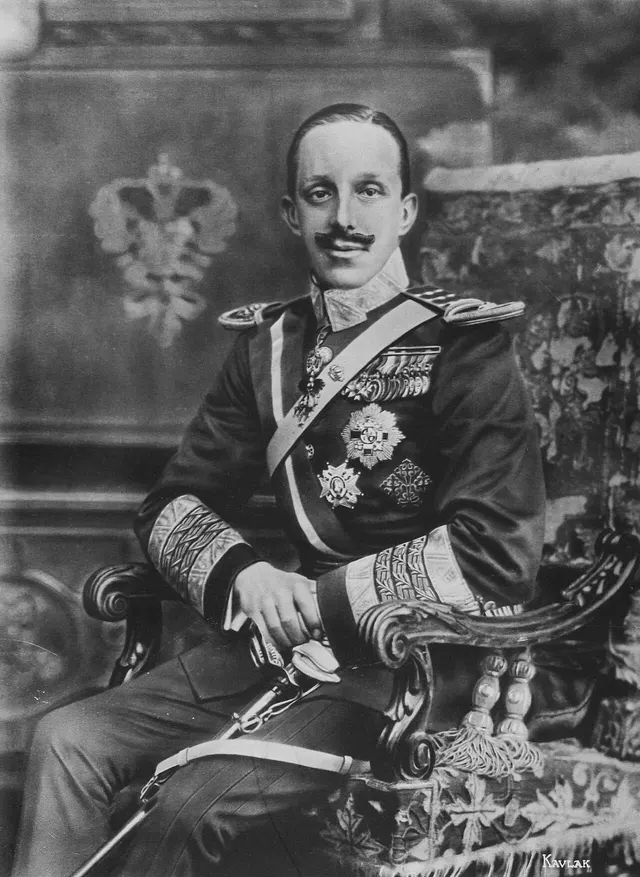
Alfonso XIII
Image creditKaulak · Public domainResized and cropped for display.

Alfonso XIII

Born king of Spain months after his father’s death, he reigned until 1931, when republican election victories led him to leave the country.

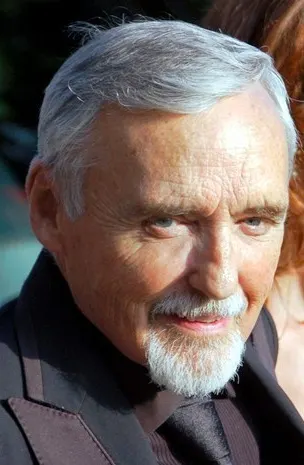
Dennis Hopper
Image creditGeorges Biard · CC BY-SA 3.0Resized and cropped for display.

Dennis Hopper

American actor and director who made the counterculture road film Easy Rider and later gave memorable performances in Apocalypse Now and Blue Velvet.

Tony Roche
Image creditpaddynapper · CC BY-SA 2.0Resized and cropped for display.

Tony Roche

Australian tennis player who won the French Open and a string of doubles titles, then became a leading coach of champions.

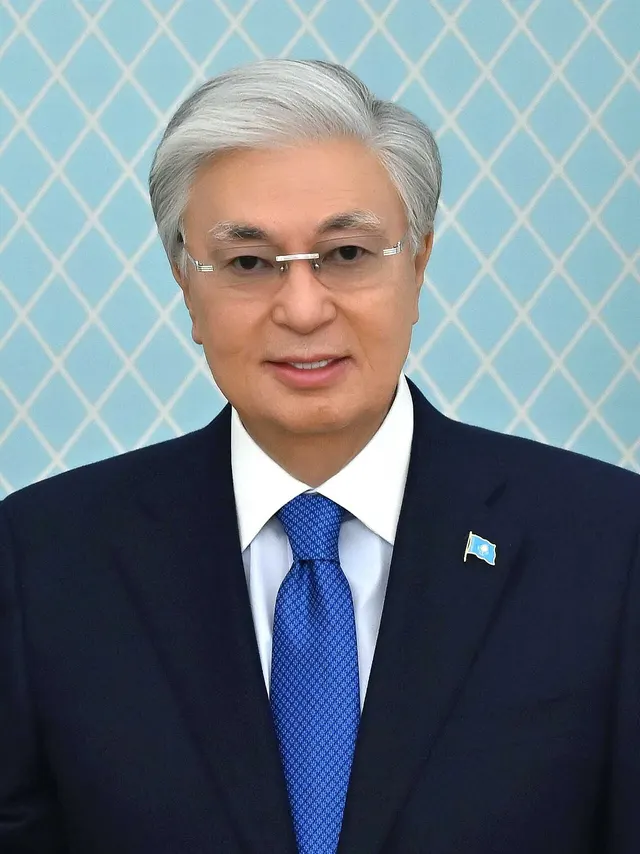
Kassym-Jomart Tokayev
Image creditMasato Kanda · CC BY 4.0Resized and cropped for display.

Kassym-Jomart Tokayev

Kazakh diplomat and politician who served in senior UN posts in Geneva and became president of Kazakhstan in 2019.

Enya
Image creditOrlando Sentinel/ Associated Press · Public domainResized and cropped for display.

Enya

Irish singer and composer from Donegal whose layered, atmospheric songs, often sung in Irish, have sold tens of millions of albums.

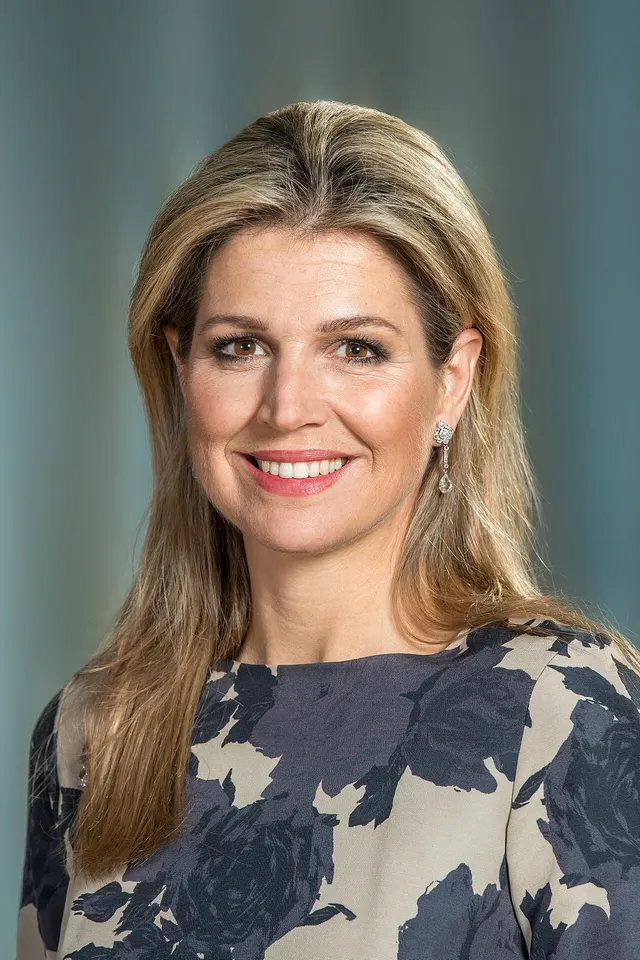
Queen Máxima of the Netherlands
Image creditRVD, Jeroen van der Meyde · CC0Resized and cropped for display.

Queen Máxima of the Netherlands

Argentine-born economist who married the Dutch crown prince in 2002 and became queen when he took the throne in 2013.

◉
IDEAS THAT CHANGED THINGS

Firsts, Science & Discoveries

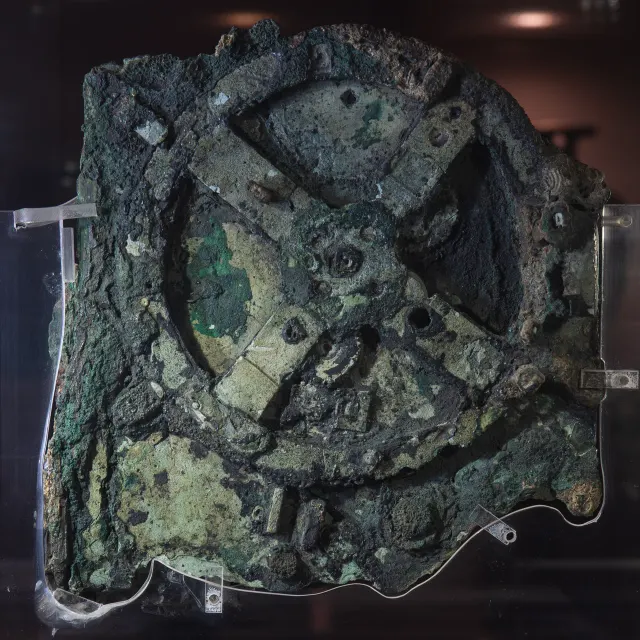
The largest surviving fragment of the Antikythera mechanism, National Archaeological Museum, Athens
Image creditLogg Tandy · CC BY 4.0Resized and cropped for display.

A gear wheel reveals an ancient Greek calculating machine

In 1900 and 1901 sponge divers off the Greek island of Antikythera brought up statues, pottery and other treasures from a Roman-era shipwreck. Among the finds was a shapeless lump of corroded bronze and wood. On 17 May 1902 the archaeologist Valerios Stais, looking over the pieces in Athens, noticed a toothed gear wheel set into one of them, along with traces of Greek writing.

It was the first sign that the lump was a machine. Over the following century X-rays and scans showed that the Antikythera mechanism, made more than 2,000 years ago, used dozens of interlocking gears to track the Sun, Moon and planets and to predict eclipses. Nothing of comparable complexity is known again until the astronomical clocks of medieval Europe.

Read the full storyHistory & Timeline →Source: Linda Hall Library: The Antikythera Mechanism ↗
☆
SPORTING HISTORY

Sporting Moments

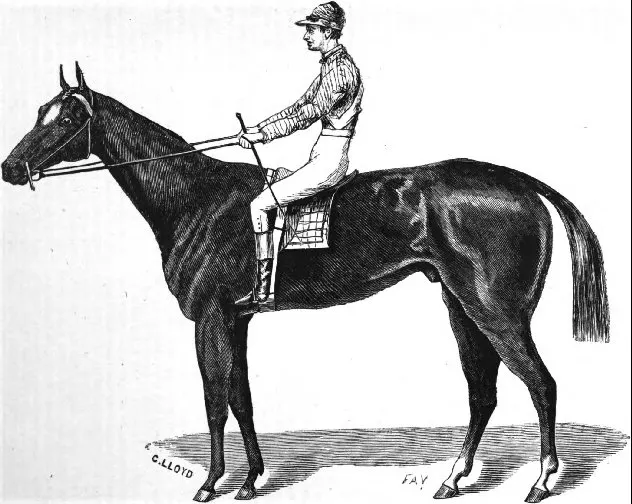
An engraving of Aristides, the colt that won the first Kentucky Derby
Image creditC. Lloyd · Public domainResized and cropped for display.

Aristides wins the first Kentucky Derby

Inspired by England’s Epsom Derby, the new Louisville Jockey Club in Kentucky staged a race of its own for three-year-old horses. On 17 May 1875 about 10,000 spectators watched 15 runners set off over a mile and a half at the track later named Churchill Downs. The small chestnut colt Aristides won by two lengths in a record time for the distance.

His jockey was 19-year-old Oliver Lewis, a Black rider born in Kentucky, and 13 of the 15 jockeys in the field were Black, a reminder of how central African American horsemen were to early American racing. The Kentucky Derby is now run on the first Saturday in May and is the oldest continuously held major horse race in the United States.

Read the full storyHistory & Timeline →Source: National Museum of Racing and Hall of Fame: Aristides, the original Kentucky Derby hero ↗
♫
MUSIC • FILM • BOOKS • CULTURE

Culture Stories

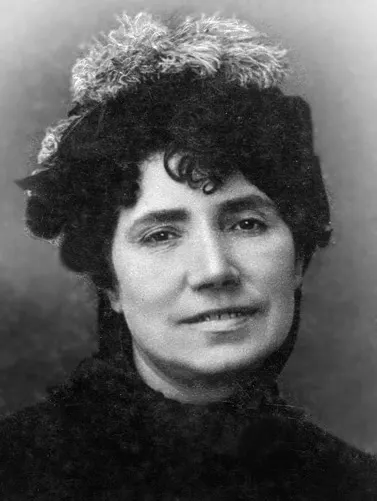
Portrait of the Galician poet Rosalía de Castro
Image creditLuis Sellier · Public domainResized and cropped for display.

Rosalía de Castro gives Galician its first great book of poems

In the 19th century Galician, the language of north-west Spain, was spoken by most people in the region but seldom written down or printed. Rosalía de Castro changed that with Cantares gallegos, a collection of poems drawing on the songs and speech of country people. Its dedication is dated Santiago, 17 May 1863, the day now taken as its publication.

It was the first book printed entirely in Galician, and it launched a literary revival known as the Rexurdimento. A century later, in 1963, the Royal Galician Academy chose 17 May as Día das Letras Galegas, Galician Literature Day, a public holiday in Galicia that each year honours a different writer in the language.

Read the full storyHistory & Timeline →Source: Real Academia Galega: Cantares gallegos (1863) ↗
✦
LIVES REMEMBERED

Remembered Today

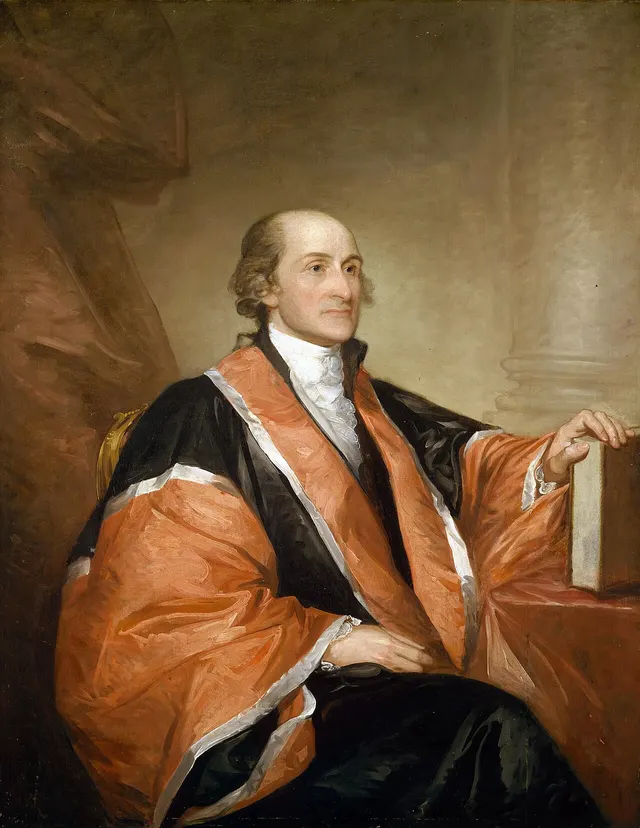
John Jay
Image creditGilbert Stuart · Public domainResized and cropped for display.

John Jay

American statesman who helped negotiate the peace that ended the War of Independence and served as the first Chief Justice of the United States.

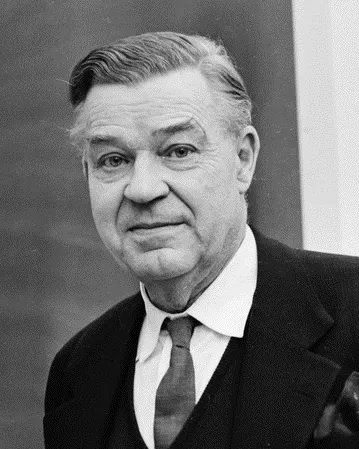
Gunnar Myrdal
Image creditUppsala-Bild / Upplandsmuseet · Public domainResized and cropped for display.

Gunnar Myrdal

Swedish economist whose landmark study of race in the United States shaped debate there; he shared the 1974 Nobel economics prize.

Mario Benedetti
Image creditElisa Cabot · CC BY-SA 2.0Resized and cropped for display.

Mario Benedetti

Uruguayan writer of poems, novels and short stories, loved across Latin America for his plain-spoken portraits of city life and exile.

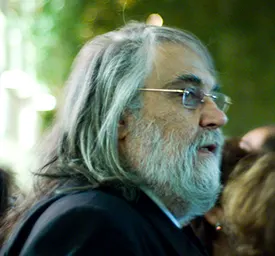
Vangelis
Image creditNikolasforWiki · CC BY-SA 3.0Resized and cropped for display.

Vangelis

Greek composer of electronic music who won an Oscar for the score of Chariots of Fire and also scored Blade Runner.

☉
AROUND THE WORLD

Observances & Anniversaries

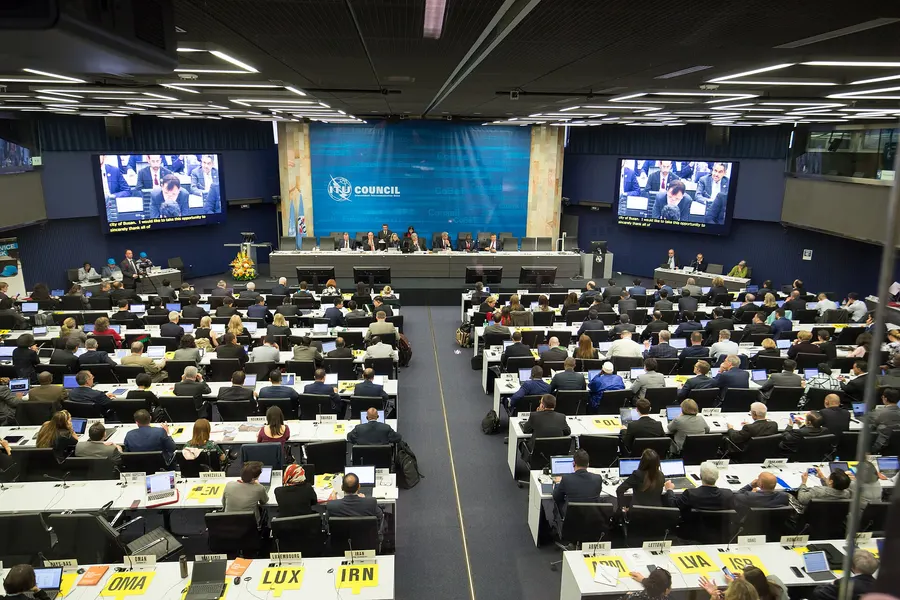
A meeting of the ITU Council in Geneva in 2018
Image creditITU Pictures from Geneva, Switzerland · CC BY 2.0Resized and cropped for display.

World Telecommunication and Information Society Day

Held every 17 May to mark the founding of the International Telegraph Union in 1865, this United Nations day has been celebrated since 1969. Each year the International Telecommunication Union picks a theme, drawing attention to how phones, the internet and other digital technologies can help societies and economies, and to the work still needed to connect the people who remain offline.

Source: United Nations: World Telecommunication and Information Society Day ↗
HISTORY & TIMELINE

Finished the highlights?

Follow 17 May chronologically, from the Middle Ages to the modern day, with 13 verified events and the sources behind them.

This day through time →