Explore 20 May

Explore 20 May: Vasco da Gama’s ships reach India, seventeen nations sign the Metre Convention, Cuba becomes a republic and East Timor is born as the first new nation of the century. Born today: Honoré de Balzac, Cher and José Mujica.

This day through time →14 verified events across 6 eras

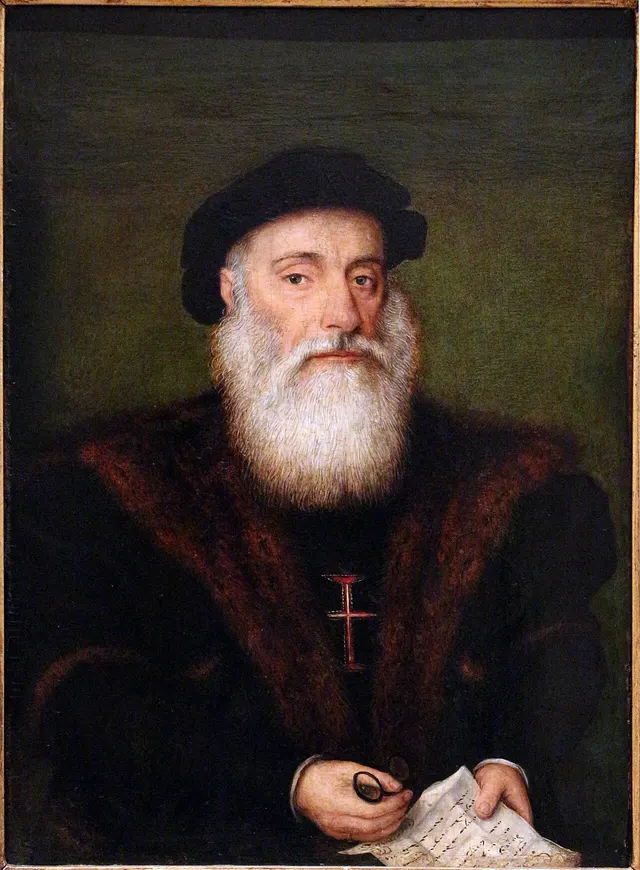
A 16th-century Portuguese portrait of a knight of the Order of Christ, traditionally said to show Vasco da Gama
Image creditSailko · CC BY 3.0Resized and cropped for display.

Vasco da Gama’s ships reach India by sea

Ten months after leaving Lisbon, Vasco da Gama’s small Portuguese fleet crossed the Indian Ocean in just over three weeks, helped by a local pilot picked up in East Africa. The mountains of the Western Ghats came into view, and on 20 May 1498 the ships arrived off Calicut, the busy spice port now called Kozhikode, on India’s south-west coast.

It was the first time Europeans had sailed all the way to India around the southern tip of Africa. The welcome from the local ruler, the Zamorin, was cool, as the gifts the Portuguese offered seemed poor to a city used to rich trade. Even so, the voyage opened a sea route that would reshape the trade of Europe and Asia for centuries.

Read the full storyHistory & Timeline →Source: Britannica: Vasco da Gama ↗
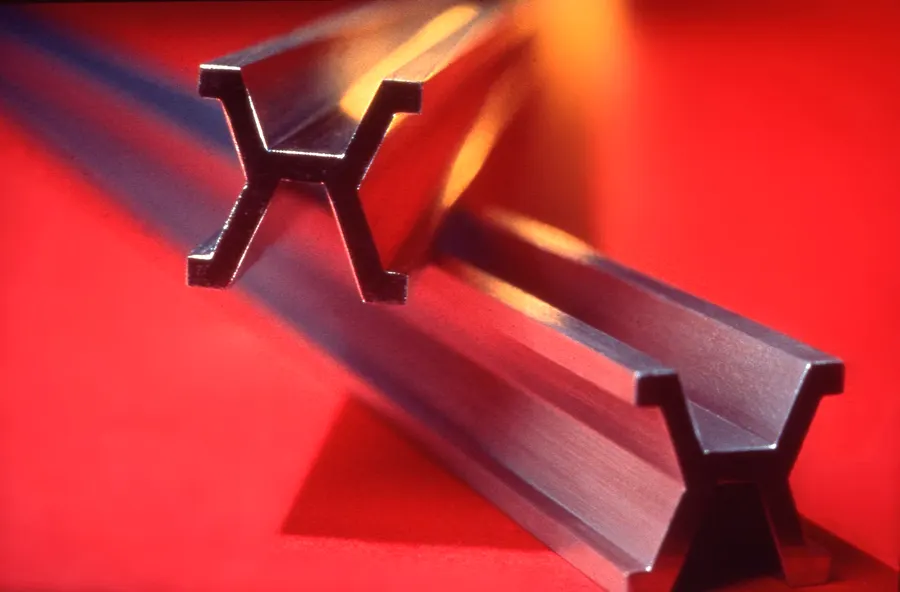
A platinum-iridium prototype metre bar, of the kind made for the nations that signed the Metre Convention
Image creditUnknown author · Public domainResized and cropped for display.

Seventeen nations agree to measure the world the same way

At the close of a diplomatic conference in Paris on 20 May 1875, representatives of seventeen countries signed the Metre Convention. They agreed to share one set of standards for length and mass, and to create a permanent body to look after them: the International Bureau of Weights and Measures, based at Sèvres just outside Paris.

The treaty turned the French metric system into a truly international one. Out of it grew the International System of Units, the SI, now used by scientists, engineers and traders almost everywhere. The anniversary is marked each year as World Metrology Day.

Read the full storyHistory & Timeline →Source: BIPM: The Metre Convention ↗
Tomás Estrada Palma, first president of Cuba
Image creditMorena A. Loper · Public domainResized and cropped for display.

Cuba becomes an independent republic

After decades of struggle against Spain and almost four years of American military rule following the war of 1898, Cuba became a republic on 20 May 1902. Tomás Estrada Palma, a veteran of the independence movement, was sworn in as the first president in Havana, and the United States withdrew its troops and officials from the island.

Independence came with strings attached. The Platt Amendment, written into Cuba’s constitution, gave the United States the right to intervene in Cuban affairs and to keep a naval base at Guantánamo Bay. Estrada Palma’s government was known for careful finances and new schools, but American influence shaped Cuban politics for decades.

Read the full storyHistory & Timeline →Source: Britannica: Republic of Cuba (1902-1959) ↗
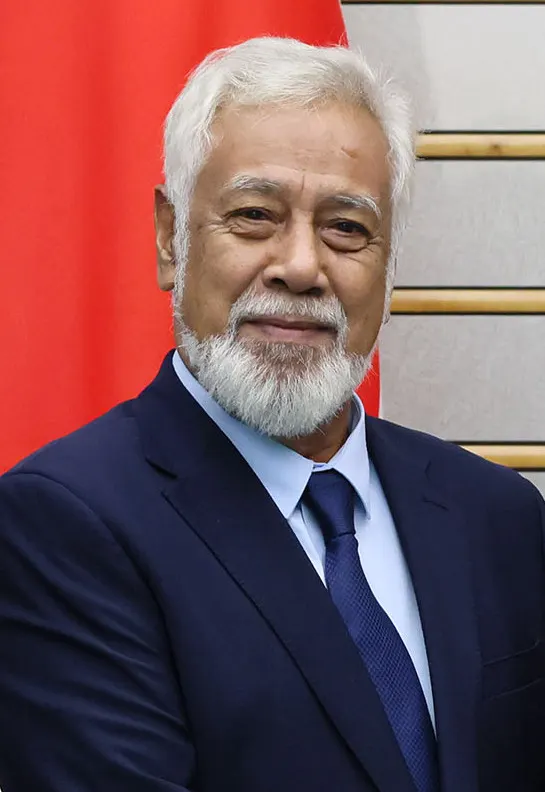
Xanana Gusmão, East Timor's first president after independence, pictured in later years
Xanana Gusmão, East Timor’s first president after independence, pictured in later years
Image credit首相官邸ホームページ · CC BY 4.0Resized and cropped for display.

East Timor is born as an independent nation

At midnight on 20 May 2002, a crowd of more than 100,000 people gathered outside Dili to watch the flag of an independent East Timor raised for the first time. The former Portuguese colony had been occupied by Indonesia from the mid-1970s, and in 1999 its people voted overwhelmingly for independence in a ballot run by the United Nations.

The vote was followed by violence from anti-independence militias, and the UN then governed the territory while it rebuilt. On independence day, Xanana Gusmão took office as president and the new parliament met for the first time. Four months later the country joined the United Nations as Timor-Leste.

Read the full storyHistory & Timeline →Source: UN Security Council press release: independence of East Timor ↗
♙
PEOPLE

Born Today

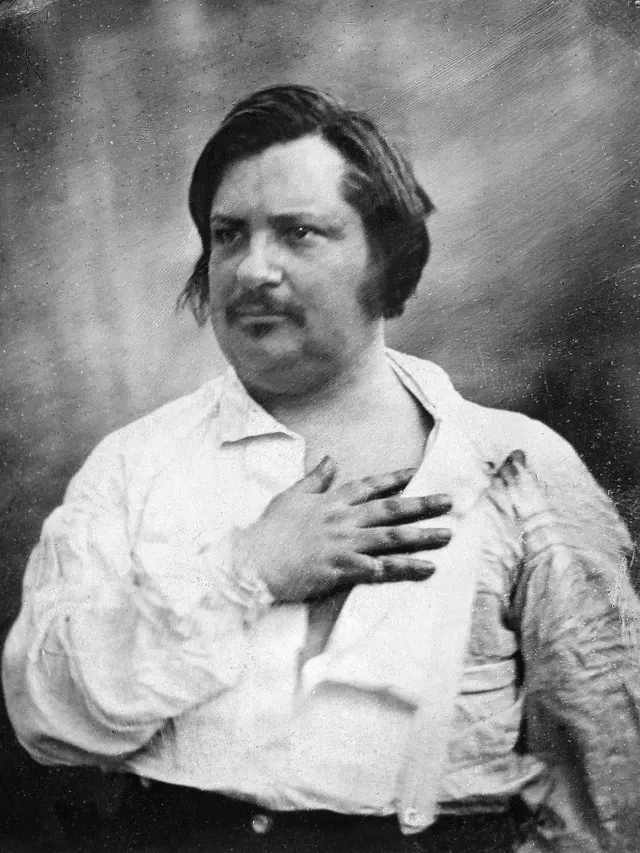
Honoré de Balzac
Image creditLouis-Auguste Bisson · Public domainResized and cropped for display.

Honoré de Balzac

French novelist whose vast cycle of linked novels, La Comédie humaine, painted a crowded, restless picture of French society after Napoleon.

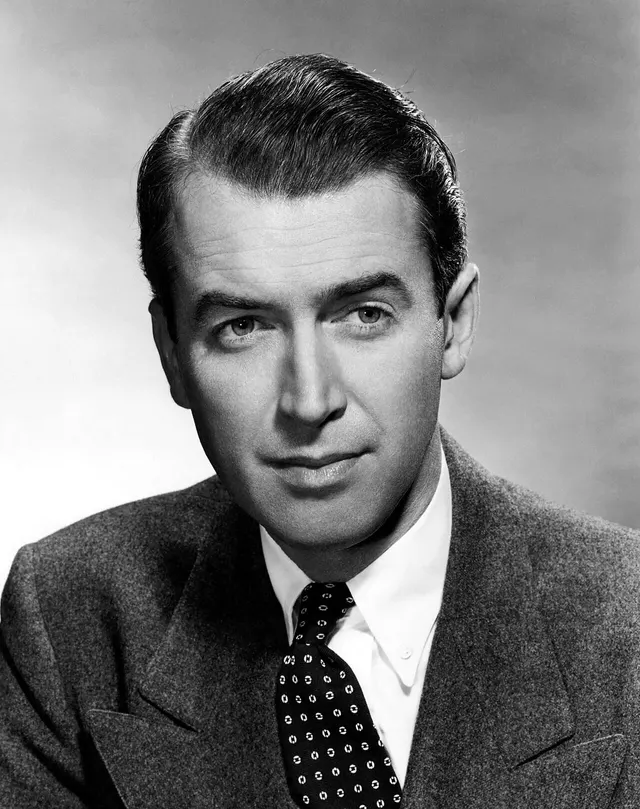
James Stewart
Image creditStudio publicity still · Public domainResized and cropped for display.

James Stewart

American film star of It’s a Wonderful Life, Vertigo and Mr. Smith Goes to Washington, who also flew bombing missions in the Second World War.

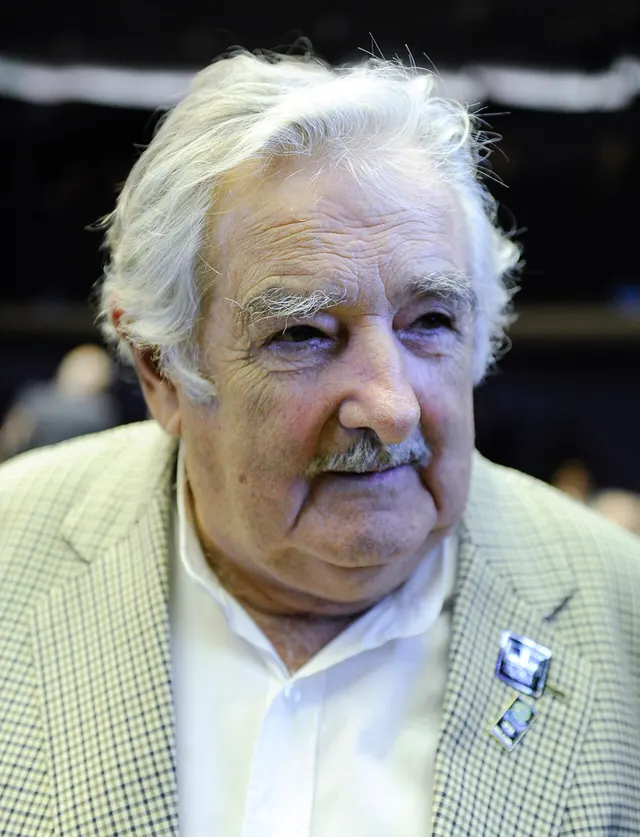
José Mujica
Image creditSenado Federal · CC BY 2.0Resized and cropped for display.

José Mujica

Former guerrilla who spent years in prison and later became president of Uruguay, famous for his modest farmhouse life and plain speaking.

Sadaharu Oh
Image credit總統府 · CC BY 4.0Resized and cropped for display.

Sadaharu Oh

Japanese baseball great who hit 868 home runs for the Yomiuri Giants, a professional record, with his distinctive one-legged batting stance.

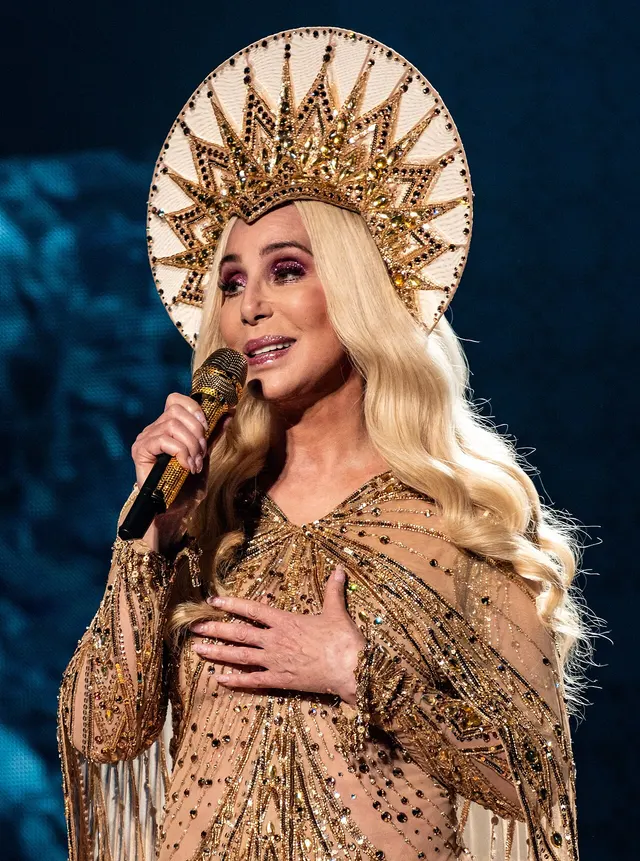
Cher
Image creditRaph_PH · CC BY-SA 4.0Resized and cropped for display.

Cher

American singer and actress whose hits span six decades, from I Got You Babe to Believe, and who won an Oscar for Moonstruck.

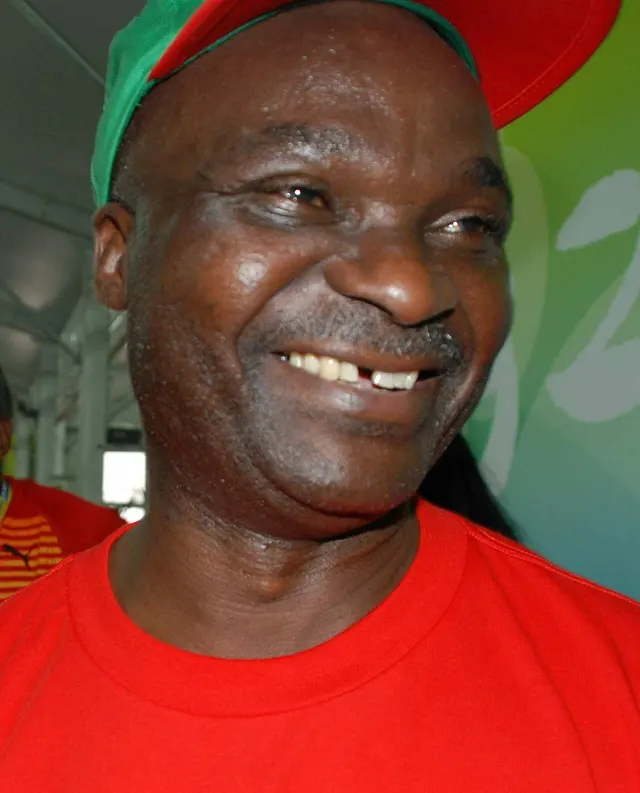
Roger Milla
Image creditJmex60 · CC BY-SA 3.0Resized and cropped for display.

Roger Milla

Cameroonian striker whose goals and corner-flag dances at the 1990 World Cup lit up the tournament and made him a hero across Africa.

◉
IDEAS THAT CHANGED THINGS

Firsts, Science & Discoveries

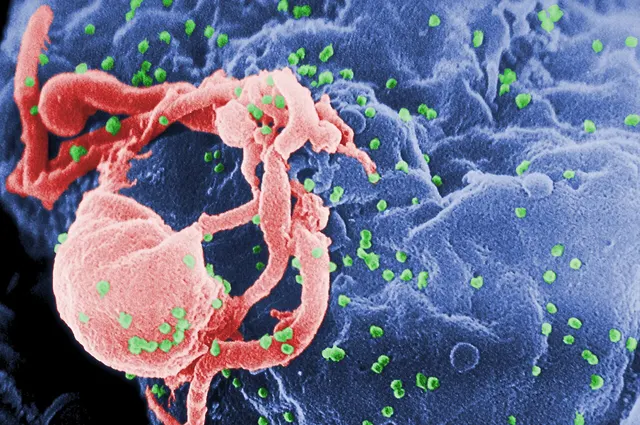
Electron micrograph of HIV particles budding from a human cell
Image creditC. Goldsmith, P. Feorino, E. L. Palmer and W. R. McManus (CDC) · Public domainResized and cropped for display.

Paris scientists describe the virus behind AIDS

On 20 May 1983 the journal Science published a paper from a team at the Institut Pasteur in Paris describing a new retrovirus. Working in Luc Montagnier’s unit, Françoise Barré-Sinoussi and Jean-Claude Chermann had grown it from a lymph node taken from a patient showing early signs of AIDS, a disease that had puzzled doctors since 1981.

They called it lymphadenopathy-associated virus. Within a few years it was confirmed as the cause of AIDS and renamed the human immunodeficiency virus, or HIV. The discovery made blood tests and, later, life-saving drugs possible, and in 2008 Barré-Sinoussi and Montagnier shared the Nobel Prize in Physiology or Medicine.

Read the full storyHistory & Timeline →Source: Institut Pasteur: 40 years of HIV discovery ↗
☆
SPORTING HISTORY

Sporting Moments

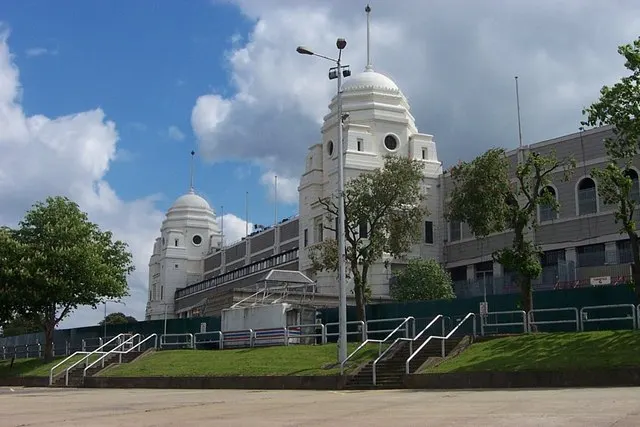
The old Wembley Stadium in London, scene of the 1992 European Cup final
Image creditMerv Payne · CC BY-SA 2.0Resized and cropped for display.

Koeman’s free-kick wins Barcelona its first European Cup

Barcelona had long been one of Europe’s great clubs, yet the European Cup had always escaped them. On 20 May 1992 Johan Cruyff’s side, nicknamed the Dream Team, met Italian champions Sampdoria in the final at Wembley Stadium in London. Ninety minutes passed without a goal, and the match went into extra time.

In the 111th minute Barcelona won a free-kick outside the area, and the Dutch defender Ronald Koeman struck it hard past the goalkeeper Gianluca Pagliuca. The 1-0 win brought the trophy to Catalonia for the first time, the last final played under the old European Cup name before the Champions League took over.

Read the full storyHistory & Timeline →Source: UEFA: 1991/92, Koeman ends Barcelona’s wait ↗
♫
MUSIC • FILM • BOOKS • CULTURE

Culture Stories

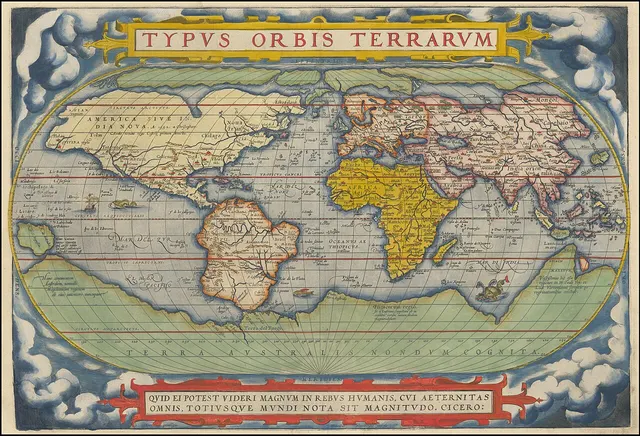
The world map from Abraham Ortelius's Theatrum Orbis Terrarum
The world map from Abraham Ortelius’s Theatrum Orbis Terrarum
Image creditAbraham Ortelius · Public domainResized and cropped for display.

Ortelius publishes the first modern atlas

In Antwerp on 20 May 1570, the Flemish mapmaker Abraham Ortelius brought out his Theatrum Orbis Terrarum, the Theatre of the World. It gathered some 70 maps on 53 sheets, engraved in one matching style with commentary alongside, into a single bound book that readers could carry and consult.

Nothing quite like it had been done before, and it is often called the first true atlas. It was a best-seller, growing through many editions in Latin, Dutch, French, German, Italian and English, and it shaped how educated Europeans pictured the world for more than a generation.

Read the full storyHistory & Timeline →Source: Library of Congress: Ortelius, a legendary mapmaker ↗
✦
LIVES REMEMBERED

Remembered Today

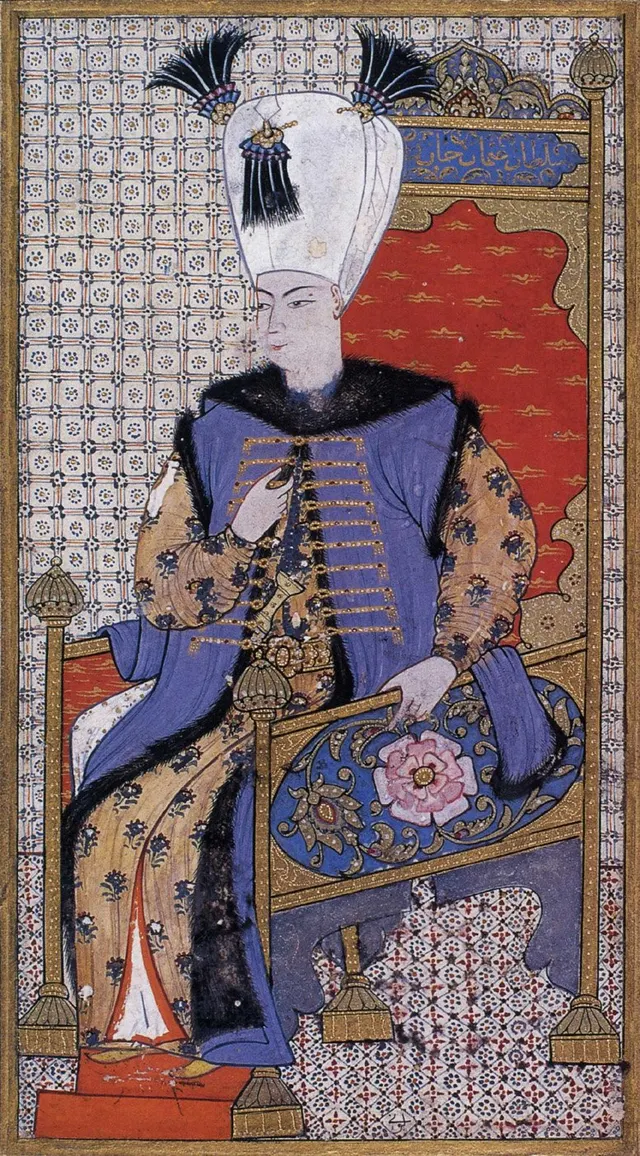
Osman II
Image creditLevni (album, 1720-30) · CC BY-SA 4.0Resized and cropped for display.

Osman II

Young Ottoman sultan who tried to curb the powerful Janissaries; they rose against him, deposed him and killed him in Istanbul.

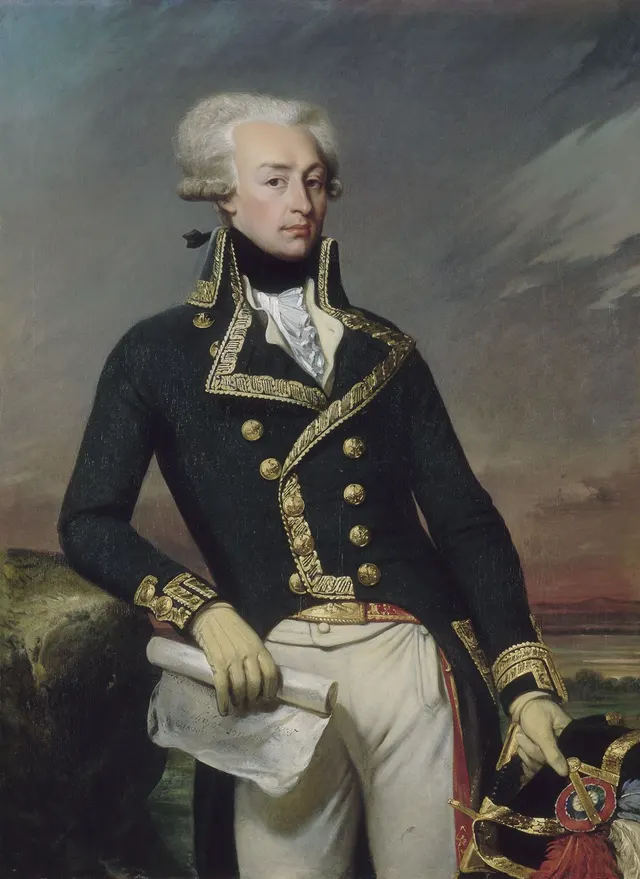
Marquis de Lafayette
Image creditJoseph-Désiré Court · Public domainResized and cropped for display.

Marquis de Lafayette

French aristocrat who fought beside Washington in the American Revolution and later helped shape the early French Revolution.

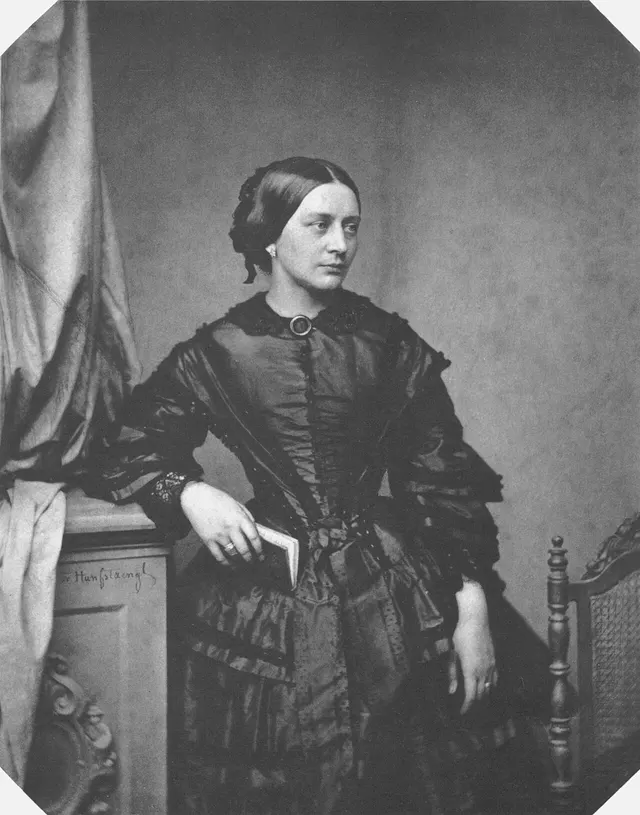
Clara Schumann
Image creditFranz Hanfstaengl · Public domainResized and cropped for display.

Clara Schumann

German pianist and composer, one of the finest performers of her century, who championed the music of her husband Robert and of Brahms.

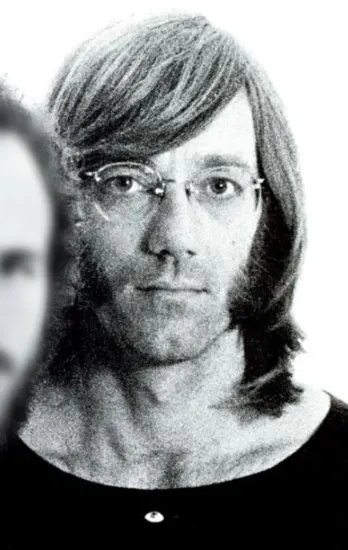
Ray Manzarek
Image creditElektra Records · Public domainResized and cropped for display.

Ray Manzarek

American keyboard player and co-founder of the Doors, whose swirling organ lines gave songs like Light My Fire their sound.

☉
AROUND THE WORLD

Observances & Anniversaries

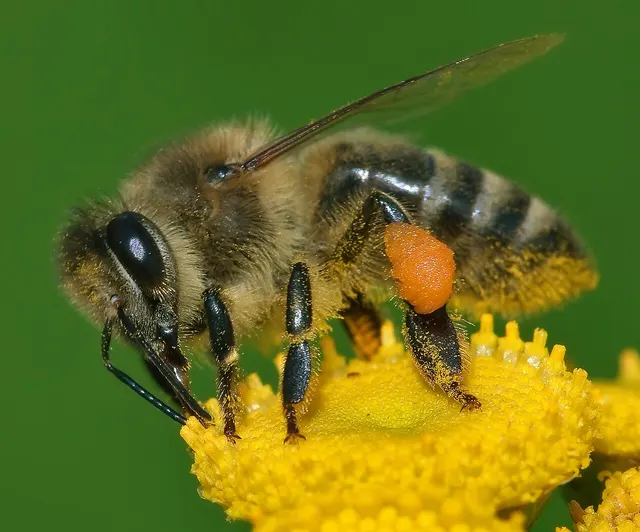
A honey bee gathering pollen from a flower
Image creditAndreas Trepte · CC BY-SA 2.5Resized and cropped for display.

World Bee Day

The United Nations chose 20 May for World Bee Day because it is the birthday of Anton Janša, an eighteenth-century Slovenian pioneer of modern beekeeping. Proposed by Slovenia and first marked in 2018, the day draws attention to bees and other pollinators, which help produce much of the world’s food and are under growing pressure from habitat loss, pesticides and disease.

Source: United Nations: World Bee Day ↗
HISTORY & TIMELINE

Finished the highlights?

Follow 20 May chronologically, from the Middle Ages to the modern day, with 14 verified events and the sources behind them.

This day through time →