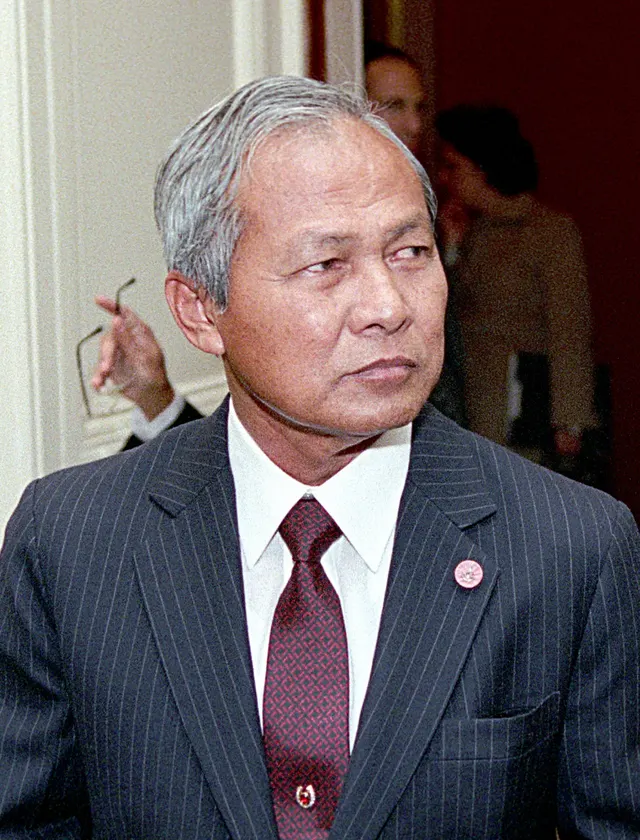
Explore 26 May

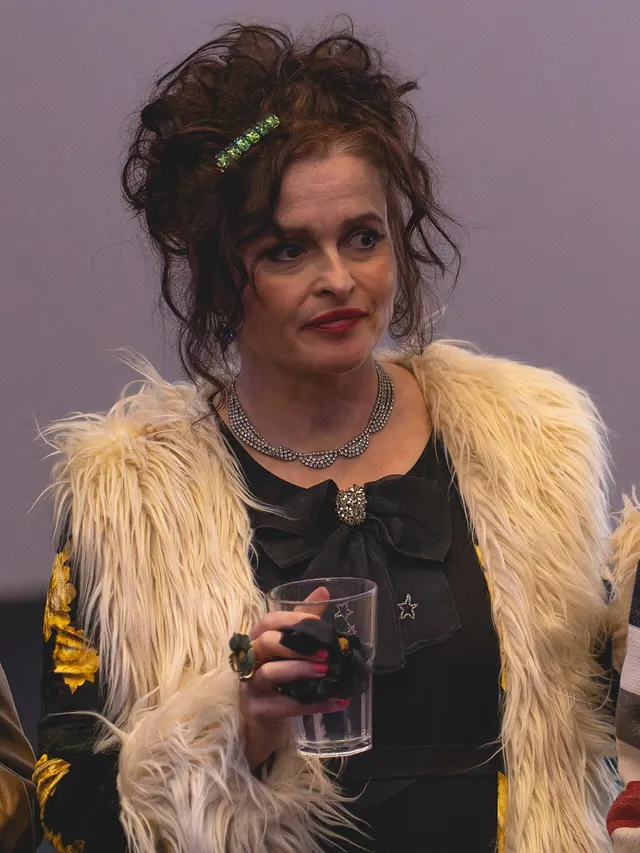
Explore 26 May: Guyana raises the Golden Arrowhead as a free nation, oil gushes at Masjed Soleyman in Persia, Georgia declares its independence in Tbilisi and the little ships begin the rescue at Dunkirk. Born today: Miles Davis, Sally Ride and Helena Bonham Carter.

This day through time →15 verified events across 5 eras

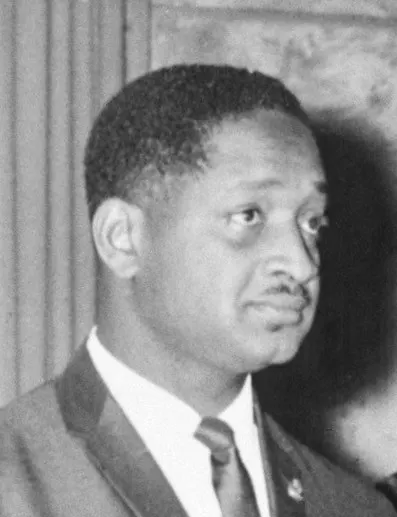
Forbes Burnham, who led British Guiana into independence as Guyana's first prime minister
Forbes Burnham, who led British Guiana into independence as Guyana’s first prime minister
Image creditFotograaf Onbekend / Anefo · CC0Resized and cropped for display.

British Guiana becomes the independent nation of Guyana

British Guiana, on the north-eastern shoulder of South America, had been a British colony since the early 1800s, its sugar estates worked first by enslaved Africans and later by indentured labourers brought mostly from India. After the Second World War a strong independence movement grew up, led at first by Cheddi Jagan and Forbes Burnham, but bitter political divisions and British and American suspicion of Jagan’s left-wing politics slowed the road to self-rule.

In 1964 a coalition led by Burnham took office, and Britain’s Parliament passed the Guyana Independence Act in May 1966. The Act came into force on 26 May, when the Union Jack was lowered and the new Golden Arrowhead flag raised in Georgetown. The colony took the name Guyana, an Amerindian word often translated as ‘land of many waters’, and the first National Assembly of the new country met the same day.

Read the full storyHistory & Timeline →Source: Britannica: Guyana, Independence ↗
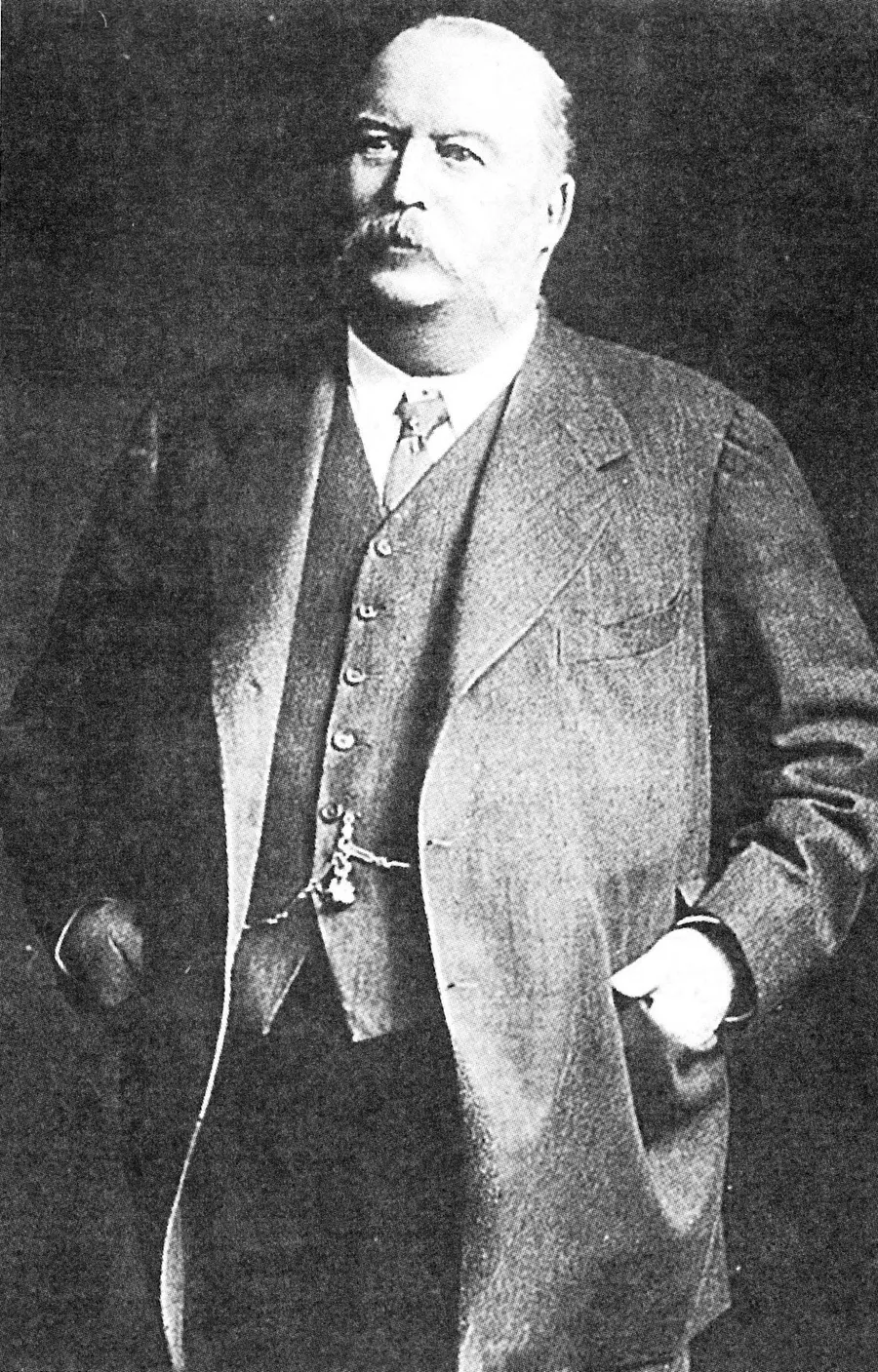
William Knox D'Arcy, the financier whose Persian oil concession led to the strike at Masjed Soleyman
William Knox D’Arcy, the financier whose Persian oil concession led to the strike at Masjed Soleyman
Image creditUnknown author · Public domainResized and cropped for display.

Oil gushes from the ground at Masjed Soleyman

In 1901 the British-Australian financier William Knox D’Arcy won a sixty-year concession from the Shah of Persia to search for oil across much of the country. His engineer, George Reynolds, spent years drilling in harsh and remote country without success, and by 1908 the money was running out. The backers told Reynolds to prepare to stop work, but he kept drilling at a site in the south-west known as Masjed Soleyman.

In the early hours of 26 May 1908 the drill struck oil, and a gusher shot high above the rig. It was the first major commercial oil find in the Middle East. The Anglo-Persian Oil Company was formed the following year to exploit it, and later grew into BP. The discovery transformed Iran’s economy and politics, and marked the start of the region’s central place in the world’s oil supply.

Read the full storyHistory & Timeline →Source: Encyclopaedia Iranica: D’Arcy, William Knox ↗
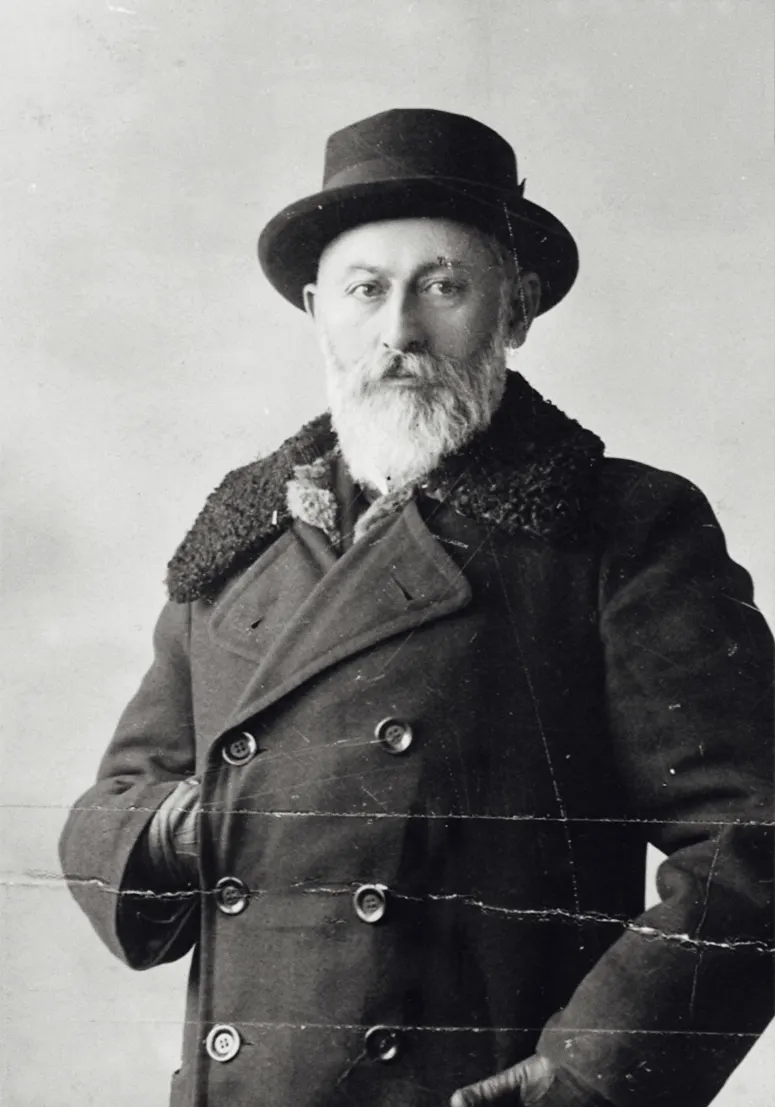
Noe Zhordania, who headed the government of the Democratic Republic of Georgia
Image creditUnknown author · Public domainResized and cropped for display.

Georgia declares its independence in Tbilisi

Georgia, in the southern Caucasus between the Black and Caspian Seas, had been absorbed into the Russian Empire in the early 1800s. When that empire collapsed in the revolutions of 1917, the peoples of the Caucasus first tried a short-lived joint federation. As it broke apart under the pressure of war with the Ottoman Empire, Georgian leaders decided to go their own way.

On 26 May 1918 the Georgian National Council in Tbilisi adopted the Act of Independence, creating the Democratic Republic of Georgia. Led by Social Democrats under Noe Zhordania, it held multi-party elections and in 1921 adopted a constitution, before the Red Army invaded and the country was absorbed into Soviet rule. Georgia restored its independence in 1991, and 26 May is now its national Independence Day.

Read the full storyHistory & Timeline →Source: National Archives of Georgia: The First Democratic Republic of Georgia ↗
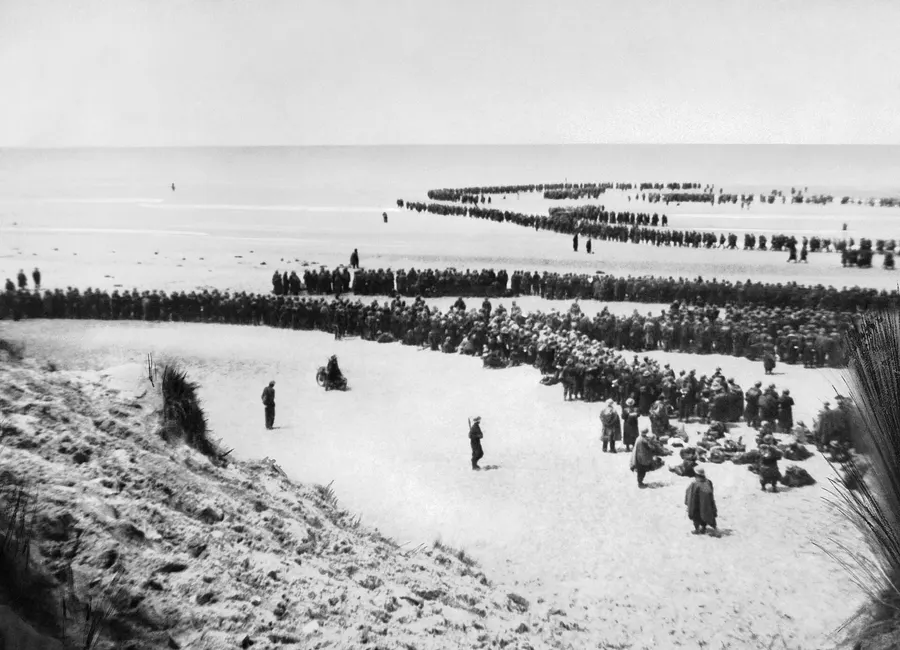
British troops lining up on the beach at Dunkirk to wait for evacuation, late May 1940
Image creditUnknown author · Public domainResized and cropped for display.

The evacuation from Dunkirk begins

In May 1940 the German army swept through the Low Countries and into France, and its armoured columns raced to the English Channel, cutting off the British Expeditionary Force together with French and Belgian troops in a shrinking pocket around the port of Dunkirk. With surrender or destruction looming, the British government ordered an evacuation by sea, codenamed Operation Dynamo, which began on the evening of 26 May.

The operation was run by Vice-Admiral Bertram Ramsay from tunnels deep in the cliffs at Dover. Warships and hundreds of civilian vessels, from ferries to fishing boats and pleasure craft, crossed under air attack to lift men from the harbour and the beaches. Planners hoped to save perhaps 45,000; by 4 June more than 338,000 British and Allied troops had been brought home, though most of their equipment was left behind.

Read the full storyHistory & Timeline →Source: Imperial War Museums: What you need to know about the Dunkirk evacuations ↗
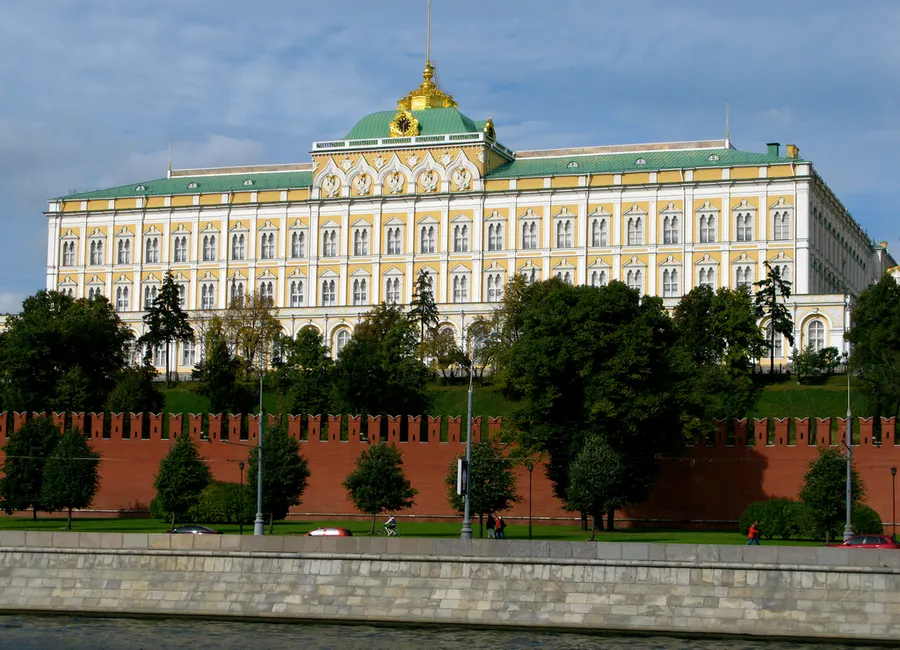
The Grand Kremlin Palace in Moscow
Image creditEd Yourdon from New York City, USA · CC BY-SA 2.0Resized and cropped for display.

Nixon and Brezhnev sign the first great arms control deal

By the late 1960s the United States and the Soviet Union each had enough nuclear missiles to destroy the other many times over, and both were beginning to build defences designed to shoot incoming warheads down. Strategists feared that such shields would only spur a new and costly race to build more missiles to overwhelm them. In 1969 the two sides opened the Strategic Arms Limitation Talks to try to halt the spiral.

On 26 May 1972, during the first visit by an American president to Moscow, Richard Nixon and the Soviet leader Leonid Brezhnev signed the Anti-Ballistic Missile Treaty, together with an interim agreement freezing numbers of offensive missiles. Each side was allowed only a small number of missile-defence sites. It was the high point of the thaw known as détente, and the treaty lasted thirty years until the United States withdrew in 2002.

Read the full storyHistory & Timeline →Source: US Department of State, Office of the Historian: Strategic Arms Limitations Talks/Treaty (SALT) I and II ↗

♙
PEOPLE

Born Today

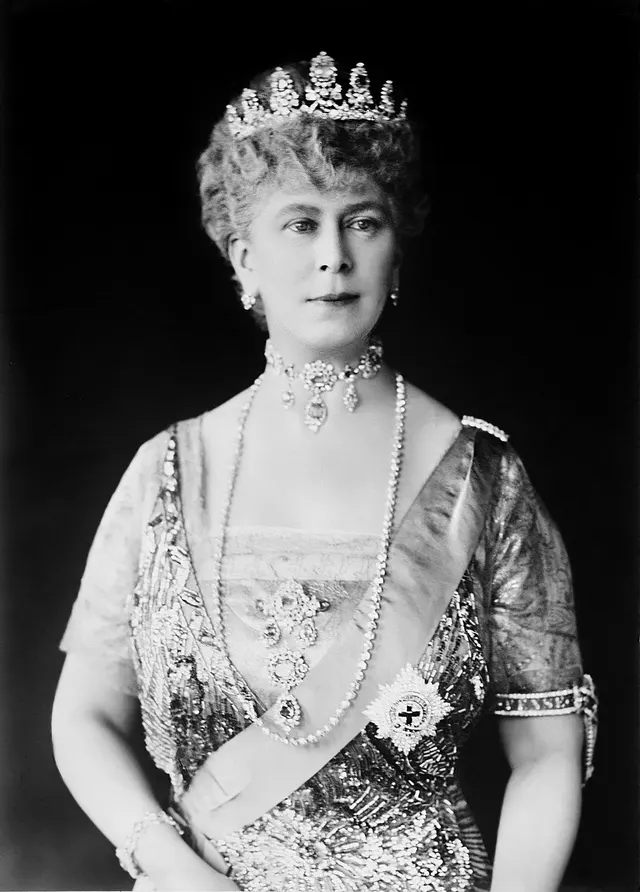
Mary of Teck
Image creditBain News Service; edited by Fir0002 · Public domainResized and cropped for display.

Mary of Teck

Queen consort of George V, born at Kensington Palace, who became a steadfast figure of the British monarchy through two world wars.

John Wayne
Image creditUnknown photographer · Public domainResized and cropped for display.

John Wayne

American film star nicknamed ‘the Duke’, whose rugged roles in Westerns and war films made him one of Hollywood’s most enduring icons.

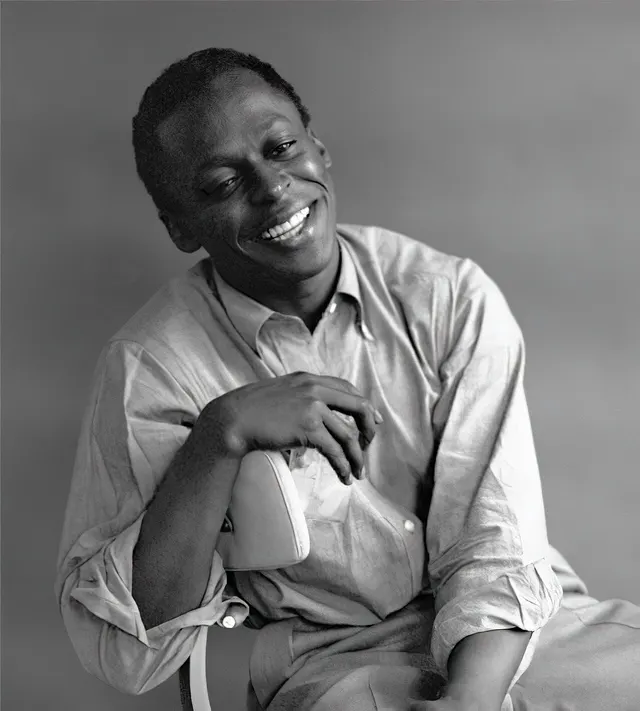
Miles Davis
Image creditTom Palumbo from New York City, USA · CC BY-SA 2.0Resized and cropped for display.

Miles Davis

American trumpeter and bandleader who reshaped jazz again and again, from the cool sound of the late 1940s to the landmark album Kind of Blue.

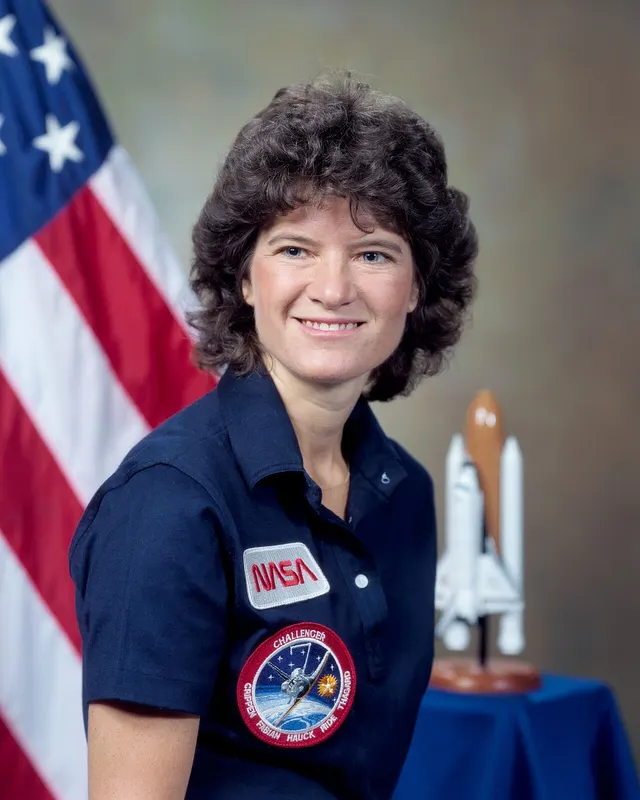
Sally Ride
Image creditNASA; retouched by Coffeeandcrumbs · Public domainResized and cropped for display.

Sally Ride

Physicist and astronaut who in 1983 became the first American woman in space, and later championed science education for girls.

Helena Bonham Carter
Image creditRaph_PH · CC BY 2.0Resized and cropped for display.

Helena Bonham Carter

English actress known for period dramas and eccentric roles, from A Room with a View to Bellatrix Lestrange and The King’s Speech.

Frederik X
Image creditFinnish Government · CC BY 2.0Resized and cropped for display.

Frederik X

Danish king who succeeded his mother Margrethe II in January 2024, after training as a naval frogman during his long years as crown prince.

◉
IDEAS THAT CHANGED THINGS

Firsts, Science & Discoveries

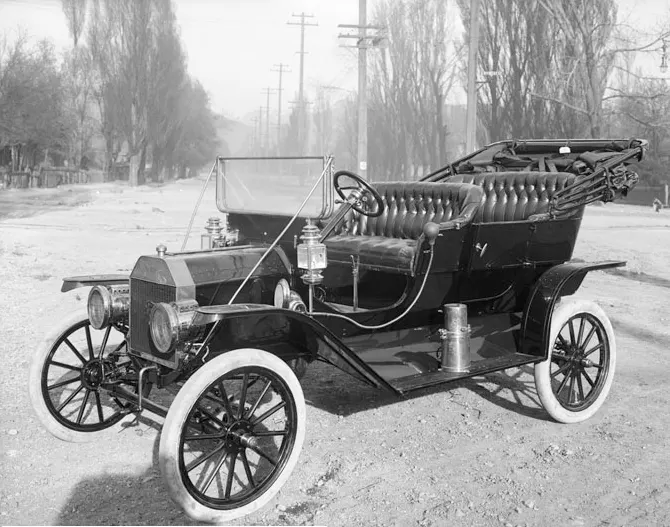
An early Ford Model T, photographed around 1910
Image creditHarry Shipler · Public domainResized and cropped for display.

The fifteen-millionth Model T rolls off the line

When Henry Ford launched the Model T in 1908, he set out to build a car simple, tough and cheap enough for ordinary families. The moving assembly line his company introduced a few years later cut the time needed to build each car dramatically, and the price fell year after year. The ‘Tin Lizzie’ put much of America on wheels and changed how factories everywhere were organised.

By the mid-1920s, though, rivals were offering more comfort and style, and sales were falling. On 26 May 1927 Henry Ford and his son Edsel drove the fifteen-millionth Model T off the line at the Highland Park plant in Michigan, the ceremonial last of its kind. The factories then closed for months while they were retooled for its successor, the Model A.

Read the full storyHistory & Timeline →Source: The Henry Ford: Henry Ford and Edsel Ford in the fifteen-millionth Ford Model T, 26 May 1927 ↗
☆
SPORTING HISTORY

Sporting Moments

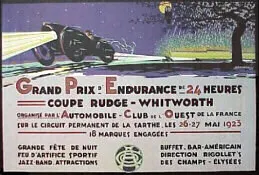
A poster for the first 24-hour endurance race at Le Mans, held on 26 and 27 May 1923
Image creditAutomobile Club de l'Ouest · Public domainResized and cropped for display.

The first 24 Hours of Le Mans gets under way

The Automobile Club de l’Ouest, based in the French city of Le Mans, wanted a race that would test not just speed but the reliability of everyday touring cars, with their lights, mudguards and hoods, over a full day and night. The result was a new ‘Grand Prix of Endurance’, run on a course of public roads of a little more than 17 kilometres around the city, starting on 26 May 1923.

Thirty-three cars took the start and battled through rain and wind on rough roads. After twenty-four hours the winners were André Lagache and René Léonard in a Chenard & Walcker, who covered around 2,200 kilometres, with a sister car in second place. Held in June in most years since, the race became the world’s most famous endurance contest.

Read the full storyHistory & Timeline →Source: 24 Hours of Le Mans (ACO): The Chenard & Walcker, 1923 ↗
♫
MUSIC • FILM • BOOKS • CULTURE

Culture Stories

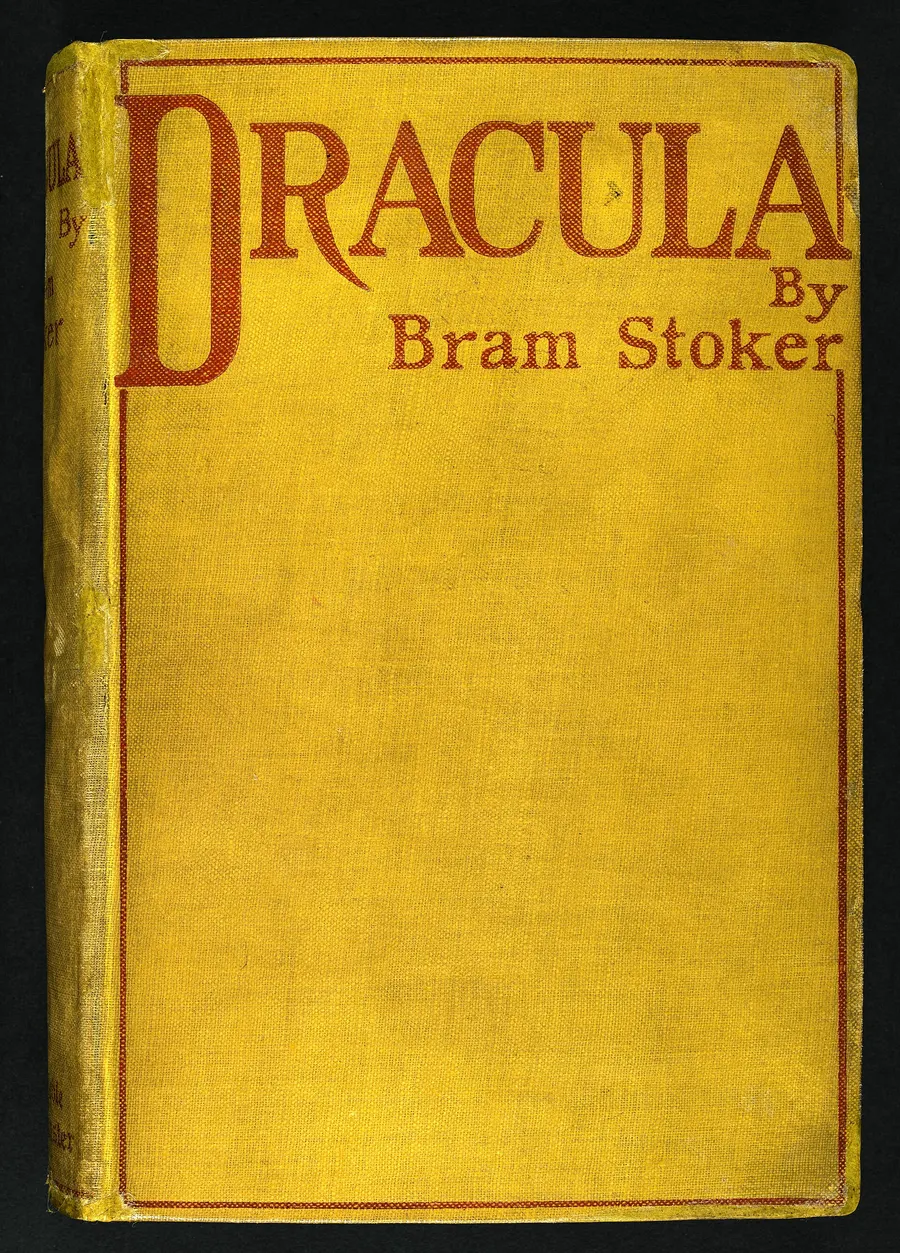
The cover of the first edition of Bram Stoker's Dracula, 1897
The cover of the first edition of Bram Stoker’s Dracula, 1897
Image creditBritish Library Board · Public domainResized and cropped for display.

Bram Stoker’s Dracula goes on sale

Bram Stoker was a Dublin-born civil servant turned theatre manager, who ran London’s Lyceum Theatre for the celebrated actor Henry Irving and wrote fiction in his spare hours. For about seven years he gathered material on vampire folklore and the geography of eastern Europe, building a tale about a centuries-old count who leaves his castle in Transylvania for England.

Dracula was published in London in May 1897, on the 26th according to Britannica. Told entirely through diaries, letters and newspaper cuttings, it follows Jonathan Harker, Mina Murray, Professor Van Helsing and their friends as they hunt the count down. Reviews were mixed and Stoker made little money from it, but the book went on to shape the vampire story in fiction, theatre and film for more than a century.

Read the full storyHistory & Timeline →Source: Britannica: Dracula (novel) ↗
✦
LIVES REMEMBERED

Remembered Today

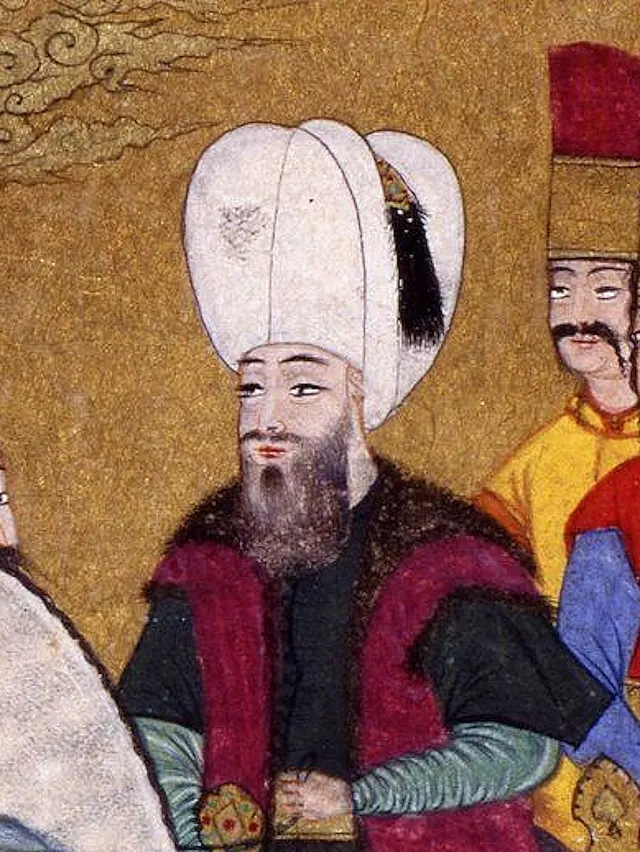
Bayezid II
Image credit16th century artist · Public domainResized and cropped for display.

Bayezid II

Ottoman sultan who consolidated his father’s conquests and welcomed Jews expelled from Spain, before giving up the throne to his son Selim weeks before his death.

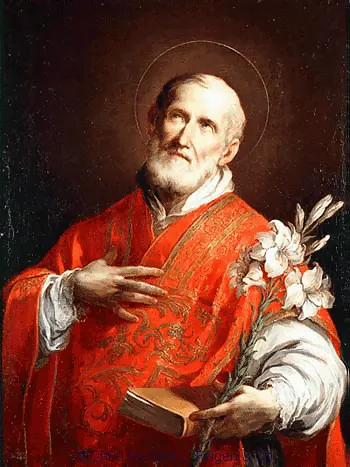
Philip Neri
Image creditSebastiano Conca · Public domainResized and cropped for display.

Philip Neri

Florentine-born priest known for his warmth and humour, who founded the Congregation of the Oratory in Rome and was later made a saint.

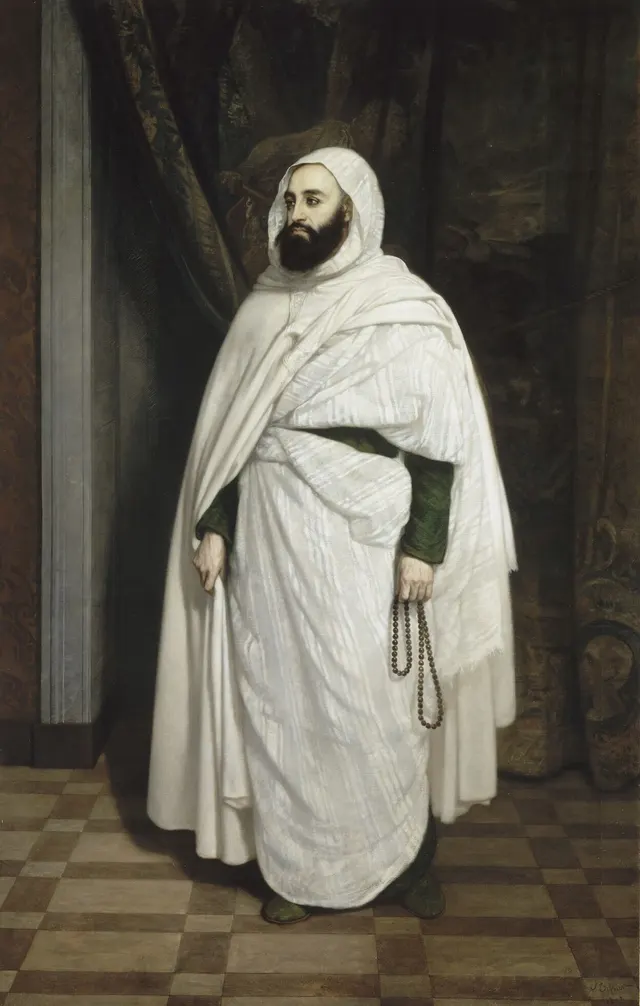
Abdelkader
Image creditAnge Tissier · Public domainResized and cropped for display.

Abdelkader

Algerian religious and military leader who resisted the French conquest for fifteen years, then in exile in Damascus sheltered thousands of Christians during the 1860 riots.

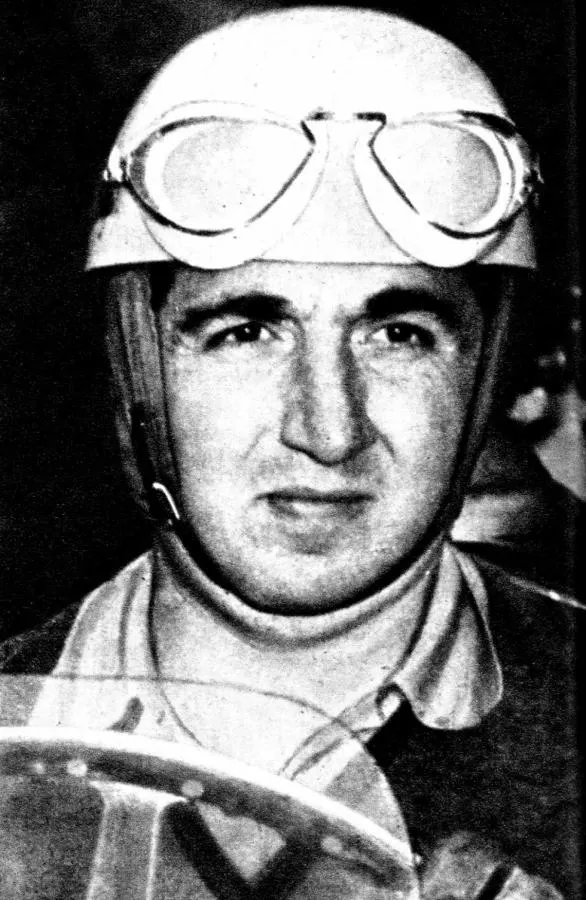
Alberto Ascari
Image creditUnknown author · Public domainResized and cropped for display.

Alberto Ascari

Italian racing driver and double Formula One world champion with Ferrari, killed while testing a sports car at Monza days after surviving a crash at Monaco.

HISTORY & TIMELINE

Finished the highlights?

Follow 26 May chronologically, from the Middle Ages to the modern day, with 15 verified events and the sources behind them.

This day through time →