Explore 30 May

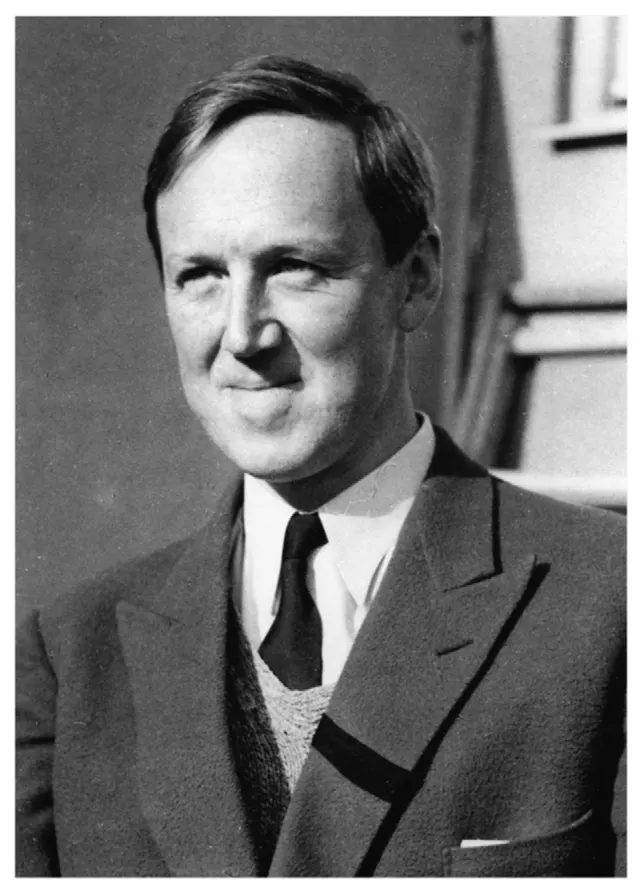
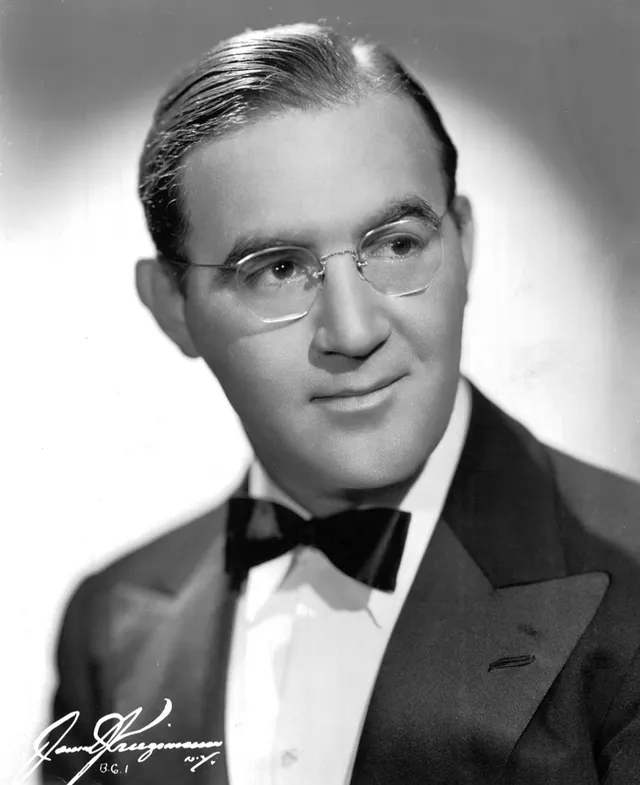
Explore 30 May: Joan of Arc dies at the stake in Rouen, Biafra breaks away from Nigeria, the Dominican dictator Rafael Trujillo is ambushed on a coastal road and the first Indianapolis 500 roars into life. Born today: Benny Goodman, Hannes Alfvén and Steven Gerrard.

This day through time →14 verified events across 5 eras

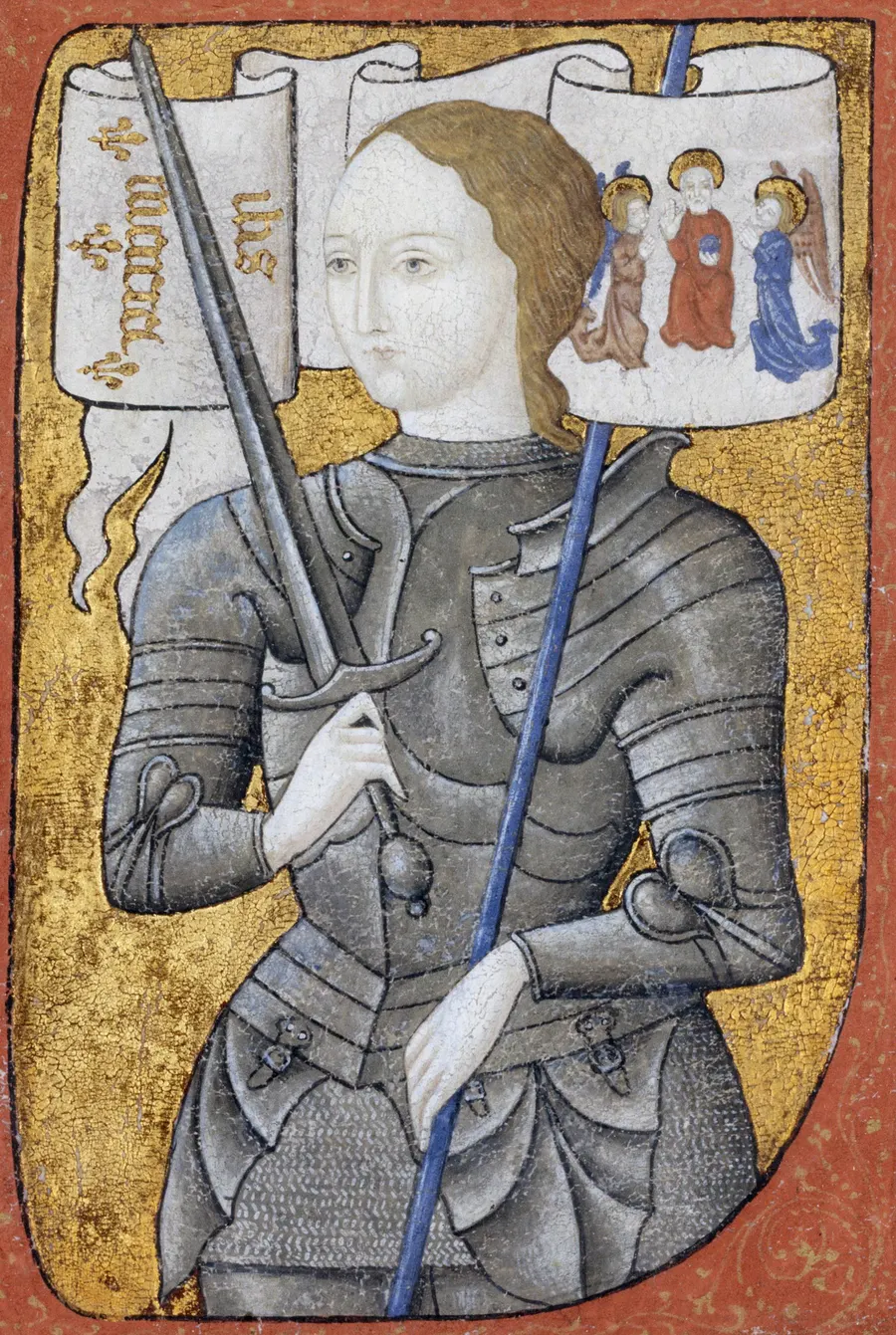
Joan of Arc in a decorated initial, a miniature probably made in the late 19th century, now in the French National Archives
Image creditUnknown · Public domainResized and cropped for display.

Joan of Arc dies at the stake in Rouen

Two years after she had helped lift the siege of Orléans and seen Charles VII crowned at Reims, Joan of Arc was a prisoner of the English. Captured by Burgundian troops in 1430 and handed over to their English allies, she was tried at Rouen by a church court led by Bishop Pierre Cauchon, a supporter of the English cause, on charges that included heresy.

Worn down by months of questioning, she signed a recantation, but within days she had taken back her words and returned to wearing men’s clothes. The court declared her a relapsed heretic, and on 30 May 1431, aged about 19, she was burned in the old market square of Rouen. A later church inquiry overturned the verdict in 1456, and in 1920 she was made a saint, with 30 May as her feast day.

Read the full storyHistory & Timeline →Source: Britannica: Saint Joan of Arc ↗
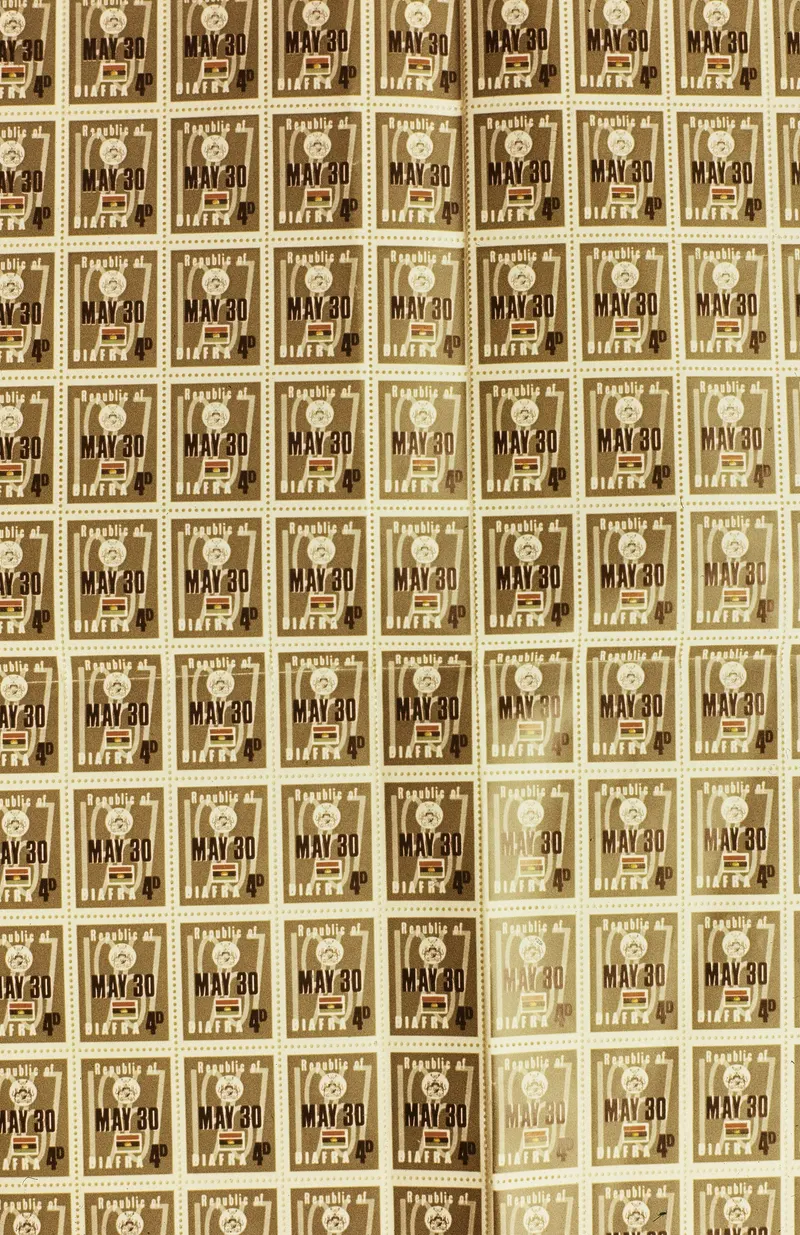
A sheet of Biafran stamps inscribed "Republic of Biafra, May 30", the day independence was declared
A sheet of Biafran stamps inscribed “Republic of Biafra, May 30”, the day independence was declared
Image creditAart Rietveld · CC BY-SA 4.0Resized and cropped for display.

Biafra breaks away from Nigeria

Seven years after independence, Nigeria was being pulled apart. Two military coups in 1966 were followed by the killing of thousands of Igbo people in the north, and huge numbers fled home to the Igbo-dominated Eastern Region. Its military governor, Lieutenant Colonel Odumegwu Ojukwu, came to believe that the east could no longer be safe inside the federation, and talks with the federal leader Yakubu Gowon failed.

On 30 May 1967 Ojukwu proclaimed the region an independent state, the Republic of Biafra. The federal government in Lagos treated this as rebellion, and fighting broke out in July. The war that followed lasted two and a half years; a blockade brought famine to Biafra, and hundreds of thousands of people died, many of them from hunger, before Biafra surrendered in January 1970.

Read the full storyHistory & Timeline →Source: Britannica: Nigerian Civil War ↗
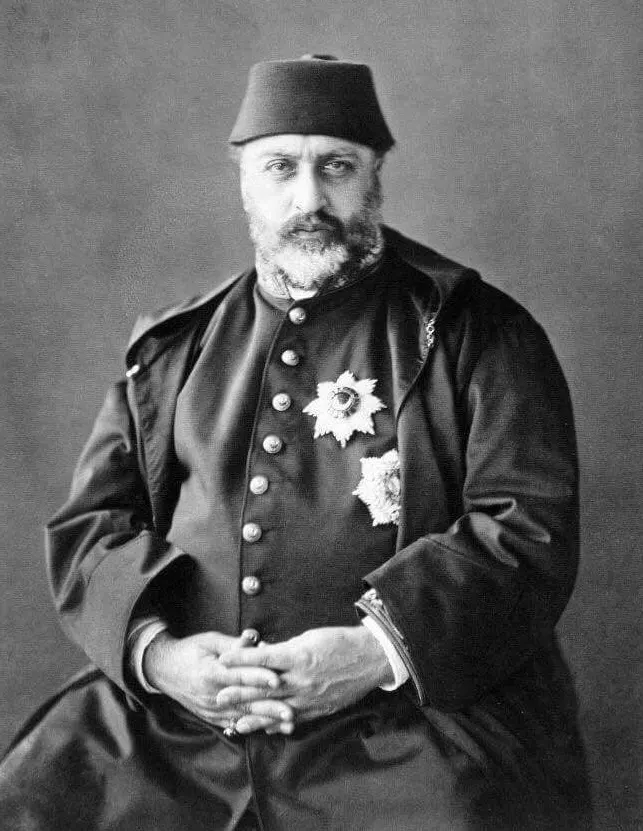
Sultan Abdülaziz, photographed by the Abdullah Frères studio in Istanbul
Image creditAbdullah frères · Public domainResized and cropped for display.

Ottoman ministers depose Sultan Abdülaziz

Abdülaziz had ruled the Ottoman Empire since 1861. He spent heavily on the navy and on palaces, and by the mid-1870s the empire had defaulted on its debts while revolts spread through its Balkan provinces. A group of reforming ministers, led by the statesman Midhat Pasha, became convinced that only a change of sultan, and a constitution, could save the state.

On 30 May 1876 they deposed Abdülaziz and placed his nephew Murad V on the throne. A few days later the former sultan was found dead, and his death was declared a suicide. The shock, and the murder of several ministers soon afterwards, left Murad in mental collapse; he was replaced in August by his brother Abdülhamid II, who granted the empire’s first constitution that December.

Read the full storyHistory & Timeline →Source: Britannica: Abdülaziz ↗
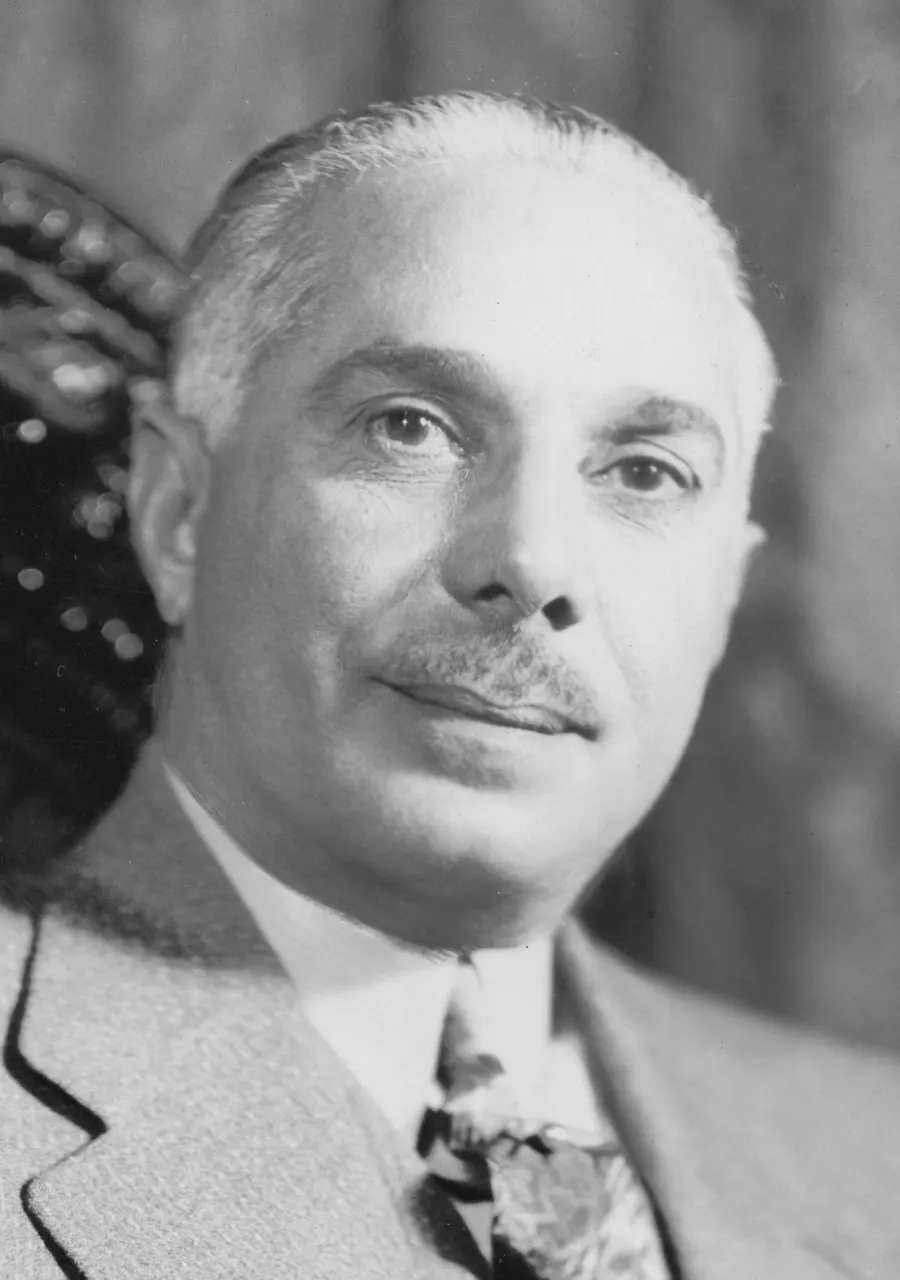
Rafael Trujillo, dictator of the Dominican Republic from 1930 to 1961
Image creditUnknown author. · Public domainResized and cropped for display.

The Dominican dictator Rafael Trujillo is killed

Rafael Trujillo, an army officer, seized control of the Dominican Republic in 1930 and held it for more than thirty years, whether or not he was officially president. His regime renamed the capital after him, made him one of the richest men in the Americas and dealt ruthlessly with opponents, and in 1937 his troops killed thousands of Haitians living near the border.

By 1961 opposition at home was growing and he had lost the support of the United States and his neighbours. On the night of 30 May a group of conspirators ambushed his car on the road out of the capital as he was being driven to his farm at San Cristóbal, and shot him dead. Many of the plotters were hunted down, but his family’s grip on power soon collapsed.

Read the full storyHistory & Timeline →Source: Britannica: Rafael Trujillo ↗
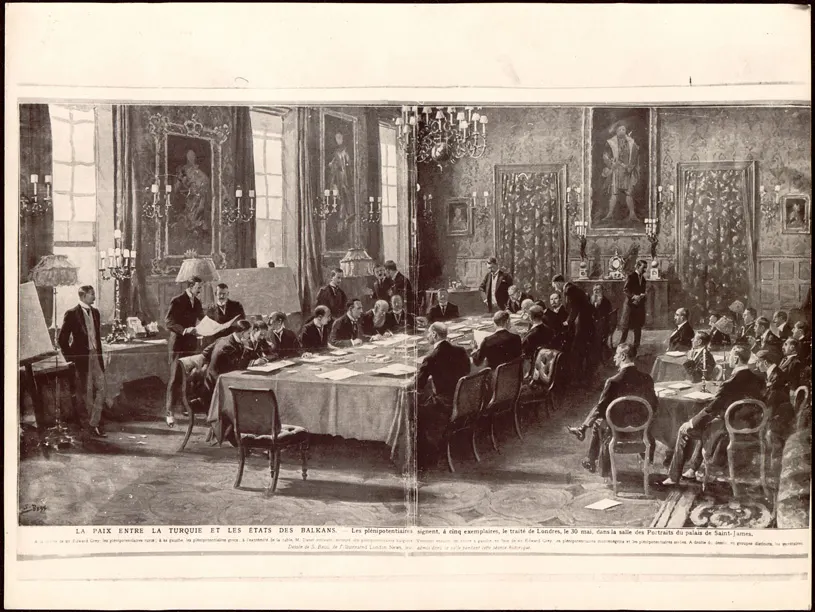
Delegates at the signing of the peace treaty in London on 30 May 1913
Image creditUnknown author · Public domainResized and cropped for display.

A treaty in London ends the First Balkan War

In October 1912 Bulgaria, Serbia, Greece and Montenegro went to war together against the Ottoman Empire, and within weeks their armies had overrun most of its remaining lands in Europe. Peace talks opened in London under the watchful eye of the great powers, broke down, and resumed after more fighting, including the fall of the great Ottoman fortress city of Edirne in March 1913.

On 30 May 1913 the Treaty of London was signed. The Ottomans gave up almost all their European territory apart from a strip near Constantinople, and the powers insisted on an independent Albania. But the victors could not agree how to share out Macedonia. Just a month later Bulgaria attacked its former allies, starting a Second Balkan War that ended with Bulgaria losing much of what it had won.

Read the full storyHistory & Timeline →Source: Britannica: Treaties of London ↗

♙
PEOPLE

Born Today

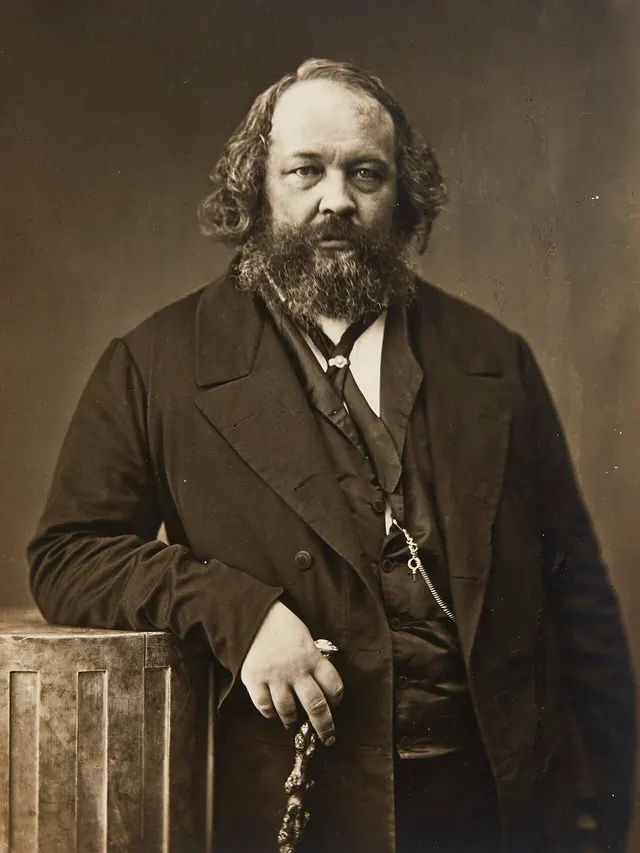
Mikhail Bakunin
Image creditNadar · Public domainResized and cropped for display.

Mikhail Bakunin

Russian revolutionary and founding figure of anarchism whose bitter quarrel with Karl Marx split the international socialist movement.

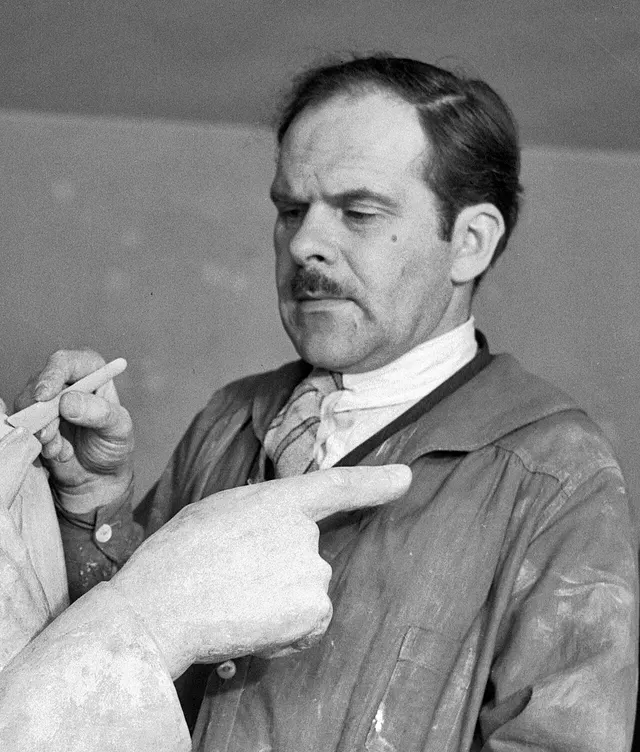
Alexander Archipenko
Image creditLos Angeles Times · CC BY 4.0Resized and cropped for display.

Alexander Archipenko

Kyiv-born sculptor who brought Cubist ideas into three dimensions, using empty spaces as part of his figures, and later taught art across the United States.

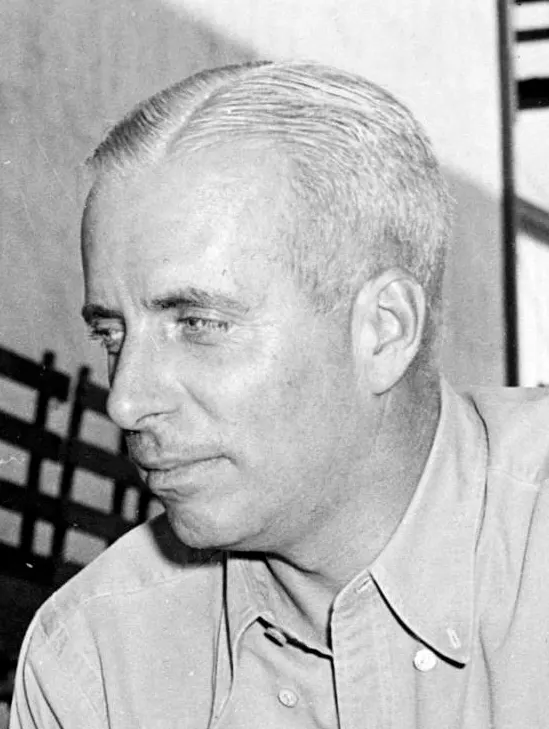
Howard Hawks
Image creditHal McAlpin · Public domainResized and cropped for display.

Howard Hawks

American film director who moved easily between genres, making Scarface, Bringing Up Baby, The Big Sleep and Rio Bravo.

Hannes Alfvén
Image creditUnknown author · Public domainResized and cropped for display.

Hannes Alfvén

Swedish physicist who founded the study of plasmas in magnetic fields and shared the 1970 Nobel Prize in Physics.

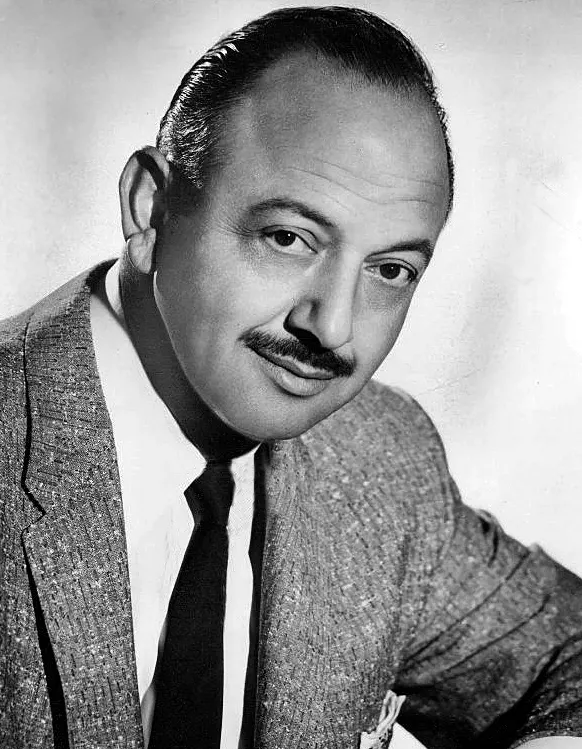
Mel Blanc
Image creditGene Hester · Public domainResized and cropped for display.

Mel Blanc

American voice actor who gave Bugs Bunny, Daffy Duck, Porky Pig and hundreds of other cartoon characters their voices.

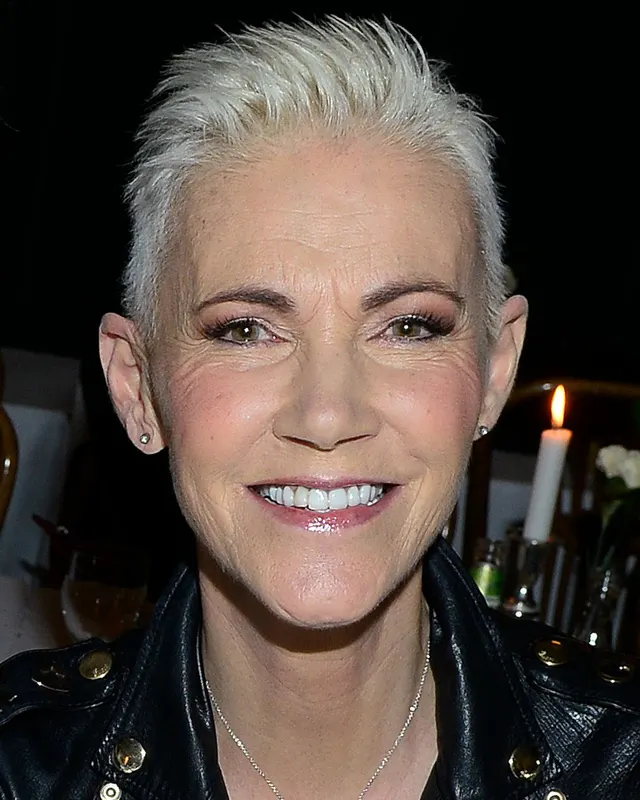
Marie Fredriksson
Image creditKarin Törnblom · CC BY 3.0Resized and cropped for display.

Marie Fredriksson

Swedish singer and songwriter who became world-famous as the voice of the pop duo Roxette alongside Per Gessle.

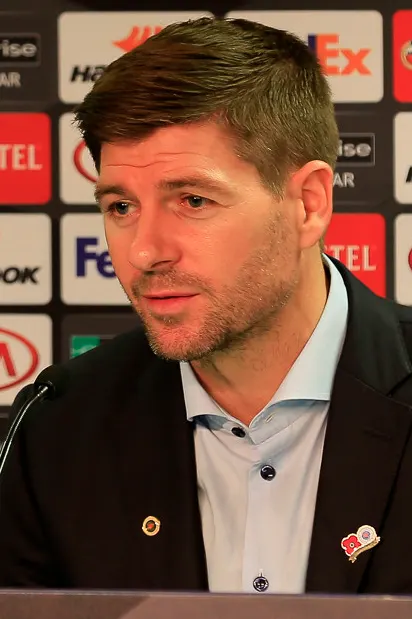
Steven Gerrard
Image creditЭдгар Брещанов · CC BY-SA 3.0Resized and cropped for display.

Steven Gerrard

English midfielder who captained Liverpool for more than a decade and led England at World Cups before turning to management.

◉
IDEAS THAT CHANGED THINGS

Firsts, Science & Discoveries

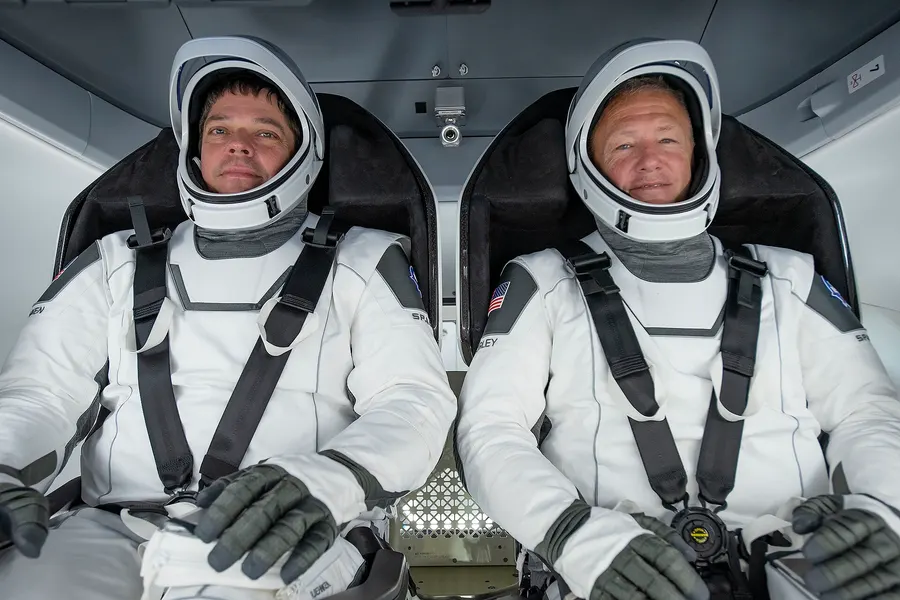
NASA astronauts Bob Behnken and Doug Hurley, the crew of the Demo-2 flight, seated in their Crew Dragon capsule
Image creditSpaceX · CC0Resized and cropped for display.

A privately built spacecraft carries astronauts into orbit

After the Space Shuttle was retired in 2011, the United States had no way of launching its own astronauts and relied on Russian Soyuz rockets to reach the International Space Station. NASA’s answer was to pay private companies to build and fly new crew spacecraft, and SpaceX’s Crew Dragon was the first to be ready for a test flight with people on board.

On 30 May 2020 NASA astronauts Bob Behnken and Doug Hurley lifted off on a Falcon 9 rocket from Launch Complex 39A at the Kennedy Space Center, the pad once used by Apollo and the Shuttle. It was the first crewed launch from American soil in nine years. Their capsule docked with the space station the next day, and they splashed down safely in the Gulf of Mexico in August.

Read the full storyHistory & Timeline →Source: NASA: NASA Astronauts Launch from America in Historic Test Flight of SpaceX Crew Dragon ↗
☆
SPORTING HISTORY

Sporting Moments

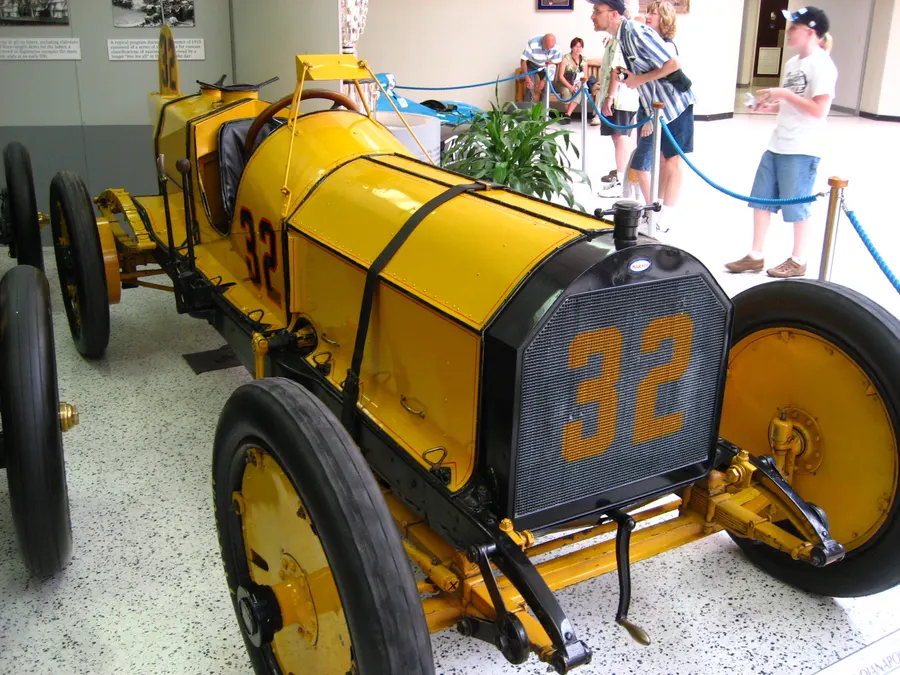
The Marmon Wasp, the car Ray Harroun drove to victory in the first Indianapolis 500, now in the speedway's museum
The Marmon Wasp, the car Ray Harroun drove to victory in the first Indianapolis 500, now in the speedway’s museum
Image creditThe359 · CC BY-SA 3.0Resized and cropped for display.

Ray Harroun wins the first Indianapolis 500

The Indianapolis Motor Speedway opened in 1909 as a testing ground and showcase for America’s young car industry, and its owners soon paved the 2.5-mile oval with millions of bricks. For 1911 they decided to stake everything on a single great race of 500 miles, and on 30 May a crowd of around 80,000 to 90,000 people turned out to watch 40 cars start.

The race lasted more than six and a half hours. It was won by Ray Harroun, an engineer at the Marmon company, in a streamlined single-seater called the Wasp, averaging about 74.6 miles an hour. Rather than carry a riding mechanic to watch for traffic behind, Harroun fixed a mirror to his car, one of the earliest uses of a rear-view mirror. The race has been held at Indianapolis ever since.

Read the full storyHistory & Timeline →Source: Indianapolis Motor Speedway: The First 500 ↗
♫
MUSIC • FILM • BOOKS • CULTURE

Culture Stories

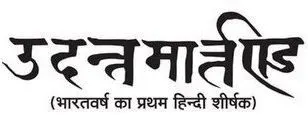
The masthead of Udant Martand, the first Hindi-language newspaper
Image creditJugal Kishore · CC BY-SA 4.0Resized and cropped for display.

The first Hindi newspaper appears in Calcutta

In the 1820s Calcutta was the capital of British India and a busy centre of printing, with newspapers in English, Bengali and Persian. What it lacked was a paper for readers of Hindi, the language of much of northern India. Pandit Jugal Kishore Shukla, originally from Kanpur, set out to fill the gap with a weekly he called Udant Martand, roughly ‘the rising sun’.

The first issue came out on 30 May 1826. Printing in Devanagari script far from the Hindi heartland was a struggle, and the paper had trouble reaching distant readers and paying its way, so it closed after a short life. Its place in history is secure all the same: India marks 30 May each year as Hindi Journalism Day in its honour.

Read the full storyHistory & Timeline →Source: All India Radio News (Akashvani): Hindi Journalism Day being celebrated today ↗
✦
LIVES REMEMBERED

Remembered Today

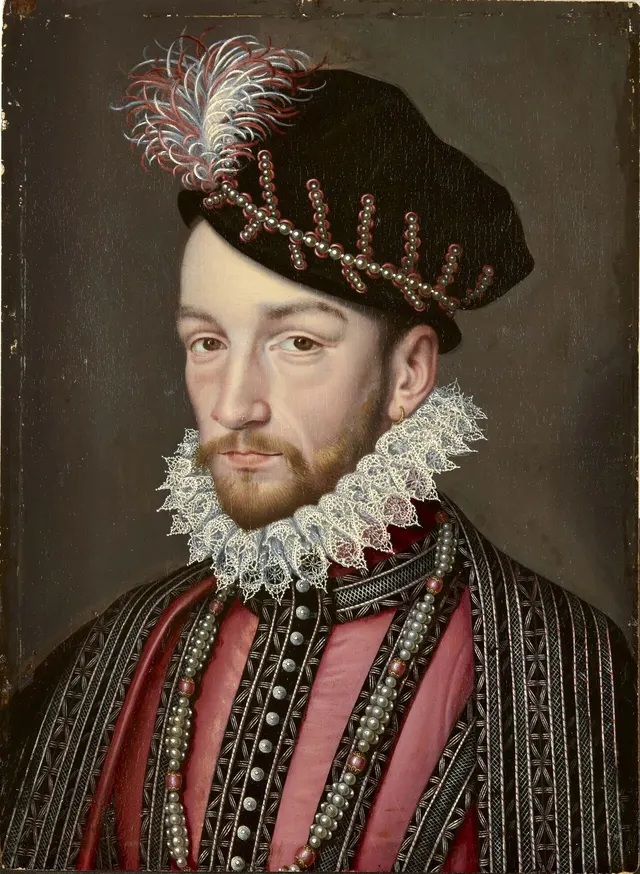
Charles IX of France
Image creditAfter François Clouet · Public domainResized and cropped for display.

Charles IX of France

King of France from the age of ten, whose reign is remembered for the St Bartholomew’s Day massacre of Protestants in 1572.

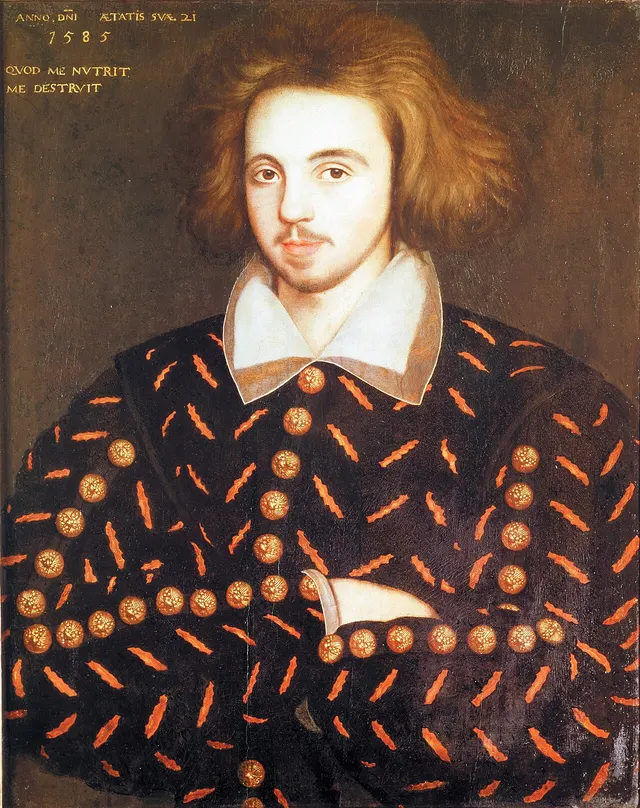
Christopher Marlowe
Image creditanonymous · Public domainResized and cropped for display.

Christopher Marlowe

English playwright of Doctor Faustus and Tamburlaine, killed in a quarrel at a house in Deptford at the age of 29.

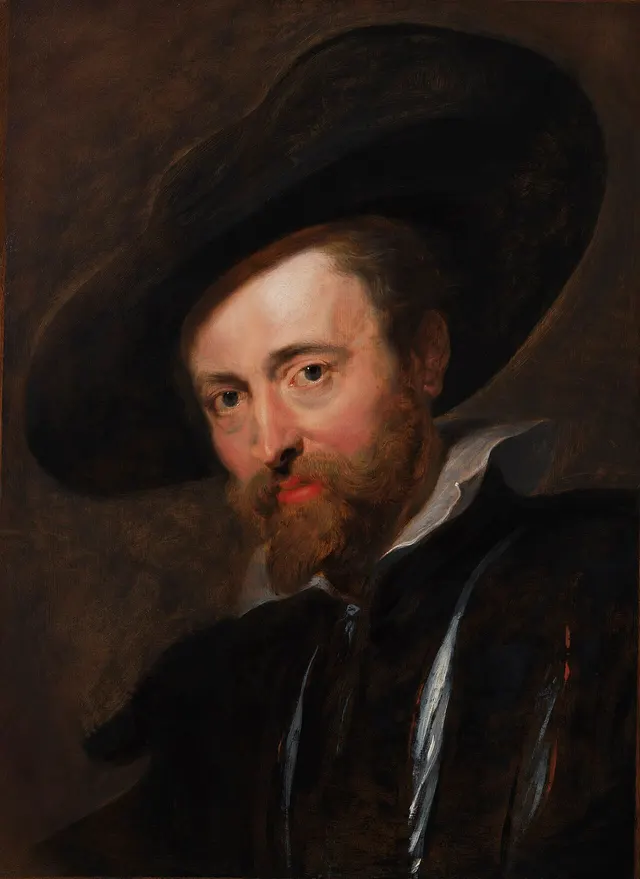
Peter Paul Rubens
Image creditPeter Paul Rubens · Public domainResized and cropped for display.

Peter Paul Rubens

Flemish painter and diplomat, the great master of Baroque colour and movement, who ran the most famous studio in Europe from Antwerp.

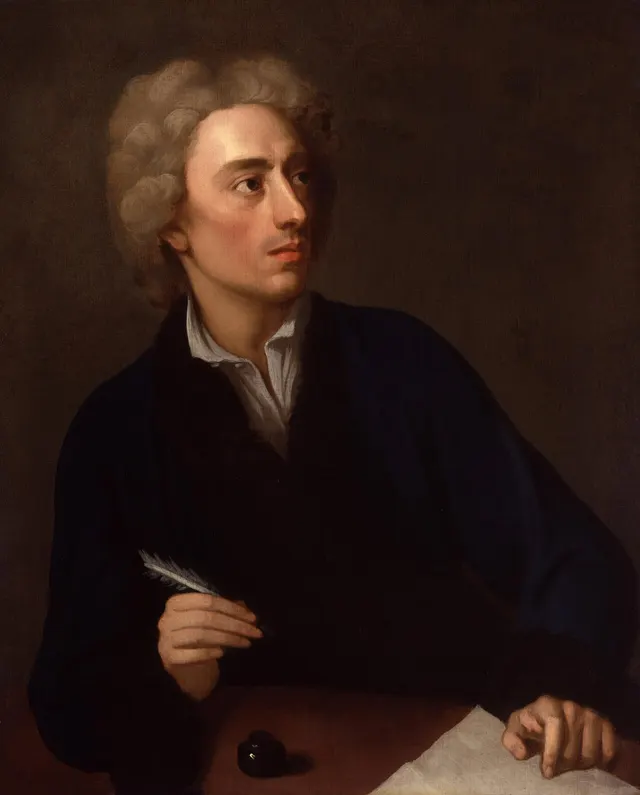
Alexander Pope
Image creditMichael Dahl · Public domainResized and cropped for display.

Alexander Pope

English poet and satirist of The Rape of the Lock and An Essay on Man, and celebrated translator of Homer.

HISTORY & TIMELINE

Finished the highlights?

Follow 30 May chronologically, from the Middle Ages to the modern day, with 14 verified events and the sources behind them.

This day through time →