Explore 31 May

Explore 31 May: the Mongols crush the princes of Rus’ on the Kalka River, the great fleets of Britain and Germany clash at Jutland, the Boer War ends at a dining table in Pretoria and Westminster’s Great Clock begins keeping time. Born today: Clint Eastwood, Akira Ifukube and Svetlana Alexievich.

This day through time →14 verified events across 6 eras

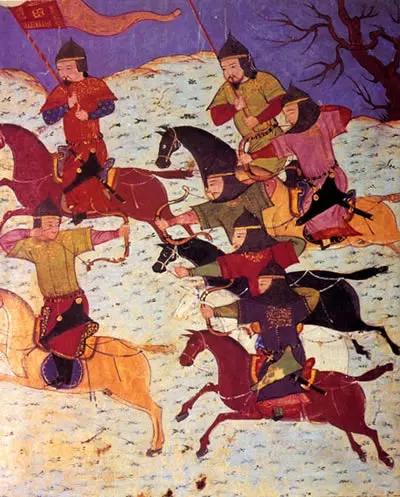
Mongol horsemen in a 14th-century Persian manuscript, the Jami al-tawarikh of Rashid al-Din
Image creditSayf al-Vâhidî. Hérât. Afghanistan · Public domainResized and cropped for display.

The Mongols crush the princes of Rus’ on the Kalka River

After destroying the Khwarazmian Empire in Central Asia, Genghis Khan allowed two of his finest generals, Jebe and Subutai, to lead a great reconnaissance raid to the west. Their horsemen rode through the Caucasus and out on to the steppes north of the Black Sea, where they beat the nomadic Cumans. The surviving Cuman chiefs fled to their neighbours, the princes of Kievan Rus’, and begged for help.

Several princes, among them Mstislav of Kiev and Mstislav of Galich, joined forces and marched east. The Mongols drew them on with a long retreat, then turned to fight beside the Kalka River, near the Sea of Azov, on 31 May 1223. When the Cumans broke and fled, they threw the Rus’ ranks into confusion, and the Mongol cavalry cut the allied army to pieces. The raiders then rode home, and did not return for about fifteen years.

Read the full storyHistory & Timeline →Source: Britannica: Battle of the Kalka River ↗
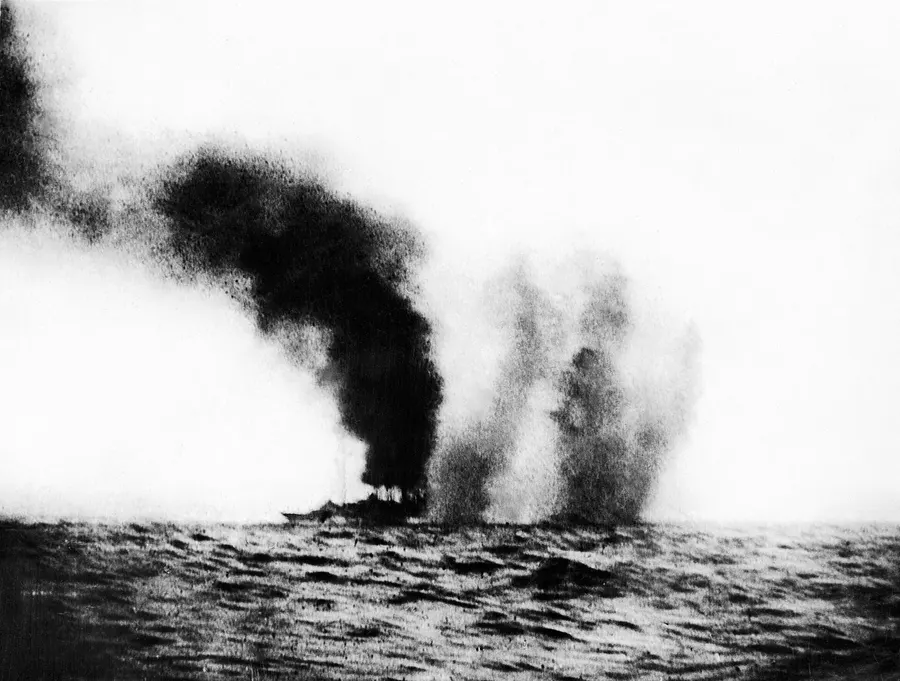
The light cruiser HMS Birmingham under fire from the German High Seas Fleet at Jutland, 31 May 1916
Image creditRoyal Navy official photographer · Public domainResized and cropped for display.

Britain and Germany fight the great sea battle of Jutland

For most of the First World War the two largest battle fleets in the world, Britain’s Grand Fleet and Germany’s High Seas Fleet, had watched each other across the North Sea. In late May 1916 the German commander, Admiral Reinhard Scheer, planned to lure part of the British fleet into a trap. British codebreakers picked up the signals, and Admiral John Jellicoe put to sea with his whole fleet before the Germans had even sailed.

The fleets met off the coast of Jutland, in Denmark, on the afternoon of 31 May, and the fighting went on into the night. Around 250 ships and 100,000 men took part. Britain lost 14 ships and about 6,000 sailors, Germany 11 ships and about 2,500 men, and both sides claimed victory. But the German fleet slipped home and seldom ventured out again, leaving Britain in command of the North Sea.

Read the full storyHistory & Timeline →Source: Imperial War Museums: Battle of Jutland ↗
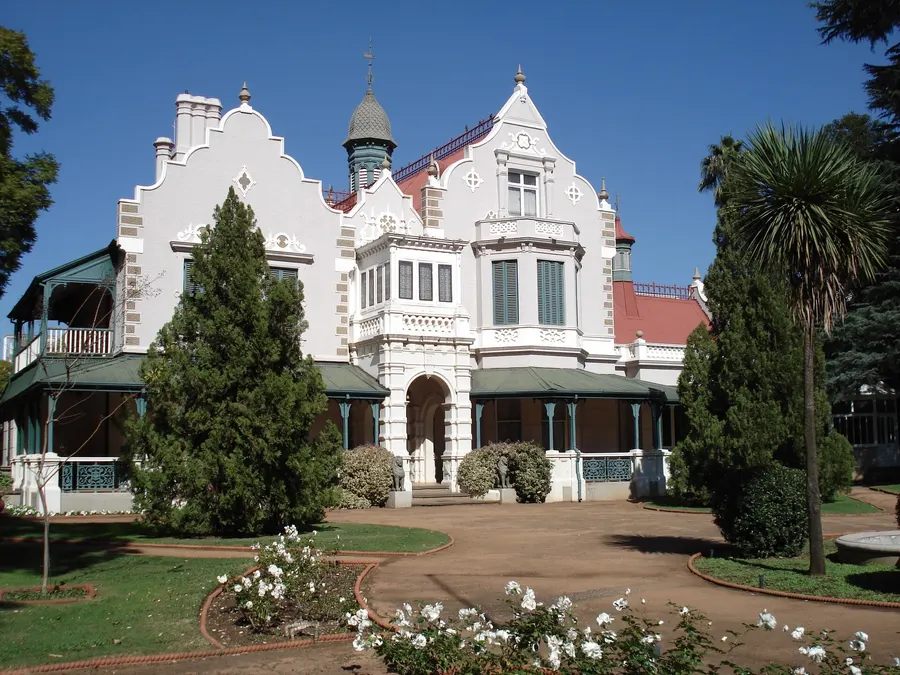
Melrose House in Pretoria, where the peace ending the South African War was signed
Image creditCvanrooyen · CC BY-SA 3.0Resized and cropped for display.

Peace is signed at Vereeniging, ending the Boer War

By 1902 the war between the British Empire and the two Boer republics, the South African Republic (Transvaal) and the Orange Free State, had dragged on for more than two and a half years. Boer commandos fought on in the countryside, while British forces burned farms and held civilians in camps. In May, Boer delegates gathered at Vereeniging, on the Vaal River, to decide whether to accept British terms.

They voted to make peace, and late on 31 May 1902 the treaty was signed in the dining room of Melrose House in Pretoria. The two republics lost their independence and came under British rule, but the Boers received an amnesty, a promise of self-government and £3 million to rebuild their farms. The question of votes for Black South Africans was put off, a decision with long consequences. Eight years later to the day, the Union of South Africa was born.

Read the full storyHistory & Timeline →Source: South African History Online: Peace Treaty of Vereeniging, 31 May 1902 ↗
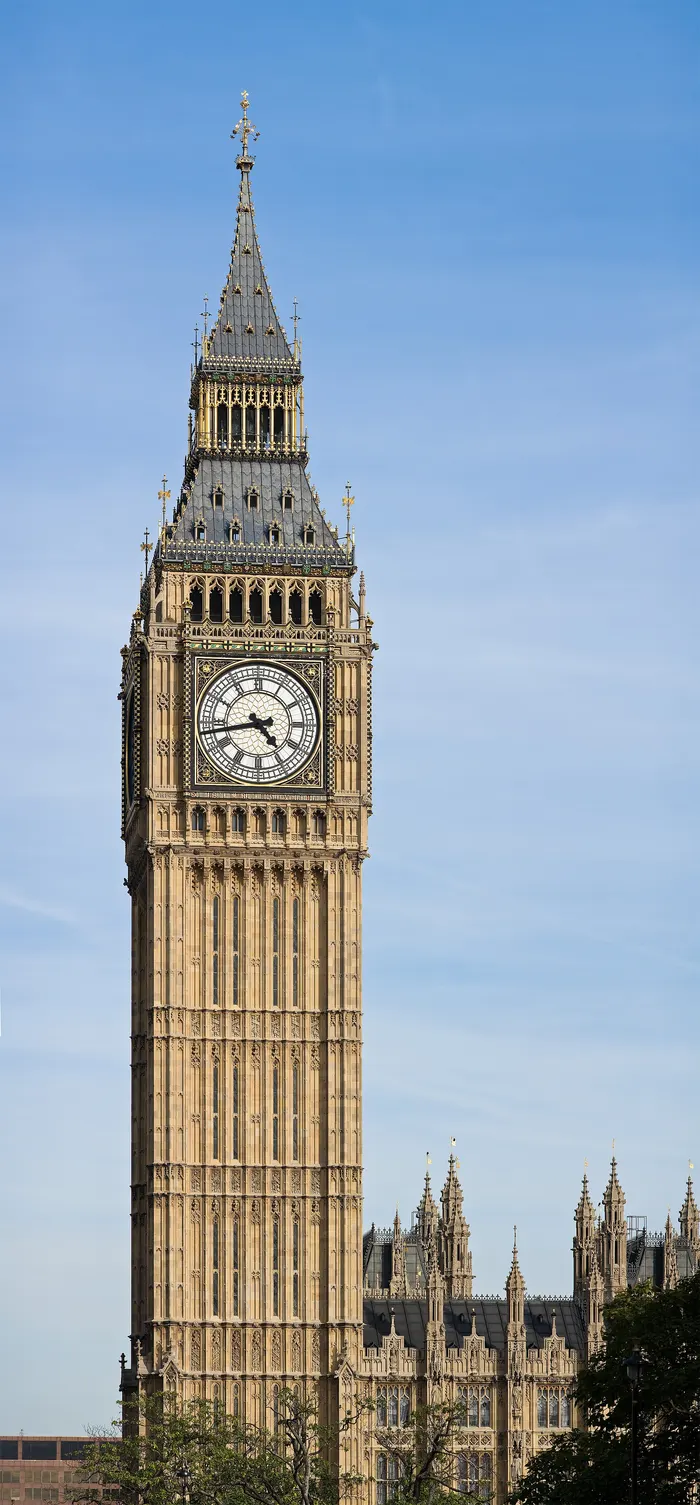
The clock tower of the Palace of Westminster, now called the Elizabeth Tower, home of the Great Clock and Big Ben
Image creditDiliff · CC BY 3.0Resized and cropped for display.

Westminster’s Great Clock starts keeping time

When the Palace of Westminster was rebuilt after the fire of 1834, its new clock tower was meant to hold the finest public clock in the world. The Astronomer Royal, George Airy, demanded that it be accurate to within a second, a standard many clockmakers thought impossible for so large a mechanism. The amateur horologist Edmund Beckett Denison produced the design, and the firm of Edward Dent built it.

The clock was installed in the tower in April 1859 and began keeping time on 31 May. The great hour bell, nicknamed Big Ben, first rang out that July, but cracked within a few months and stayed silent for about four years. The clock itself proved remarkably reliable, and its chimes became one of the best-known sounds in the world. In 2012 the tower was renamed the Elizabeth Tower.

Read the full storyHistory & Timeline →Source: UK Parliament: A brief history of Big Ben and Elizabeth Tower ↗
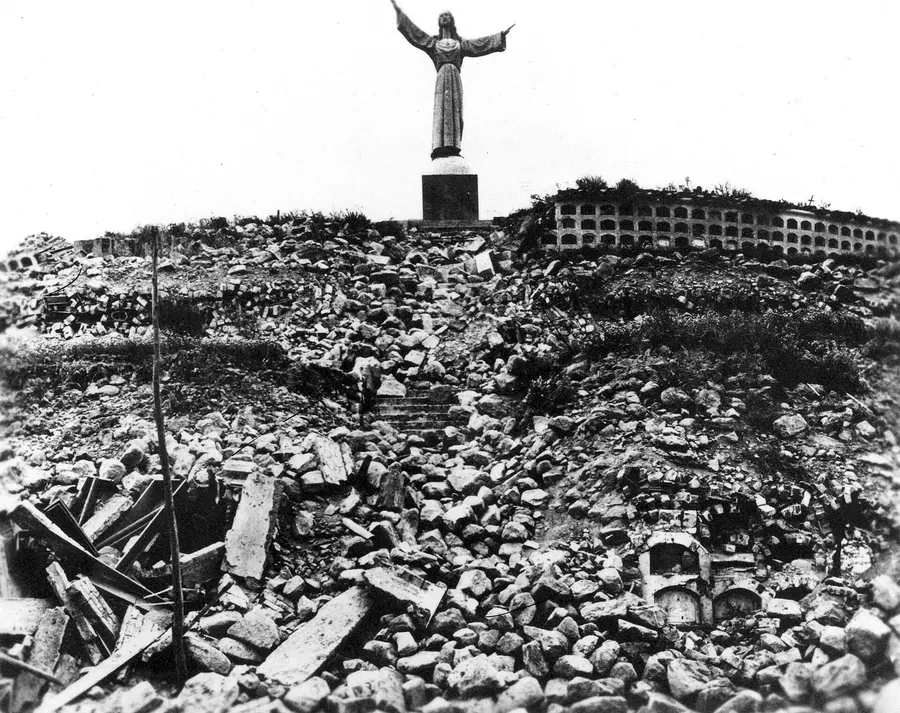
The statue of Christ on Cemetery Hill, which with four palm trees was nearly all that remained of Yungay, photographed in 1970
Image creditU.S. Geological Survey · Public domainResized and cropped for display.

An earthquake and avalanche devastate Peru’s Ancash region

At about twenty past three on the afternoon of 31 May 1970, a magnitude 7.9 earthquake struck beneath the Pacific, some 25 kilometres off the Peruvian fishing port of Chimbote. The violent shaking brought down thousands of homes built of adobe mud brick in the coastal towns and in the mountain valleys of the Ancash region, including much of the city of Huaraz.

High above the valley, the quake broke loose a vast mass of rock and ice from the north peak of Huascarán, Peru’s highest mountain. It swept down at hundreds of kilometres an hour and buried the town of Yungay and part of Ranrahirca. In all, around 50,000 people died and some 20,000 more were never found, making it the worst natural disaster in Peru’s history. Old Yungay is now a memorial site, and a new town was built nearby.

Read the full storyHistory & Timeline →Source: Britannica: Ancash earthquake of 1970 ↗

♙
PEOPLE

Born Today

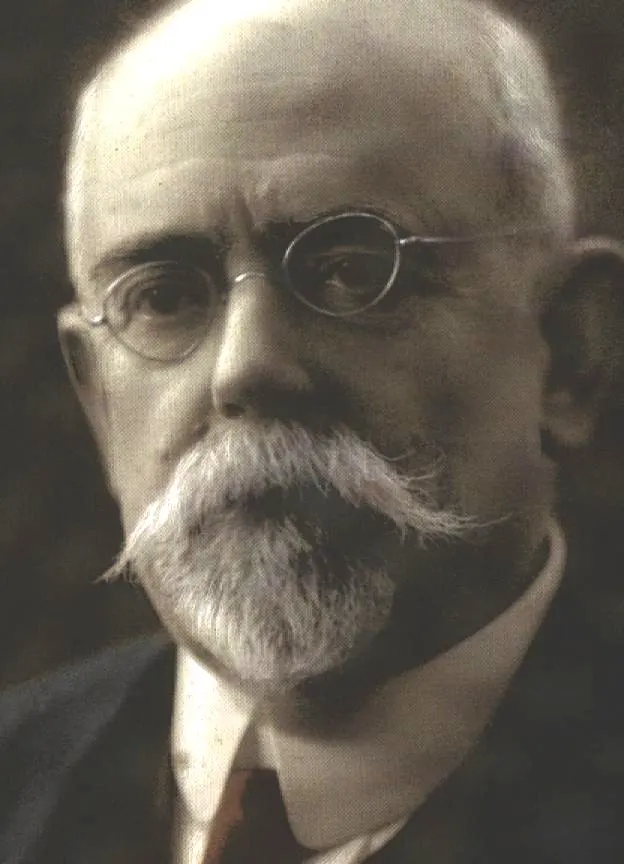
Julius Richard Petri
Image creditunbekannt - unknown. · Public domainResized and cropped for display.

Julius Richard Petri

German bacteriologist who, while working as an assistant to Robert Koch, developed the shallow glass dish for growing bacteria that still bears his name.

Akira Ifukube
Image creditUnknown author · Public domainResized and cropped for display.

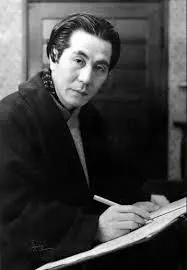
Akira Ifukube

Japanese composer, largely self-taught while working in forestry, who wrote the music and created the famous roar for the 1954 film Godzilla.

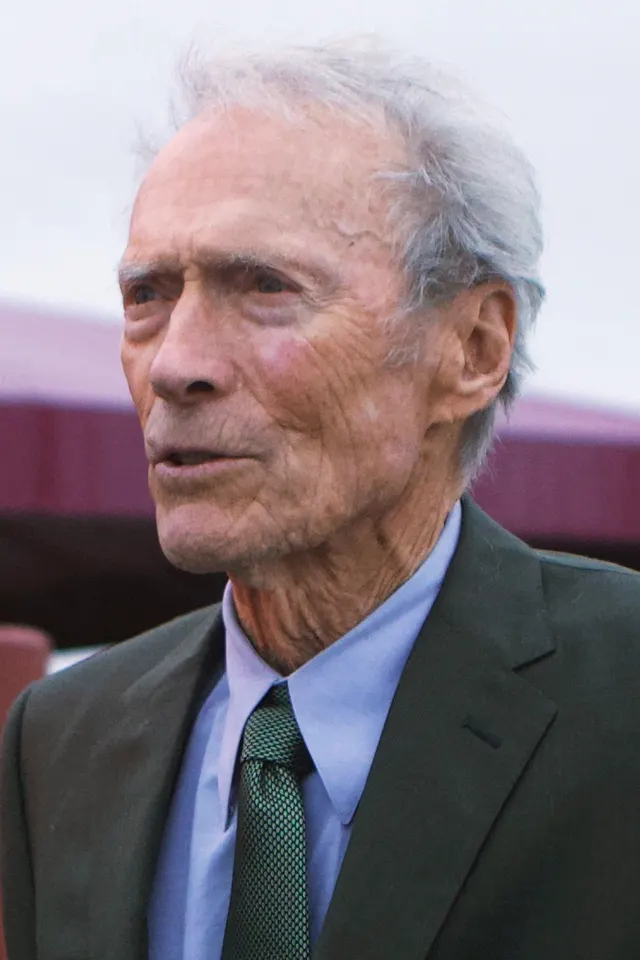
Clint Eastwood
Image creditLance Cpl. Melissa I. Ugalde · Public domainResized and cropped for display.

Clint Eastwood

American actor and film-maker who found fame in westerns and Dirty Harry, then directed Oscar-winning films including Unforgiven and Million Dollar Baby.

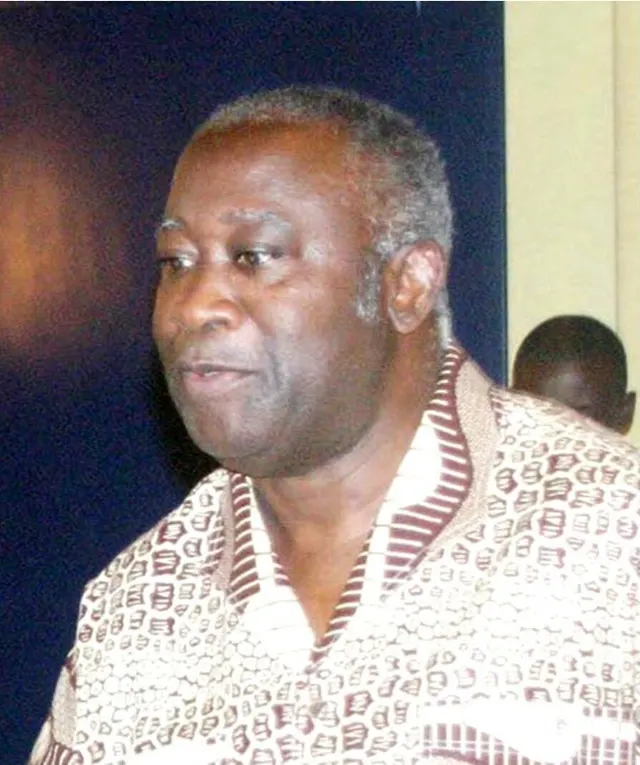
Laurent Gbagbo
Image creditZenman · CC BY-SA 3.0Resized and cropped for display.

Laurent Gbagbo

Historian and opposition leader who served as President of Côte d’Ivoire from 2000 until a disputed election and his arrest in 2011.

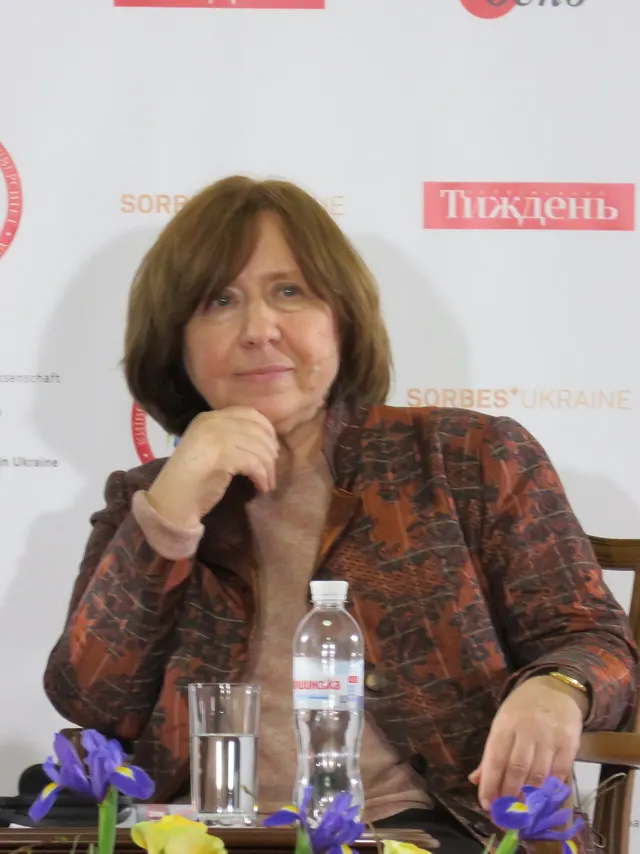
Svetlana Alexievich
Image creditSergento · CC BY-SA 4.0Resized and cropped for display.

Svetlana Alexievich

Belarusian writer whose books weave together hundreds of ordinary people’s voices on war and Chernobyl, awarded the Nobel Prize in Literature in 2015.

◉
IDEAS THAT CHANGED THINGS

Firsts, Science & Discoveries

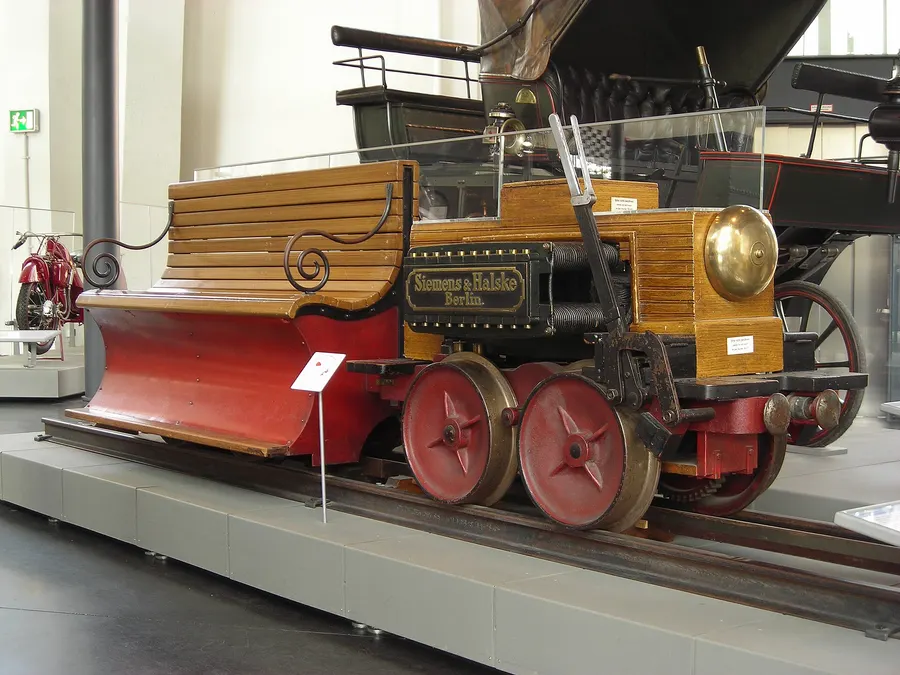
The small electric locomotive built by Siemens & Halske in 1879
Image creditMattes · Public domainResized and cropped for display.

Siemens shows off the world’s first electric railway

In 1866 the Berlin engineer Werner von Siemens discovered the dynamo-electric principle, which made it possible to generate electricity cheaply and in large amounts. By the late 1870s his firm, Siemens & Halske, was producing dynamos in series and looking for new ways to put electric power to work, from lighting streets and arcades to driving machines that until then had depended on steam, water or muscle.

On 31 May 1879 the company unveiled its answer at the Berlin Trade Exhibition: a small electric locomotive drawing open carriages full of visitors around a circuit in the exhibition grounds, with the current fed to it through the track instead of from a boiler or a horse. It was a showpiece rather than a working line, but it proved that electric traction was practical, and within a few years electric trams and underground railways were being built across Europe.

Read the full storyHistory & Timeline →Source: Siemens: Siemens presents the world’s first electric railway ↗
☆
SPORTING HISTORY

Sporting Moments

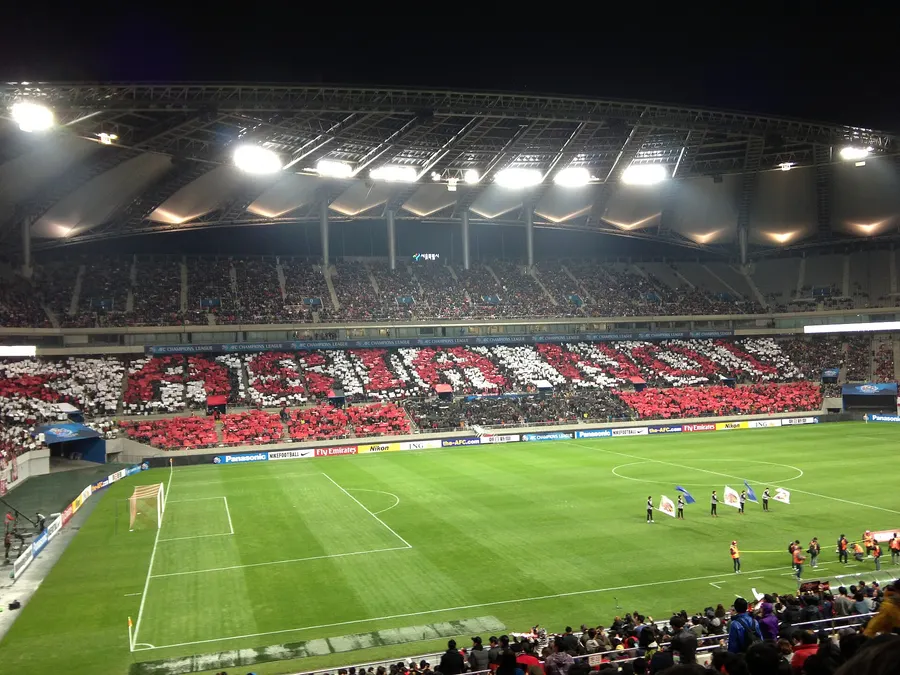
The Seoul World Cup Stadium, where the 2002 tournament opened, during a match in 2013
Image creditPhoto and Share CC · CC BY 2.0Resized and cropped for display.

The first World Cup in Asia opens with a famous shock

The 2002 FIFA World Cup was the first to be held in Asia, and the first to be shared between two countries, South Korea and Japan. It opened on 31 May with a ceremony at the new Seoul World Cup Stadium, followed by the first match: France, the reigning world and European champions, against Senegal, playing at a World Cup for the very first time.

In the 30th minute El Hadji Diouf raced down the left and crossed, and Papa Bouba Diop scrambled the ball in. Senegal held on to win 1-0, one of the greatest upsets in the tournament’s history. The newcomers went on to reach the quarter-finals, while France went home after the group stage without scoring a goal. Brazil won the final in Yokohama a month later.

Read the full storyHistory & Timeline →Source: FIFA: Diouf, Senegal’s win over France is the World Cup’s greatest ↗
♫
MUSIC • FILM • BOOKS • CULTURE

Culture Stories

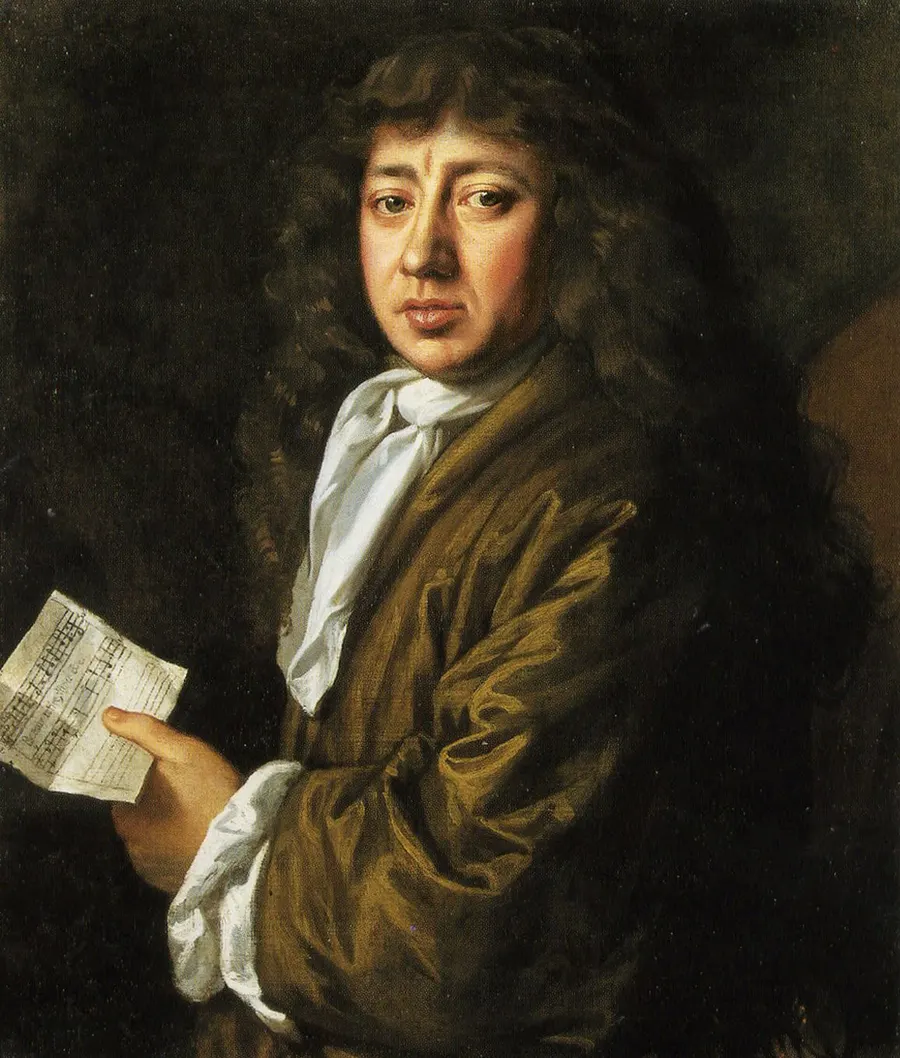
Samuel Pepys, painted by John Hayls in 1666
Image creditJohn Hayls · Public domainResized and cropped for display.

Samuel Pepys writes the last entry in his diary

For more than nine years, from the first day of 1660, the London naval official Samuel Pepys wrote a private diary in shorthand. He set down everything: the return of King Charles II, the Great Plague of 1665, the Great Fire of London the following year, the business of the Navy Office, and his own quarrels, pleasures, music and meals, with a frankness rare in any age.

By 1669 his eyes were giving him so much pain that he feared he was going blind, and on 31 May he wrote a sad last entry, saying he must now give the diary up. In fact his sight held, and he went on to a long career running the navy. He left his library, diary included, to Magdalene College, Cambridge. When the shorthand was deciphered and published in the 1800s, it became one of the most loved records of English life ever written.

Read the full storyHistory & Timeline →Source: Britannica: The Diary of Samuel Pepys ↗
✦
LIVES REMEMBERED

Remembered Today

Tintoretto
Image creditJim.kovic · CC0Resized and cropped for display.

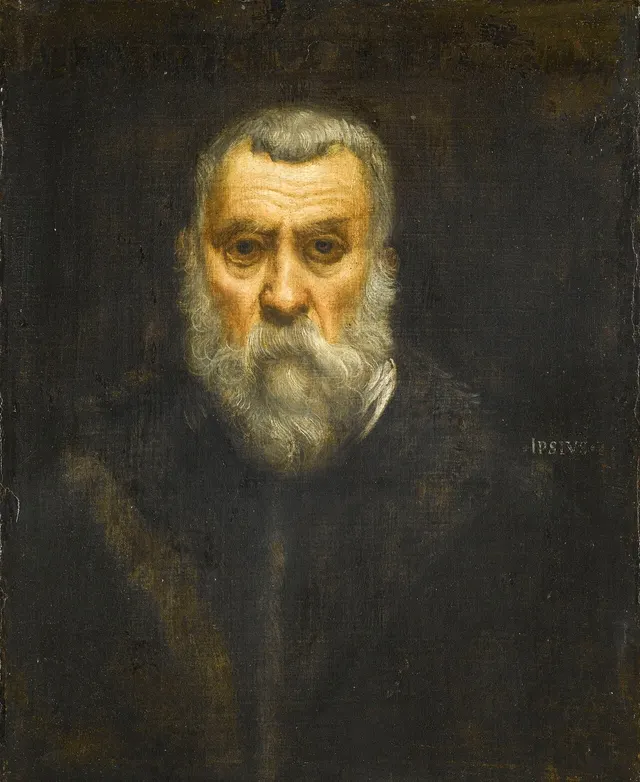
Tintoretto

Venetian painter famed for the speed and daring of his brushwork, whose huge canvases fill the Scuola Grande di San Rocco in Venice.

Elizabeth Blackwell
Image creditErnest Edwards · Public domainResized and cropped for display.

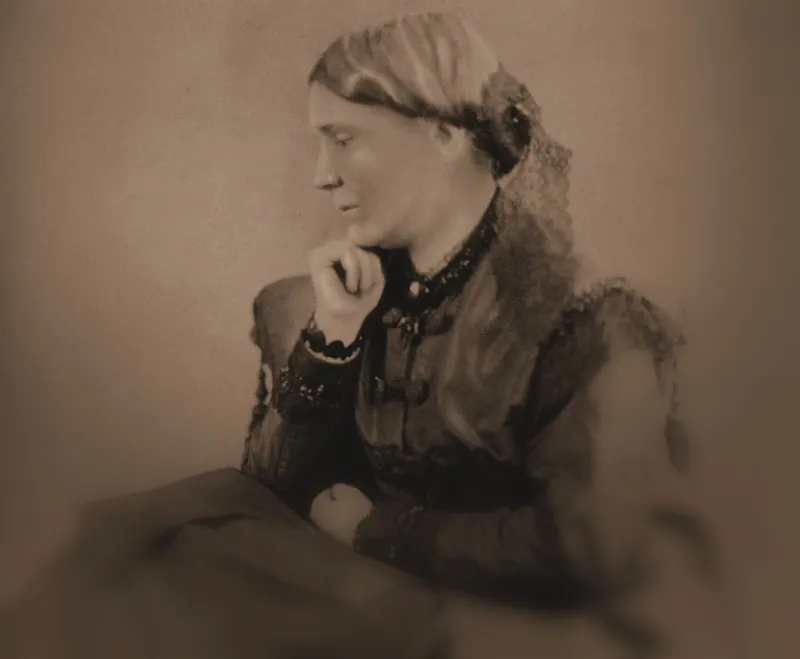
Elizabeth Blackwell

English-born physician who became the first woman to earn a medical degree in the United States and campaigned for women’s medical education.

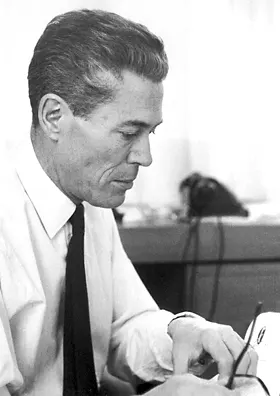
Jacques Monod
Image creditUnknown author · Public domainResized and cropped for display.

Jacques Monod

French biochemist who shared the 1965 Nobel Prize for discovering how cells switch their genes on and off, and wrote the book Chance and Necessity.

Jack Dempsey
Image creditUnknown · Public domainResized and cropped for display.

Jack Dempsey

American boxer known as the Manassa Mauler, world heavyweight champion from 1919 to 1926 and one of the great sporting stars of the 1920s.

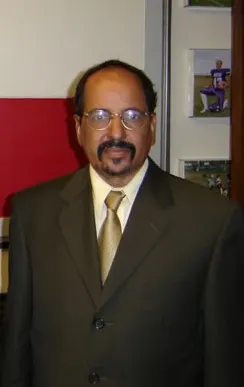
Mohamed Abdelaziz
Image creditUnknown · Public domainResized and cropped for display.

Mohamed Abdelaziz

Leader of the Polisario Front from 1976 and president of the Sahrawi Arab Democratic Republic, which claims Western Sahara, from 1982 until his death.

☉
AROUND THE WORLD

Observances & Anniversaries

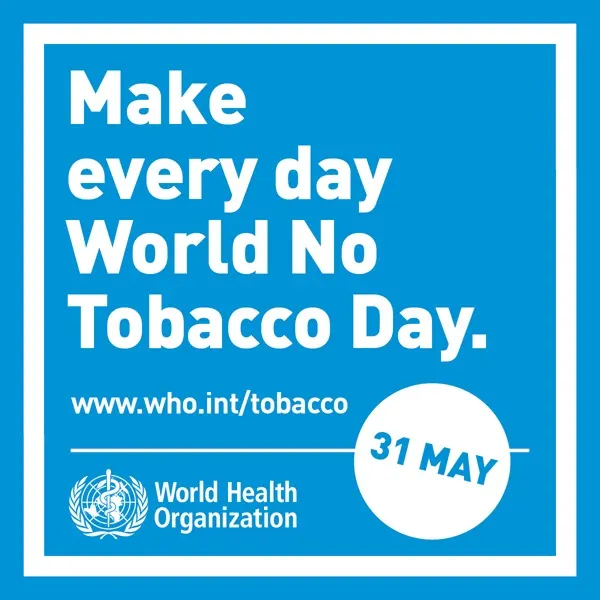
World No Tobacco Day, marked each year by the World Health Organization
Image creditWorld Health Organisation · CC BY-SA 4.0Resized and cropped for display.

World No Tobacco Day

Every year on 31 May the World Health Organization and its partners mark World No Tobacco Day, to draw attention to the harm done by smoking, other tobacco use and second-hand smoke, and to press for policies that help people quit. Each year has its own theme, and WHO gives awards to people and organisations who have done valuable work in tobacco control.

Source: World Health Organization Regional Office for the Eastern Mediterranean: World No Tobacco Day ↗
HISTORY & TIMELINE

Finished the highlights?

Follow 31 May chronologically, from the Middle Ages to the modern day, with 14 verified events and the sources behind them.

This day through time →