1453Constantinople falls to the Ottoman sultan Mehmed II
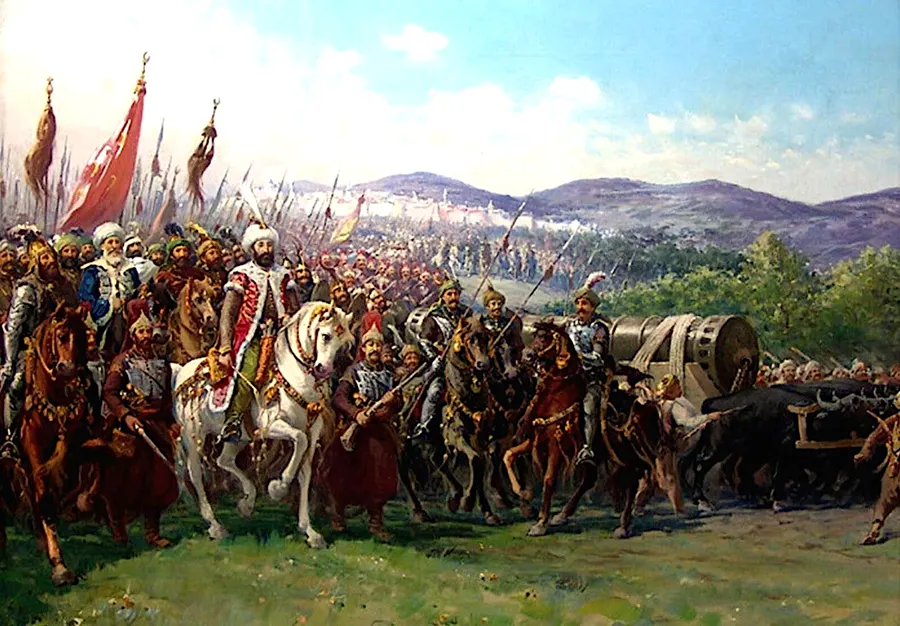
By the spring of 1453 the Byzantine Empire, heir to ancient Rome, had shrunk to little more than its capital, and Constantinople itself had only a fraction of its medieval population. The young Ottoman sultan Mehmed II surrounded it by land and sea with an army many times larger than the defenders, and for weeks his great cannon pounded the city’s famous land walls.
Before dawn on 29 May the sultan launched a combined assault. His troops broke through, and the last emperor, Constantine XI, died in the fighting. Mehmed made the city his new capital, turned the great church of Hagia Sophia into a mosque and rebuilt it as the heart of an empire that would last for more than four and a half centuries. Greek scholars fleeing westward carried manuscripts and learning to Italy.
Read the full storyHistory & Timeline →Source: Britannica: Fall of Constantinople ↗
1953Hillary and Tenzing reach the top of Everest
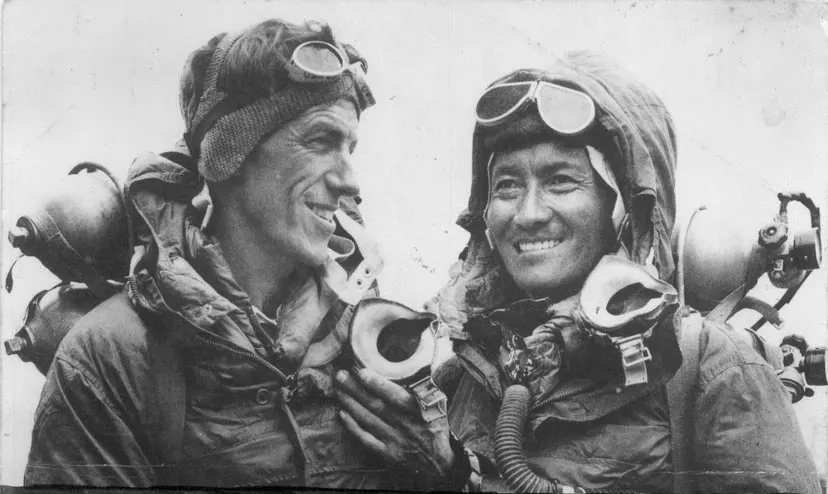
Several expeditions had tried and failed to climb the world’s highest mountain before a British team led by John Hunt set out in 1953. After weeks of work establishing camps up the Khumbu Icefall and the Western Cwm, the New Zealand beekeeper Edmund Hillary and the Sherpa climber Tenzing Norgay spent the night of 28 May in a tiny tent high on the south-east ridge.
They set off early on 29 May and stepped onto the summit at about 11.30 in the morning. They stayed only around a quarter of an hour: Hillary took photographs, Tenzing left an offering of food, and both began the long climb down. News reached London on the morning of Queen Elizabeth II’s coronation four days later, and both men became heroes across the world.
Read the full storyHistory & Timeline →Source: NZ History: Hillary and Tenzing reach summit of Everest ↗
1660Charles II rides into London and the monarchy returns
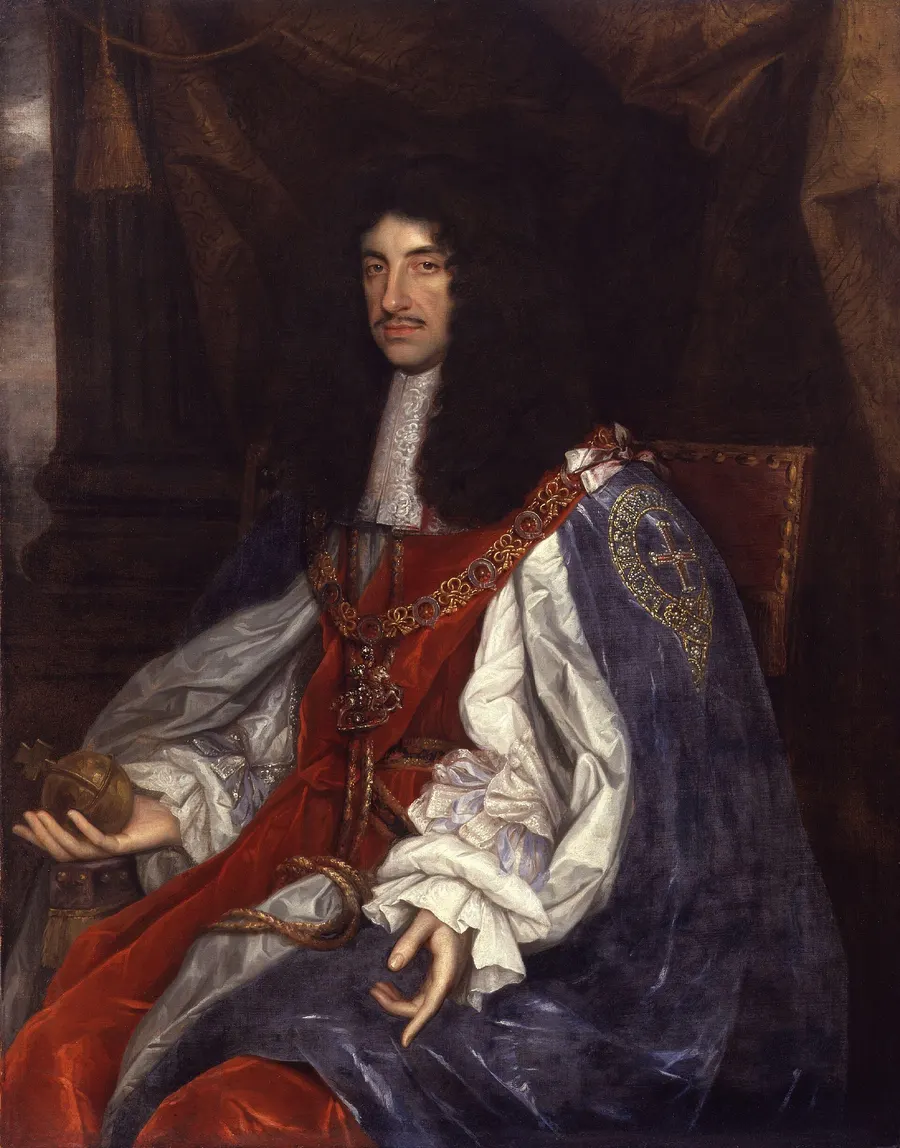
Charles I was executed in 1649, and for eleven years England was governed without a king, for much of that time by Oliver Cromwell as Lord Protector. After Cromwell’s death in 1658 the republic began to fall apart. General George Monck marched his army to London, a new Parliament was elected, and in May 1660 it invited the exiled son of the dead king to return.
Charles landed at Dover and on 29 May 1660, his thirtieth birthday, rode into London through cheering crowds and streets hung with tapestries. The day gave its name to the Restoration and was kept for generations as a public holiday, remembered as Oak Apple Day after the oak tree in which Charles had hidden from Parliament’s soldiers after his defeat at Worcester in 1651.
Read the full storyHistory & Timeline →Source: Royal Collection Trust: The Restoration ↗
1851Sojourner Truth speaks up for women in Akron
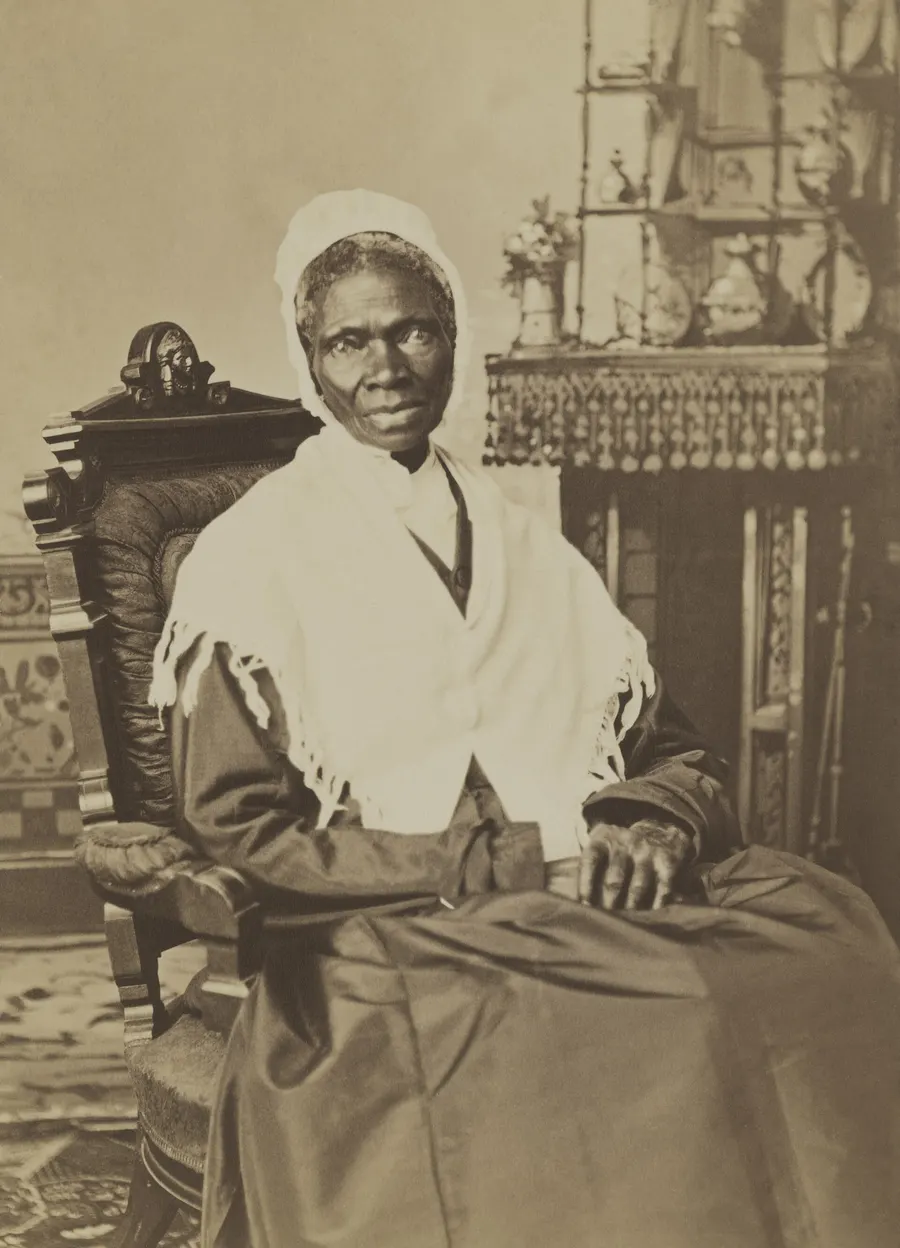
Born into slavery in New York State around 1797, Isabella Baumfree gained her freedom in the 1820s and later took the name Sojourner Truth, travelling widely to preach against slavery. In May 1851 she attended a women’s rights convention at the Old Stone Church in Akron, Ohio, where many speakers were men and some argued that women were too weak to deserve equal rights.
On 29 May she rose and answered them, pointing to her own years of hard labour and to the fact that she was both a woman and a Black woman. Her friend Marius Robinson printed an account weeks later. The famous refrain ‘Ain’t I a woman?’ comes from a much later version written up in 1863, so no one can be certain of her exact words, but the speech became one of the best known in American history.
Read the full storyHistory & Timeline →Source: National Park Service: Sojourner Truth, Ain’t I A Woman? ↗
1999Nigeria returns to civilian rule
For most of the years since 1983 Nigeria, Africa’s most populous country, had been ruled by soldiers. After the sudden death of the military ruler Sani Abacha in 1998, his successor General Abdulsalami Abubakar promised a quick return to democracy, and elections for local councils, state governments, the national assembly and the presidency were held in the early months of 1999, with a new constitution published that May.
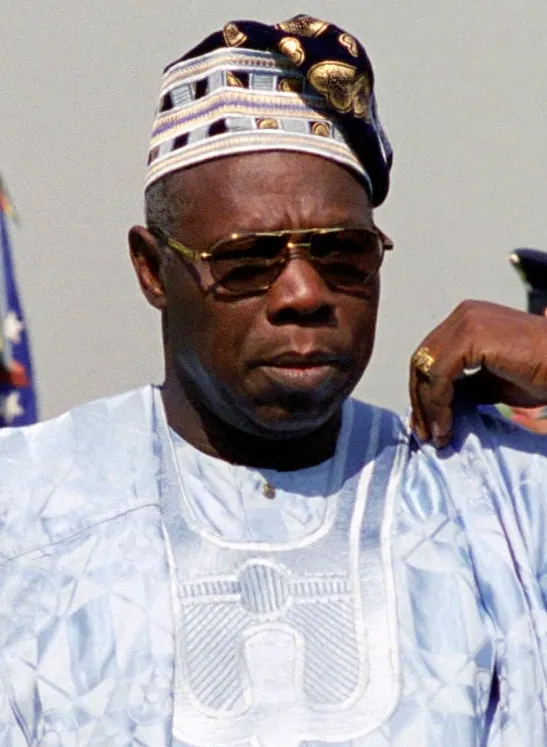
On 29 May 1999 Olusegun Obasanjo was sworn in as president. A former general, he had led a military government in the 1970s and then handed power to civilians, and he had been jailed under Abacha. His inauguration ended sixteen years of military rule. For many years afterwards 29 May was celebrated as Nigeria’s Democracy Day, until the holiday was moved to 12 June in 2019.
Read the full storyHistory & Timeline →Source: Britannica: Olusegun Obasanjo ↗