HISTORY & TIMELINE
29 May

A journey through
29 May in history

The story of 29 May runs from the militias of the Lombard cities routing an emperor at Legnano in 1176 to France voting down a constitution for Europe in 2005. In between come a peace between the Ottoman and Safavid empires, the smallest American state finally joining the Union, the last coronation of a French king, a liner lost in the fog of the St Lawrence and a space shuttle docking with the new International Space Station.

II
THE MIDDLE AGES

Medieval History

Kingdoms, conflict, faith, power and the changing medieval world.

1176
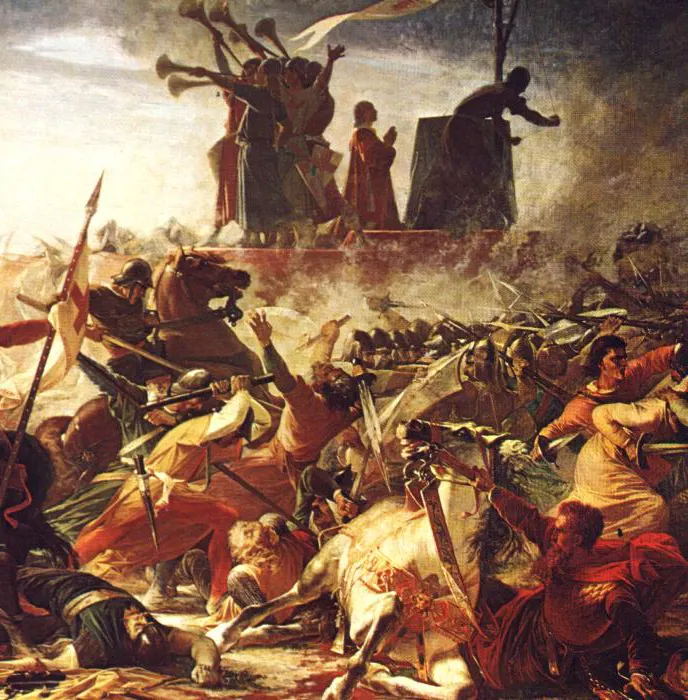
The Battle of Legnano, a detail from a 19th-century painting by Amos CassioliThe Battle of Legnano, a detail from a 19th-century painting by Amos CassioliImage: Amos Cassioli · Public domain
world · Europe

The Lombard cities defeat Barbarossa at Legnano

The Holy Roman emperor Frederick I, known as Barbarossa, spent years trying to force the wealthy cities of northern Italy to accept his rule. They answered by forming the Lombard League, led by Milan. On 29 May 1176 the league’s army met the emperor at Legnano, north-west of Milan, and routed his forces. The defeat pushed Frederick towards a truce and, in 1183, the Peace of Constance, which left the cities largely free to govern themselves.

Source: Britannica: Battle of Legnano ↗
1453
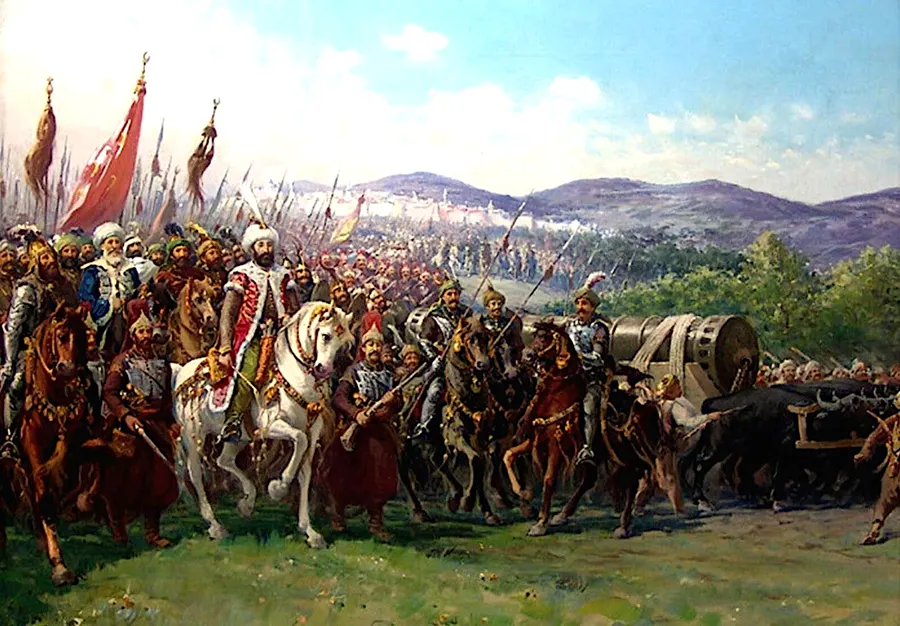
Mehmed II entering Constantinople, painted by Fausto Zonaro around 1903Mehmed II entering Constantinople, painted by Fausto Zonaro around 1903Image: Fausto Zonaro · Public domain
world · Europe

Constantinople falls to the Ottoman sultan Mehmed II

By the spring of 1453 the Byzantine Empire, heir to ancient Rome, had shrunk to little more than its capital, and Constantinople itself had only a fraction of its medieval population. The young Ottoman sultan Mehmed II surrounded it by land and sea with an army many times larger than the defenders, and for weeks his great cannon pounded the city’s famous land walls. Before dawn on 29 May the sultan launched a combined assault. His troops broke through, and the last emperor, Constantine XI, died in the fighting. Mehmed made the city his new capital, turned the great church of Hagia Sophia into a mosque and rebuilt it as the heart of an empire that would last for more than four and a half centuries. Greek scholars fleeing westward carried manuscripts and learning to Italy.

Source: Britannica: Fall of Constantinople ↗
III
A CHANGING WORLD

Early Modern Era

Exploration, political change, scientific development and expanding global connections.

1555
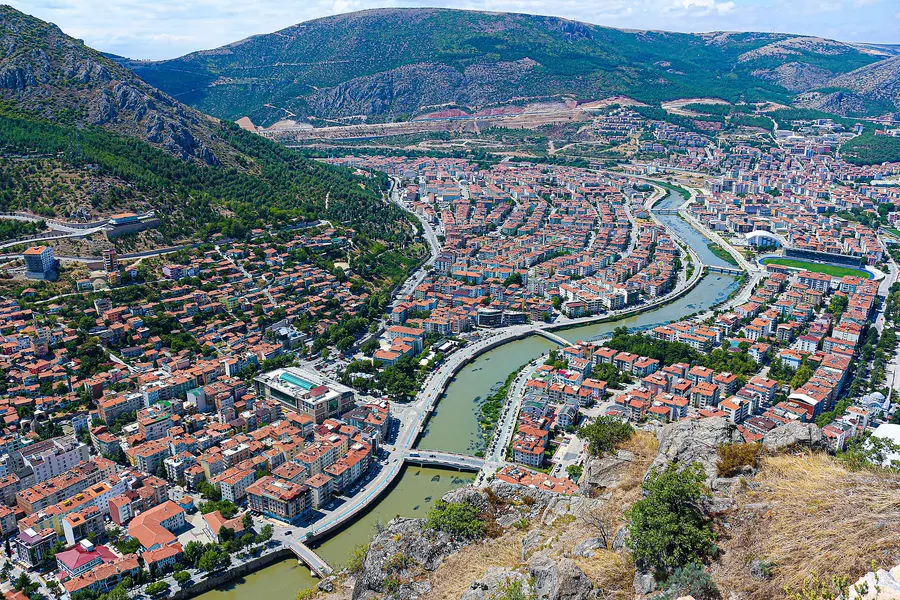
The town of Amasya in northern Turkey, where the peace was agreedThe town of Amasya in northern Turkey, where the peace was agreedImage: Ahmtzngn34 · CC BY-SA 4.0
politics · Middle East

The Ottoman and Safavid empires make peace at Amasya

For two decades Süleyman the Magnificent’s Ottoman armies had fought Shah Tahmasp’s Safavid Iran across eastern Anatolia, Iraq and the Caucasus, with neither side able to win outright. On 29 May 1555 the two empires agreed the Peace of Amasya. The Ottomans kept Baghdad and most of Iraq, Iran kept Azerbaijan, and Iranian pilgrims were guaranteed safe passage to the holy cities. The frontier it drew held for about twenty years.

Source: Encyclopaedia Iranica: Amasya, Peace of ↗
1660
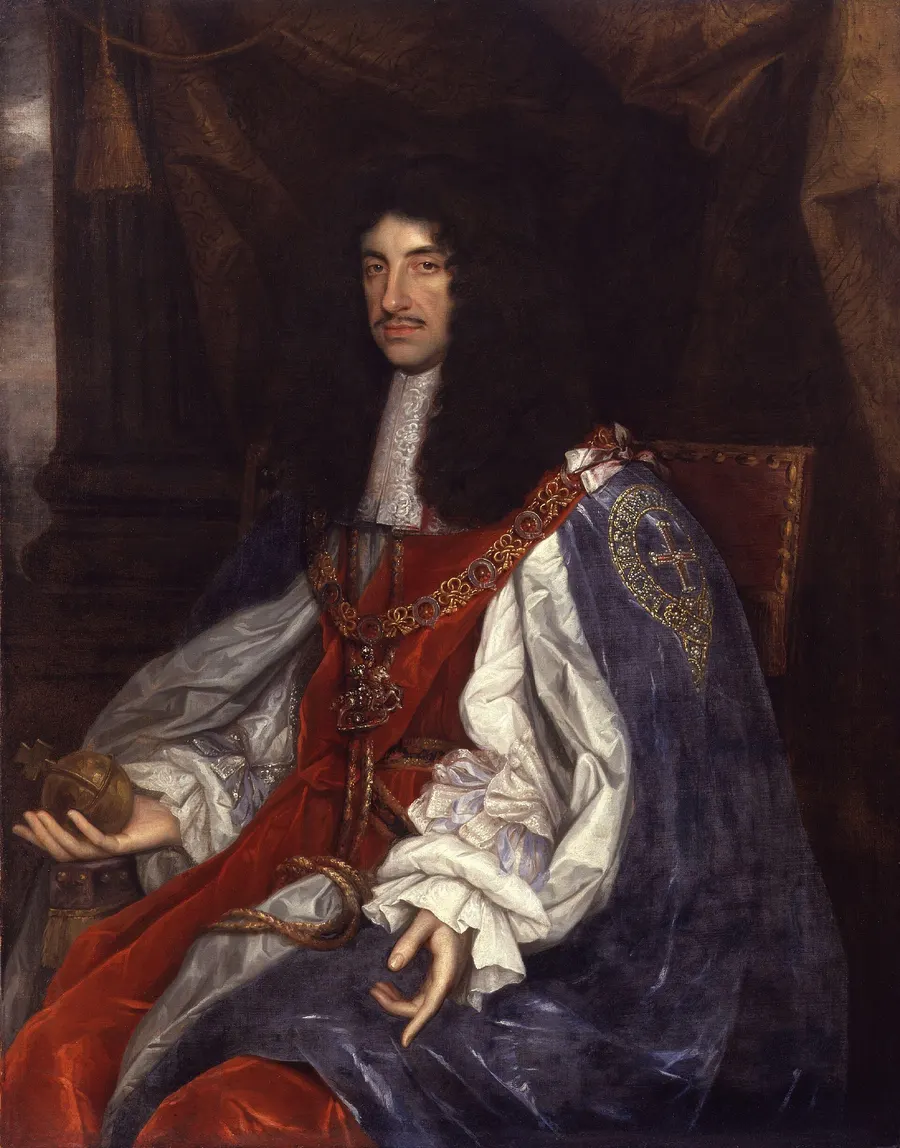
Portrait of King Charles IIPortrait of King Charles IIImage: John Michael Wright · Public domain
politics · Europe

Charles II rides into London and the monarchy returns

Charles I was executed in 1649, and for eleven years England was governed without a king, for much of that time by Oliver Cromwell as Lord Protector. After Cromwell’s death in 1658 the republic began to fall apart. General George Monck marched his army to London, a new Parliament was elected, and in May 1660 it invited the exiled son of the dead king to return. Charles landed at Dover and on 29 May 1660, his thirtieth birthday, rode into London through cheering crowds and streets hung with tapestries. The day gave its name to the Restoration and was kept for generations as a public holiday, remembered as Oak Apple Day after the oak tree in which Charles had hidden from Parliament’s soldiers after his defeat at Worcester in 1651.

Source: Royal Collection Trust: The Restoration ↗
1790
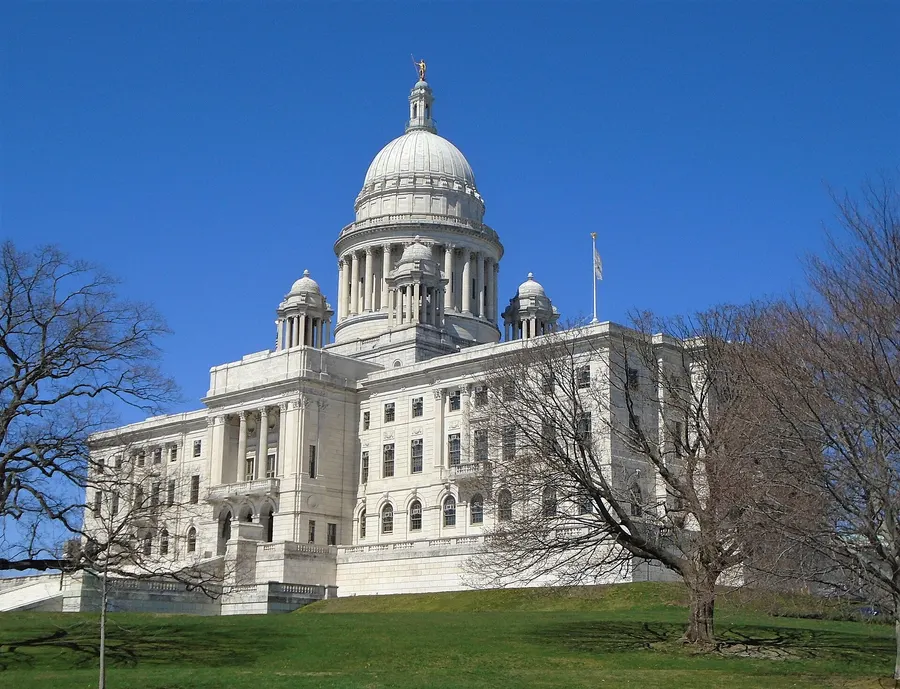
The Rhode Island State House in ProvidenceThe Rhode Island State House in ProvidenceImage: Beyond My Ken · CC BY-SA 4.0
politics · Americas

Rhode Island becomes the last of the thirteen states to ratify

Rhode Island had refused even to send delegates to the Constitutional Convention and rejected the new Constitution again and again, fearing a powerful central government. When the United States Senate threatened to cut off trade and treat it as a foreign country, a state convention finally gave way. On 29 May 1790 it ratified by just 34 votes to 32, making Rhode Island the last of the original thirteen colonies to join the Union.

Source: National Archives, Pieces of History: Rogue Island, the last state to ratify the Constitution ↗
IV
THE NINETEENTH CENTURY

The 1800s

Industry, empire, invention, reform and a century of enormous transformation.

1825
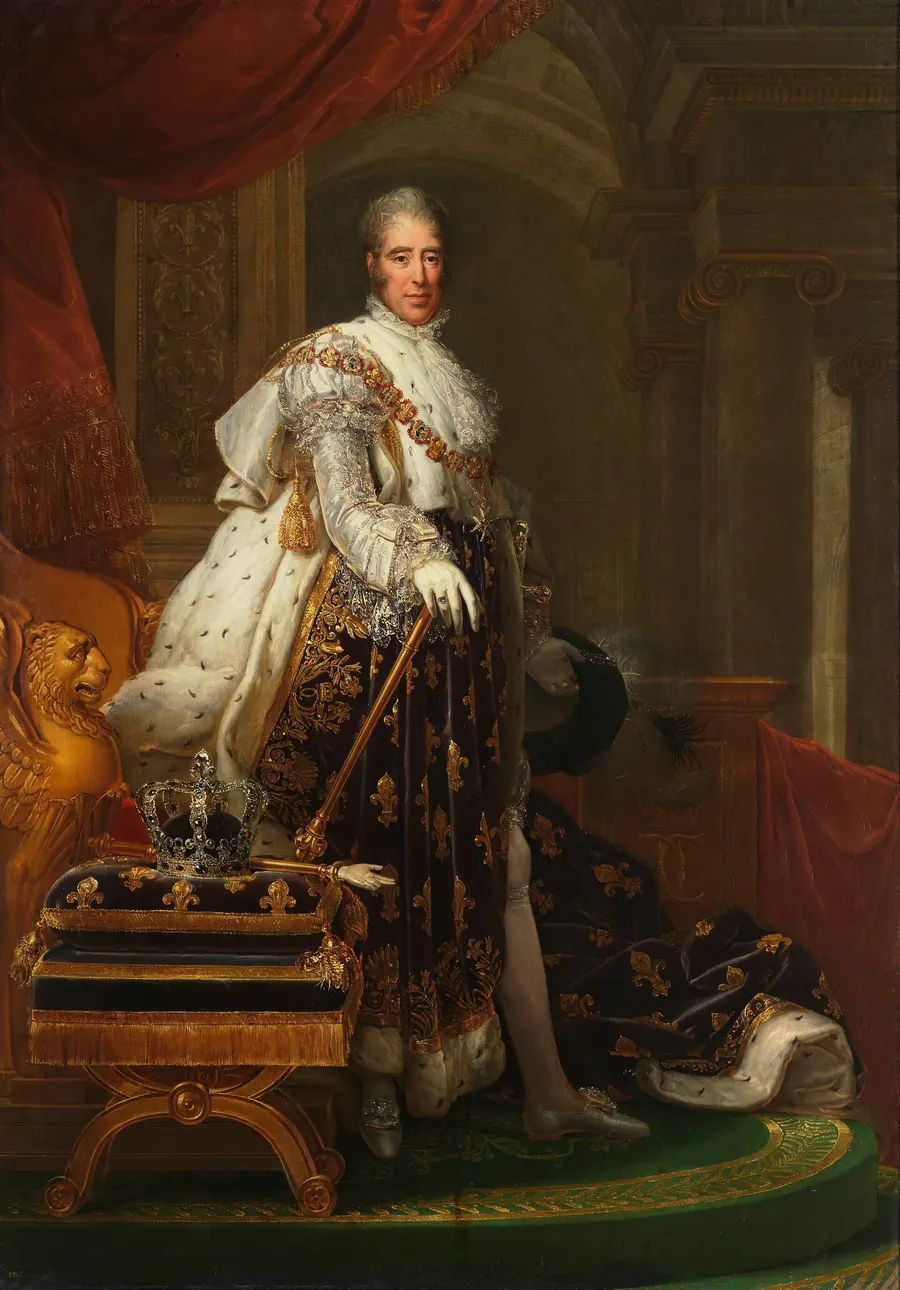
Charles X of France in his coronation robesCharles X of France in his coronation robesImage: François Gérard · Public domain
politics · Europe

France crowns its last king at Reims

Charles X, youngest brother of the executed Louis XVI, came to the throne in 1824 determined to revive the ceremony of the old monarchy. On 29 May 1825 he was anointed and crowned in Reims Cathedral with all the ancient ritual, the last of a long line of French kings crowned there. Many French people saw the lavish ceremony as a rejection of the revolution, and five years later Charles was driven from the throne.

Source: Musée du Louvre: Couronnement de Charles X, 29 mai 1825 ↗
1851
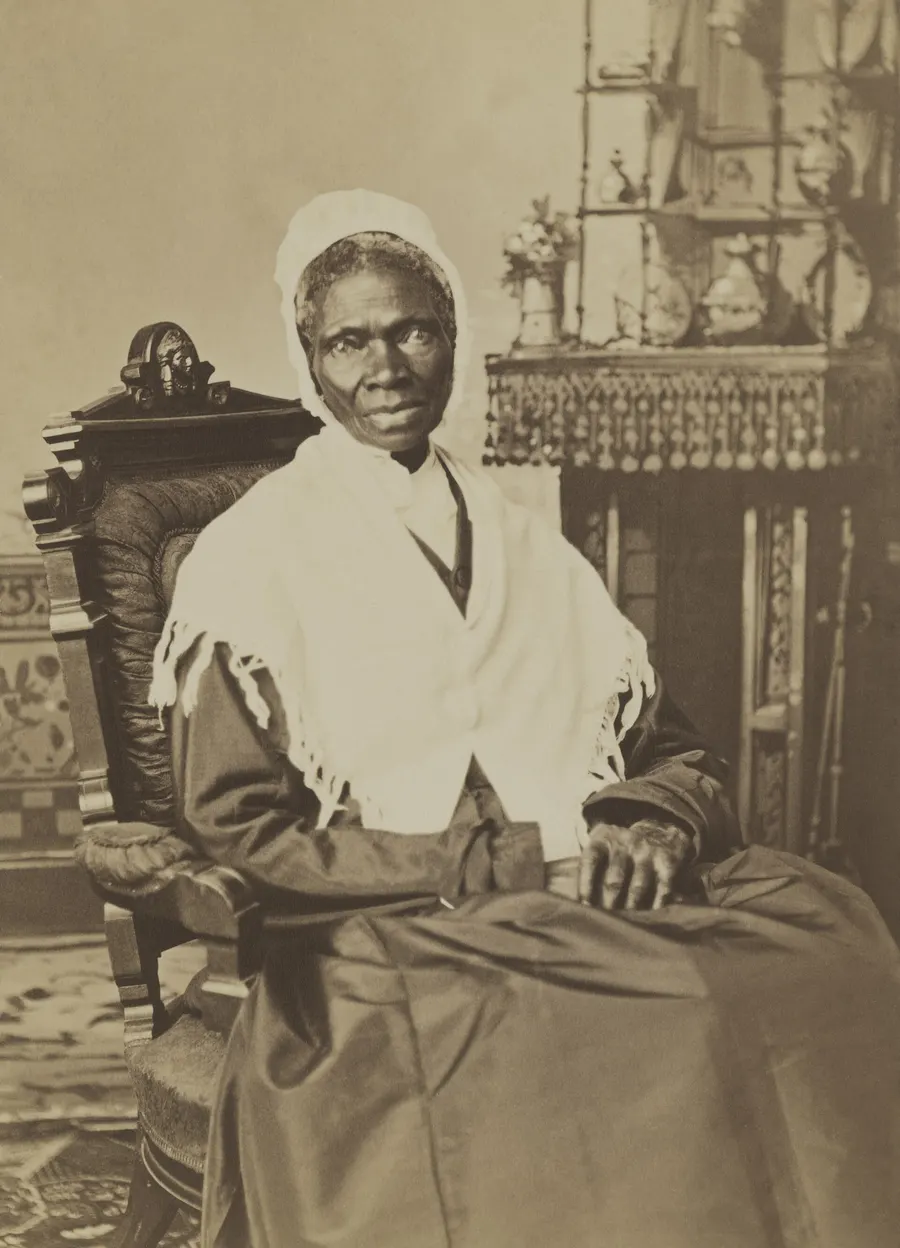
Sojourner Truth, photographed in the 1860sSojourner Truth, photographed in the 1860sImage: Randall Studio · Public domain
world · Americas

Sojourner Truth speaks up for women in Akron

Born into slavery in New York State around 1797, Isabella Baumfree gained her freedom in the 1820s and later took the name Sojourner Truth, travelling widely to preach against slavery. In May 1851 she attended a women’s rights convention at the Old Stone Church in Akron, Ohio, where many speakers were men and some argued that women were too weak to deserve equal rights. On 29 May she rose and answered them, pointing to her own years of hard labour and to the fact that she was both a woman and a Black woman. Her friend Marius Robinson printed an account weeks later. The famous refrain ‘Ain’t I a woman?’ comes from a much later version written up in 1863, so no one can be certain of her exact words, but the speech became one of the best known in American history.

Source: National Park Service: Sojourner Truth, Ain’t I A Woman? ↗
V
THE TWENTIETH CENTURY

The 1900s

War and peace, technological leaps, social change, politics, sport and popular culture.

1913
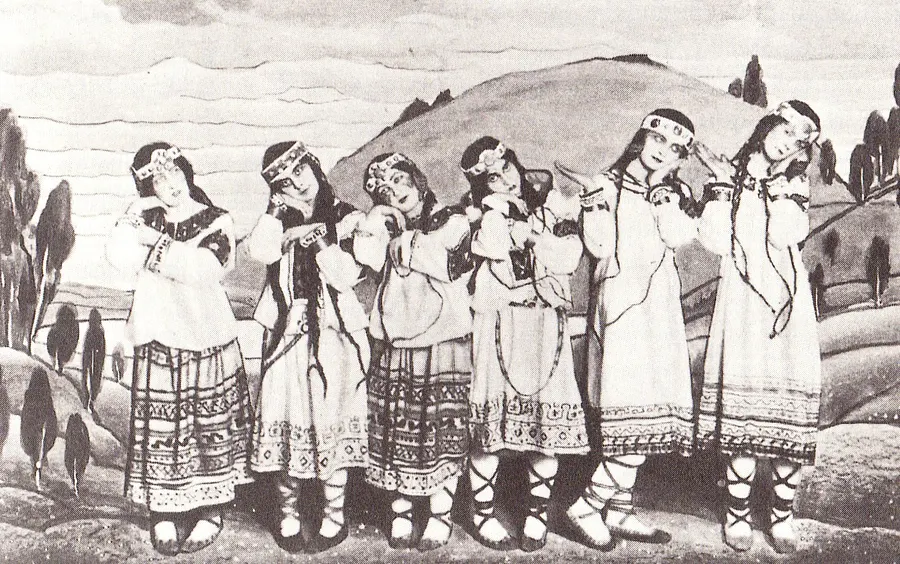
Dancers from the original 1913 production of The Rite of Spring, in costumes designed by Nicholas RoerichDancers from the original 1913 production of The Rite of Spring, in costumes designed by Nicholas RoerichImage: Unknown author · Public domain
culture · Europe

The Rite of Spring causes uproar in Paris

Sergei Diaghilev’s Ballets Russes had thrilled Paris with Stravinsky’s Firebird and Petrushka, so expectations were high when a new ballet by the young Russian composer opened at the brand-new Théâtre des Champs-Élysées on 29 May 1913. The Rite of Spring showed a pagan ritual in ancient Russia in which a young girl dances herself to death, with choreography by Vaslav Nijinsky. Its pounding rhythms, harsh harmonies and awkward, stamping movements shocked the audience. Supporters and critics shouted at each other so loudly that the dancers could barely hear the orchestra, and scuffles broke out in the hall. Stravinsky was horrified and Diaghilev delighted by the scandal. The score soon won a place in the concert hall as one of the most influential works of the twentieth century.

Source: Britannica: The Rite of Spring ↗
1914
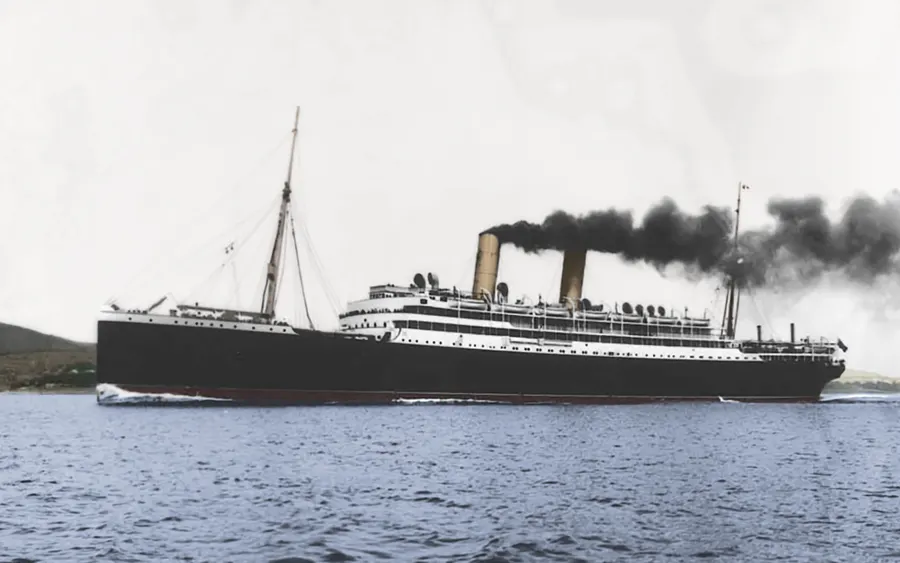
The liner RMS Empress of IrelandThe liner RMS Empress of IrelandImage: HefePine23 · CC BY-SA 2.0
world · Americas

The Empress of Ireland sinks in the St Lawrence

The Canadian Pacific liner Empress of Ireland left Quebec City for Liverpool on 28 May 1914. In the early hours of 29 May, in fog near Rimouski, she was struck on her side by the Norwegian collier Storstad and sank in about fourteen minutes. Of the 1,477 people on board, 1,012 died, making it the worst maritime disaster in Canadian history. The wreck is now a protected National Historic Site.

Source: Parks Canada: Wreck of RMS Empress of Ireland National Historic Site ↗
1919
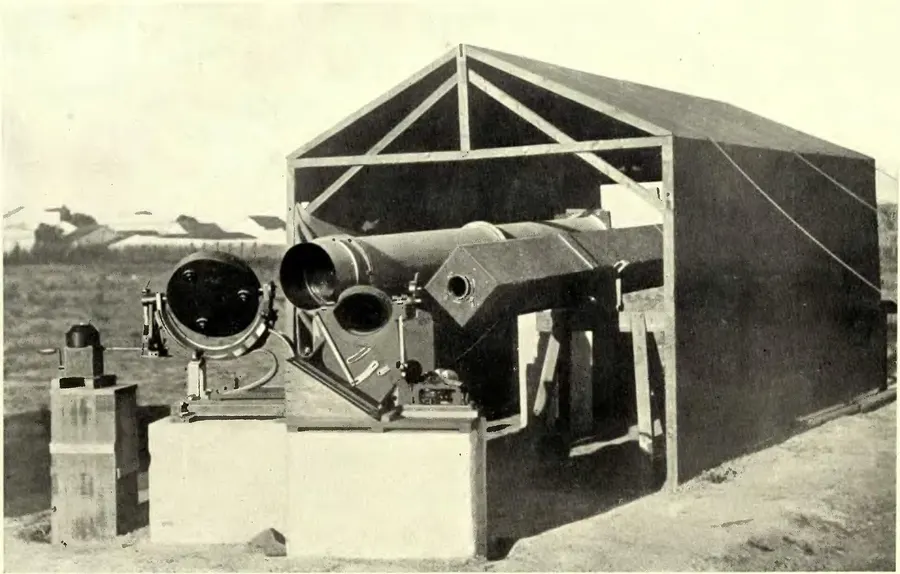
The expedition's eclipse instruments at Sobral, Brazil, in 1919The expedition’s eclipse instruments at Sobral, Brazil, in 1919Image: C. Davidson · Public domain
science · Africa

An eclipse puts Einstein’s theory to the test

Einstein’s general theory of relativity predicted that the Sun’s gravity would bend starlight passing close to it by about twice as much as Newton’s physics allowed. The only way to see stars so near the Sun was during a total eclipse, and one was due on 29 May 1919. British astronomers sent two teams: Arthur Eddington went to the island of Príncipe off West Africa, and another party travelled to Sobral in northern Brazil. Clouds almost ruined the day at Príncipe, but a few photographic plates caught the stars, and the Sobral team had clearer skies. Measured against the stars’ normal positions, the results matched Einstein’s prediction. When the findings were announced at a joint meeting of the Royal Society and the Royal Astronomical Society in London that November, newspapers around the world carried the story, and Einstein became a celebrity almost overnight.

Source: European Space Agency: Relativity and the 1919 eclipse ↗
1953
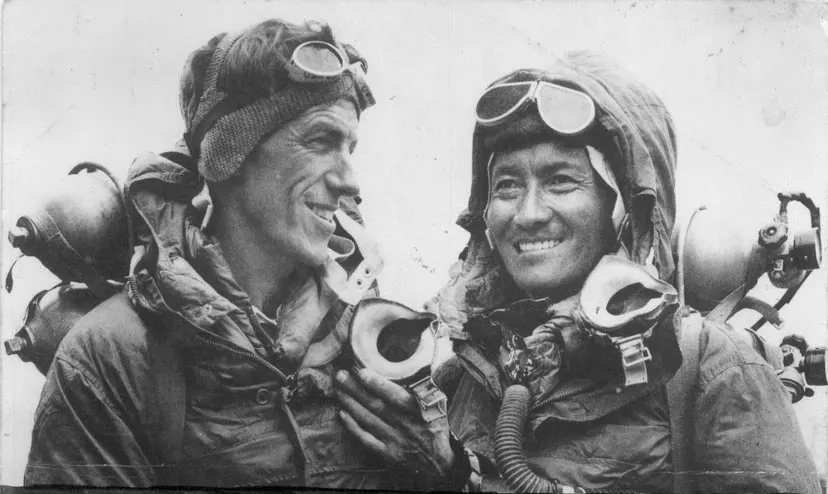
Tenzing Norgay and Edmund Hillary after completing the first ascent of Mount Everest, 29 May 1953Tenzing Norgay and Edmund Hillary after completing the first ascent of Mount Everest, 29 May 1953Image: Jamling Tenzing Norgay · CC BY-SA 3.0
world · Asia

Hillary and Tenzing reach the top of Everest

Several expeditions had tried and failed to climb the world’s highest mountain before a British team led by John Hunt set out in 1953. After weeks of work establishing camps up the Khumbu Icefall and the Western Cwm, the New Zealand beekeeper Edmund Hillary and the Sherpa climber Tenzing Norgay spent the night of 28 May in a tiny tent high on the south-east ridge. They set off early on 29 May and stepped onto the summit at about 11.30 in the morning. They stayed only around a quarter of an hour: Hillary took photographs, Tenzing left an offering of food, and both began the long climb down. News reached London on the morning of Queen Elizabeth II’s coronation four days later, and both men became heroes across the world.

Source: NZ History: Hillary and Tenzing reach summit of Everest ↗
1966
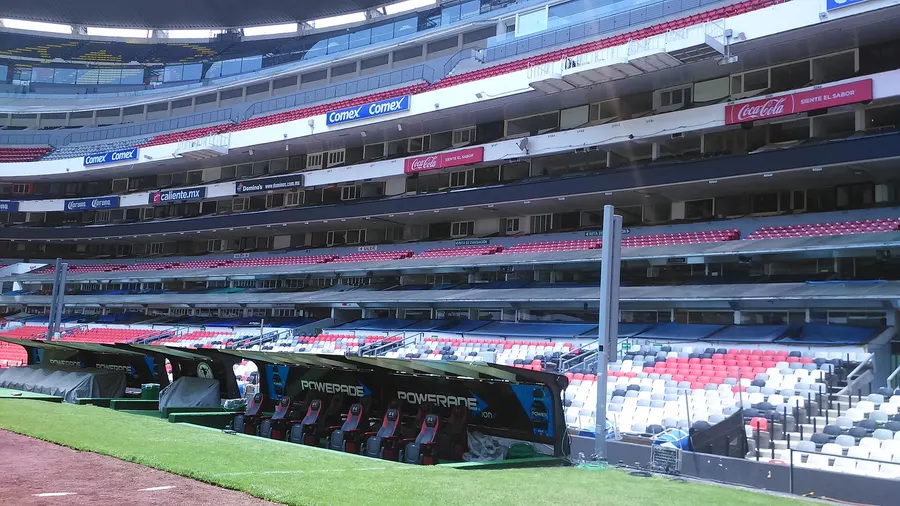
The benches and side stand inside the Estadio Azteca in Mexico CityThe benches and side stand inside the Estadio Azteca in Mexico CityImage: Luicheto · CC BY-SA 4.0
sport · Americas

Mexico City opens the Estadio Azteca

With Mexico hoping to host the football World Cup, a vast new stadium was built in the south of the capital to designs by the architect Pedro Ramírez Vázquez. It opened on 29 May 1966 with a friendly between the Mexico City club América and Torino of Italy, which ended 2-2 in front of more than 100,000 spectators, making it one of the largest football grounds on earth. The Azteca went on to become one of football’s great stages. It hosted the World Cup finals of 1970, won by Pelé’s Brazil, and 1986, won by Diego Maradona’s Argentina, whose two unforgettable goals against England in the quarter-final were scored there too. It is the only stadium to have staged two men’s World Cup finals, and it was chosen to host the opening match of the 2026 tournament.

Source: Mexico City tourism (Government of Mexico City): The Estadio Azteca ↗
1999
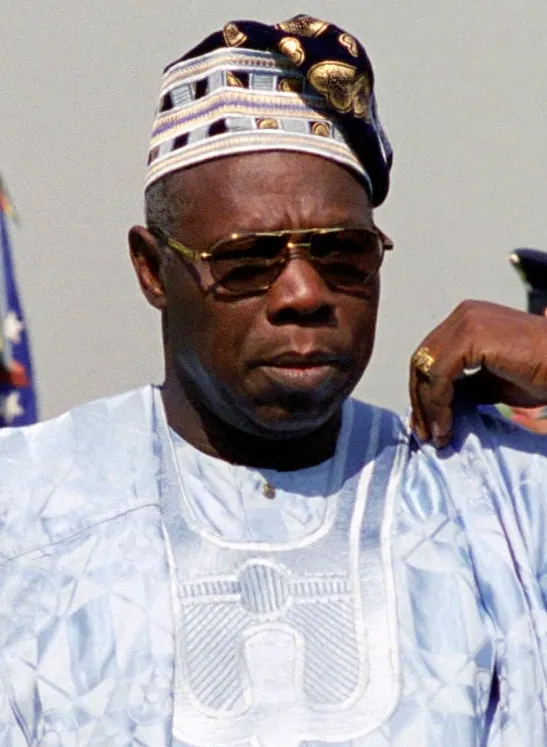
Olusegun Obasanjo, sworn in as Nigeria's civilian president in 1999Olusegun Obasanjo, sworn in as Nigeria’s civilian president in 1999Image: Helene C. Stikkel · Public domain
politics · Africa

Nigeria returns to civilian rule

For most of the years since 1983 Nigeria, Africa’s most populous country, had been ruled by soldiers. After the sudden death of the military ruler Sani Abacha in 1998, his successor General Abdulsalami Abubakar promised a quick return to democracy, and elections for local councils, state governments, the national assembly and the presidency were held in the early months of 1999, with a new constitution published that May. On 29 May 1999 Olusegun Obasanjo was sworn in as president. A former general, he had led a military government in the 1970s and then handed power to civilians, and he had been jailed under Abacha. His inauguration ended sixteen years of military rule. For many years afterwards 29 May was celebrated as Nigeria’s Democracy Day, until the holiday was moved to 12 June in 2019.

Source: Britannica: Olusegun Obasanjo ↗
1999
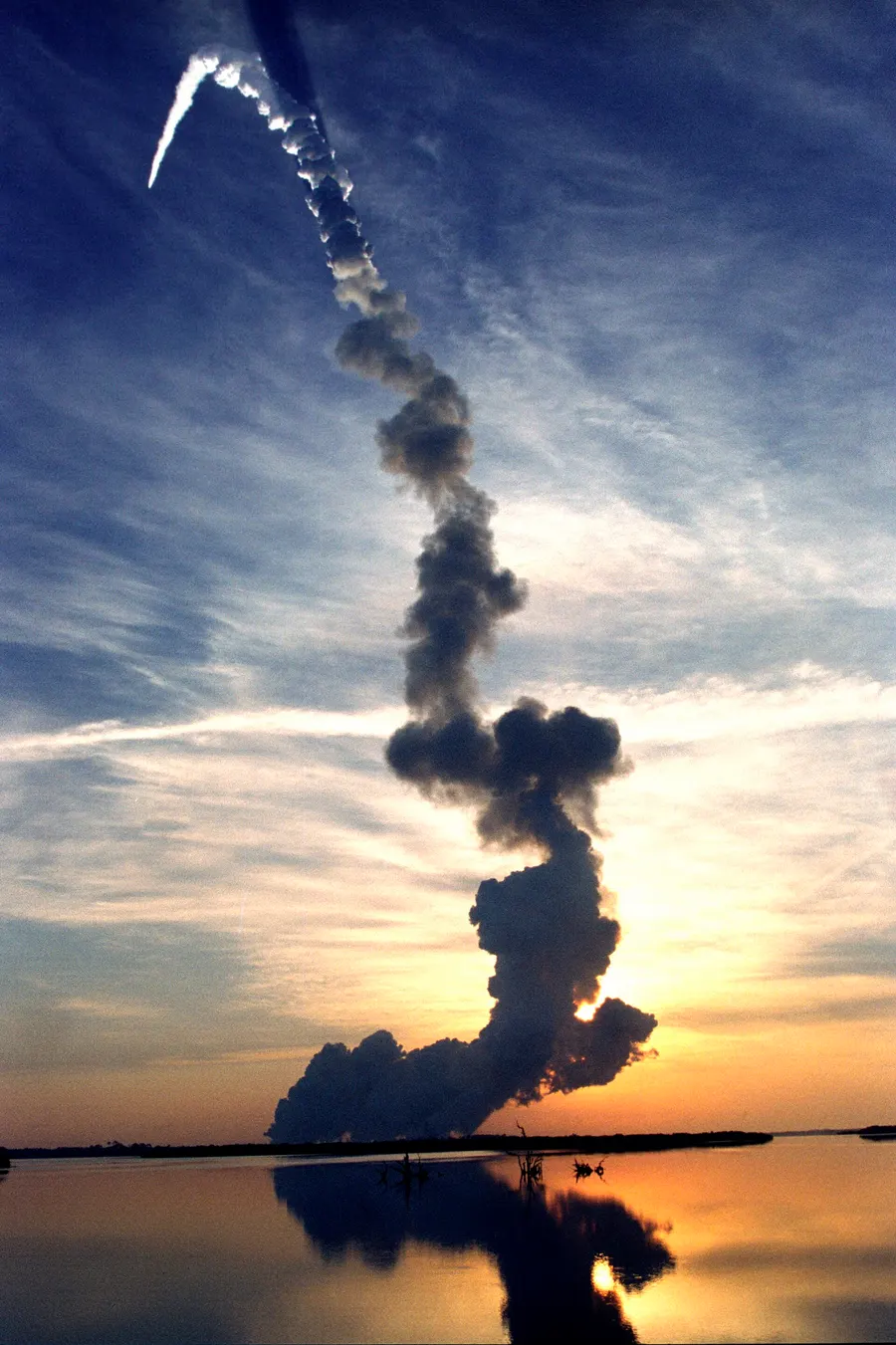
Space shuttle Discovery lifting off on mission STS-96, 27 May 1999Space shuttle Discovery lifting off on mission STS-96, 27 May 1999Image: NASA on The Commons · Public domain
world · Global

A space shuttle docks with the new space station

The International Space Station was still just two linked modules, Zarya and Unity, when the shuttle Discovery lifted off from Florida on 27 May 1999. On 29 May its commander Kent Rominger guided it into a smooth docking, the first time a shuttle had joined the station. The seven astronauts, from the United States, Canada and Russia, spent days inside unloading tonnes of supplies and equipment for future crews.

Source: NASA: Discovery becomes first space shuttle to dock with International Space Station, May 29, 1999 ↗
VI
2000 TO TODAY

Modern Day

The events of recent decades that have already become part of the historical record.

2005
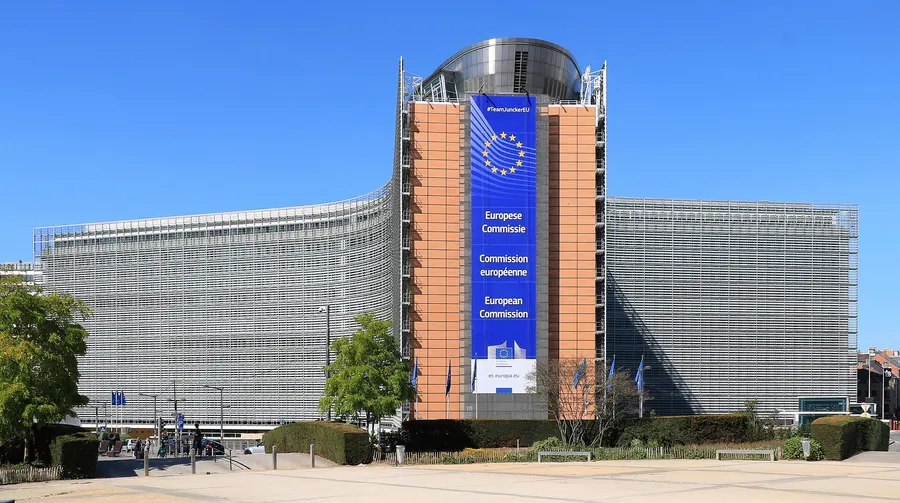
The Berlaymont building in Brussels, headquarters of the European CommissionThe Berlaymont building in Brussels, headquarters of the European CommissionImage: EmDee · CC BY-SA 4.0
politics · Europe

French voters reject a constitution for Europe

European Union leaders signed a treaty in 2004 to give the union a single constitution, but it needed approval from every member state. France, one of the union’s founders, put it to a referendum on 29 May 2005, and about 55 per cent of voters said no. The Netherlands rejected it three days later, and the treaty was abandoned. Much of its content was later reworked into the Treaty of Lisbon.

Source: European Parliament: Draft treaty establishing a constitution for Europe (not ratified) ↗
RESEARCH

Sources & Further Reading

Selected authoritative references supporting the events on this page.

Britannica: Battle of Legnano↗Catholic Encyclopedia: Frederick I↗Britannica: Fall of Constantinople↗Britannica: Constantine XI Palaeologus↗Encyclopaedia Iranica: Amasya, Peace of↗Britannica: Peace of Amasya↗Royal Collection Trust: The Restoration↗Britannica: Restoration↗The Royal Family: Charles II↗National Archives, Pieces of History: Rogue Island, the last state to ratify the Constitution↗Library of Congress: Rhode Island ratification of the Constitution, in convention, May 29, 1790↗Musée du Louvre: Couronnement de Charles X, 29 mai 1825↗Palace of Tau, Reims: A royal palace↗National Park Service: Sojourner Truth, Ain’t I A Woman?↗Library of Congress, Headlines and Heroes: Sojourner Truth’s most famous speech↗Britannica: The Rite of Spring↗Library of Congress Information Bulletin: All publicity is good↗Parks Canada: Wreck of RMS Empress of Ireland National Historic Site↗Canadian Museum of History: The children, the greatest loss of the Empress tragedy↗European Space Agency: Relativity and the 1919 eclipse↗Royal Astronomical Society: World celebrates centenary of confirmation of relativity↗NZ History: Hillary and Tenzing reach summit of Everest↗Britannica: Mount Everest, the historic ascent of 1953↗Te Ara, Dictionary of New Zealand Biography: Hillary, Edmund Percival↗Mexico City tourism (Government of Mexico City): The Estadio Azteca↗FIFA: Estadio Azteca, Mexico’s mythical temple↗Britannica: Olusegun Obasanjo↗Council on Foreign Relations: The legacy of Nigeria’s 1999 transition to democracy↗NASA: Discovery becomes first space shuttle to dock with International Space Station, May 29, 1999↗NASA: 25 years ago, STS-96 resupplies the space station↗European Parliament: Draft treaty establishing a constitution for Europe (not ratified)↗Vie publique (French government): Les référendums de la Ve République et leurs résultats↗
WHY THESE MOMENTS?

Significance before volume

This page is not the longest possible list of events. It is a chronological journey through 29 May, where each entry is chosen for historical significance, human interest and reliability.

Facts are checked against authoritative museums, archives, universities and reference works. Where sources disagree, the page says so.

EXPLORED THE DEEPER STORY?

Return to the highlights of 29 May

Discover the lighter side of the date with famous birthdays, culture, firsts and lives remembered.

Explore This Day →
← PREVIOUS DAY28 May
HISTORY & TIMELINE29 May
NEXT DAY →30 May