
HISTORY & TIMELINE
28 May

A journey through
28 May in history

The story of 28 May runs from an eclipse that stopped a battle in Anatolia in 585 BC to a Japanese driver drinking the milk at Indianapolis in 2017. In between come a peasant rising in northern France, a law that drove Native American nations from their homelands, a dam that turned a sea into a lake, the founding of the Sierra Club and the fall of Ethiopia’s military regime.

I
EARLIEST RECORDS

Ancient & Early History

The earliest worthwhile records and events connected with this date.

-585
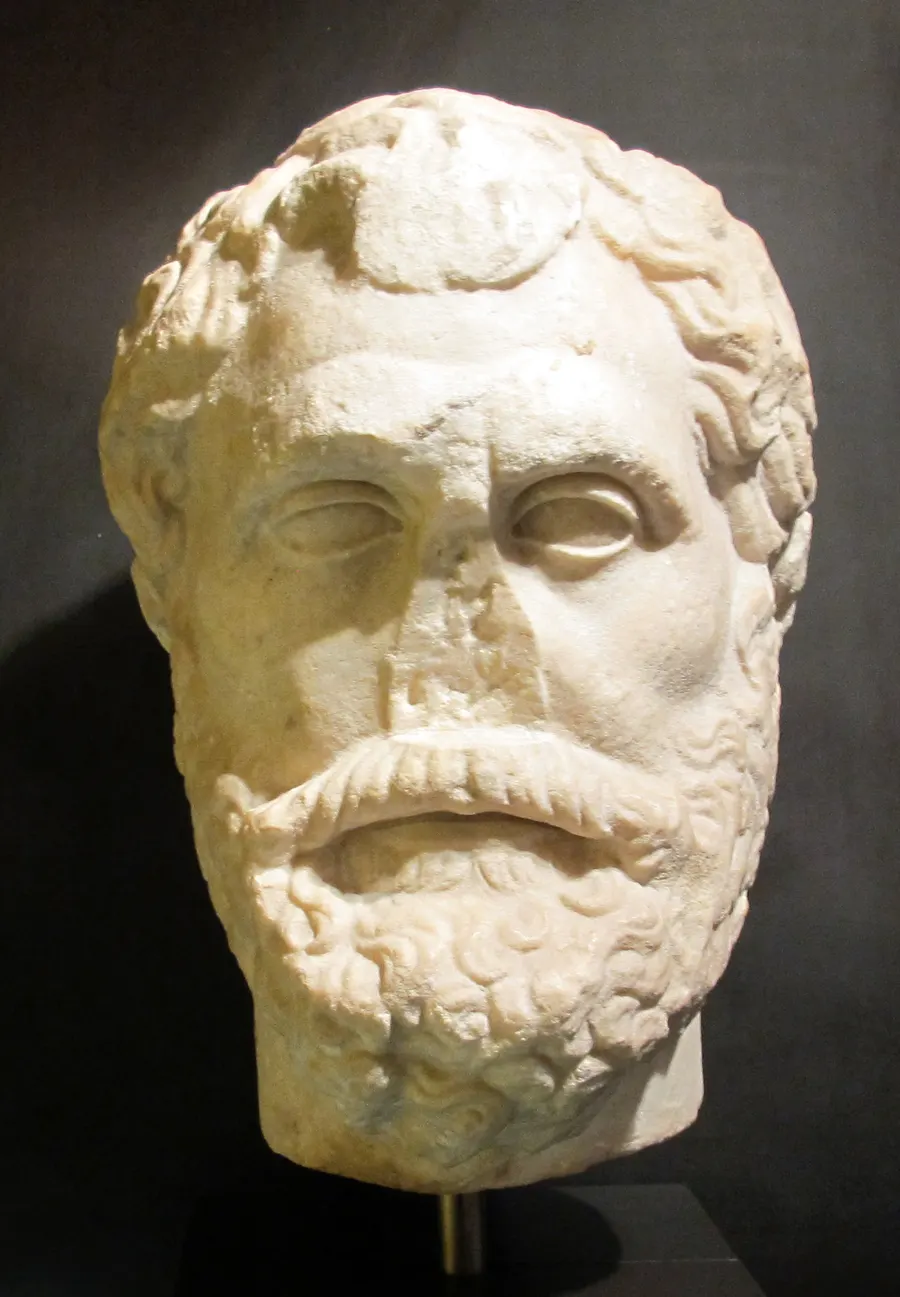
A Roman marble head traditionally identified as Thales of Miletus, in the Palazzo Medici Riccardi, Florence; no portrait from his lifetime survivesA Roman marble head traditionally identified as Thales of Miletus, in the Palazzo Medici Riccardi, Florence; no portrait from his lifetime survivesImage: Sailko · CC BY-SA 3.0
science · Middle East

An eclipse predicted by Thales halts a battle

For five years the Lydians, led by King Alyattes, and the Medes under Cyaxares had fought an indecisive war in Anatolia, in what is now Turkey. According to the Greek historian Herodotus, during one battle the day suddenly turned to night. Shaken by the darkness, both armies stopped fighting and agreed a peace, sealed by a royal marriage between the two ruling families. Herodotus added that the Greek thinker Thales of Miletus had foretold the eclipse, fixing the year in which it would happen. How he did so is still debated, perhaps using records of earlier eclipses from Babylon. Modern astronomers have worked backwards to identify the event as the total eclipse of the Sun of 28 May 585 BC, which makes it one of the earliest historical events that can be dated to the day.

Source: Internet Encyclopedia of Philosophy: Thales of Miletus ↗
II
THE MIDDLE AGES

Medieval History

Kingdoms, conflict, faith, power and the changing medieval world.

1358
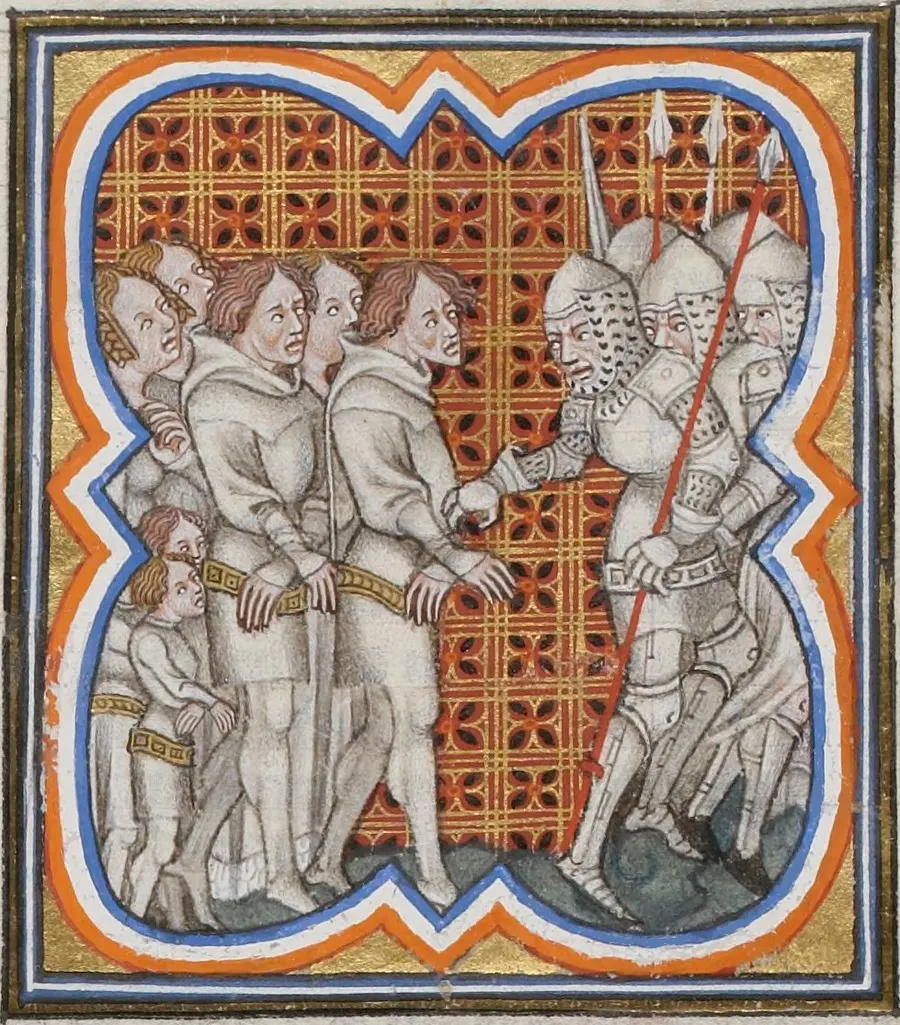
Prisoners taken during the Jacquerie, from a French manuscript of about 1375-1380Prisoners taken during the Jacquerie, from a French manuscript of about 1375-1380Image: Unknown author · Public domain
world · Europe

The Jacquerie rising breaks out in northern France

France was in turmoil after its king, John II, had been captured by the English at Poitiers in 1356, and peasants around Paris suffered heavy taxes and raids by armed bands. On 28 May 1358, villagers at Saint-Leu-d’Esserent turned on a band of soldiers, and the revolt spread quickly across the region, with castles burned and nobles killed. Within about two weeks the nobility, led by Charles the Bad of Navarre, crushed the rising near Mello.

Source: Britannica: Jacquerie ↗
IV
THE NINETEENTH CENTURY

The 1800s

Industry, empire, invention, reform and a century of enormous transformation.

1830
A portrait of President Andrew Jackson, who signed the Indian Removal ActA portrait of President Andrew Jackson, who signed the Indian Removal ActImage: Ralph Eleaser Whiteside Earl · Public domain
world · Americas

President Jackson signs the Indian Removal Act

On 28 May 1830 President Andrew Jackson signed a law allowing him to trade land west of the Mississippi for the homelands of Native American nations living in the eastern states. Presented as voluntary exchange, it was used to force the Cherokee, Muscogee (Creek), Choctaw, Chickasaw, Seminole and others off their land over the following years. Thousands died on the journeys west, remembered by the Cherokee as the Trail of Tears.

Source: Library of Congress: Indian Removal Act, primary documents ↗
1892
A portrait of John Muir, the Sierra Club's first presidentA portrait of John Muir, the Sierra Club’s first presidentImage: Carlton E. Watkins · Public domain
world · Americas

The Sierra Club is founded in San Francisco

On 28 May 1892 a group of Californians met in the San Francisco law office of Warren Olney and agreed to form a club to explore and enjoy the mountains of the Pacific Coast and to win support for protecting the forests of the Sierra Nevada. The naturalist John Muir became its first president and led it until his death in 1914. The Sierra Club grew into one of the oldest and largest environmental organisations in the United States.

Source: Sierra Club: Origins and early outings ↗
V
THE TWENTIETH CENTURY

The 1900s

War and peace, technological leaps, social change, politics, sport and popular culture.

1907
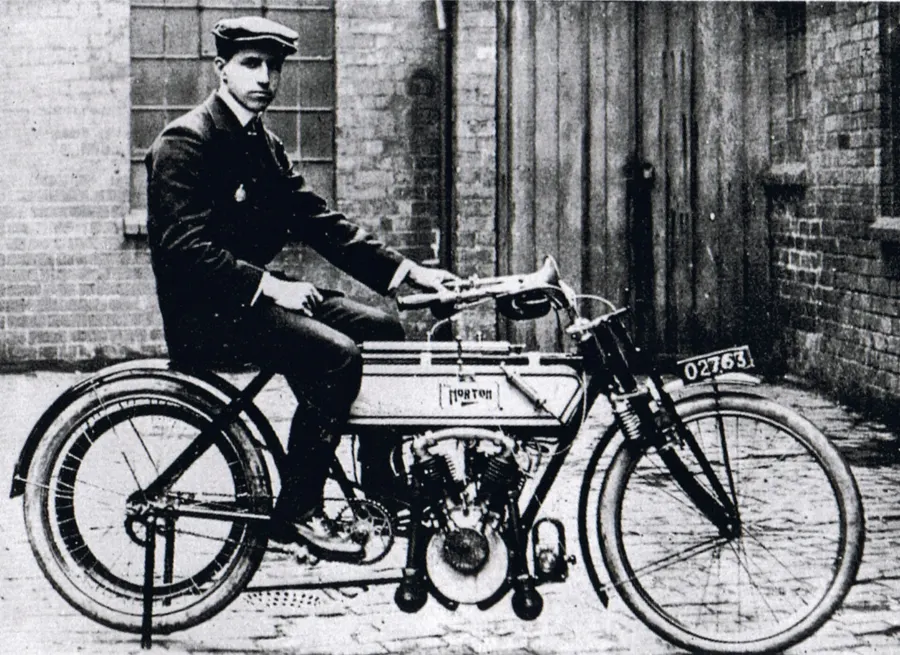
The Norton on which Rem Fowler won the twin-cylinder class at the first Tourist Trophy in 1907The Norton on which Rem Fowler won the twin-cylinder class at the first Tourist Trophy in 1907Image: Unknown author · Public domain
sport · Europe

The first Isle of Man TT motorcycle race is run

Motor racing on public roads was banned in Britain, but the Isle of Man, with its own parliament, was willing to close its roads for competition. Motorcyclists followed the cars there, and on the morning of 28 May 1907 the first Tourist Trophy race for motorcycles set off from St John’s, on a course of about 15 miles of rough country roads that the riders had to lap ten times. The event had two classes. Charlie Collier, riding a Matchless made by his own family’s firm, won the single-cylinder race, and Rem Fowler took the twin-cylinder class on a Norton. In 1911 the TT moved to the longer and far tougher Mountain Course, and it grew into one of the most famous and demanding road races in the world.

Source: Isle of Man TT: The history of the TT ↗
1918
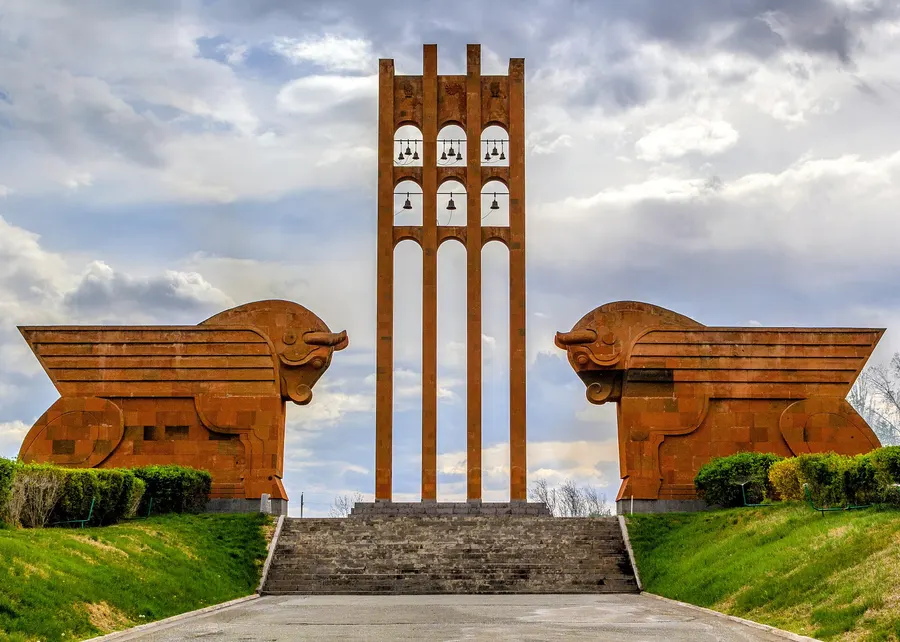
The Sardarapat Memorial in Armenia, which honours the battle fought against Ottoman forces in the days before independenceThe Sardarapat Memorial in Armenia, which honours the battle fought against Ottoman forces in the days before independenceImage: Սէրուժ Ուրիշեան (Serouj Ourishian) · CC BY-SA 3.0
politics · Asia

Armenia and Azerbaijan declare their independence

The Russian Revolution of 1917 and the collapse of the tsar’s armies on the Caucasus front left the peoples of the South Caucasus to fend for themselves. In April 1918 Georgians, Armenians and Azerbaijanis formed a joint Transcaucasian republic, but their interests pulled in different directions, above all as Ottoman armies advanced from the west, and within weeks the federation broke apart into separate states. On 28 May 1918, meeting in Tiflis, the Azerbaijani National Council proclaimed the Azerbaijan Democratic Republic, often described as the first parliamentary democracy in the Muslim world, and Armenia’s National Council also declared independence, the first Armenian state since the Middle Ages. Both republics were short-lived and were taken over by the Soviet Red Army by the end of 1920, but both countries still mark 28 May as a national holiday.

Source: Government of the Republic of Armenia: Armenian Declaration of Independence ↗
1932
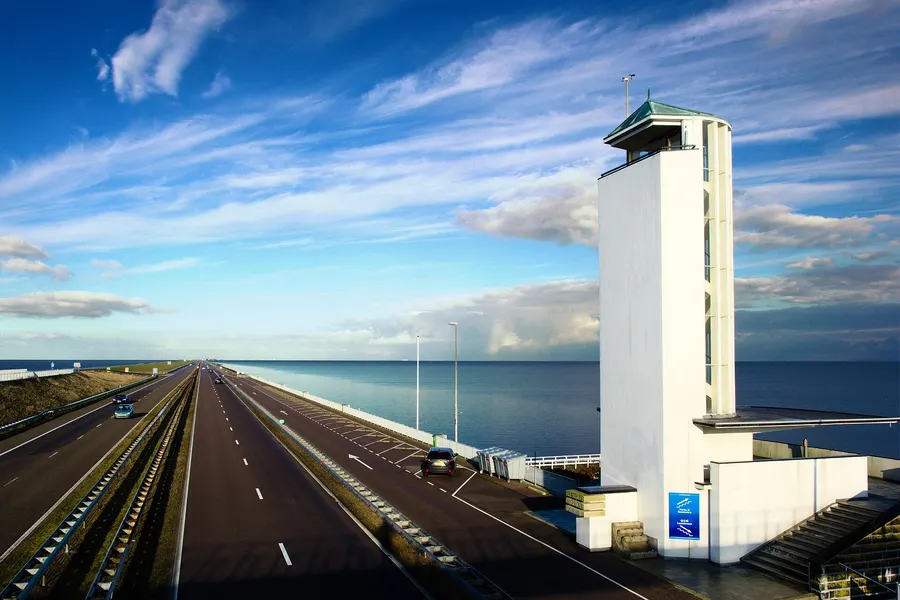
The Afsluitdijk dam with its monument tower, between the Wadden Sea and the IJsselmeerThe Afsluitdijk dam with its monument tower, between the Wadden Sea and the IJsselmeerImage: Directdevice · CC BY-SA 4.0
world · Europe

The Afsluitdijk closes off the Zuiderzee

For centuries the Zuiderzee, a shallow arm of the North Sea, had flooded the heart of the Netherlands. Following plans drawn up by the engineer Cornelis Lely, workers began building a dam about 30 km long across its mouth in 1927. On 28 May 1932 the last gap, the Vlieter, was closed, cutting the Zuiderzee off from the sea. The enclosed water slowly turned fresh and became the IJsselmeer, and a road opened along the dam the following year.

Source: Rijkswaterstaat: The Afsluitdijk ↗
1961
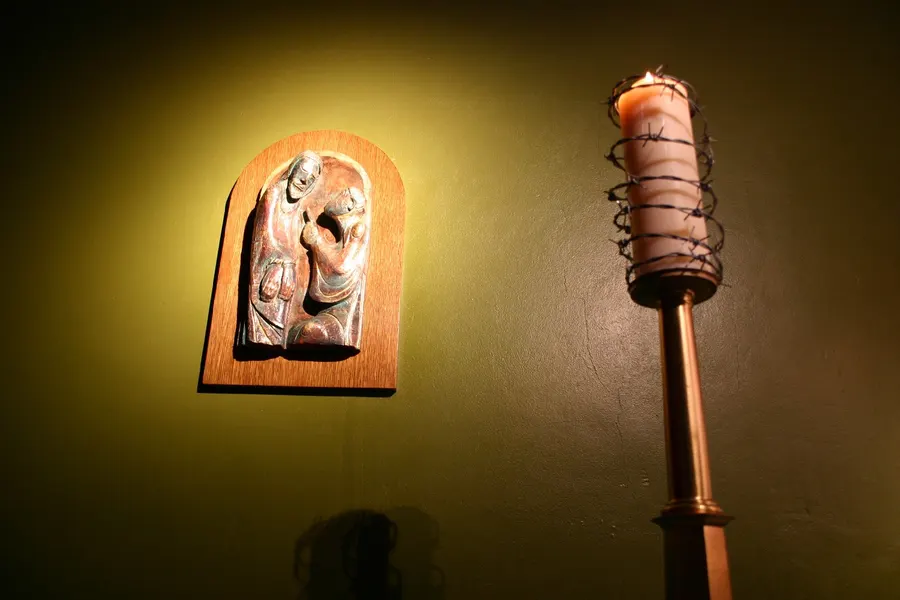
An Amnesty International candle, the movement's symbol, at Liverpool CathedralAn Amnesty International candle, the movement’s symbol, at Liverpool CathedralImage: Karen · CC BY 2.0
world · Global

An appeal for ‘The Forgotten Prisoners’ starts a worldwide movement

Peter Benenson was a London lawyer who had defended people in political trials abroad. Angered by news of people jailed simply for their opinions, he wrote an article called ‘The Forgotten Prisoners’, which appeared in The Observer on Sunday 28 May 1961 and launched a one-year ‘Appeal for Amnesty’. It told the stories of six prisoners from different countries and political systems. The article was picked up by newspapers around the world, and more than a thousand people wrote in offering to help. Benenson’s phrase ‘prisoner of conscience’ entered the language, and what was meant to be a short campaign became Amnesty International, a permanent movement of letter-writers and researchers. It won the Nobel Peace Prize in 1977 and now has millions of supporters.

Source: Amnesty International UK: History ↗
1975
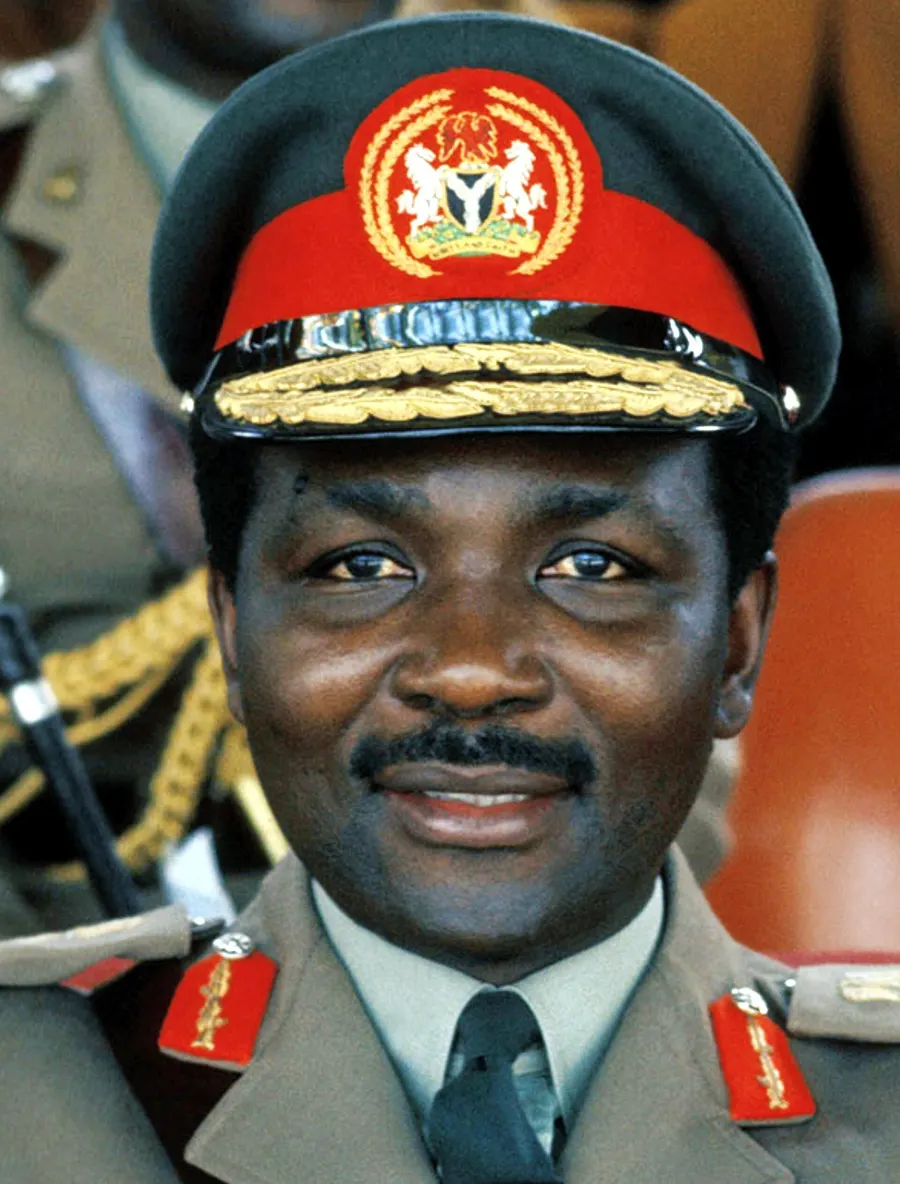
Yakubu Gowon, Nigeria's head of state, who hosted the signing of the Treaty of LagosYakubu Gowon, Nigeria’s head of state, who hosted the signing of the Treaty of LagosImage: Unknown author · Public domain
world · Africa

Fifteen West African nations found ECOWAS in Lagos

In the years after independence, the countries of West Africa were small economies with borders drawn by colonial powers and few trading links with one another. Leaders such as Nigeria’s Yakubu Gowon and Togo’s Gnassingbé Eyadéma argued that the region would only grow stronger if it worked together, and years of negotiation followed across the divide between English- and French-speaking states. On 28 May 1975 the heads of state and government of fifteen countries, from Mauritania and Senegal to Nigeria and Niger, signed the Treaty of Lagos creating the Economic Community of West African States. Its aims were to boost trade and let people, goods and money move freely across the region. A revised treaty was signed in 1993, and ECOWAS has since taken on a wider role in keeping the peace in West Africa.

Source: ECOWAS: Creation (History) ↗
1987
The Cessna 172 that Mathias Rust flew to Moscow, now kept as a museum exhibitThe Cessna 172 that Mathias Rust flew to Moscow, now kept as a museum exhibitImage: Andrey Belenko from Moscow, Russia · CC BY 2.0
politics · Europe

A teenage pilot lands a light aircraft beside Red Square

Mathias Rust was a young West German amateur pilot with only around 50 hours of flying experience. On 28 May 1987 he took off from Helsinki in a rented single-engine Cessna 172 and, after switching off his radio, flew some 550 miles across the most heavily guarded airspace in the world towards Moscow. Soviet radar tracked him at times, but the little plane was mistaken for a friendly aircraft and never stopped. That evening he came down on a bridge beside Red Square, taxied past St Basil’s Cathedral and climbed out to sign autographs for astonished onlookers. Rust said he hoped to build a bridge between East and West. He was sentenced to a Soviet labour camp but freed after about fourteen months, and the embarrassment gave Mikhail Gorbachev the chance to dismiss his defence minister and other senior commanders.

Source: Smithsonian Air & Space: The Notorious Flight of Mathias Rust ↗
1991
Addis Ababa, the capital of Ethiopia, at night todayAddis Ababa, the capital of Ethiopia, at night todayImage: Abshewaga · CC BY-SA 4.0
politics · Africa

Rebel forces enter Addis Ababa and the Derg regime falls

Ethiopia had been ruled since 1974 by a military council known as the Derg, headed from the late 1970s by Mengistu Haile Mariam. Years of civil war and famine wore the regime down, and in May 1991 Mengistu fled into exile. On 28 May fighters of the Ethiopian People’s Revolutionary Democratic Front entered the capital, and a transitional government was formed. Ethiopia marks the day as a national holiday.

Source: US Department of State: Background Notes, Ethiopia ↗
1998
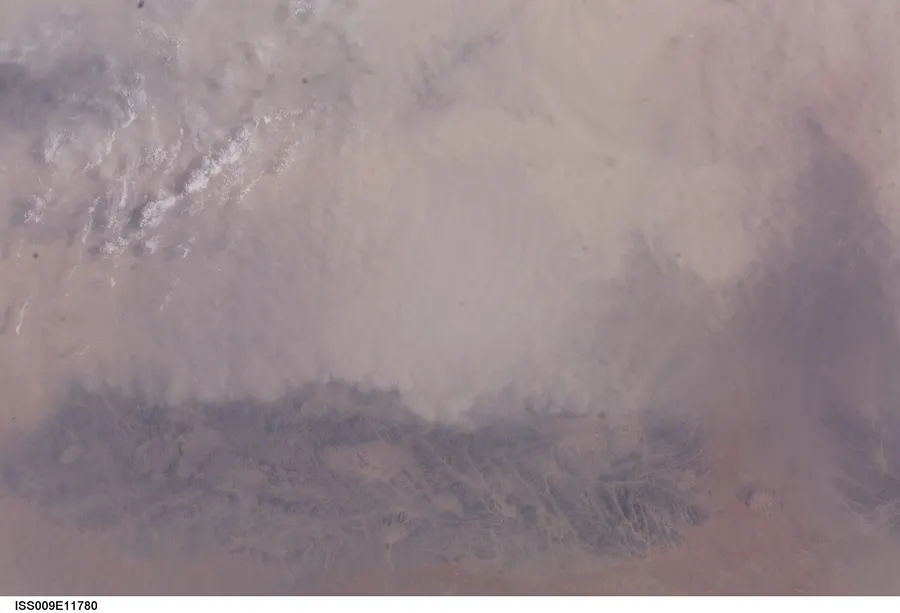
The desert hills of Balochistan in western Pakistan, where the tests were carried out, seen from the International Space Station in 2004The desert hills of Balochistan in western Pakistan, where the tests were carried out, seen from the International Space Station in 2004Image: Earth Science and Remote Sensing Unit, Lyndon B. Johnson Space Center · Public domain
world · Asia

Pakistan carries out its first nuclear tests

Earlier in May 1998 India had tested nuclear weapons, and Pakistan came under intense pressure to respond. On 28 May it exploded several nuclear devices underground in the Chagai hills of Balochistan, followed by another test two days later, openly joining the nuclear powers. The tests drew international condemnation and sanctions, and deepened fears of an arms race between the two neighbours.

Source: CTBTO Preparatory Commission: 28 May 1998, Pakistan nuclear tests ↗
1999
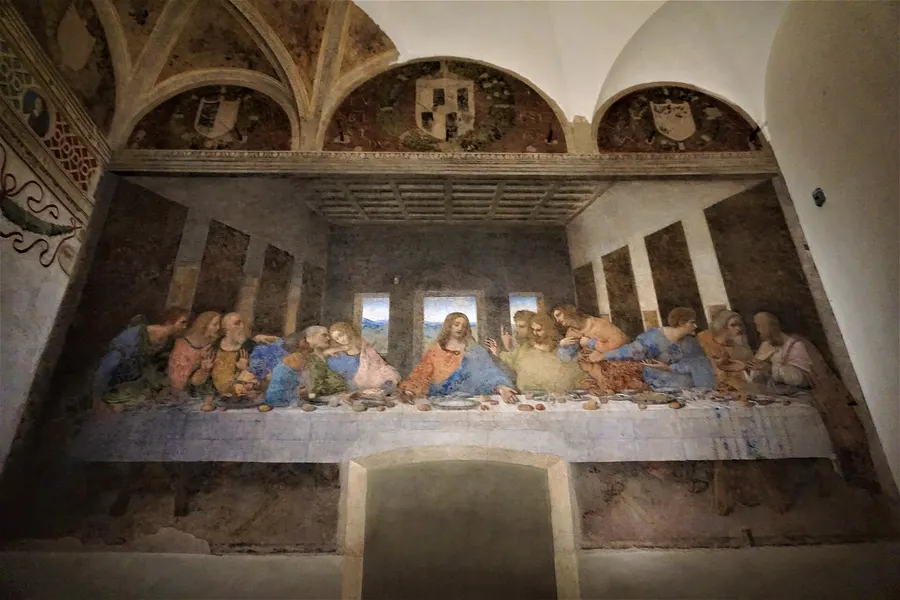
Leonardo da Vinci's Last Supper on the wall of the refectory of Santa Maria delle Grazie in MilanLeonardo da Vinci’s Last Supper on the wall of the refectory of Santa Maria delle Grazie in MilanImage: Joyofmuseums · CC BY-SA 4.0
culture · Europe

Leonardo’s Last Supper goes back on view after its long restoration

Leonardo da Vinci painted the Last Supper in the 1490s on a wall of the monks’ dining hall at Santa Maria delle Grazie in Milan. Instead of the usual fresco technique he experimented with paint on a dry wall, and within decades it had begun to flake. Centuries of damp, clumsy repainting and even wartime bombing left the great scene of Christ and his disciples a shadow of itself. In the late 1970s the restorer Pinin Brambilla Barcilon began the painstaking task of removing old overpainting and grime, working on tiny areas at a time. After more than twenty years the refectory reopened to the public on 28 May 1999. Critics argued over how much of Leonardo’s own work was left, but the colours and faces were clearer than they had been for centuries, and visitors now enter in small groups for short, timed visits.

Source: Britannica: Last Supper, fresco by Leonardo da Vinci ↗
VI
2000 TO TODAY

Modern Day

The events of recent decades that have already become part of the historical record.

2008
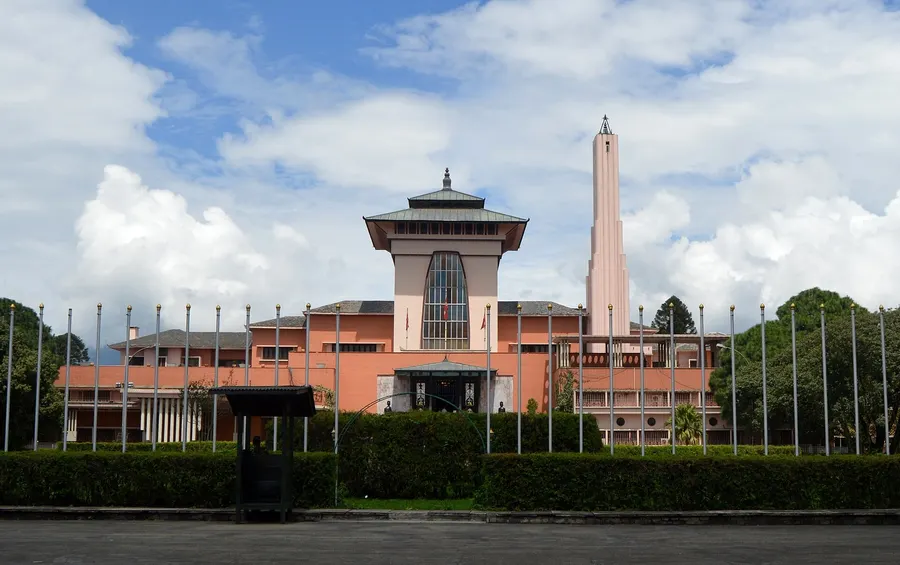
Narayanhiti Palace in Kathmandu, the former royal residence that became a museum after the monarchy endedNarayanhiti Palace in Kathmandu, the former royal residence that became a museum after the monarchy endedImage: Suraj Belbase · CC BY-SA 4.0
politics · Asia

Nepal votes to end its monarchy and becomes a republic

For almost two and a half centuries Nepal had been ruled by kings of the Shah dynasty, who had united the Himalayan kingdom in the eighteenth century. By the 2000s the monarchy had lost much of its support: a Maoist insurgency had torn the country apart for a decade, and King Gyanendra’s seizure of full power in 2005 provoked mass protests that forced him to hand authority back to parliament. The peace deal that followed promised an elected assembly to write a new constitution. After elections in April 2008, the Constituent Assembly met for the first time on 28 May and voted to declare Nepal a federal democratic republic. The king was given days to leave the royal palace in Kathmandu, which became a museum, and in July the assembly chose Ram Baran Yadav as the country’s first president.

Source: Britannica: Nepal, fall of the monarchy ↗
2017
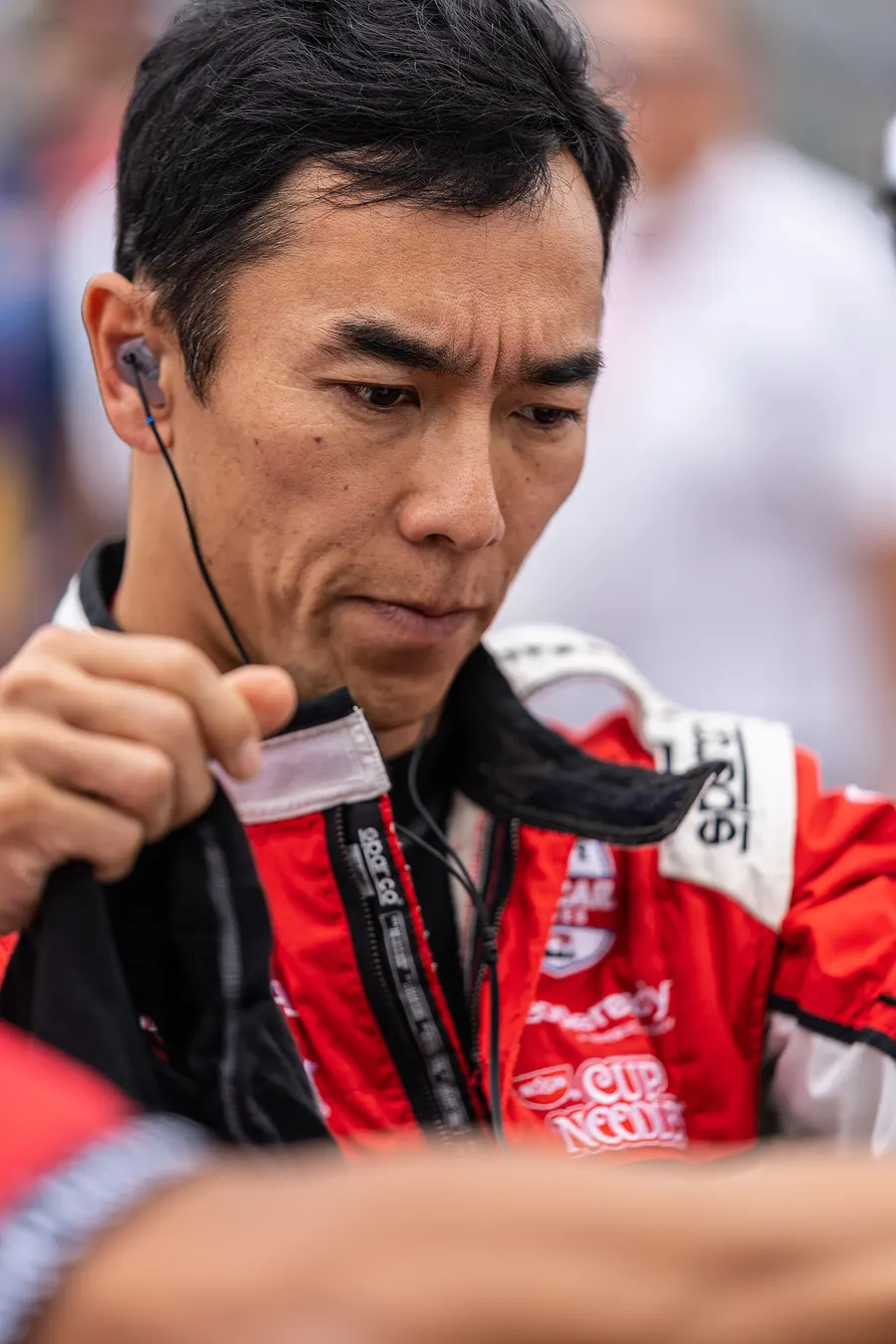
Takuma Sato, the Japanese racing driverTakuma Sato, the Japanese racing driverImage: Wolkenjaeger · CC BY-SA 4.0
sport · Americas

Takuma Sato becomes the first Asian winner of the Indianapolis 500

Takuma Sato, a former Formula One driver from Tokyo, had come close at Indianapolis before, famously crashing on the final lap in 2012. On 28 May 2017, at the 101st running of the race, he passed three-time winner Hélio Castroneves with five laps to go and held him off to the line by about two-tenths of a second. He was the first Japanese driver to win the Indy 500, and he won it again in 2020.

Source: IndyCar: Sato wins 101st Indianapolis 500 ↗
RESEARCH

Sources & Further Reading

Selected authoritative references supporting the events on this page.

Internet Encyclopedia of Philosophy: Thales of Miletus↗Britannica: Alyattes↗NASA: Solar Eclipses of History↗Britannica: Jacquerie↗Encyclopaedia Universalis: Jacquerie↗Library of Congress: Indian Removal Act, primary documents↗Britannica: Indian Removal Act↗Sierra Club: Origins and early outings↗Britannica: Sierra Club↗Isle of Man TT: The history of the TT↗Manx National Heritage: TT Races↗Britannica: Tourist Trophy races↗Government of the Republic of Armenia: Armenian Declaration of Independence↗Ministry of Foreign Affairs of Azerbaijan: Historical overview↗Britannica: Armenia, independence↗Rijkswaterstaat: The Afsluitdijk↗Britannica: Afsluitdijk↗Amnesty International UK: History↗Amnesty International UK: 50 years, the Amnesty story↗Britannica: Amnesty International↗ECOWAS: Creation (History)↗Britannica: Economic Community of West African States↗Smithsonian Air & Space: The Notorious Flight of Mathias Rust↗Wikipedia: Mathias Rust↗US Department of State: Background Notes, Ethiopia↗Britannica: Ethiopian People’s Revolutionary Democratic Front↗CTBTO Preparatory Commission: 28 May 1998, Pakistan nuclear tests↗Arms Control Association: Looking back, the 1998 Indian and Pakistani nuclear tests↗Britannica: Last Supper, fresco by Leonardo da Vinci↗Museo del Cenacolo Vinciano: The Last Supper↗Britannica: Nepal, fall of the monarchy↗Britannica: Gyanendra↗IndyCar: Sato wins 101st Indianapolis 500↗Indianapolis Motor Speedway: Takuma Sato, driver statistics↗
WHY THESE MOMENTS?

Significance before volume

This page is not the longest possible list of events. It is a chronological journey through 28 May, where each entry is chosen for historical significance, human interest and reliability.

Facts are checked against authoritative museums, archives, universities and reference works. Where sources disagree, the page says so.

EXPLORED THE DEEPER STORY?

Return to the highlights of 28 May

Discover the lighter side of the date with famous birthdays, culture, firsts and lives remembered.

Explore This Day →
← PREVIOUS DAY27 May
HISTORY & TIMELINE28 May
NEXT DAY →29 May