455The Vandals march into Rome and plunder it for two weeks
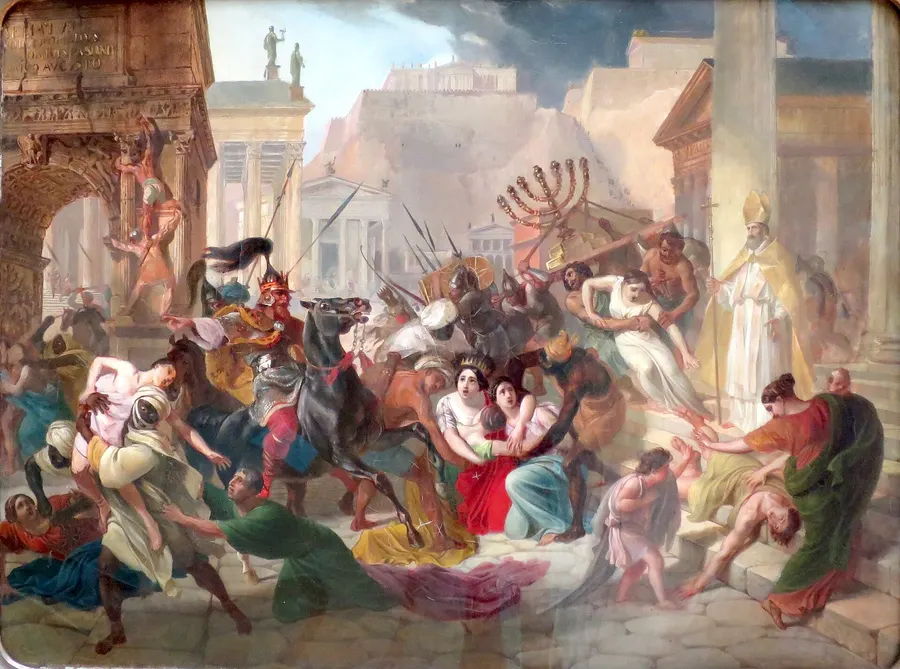
By the middle of the 5th century the Vandals, a Germanic people who had crossed from Spain into Africa, ruled Carthage and much of the North African coast, and their fleet was feared across the western Mediterranean. Their king, Gaiseric, had a treaty with the Western Roman emperor Valentinian III. When Valentinian was murdered in 455, Gaiseric declared that the agreement had died with him, and sailed for Italy.
The Vandals landed at Ostia and marched on Rome, which had no army to defend it. Pope Leo I went out to meet Gaiseric and persuaded him to spare the people from slaughter and the city from fire. From 2 June the Vandals spent a fortnight stripping Rome of its treasures, from palace ornaments to gilded roof tiles, and sailed home with the late emperor’s widow and daughters as hostages. Their name has meant wanton destruction ever since, though the city itself was largely left standing.
Read the full storyHistory & Timeline →Source: Catholic Encyclopedia: Vandals ↗
1946Italians vote to turn their kingdom into a republic
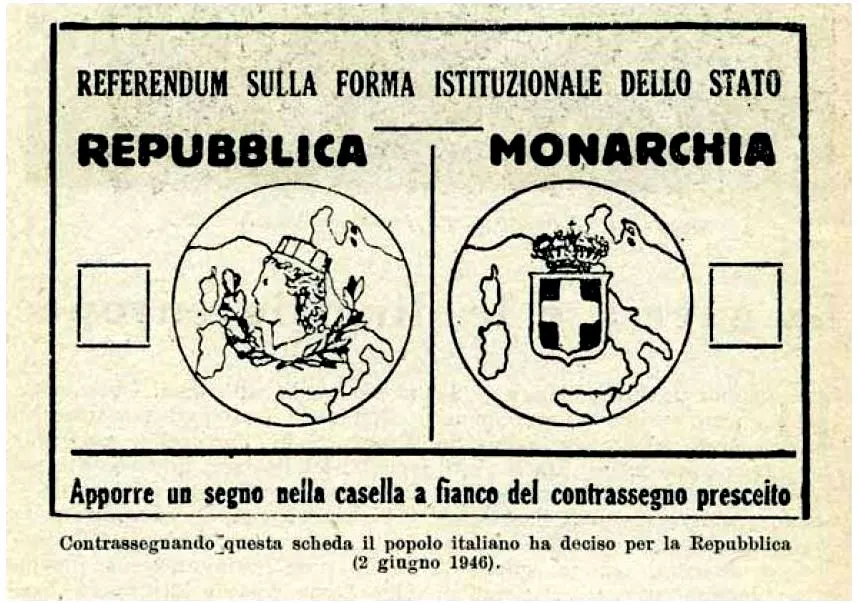
Italy came out of the Second World War in ruins, and its royal house was badly tarnished. King Victor Emmanuel III had let Mussolini take power in 1922 and stood by him for two decades. In May 1946 he gave up the throne to his son, Umberto II, hoping to save the monarchy, but the new government had already agreed that the people themselves would decide how Italy should be ruled.
On 2 and 3 June 1946 Italians went to the polls to choose between monarchy and republic, and to elect an assembly to write a new constitution. It was the first national vote in which Italian women could take part. The count gave the republic about 12.7 million votes to the monarchy’s 10.7 million. Umberto, king for barely a month, left for exile in Portugal on 13 June. Italy still celebrates 2 June as the Festa della Repubblica.
Read the full storyHistory & Timeline →Source: Presidency of the Italian Republic, historical archive: 2 giugno 1946, Referendum Repubblica ↗
1953Elizabeth II is crowned before the television cameras
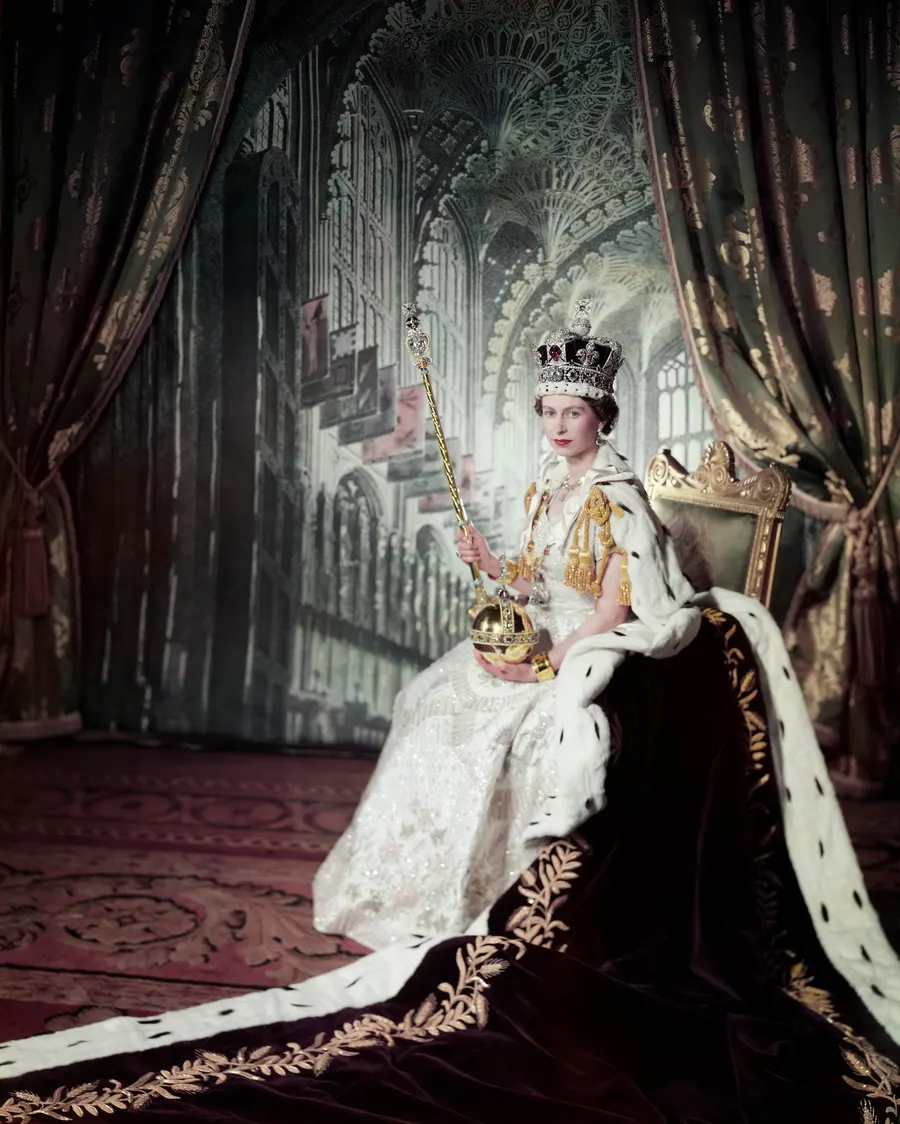
Princess Elizabeth became queen in February 1952, when her father, George VI, died in his sleep. By tradition the coronation waited more than a year, both to allow for mourning and to prepare a ceremony that had changed little in a thousand years. At the Queen’s own wish, the service in Westminster Abbey would be shown on television, something never done for a coronation before.
On 2 June 1953 the Archbishop of Canterbury, Geoffrey Fisher, crowned the 27-year-old Queen in a service that lasted almost three hours. Some 27 million people in Britain watched on television, many of them crowded around a neighbour’s set, and millions more around the world heard it on the radio or saw films of it later. The number of television licences in Britain had doubled in the run-up to the day, and the broadcast is often called the moment when television came of age.
Read the full storyHistory & Timeline →Source: The Royal Family: 50 facts about Queen Elizabeth II’s Coronation ↗
1924The United States grants citizenship to Native Americans
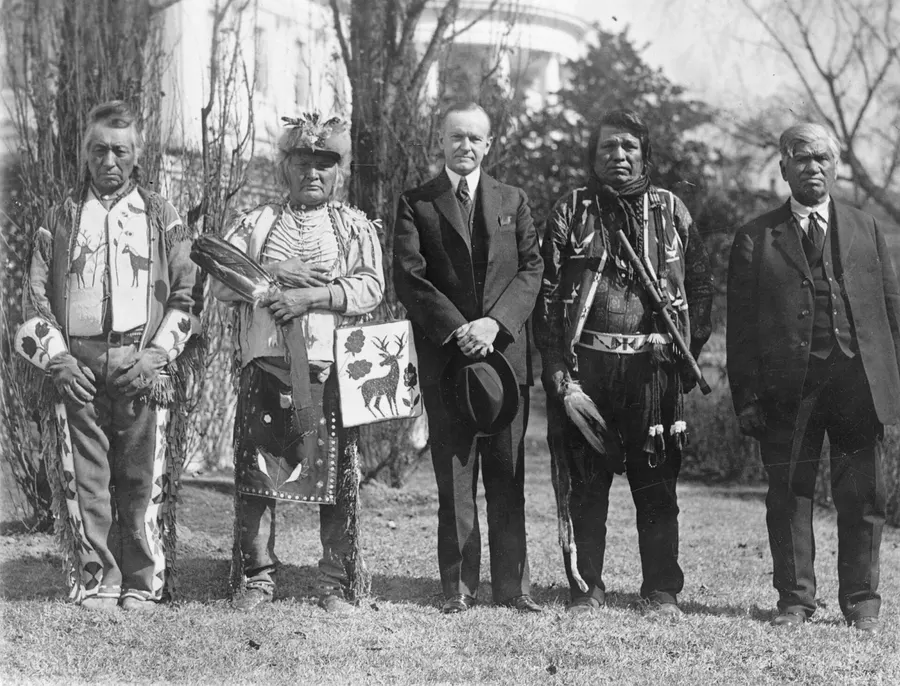
Although they were the first people of the land, Native Americans were long treated as members of separate nations rather than citizens of the United States. Some gained citizenship through treaties, by taking up allotted land or by marrying citizens, and thousands served in the American forces in the First World War, but many others remained outside the nation that governed them.
On 2 June 1924 President Calvin Coolidge signed the Indian Citizenship Act, which declared every Native American born within the country’s borders a citizen, without taking away their rights as members of their tribes. Citizenship did not bring the vote everywhere, because voting was left to the states, and some states went on shutting Native Americans out of the ballot box for decades. Even so, the act was a turning point in their legal standing.
Read the full storyHistory & Timeline →Source: National Archives: Indian Citizenship Act of 1924 ↗
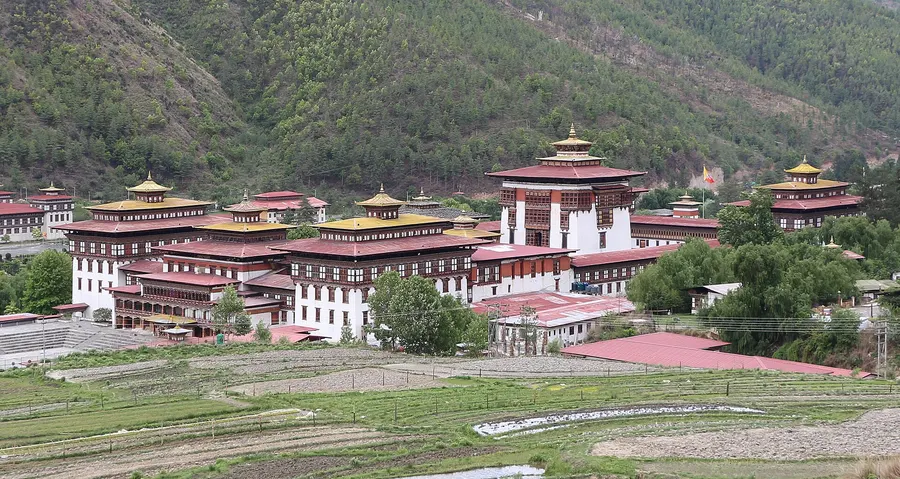
1974Bhutan crowns the world’s youngest king
In July 1972 King Jigme Dorji Wangchuck of Bhutan died, and the throne of the small Himalayan kingdom passed to his son, Jigme Singye Wangchuck, who was just 16. The young king had already been given a seat on the country’s planning commission, and he took over a land that was only beginning to build roads, schools and hospitals after centuries of isolation.
His formal coronation took place in Thimphu on 2 June 1974, when he received the Raven Crown and became the fourth Druk Gyalpo, or Dragon King. He was then the youngest reigning monarch in the world. In his coronation address he set economic self-reliance as the nation’s goal. He went on to rule for 34 years, became known for the idea that Gross National Happiness matters more than wealth, and stepped down in 2006 to make way for Bhutan’s first parliamentary democracy.
Read the full storyHistory & Timeline →Source: Government of Bhutan, Department of Air Transport: 64th Birth Anniversary of the Fourth Druk Gyalpo ↗