1944D-Day: the Allies land in Normandy
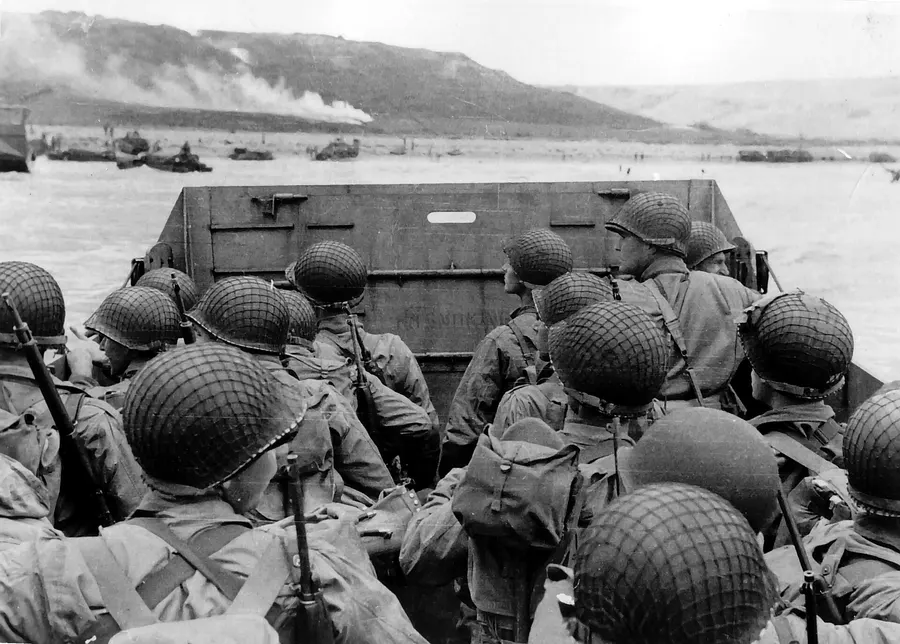
By the spring of 1944 the Allies had spent two years preparing to invade Nazi-occupied France. Under the supreme command of the American general Dwight D. Eisenhower, a vast force of men, ships, aircraft and supplies was gathered in southern England, while an elaborate deception persuaded the Germans that the blow would fall further east, near Calais. Bad weather forced a delay of one day before Eisenhower gave the order to go.
Just after midnight on 6 June, airborne troops dropped behind the coast to secure the flanks, and from about half past six in the morning the seaborne assault began. More than 5,000 ships and landing craft carried troops to five beaches: the Americans landed at Utah and Omaha, the British at Gold and Sword and the Canadians at Juno. Omaha saw the heaviest losses, and by nightfall the Allies had suffered around 10,000 casualties. But about 150,000 men were ashore, and the liberation of western Europe had begun.
Read the full storyHistory & Timeline →Source: Imperial War Museums: D-Day ↗
1674Shivaji is crowned king of the Marathas at Raigad
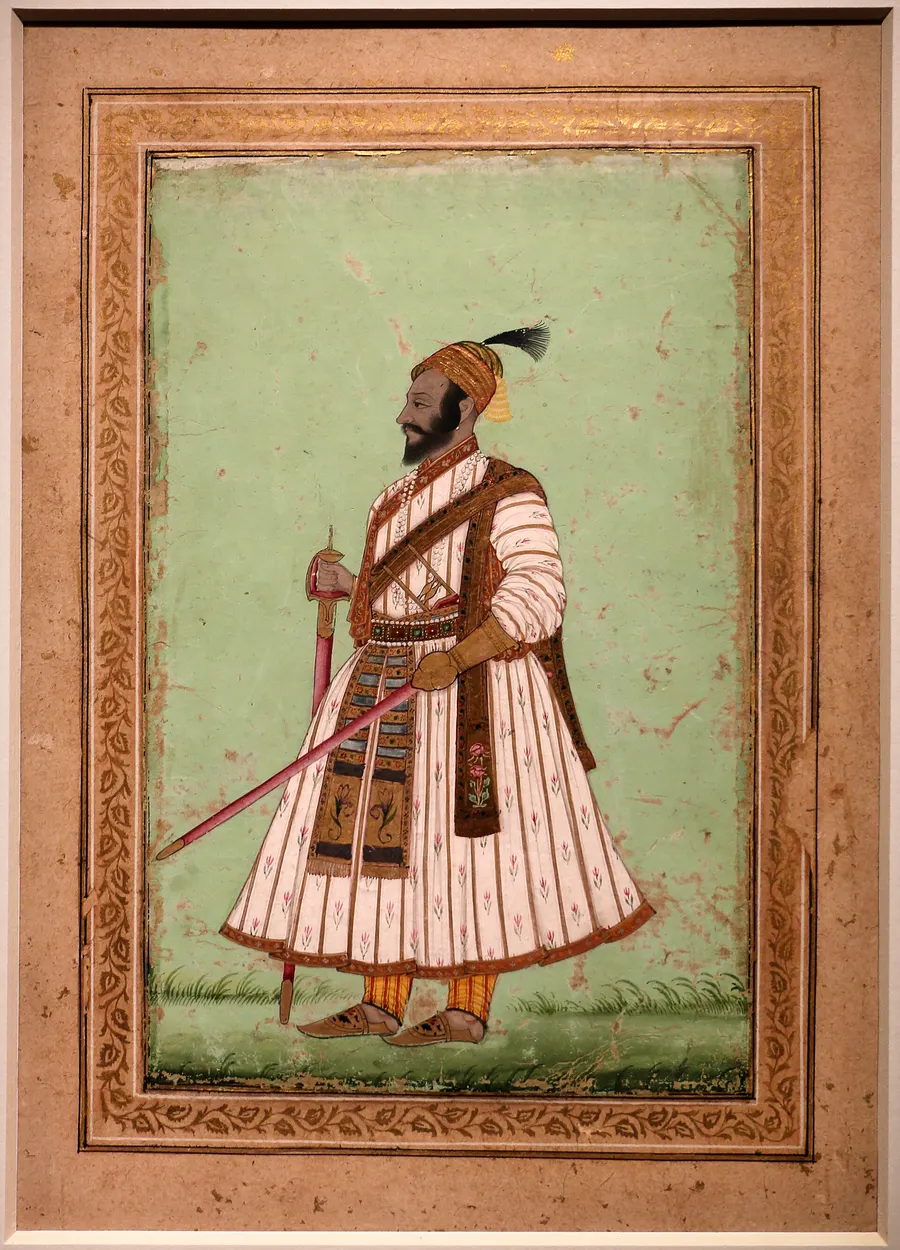
Shivaji began as the son of a Maratha nobleman in the service of the Sultanate of Bijapur. From the 1640s he seized hill forts in the rugged country of the western Deccan and built up a state of his own, defying both Bijapur and the mighty Mughal Empire of Aurangzeb. His light cavalry and chain of mountain strongholds made him a feared and famously elusive opponent.
On 6 June 1674, at his mountain fortress of Raigad, Shivaji was crowned in a grand Hindu ceremony and took the title Chhatrapati, meaning lord of the royal umbrella. The coronation proclaimed him an independent sovereign rather than a rebel vassal, and marked the formal founding of the Maratha kingdom. He died six years later, but the Marathas went on to become the leading power in much of India in the 18th century, and the day is still celebrated in Maharashtra.
Read the full storyHistory & Timeline →Source: Press Information Bureau, Government of India: Prime Minister’s message on the 350th year of Shivaji’s coronation ↗
1644The Manchu regent Dorgon rides into Beijing
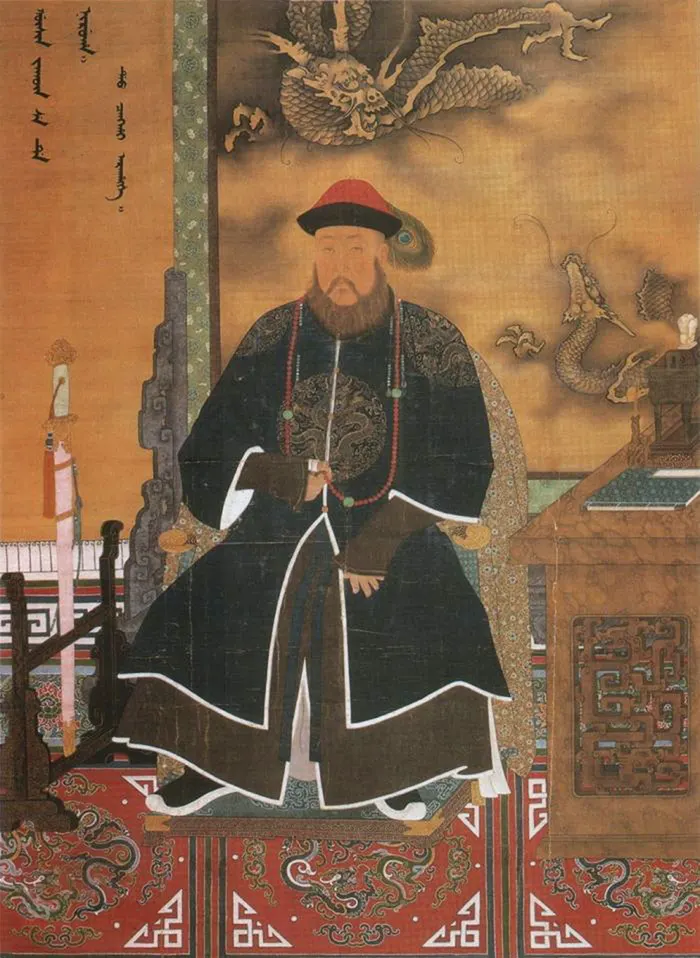
In the spring of 1644 the Ming dynasty, which had ruled China for almost three centuries, fell apart. A peasant rebel army led by Li Zicheng captured Beijing, and the last Ming emperor, Chongzhen, hanged himself. At Shanhai Pass, where the Great Wall meets the sea, the Ming general Wu Sangui now faced Li’s army on one side and the Manchus on the other. He chose to join the Manchus, and together they routed the rebels.
The Manchu army was led by Prince Dorgon, regent for his young nephew, the Shunzhi emperor. On 6 June 1644 Dorgon entered Beijing, and instead of handing the city back to the Ming he made it the capital of his own Qing dynasty. He kept much of the Ming system of government and recruited Chinese officials to run it. The conquest of the south took decades, but the Qing ruled China until 1912.
Read the full storyHistory & Timeline →Source: Britannica: Dorgon ↗
1859Queen Victoria signs Queensland into being
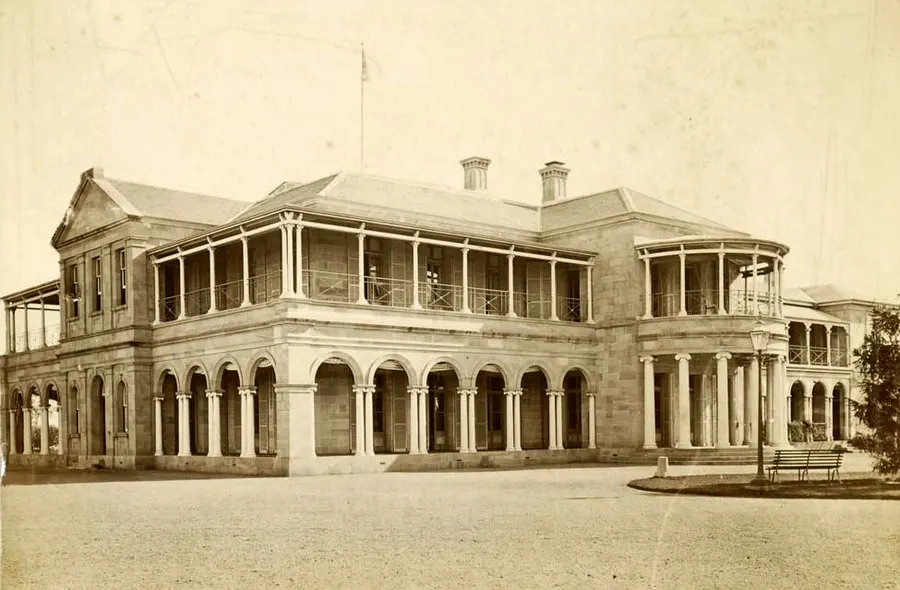
In the 1850s the vast north-eastern part of New South Wales, then known as the Moreton Bay district, was governed from faraway Sydney. Its settlers, squatters and townspeople in Brisbane campaigned for years to run their own affairs, arguing that their needs were being ignored by the government in the south.
On 6 June 1859 Queen Victoria signed Letters Patent creating the separate colony of Queensland, setting out its boundaries and appointing Sir George Bowen as its first governor. On the same day an Order-in-Council gave the colony its own constitution, with a Legislative Council and an elected Legislative Assembly. Separation was proclaimed in Brisbane when Bowen arrived that December, but 6 June is kept as Queensland Day, the birthday of the state.
Read the full storyHistory & Timeline →Source: Queensland Government: Creation of a state ↗
1813A night attack at Stoney Creek halts the Americans
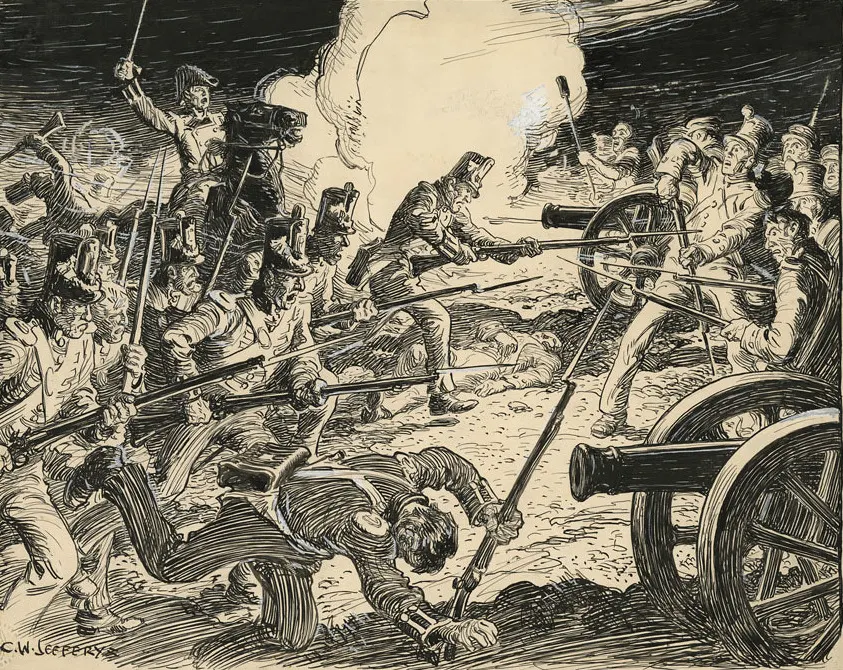
In the spring of 1813, during the War of 1812, an American army crossed the Niagara River and captured Fort George in Upper Canada, today’s Ontario. The outnumbered British fell back along Lake Ontario towards Burlington Heights, and about 3,500 American troops followed them and made camp at Stoney Creek, confident of finishing the job.
Rather than wait to be attacked, the British struck first. In the early hours of 6 June, Lieutenant-Colonel John Harvey led about 700 men of the 8th and 49th Regiments through the darkness, with the flints removed from their muskets so that no one could fire by accident. The fight in the dark was confused, but both American generals were captured and their army withdrew. With the British victory at Beaver Dams a few weeks later, it ended the American attempt to take the Niagara Peninsula.
Read the full storyHistory & Timeline →Source: Parks Canada: Battle of Stoney Creek National Historic Site of Canada ↗