Explore 1 June

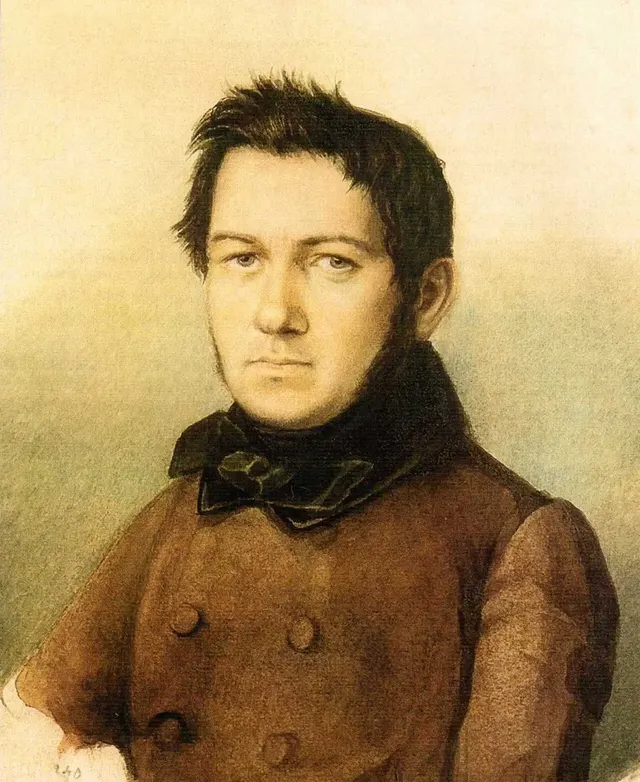
Explore 1 June: Admiral Howe’s fleet wins the Glorious First of June, Tennessee joins the Union, Kenya takes charge of its own government and the Beatles release Sgt. Pepper’s Lonely Hearts Club Band. Born today: Marilyn Monroe, Mikhail Glinka and Nargis.

This day through time →10 verified events across 4 eras

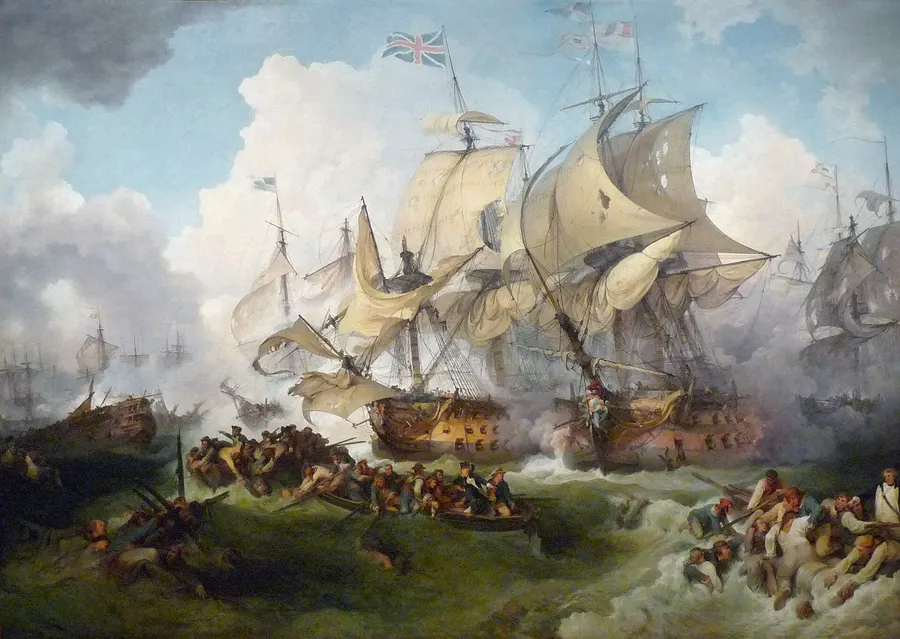
Philip James de Loutherbourg's painting of the Glorious First of June, the fleet battle fought far out in the Atlantic in 1794
Philip James de Loutherbourg’s painting of the Glorious First of June, the fleet battle fought far out in the Atlantic in 1794
Image creditPhilip James de Loutherbourg · Public domainResized and cropped for display.

Admiral Howe wins the Glorious First of June

In the spring of 1794 revolutionary France was short of food, and a great convoy of merchant ships was sailing from Chesapeake Bay with American grain. The French Atlantic fleet under Rear-Admiral Villaret de Joyeuse put to sea to protect it, and Britain’s Channel Fleet under Admiral Lord Howe, then 68 years old, went out to find them. After days of manoeuvring, the two fleets met about 400 nautical miles west of Ushant on 1 June.

Howe led the attack in his flagship Queen Charlotte, breaking through the French line and engaging at close range. Six French ships of the line were captured and a seventh, the Vengeur du Peuple, sank. It was the first great fleet battle of the French Revolutionary Wars and Britain celebrated a triumph, but the French could claim success too: the grain convoy reached France almost intact.

Read the full storyHistory & Timeline →Source: Dictionary of National Biography: Howe, Richard ↗
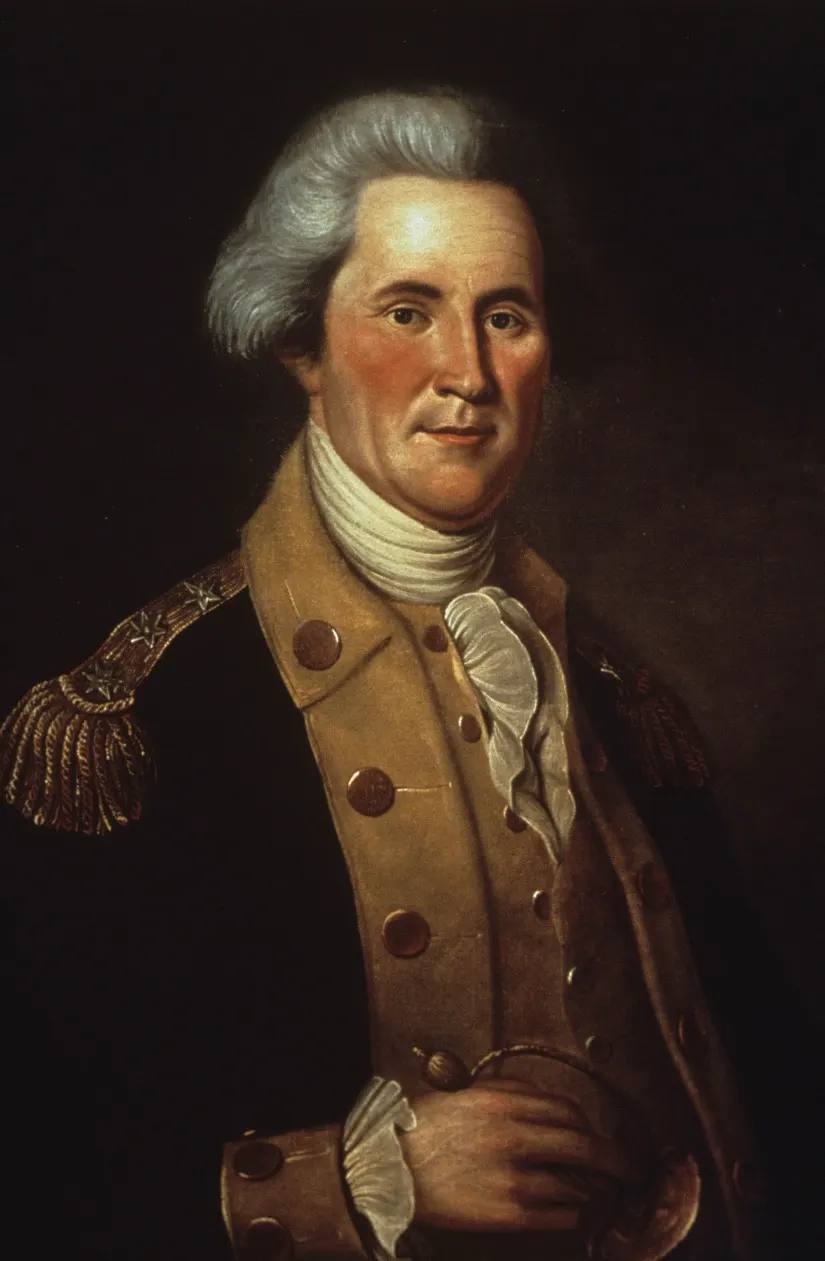
John Sevier, the first governor of the state of Tennessee, painted by Charles Willson Peale
Image creditCharles Willson Peale · Public domainResized and cropped for display.

Tennessee becomes the 16th state of the Union

West of the Appalachian Mountains, the lands that North Carolina had handed to the federal government became the Southwest Territory in 1790. A territory could ask to become a state once it had 60,000 inhabitants, and a census in 1795 counted more than 77,000. Delegates met at Knoxville in January 1796, wrote a constitution and approved it on 6 February, and sent it to Congress.

The House of Representatives agreed quickly, but the Federalist-controlled Senate held back until the last day of the session, and set conditions that cut the new state’s representation. On 1 June 1796 Tennessee was admitted as the sixteenth state, the first to be created from a federal territory. John Sevier became its first governor, and the path it took became the model for later territories.

Read the full storyHistory & Timeline →Source: Tennessee Encyclopedia (Tennessee Historical Society): Southwest Territory ↗
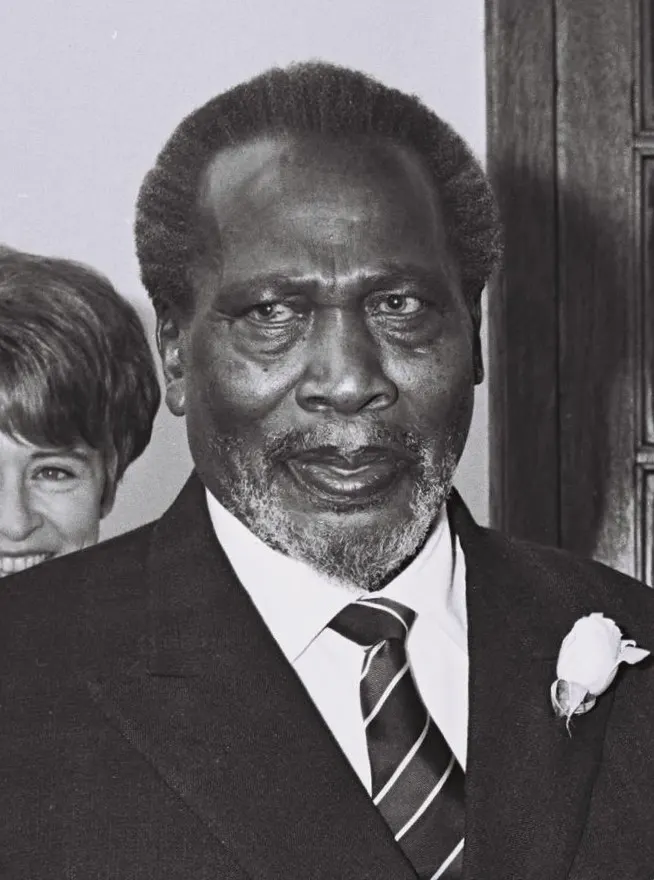
Jomo Kenyatta, Kenya's first prime minister, photographed in 1966
Jomo Kenyatta, Kenya’s first prime minister, photographed in 1966
Image creditPridan Moshe · Public domainResized and cropped for display.

Kenya takes charge of its own government

Kenya had been a British colony since 1920, and the 1950s brought the Mau Mau uprising, a long state of emergency and the detention of thousands of Kenyans, among them the nationalist leader Jomo Kenyatta. By the early 1960s Britain had accepted that independence was coming. Kenyatta was released in 1961, and in May 1963 Kenyans voted in elections that gave his party, the Kenya African National Union, a clear majority.

On 1 June 1963 Kenya gained internal self-government, with Kenyatta as its first prime minister, while Britain still kept responsibility for defence and foreign affairs. Full independence followed on 12 December that year. Kenyans remember the June milestone as Madaraka Day, from the Swahili for power or authority, and it remains a national public holiday.

Read the full storyHistory & Timeline →Source: Kenya Law: Public Holidays Act (Madaraka Day, 1 June) ↗
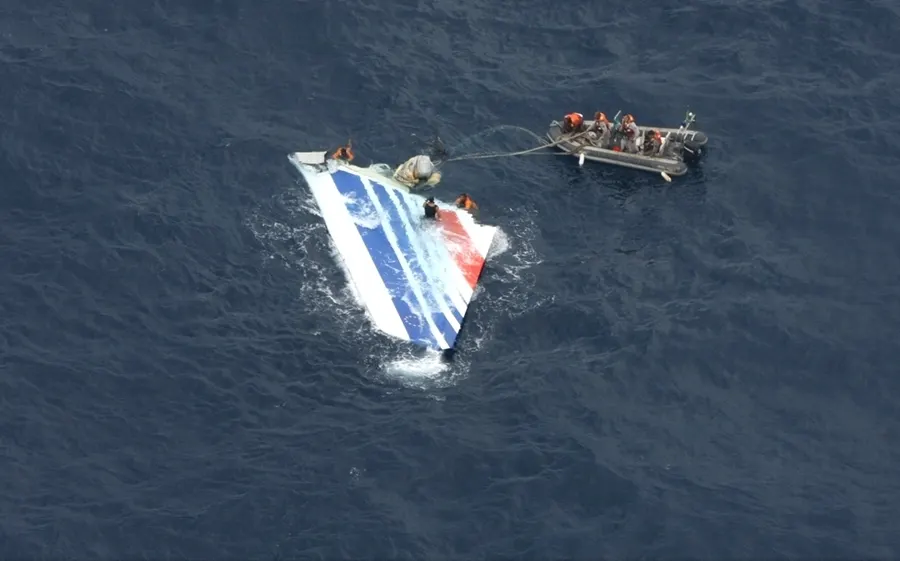
A Brazilian Navy crew recovering wreckage of Air France 447 from the Atlantic, 7 June 2009
Image creditMarinha do Brasil · CC BY-SA 2.0Resized and cropped for display.

Air France Flight 447 is lost over the Atlantic

On the evening of 31 May 2009 an Air France Airbus A330 left Rio de Janeiro for Paris with 228 people on board. In the early hours of 1 June, flying through storm clouds high over the Atlantic, the airliner disappeared from contact. Wreckage was found within days, but the flight recorders lay nearly four kilometres down on the ocean floor and were only recovered in 2011, after a long search.

The French investigators, the BEA, found that ice crystals had blocked the probes that measure airspeed. The autopilot disconnected, and in the confusion that followed the aircraft climbed, lost speed and stalled, falling into the sea. No one survived. The accident led to changes in how pilots around the world are trained to handle unreliable instruments and to recover from a stall at high altitude.

Read the full storyHistory & Timeline →Source: BEA (French civil aviation safety investigation authority): Final report on the accident to flight AF 447 ↗

♙
PEOPLE

Born Today

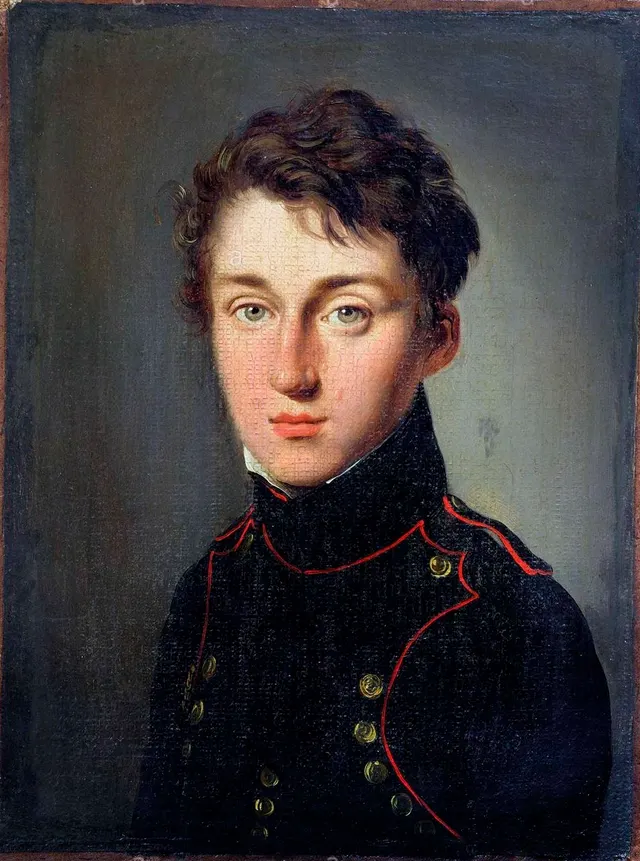
Sadi Carnot
Image creditLouis-Léopold Boilly · Public domainResized and cropped for display.

Sadi Carnot

French military engineer whose short book on the motive power of fire laid the foundations of thermodynamics, the science of heat and work.

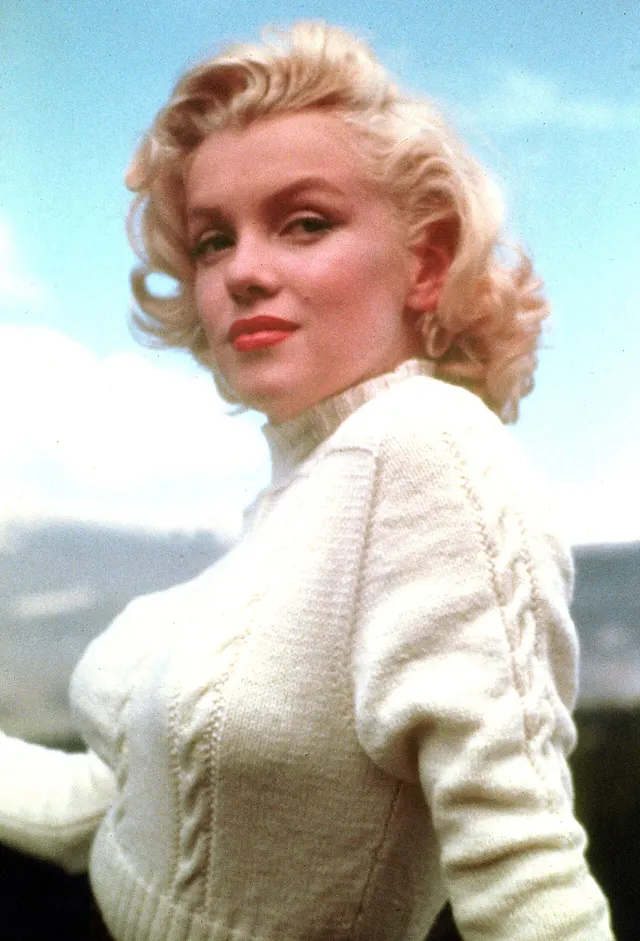
Marilyn Monroe
Image creditBert Parry · Public domainResized and cropped for display.

Marilyn Monroe

American actress whose comic roles in films such as Some Like It Hot and Gentlemen Prefer Blondes made her one of Hollywood’s most famous stars.

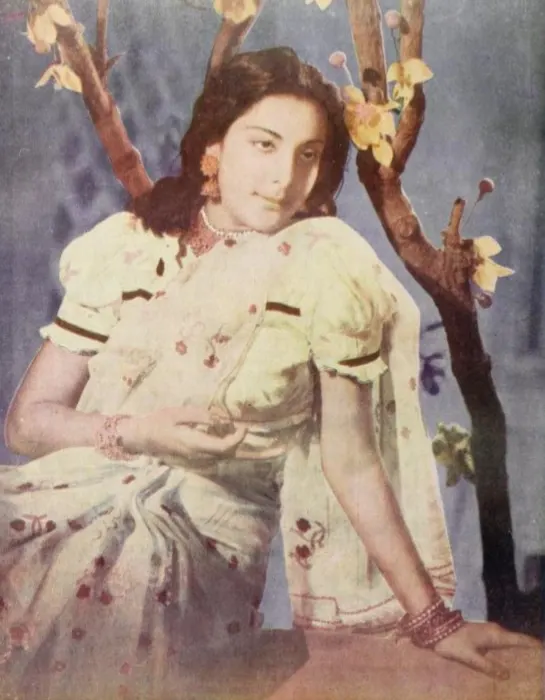
Nargis
Image creditFilmIndia magazine 1945 · Public domainResized and cropped for display.

Nargis

Indian film star regarded as one of the greatest actresses of Hindi cinema, best remembered for her powerful role in Mother India.

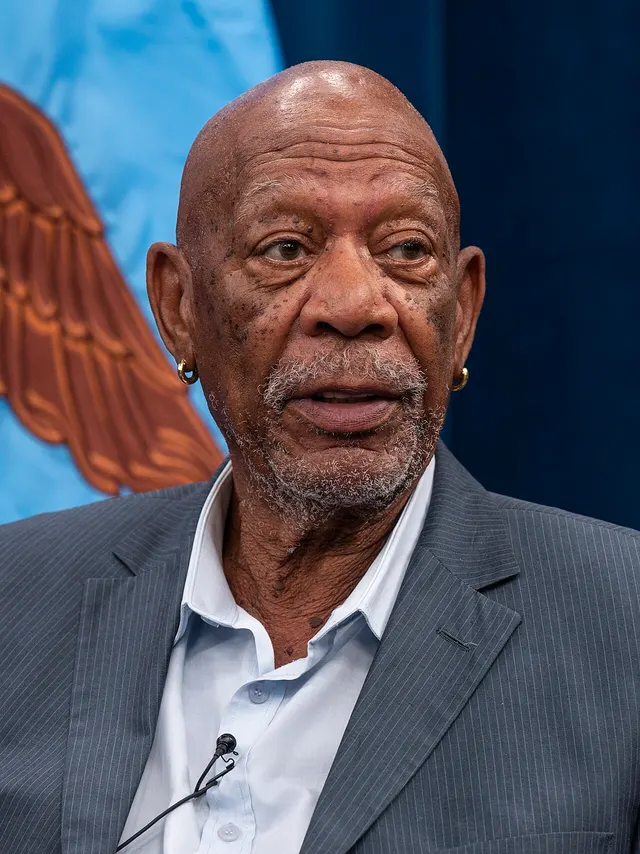
Morgan Freeman
Image creditU.S. Secretary of Defense · Public domainResized and cropped for display.

Morgan Freeman

American actor and narrator whose warm, measured voice and roles in films such as The Shawshank Redemption made him a much-loved screen presence.

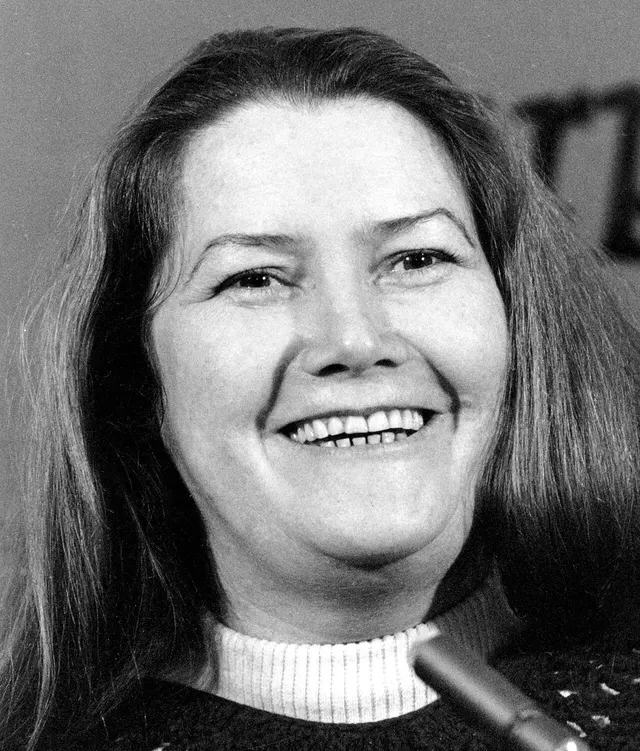
Colleen McCullough
Image creditAssociated Press · Public domainResized and cropped for display.

Colleen McCullough

Australian novelist and former neuroscience researcher whose outback family saga The Thorn Birds became one of the best-selling books of its time.

Justine Henin
Image creditNAPARAZZI · CC BY-SA 2.0Resized and cropped for display.

Justine Henin

Belgian tennis player famed for her elegant one-handed backhand, who won seven Grand Slam singles titles including four at the French Open.

◉
IDEAS THAT CHANGED THINGS

Firsts, Science & Discoveries

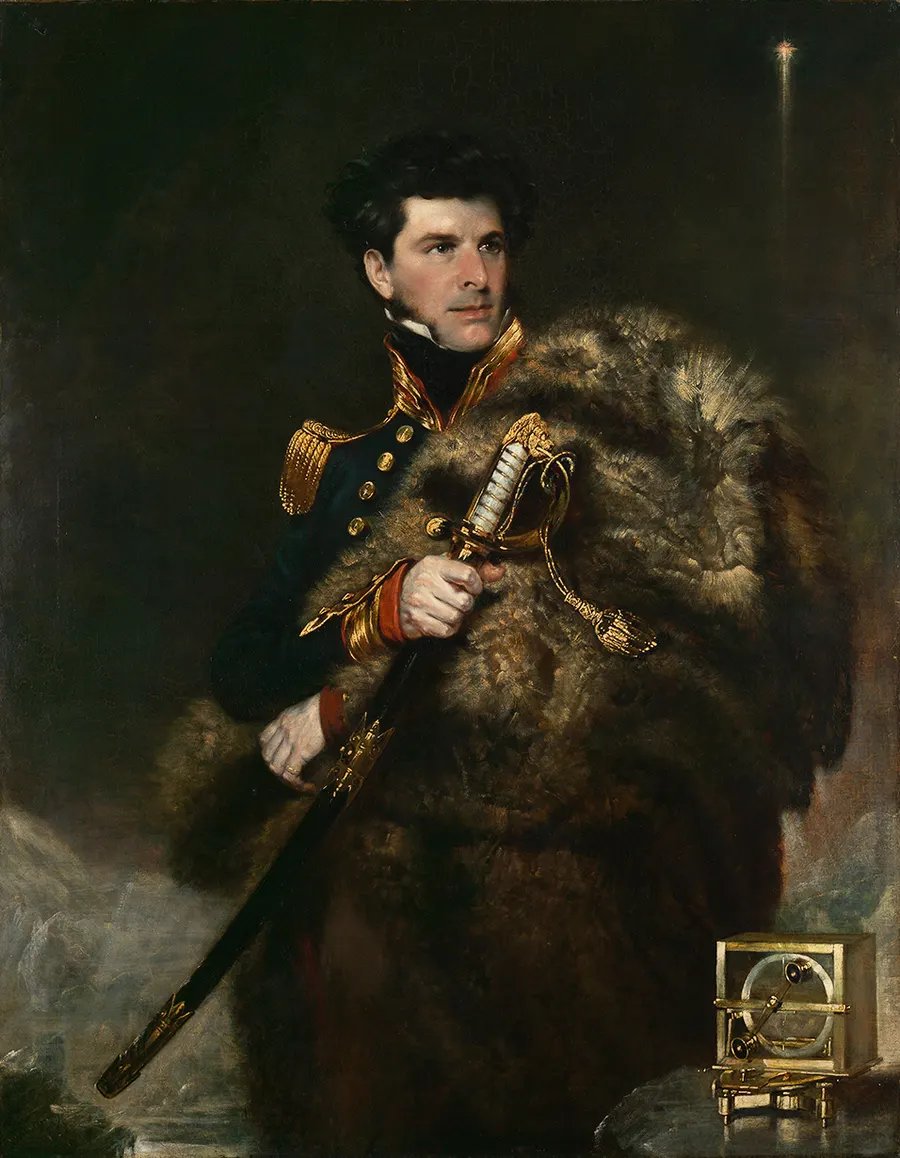
A portrait of James Clark Ross, the naval officer who reached the North Magnetic Pole
Image creditWildman, John R. (1785) · Public domainResized and cropped for display.

James Clark Ross stands on the North Magnetic Pole

In 1829 the explorer John Ross sailed from Scotland in a small privately funded steamer, the Victory, hoping to find a North-West Passage through the Canadian Arctic. With him went his nephew, the young naval officer James Clark Ross. The ship became trapped in the ice off the Boothia Peninsula, and the crew spent winter after winter there, using the time to explore by sledge and to take scientific measurements.

James Clark Ross set out to find the North Magnetic Pole, the point where a compass needle dips straight down. At eight in the morning of 1 June 1831 he reached it on the west coast of Boothia, raised the British flag and built a cairn. The magnetic pole does not stay still: in the time since, it has wandered hundreds of kilometres across the Arctic.

Read the full storyHistory & Timeline →Source: Dictionary of Canadian Biography: Ross, Sir James Clark ↗
♫
MUSIC • FILM • BOOKS • CULTURE

Culture Stories

Abbey Road Studios in London, then called EMI Studios, where Sgt. Pepper was recorded
Image creditportum · CC BY-SA 3.0Resized and cropped for display.

The Beatles release Sgt. Pepper’s Lonely Hearts Club Band

Having given up touring in 1966, the Beatles spent more than four months in EMI’s studios on Abbey Road in London, working with their producer George Martin on a record that could never have been played live. They used orchestras, sound effects and new studio tricks, and framed the album as a show by an imaginary band. The famous cover, a crowd of famous faces designed by Peter Blake and Jann Haworth, was as talked about as the music.

The Beatles’ official release date is 1 June 1967, though copies were rushed into British shops a few days earlier. It spent 27 weeks at the top of the British album chart, became the soundtrack to the Summer of Love, and was the first rock album to win the Grammy for Album of the Year.

Read the full storyHistory & Timeline →Source: The Beatles (official site): Sgt. Pepper’s Lonely Hearts Club Band ↗
✦
LIVES REMEMBERED

Remembered Today

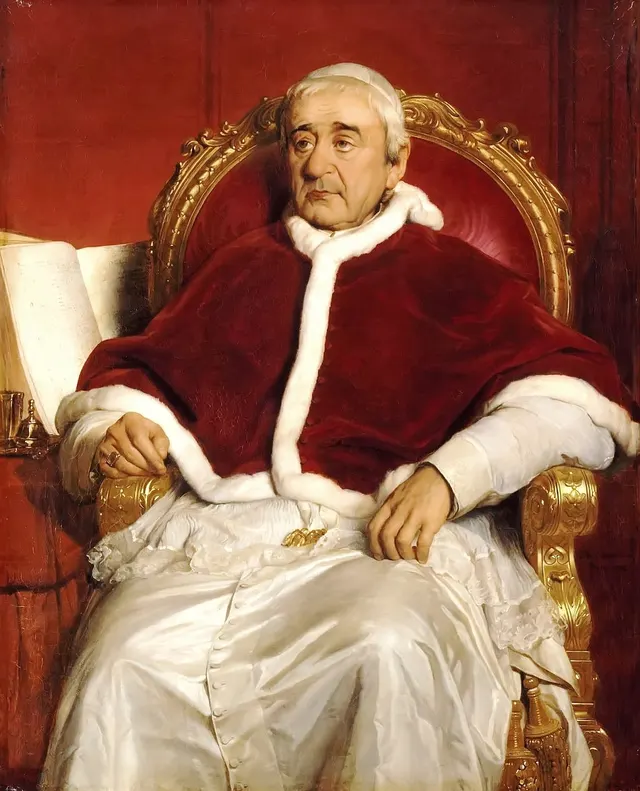
Pope Gregory XVI
Image creditPaul Delaroche · Public domainResized and cropped for display.

Pope Gregory XVI

Camaldolese monk who became pope in 1831 and ruled the Papal States through fifteen years of unrest, firmly opposing liberal and revolutionary movements.

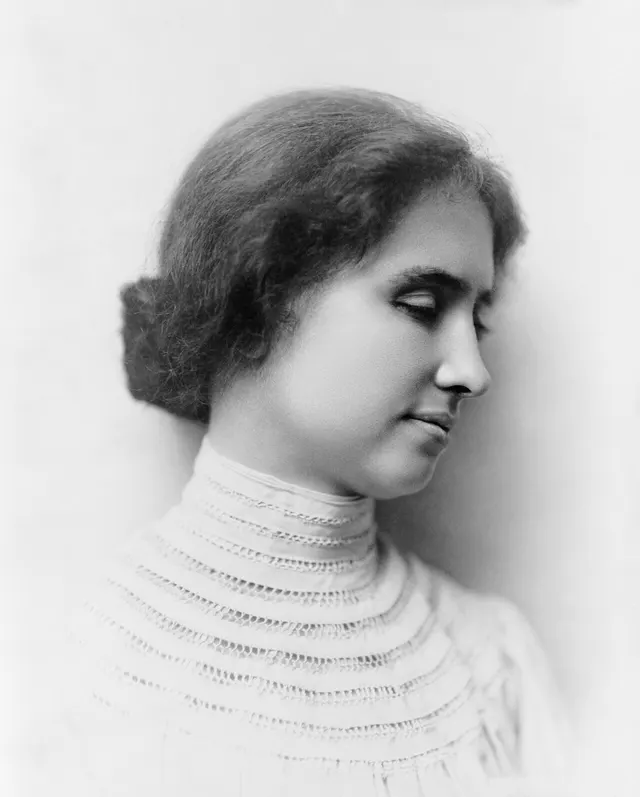
Helen Keller
Image creditUnknown author · Public domainResized and cropped for display.

Helen Keller

American author and campaigner who lost her sight and hearing as a baby, learned to communicate with Anne Sullivan’s help and fought for disabled people’s rights.

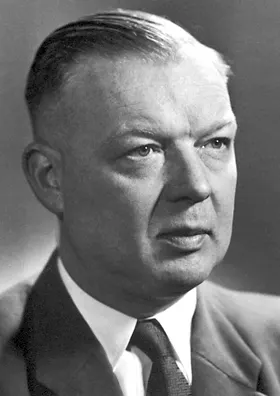
Werner Forssmann
Image creditUnknown author · Public domainResized and cropped for display.

Werner Forssmann

German doctor who in 1929 passed a catheter into his own heart, a daring experiment that later earned him a share of the Nobel Prize in Medicine.

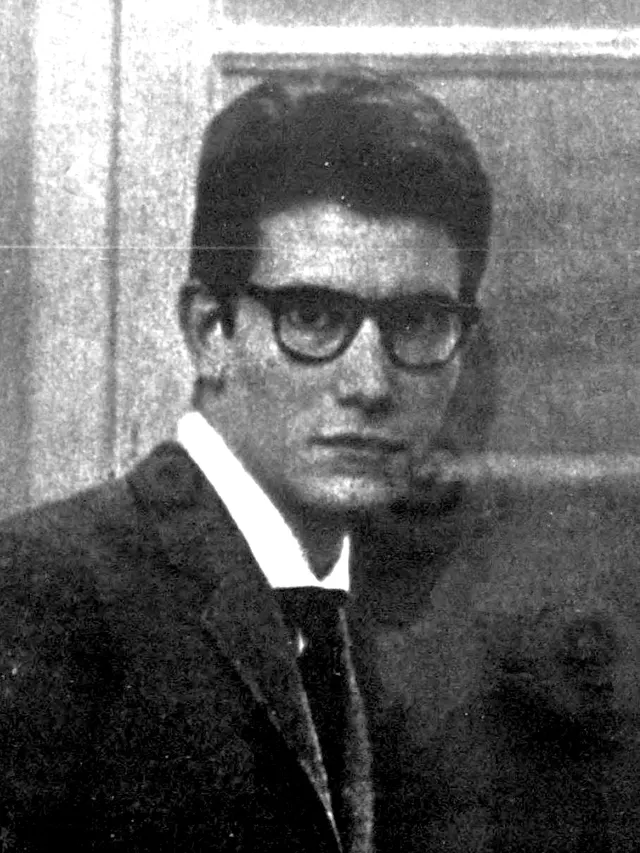
Yves Saint Laurent
Image creditL'Espresso · Public domainResized and cropped for display.

Yves Saint Laurent

French fashion designer, born in Algeria, whose trouser suits and tuxedo for women helped change how women dressed from the 1960s onwards.

☉
AROUND THE WORLD

Observances & Anniversaries

A mother and father with their baby
Image creditsheldonl · CC0Resized and cropped for display.

Global Day of Parents

The United Nations marks 1 June as the Global Day of Parents, honouring the parents of the world and the care they give their children throughout their lives.

The day was proclaimed by the UN General Assembly in 2012, building on the International Year of the Family and the International Day of Families, as a way of recognising the central role of the family in bringing up children.

Source: United Nations: Global Day of Parents, 1 June,https://www.un.org/en/observances/parents-day ↗
HISTORY & TIMELINE

Finished the highlights?

Follow 1 June chronologically, from the Middle Ages to the modern day, with 10 verified events and the sources behind them.

This day through time →