
HISTORY & TIMELINE
1 June

A journey through
1 June in history

The story of 1 June runs from a secret treaty signed by Charles II at Dover in 1670 to the loss of an airliner over the Atlantic in 2009. In between come a frigate duel off Boston, the first trades on the Tokyo Stock Exchange, a young naval officer standing on the North Magnetic Pole and two days of violence against the Jews of Baghdad.

III
A CHANGING WORLD

Early Modern Era

Exploration, political change, scientific development and expanding global connections.

1670
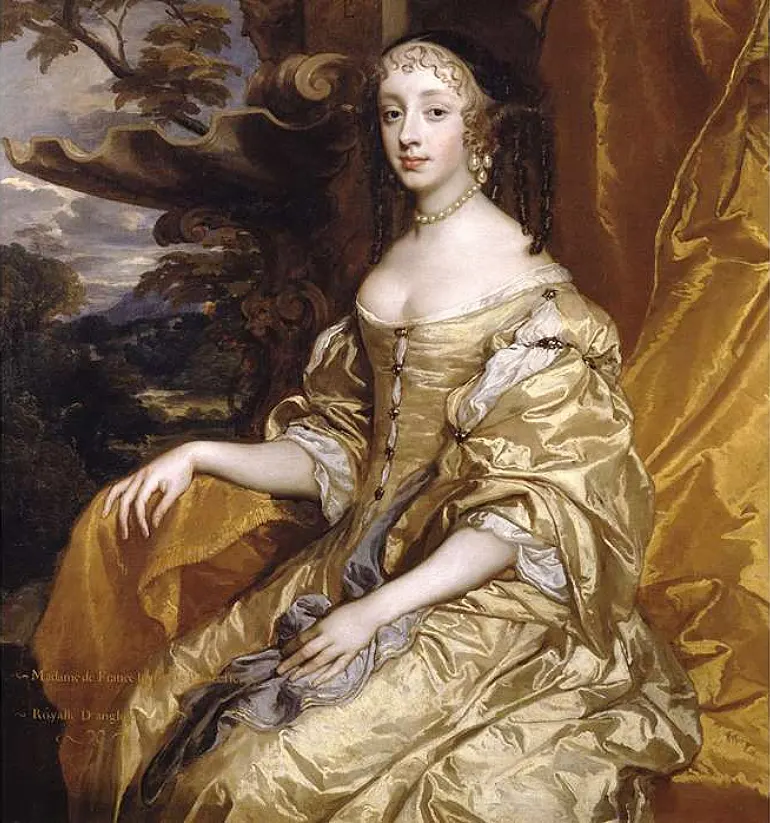
A portrait of Henrietta, Duchess of Orléans, sister of Charles IIA portrait of Henrietta, Duchess of Orléans, sister of Charles IIImage: Peter Lely · Public domain
politics · Europe

Charles II signs the secret Treaty of Dover

In May 1670 Charles II’s sister Henrietta, Duchess of Orléans, crossed to Dover, officially to visit her brother. She was really there for Louis XIV, and on 1 June (by the English calendar of the day) Charles signed a treaty with France. Its secret clauses promised war on the Dutch and that Charles would declare himself a Catholic when the time was right, in return for French money. The religious promise stayed hidden for about a century.

Source: Dictionary of National Biography: Henrietta (1644-1670) ↗
1794
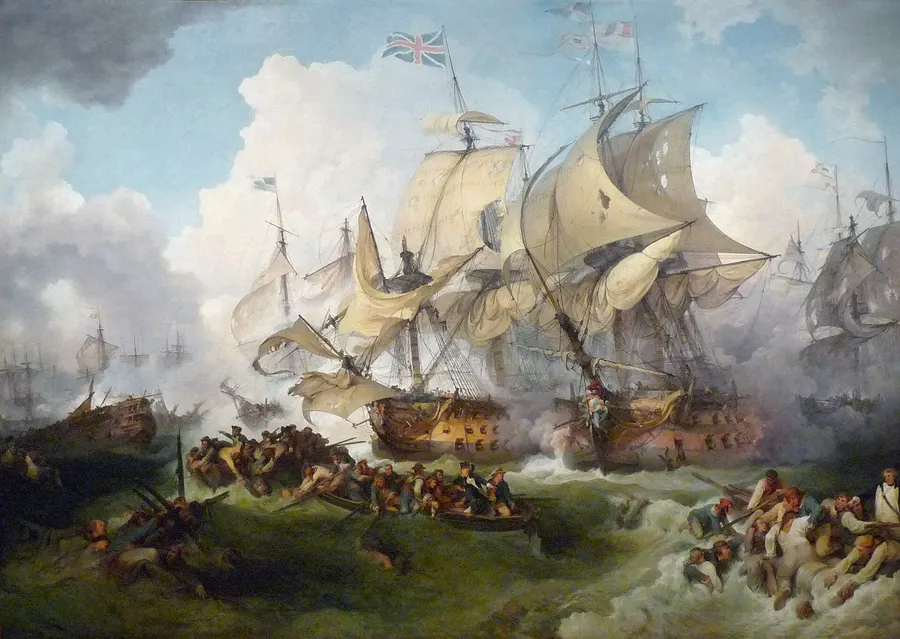
Philip James de Loutherbourg's painting of the Glorious First of June, the fleet battle fought far out in the Atlantic in 1794Philip James de Loutherbourg’s painting of the Glorious First of June, the fleet battle fought far out in the Atlantic in 1794Image: Philip James de Loutherbourg · Public domain
world · Europe

Admiral Howe wins the Glorious First of June

In the spring of 1794 revolutionary France was short of food, and a great convoy of merchant ships was sailing from Chesapeake Bay with American grain. The French Atlantic fleet under Rear-Admiral Villaret de Joyeuse put to sea to protect it, and Britain’s Channel Fleet under Admiral Lord Howe, then 68 years old, went out to find them. After days of manoeuvring, the two fleets met about 400 nautical miles west of Ushant on 1 June. Howe led the attack in his flagship Queen Charlotte, breaking through the French line and engaging at close range. Six French ships of the line were captured and a seventh, the Vengeur du Peuple, sank. It was the first great fleet battle of the French Revolutionary Wars and Britain celebrated a triumph, but the French could claim success too: the grain convoy reached France almost intact.

Source: Dictionary of National Biography: Howe, Richard ↗
1796
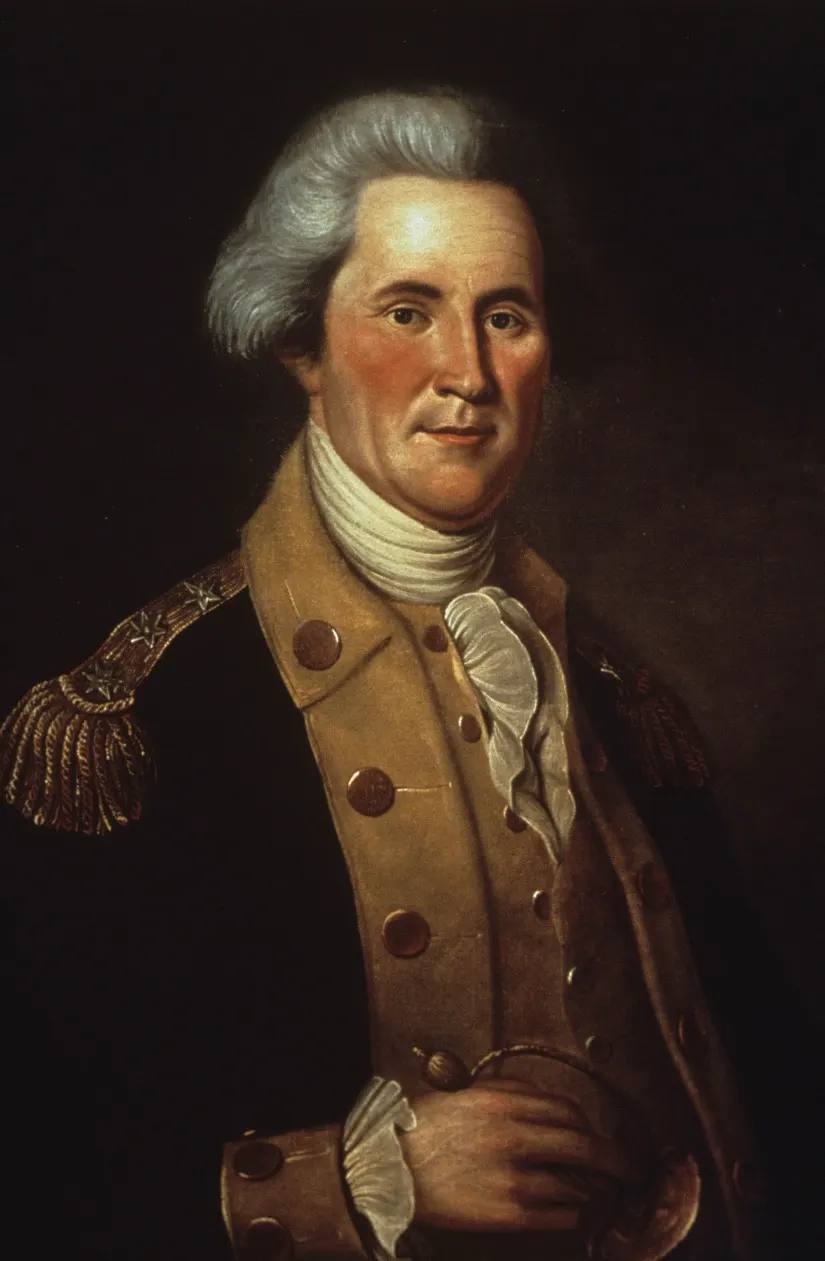
John Sevier, the first governor of the state of Tennessee, painted by Charles Willson PealeJohn Sevier, the first governor of the state of Tennessee, painted by Charles Willson PealeImage: Charles Willson Peale · Public domain
politics · Americas

Tennessee becomes the 16th state of the Union

West of the Appalachian Mountains, the lands that North Carolina had handed to the federal government became the Southwest Territory in 1790. A territory could ask to become a state once it had 60,000 inhabitants, and a census in 1795 counted more than 77,000. Delegates met at Knoxville in January 1796, wrote a constitution and approved it on 6 February, and sent it to Congress. The House of Representatives agreed quickly, but the Federalist-controlled Senate held back until the last day of the session, and set conditions that cut the new state’s representation. On 1 June 1796 Tennessee was admitted as the sixteenth state, the first to be created from a federal territory. John Sevier became its first governor, and the path it took became the model for later territories.

Source: Tennessee Encyclopedia (Tennessee Historical Society): Southwest Territory ↗
IV
THE NINETEENTH CENTURY

The 1800s

Industry, empire, invention, reform and a century of enormous transformation.

1813
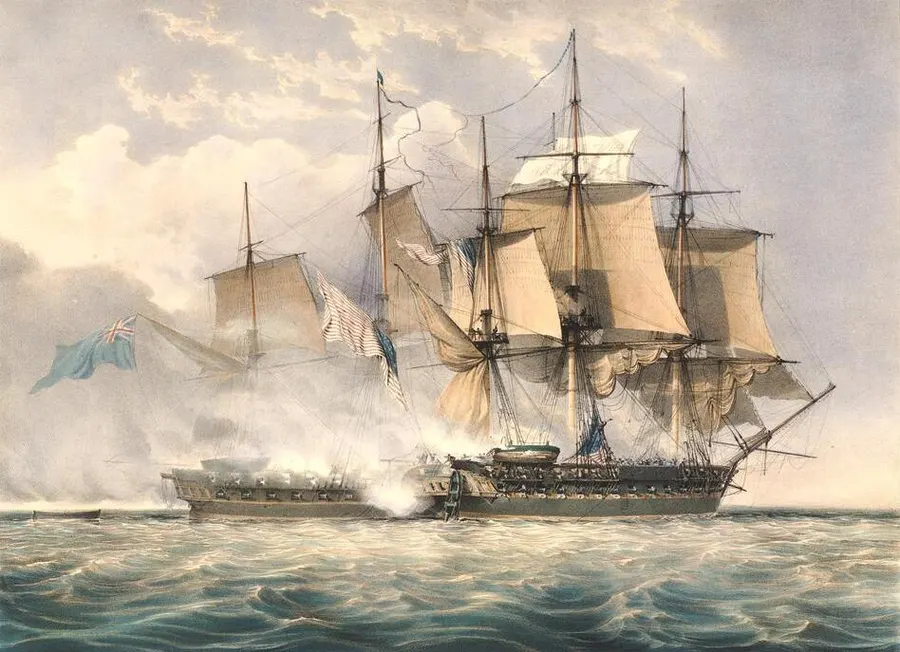
A painting of the fight between HMS Shannon and USS Chesapeake off BostonA painting of the fight between HMS Shannon and USS Chesapeake off BostonImage: Louis Haghe, after John Christian Schetky · Public domain
world · Americas

HMS Shannon captures the USS Chesapeake off Boston

A year into the War of 1812, the British frigate Shannon under Captain Philip Broke was waiting off Boston when the American frigate Chesapeake came out to fight on 1 June 1813. The action was short and brutal: Broke’s well-drilled gunners and boarders took the ship in minutes. The American captain, James Lawrence, was mortally wounded, and his reported order, ‘Don’t give up the ship’, became a lasting motto of the US Navy.

Source: Royal Museums Greenwich: Action between HMS Shannon and USS Chesapeake, 1 June 1813 ↗
1831
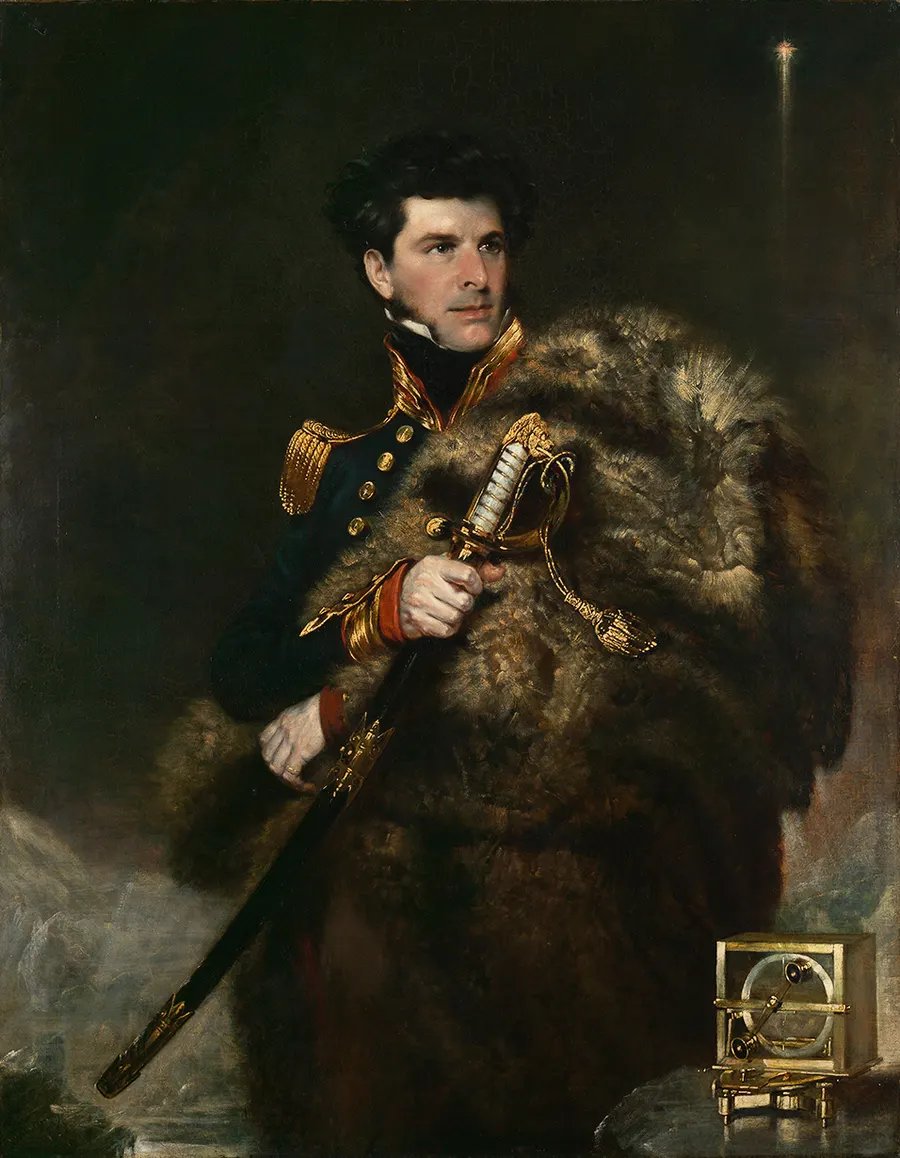
A portrait of James Clark Ross, the naval officer who reached the North Magnetic PoleA portrait of James Clark Ross, the naval officer who reached the North Magnetic PoleImage: Wildman, John R. (1785) · Public domain

world · Americas

James Clark Ross stands on the North Magnetic Pole

In 1829 the explorer John Ross sailed from Scotland in a small privately funded steamer, the Victory, hoping to find a North-West Passage through the Canadian Arctic. With him went his nephew, the young naval officer James Clark Ross. The ship became trapped in the ice off the Boothia Peninsula, and the crew spent winter after winter there, using the time to explore by sledge and to take scientific measurements. James Clark Ross set out to find the North Magnetic Pole, the point where a compass needle dips straight down. At eight in the morning of 1 June 1831 he reached it on the west coast of Boothia, raised the British flag and built a cairn. The magnetic pole does not stay still: in the time since, it has wandered hundreds of kilometres across the Arctic.

Source: Dictionary of Canadian Biography: Ross, Sir James Clark ↗
1878
The Tokyo Stock Exchange building in Nihonbashi, TokyoThe Tokyo Stock Exchange building in Nihonbashi, TokyoImage: Kakidai · CC BY-SA 4.0
world · Asia

Trading begins on the Tokyo Stock Exchange

Japan’s Meiji government was remaking the country’s economy on Western lines, and in May 1878 the Tokyo Stock Exchange company was founded, with the industrialist Shibusawa Eiichi among its backers. Floor trading began on 1 June 1878, at first mostly in government bonds. The exchange grew into one of the largest in the world, and its operator, Japan Exchange Group, still dates its markets from that first day of dealing.

Source: Japan Exchange Group: History ↗
V
THE TWENTIETH CENTURY

The 1900s

War and peace, technological leaps, social change, politics, sport and popular culture.

1941
Baghdad and the River Tigris in an aerial view taken in 2005Baghdad and the River Tigris in an aerial view taken in 2005Image: USACE HQ , JIM GORDAN, CIV, USACE · Public domain
world · Middle East

The Farhud: violence against the Jews of Baghdad

In the spring of 1941 a pro-Axis government seized power in Iraq, and British forces moved in to remove it. On the afternoon of 1 June, as the pro-British regent returned to Baghdad, Jews went out to celebrate the festival of Shavuot and were attacked. The rioting, known as the Farhud, lasted two days, and around 180 Jews were killed according to official figures. It marked a turning point for Iraq’s ancient Jewish community.

Source: United States Holocaust Memorial Museum: The Farhud ↗
1963
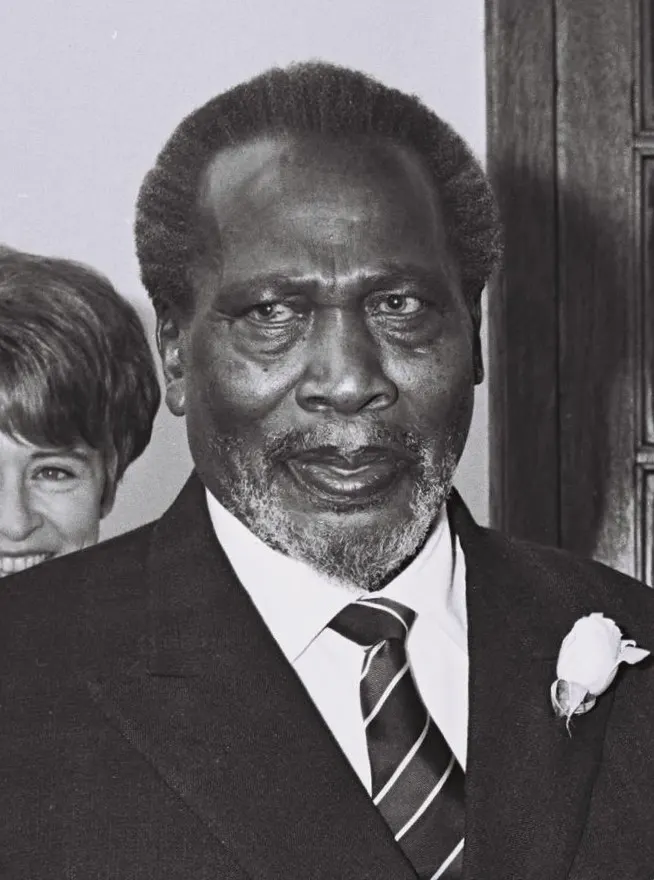
Jomo Kenyatta, Kenya's first prime minister, photographed in 1966Jomo Kenyatta, Kenya’s first prime minister, photographed in 1966Image: Pridan Moshe · Public domain
politics · Africa

Kenya takes charge of its own government

Kenya had been a British colony since 1920, and the 1950s brought the Mau Mau uprising, a long state of emergency and the detention of thousands of Kenyans, among them the nationalist leader Jomo Kenyatta. By the early 1960s Britain had accepted that independence was coming. Kenyatta was released in 1961, and in May 1963 Kenyans voted in elections that gave his party, the Kenya African National Union, a clear majority. On 1 June 1963 Kenya gained internal self-government, with Kenyatta as its first prime minister, while Britain still kept responsibility for defence and foreign affairs. Full independence followed on 12 December that year. Kenyans remember the June milestone as Madaraka Day, from the Swahili for power or authority, and it remains a national public holiday.

Source: Kenya Law: Public Holidays Act (Madaraka Day, 1 June) ↗
1967
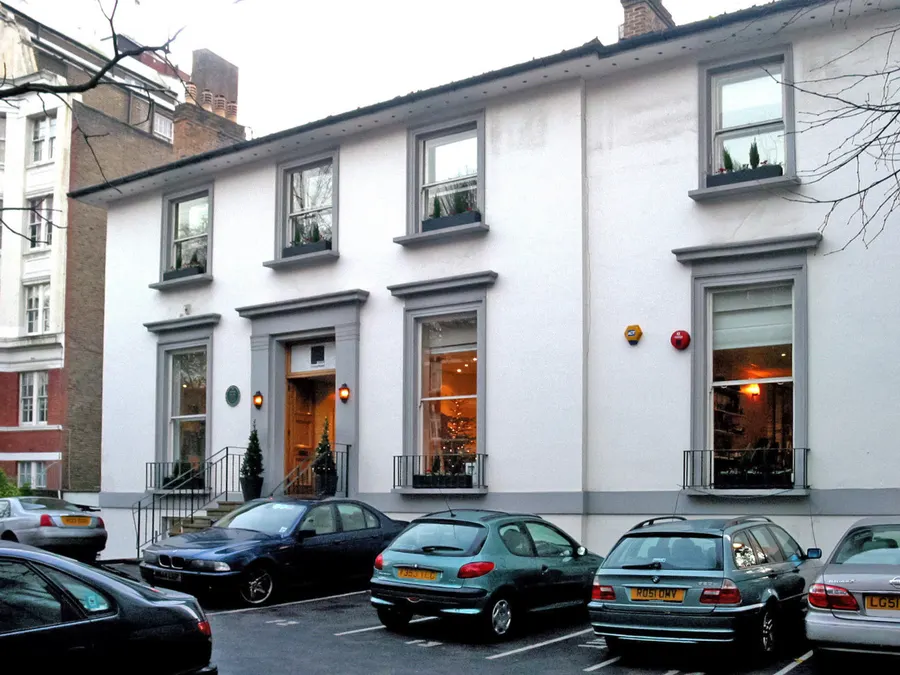
Abbey Road Studios in London, then called EMI Studios, where Sgt. Pepper was recordedAbbey Road Studios in London, then called EMI Studios, where Sgt. Pepper was recordedImage: portum · CC BY-SA 3.0
culture · Europe

The Beatles release Sgt. Pepper’s Lonely Hearts Club Band

Having given up touring in 1966, the Beatles spent more than four months in EMI’s studios on Abbey Road in London, working with their producer George Martin on a record that could never have been played live. They used orchestras, sound effects and new studio tricks, and framed the album as a show by an imaginary band. The famous cover, a crowd of famous faces designed by Peter Blake and Jann Haworth, was as talked about as the music. The Beatles’ official release date is 1 June 1967, though copies were rushed into British shops a few days earlier. It spent 27 weeks at the top of the British album chart, became the soundtrack to the Summer of Love, and was the first rock album to win the Grammy for Album of the Year.

Source: The Beatles (official site): Sgt. Pepper’s Lonely Hearts Club Band ↗
VI
2000 TO TODAY

Modern Day

The events of recent decades that have already become part of the historical record.

2009
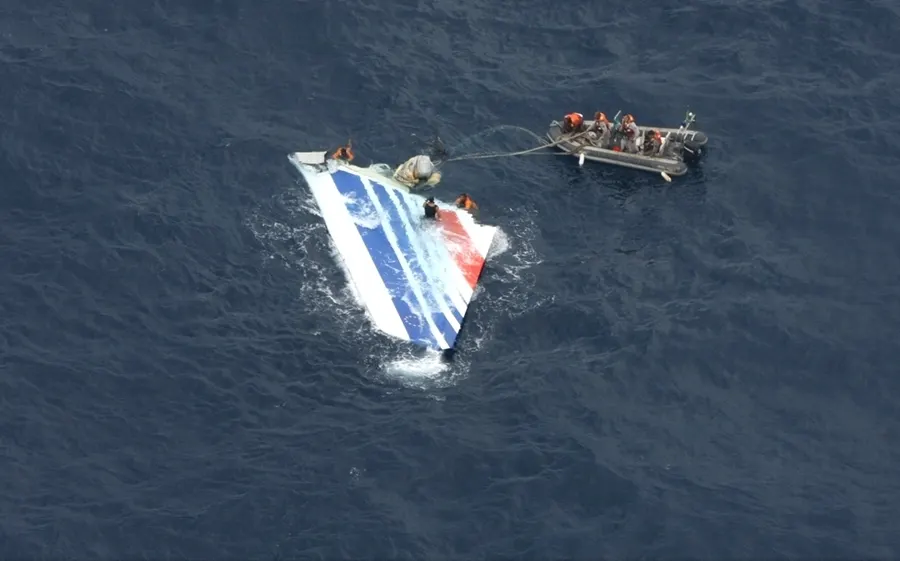
A Brazilian Navy crew recovering wreckage of Air France 447 from the Atlantic, 7 June 2009A Brazilian Navy crew recovering wreckage of Air France 447 from the Atlantic, 7 June 2009Image: Marinha do Brasil · CC BY-SA 2.0
world · Global

Air France Flight 447 is lost over the Atlantic

On the evening of 31 May 2009 an Air France Airbus A330 left Rio de Janeiro for Paris with 228 people on board. In the early hours of 1 June, flying through storm clouds high over the Atlantic, the airliner disappeared from contact. Wreckage was found within days, but the flight recorders lay nearly four kilometres down on the ocean floor and were only recovered in 2011, after a long search. The French investigators, the BEA, found that ice crystals had blocked the probes that measure airspeed. The autopilot disconnected, and in the confusion that followed the aircraft climbed, lost speed and stalled, falling into the sea. No one survived. The accident led to changes in how pilots around the world are trained to handle unreliable instruments and to recover from a stall at high altitude.

Source: BEA (French civil aviation safety investigation authority): Final report on the accident to flight AF 447 ↗
WHY THESE MOMENTS?

Significance before volume

This page is not the longest possible list of events. It is a chronological journey through 1 June, where each entry is chosen for historical significance, human interest and reliability.

Facts are checked against authoritative museums, archives, universities and reference works. Where sources disagree, the page says so.

EXPLORED THE DEEPER STORY?

Return to the highlights of 1 June

Discover the lighter side of the date with famous birthdays, culture, firsts and lives remembered.

Explore This Day →
← PREVIOUS DAY31 May
HISTORY & TIMELINE1 June
NEXT DAY →2 June