
913
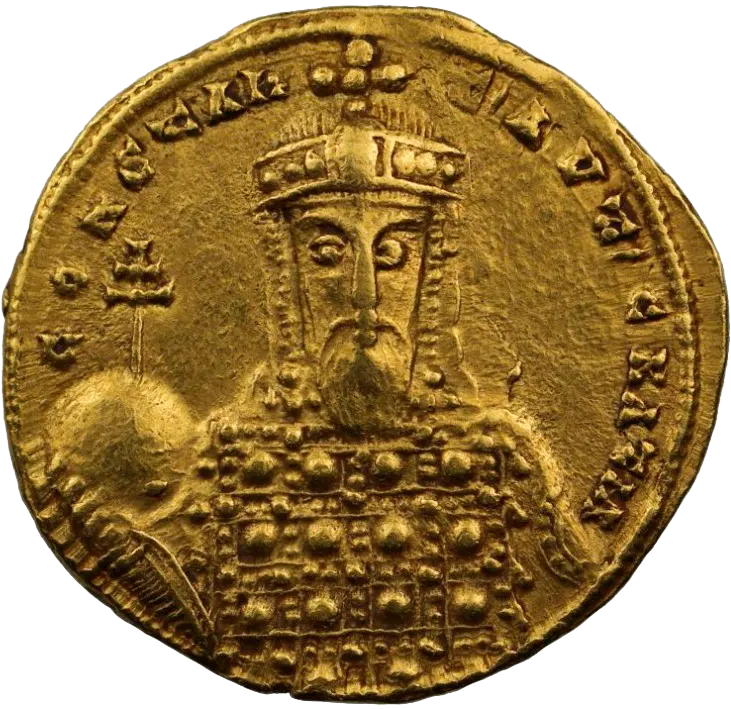 A gold solidus of Constantine VII PorphyrogenitusImage:
politics · Europe
A boy becomes sole emperor in Constantinople
When the Byzantine emperor Alexander died on 6 June 913 after barely a year on the throne, his nephew Constantine VII, a boy of seven, became sole emperor. Real power passed to a regency council led by the Patriarch Nicholas Mystikos, and later to Constantine’s mother Zoe and the admiral Romanos Lekapenos. Constantine only ruled in his own right from 945, and became famous as a scholar who wrote handbooks on government and court ceremony.
Source: Britannica: Alexander, Byzantine emperor ↗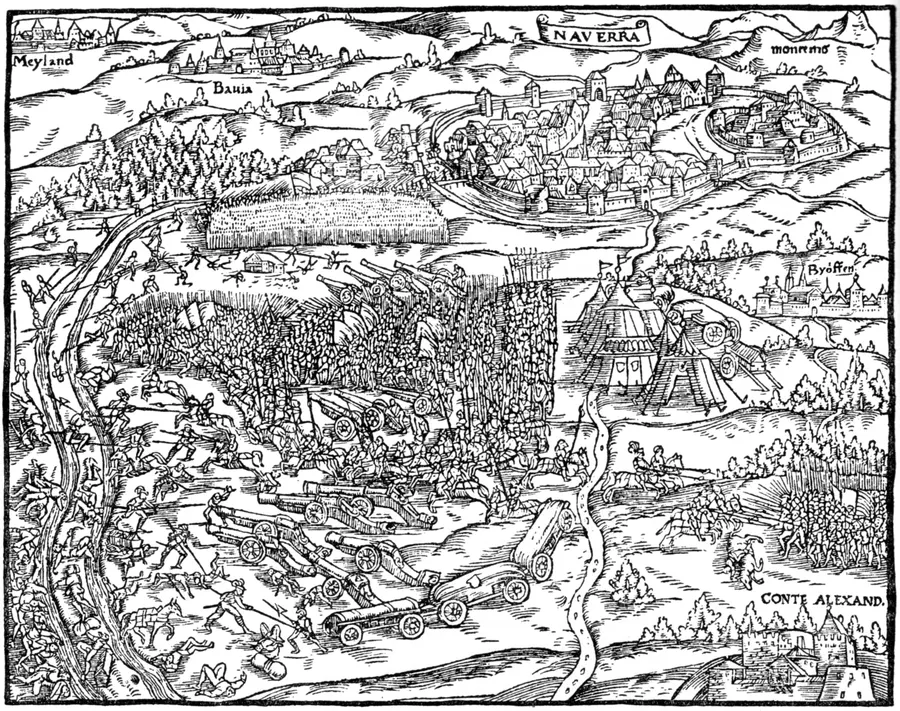 The Battle of Novara in a 16th-century woodcut from the Swiss chronicle of Johannes StumpfImage:
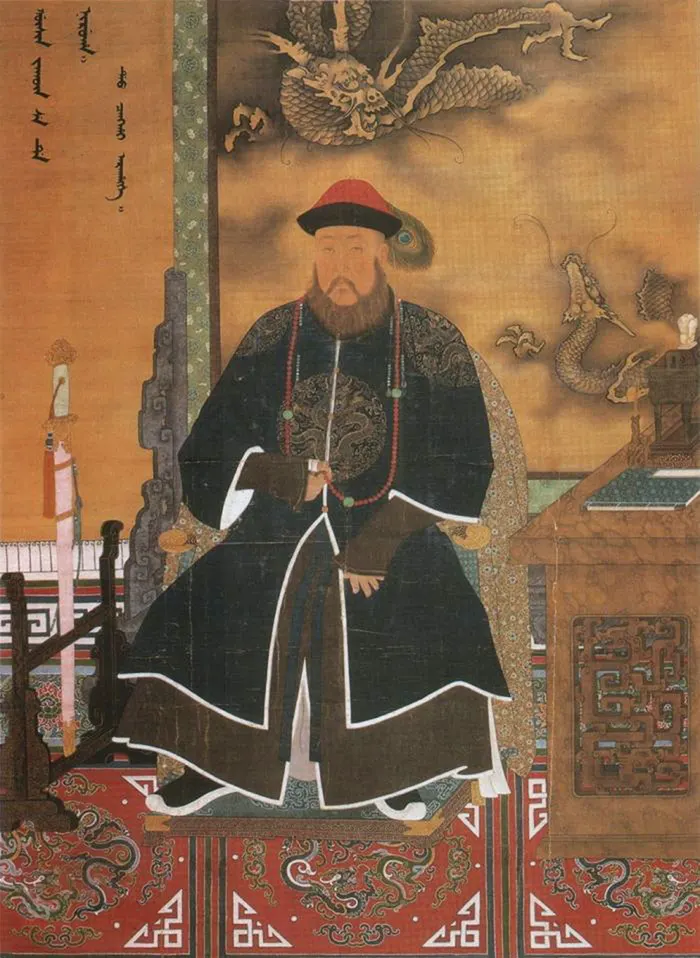 Dorgon, Prince Rui, regent of the early Qing dynasty, in a 17th-century portraitImage:
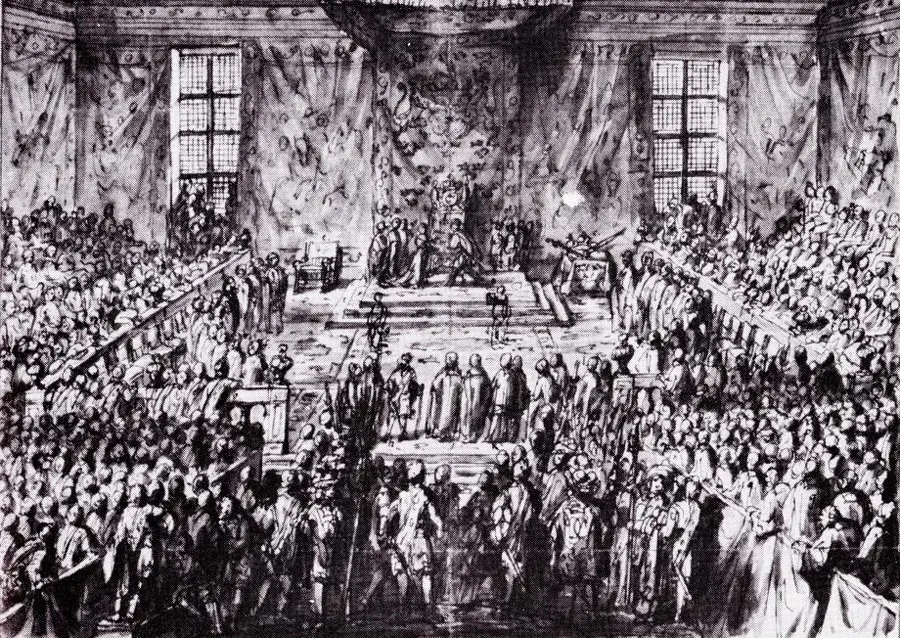 Christina’s abdication at Uppsala Castle in 1654, drawn by Erik DahlbergImage:
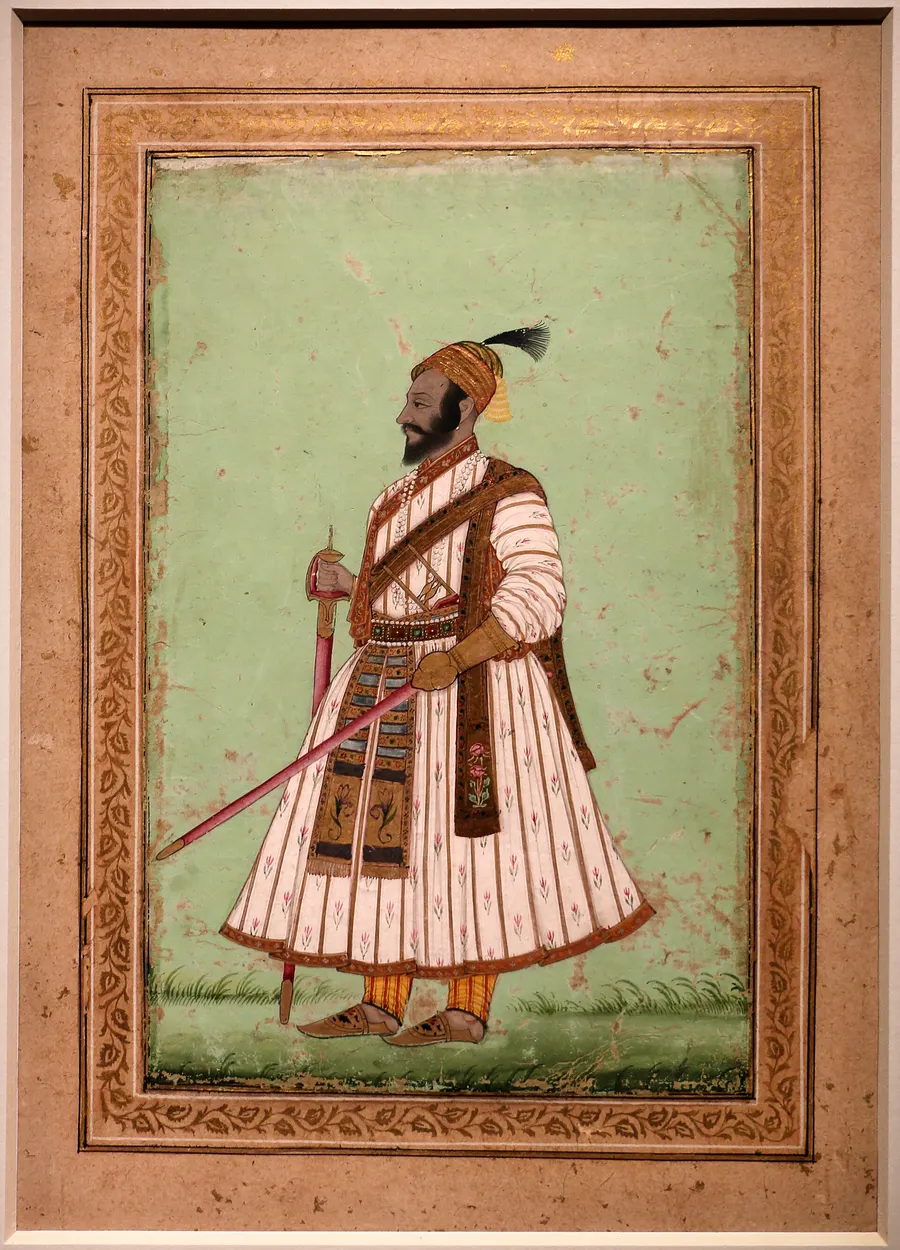 A portrait of Shivaji painted in the Deccan around 1675Image:
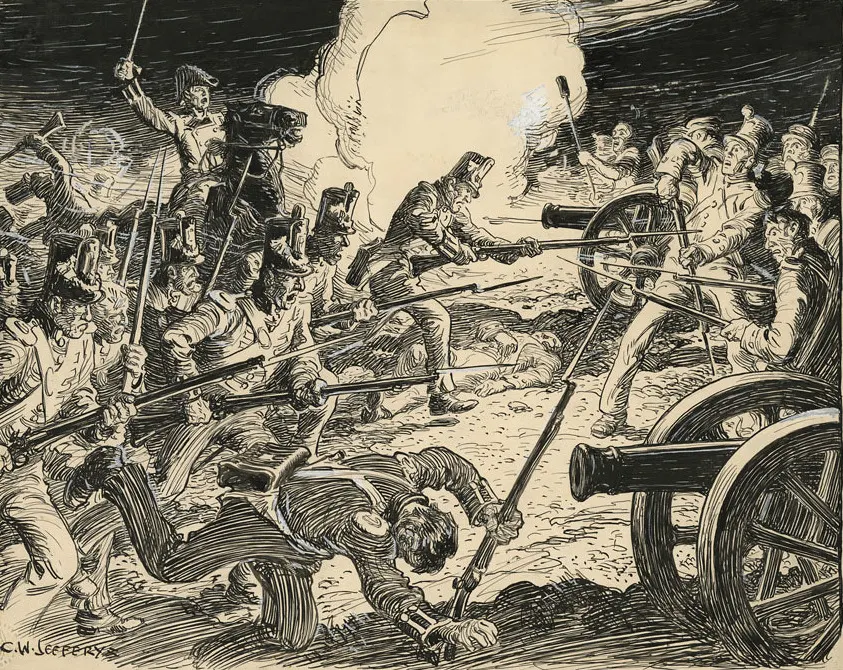 The night fight at Stoney Creek, in a drawing by the Canadian artist C. W. JefferysImage:
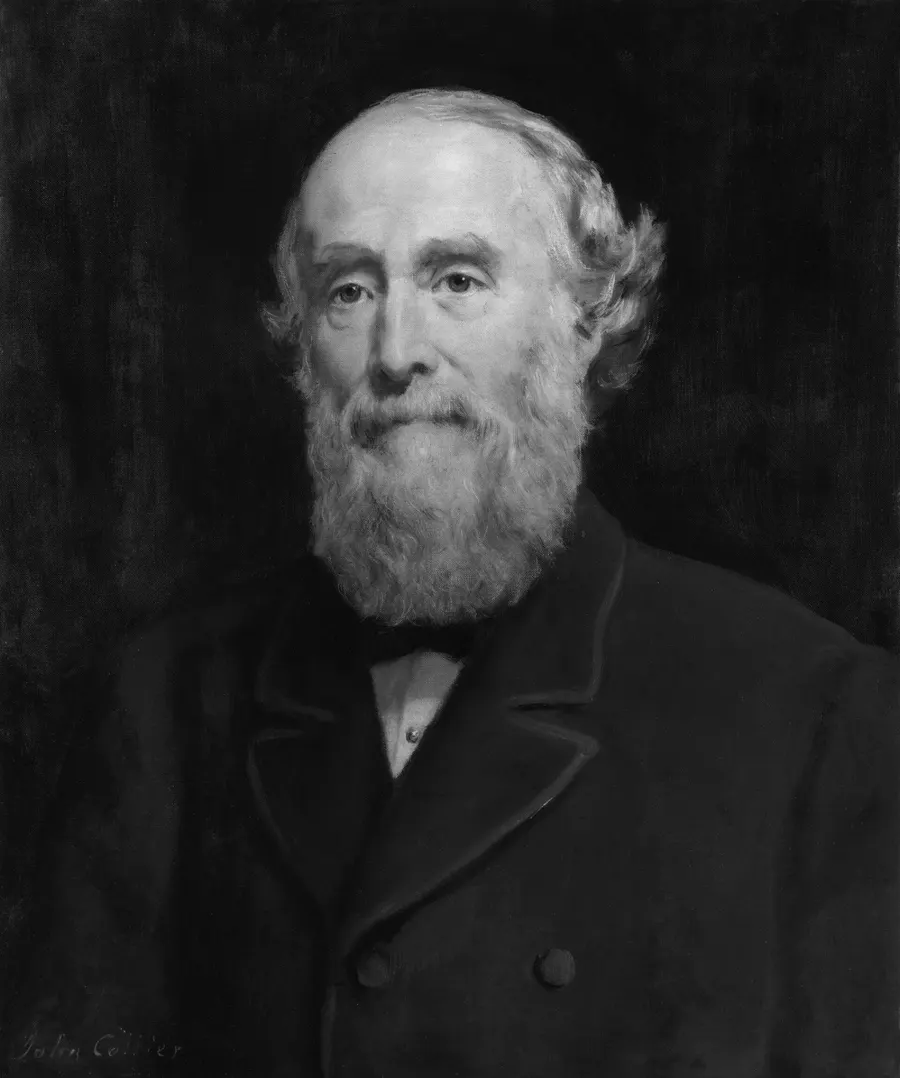 Sir George Williams, founder of the YMCA, painted by John CollierImage:
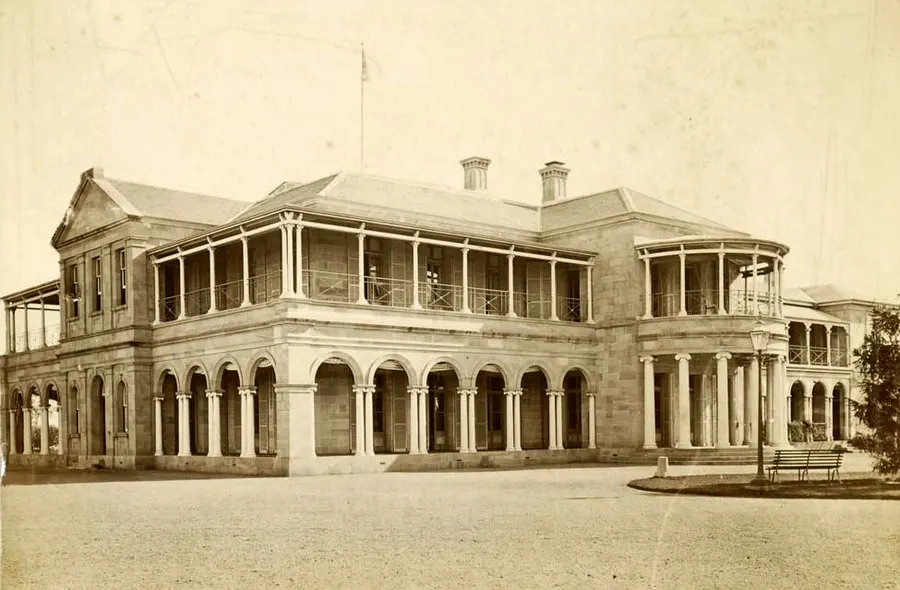 Old Government House in Brisbane, built in the early 1860s for Queensland’s first governor, photographed in 1879Image:
 The lava dome of Novarupta, in Katmai National Park, AlaskaImage:
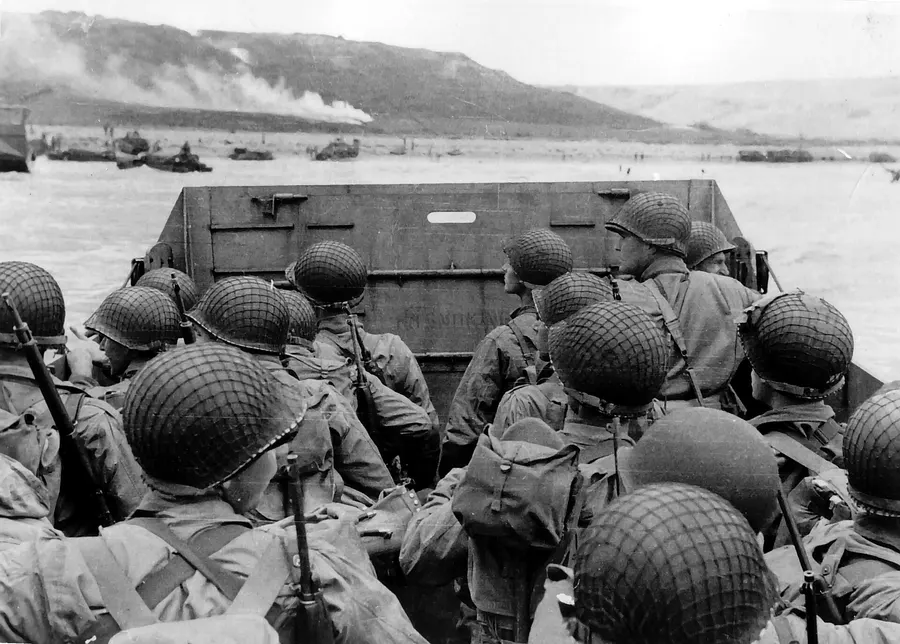 American troops in a landing craft heading for Omaha Beach on the morning of 6 June 1944Image:
 Madison Square Garden in New York on a 1941 postcard; big-city arena owners like its managers founded the new leagueImage:
 The Titania-Palast cinema in Berlin-Steglitz, where the first Berlin film festival opened, photographed in 2012Image:
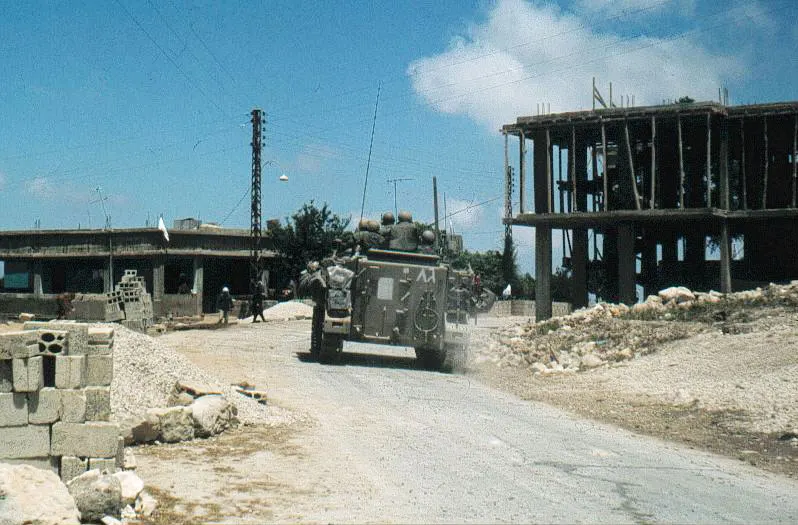 Israeli troops in the south Lebanese village of Zibqin, 8 June 1982Image:
 Punsalmaagiin Ochirbat, Mongolia’s first directly elected president, in 1995Image: