Explore 7 May

Explore 7 May: the great dome of Hagia Sophia falls, the Lusitania is torpedoed off Ireland, two engineers found the company that became Sony, and the French garrison at Dien Bien Phu is overrun. Meet Rabindranath Tagore, Pyotr Ilyich Tchaikovsky and Eva Perón, born on this date, and remember Caspar David Friedrich.

This day through time →10 verified events across 3 eras

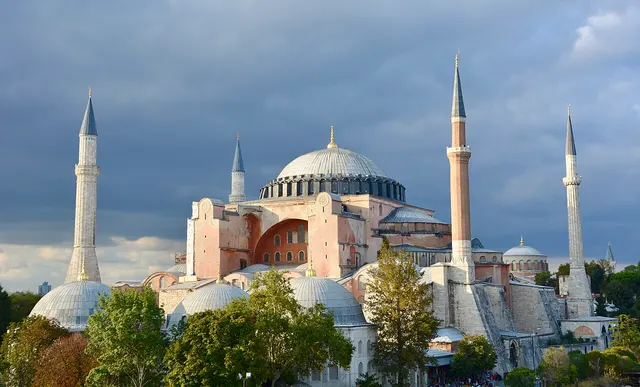
Hagia Sophia in Istanbul today, crowned by the dome rebuilt after the collapse of 558.
Image creditAdli Wahid · CC BY-SA 3.0Resized and cropped for display.

The great dome of Hagia Sophia falls

On 7 May 558 the vast central dome of Hagia Sophia in Constantinople came crashing down, barely twenty years after Emperor Justinian had opened the church. Earthquakes in 553 and 557 had already weakened the structure, and the falling masonry wrecked the altar, the canopy over it and the raised pulpit.

Justinian ordered the damage repaired at once and gave the work to Isidore the Younger, nephew of one of the church’s original architects. He built a steeper, higher dome that pushed less weight outwards onto the walls, and the restored church reopened in 562.

Read the full storyHistory & Timeline →Source: History Today: Sancta Sophia Collapses ↗
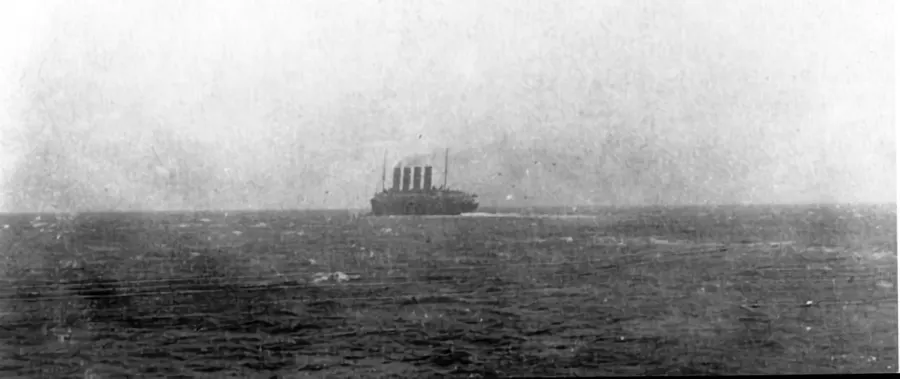

The Lusitania in New York harbour on 1 May 1915, believed to be the last photograph of the ship.
Image creditRance, G R · Public domainResized and cropped for display.

The Lusitania is torpedoed off Ireland

On the afternoon of 7 May 1915 the German submarine U-20 torpedoed the Cunard liner Lusitania, on her way from New York to Liverpool, about eleven nautical miles off the Old Head of Kinsale in southern Ireland. A second, still unexplained explosion followed, and the great ship sank in under twenty minutes.

Of nearly 2,000 people on board, 1,198 were lost, among them 128 Americans. The attack on a passenger ship caused outrage in Britain and the United States and hardened American opinion against Germany, though the United States did not enter the war until 1917.

Read the full storyHistory & Timeline →Source: Royal Museums Greenwich: The sinking of the Lusitania ↗
Sony's headquarters building in Tokyo.
Sony’s headquarters building in Tokyo.
Image creditAkonnchiroll · CC BY-SA 4.0Resized and cropped for display.

Two engineers found the company that became Sony

On 7 May 1946 Masaru Ibuka and Akio Morita founded Tokyo Tsushin Kogyo, or Tokyo Telecommunications Engineering Corporation, with capital of 190,000 yen. Ibuka had started out the year before repairing radios in the bomb-damaged Shirokiya department store in Tokyo’s Nihonbashi district, and Morita had worked with him on wartime research.

The small firm made Japan’s first tape recorder in 1950 and was among the first to use the transistor, licensed from Bell Labs, in everyday goods such as pocket radios. In 1958 it took the name Sony, from the Latin sonus, meaning sound, and grew into one of the world’s best-known electronics companies.

Read the full storyHistory & Timeline →Source: International Directory of Company Histories: Sony Corporation (company-histories.com) ↗
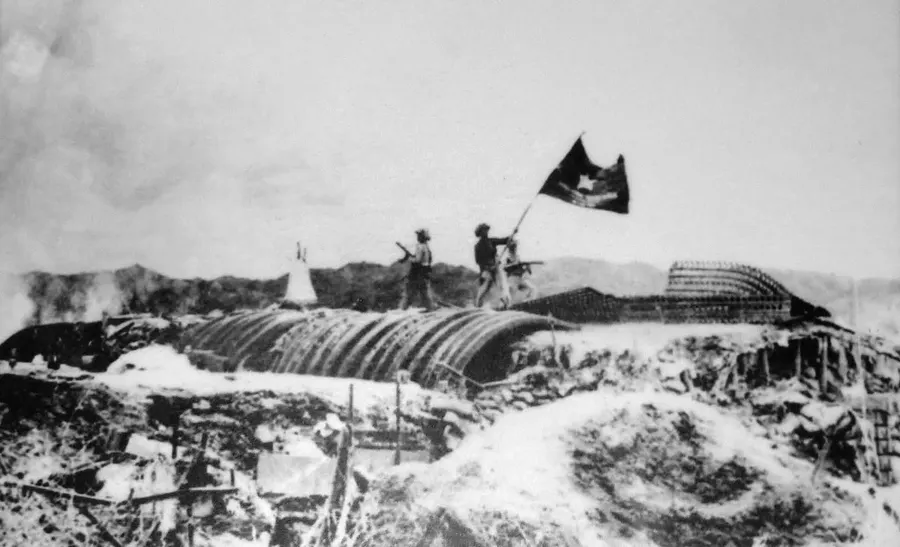
Viet Minh soldiers raise their flag over the captured French command bunker at Dien Bien Phu, 1954.
Image creditVietnam People's Army · Public domainResized and cropped for display.

The French garrison at Dien Bien Phu is overrun

On 7 May 1954, after a siege of nearly two months, Viet Minh forces under General Vo Nguyen Giap overran the last positions of the French fortress at Dien Bien Phu in north-west Vietnam. More than 11,000 French Union soldiers, many of them wounded, were taken prisoner.

The defeat broke France’s will to go on fighting in Indochina. At the Geneva Conference that summer, Vietnam was divided at the 17th parallel, ending French colonial rule in the region and setting the stage for the long war that followed.

Read the full storyHistory & Timeline →Source: US Department of State, Office of the Historian: Dien Bien Phu and the Fall of French Indochina, 1954 ↗
♙
PEOPLE

Born Today

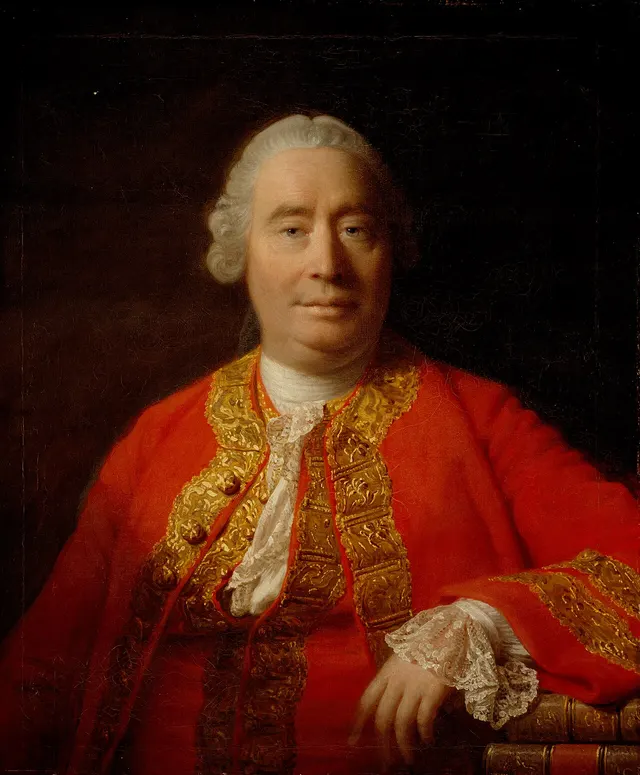
David Hume
Image creditAllan Ramsay · Public domainResized and cropped for display.

David Hume

Scottish philosopher whose sceptical writings on knowledge, religion and human nature shaped modern thought.

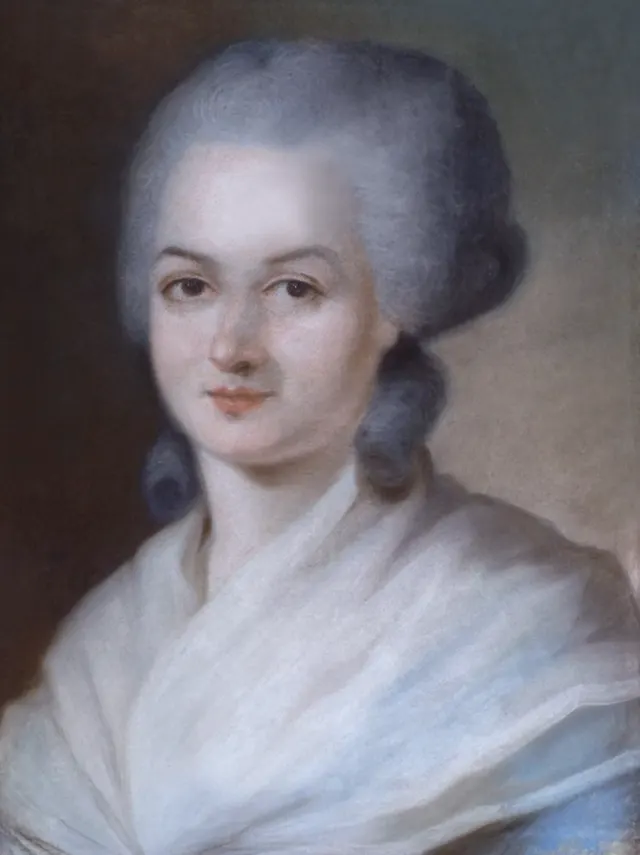
Olympe de Gouges
Image creditAlexander Kucharsky · Public domainResized and cropped for display.

Olympe de Gouges

French playwright who wrote the Declaration of the Rights of Woman and of the Female Citizen.

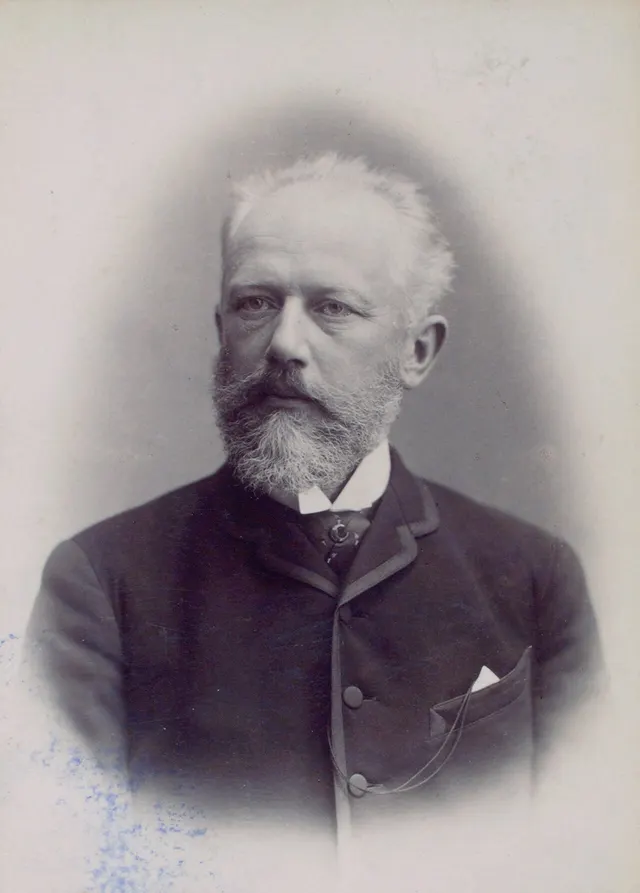
Pyotr Ilyich Tchaikovsky
Image creditÉmile Reutlinger · Public domainResized and cropped for display.

Pyotr Ilyich Tchaikovsky

Russian composer of Swan Lake, The Nutcracker and six symphonies.

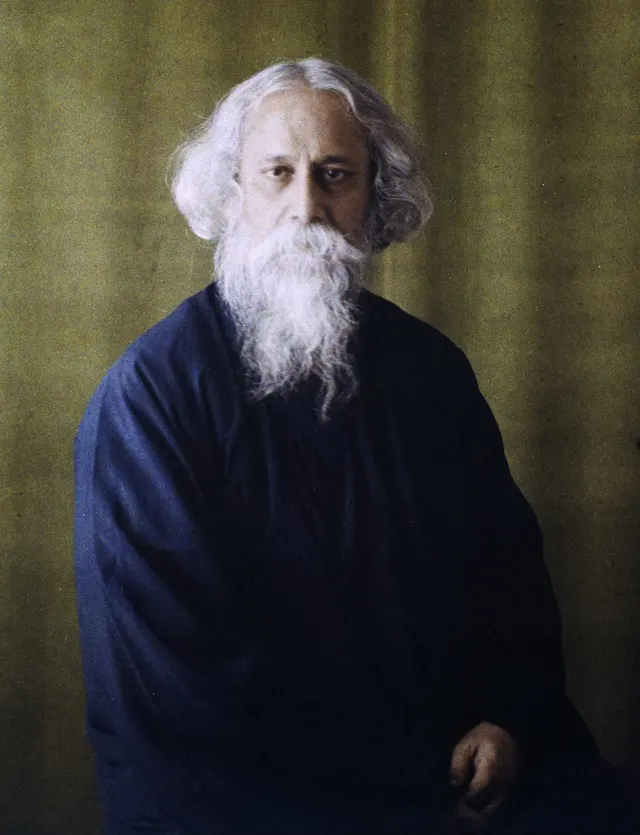
Rabindranath Tagore
Image creditGeorges Chevalier · CC BY 4.0Resized and cropped for display.

Rabindranath Tagore

Bengali poet and thinker who became the first non-European to win a Nobel Prize.

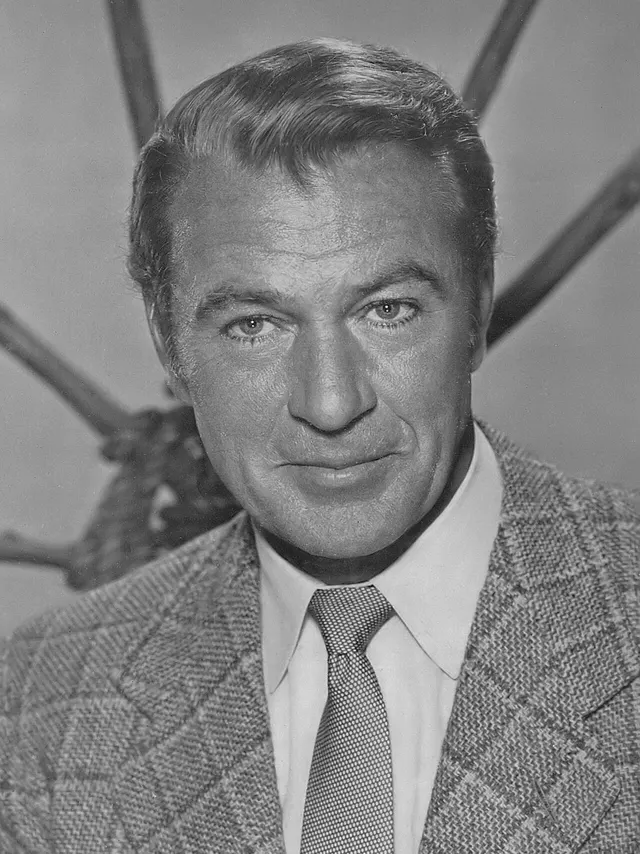
Gary Cooper
Image creditEiga no Tomo · Public domainResized and cropped for display.

Gary Cooper

American film star of High Noon, known for his quiet, understated style.

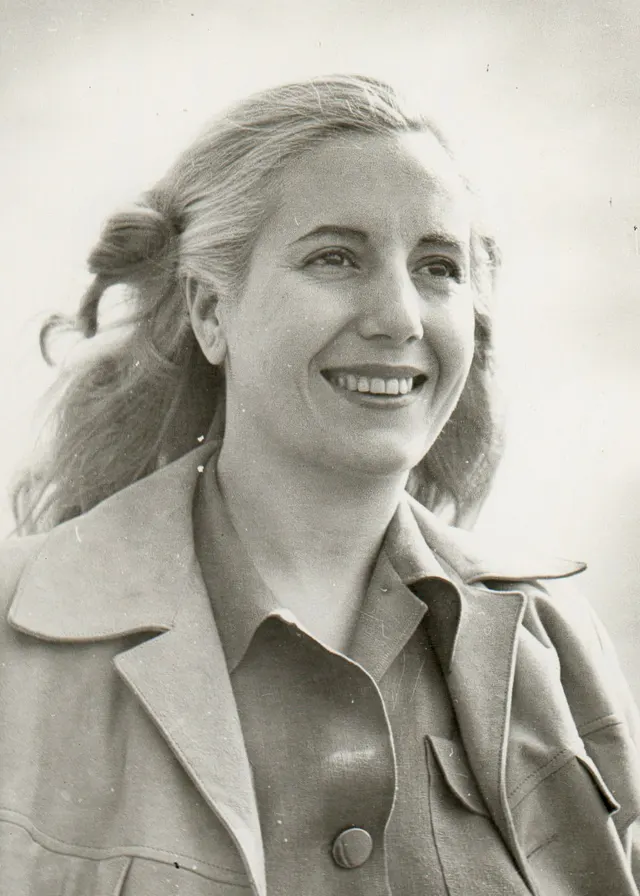
Eva Perón
Image creditPinélides Fusco · Public domainResized and cropped for display.

Eva Perón

Argentine actress and First Lady, adored by the poor as Evita.

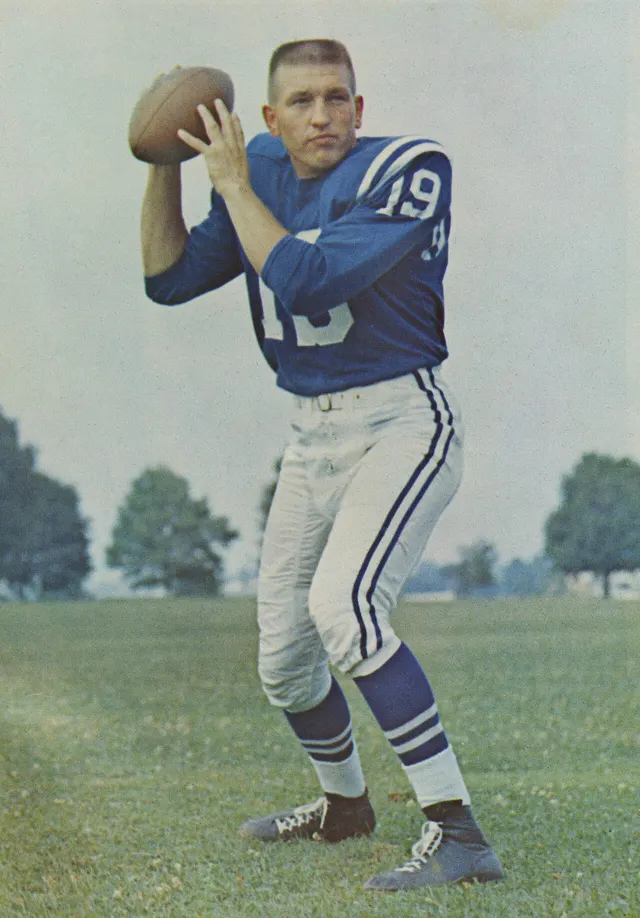
Johnny Unitas
Image creditUnknown · Public domainResized and cropped for display.

Johnny Unitas

American quarterback often called the model for the modern passing game.

◉
IDEAS THAT CHANGED THINGS

Firsts, Science & Discoveries

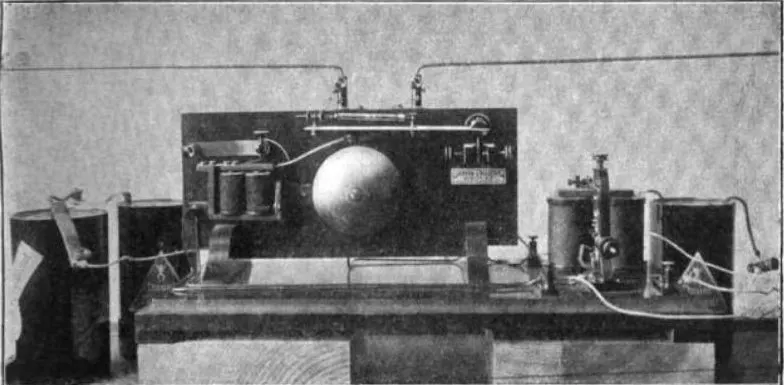
One of Alexander Popov's early coherer receivers, pictured in 1907.
One of Alexander Popov’s early coherer receivers, pictured in 1907.
Image creditGustav Partheil · Public domainResized and cropped for display.

Popov rings a bell with radio waves

On 7 May 1895 the physicist Alexander Popov demonstrated a receiver for electromagnetic waves to the Russian Physical and Chemical Society in St Petersburg. Built around a coherer, a glass tube of metal filings, it rang a bell whenever a spark transmitter elsewhere in the building was set off.

Popov also used the device to record distant thunderstorms and later sent signals over longer distances, but he never patented it. In Russia the date is still marked each year as Radio Day.

Read the full storyHistory & Timeline →Source: Linda Hall Library: Scientist of the Day, Alexander Popov ↗
♫
MUSIC • FILM • BOOKS • CULTURE

Culture Stories

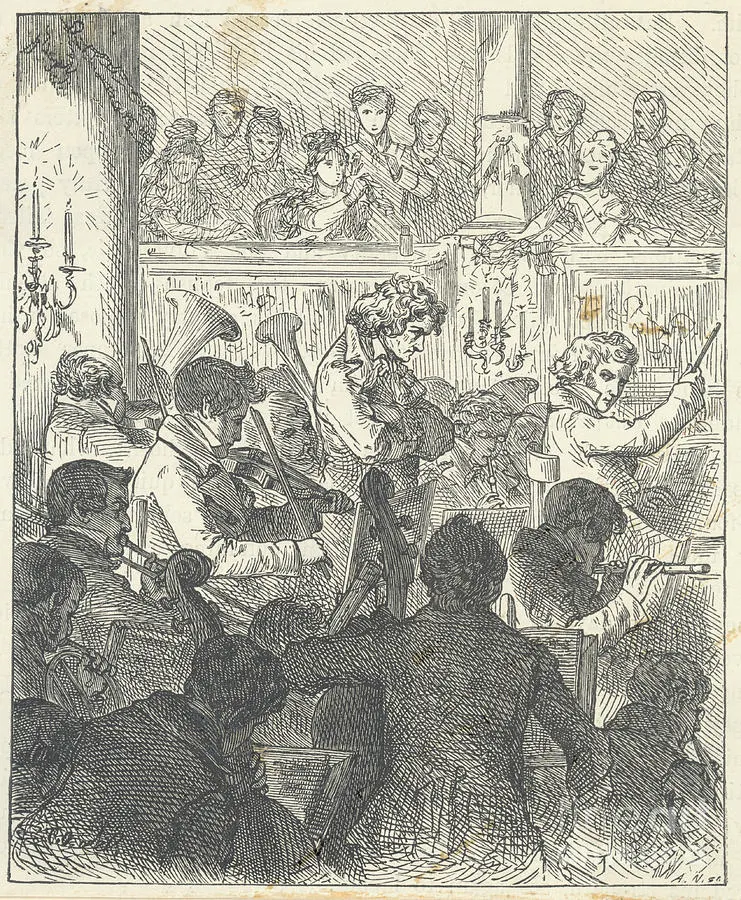
Carl Offterdinger's 1879 illustration of the first performance of the Ninth Symphony.
Carl Offterdinger’s 1879 illustration of the first performance of the Ninth Symphony.
Image creditCarl Offterdinger · Public domainResized and cropped for display.

Vienna hears Beethoven’s Ninth Symphony

On the evening of 7 May 1824 Beethoven’s Ninth Symphony was performed for the first time at the Kärntnertor Theatre in Vienna. It was the first great symphony to bring in singers, closing with a choral setting of Friedrich Schiller’s poem ‘Ode to Joy’.

Beethoven, by then almost completely deaf, stood on stage beating time while the players followed the theatre’s conductor, Michael Umlauf. When the music ended he could not hear the applause, and one of the soloists, by most accounts the contralto Caroline Unger, turned him round to see the audience on its feet.

Read the full storyHistory & Timeline →Source: OUPblog (Oxford University Press): Beethoven’s Ninth Symphony premieres ↗
✦
LIVES REMEMBERED

Remembered Today

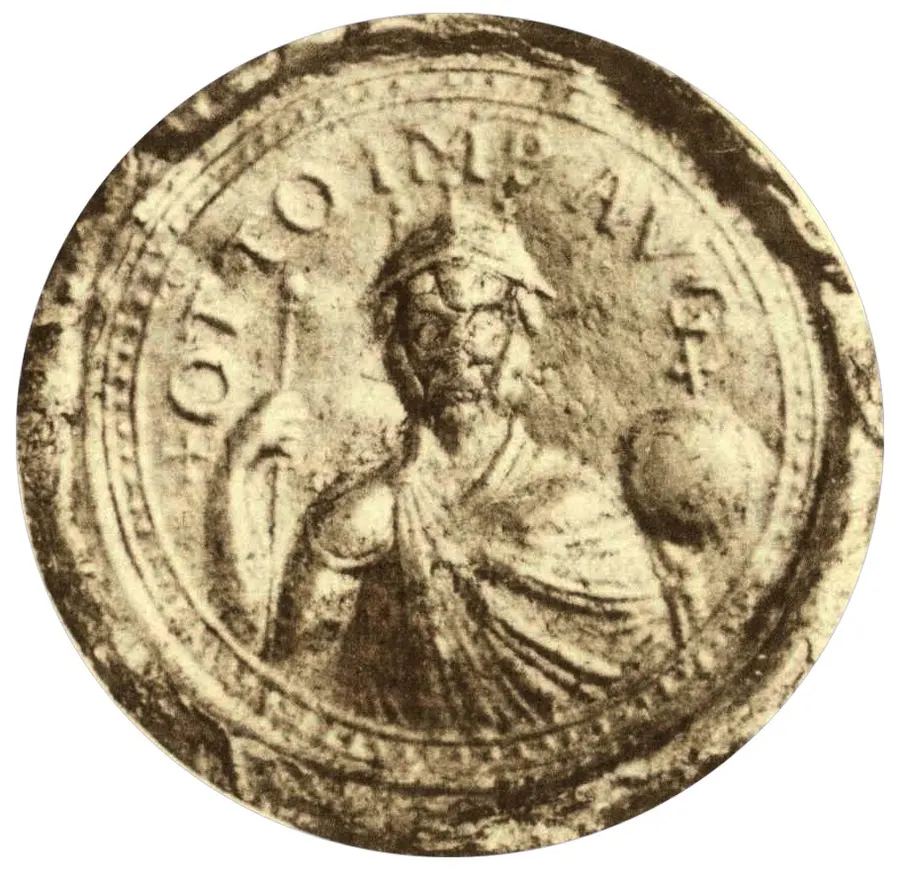
Otto the Great
Image creditOtto Posse · Public domainResized and cropped for display.

Otto the Great

German king crowned emperor in Rome, the first of a long line of Holy Roman Emperors.

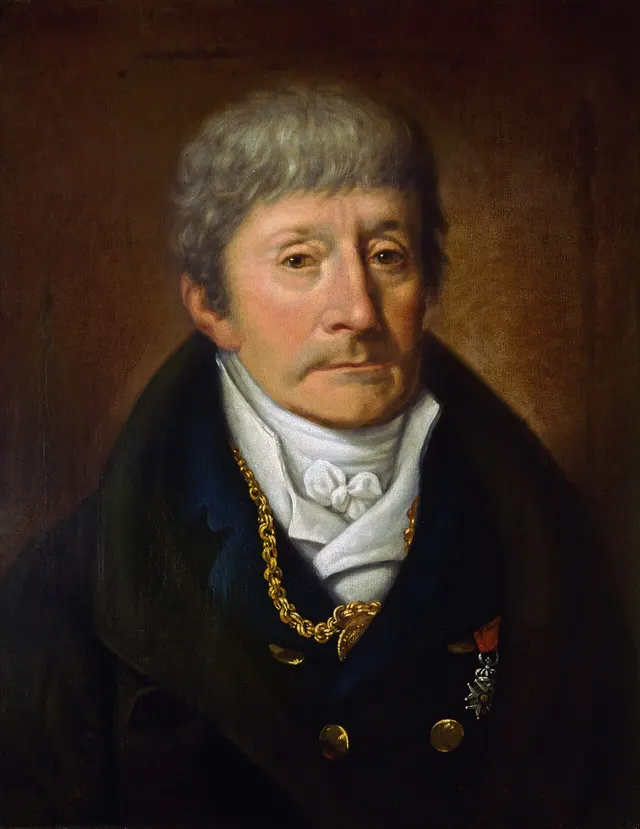
Antonio Salieri
Image creditJoseph Willibrord Mähler · Public domainResized and cropped for display.

Antonio Salieri

Italian composer and Vienna court musician who taught Beethoven, Schubert and Liszt.

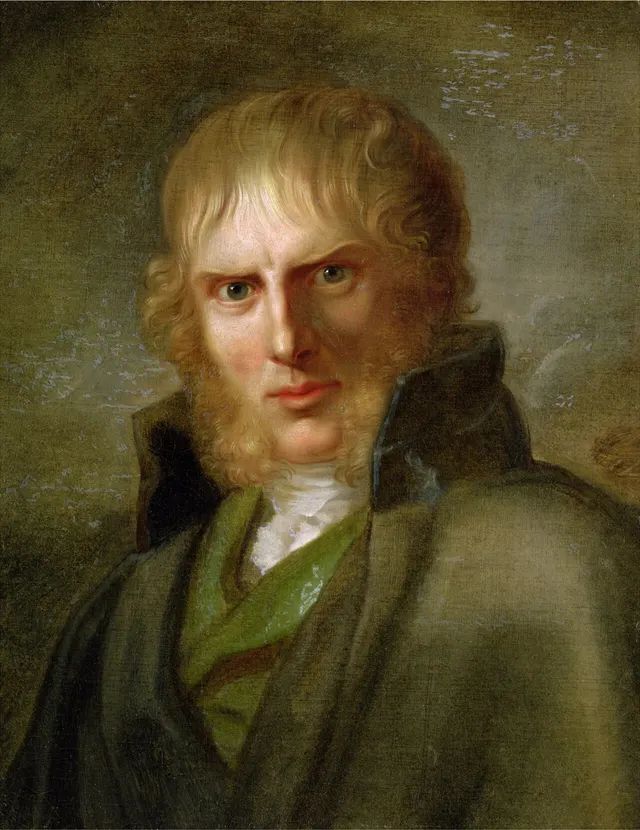
Caspar David Friedrich
Image creditGerhard von Kügelgen · Public domainResized and cropped for display.

Caspar David Friedrich

German Romantic painter of lonely figures before mountains, seas and moonlit ruins.

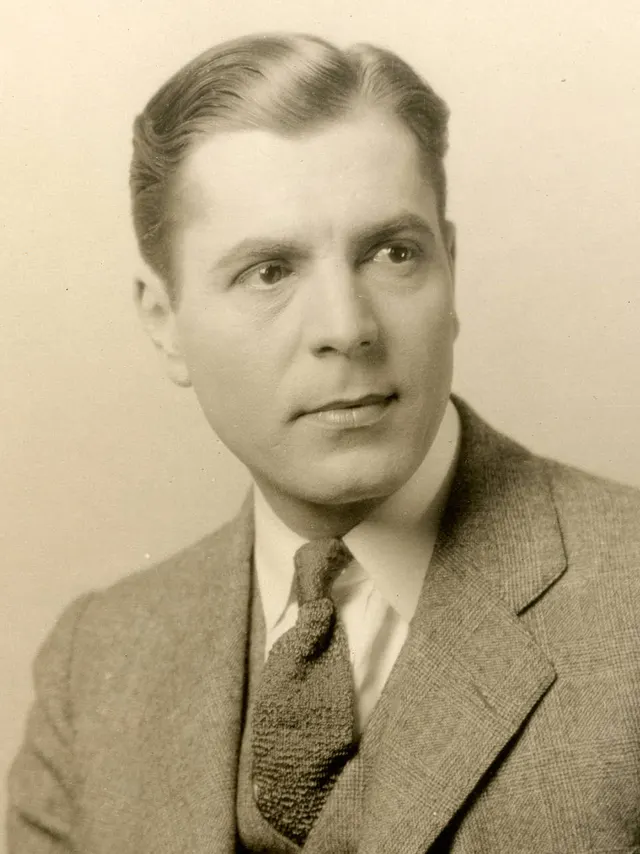
Warner Baxter
Image creditUnknown author · Public domainResized and cropped for display.

Warner Baxter

American actor who won the second Academy Award for Best Actor.

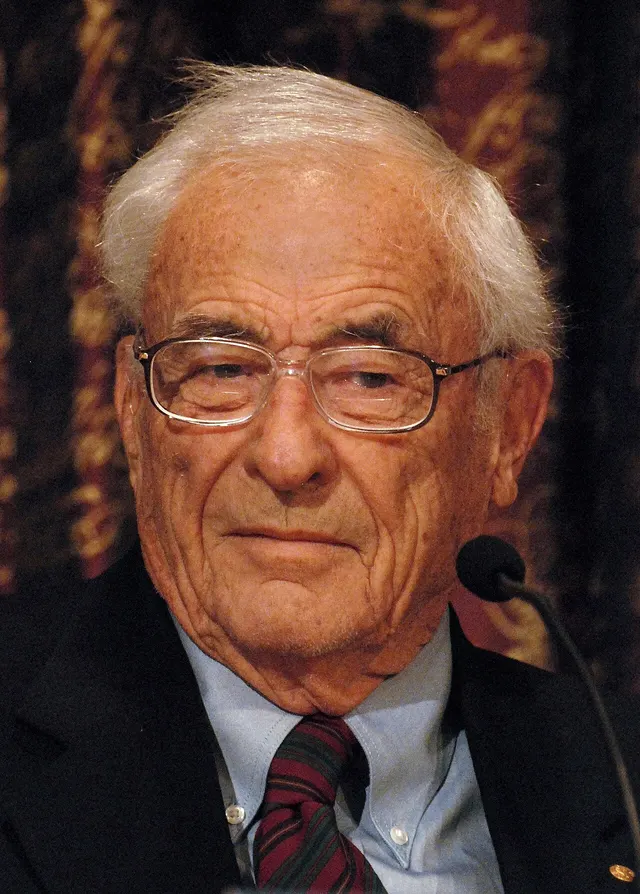
Willard Boyle
Image creditProlineserver · CC BY-SA 3.0Resized and cropped for display.

Willard Boyle

Canadian physicist who co-invented the charge-coupled device used in digital cameras.

HISTORY & TIMELINE

Finished the highlights?

Follow 7 May chronologically, from the Middle Ages to the modern day, with 10 verified events and the sources behind them.

This day through time →