
HISTORY & TIMELINE
7 May

A journey through
7 May in history

From the collapse of Hagia Sophia’s first dome in 558 to the space shuttle Endeavour’s first flight in 1992, 7 May has seen a church council gather at Lyon, Beethoven’s Ninth Symphony first performed, America’s doctors organise, a Russian physicist ring a bell with radio waves, a liner sunk by a submarine, the founding of the company that became Sony and two carmakers agree to merge across the Atlantic. This timeline follows the date across fifteen centuries.

JUMP THROUGH TIME
II
THE MIDDLE AGES

Medieval History

Kingdoms, conflict, faith, power and the changing medieval world.

558
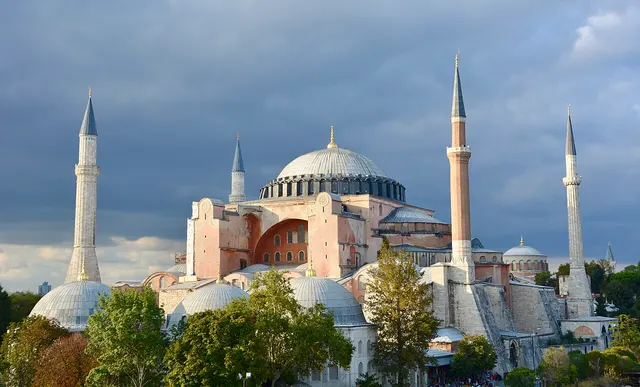
Hagia Sophia in Istanbul today, crowned by the dome rebuilt after the collapse of 558.Hagia Sophia in Istanbul today, crowned by the dome rebuilt after the collapse of 558.Image: Adli Wahid · CC BY-SA 3.0
culture · Europe

The great dome of Hagia Sophia falls

On 7 May 558 the vast central dome of Hagia Sophia in Constantinople came crashing down, barely twenty years after Emperor Justinian had opened the church. Earthquakes in 553 and 557 had already weakened the structure, and the falling masonry wrecked the altar, the canopy over it and the raised pulpit. Justinian ordered the damage repaired at once and gave the work to Isidore the Younger, nephew of one of the church’s original architects. He built a steeper, higher dome that pushed less weight outwards onto the walls, and the restored church reopened in 562.

Source: History Today: Sancta Sophia Collapses ↗
1274
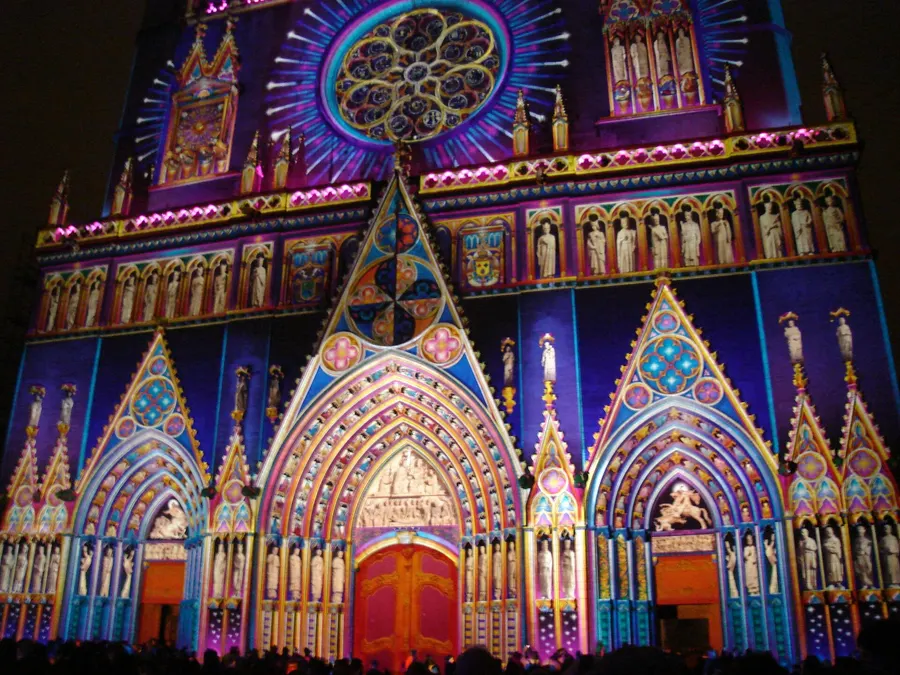
The west front of St John's Cathedral in Lyon, where the council met, lit up for the city's Festival of Lights.The west front of St John’s Cathedral in Lyon, where the council met, lit up for the city’s Festival of Lights.Image: Gonedelyon · CC BY-SA 3.0
culture · Europe

The Second Council of Lyon opens

On 7 May 1274 Pope Gregory X opened a general council of the Church in the cathedral of St John at Lyon. Hundreds of bishops and abbots came to discuss a new crusade, church reform and reunion with the Greek Church of Constantinople. The Byzantine envoys, delayed by shipwreck, arrived in June, and a union was proclaimed that summer. It proved short-lived, rejected by most of the Orthodox clergy and people.

Source: Catholic Encyclopedia: Second Council of Lyons (New Advent) ↗
IV
THE NINETEENTH CENTURY

The 1800s

Industry, empire, invention, reform and a century of enormous transformation.

1824
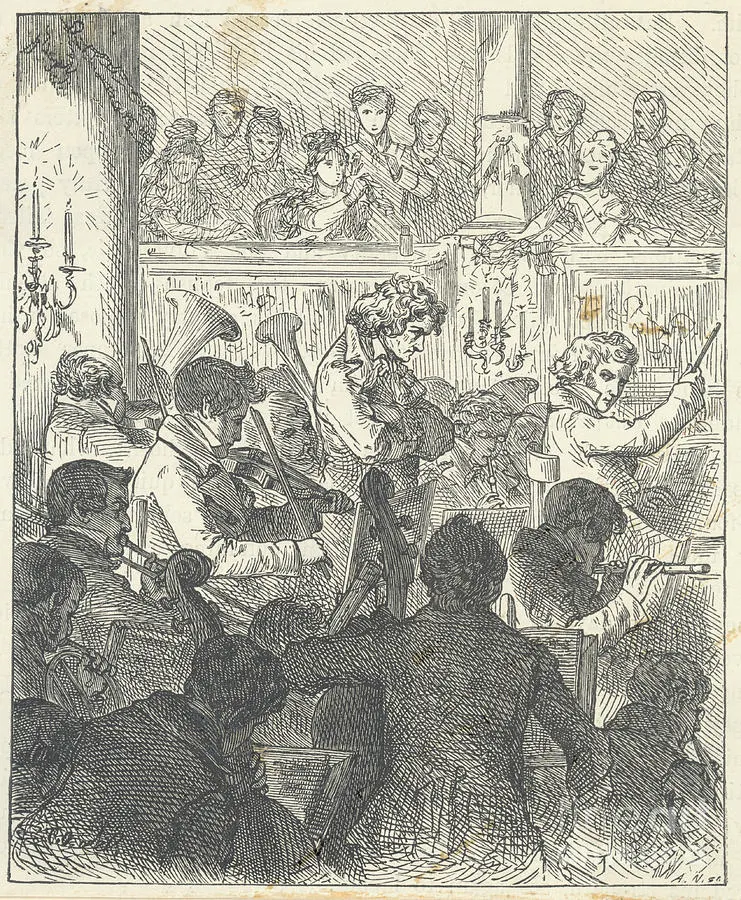
Carl Offterdinger's 1879 illustration of the first performance of the Ninth Symphony.Carl Offterdinger’s 1879 illustration of the first performance of the Ninth Symphony.Image: Carl Offterdinger · Public domain
culture · Europe

Vienna hears Beethoven’s Ninth Symphony

On the evening of 7 May 1824 Beethoven’s Ninth Symphony was performed for the first time at the Kärntnertor Theatre in Vienna. It was the first great symphony to bring in singers, closing with a choral setting of Friedrich Schiller’s poem ‘Ode to Joy’. Beethoven, by then almost completely deaf, stood on stage beating time while the players followed the theatre’s conductor, Michael Umlauf. When the music ended he could not hear the applause, and one of the soloists, by most accounts the contralto Caroline Unger, turned him round to see the audience on its feet.

Source: OUPblog (Oxford University Press): Beethoven’s Ninth Symphony premieres ↗
1847
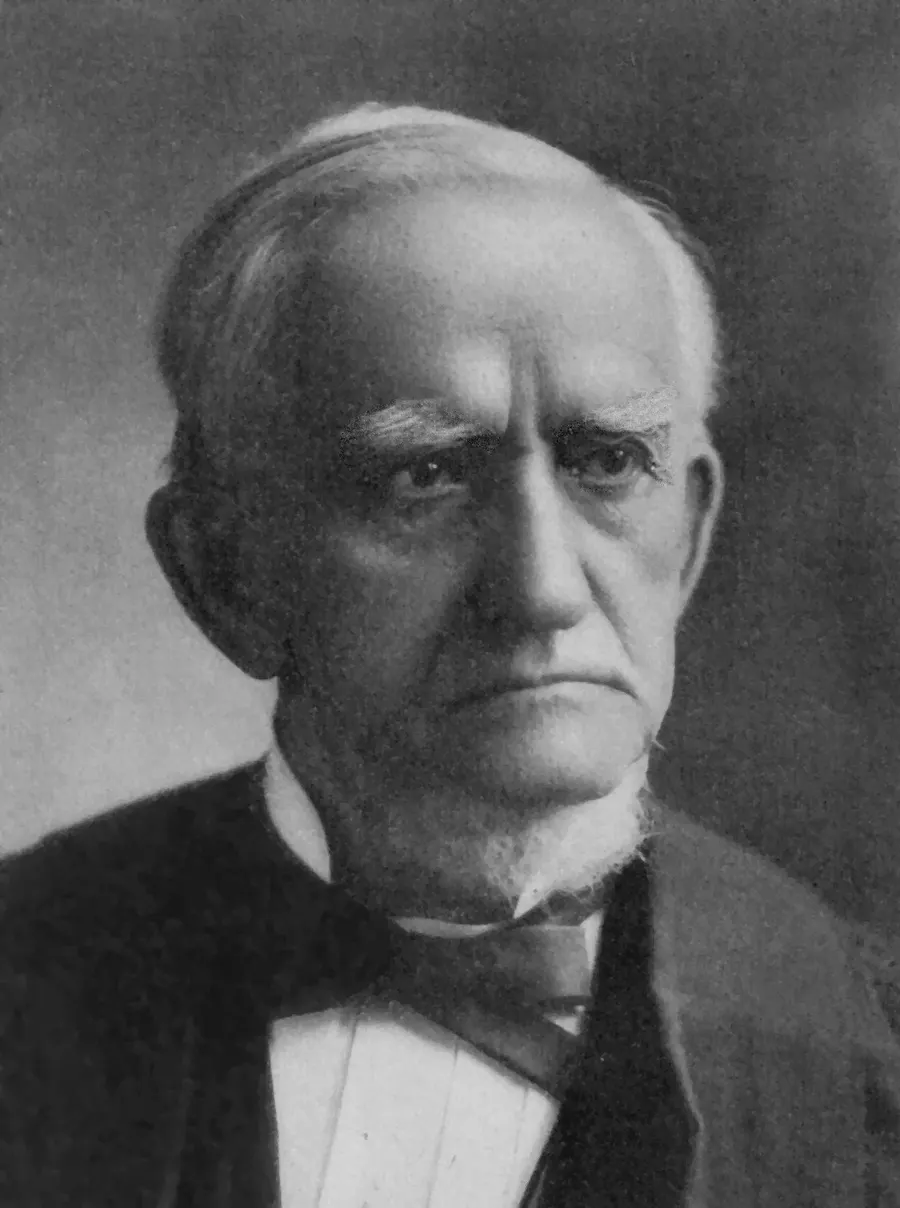
Nathan Smith Davis, whose call for a national convention led to the AMA, photographed in 1904.Nathan Smith Davis, whose call for a national convention led to the AMA, photographed in 1904.Image: Unknown author · Public domain
world · Americas

America’s doctors form a national association

On 7 May 1847 delegates meeting in Philadelphia founded the American Medical Association. The idea came from a young New York doctor, Nathan Smith Davis, who had called for a national medical convention two years before. Its aims were to raise standards of medical training, set a code of ethics and improve public health. It remains the largest organisation of doctors in the United States.

Source: American Medical Association: AMA history ↗
1895
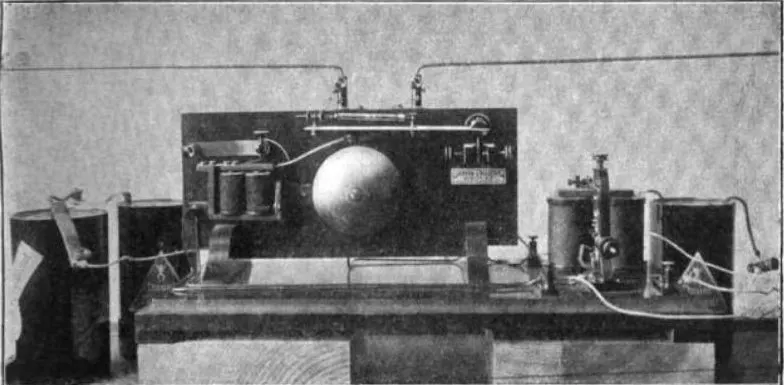
One of Alexander Popov's early coherer receivers, pictured in 1907.One of Alexander Popov’s early coherer receivers, pictured in 1907.Image: Gustav Partheil · Public domain
science · Europe

Popov rings a bell with radio waves

On 7 May 1895 the physicist Alexander Popov demonstrated a receiver for electromagnetic waves to the Russian Physical and Chemical Society in St Petersburg. Built around a coherer, a glass tube of metal filings, it rang a bell whenever a spark transmitter elsewhere in the building was set off. Popov also used the device to record distant thunderstorms and later sent signals over longer distances, but he never patented it. In Russia the date is still marked each year as Radio Day.

Source: Linda Hall Library: Scientist of the Day, Alexander Popov ↗
V
THE TWENTIETH CENTURY

The 1900s

War and peace, technological leaps, social change, politics, sport and popular culture.

1915
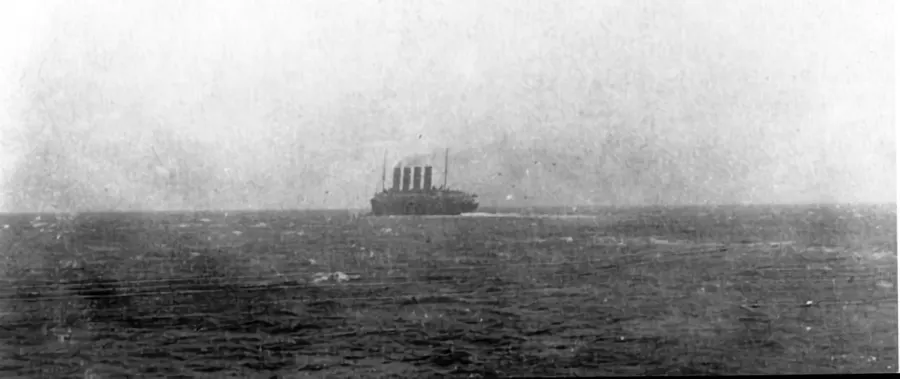
The Lusitania in New York harbour on 1 May 1915, believed to be the last photograph of the ship.The Lusitania in New York harbour on 1 May 1915, believed to be the last photograph of the ship.Image: Rance, G R · Public domain
world · Europe

The Lusitania is torpedoed off Ireland

On the afternoon of 7 May 1915 the German submarine U-20 torpedoed the Cunard liner Lusitania, on her way from New York to Liverpool, about eleven nautical miles off the Old Head of Kinsale in southern Ireland. A second, still unexplained explosion followed, and the great ship sank in under twenty minutes. Of nearly 2,000 people on board, 1,198 were lost, among them 128 Americans. The attack on a passenger ship caused outrage in Britain and the United States and hardened American opinion against Germany, though the United States did not enter the war until 1917.

Source: Royal Museums Greenwich: The sinking of the Lusitania ↗
1946
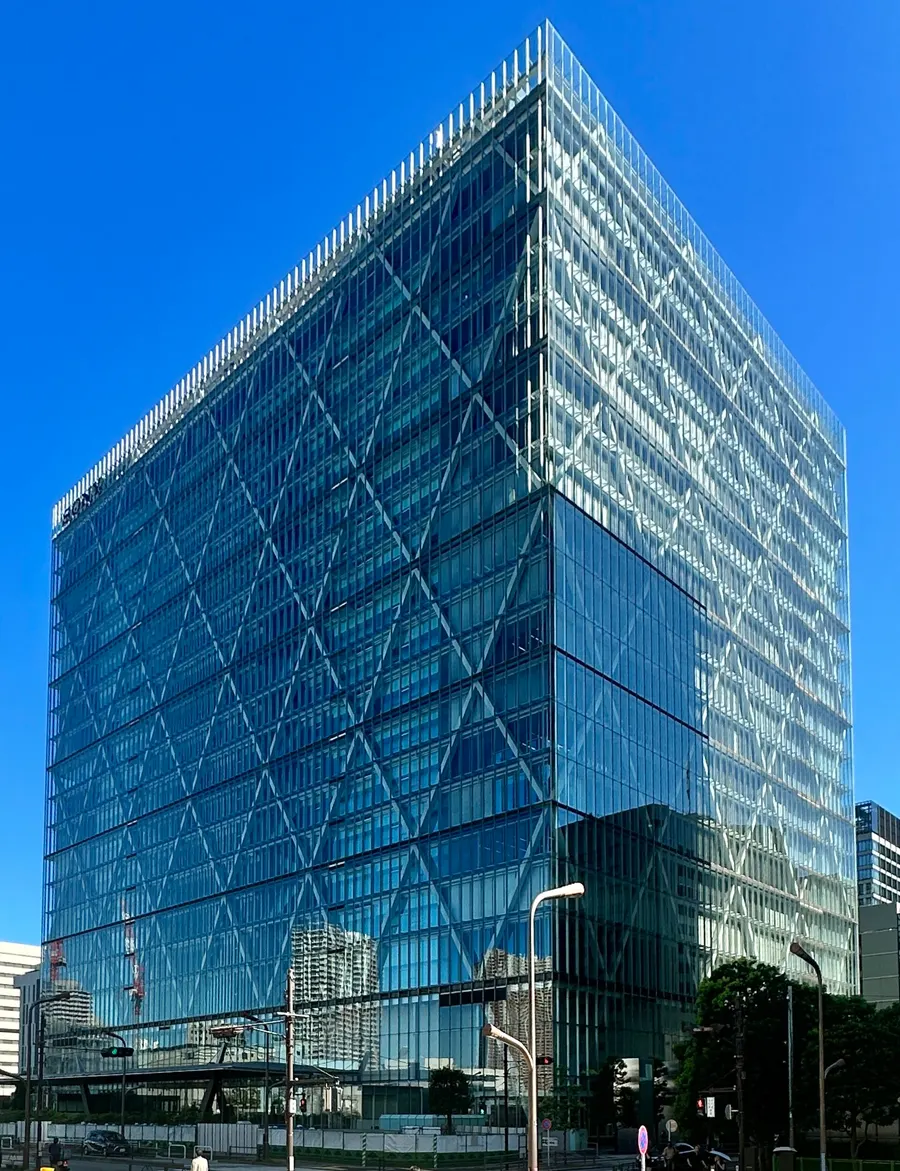
Sony's headquarters building in Tokyo.Sony’s headquarters building in Tokyo.Image: Akonnchiroll · CC BY-SA 4.0
world · Asia

Two engineers found the company that became Sony

On 7 May 1946 Masaru Ibuka and Akio Morita founded Tokyo Tsushin Kogyo, or Tokyo Telecommunications Engineering Corporation, with capital of 190,000 yen. Ibuka had started out the year before repairing radios in the bomb-damaged Shirokiya department store in Tokyo’s Nihonbashi district, and Morita had worked with him on wartime research. The small firm made Japan’s first tape recorder in 1950 and was among the first to use the transistor, licensed from Bell Labs, in everyday goods such as pocket radios. In 1958 it took the name Sony, from the Latin sonus, meaning sound, and grew into one of the world’s best-known electronics companies.

Source: International Directory of Company Histories: Sony Corporation (company-histories.com) ↗
1954
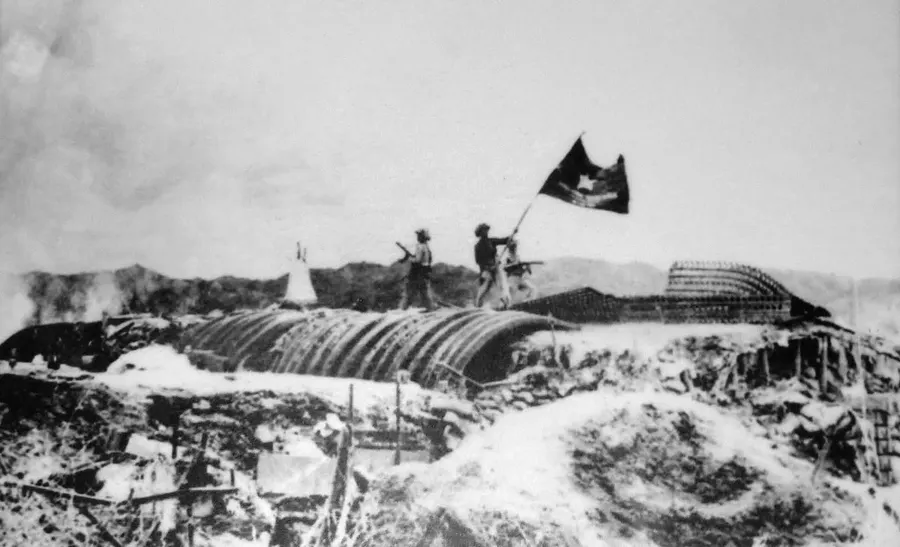
Viet Minh soldiers raise their flag over the captured French command bunker at Dien Bien Phu, 1954.Viet Minh soldiers raise their flag over the captured French command bunker at Dien Bien Phu, 1954.Image: Vietnam People's Army · Public domain
world · Asia

The French garrison at Dien Bien Phu is overrun

On 7 May 1954, after a siege of nearly two months, Viet Minh forces under General Vo Nguyen Giap overran the last positions of the French fortress at Dien Bien Phu in north-west Vietnam. More than 11,000 French Union soldiers, many of them wounded, were taken prisoner. The defeat broke France’s will to go on fighting in Indochina. At the Geneva Conference that summer, Vietnam was divided at the 17th parallel, ending French colonial rule in the region and setting the stage for the long war that followed.

Source: US Department of State, Office of the Historian: Dien Bien Phu and the Fall of French Indochina, 1954 ↗
1992
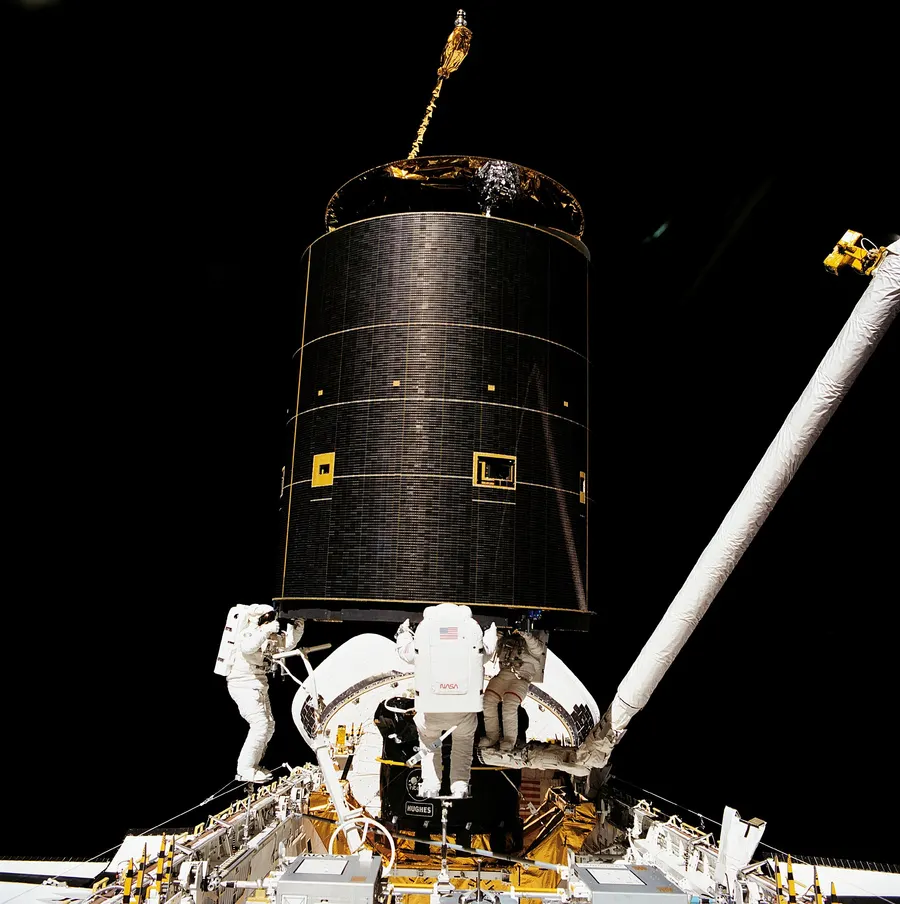
Three Endeavour astronauts hold the Intelsat VI satellite by hand during STS-49, May 1992.Three Endeavour astronauts hold the Intelsat VI satellite by hand during STS-49, May 1992.Image: NASA · Public domain
science · Americas

Endeavour flies for the first time

On 7 May 1992 the space shuttle Endeavour, built to replace the lost Challenger, lifted off from Kennedy Space Center on its first mission. Its seven astronauts were sent to rescue Intelsat VI, a communications satellite stranded in a useless orbit since 1990. After two failed attempts with a special capture bar, three spacewalkers grabbed the satellite by hand, the first spacewalk by three people. A new motor was fitted and the satellite reached its proper orbit.

Source: NASA: STS-49 ↗
1998
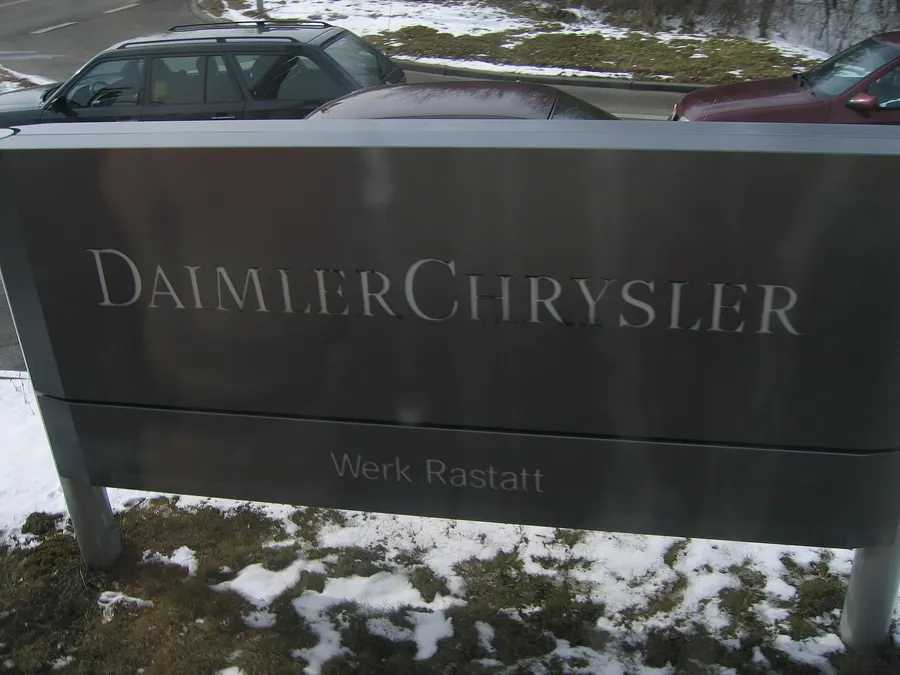
The DaimlerChrysler sign at the Mercedes-Benz car plant in Rastatt, Germany, in 2005.The DaimlerChrysler sign at the Mercedes-Benz car plant in Rastatt, Germany, in 2005.Image: Runner1928 · CC BY-SA 4.0
world · Global

Daimler-Benz and Chrysler agree to merge

On 7 May 1998 the German carmaker Daimler-Benz and the American Chrysler Corporation signed an agreement to combine as DaimlerChrysler, through a share exchange worth more than 35 billion dollars. It was presented as a merger of equals across the Atlantic, although the German side soon dominated. Shareholders approved the deal that September and the new company was formed in November. The partnership never delivered what was promised, and Daimler sold most of Chrysler in 2007.

Source: Mercedes-Benz Group: The merger between Daimler-Benz and Chrysler to DaimlerChrysler AG (1995-2007) ↗
WHY THESE MOMENTS?

Significance before volume

This page is not the longest possible list of events. It is a chronological journey through 7 May, where each entry is chosen for historical significance, human interest and reliability.

Facts are checked against authoritative museums, archives, universities and reference works. Where sources disagree, the page says so.

EXPLORED THE DEEPER STORY?

Return to the highlights of 7 May

Discover the lighter side of the date with famous birthdays, culture, firsts and lives remembered.

Explore This Day →
← PREVIOUS DAY6 May
HISTORY & TIMELINE7 May
NEXT DAY →8 May