
1527
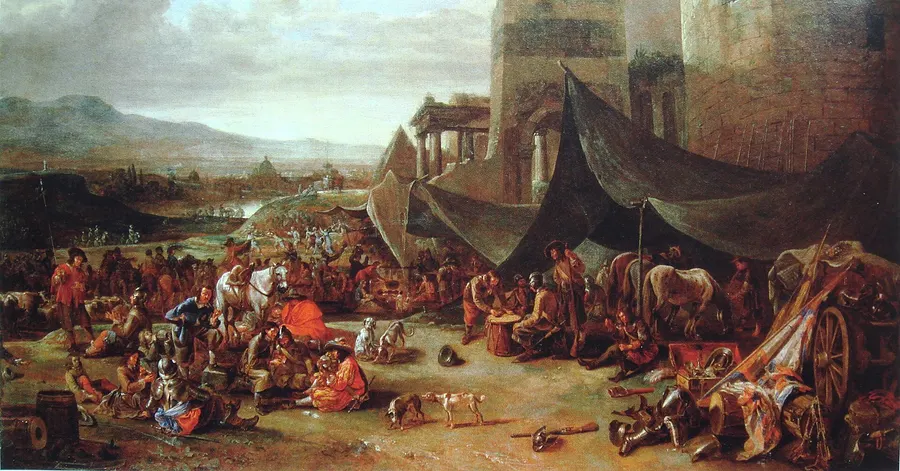 The sack of Rome in 1527, painted by Johannes Lingelbach in the 17th century.Image: Johannes Lingelbach · Public domain
world · Europe
Imperial troops sack Rome
On 6 May 1527 an army serving the Holy Roman Emperor Charles V stormed the walls of Rome. The soldiers, German Landsknechts and Spanish infantry who had gone unpaid for months, had marched on the city on their own account, and their commander, Charles, Duke of Bourbon, was killed in the first assault. Without a leader they could obey, the troops plundered churches, palaces and homes for weeks, while Pope Clement VII took refuge in the Castel Sant’Angelo. Most of the Pope’s Swiss Guard died covering his escape, and new guardsmen are still sworn in on 6 May each year in their memory.
Source: Encyclopaedia Britannica: Sack of Rome (1527) ↗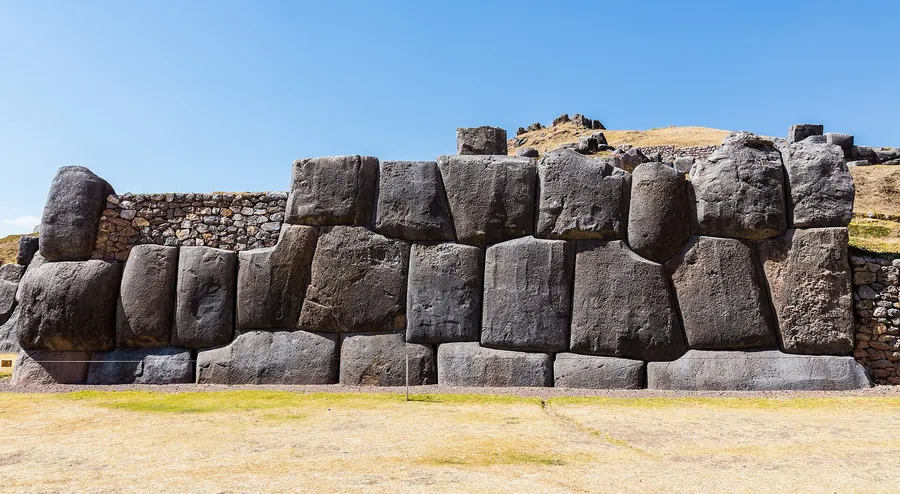 The great stone walls of Sacsayhuamán, the fortress above Cuzco that Manco Inca’s army seized.Image:
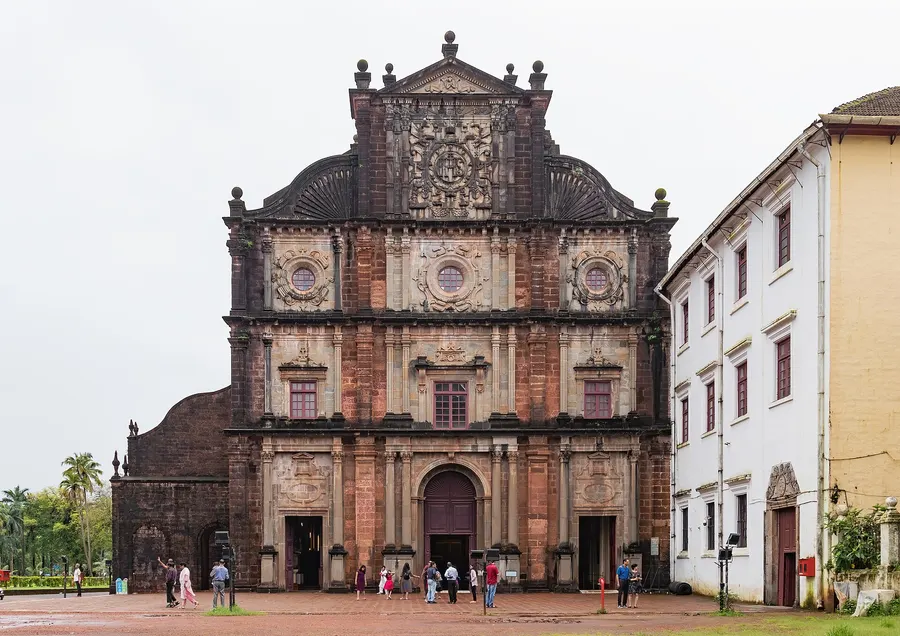 The Basilica of Bom Jesus in Old Goa, which holds Francis Xavier’s tomb.Image:
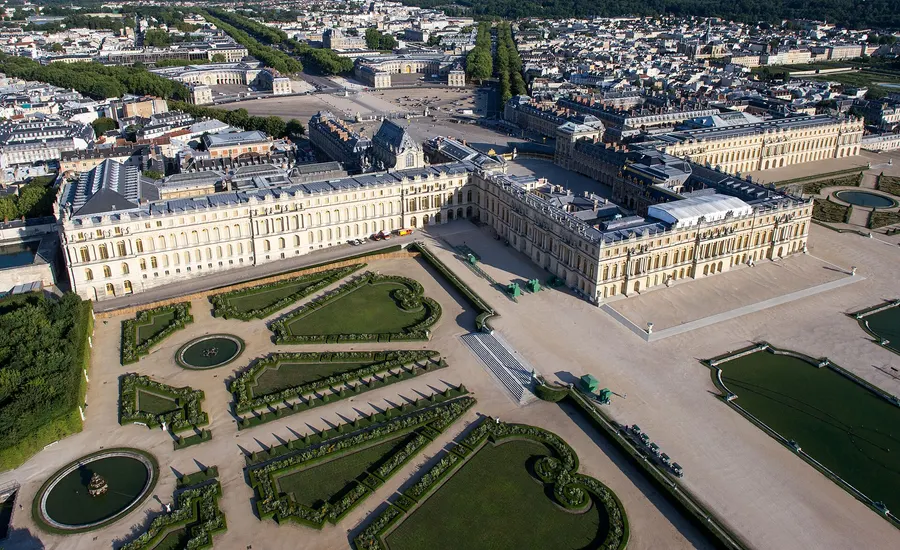 The palace of Versailles and its gardens from the air.Image:
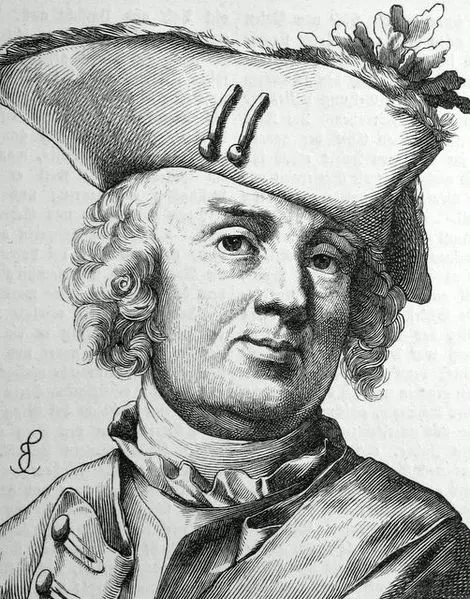 Field Marshal Kurt von Schwerin, killed at Prague, in a 19th-century engraving.Image:
 The Penny Black, with its profile of the young Queen Victoria.Image:
 The monument to John Gorrie in Gorrie Square, Apalachicola, Florida, unveiled in 1900.Image:
 The first page of the Chinese Exclusion Act of 1882.Image:
 A railway poster for the 1889 Exposition Universelle in Paris, with the new Eiffel Tower.Image:
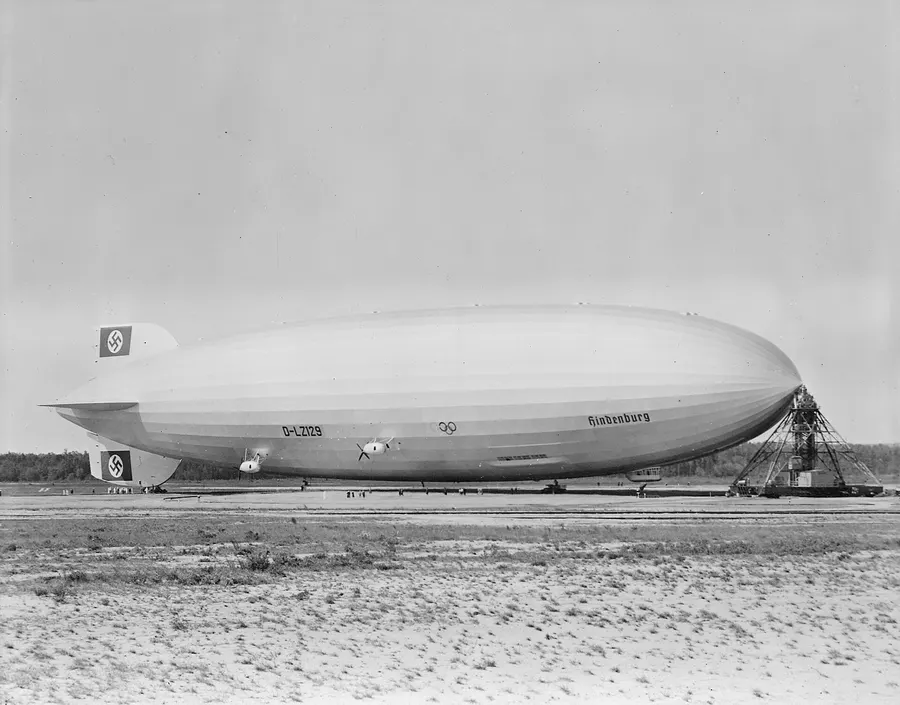 The Hindenburg at Lakehurst Naval Air Station in January 1937, months before its loss.Image:
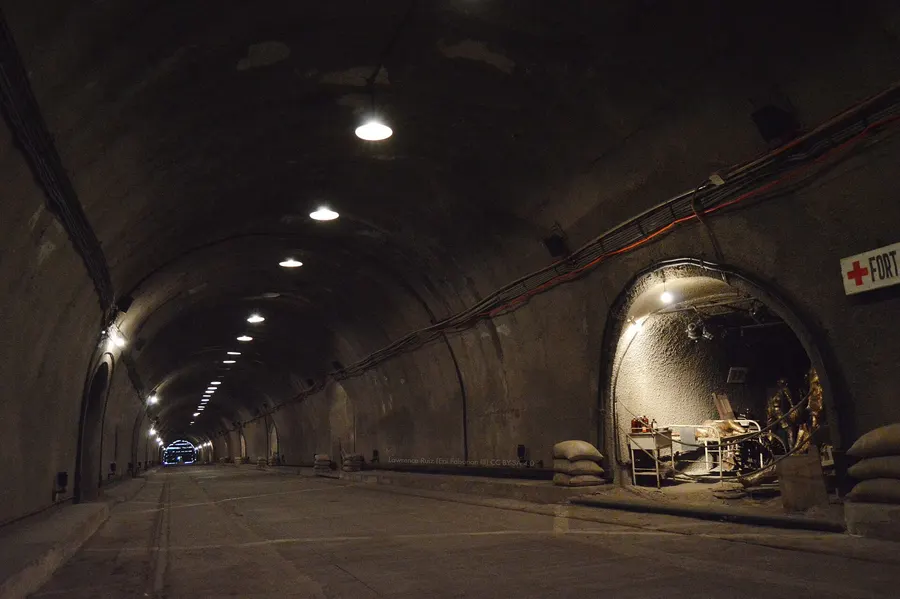 The Malinta Tunnel on Corregidor, the fortress’s wartime headquarters, as it is today.Image:
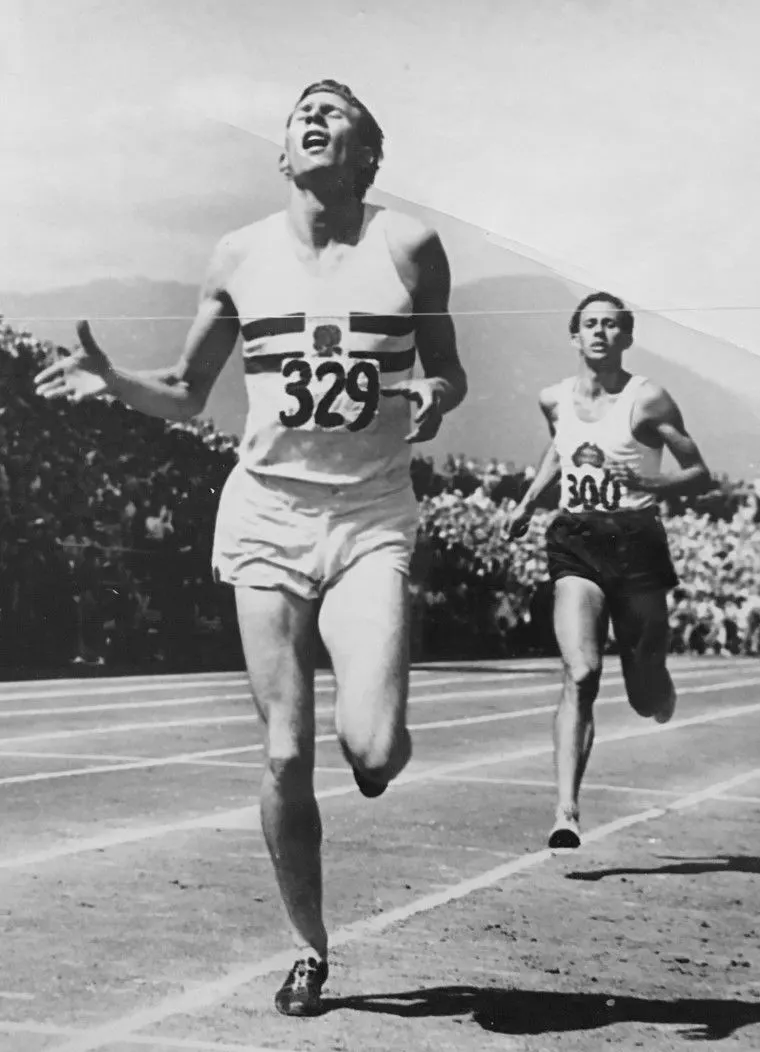 Roger Bannister racing in 1953, the year before his record mile.Image:
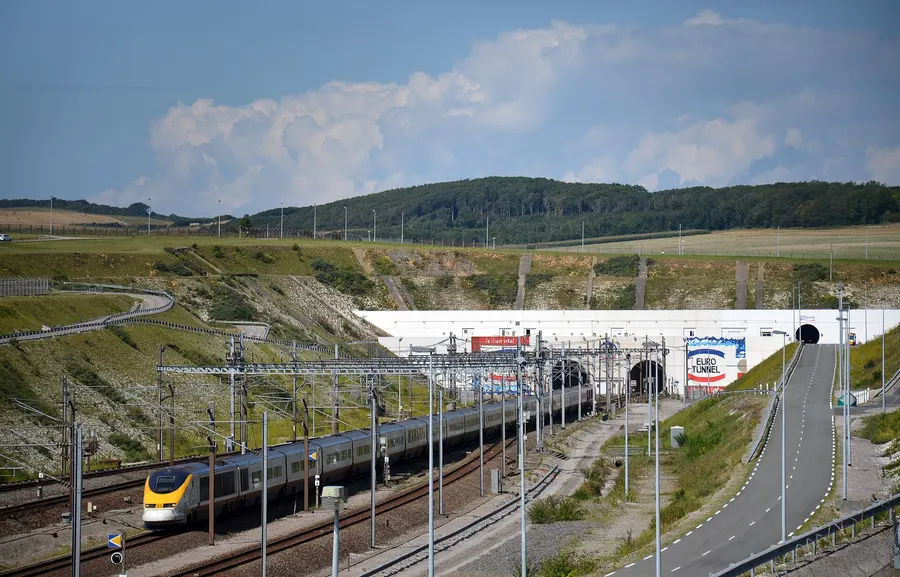 A Eurostar train leaving the Channel Tunnel at Coquelles, near Calais.Image:
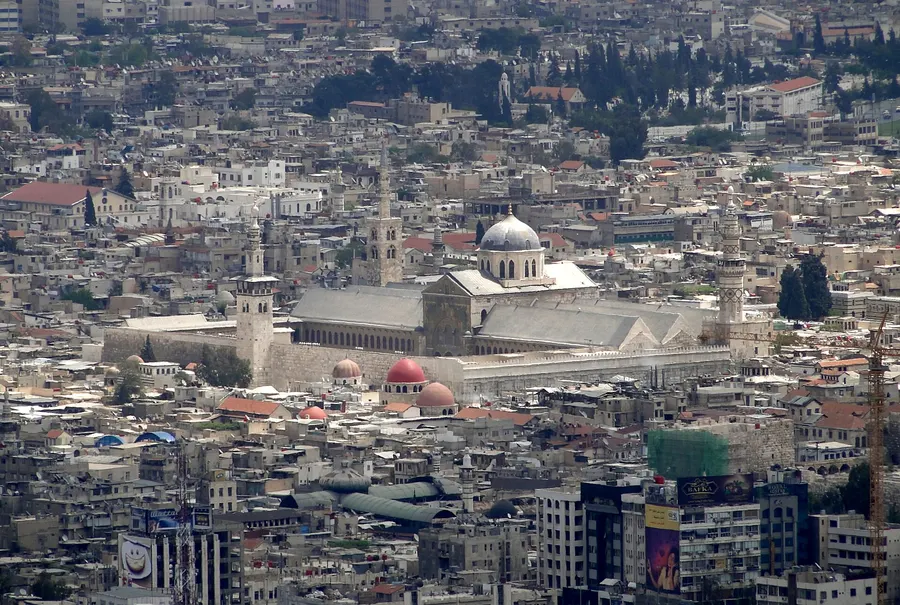 The Umayyad Mosque rising above the old city of Damascus.Image: