
HISTORY & TIMELINE
5 May

A journey through
5 May in history

From a church council in Constantinople in 553 to America’s first astronaut in 1961, 5 May has seen Columbus reach Jamaica, continental Europe’s first steam railway, the opening of Carnegie Hall, the founding of the Council of Europe and the first European trophy won by a German football club. This timeline follows the date across fourteen centuries.

JUMP THROUGH TIME
II
THE MIDDLE AGES

Medieval History

Kingdoms, conflict, faith, power and the changing medieval world.

553
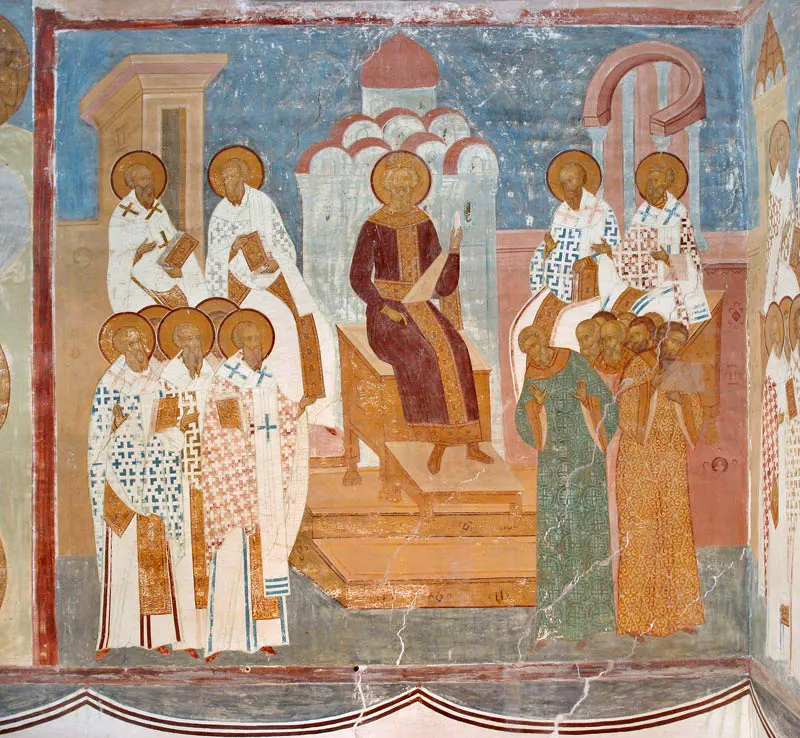
A fresco of the Fifth Ecumenical Council by the Russian painter Dionisius, early 16th century.A fresco of the Fifth Ecumenical Council by the Russian painter Dionisius, early 16th century.Image: Dionisius · Public domain
culture · Middle East

The Second Council of Constantinople opens

On 5 May 553 bishops met in Constantinople for a church council called by the Emperor Justinian I and presided over by the city’s patriarch, Eutychius. Justinian wanted the council to condemn a set of writings known as the Three Chapters, hoping to reconcile Christians who had rejected the earlier Council of Chalcedon. Pope Vigilius, who was in the city, refused to attend. The council, later counted as the fifth ecumenical council, ended on 2 June with a formal condemnation.

Source: Catholic Encyclopedia (New Advent): Second Council of Constantinople ↗
1494
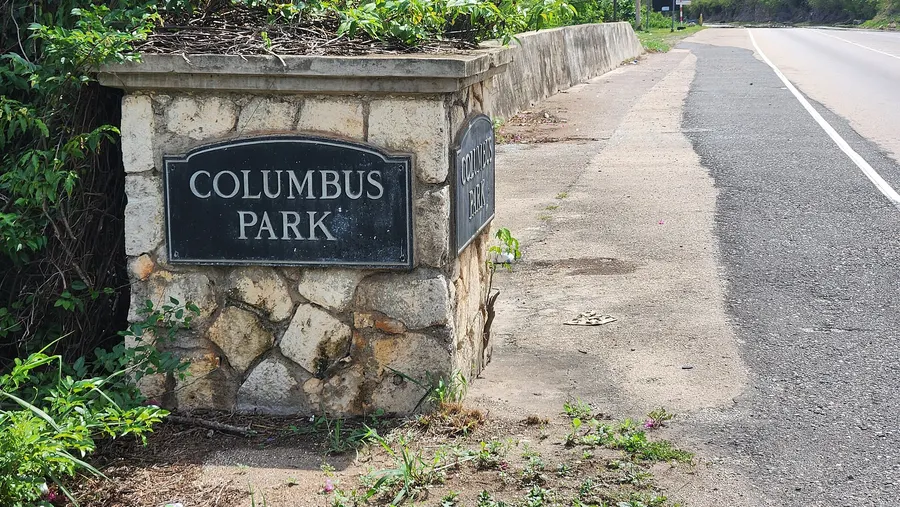
The roadside sign for Columbus Park at Discovery Bay, Jamaica, near where Columbus came ashore.The roadside sign for Columbus Park at Discovery Bay, Jamaica, near where Columbus came ashore.Image: CaptJayRuffins · CC BY-SA 4.0
world · Americas

Columbus reaches Jamaica

On 5 May 1494, during his second voyage across the Atlantic, Christopher Columbus arrived off the north coast of Jamaica near what is now St Ann’s Bay; some accounts put his first sighting of the island on 3 May. The island’s Taino people resisted the landing, and Columbus moved along the coast to a horseshoe-shaped harbour now called Discovery Bay. There he claimed the island for the Crown of Castile. Jamaica remained under Spanish rule until the English took it in 1655.

Source: Jamaica Information Service: The History of Jamaica ↗
III
A CHANGING WORLD

Early Modern Era

Exploration, political change, scientific development and expanding global connections.

1789
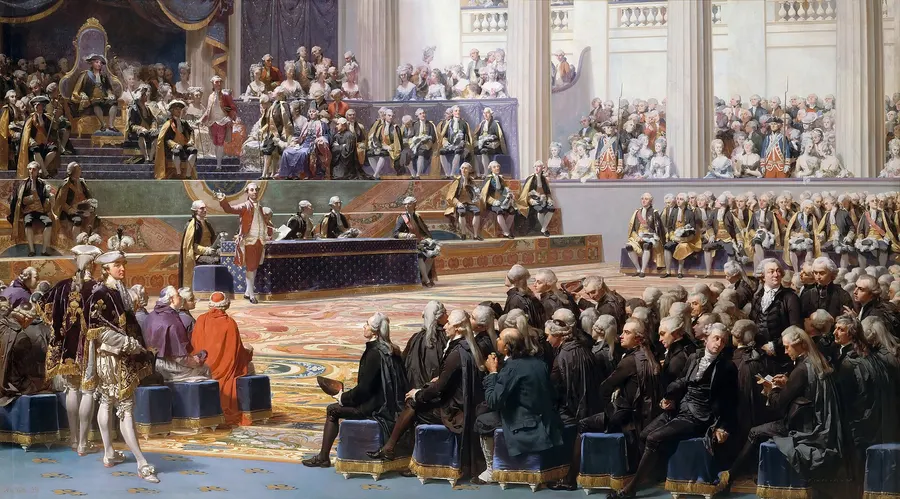
Auguste Couder's painting of the opening of the Estates-General at Versailles on 5 May 1789.Auguste Couder’s painting of the opening of the Estates-General at Versailles on 5 May 1789.Image: Auguste Couder · Public domain
politics · Europe

The Estates-General opens at Versailles

On 5 May 1789 King Louis XVI opened the Estates-General at Versailles, in the great hall of the Menus-Plaisirs. It was the first time France’s old assembly of the three orders - clergy, nobility and commoners - had met since 1614, and it had been called because the crown was close to bankruptcy. The king hoped for new taxes, but the Third Estate, which spoke for the great majority of the French people, wanted the votes counted by head rather than by order. Within weeks its deputies declared themselves a National Assembly, and the meeting that opened on this day became the starting point of the French Revolution.

Source: Chateau de Versailles: Summoning of the Estates General, 1789 ↗
IV
THE NINETEENTH CENTURY

The 1800s

Industry, empire, invention, reform and a century of enormous transformation.

1835
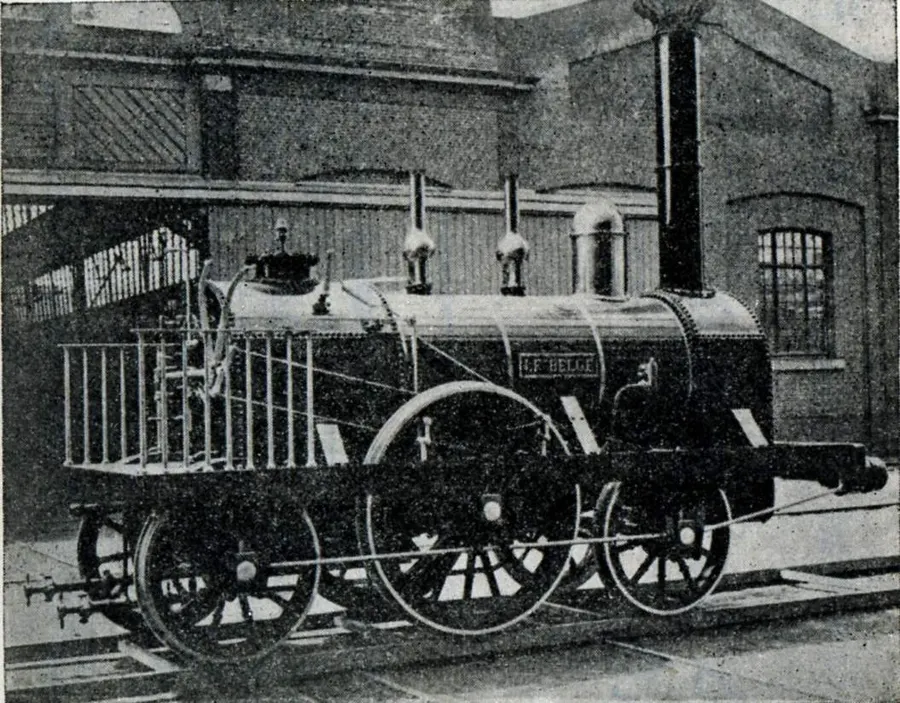
Le Belge, the first steam locomotive built in continental Europe, made by Cockerill in Belgium in 1835.Le Belge, the first steam locomotive built in continental Europe, made by Cockerill in Belgium in 1835.Image: Unknown author · Public domain
world · Europe

Continental Europe’s first steam railway opens

On 5 May 1835 a railway between Brussels and Mechelen opened, the first steam-hauled passenger line on the European mainland. Three trains, named The Arrow, Stephenson and The Elephant, carried hundreds of guests, with the king and the engineer George Stephenson among those present. The young Belgian state built and ran the line itself. Within a few years Belgium had the first national railway network in continental Europe.

Source: VRT NWS: Belgium was the birthplace of the railways in continental Europe ↗
1862
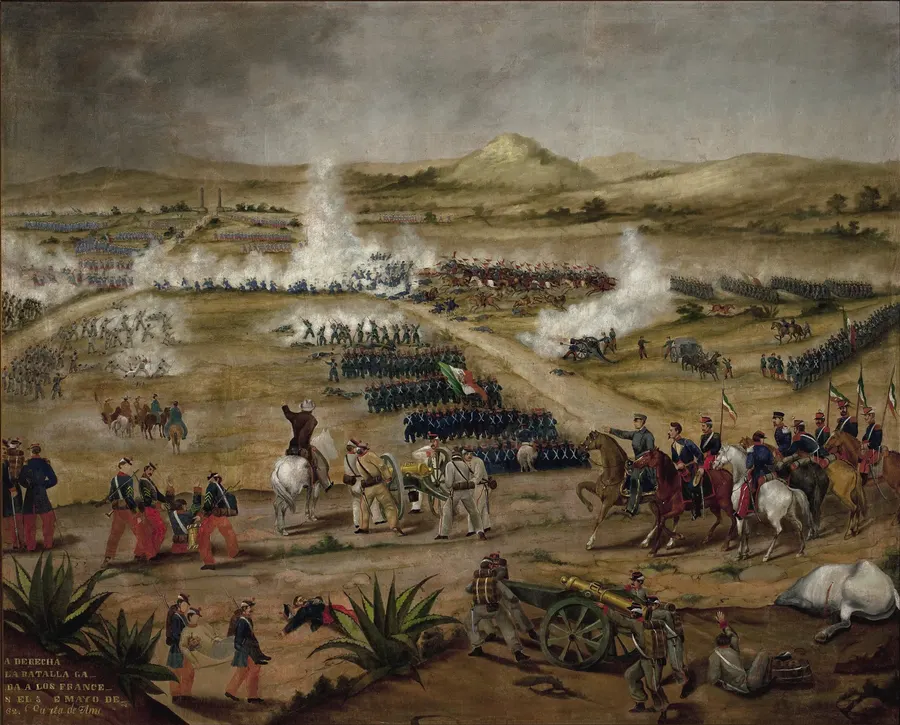
A painting of the Battle of Puebla made in 1870.A painting of the Battle of Puebla made in 1870.Image: anonymous · Public domain
world · Americas

Mexico turns back a French army at Puebla

On 5 May 1862 a Mexican army commanded by General Ignacio Zaragoza held the hill forts of Loreto and Guadalupe above the city of Puebla against a larger French force led by the Count of Lorencez. The French attacks failed one after another, and Lorencez withdrew to Orizaba to wait for reinforcements. France had sent troops to Mexico to collect unpaid debts and, under Napoleon III, to set up a friendly regime there. The victory did not stop the invasion, which later reached Mexico City, and Zaragoza died of typhoid a few months after the battle, but 5 May became a lasting symbol of Mexican resistance, remembered as Cinco de Mayo.

Source: Pritzker Military Museum & Library: The Battle of Puebla, May 5, 1862 and Cinco de Mayo ↗
1891
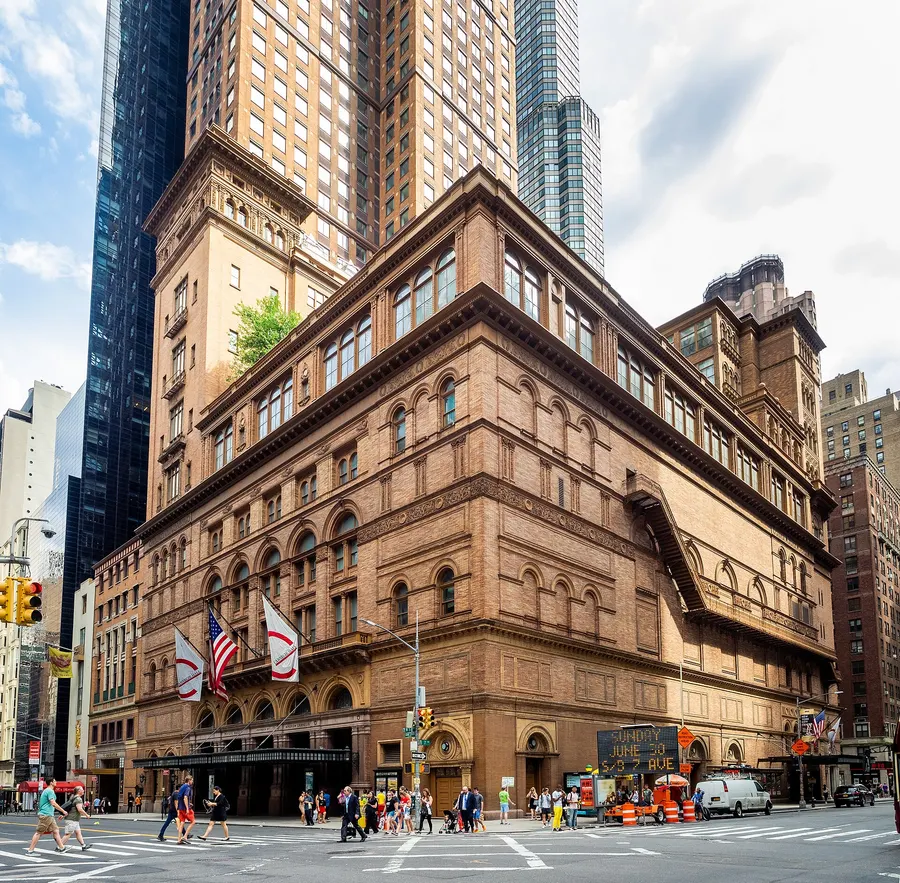
Carnegie Hall on Seventh Avenue, New York.Carnegie Hall on Seventh Avenue, New York.Image: Ajay Suresh from New York, NY, USA · CC BY 2.0
culture · Americas

Carnegie Hall opens in New York

On 5 May 1891 the new Music Hall on New York’s Seventh Avenue, paid for by the industrialist Andrew Carnegie and later renamed Carnegie Hall, held its opening night. Walter Damrosch conducted the New York Symphony and the Oratorio Society in a programme that began with a hymn and a long dedication speech. The star guest was the Russian composer Pyotr Ilyich Tchaikovsky, who conducted his own Marche solennelle during the evening and appeared throughout the five-day opening festival. The hall soon became one of the world’s best-known concert stages.

Source: Carnegie Hall: Five Facts About Carnegie Hall’s Opening Night in 1891 ↗
V
THE TWENTIETH CENTURY

The 1900s

War and peace, technological leaps, social change, politics, sport and popular culture.

1941
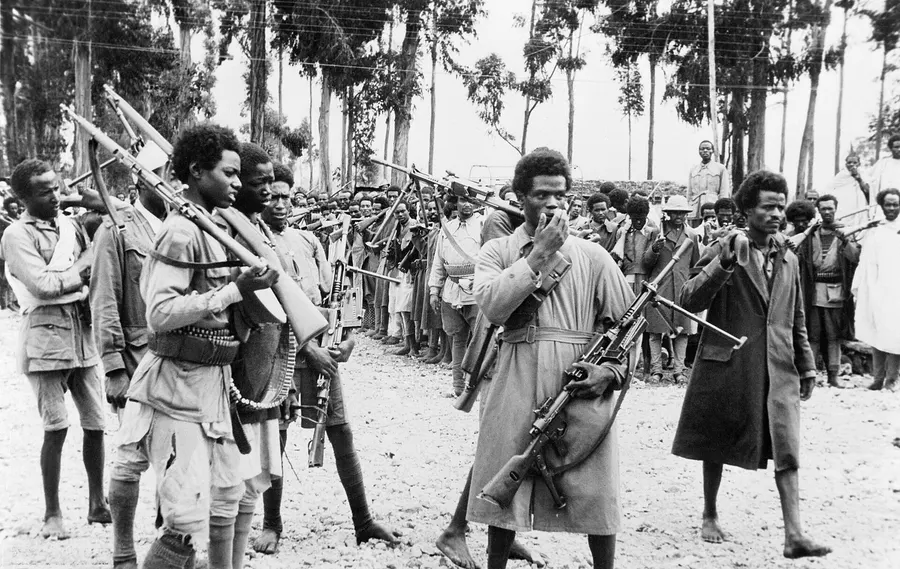
Ethiopian men, armed with captured Italian weapons, gather in Addis Ababa in May 1941 to hear the proclamation of the Emperor's return.Ethiopian men, armed with captured Italian weapons, gather in Addis Ababa in May 1941 to hear the proclamation of the Emperor’s return.Image: Unknown author · Public domain
politics · Africa

Haile Selassie returns to Addis Ababa

On 5 May 1941 Emperor Haile Selassie rode back into Addis Ababa, the Ethiopian capital, after five years in exile, much of it spent in England. He returned exactly five years to the day after Italian troops had entered the city in 1936 and Mussolini’s government had claimed Ethiopia as part of its empire. His return followed a campaign in which British and Commonwealth forces, fighting alongside Ethiopian resistance fighters known as the Patriots, drove the Italians out of much of East Africa. Ethiopia remembers the date as the day its independence was restored.

Source: Origins (Ohio State University): Emperor Haile Selassie I Returns Triumphant to Ethiopia ↗
1949
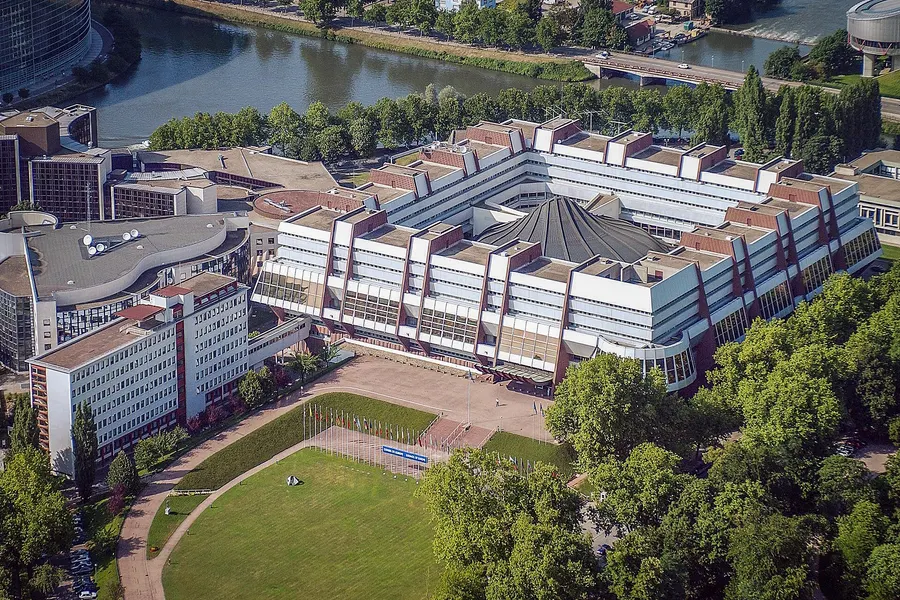
The Palais de l'Europe in Strasbourg, the Council of Europe's headquarters, from the air.The Palais de l’Europe in Strasbourg, the Council of Europe’s headquarters, from the air.Image: Architect: Henry Bernard Photo: Council of Europe · CC BY 3.0
politics · Europe

Ten nations found the Council of Europe

On 5 May 1949 ten countries signed the Statute of the Council of Europe in London: Belgium, Denmark, France, Ireland, Italy, Luxembourg, the Netherlands, Norway, Sweden and the United Kingdom. The new body was set up to uphold human rights, democracy and the rule of law. Its Parliamentary Assembly was the first international parliamentary assembly. The Council, based in Strasbourg, later grew to include 46 member states.

Source: Council of Europe: Statute of the Council of Europe is signed in London (timeline) ↗
1950
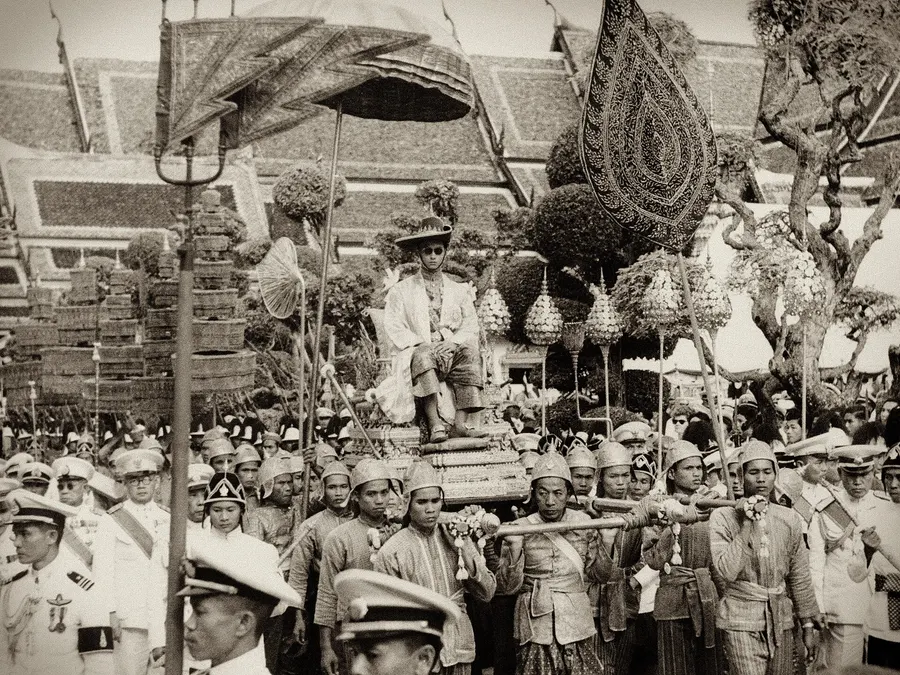
King Bhumibol carried in the royal procession at his coronation, 1950.King Bhumibol carried in the royal procession at his coronation, 1950.Image: Unknown author · Public domain
politics · Asia

Thailand crowns King Bhumibol

On 5 May 1950 Bhumibol Adulyadej was crowned King of Thailand in the Grand Palace in Bangkok, on a date picked in advance by the royal astrologers. He had been king since 1946 but, at 22, was only now formally crowned, and he pledged to reign with righteousness for the benefit and happiness of the Siamese people. The ceremonies included ritual bathing in water brought from across the kingdom and a 101-gun salute. During them the king also raised his bride of one week, the 17-year-old Sirikit, to the rank of queen. His reign went on to last seventy years, the longest in Thai history.

Source: AP Was There: 1950 coronation of Thailand’s King Bhumibol (Associated Press, via Spectrum News) ↗
1961
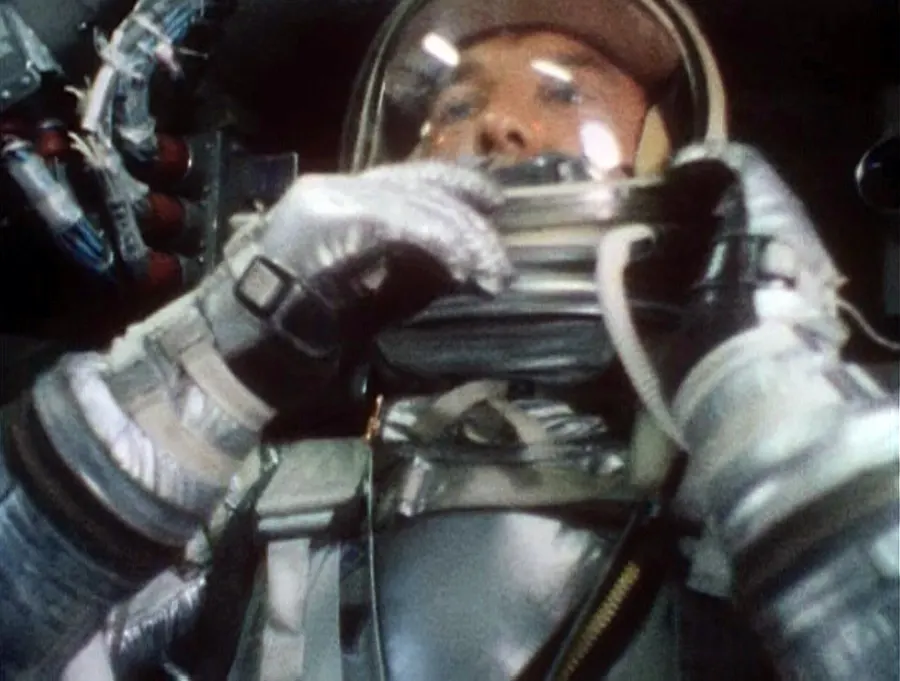
Alan Shepard inside Freedom 7 during the flight, filmed by an onboard camera.Alan Shepard inside Freedom 7 during the flight, filmed by an onboard camera.Image: NASA · Public domain
science · Americas

Freedom 7 carries the first American into space

On 5 May 1961 the astronaut Alan Shepard was launched from Cape Canaveral, Florida, aboard the Mercury capsule Freedom 7, on top of a Redstone rocket. The flight lasted 15 minutes and 22 seconds, rose to about 187 kilometres and came down in the Atlantic some 486 kilometres from the launch pad. The flight was suborbital, a single up-and-down arc rather than a trip around the Earth, and came just over three weeks after the Soviet cosmonaut Yuri Gagarin had orbited the planet. Even so, it showed that NASA could send a person into space and bring them back safely, and it gave the American space programme a decisive boost.

Source: NASA: Mercury-Redstone 3: Freedom 7 ↗
1966
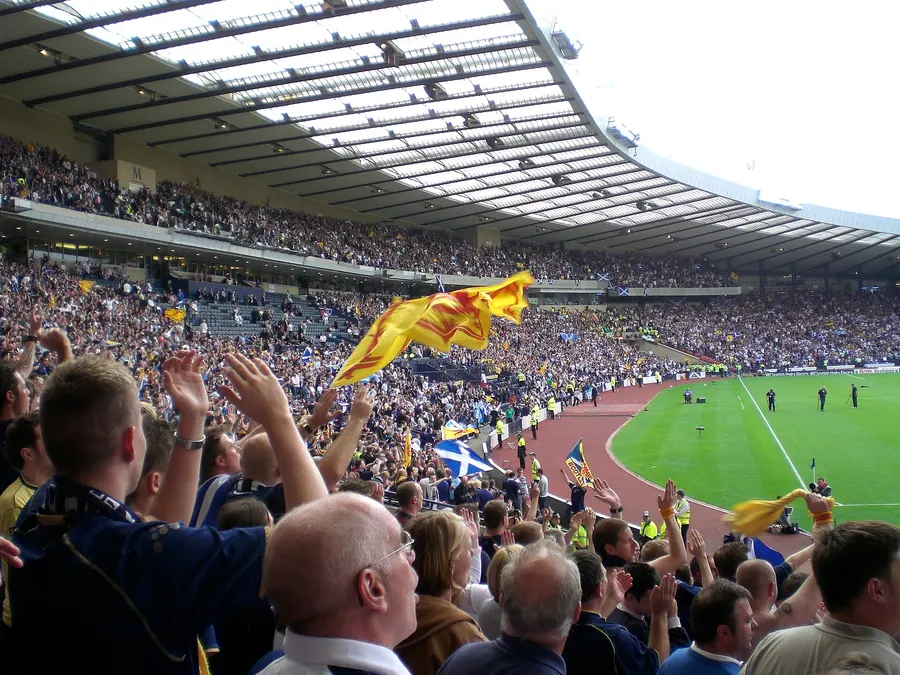
Hampden Park in Glasgow, where the 1966 final was played, during a match in 2007.Hampden Park in Glasgow, where the 1966 final was played, during a match in 2007.Image: Xabier Cid (gl:User:Xabier Cid) · Public domain
sport · Europe

Dortmund win Germany’s first European trophy

On 5 May 1966 Borussia Dortmund beat Liverpool 2-1 after extra time in the final of the European Cup Winners’ Cup at Hampden Park, Glasgow. Bad weather kept the crowd to about 41,000; Siegfried Held put Dortmund ahead and Roger Hunt equalised for Liverpool. In extra time Reinhard Libuda lobbed a shot that struck the crossbar and went in off a Liverpool defender, winning the match. It was the first time a German club had won a European competition, and in Dortmund the night is still remembered as the Miracle of Glasgow.

Source: Borussia Dortmund: Europapokal der Pokalsieger 1966 (club history) ↗
RESEARCH

Sources & Further Reading

Selected authoritative references supporting the events on this page.

Catholic Encyclopedia (New Advent): Second Council of Constantinople↗Wikipedia: Second Council of Constantinople↗Jamaica Information Service: The History of Jamaica↗Wikipedia: Voyages of Christopher Columbus↗Chateau de Versailles: Summoning of the Estates General, 1789↗Britannica: Estates-General↗Wikipedia: Estates General of 1789↗VRT NWS: Belgium was the birthplace of the railways in continental Europe↗Wikipedia: History of rail transport in Belgium↗Pritzker Military Museum & Library: The Battle of Puebla, May 5, 1862 and Cinco de Mayo↗Britannica: Battle of Puebla↗Wikipedia: Battle of Puebla↗Carnegie Hall: Five Facts About Carnegie Hall’s Opening Night in 1891↗Carnegie Hall: Pyotr Ilyich Tchaikovsky↗Wikipedia: Carnegie Hall↗Origins (Ohio State University): Emperor Haile Selassie I Returns Triumphant to Ethiopia↗Imperial War Museums: How Italy was defeated in East Africa in 1941↗Wikipedia: March of the Iron Will↗Council of Europe: Statute of the Council of Europe is signed in London (timeline)↗CVCE (University of Luxembourg): Statute of the Council of Europe (London, 5 May 1949)↗AP Was There: 1950 coronation of Thailand’s King Bhumibol (Associated Press, via Spectrum News)↗Wikipedia: Coronation of Bhumibol Adulyadej↗NASA: Mercury-Redstone 3: Freedom 7↗NASA History: May 5, 1961: Alan Shepard Becomes the First American in Space↗Smithsonian National Air and Space Museum: Alan Shepard and Freedom 7↗Borussia Dortmund: Europapokal der Pokalsieger 1966 (club history)↗Wikipedia: 1966 European Cup Winners’ Cup final↗
WHY THESE MOMENTS?

Significance before volume

This page is not the longest possible list of events. It is a chronological journey through 5 May, where each entry is chosen for historical significance, human interest and reliability.

Facts are checked against authoritative museums, archives, universities and reference works. Where sources disagree, the page says so.

EXPLORED THE DEEPER STORY?

Return to the highlights of 5 May

Discover the lighter side of the date with famous birthdays, culture, firsts and lives remembered.

Explore This Day →
← PREVIOUS DAY4 May
HISTORY & TIMELINE5 May
NEXT DAY →6 May