
1471
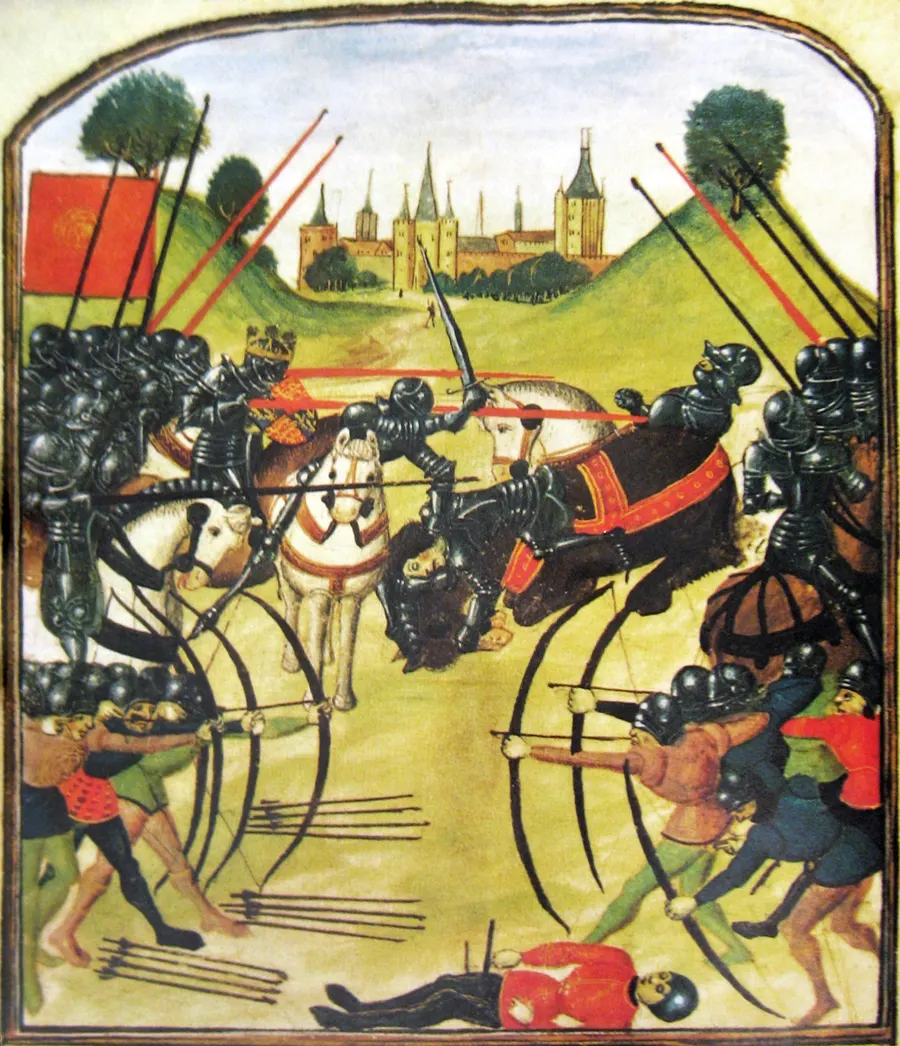 The Battle of Tewkesbury as illustrated in a 15th-century manuscript now in Ghent.Image: Unknown 15th-century illuminator (Ghent University Library) · Public domain
world · Europe
Edward IV wins at Tewkesbury
On 4 May 1471 the Yorkist king Edward IV caught the Lancastrian army just south of Tewkesbury in Gloucestershire and destroyed it. Edward of Westminster, the 17-year-old Lancastrian Prince of Wales and only son of Henry VI, died in or just after the battle, and several Lancastrian leaders were executed two days later. The victory secured the Yorkist crown until 1485.
Source: Britannica: Battle of Tewkesbury ↗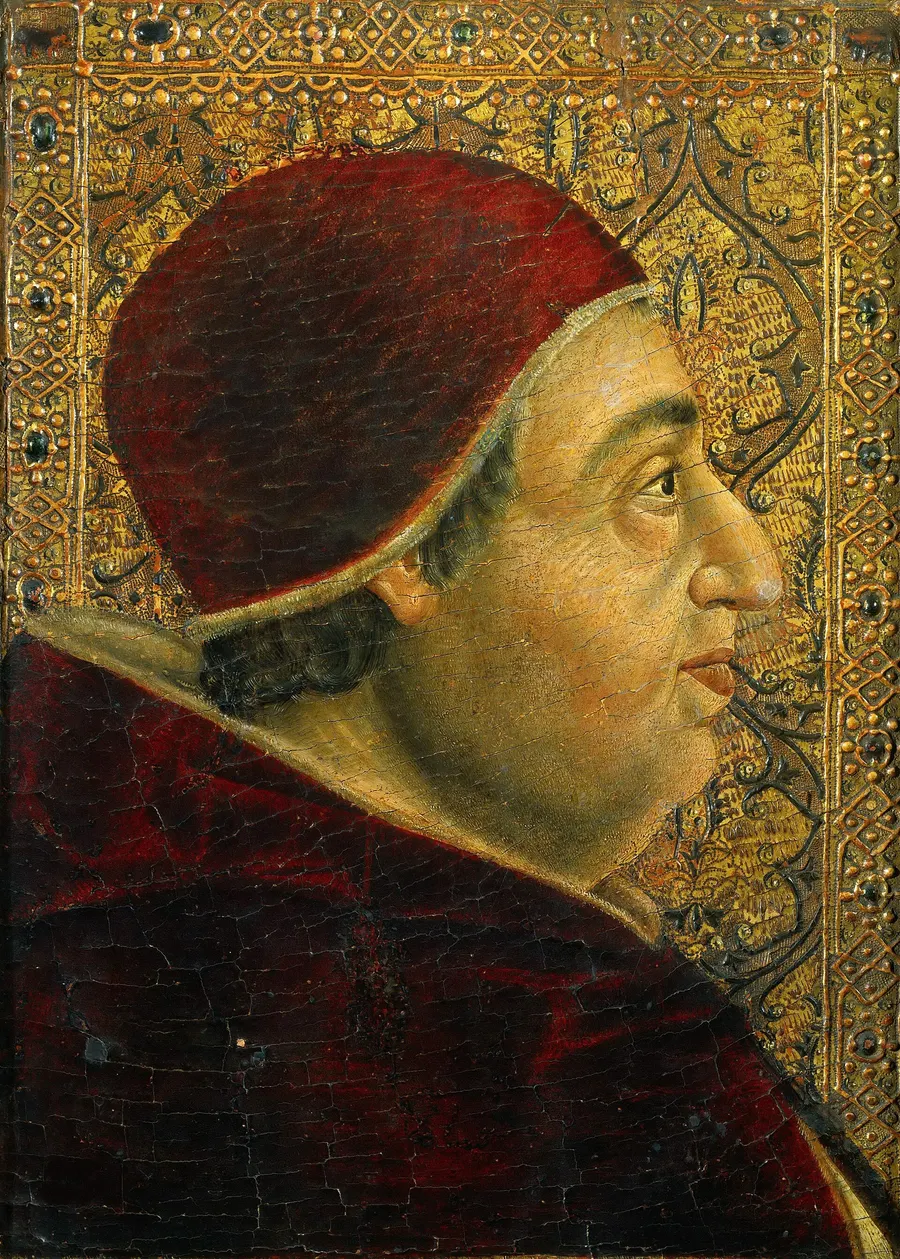 Pope Alexander VI, in a portrait attributed to Pedro Berruguete in the Vatican Museums.Image:
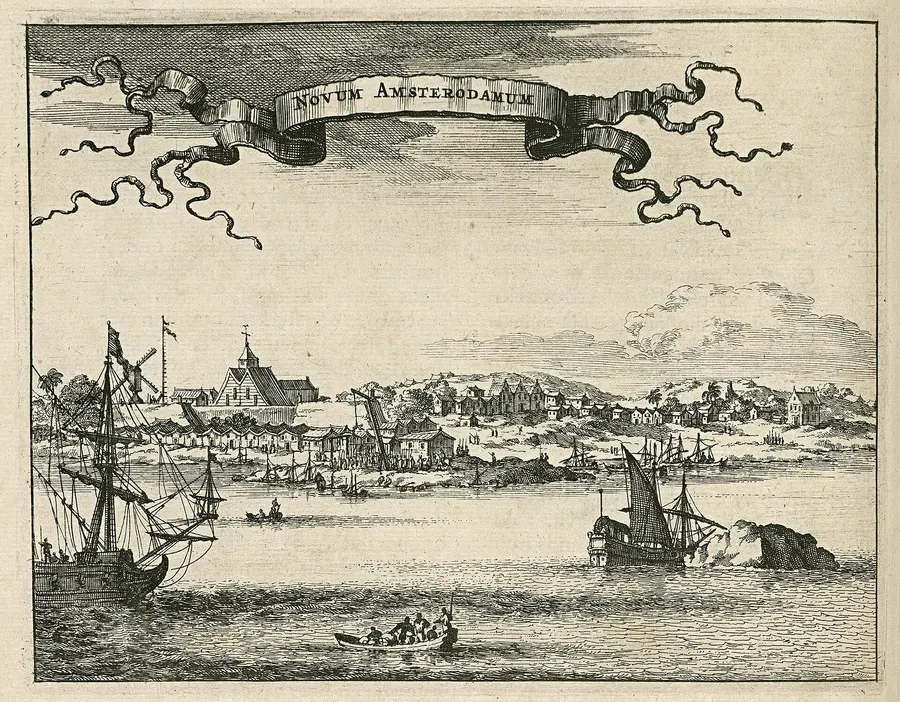 An early engraved view of New Amsterdam, the Dutch settlement at the tip of Manhattan.Image:
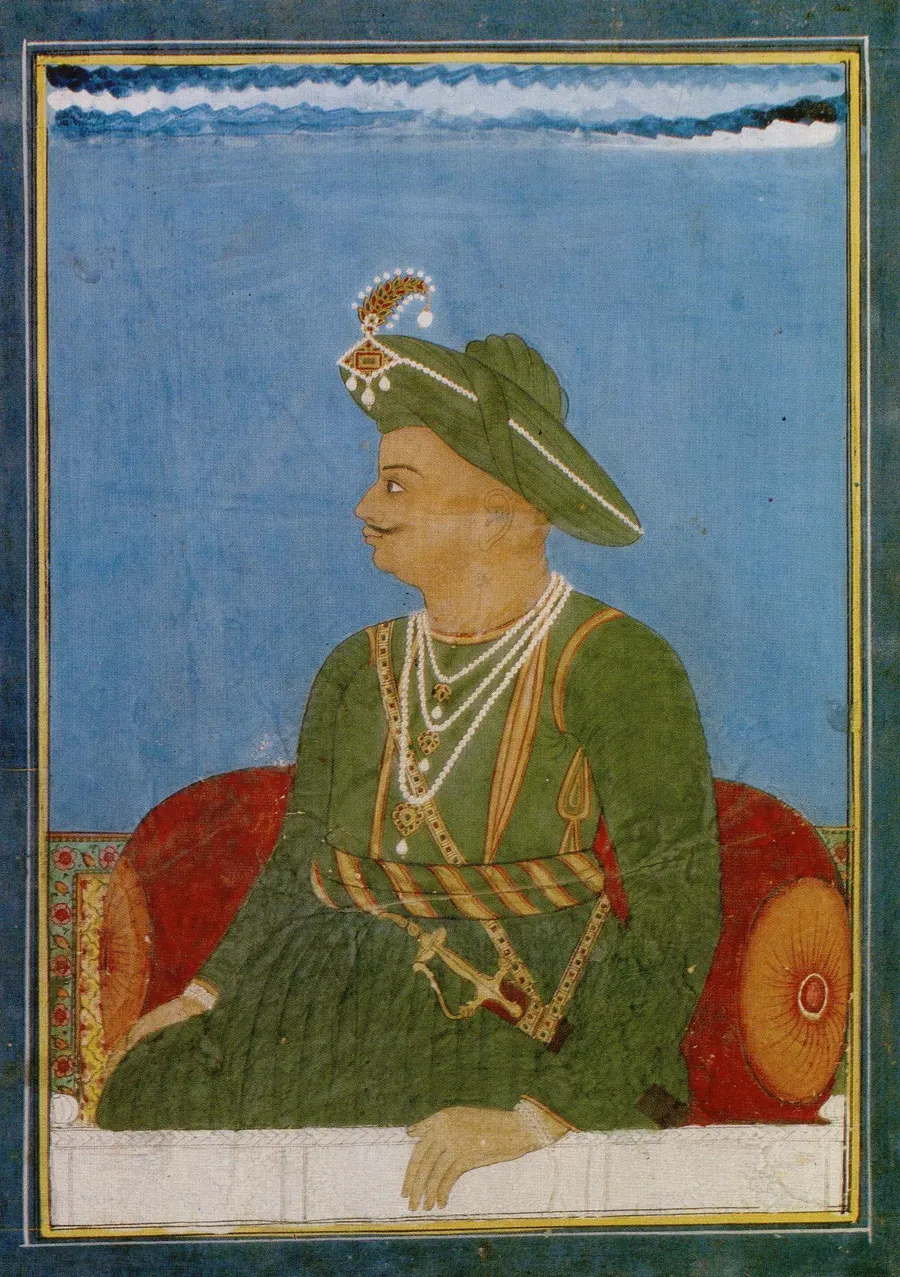 Tipu Sultan, painted by an unknown Mysore artist in about 1790-1800.Image:
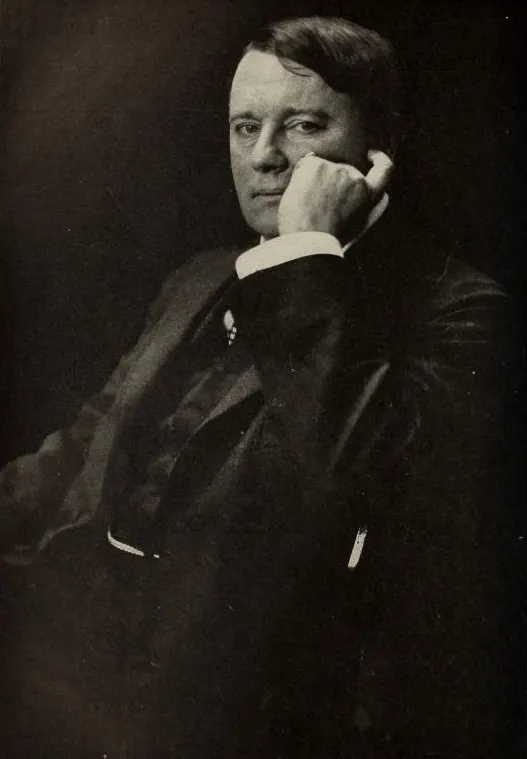 Alfred Harmsworth, who founded the Daily Mail with his brother Harold, photographed by Gertrude Käsebier.Image:
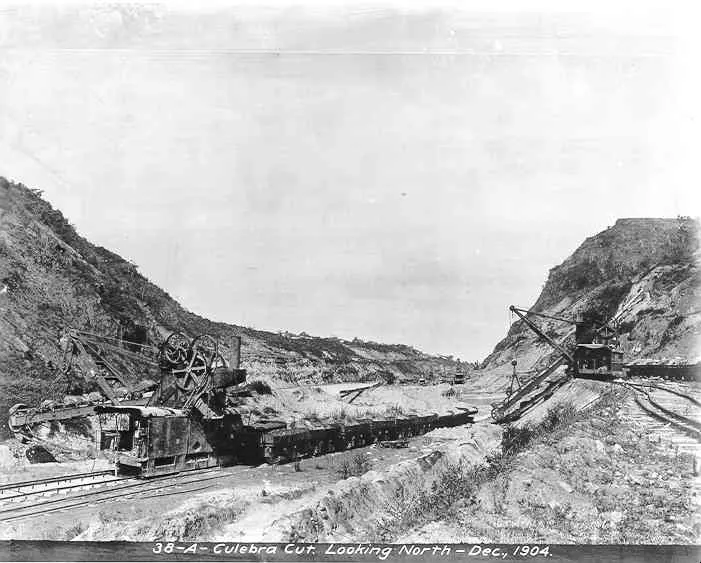 The Culebra Cut, the canal’s deepest excavation, as it looked in December 1904.Image:
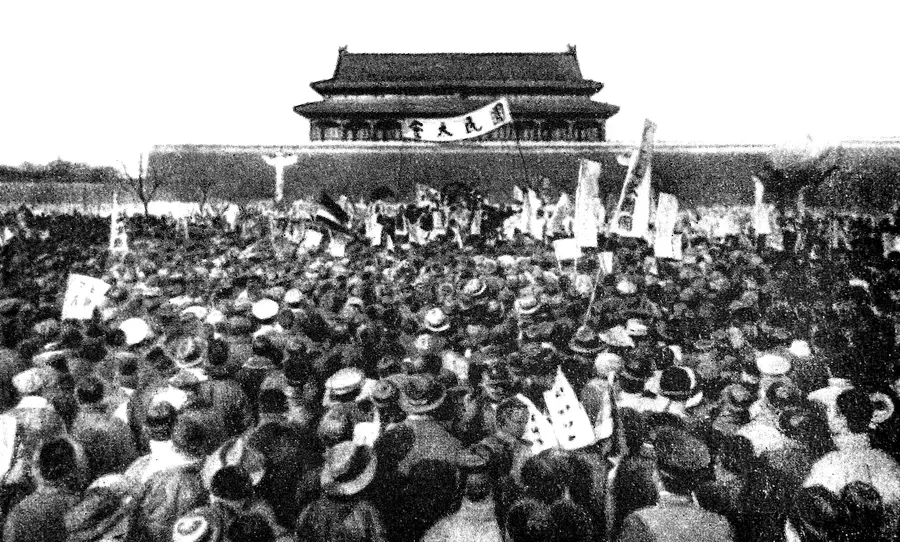 Students gathered in front of the Tiananmen gate in Beijing on 4 May 1919.Image:
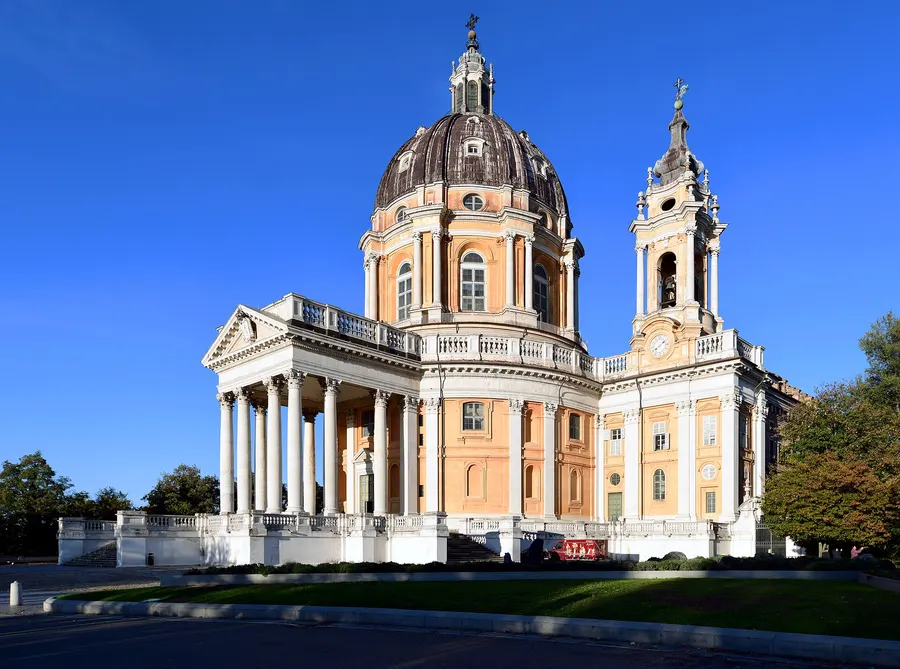 The Basilica of Superga on its hill above Turin.Image:
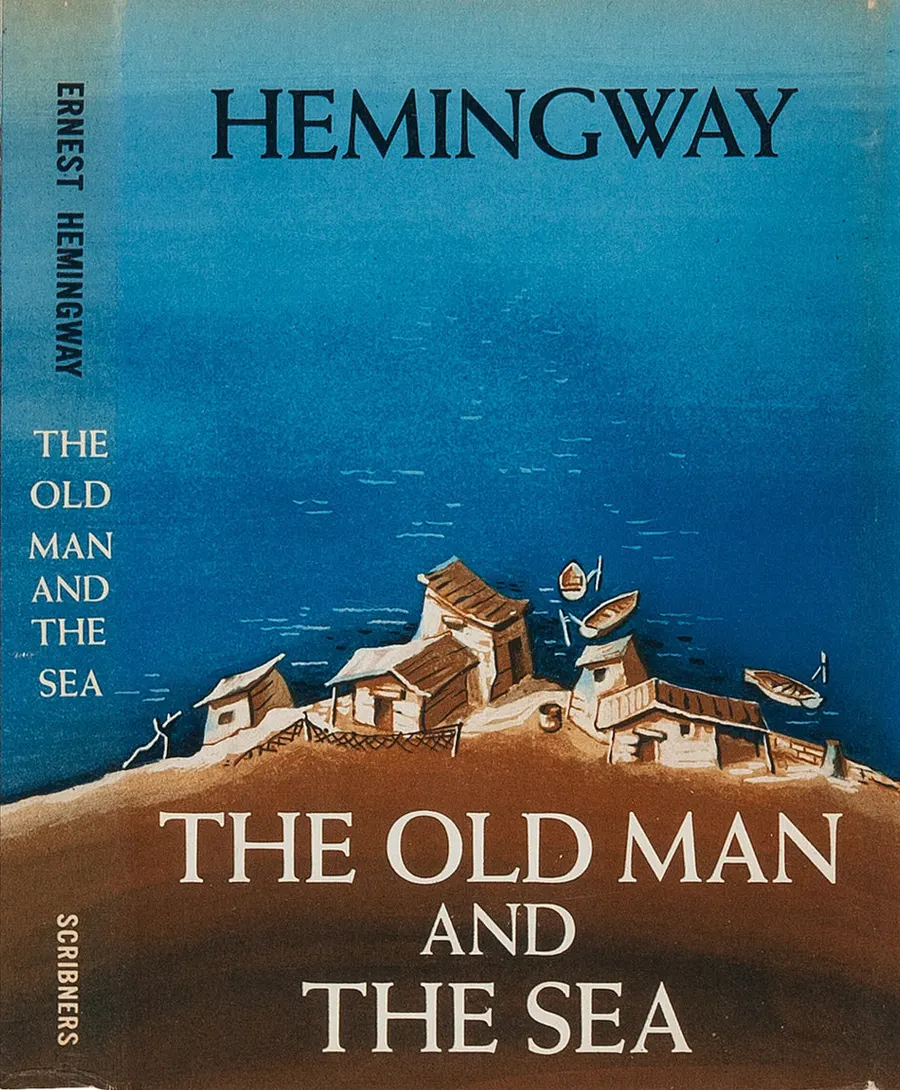 The jacket of the first edition of The Old Man and the Sea, published by Scribner in 1952.Image:
 Margaret Thatcher at the White House with President Jimmy Carter in December 1979, her first year as prime minister.Image:
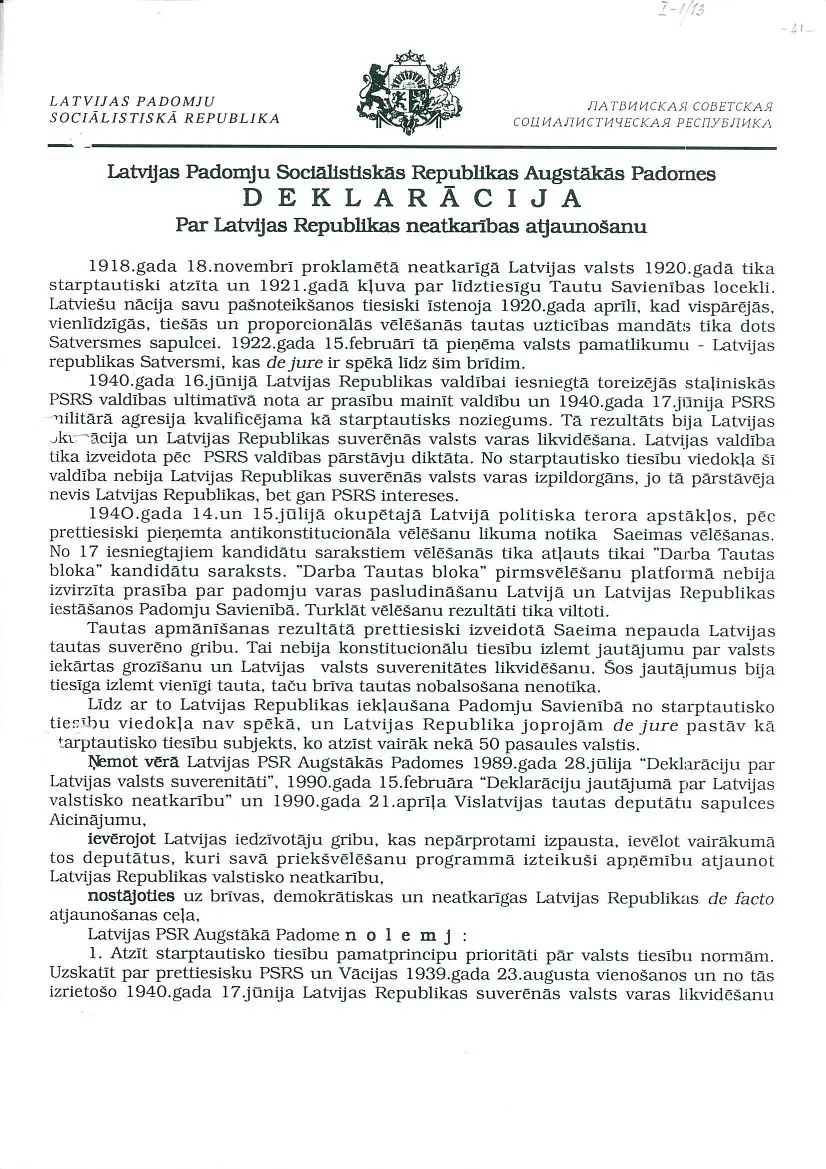 The declaration on the restoration of Latvia’s independence, adopted on 4 May 1990.Image:
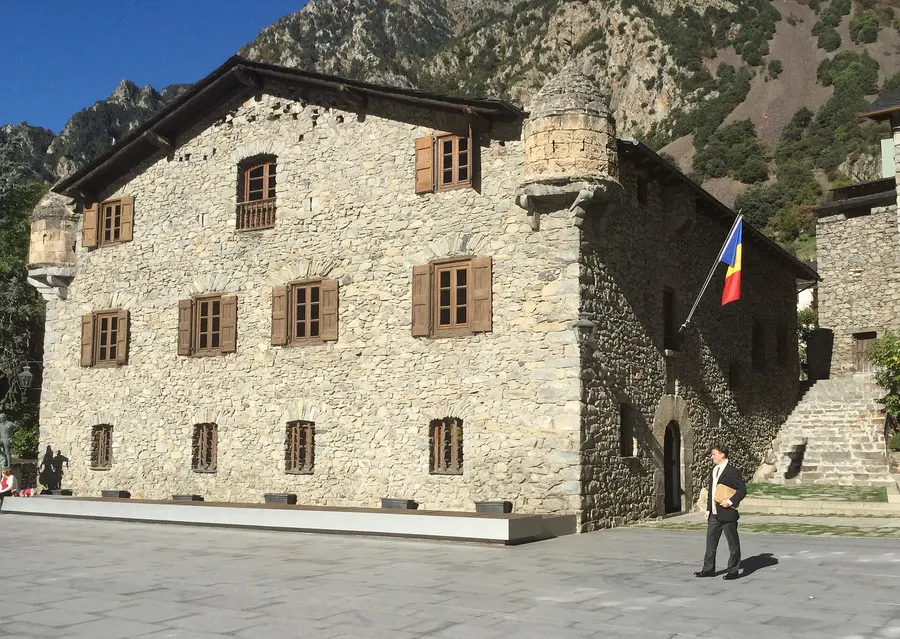 The Casa de la Vall in Andorra la Vella, the historic seat of Andorra’s parliament.Image:
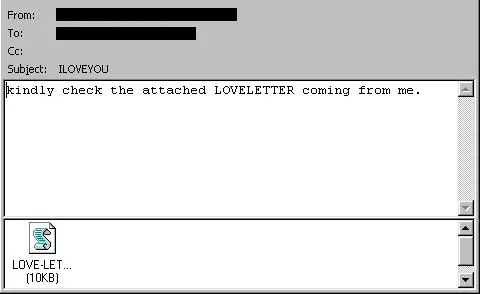 An illustration of the ILOVEYOU e-mail and its ‘love letter’ attachment.Image: