
HISTORY & TIMELINE
3 May

A journey through
3 May in history

From the eclipse Edmond Halley predicted across England in 1715 to the first geocache hidden in an Oregon wood in 2000, 3 May has seen Poland’s reforming constitution, the fall of Sveaborg, India’s first feature film, Joe DiMaggio’s first game for the Yankees, the first landing at the North Pole, the first spam email and a new constitution for Japan. This timeline follows the date across four centuries.

III
A CHANGING WORLD

Early Modern Era

Exploration, political change, scientific development and expanding global connections.

1715
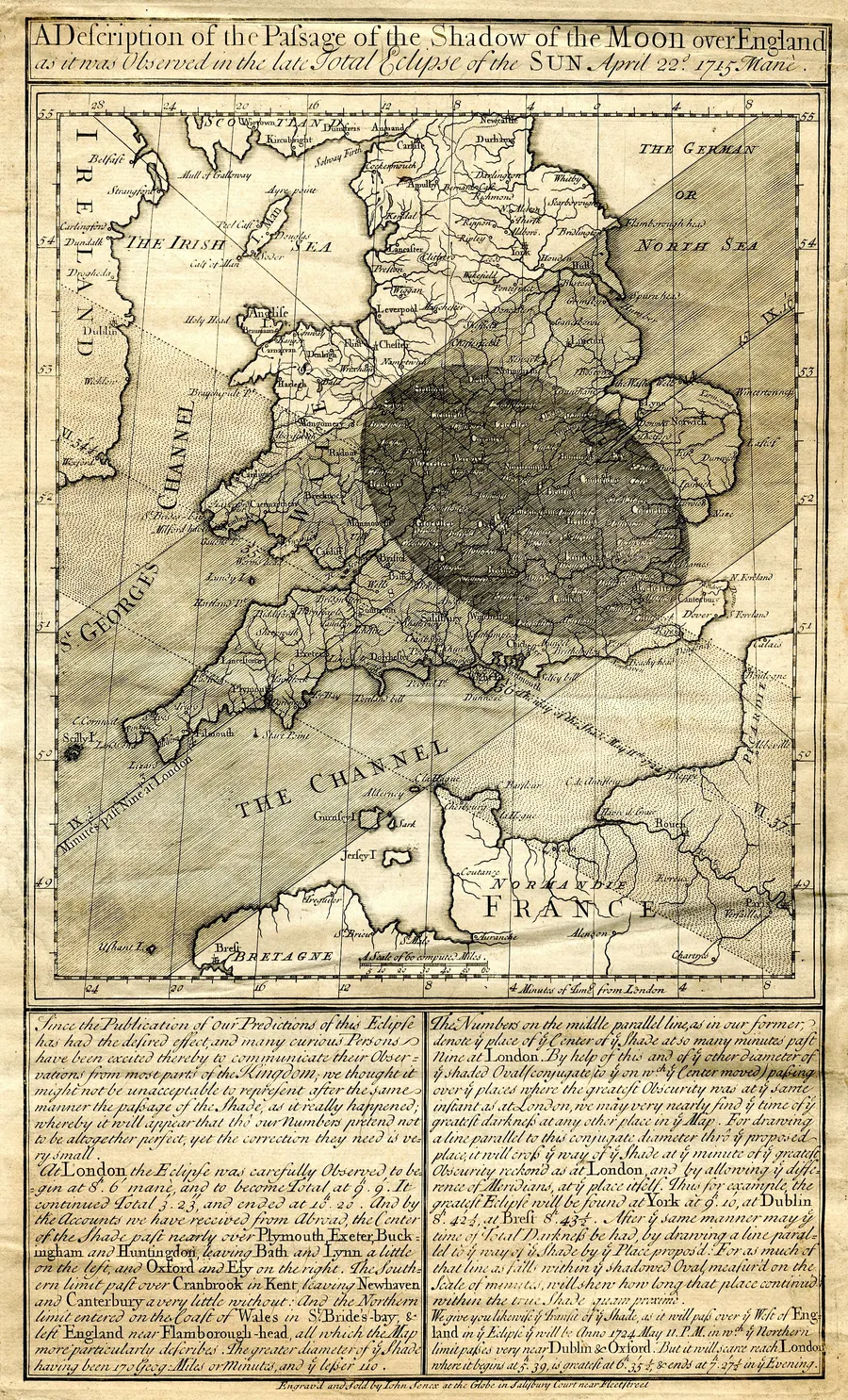
Halley's map of the Moon's shadow crossing England during the total eclipse of 22 April 1715 (Old Style).Halley’s map of the Moon’s shadow crossing England during the total eclipse of 22 April 1715 (Old Style).Image: Edmond Halley · Public domain
science · Europe

Halley maps an eclipse before it happens

On the morning of 3 May 1715 by the modern calendar (22 April in the Julian calendar Britain still used) a total eclipse of the Sun crossed southern England. Edmond Halley had published a map in advance showing where the Moon’s shadow would fall, and asked people across the country to time how long the darkness lasted. In London totality lasted a little over three minutes, and Halley’s timing was out by only about four minutes, although his predicted track was some 20 miles off. It was the first eclipse forecast using Newton’s theory of gravity, and his map is usually counted as the first to show an eclipse’s path of totality.

Source: Graham Dolan, Royal Observatory Greenwich: Solar eclipses observed at Greenwich in Flamsteed’s time ↗
1791
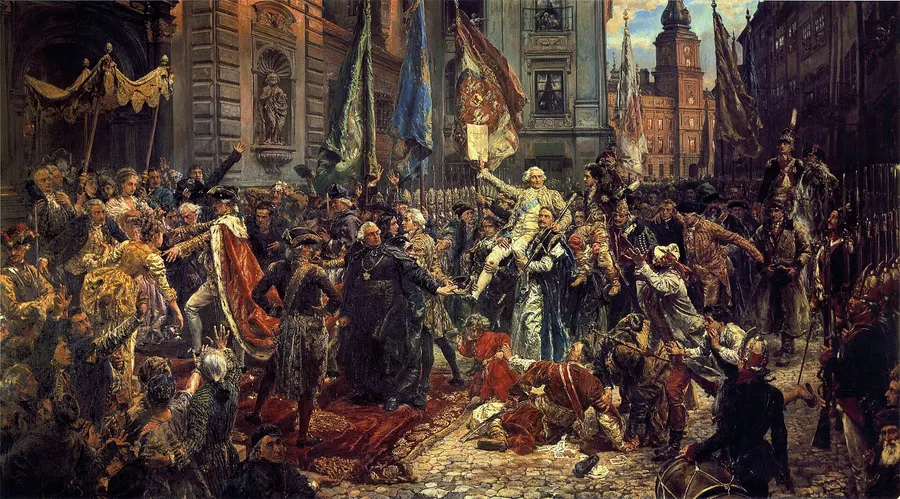
Jan Matejko's painting of the Constitution of 3 May 1791, with King Stanisław August entering St John's Cathedral in Warsaw.Jan Matejko’s painting of the Constitution of 3 May 1791, with King Stanisław August entering St John’s Cathedral in Warsaw.Image: Jan Matejko · Public domain
politics · Europe

Poland adopts Europe’s first written constitution

On 3 May 1791 the parliament of the Polish-Lithuanian Commonwealth, meeting in Warsaw, passed the Government Act, later known simply as the Constitution of 3 May. It was the first modern written constitution in Europe and the second in the world, after that of the United States. The act strengthened the monarchy, set up regular elected parliaments and abolished the liberum veto, which had let a single deputy wreck a whole session. Neighbouring Russia soon invaded, and within four years Poland had been partitioned out of existence, but the day remains a national holiday in Poland.

Source: Britannica: Constitution of 1791 (Polish history) ↗
IV
THE NINETEENTH CENTURY

The 1800s

Industry, empire, invention, reform and a century of enormous transformation.

1808
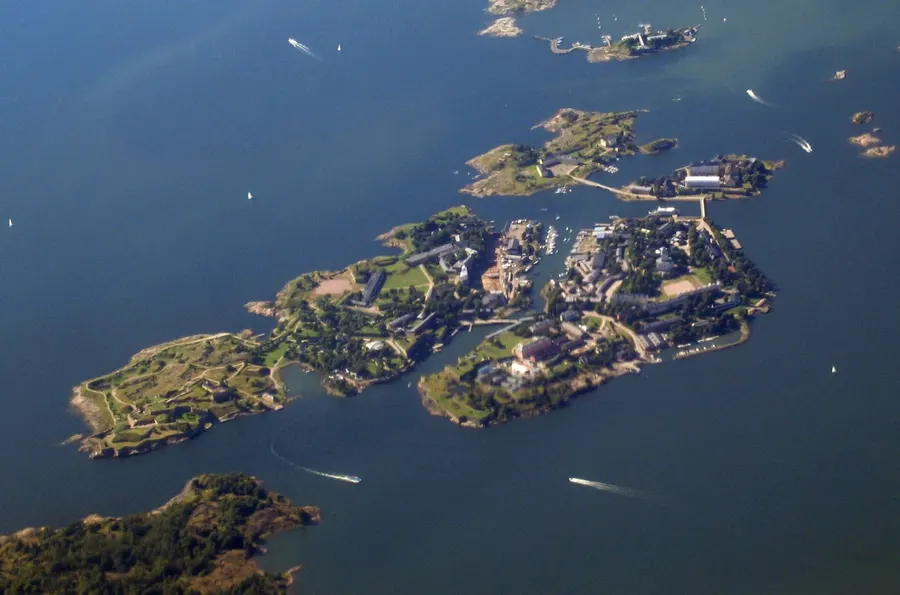
The island fortress of Sveaborg, now Suomenlinna, off Helsinki, from the air.The island fortress of Sveaborg, now Suomenlinna, off Helsinki, from the air.Image: Migro · Public domain
world · Europe

The ‘Gibraltar of the North’ surrenders

On 3 May 1808, during the Finnish War between Sweden and Russia, the Swedish sea fortress of Sveaborg outside Helsinki surrendered to Russian forces after a short siege. Its commander, Carl Olof Cronstedt, had agreed in April to give up the fortress if no help arrived by that day, and the frozen sea kept the Swedish fleet away. The loss opened the way for Russia’s conquest of Finland, which became an autonomous grand duchy within the Russian Empire. The fortress, now called Suomenlinna, is a UNESCO World Heritage Site.

Source: Suomenlinna (official website): History of the fortress ↗
V
THE TWENTIETH CENTURY

The 1900s

War and peace, technological leaps, social change, politics, sport and popular culture.

1913
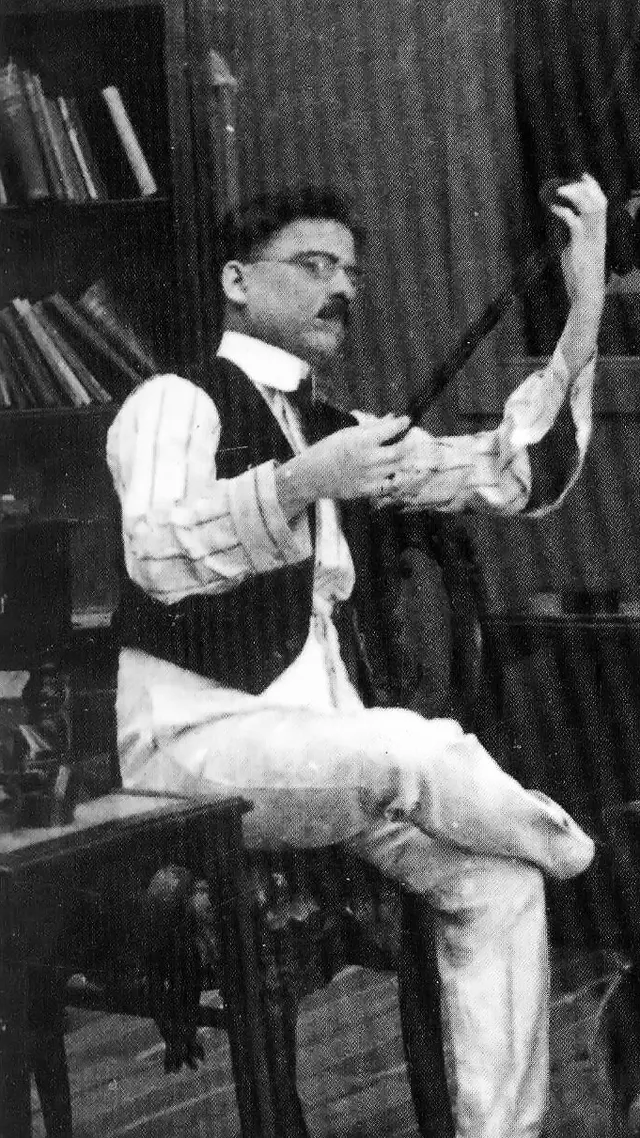
Dadasaheb Phalke, who wrote, directed and produced Raja Harishchandra.Dadasaheb Phalke, who wrote, directed and produced Raja Harishchandra.Image: Unknown photographer · Public domain

culture · Asia

India’s first feature film opens in Bombay

On 3 May 1913 Raja Harishchandra, made by Dhundiraj Govind Phalke, began its public run at the Coronation Cinematograph in Girgaon, Bombay, after a preview for invited guests at the Olympia Theatre in April. It is generally regarded as the first full-length Indian feature film. The silent film told the Hindu legend of a king who will not break his word, however hard he is tested. Phalke could not find women willing to act, so men played the female roles, and the film’s success laid the foundation of India’s film industry.

Source: Britannica: Raja Harishchandra ↗
1936
Joe DiMaggio of the New York Yankees in September 1941, the year of his 56-game hitting streak.Joe DiMaggio of the New York Yankees in September 1941, the year of his 56-game hitting streak.Image: Tom Sande · Public domain
sport · Americas

Joe DiMaggio plays his first game for the Yankees

On 3 May 1936 Joe DiMaggio, a 21-year-old from San Francisco, played his first major league game for the New York Yankees against the St Louis Browns at Yankee Stadium. Batting ahead of Lou Gehrig, he made three hits, including a triple, as New York won 14-5. He ended his first season with 206 hits and helped the Yankees win the World Series. DiMaggio went on to win nine championships in thirteen seasons, hit safely in a record 56 games in a row in 1941, and entered the Hall of Fame in 1955.

Source: National Baseball Hall of Fame: Joe DiMaggio’s major league debut ↗
1947
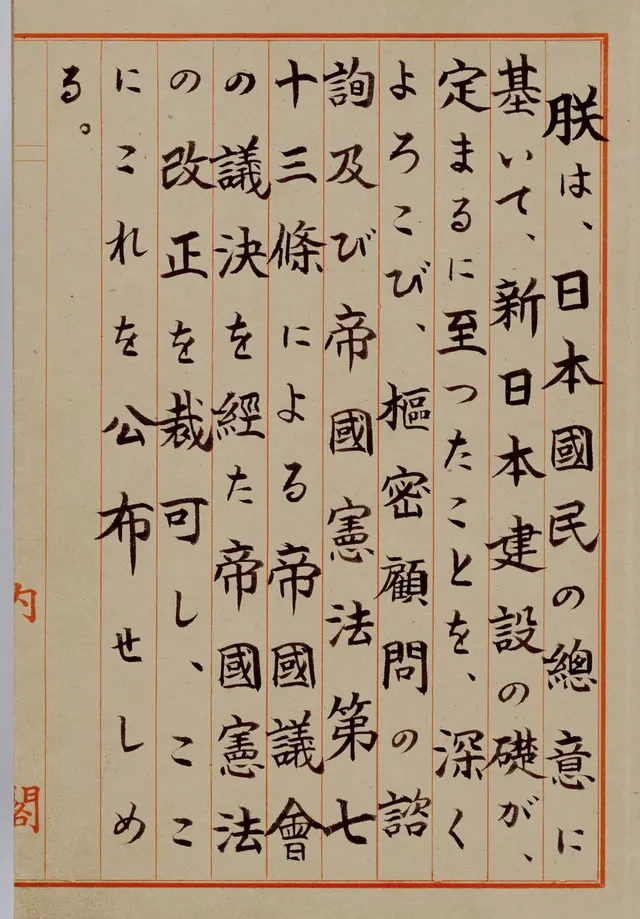
The imperial rescript promulgating the Constitution of Japan, signed in November 1946.The imperial rescript promulgating the Constitution of Japan, signed in November 1946.Image: Japanese government · Public domain
politics · Asia

Japan’s post-war constitution comes into force

On 3 May 1947 the constitution promulgated the previous November came into force in Japan, and crowds gathered for a celebration in front of the Imperial Palace in Tokyo. Drafted under the American-led occupation, it made the emperor a symbol of the state, guaranteed basic rights and votes for women, and in Article 9 renounced war. It has never been amended, and Japan keeps the day as Constitution Memorial Day.

Source: National Diet Library: Birth of the Constitution of Japan, Part 5 ↗
1951
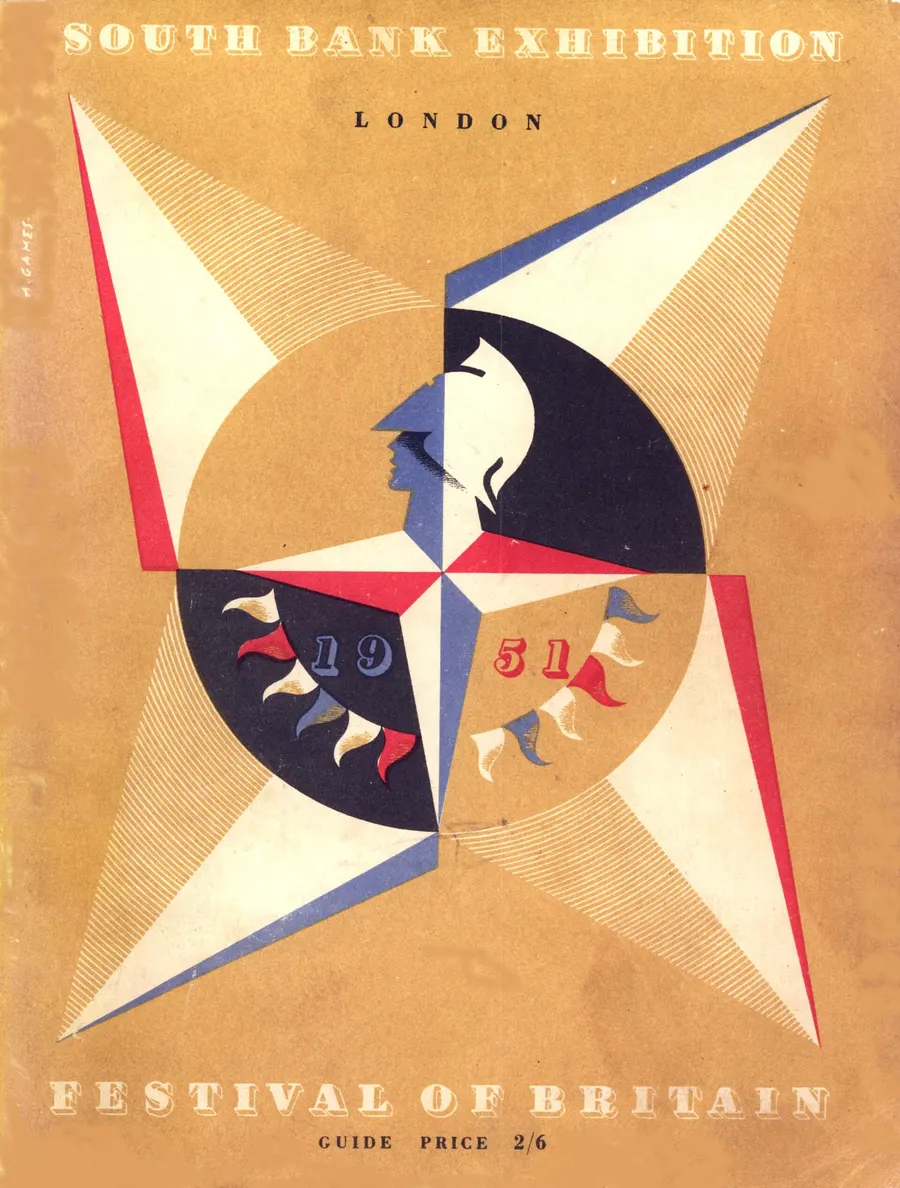
Abram Games's Festival of Britain emblem on the cover of the South Bank Exhibition guide, 1951.Abram Games’s Festival of Britain emblem on the cover of the South Bank Exhibition guide, 1951.Image: The Festival of Britain 1951 · Public domain
culture · Europe

The King opens the Festival of Britain

On 3 May 1951 King George VI, speaking from the steps of St Paul’s Cathedral, declared the Festival of Britain open. Six years after the Second World War, it was meant to show a battered country recovering, with displays of British science, technology, design and the arts. Its centrepiece was an exhibition on the South Bank of the Thames, with the Dome of Discovery and the slender Skylon tower. Almost all of it was cleared away afterwards; the Royal Festival Hall, its one permanent building, is still a concert hall today.

Source: Southbank Centre: History ↗
1952
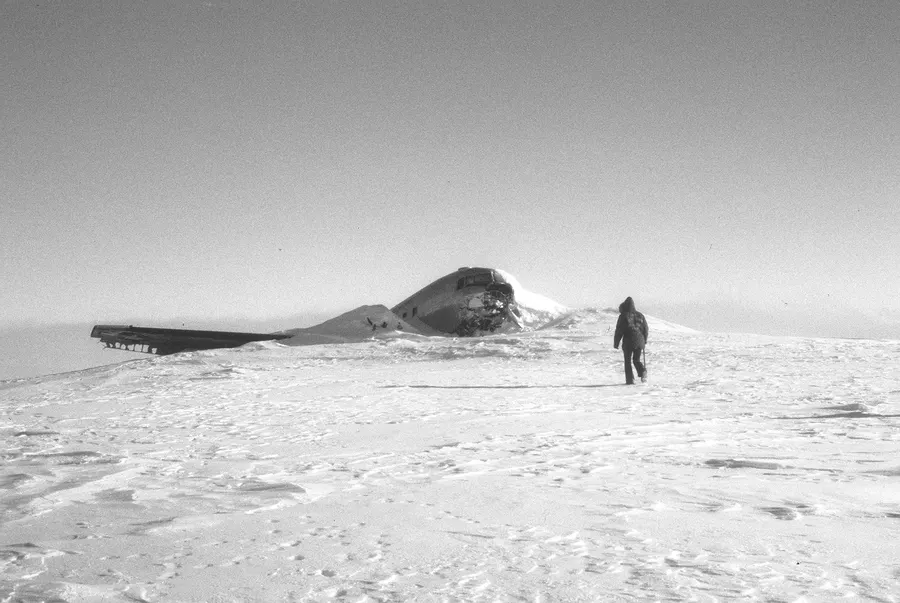
The wreck of a US Air Force C-47 on Fletcher's Ice Island (T-3), the drifting base the 1952 flight set out from, photographed in 1972.The wreck of a US Air Force C-47 on Fletcher’s Ice Island (T-3), the drifting base the 1952 flight set out from, photographed in 1972.Image: Mark Barsdell · CC BY-SA 4.0
world · Global

An aircraft lands at the North Pole

On 3 May 1952 a ski-equipped US Air Force C-47, flown by Lieutenant Colonels Joseph Fletcher and William Benedict, landed at the geographic North Pole. The crew had flown from T-3, a drifting ice island in the Arctic Ocean used as a weather station. Fletcher stepped out and walked to the pole, among the first people known for certain to stand there. They stayed about three hours before flying back.

Source: UPI Archives: First landing made at North Pole (5 May 1952) ↗
1978
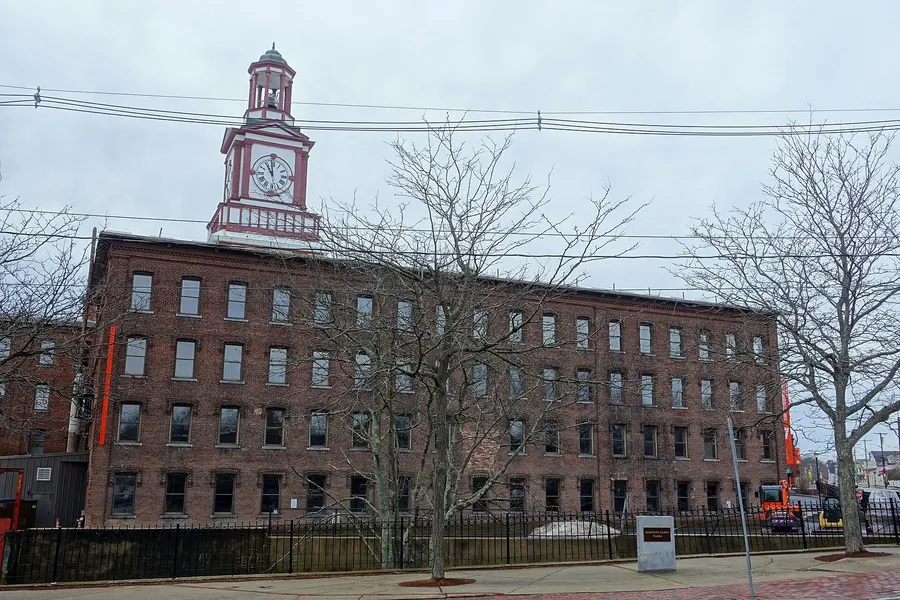
The old woollen mill at Maynard, Massachusetts, long the headquarters of Digital Equipment Corporation.The old woollen mill at Maynard, Massachusetts, long the headquarters of Digital Equipment Corporation.Image: Daderot · CC0
world · Americas

The first spam email is sent

On 3 May 1978 Gary Thuerk, a marketing manager at Digital Equipment Corporation, sent an email advertising demonstrations of new DEC computers to about 400 users of ARPANET, the forerunner of the internet, on the US West Coast. It was the first mass unsolicited commercial email. Many recipients complained angrily, and the network’s managers warned against doing it again. The company later said the message helped to sell several machines.

Source: Computerworld: Unsung innovators, Gary Thuerk, the father of spam ↗
1991
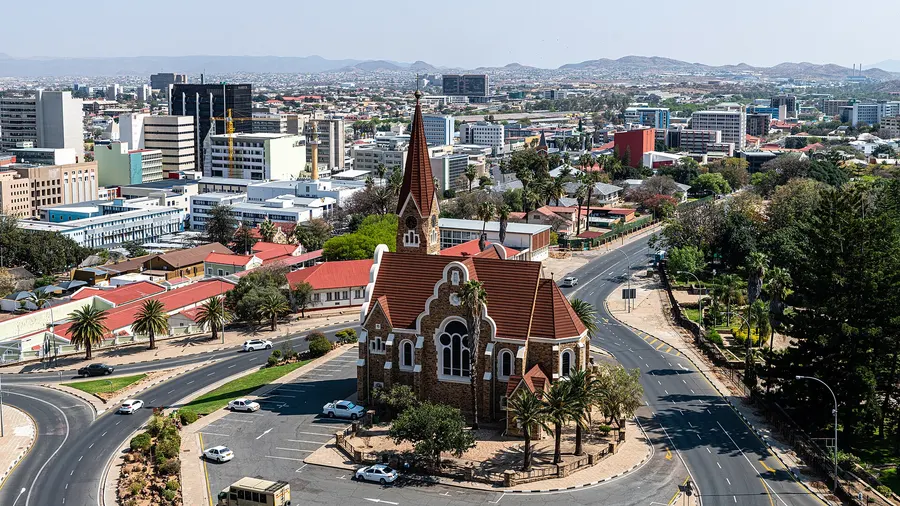
Central Windhoek, capital of Namibia, with the Christuskirche.Central Windhoek, capital of Namibia, with the Christuskirche.Image: Christoph Strässler · CC BY-SA 2.0
world · Africa

African journalists call for a free press at Windhoek

On 3 May 1991 journalists from across Africa, meeting at a UNESCO seminar in Windhoek, the capital of newly independent Namibia, adopted the Declaration of Windhoek. It called for an independent, pluralistic press, free from government, political or economic control. The declaration linked a free press directly to democracy and development. Two years later the United Nations chose its anniversary as World Press Freedom Day, and UNESCO has since added the document to its Memory of the World register.

Source: UNESCO Memory of the World: Declaration of Windhoek, 1991 ↗
VI
2000 TO TODAY

Modern Day

The events of recent decades that have already become part of the historical record.

2000
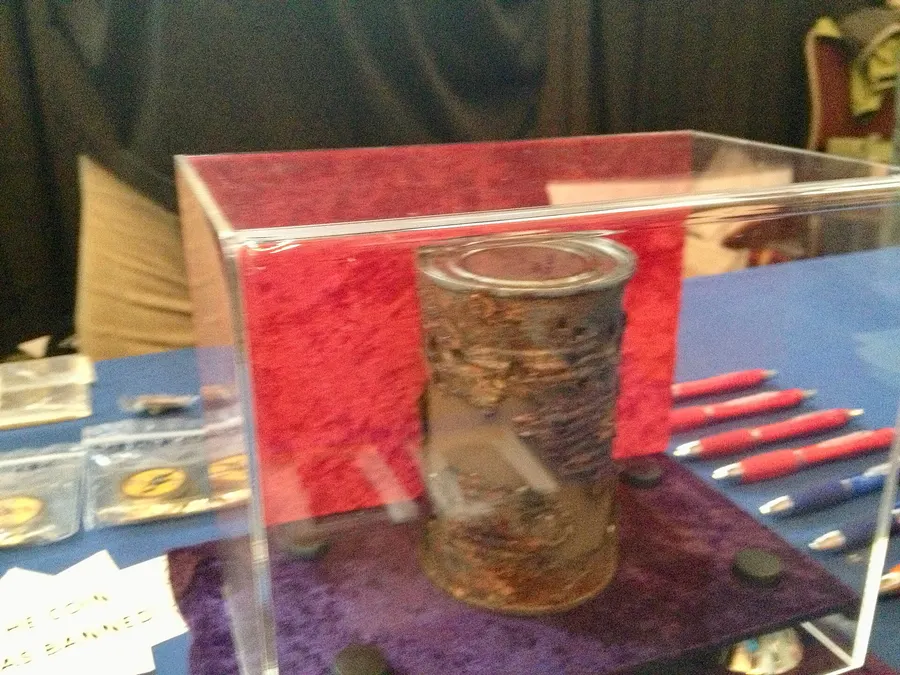
The 'Original Can of Beans' recovered from the first geocache, hidden near Beavercreek, Oregon.The ‘Original Can of Beans’ recovered from the first geocache, hidden near Beavercreek, Oregon.Image: Mark Hilton · CC BY-SA 4.0
world · Americas

The first geocache is hidden

On 3 May 2000 Dave Ulmer hid a bucket of small prizes in woods near Beavercreek, Oregon, and posted its GPS coordinates online, inviting others to find it. The day before, the United States had stopped deliberately blurring civilian GPS signals, making precise location possible for ordinary users. Within days the cache had been found, and the game of geocaching spread around the world. A plaque now marks the spot.

Source: Oregon Encyclopedia: Geocaching ↗
RESEARCH

Sources & Further Reading

Selected authoritative references supporting the events on this page.

WHY THESE MOMENTS?

Significance before volume

This page is not the longest possible list of events. It is a chronological journey through 3 May, where each entry is chosen for historical significance, human interest and reliability.

Facts are checked against authoritative museums, archives, universities and reference works. Where sources disagree, the page says so.

EXPLORED THE DEEPER STORY?

Return to the highlights of 3 May

Discover the lighter side of the date with famous birthdays, culture, firsts and lives remembered.

Explore This Day →
← PREVIOUS DAY2 May
HISTORY & TIMELINE3 May
NEXT DAY →4 May