Explore 3 May

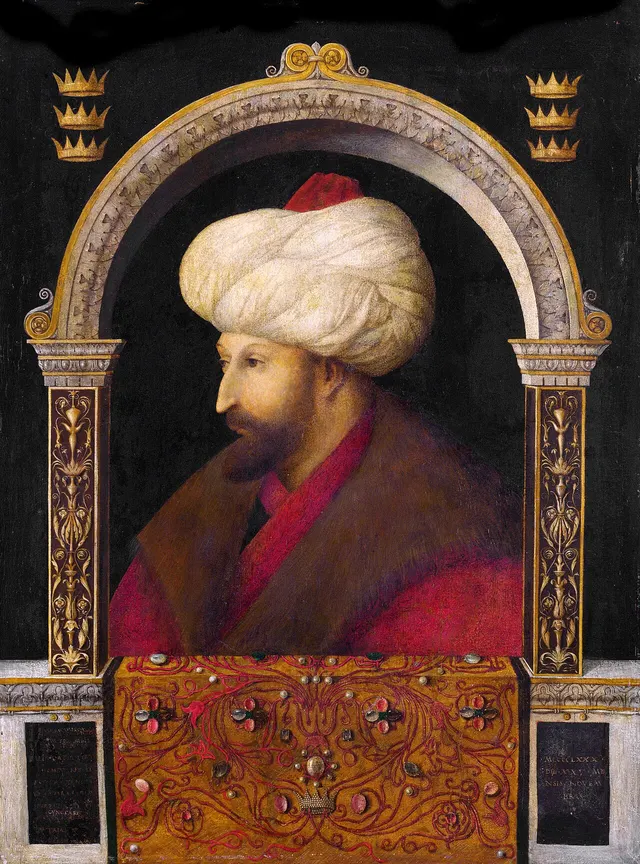
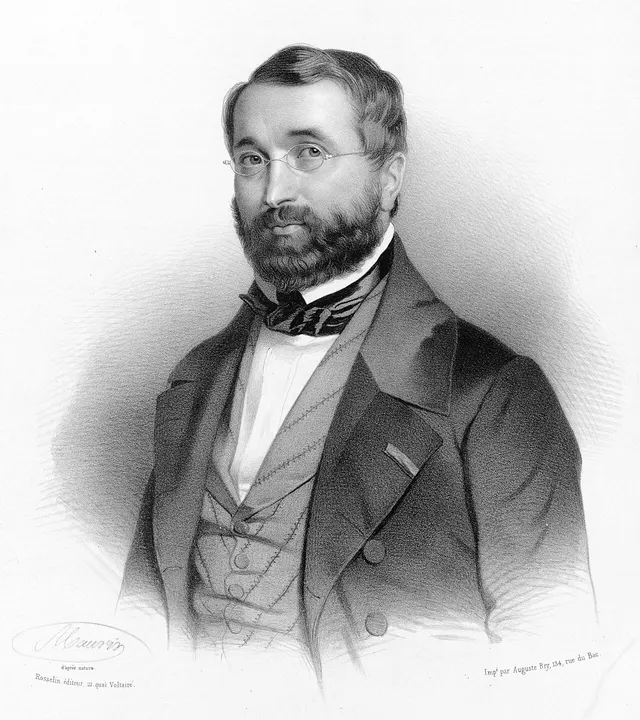
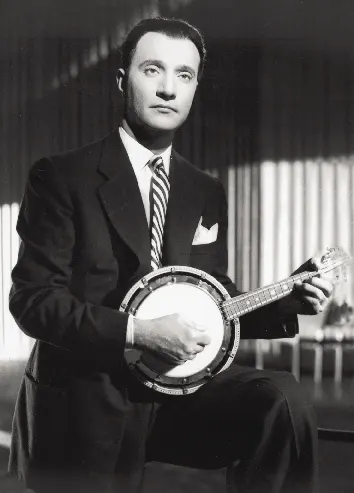
Explore 3 May: Poland adopts Europe’s first written constitution, King George VI opens the Festival of Britain, African journalists sign the Windhoek Declaration for a free press, and India’s first feature film opens in Bombay. Meet Niccolò Machiavelli, Sugar Ray Robinson and Věra Čáslavská, born on this date, and remember Sultan Mehmed II.

This day through time →11 verified events across 4 eras

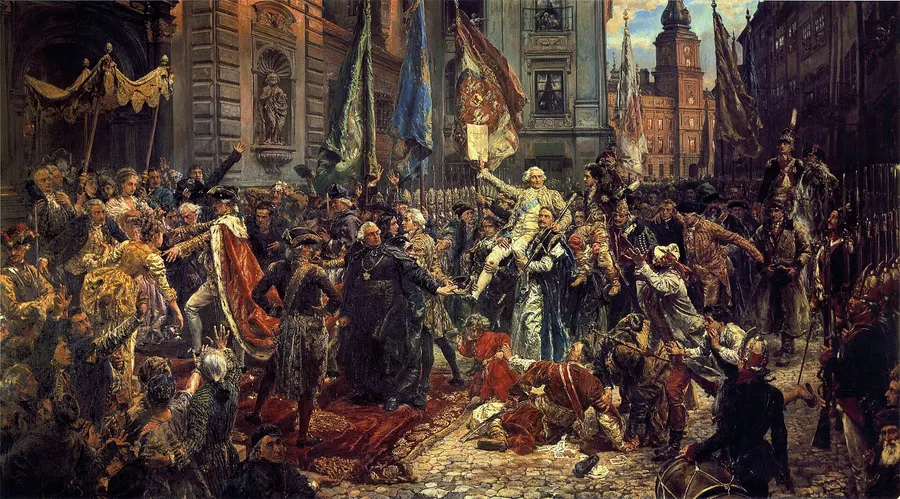
Jan Matejko's painting of the Constitution of 3 May 1791, with King Stanisław August entering St John's Cathedral in Warsaw.
Jan Matejko’s painting of the Constitution of 3 May 1791, with King Stanisław August entering St John’s Cathedral in Warsaw.
Image creditJan Matejko · Public domainResized and cropped for display.

Poland adopts Europe’s first written constitution

On 3 May 1791 the parliament of the Polish-Lithuanian Commonwealth, meeting in Warsaw, passed the Government Act, later known simply as the Constitution of 3 May. It was the first modern written constitution in Europe and the second in the world, after that of the United States.

The act strengthened the monarchy, set up regular elected parliaments and abolished the liberum veto, which had let a single deputy wreck a whole session. Neighbouring Russia soon invaded, and within four years Poland had been partitioned out of existence, but the day remains a national holiday in Poland.

Read the full storyHistory & Timeline →Source: Britannica: Constitution of 1791 (Polish history) ↗
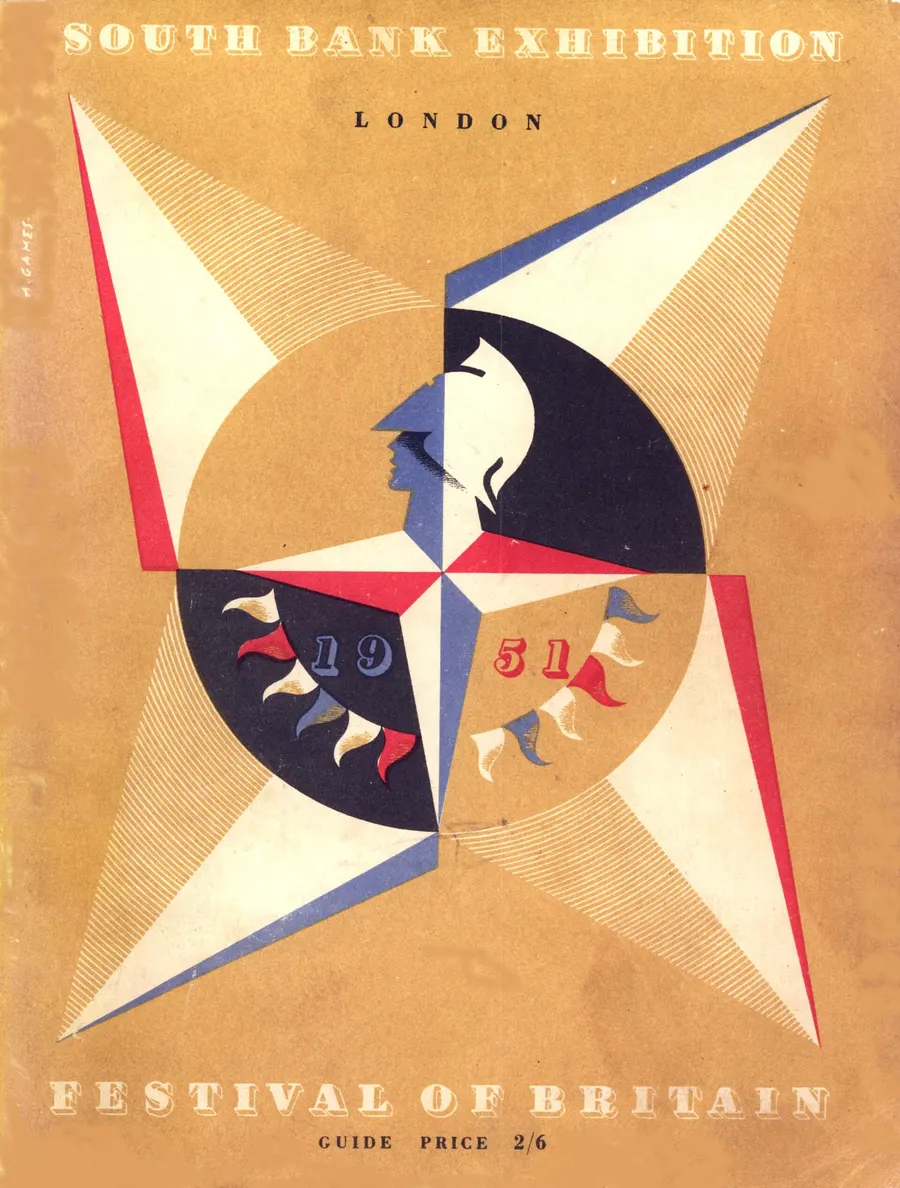
Abram Games's Festival of Britain emblem on the cover of the South Bank Exhibition guide, 1951.
Abram Games’s Festival of Britain emblem on the cover of the South Bank Exhibition guide, 1951.
Image creditThe Festival of Britain 1951 · Public domainResized and cropped for display.

The King opens the Festival of Britain

On 3 May 1951 King George VI, speaking from the steps of St Paul’s Cathedral, declared the Festival of Britain open. Six years after the Second World War, it was meant to show a battered country recovering, with displays of British science, technology, design and the arts.

Its centrepiece was an exhibition on the South Bank of the Thames, with the Dome of Discovery and the slender Skylon tower. Almost all of it was cleared away afterwards; the Royal Festival Hall, its one permanent building, is still a concert hall today.

Read the full storyHistory & Timeline →Source: Southbank Centre: History ↗
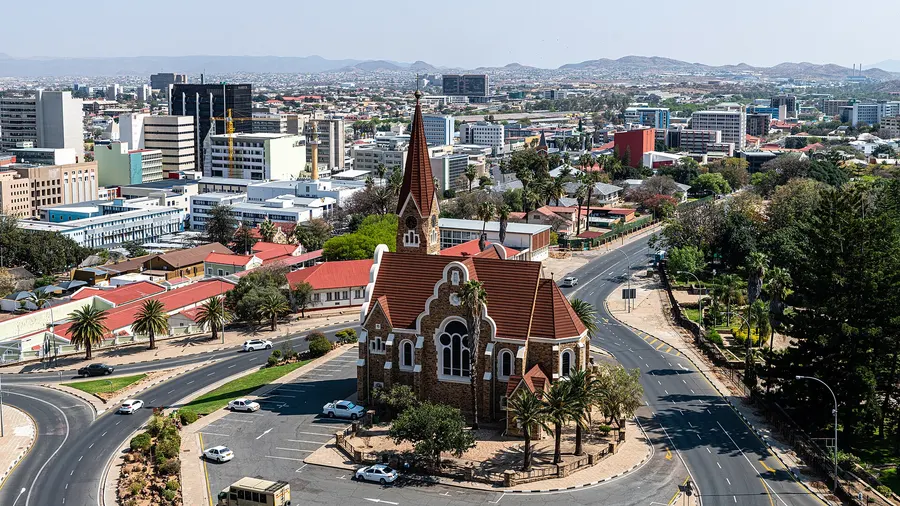
Central Windhoek, capital of Namibia, with the Christuskirche.
Image creditChristoph Strässler · CC BY-SA 2.0Resized and cropped for display.

African journalists call for a free press at Windhoek

On 3 May 1991 journalists from across Africa, meeting at a UNESCO seminar in Windhoek, the capital of newly independent Namibia, adopted the Declaration of Windhoek. It called for an independent, pluralistic press, free from government, political or economic control.

The declaration linked a free press directly to democracy and development. Two years later the United Nations chose its anniversary as World Press Freedom Day, and UNESCO has since added the document to its Memory of the World register.

Read the full storyHistory & Timeline →Source: UNESCO Memory of the World: Declaration of Windhoek, 1991 ↗
♙
PEOPLE

Born Today

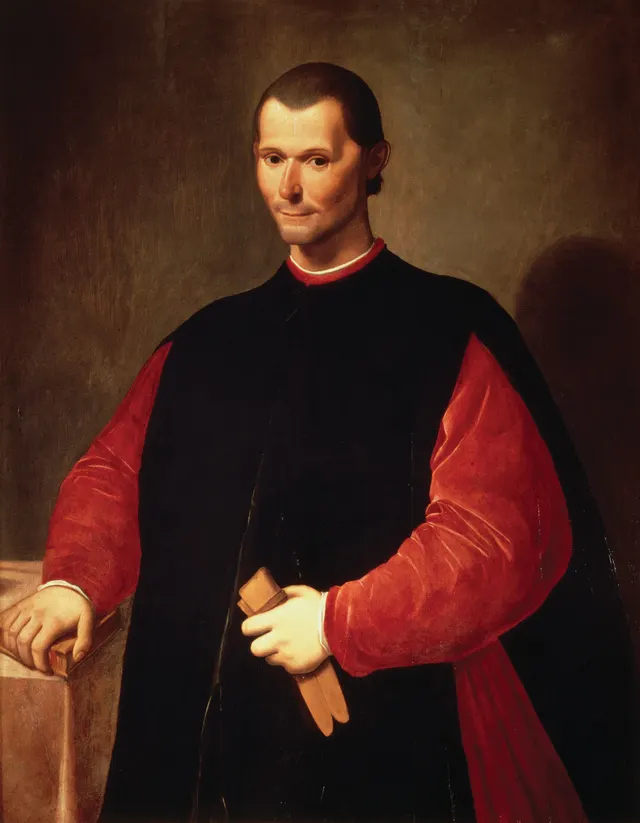
Niccolò Machiavelli
Image creditSanti di Tito · Public domainResized and cropped for display.

Niccolò Machiavelli

Florentine diplomat whose book The Prince shaped modern political thought.

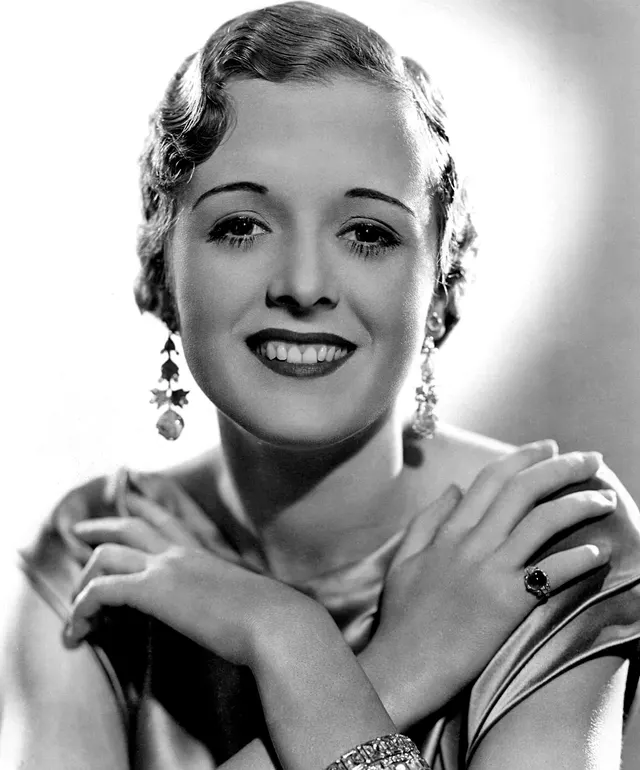
Mary Astor
Image creditStudio · Public domainResized and cropped for display.

Mary Astor

American film actress who starred in The Maltese Falcon.

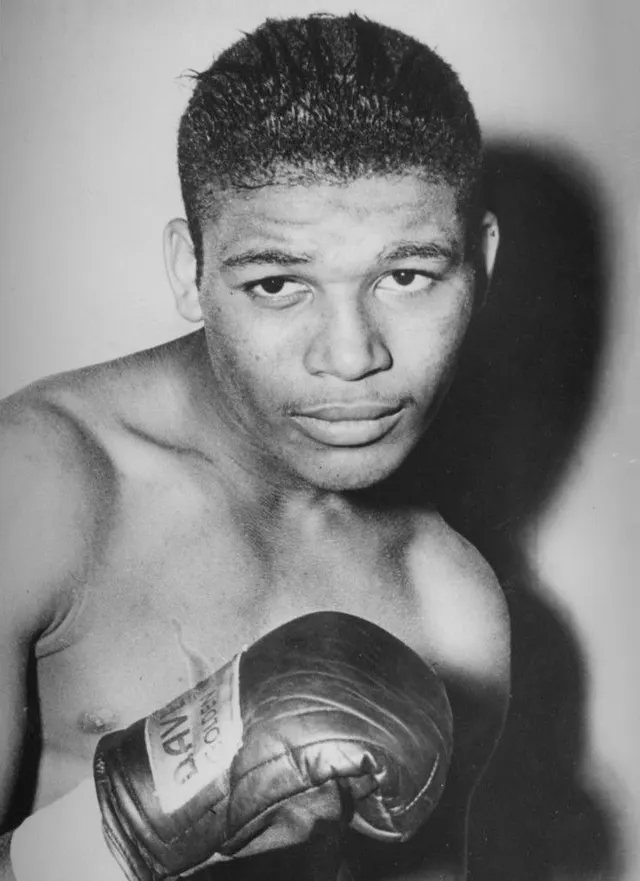
Sugar Ray Robinson
Image creditACME · Public domainResized and cropped for display.

Sugar Ray Robinson

American boxer often called the greatest pound-for-pound fighter of all.

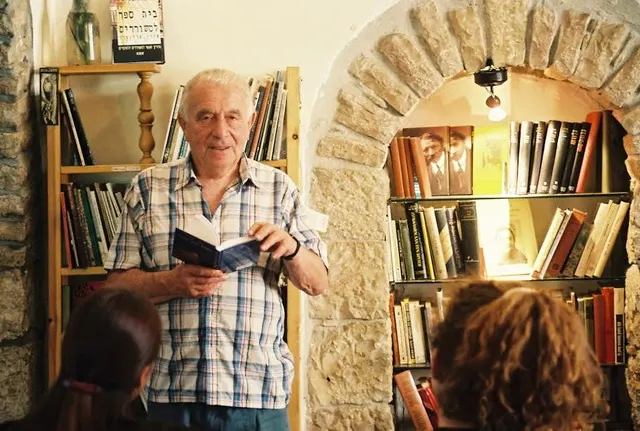
Yehuda Amichai
Image creditYair Medina · CC BY-SA 3.0Resized and cropped for display.

Yehuda Amichai

Israeli poet whose work made modern Hebrew verse known worldwide.

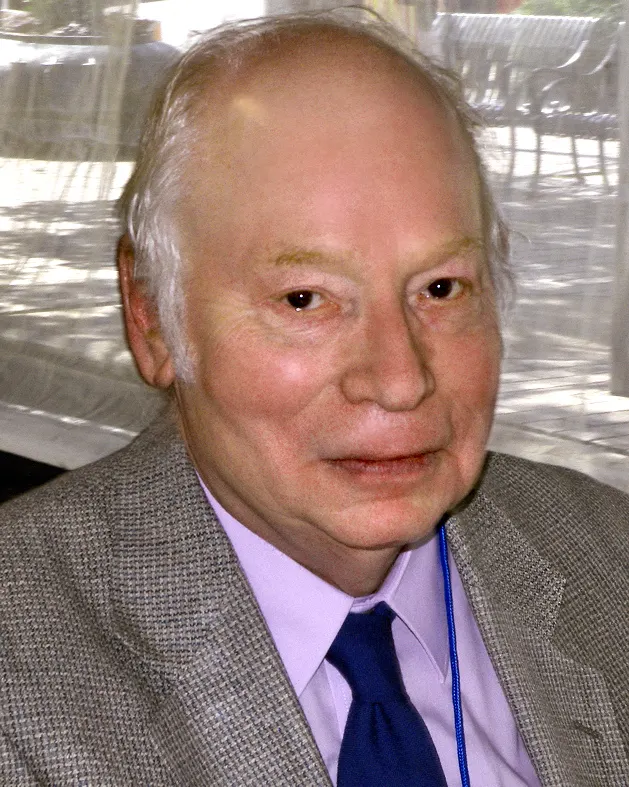
Steven Weinberg
Image creditLarry D. Moore · CC BY 4.0Resized and cropped for display.

Steven Weinberg

American physicist who shared a Nobel Prize for unifying two of nature’s forces.

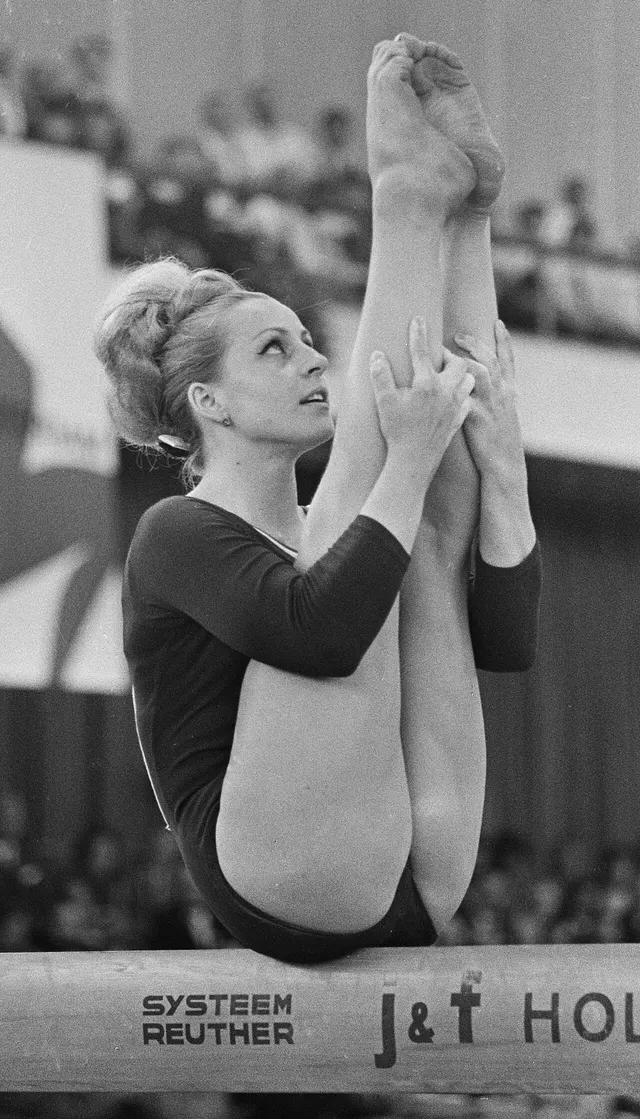
Věra Čáslavská
Image creditKroon, Ron / Anefo · CC BY-SA 3.0 nlResized and cropped for display.

Věra Čáslavská

Czech gymnast who won seven Olympic golds and defied the Soviet invasion.

◉
IDEAS THAT CHANGED THINGS

Firsts, Science & Discoveries

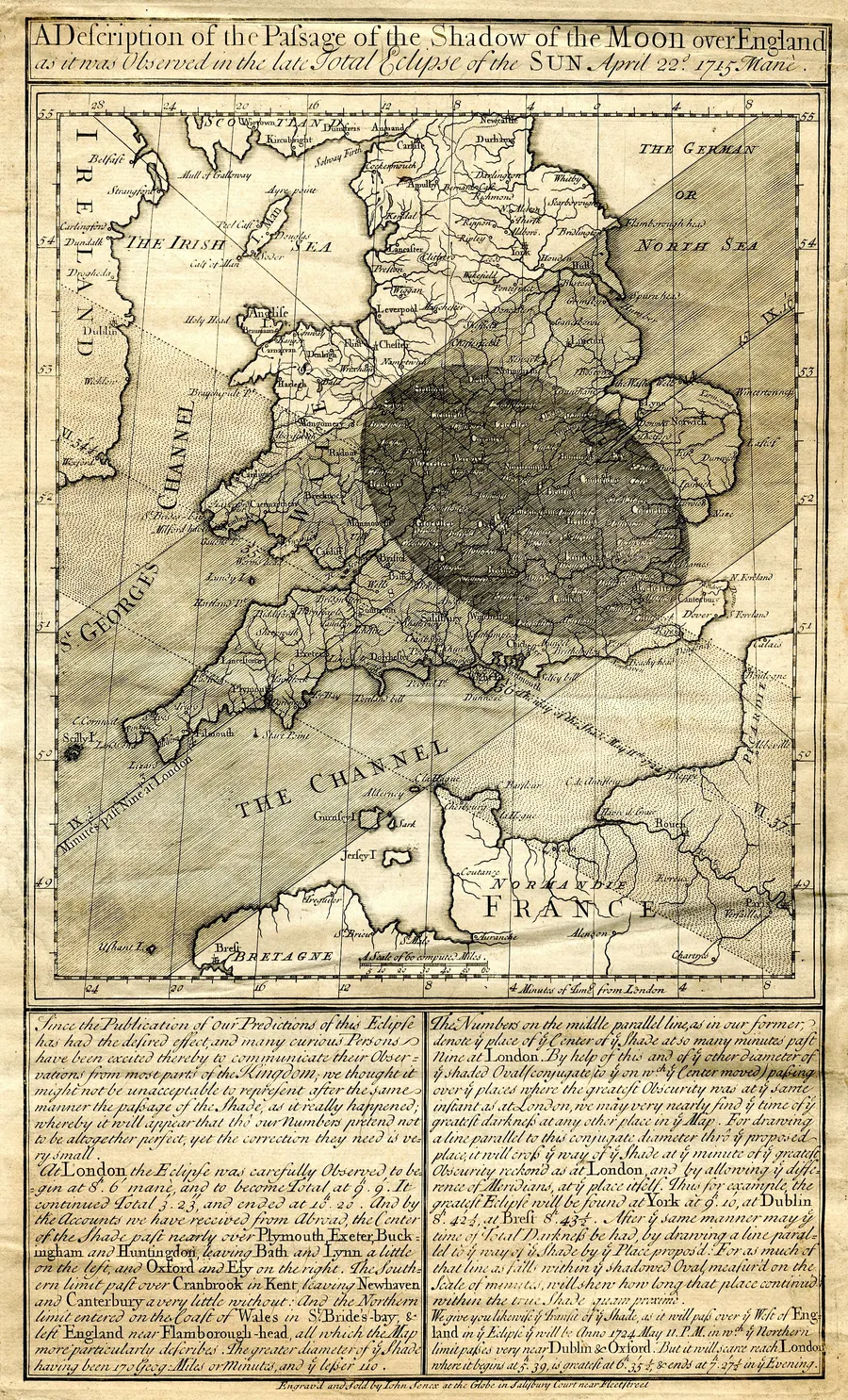
Halley's map of the Moon's shadow crossing England during the total eclipse of 22 April 1715 (Old Style).
Halley’s map of the Moon’s shadow crossing England during the total eclipse of 22 April 1715 (Old Style).
Image creditEdmond Halley · Public domainResized and cropped for display.

Halley maps an eclipse before it happens

On the morning of 3 May 1715 by the modern calendar (22 April in the Julian calendar Britain still used) a total eclipse of the Sun crossed southern England. Edmond Halley had published a map in advance showing where the Moon’s shadow would fall, and asked people across the country to time how long the darkness lasted.

In London totality lasted a little over three minutes, and Halley’s timing was out by only about four minutes, although his predicted track was some 20 miles off. It was the first eclipse forecast using Newton’s theory of gravity, and his map is usually counted as the first to show an eclipse’s path of totality.

Read the full storyHistory & Timeline →Source: Graham Dolan, Royal Observatory Greenwich: Solar eclipses observed at Greenwich in Flamsteed’s time ↗
☆
SPORTING HISTORY

Sporting Moments

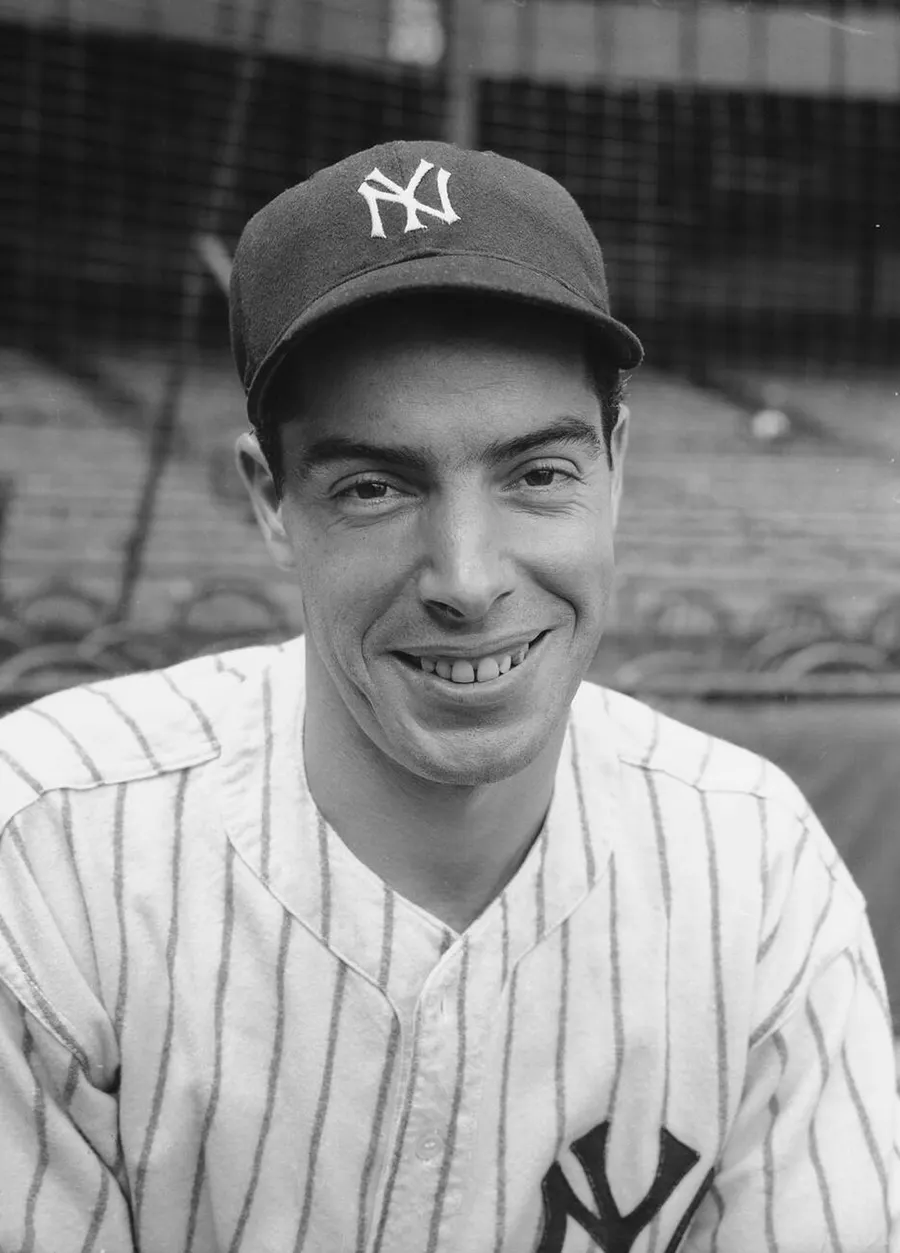
Joe DiMaggio of the New York Yankees in September 1941, the year of his 56-game hitting streak.
Image creditTom Sande · Public domainResized and cropped for display.

Joe DiMaggio plays his first game for the Yankees

On 3 May 1936 Joe DiMaggio, a 21-year-old from San Francisco, played his first major league game for the New York Yankees against the St Louis Browns at Yankee Stadium. Batting ahead of Lou Gehrig, he made three hits, including a triple, as New York won 14-5.

He ended his first season with 206 hits and helped the Yankees win the World Series. DiMaggio went on to win nine championships in thirteen seasons, hit safely in a record 56 games in a row in 1941, and entered the Hall of Fame in 1955.

Read the full storyHistory & Timeline →Source: National Baseball Hall of Fame: Joe DiMaggio’s major league debut ↗
♫
MUSIC • FILM • BOOKS • CULTURE

Culture Stories

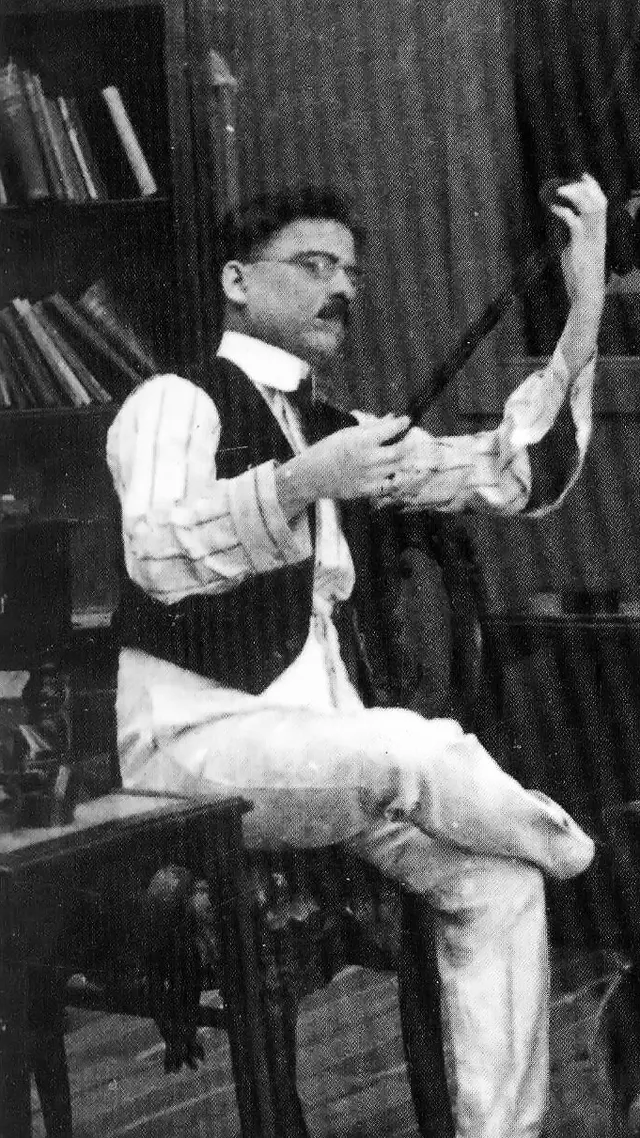
Dadasaheb Phalke, who wrote, directed and produced Raja Harishchandra.
Image creditUnknown photographer · Public domainResized and cropped for display.

India’s first feature film opens in Bombay

On 3 May 1913 Raja Harishchandra, made by Dhundiraj Govind Phalke, began its public run at the Coronation Cinematograph in Girgaon, Bombay, after a preview for invited guests at the Olympia Theatre in April. It is generally regarded as the first full-length Indian feature film.

The silent film told the Hindu legend of a king who will not break his word, however hard he is tested. Phalke could not find women willing to act, so men played the female roles, and the film’s success laid the foundation of India’s film industry.

Read the full storyHistory & Timeline →Source: Britannica: Raja Harishchandra ↗
✦
LIVES REMEMBERED

Remembered Today

Béla IV of Hungary
Image creditMárk Kálti · Public domainResized and cropped for display.

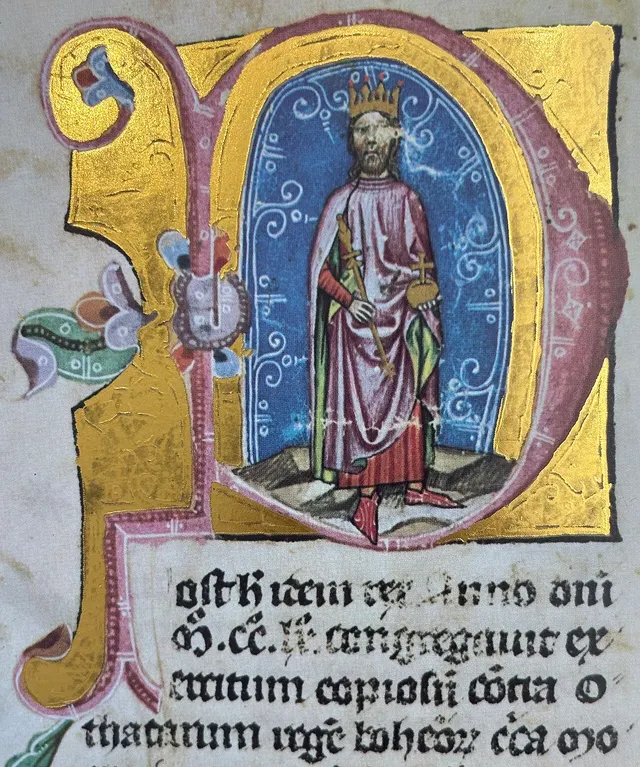
Béla IV of Hungary

King who rebuilt Hungary after the Mongol invasion.

☉
AROUND THE WORLD

Observances & Anniversaries

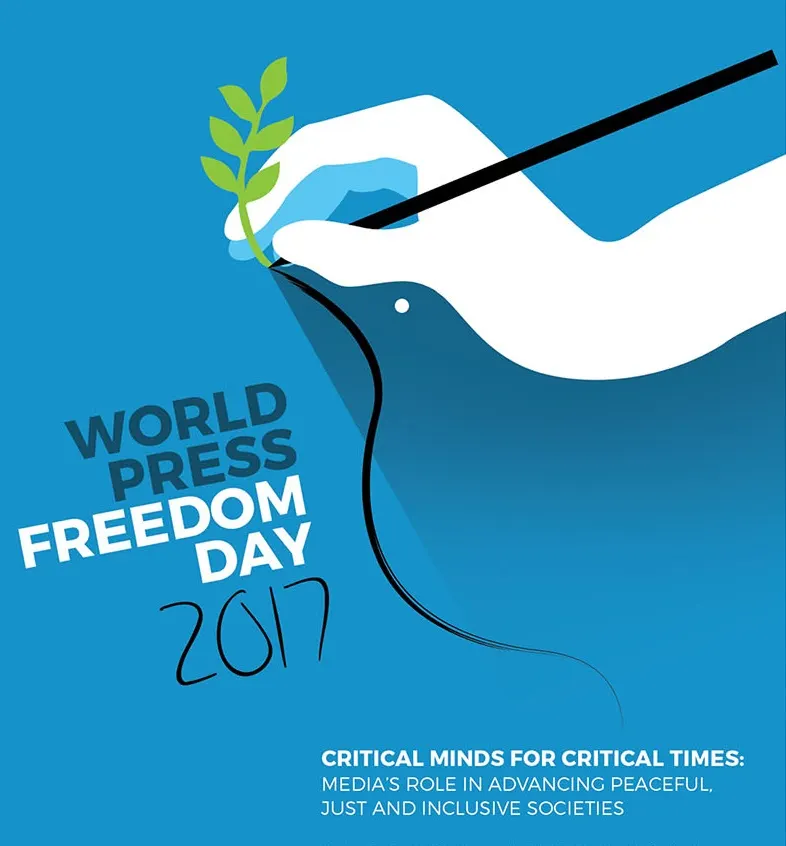
UNESCO's poster for World Press Freedom Day 2017.
UNESCO’s poster for World Press Freedom Day 2017.
Image creditUNESCO · CC BY-SA 3.0 igoResized and cropped for display.

World Press Freedom Day

Proclaimed by the United Nations General Assembly in December 1993, World Press Freedom Day is marked each year on 3 May, the anniversary of the 1991 Windhoek Declaration. It is a day to defend media independence and to remember journalists who have lost their lives doing their work.

Source: United Nations: World Press Freedom Day ↗
HISTORY & TIMELINE

Finished the highlights?

Follow 3 May chronologically, from the Middle Ages to the modern day, with 11 verified events and the sources behind them.

This day through time →