Explore 27 April

Explore 27 April: Lapulapu’s warriors defeat Magellan at Mactan, South Africans queue for hours to vote in their first democratic election, American troops take and burn York in Upper Canada, and the Airbus A380 makes its first flight. Meet Mary Wollstonecraft, Ulysses S. Grant and Coretta Scott King, born on this date, and remember Ralph Waldo Emerson.

This day through time →13 verified events across 6 eras

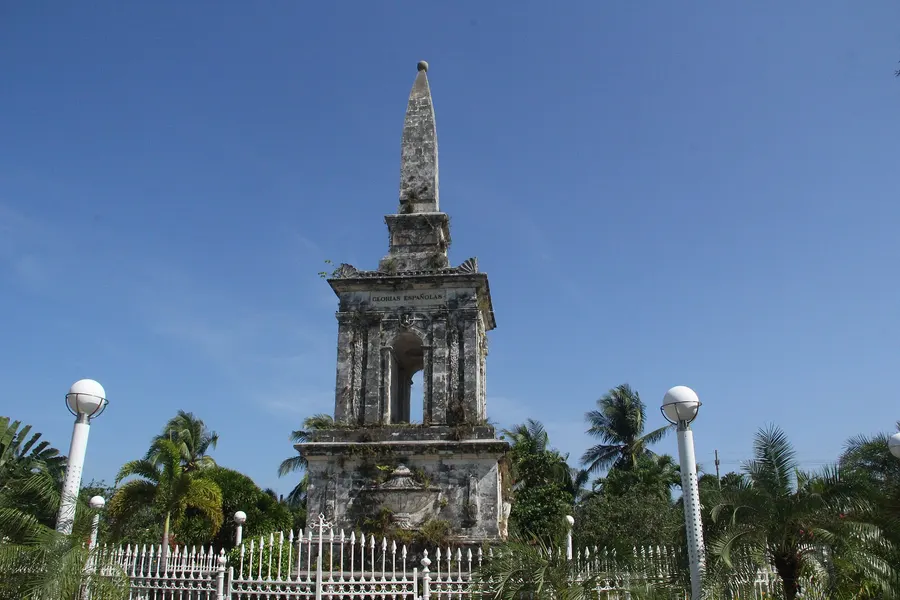
The Mactan Shrine in Lapu-Lapu City, near the site of the battle; the tower is the 19th-century monument to Magellan.
Image creditBadz Patanag · CC BY-SA 3.0Resized and cropped for display.

Lapulapu’s warriors defeat Magellan at Mactan

On 27 April 1521 Ferdinand Magellan waded ashore on the island of Mactan, in the central Philippines, with a few dozen armed men. He had come to force Lapulapu, the island’s datu, to submit to Spain and to the ruler of neighbouring Cebu, but a wide coral reef kept his ships and their guns too far out to help.

Lapulapu’s warriors, far more numerous, drove the Spaniards back through the shallows and killed Magellan in the fighting. The survivors sailed on and one ship eventually completed the first voyage round the world, while in the Philippines Lapulapu is honoured as the first to resist European conquest.

Read the full storyHistory & Timeline →Source: National Historical Commission of the Philippines: 500 years of the Battle of Mactan ↗
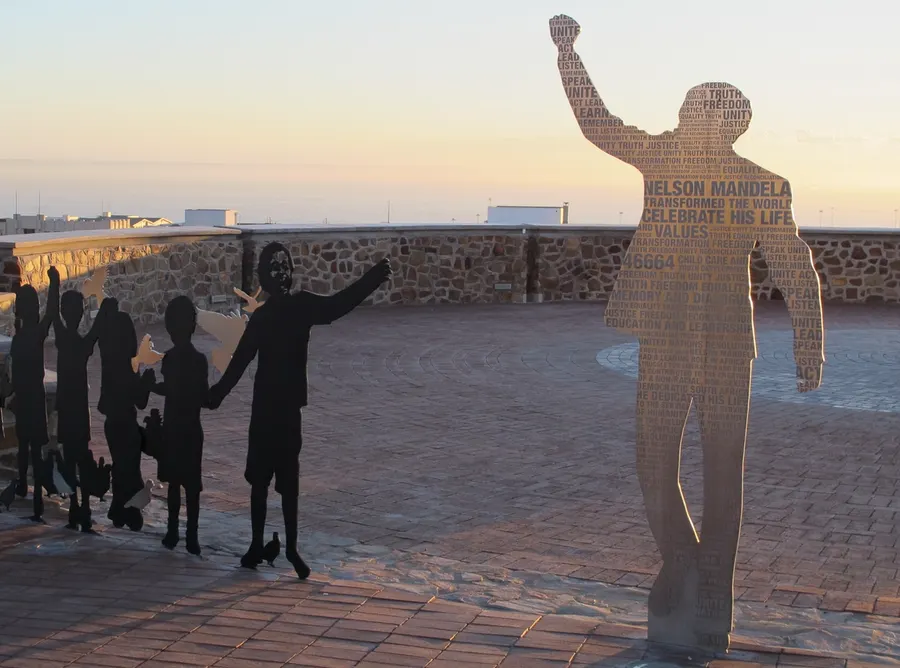
A memorial in Port Elizabeth (Gqeberha) that recalls the long, winding queues of voters in 1994, with a figure of Nelson Mandela.
Image creditSuzi-k · CC BY-SA 3.0Resized and cropped for display.

South Africa votes as one nation

On 27 April 1994 millions of South Africans voted in the country’s first election open to adults of every race. Many had never been allowed to vote before, and people stood for hours in queues that often stretched for more than a kilometre.

Voting ran over several days and turnout reached almost 87 per cent. The African National Congress won about 63 per cent of the vote, Nelson Mandela became president the following month, and the date is now kept as Freedom Day.

Read the full storyHistory & Timeline →Source: Apartheid Museum: 1994 Election ↗
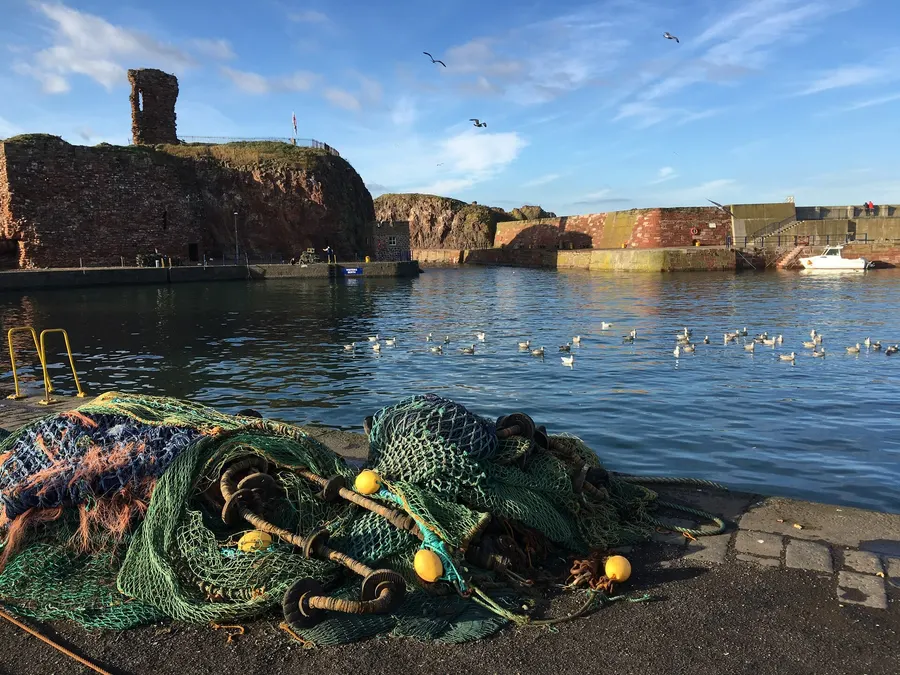
The ruins of Dunbar Castle above the harbour at Dunbar, East Lothian.
Image creditJennifer Petrie · CC BY-SA 2.0Resized and cropped for display.

The Scots are routed at Dunbar

On 27 April 1296 an English army under John de Warenne, Earl of Surrey, met the Scottish host outside Dunbar in East Lothian. Edward I of England had invaded Scotland weeks earlier to punish King John Balliol for refusing to serve him and for making an alliance with France.

The Scots left a strong position on high ground and were scattered by the English cavalry, and Dunbar Castle surrendered the next day. It was the only major battle of the campaign: by July Balliol had given up his crown, opening the long Wars of Scottish Independence.

Read the full storyHistory & Timeline →Source: Oxford Reference: Battle of Dunbar ↗
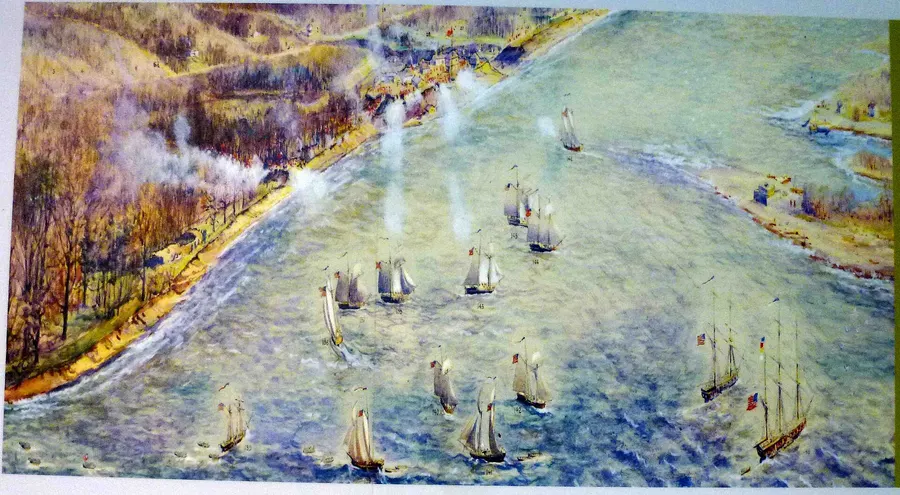
The American naval force off York during the attack of 1813, in a watercolour by Owen Staples.
Image creditOwen Staples · Public domainResized and cropped for display.

American troops take and burn York

On 27 April 1813 an American fleet landed a large force of troops west of York, the small capital of Upper Canada that is now Toronto. The British regulars, Canadian militia and Ojibwe warriors defending it were outnumbered and fell back after hours of fighting.

As they withdrew the British blew up the fort’s powder magazine, and the blast killed or wounded more than 200 Americans, among them their commander, the explorer Zebulon Pike. The Americans went on to burn the parliament buildings, and the raid was one of the grievances behind the burning of Washington the following year.

Read the full storyHistory & Timeline →Source: American Battlefield Trust: York ↗
♙
PEOPLE

Born Today

Mary Wollstonecraft
Image creditJohn Opie · Public domainResized and cropped for display.

Mary Wollstonecraft

English writer whose A Vindication of the Rights of Woman argued for women’s education and equality.

Mumtaz Mahal
Image creditUnknown author · Public domainResized and cropped for display.

Mumtaz Mahal

Mughal empress, wife of Shah Jahan, in whose memory the Taj Mahal was built.

Sheena Easton
Image creditdjnaquin67 · CC BY-SA 2.0Resized and cropped for display.

Sheena Easton

Scottish singer who sang the James Bond theme For Your Eyes Only.

◉
IDEAS THAT CHANGED THINGS

Firsts, Science & Discoveries

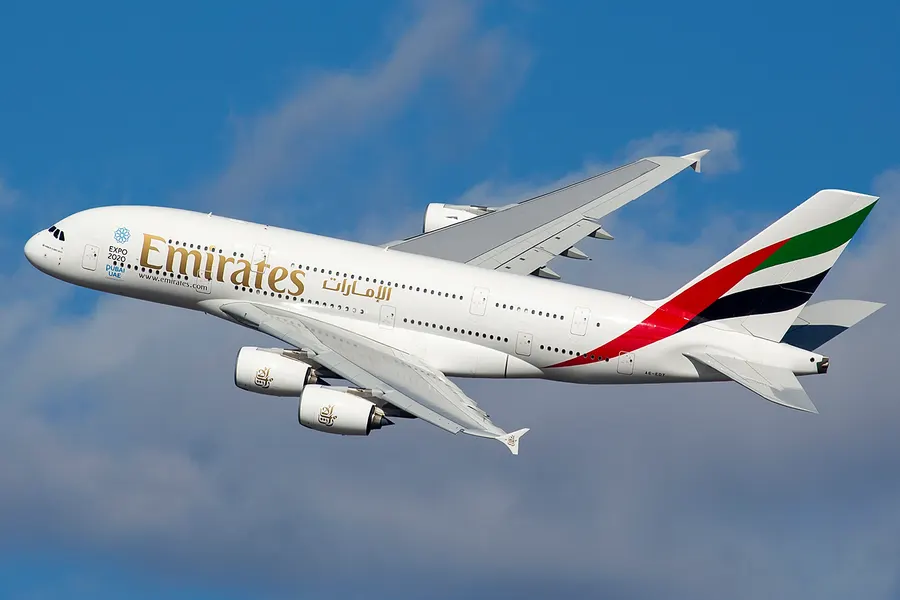
An Airbus A380 of Emirates in flight near New York in 2013.
Image creditMaarten Visser from Capelle aan den IJssel, Nederland · CC BY-SA 2.0Resized and cropped for display.

The Airbus A380 makes its first flight

On 27 April 2005 the first Airbus A380 took off from Toulouse-Blagnac in south-west France at 10.30 in the morning. Tens of thousands of people gathered around the airport to watch the double-decker, the largest passenger airliner ever built, climb away.

The test crew flew for almost four hours before landing back at Toulouse. The A380 entered service with Singapore Airlines in 2007 and could carry more than 500 passengers, though airlines later turned to smaller twin-engined jets and production ended in 2021.

Read the full storyHistory & Timeline →Source: Airbus: Happy 20th anniversary, A380! ↗
☆
SPORTING HISTORY

Sporting Moments

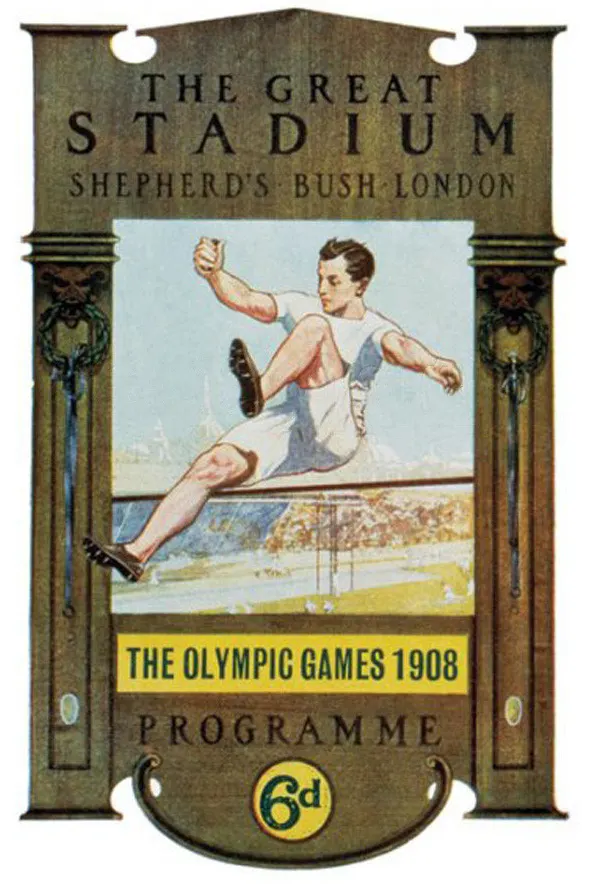
The cover of the programme for the 1908 Olympic Games at the Great Stadium, Shepherd's Bush.
The cover of the programme for the 1908 Olympic Games at the Great Stadium, Shepherd’s Bush.
Image creditArthur Stockdale Cope · Public domainResized and cropped for display.

London’s first Olympic Games begin

On 27 April 1908 the Olympic Games held in London got under way, quietly, at Queen’s Club in West Kensington. Evan Noel beat Cecil Browning in the first round of the racquets tournament, the opening contest of Games that would run on and off until the end of October.

The grand opening ceremony at the new White City stadium did not take place until July. London had stepped in after Rome withdrew, and the 1908 Games were the first to have a purpose-built main stadium and a formal parade of nations.

Read the full storyHistory & Timeline →Source: Olympedia: Racquets at the 1908 Summer Olympics ↗
♫
MUSIC • FILM • BOOKS • CULTURE

Culture Stories

The Biosphère in Montreal, the geodesic dome built as the United States pavilion for Expo 67.
Image creditÉquinoxe · CC BY-SA 4.0Resized and cropped for display.

Expo 67 opens in Montreal

On 27 April 1967 Governor General Roland Michener declared Expo 67 open at the Place des Nations in Montreal, before some 7,000 invited guests and the world’s press. The fair, built partly on islands enlarged and created in the St Lawrence River, was the centrepiece of Canada’s centennial year.

The public came through the gates the next morning, and more than 300,000 people visited on the first day. Over six months some 50 million visits were recorded, and Moshe Safdie’s Habitat 67 housing complex still stands as a reminder of the fair.

Read the full storyHistory & Timeline →Source: Library and Archives Canada: 50 years of Expo 67 ↗
✦
LIVES REMEMBERED

Remembered Today

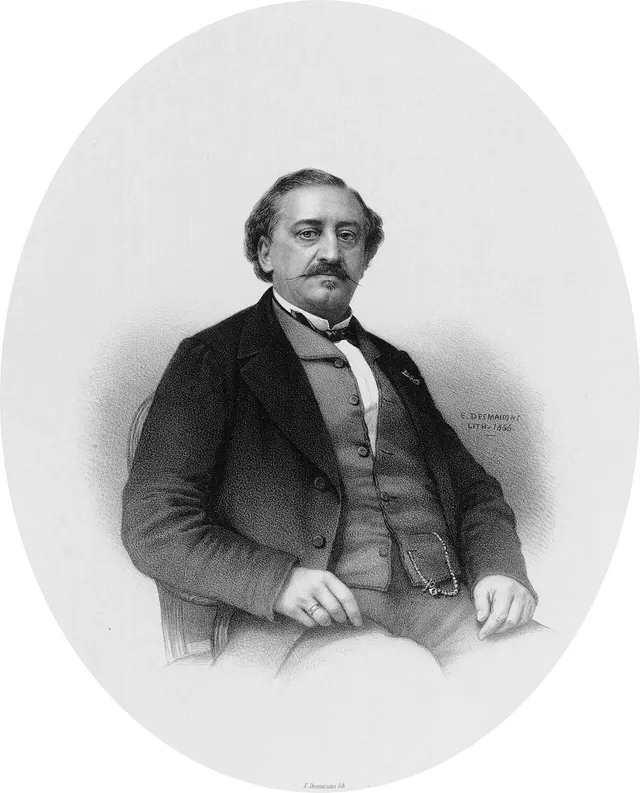
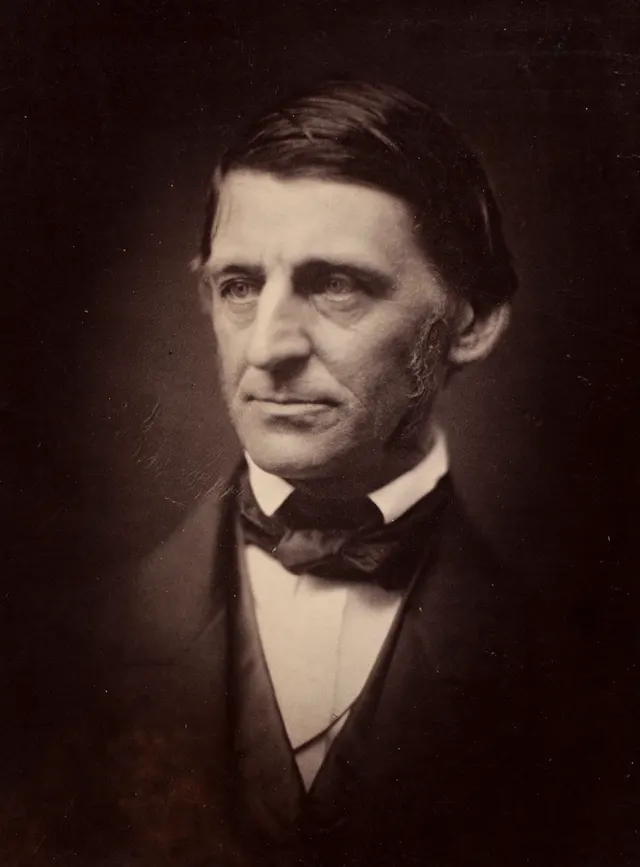
Ralph Waldo Emerson
Image creditJosiah Johnson Hawes · Public domainResized and cropped for display.

Ralph Waldo Emerson

American essayist and poet who led the Transcendentalist movement.

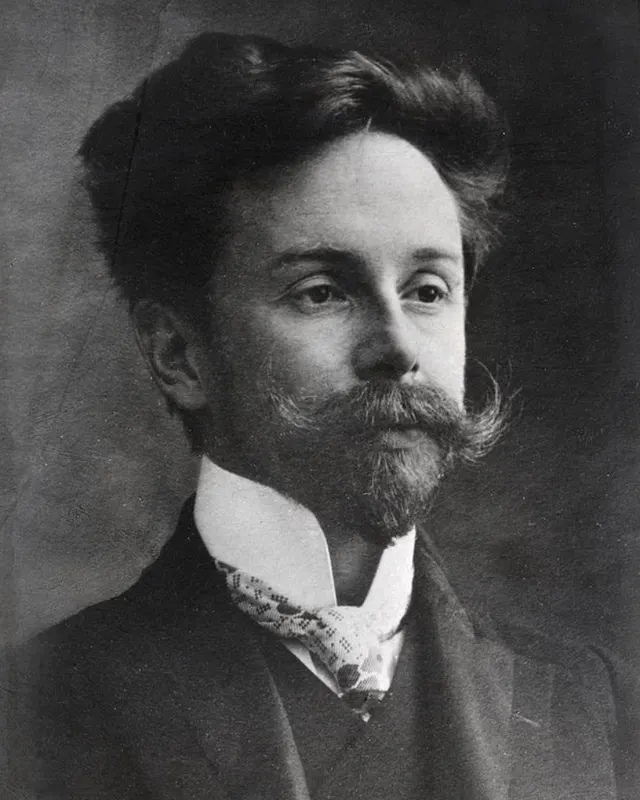
Alexander Scriabin
Image creditCharles-Louis Klary · Public domainResized and cropped for display.

Alexander Scriabin

Russian composer and pianist whose later works pushed harmony towards new, mystical sounds.

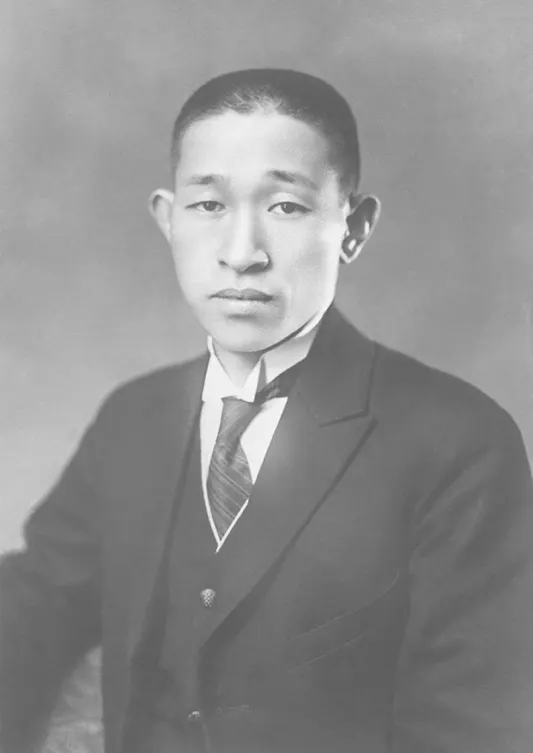
Kōnosuke Matsushita
Image creditUnknown author · Public domainResized and cropped for display.

Kōnosuke Matsushita

Japanese industrialist who founded the company now known as Panasonic.

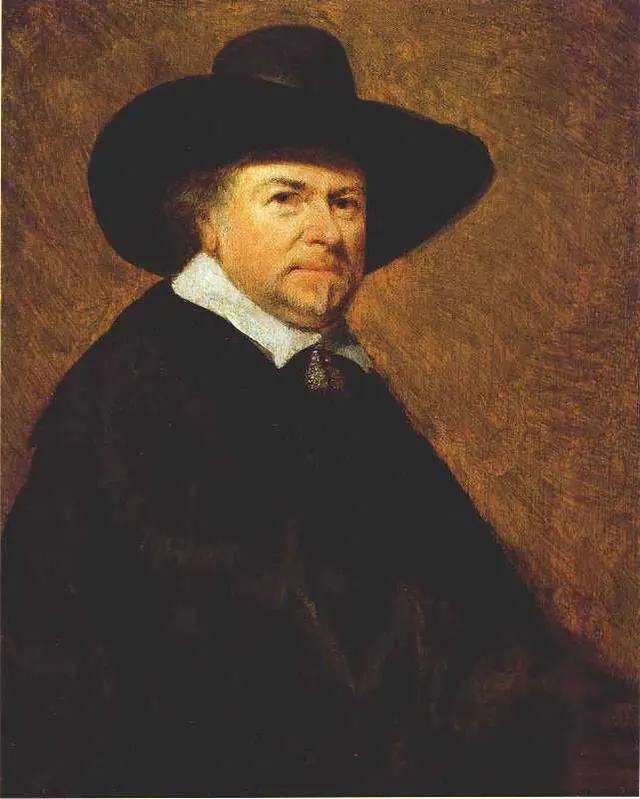
Jan van Goyen
Image creditGerard ter Borch · Public domainResized and cropped for display.

Jan van Goyen

Dutch Golden Age painter of river views and landscapes.

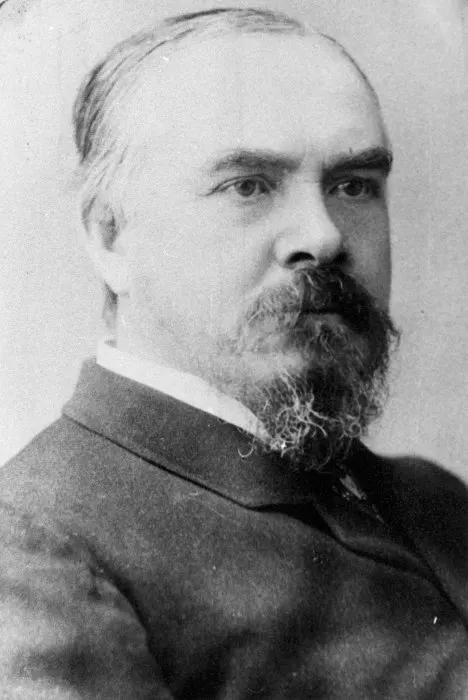
John Ballance
Image creditW H Clarke · Public domainResized and cropped for display.

John Ballance

Premier of New Zealand who founded the Liberal government that later gave women the vote.

☉
AROUND THE WORLD

Observances & Anniversaries

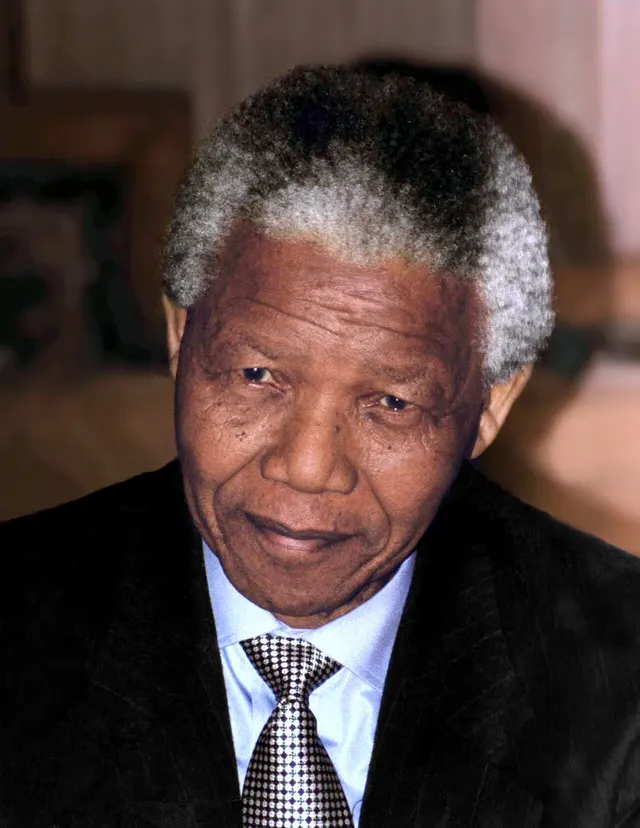
Nelson Mandela in 1994, the year of the first democratic election.
Image creditKingkongphoto & www.celebrity-photos.com from Laurel · CC BY-SA 2.0Resized and cropped for display.

Freedom Day, South Africa

South Africa marks Freedom Day as a public holiday on 27 April, the anniversary of the first election in which people of all races could vote. It commemorates the end of apartheid rule and the arrival of a democratic government, and is usually marked by a national ceremony and speeches by the president.

Source: South African History Online: Freedom Day, 27 April ↗
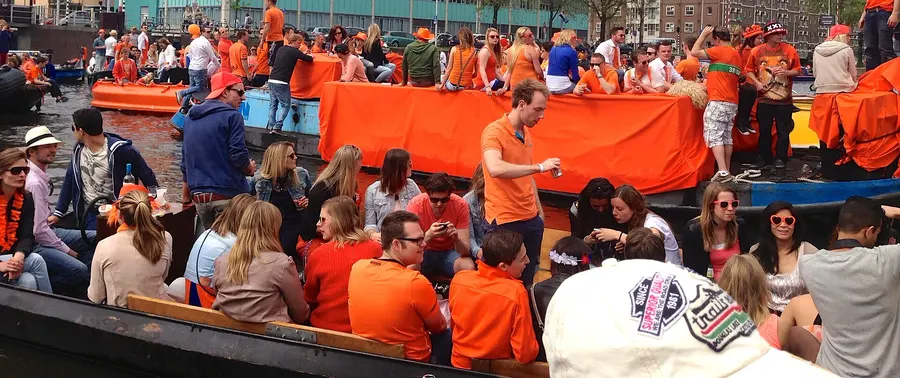
Boats full of people in orange on an Amsterdam canal on King's Day.
Boats full of people in orange on an Amsterdam canal on King’s Day.
Image creditA. Bakker · CC BY-SA 3.0Resized and cropped for display.

King’s Day, Netherlands

Koningsdag, King’s Day, is the national holiday of the Netherlands, held on 27 April for King Willem-Alexander’s birthday, or on the 26th when the 27th falls on a Sunday. It replaced Queen’s Day in 2014, after he succeeded his mother, Beatrix.

Towns fill with orange, the colour of the House of Orange-Nassau, and with street markets where anyone may sell second-hand goods without a permit, while the royal family visits a different town each year.

Source: Royal House of the Netherlands: King’s Day ↗
HISTORY & TIMELINE

Finished the highlights?

Follow 27 April chronologically, from the Middle Ages to the modern day, with 13 verified events and the sources behind them.

This day through time →