Explore 25 April

Explore 25 April: work begins on the Suez Canal, Anzac and Allied troops land at Gallipoli, a quiet coup brings carnations and democracy to Portugal, and the last piece of the Obelisk of Aksum comes home to Ethiopia. Meet Guglielmo Marconi, Ella Fitzgerald and Louis IX of France, born on this date, and remember Jane Jacobs.

This day through time →11 verified events across 5 eras

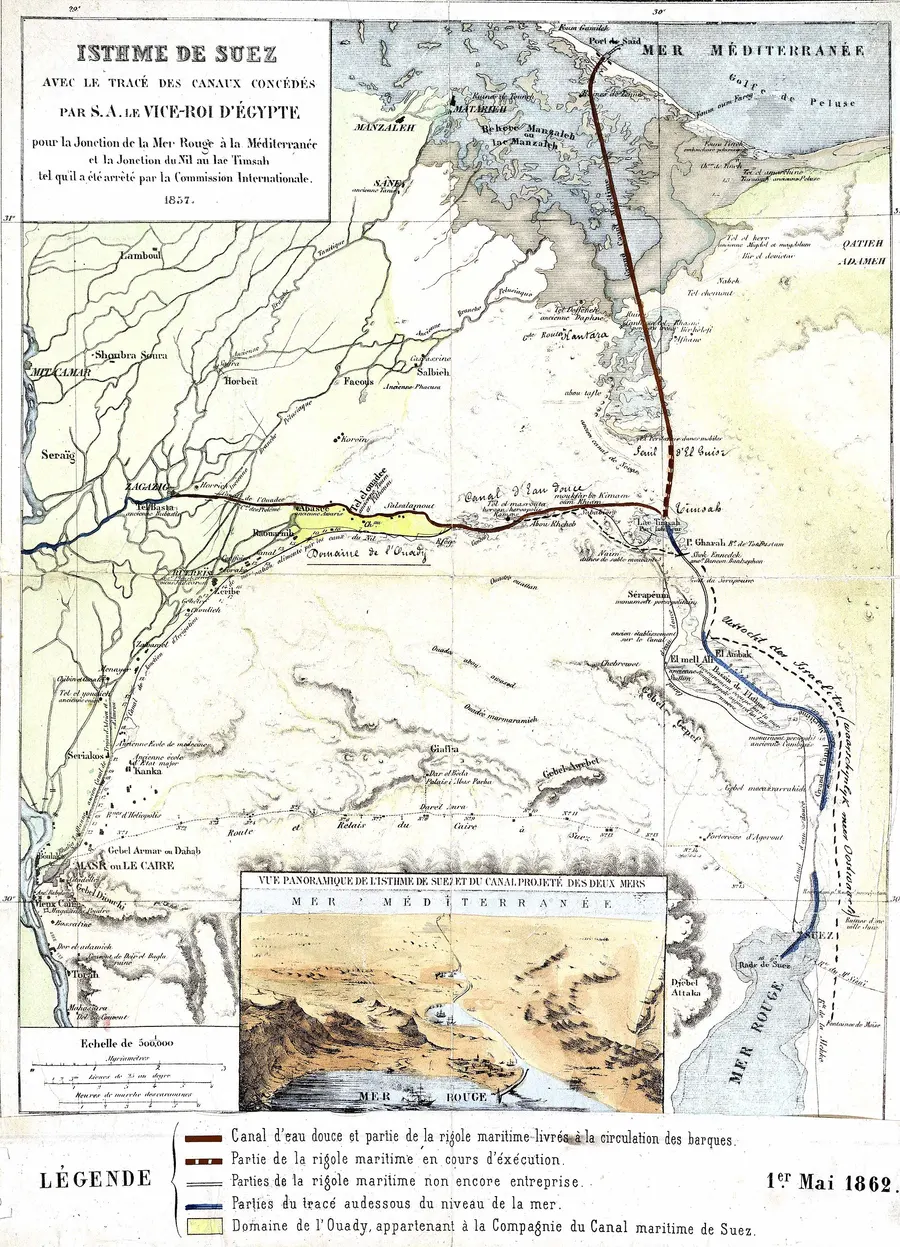
A French map of the Isthmus of Suez, updated to May 1862 to show how far the canal works had progressed.
Image creditUnknown · Public domainResized and cropped for display.

Work begins on the Suez Canal

On 25 April 1859 Ferdinand de Lesseps struck the first ceremonial blow with a pickaxe on a strip of sand between Lake Manzala and the Mediterranean, where the town of Port Said would grow. The French diplomat had won a concession from Egypt’s ruler, Said Pasha, to cut a waterway across the isthmus of Suez and join the Mediterranean to the Red Sea.

The digging took ten years, and much of the early work was done by hand by tens of thousands of Egyptian labourers, many of them conscripted, in harsh conditions. The canal opened in November 1869, cutting thousands of miles from the sea route between Europe and Asia.

Read the full storyHistory & Timeline →Source: Suez Canal Authority: Canal history ↗
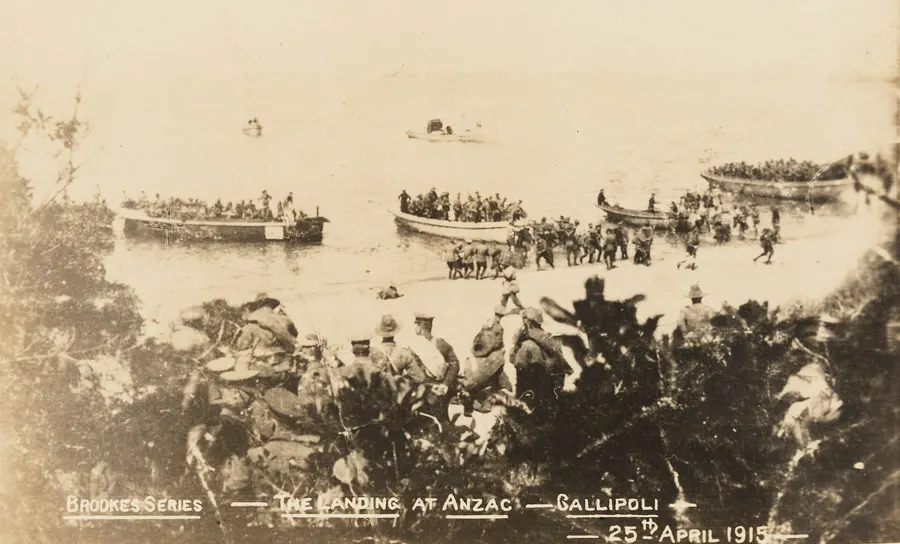
Australian troops landing at Anzac Cove on 25 April 1915, in a postcard published by Brookes (State Library of New South Wales).
Image creditPublished by Brookes · Public domainResized and cropped for display.

Anzac and Allied troops land at Gallipoli

On 25 April 1915 around 16,000 Australian and New Zealand soldiers came ashore before dawn on the Gallipoli peninsula in Ottoman Turkey, while British troops landed at Cape Helles to the south and French troops made a diversionary landing on the Asian shore. The aim was to open the Dardanelles to Allied warships and knock the Ottoman Empire out of the war.

Steep ridges, scrub and determined Ottoman defenders held the landings close to the beaches, and about 2,000 Australians and New Zealanders were killed or wounded on the first day. The campaign dragged on for eight months before the Allies withdrew, and the date of the landing became Anzac Day.

Read the full storyHistory & Timeline →Source: Australian War Memorial: The landing ↗
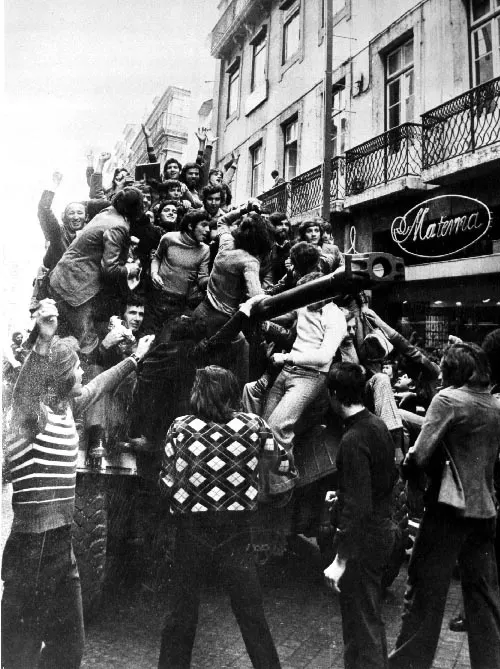
Crowds climb onto a military vehicle in Lisbon during the Carnation Revolution of 1974.
Image creditUnknown author · CC BY 4.0Resized and cropped for display.

Carnations and a quiet coup end Portugal’s dictatorship

On 25 April 1974, just after midnight, a Catholic radio station in Lisbon played Grândola, Vila Morena, a banned song by Zeca Afonso, as a signal to junior officers of the Armed Forces Movement. Troops, among them a column led by Captain Salgueiro Maia from Santarém, moved into the capital and within hours the Estado Novo regime, in power for nearly half a century, had surrendered.

Crowds filled the streets, and a woman named Celeste Caeiro handed red carnations to soldiers, who pushed them into their rifle barrels. The largely bloodless revolution led to free elections, independence for Portugal’s African colonies and the democracy that the country marks every year as Freedom Day.

Read the full storyHistory & Timeline →Source: Visit Portugal (Turismo de Portugal): 25th April, Freedom Day ↗
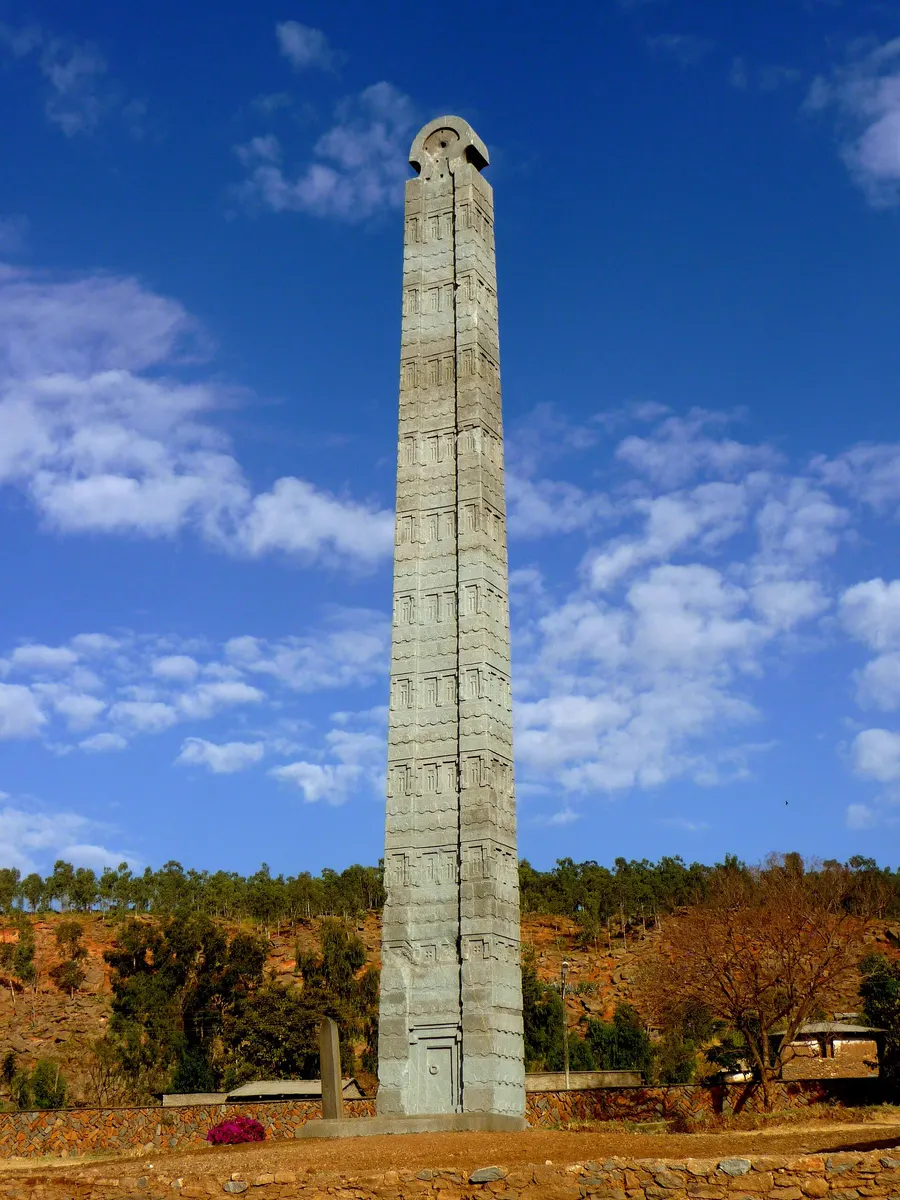
The Obelisk of Aksum standing again at Aksum, in Ethiopia's Tigray region.
The Obelisk of Aksum standing again at Aksum, in Ethiopia’s Tigray region.
Image creditOndřej Žváček · CC BY 2.5Resized and cropped for display.

The Obelisk of Aksum comes home

On 25 April 2005 the last of three sections of the Obelisk of Aksum was flown into the northern Ethiopian town it came from, 68 years after Italian troops took it to Rome following Mussolini’s invasion. The carved granite stele, about 1,700 years old and more than 24 metres tall, had stood near the Circus Maximus since 1937.

Ethiopia had asked for its return for decades, and Italy agreed to cut it into pieces so that it could be flown home. UNESCO drew up the plans to put it back up, and the obelisk was raised again among the ancient stelae of Aksum in 2008.

Read the full storyHistory & Timeline →Source: UN News: Ethiopian obelisk taken by Italy returns home under watchful eye of UN (26 April 2005) ↗
♙
PEOPLE

Born Today

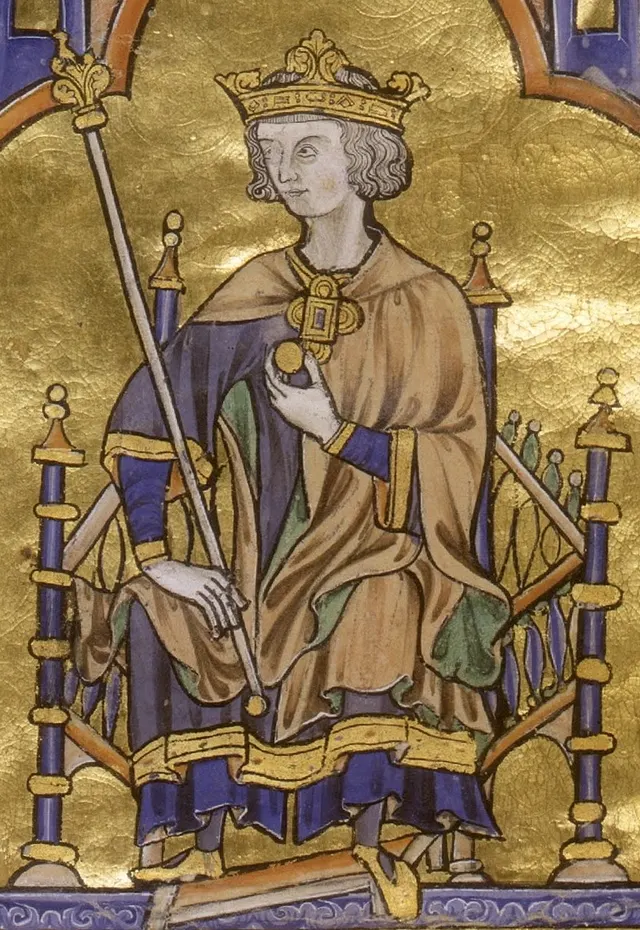
Louis IX of France
Image creditAnonymousUnknown author · Public domainResized and cropped for display.

Louis IX of France

King of France who led two crusades and was later canonised as Saint Louis.

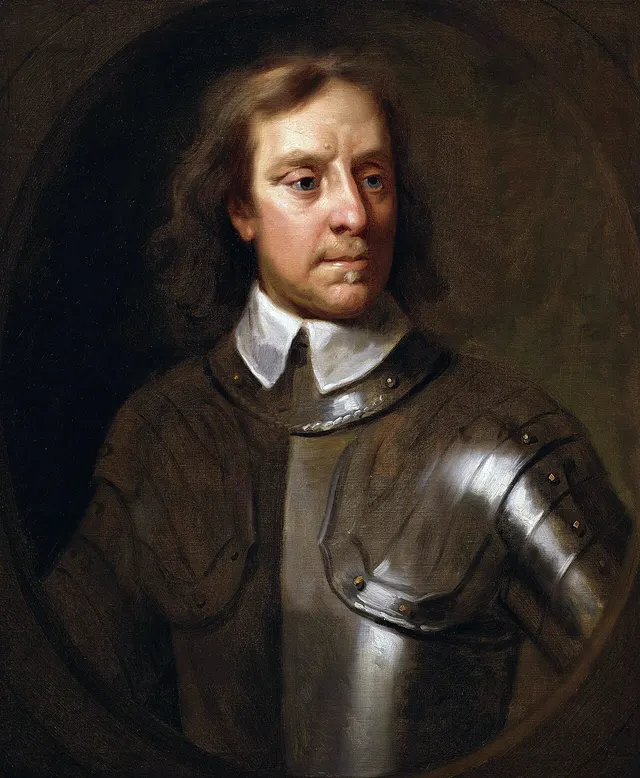
Oliver Cromwell
Image creditAfter Samuel Cooper · Public domainResized and cropped for display.

Oliver Cromwell

English soldier and politician who led Parliament’s army in the civil wars and ruled as Lord Protector.

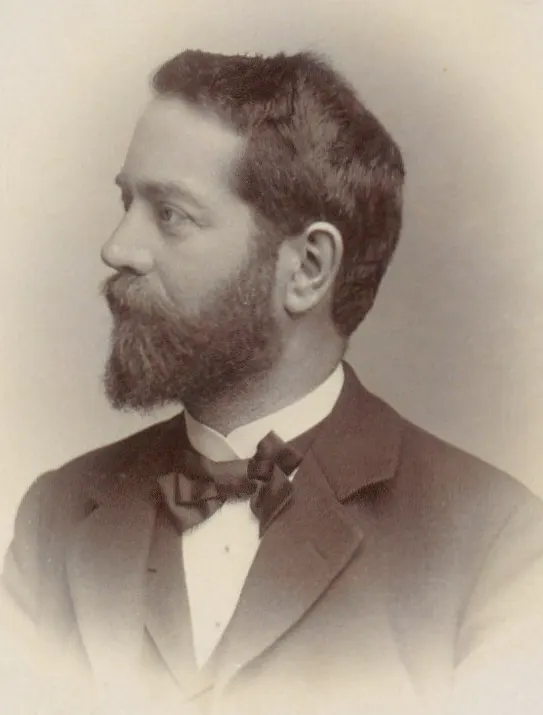
Felix Klein
Image creditGebrüder Noelle, Göttingen · Public domainResized and cropped for display.

Felix Klein

German mathematician who unified geometry through group theory and gave his name to the Klein bottle.

Guglielmo Marconi
Image creditPach Brothers · Public domainResized and cropped for display.

Guglielmo Marconi

Italian inventor whose work on long-distance radio won him a share of the 1909 Nobel Prize in Physics.

Ella Fitzgerald
Image creditCarl Van Vechten · Public domainResized and cropped for display.

Ella Fitzgerald

American jazz singer, the ‘First Lady of Song’, famed for her songbook recordings and scat singing.

Al Pacino
Image creditJorge Jaramillo · CC BY-SA 4.0Resized and cropped for display.

Al Pacino

American actor known for The Godfather films and Scent of a Woman, for which he won an Oscar.

◉
IDEAS THAT CHANGED THINGS

Firsts, Science & Discoveries

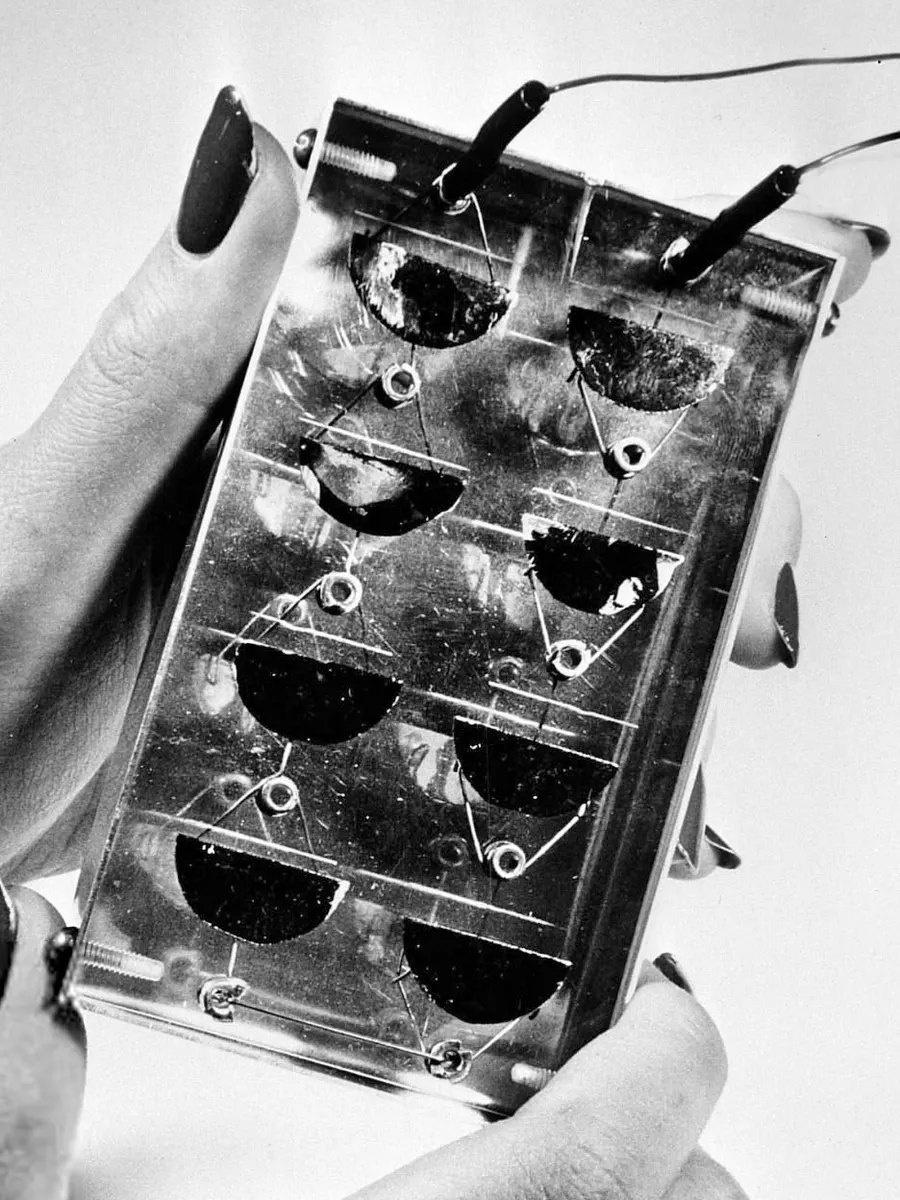
An early solar module of 1954, recorded on Wikimedia Commons as the first.
Image creditUnknown author · Public domainResized and cropped for display.

Bell Labs shows off a battery that runs on sunlight

On 25 April 1954 Bell Telephone Laboratories showed reporters in Murray Hill, New Jersey, a panel of silicon cells that turned sunlight straight into electricity. The engineer Daryl Chapin and the scientists Calvin Fuller and Gerald Pearson had found how to treat silicon so that it converted around six per cent of the light falling on it, far more than earlier devices.

For the demonstration the ‘solar battery’ powered a small toy Ferris wheel and a radio transmitter. The cells were too costly for everyday use at first, but within a few years they were powering satellites, and their descendants now cover rooftops around the world.

Read the full storyHistory & Timeline →Source: American Physical Society, APS News: April 25, 1954: Bell Labs demonstrates the first practical silicon solar cell ↗
♫
MUSIC • FILM • BOOKS • CULTURE

Culture Stories

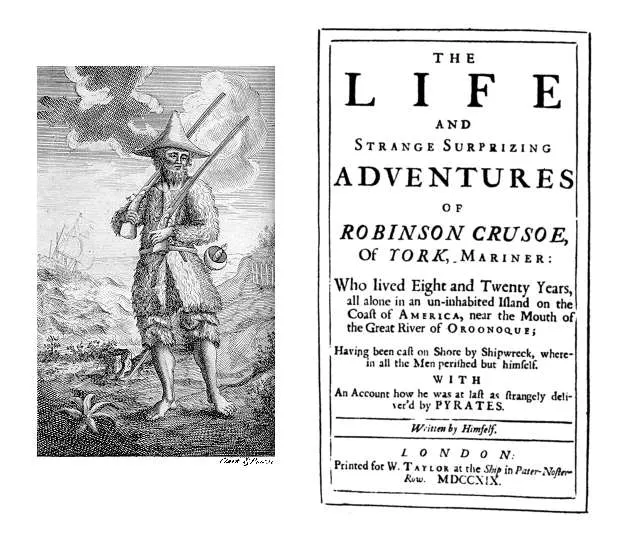
The frontispiece and title page of the first edition of Robinson Crusoe, London, 1719.
Image creditUnknown author · Public domainResized and cropped for display.

Robinson Crusoe appears in London

On 25 April 1719, or very close to it, the London bookseller William Taylor published The Life and Strange Surprizing Adventures of Robinson Crusoe, of York, Mariner. The title page presented it as a true account by a castaway who had spent 28 years alone on an island near the mouth of the Orinoco; its real author, Daniel Defoe, was not named.

The book sold so well that several editions followed within months, and Defoe wrote a sequel the same year. It is often called one of the first English novels, and its story of shipwreck, survival and the man Crusoe names Friday has been retold and argued over ever since.

Read the full storyHistory & Timeline →Source: Miami University Libraries, Walter Havighurst Special Collections: From the Stacks - Robinson Crusoe ↗
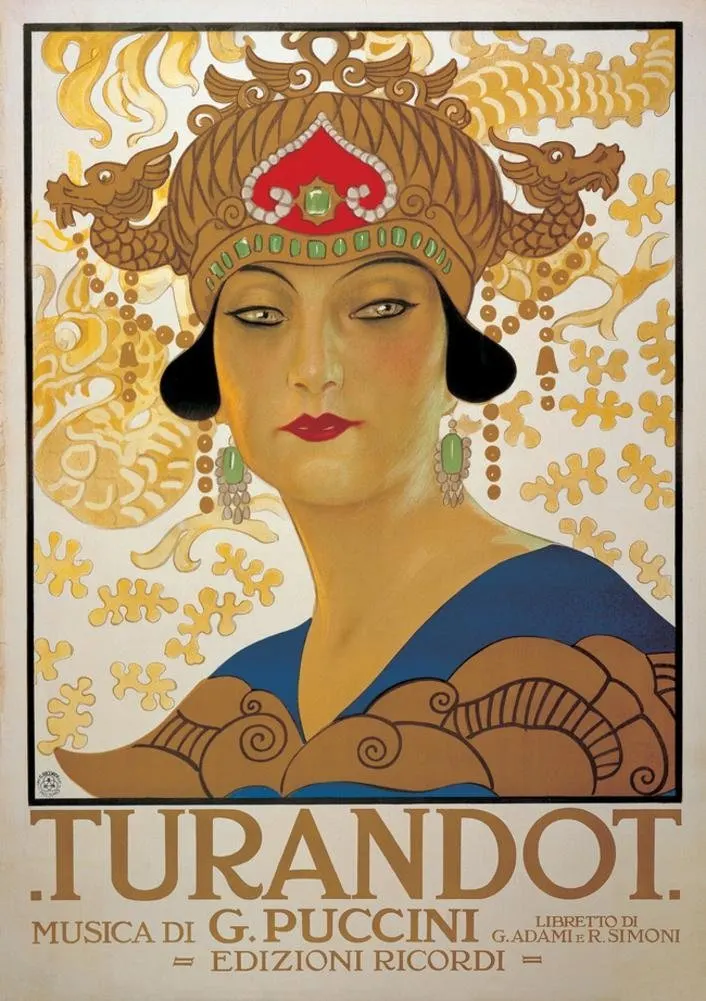
Leopoldo Metlicovitz's poster for the first production of Turandot, 1926.
Leopoldo Metlicovitz’s poster for the first production of Turandot, 1926.
Image creditLeopoldo Metlicovitz · Public domainResized and cropped for display.

Turandot opens at La Scala, and Toscanini lays down his baton

On 25 April 1926 Giacomo Puccini’s last opera, Turandot, had its first performance at La Scala in Milan. Puccini had died in Brussels in November 1924 with the final scenes unfinished, and the conductor Arturo Toscanini asked the composer Franco Alfano to complete them from Puccini’s sketches.

On the first night Toscanini stopped at the death of the slave girl Liù, the last music Puccini had written, laid down his baton and told the audience that the opera ended there because the composer had died. From the second performance the opera was given with Alfano’s ending, and its aria Nessun dorma later became one of the best-known tunes in opera.

Read the full storyHistory & Timeline →Source: Teatro alla Scala: Turandot ↗
✦
LIVES REMEMBERED

Remembered Today

Leon Battista Alberti
Image creditLeon Battista Alberti · CC0Resized and cropped for display.

Leon Battista Alberti

Italian Renaissance architect and writer whose treatises set out the rules of perspective and building.

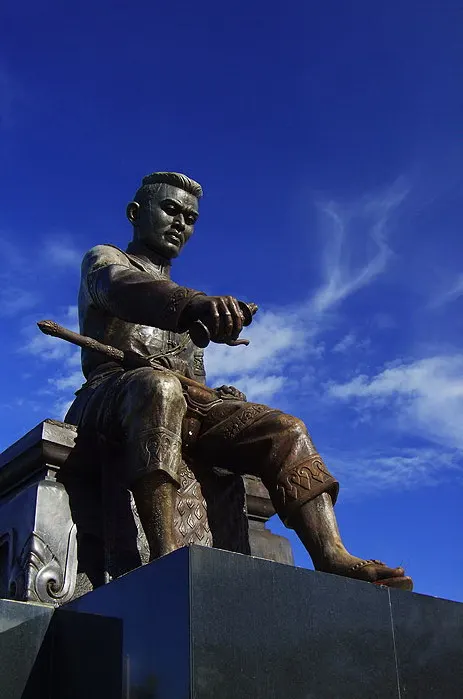
Naresuan
Image creditMixvasuvadh · Public domainResized and cropped for display.

Naresuan

King of Ayutthaya who freed Siam from Burmese overlordship and is honoured as a national hero in Thailand.

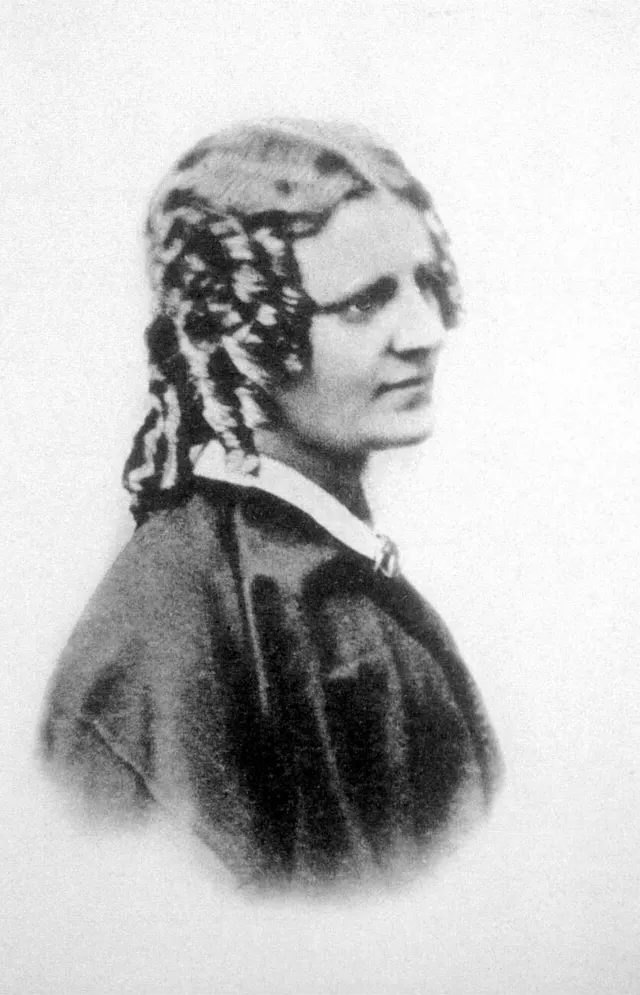
Anna Sewell
Image creditUnknown author · Public domainResized and cropped for display.

Anna Sewell

English novelist whose only book, Black Beauty, was published months before her death.

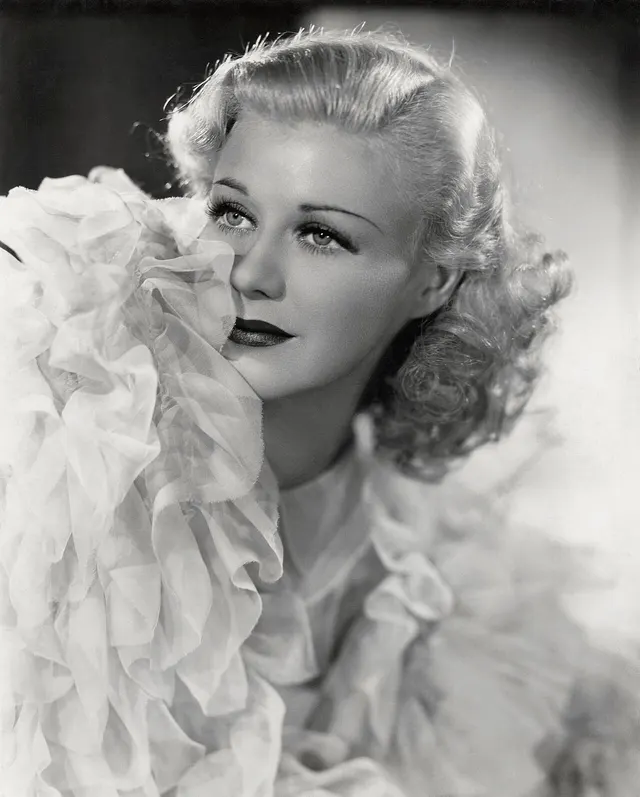
Ginger Rogers
Image creditJohn Miehle (1902-1952) · Public domainResized and cropped for display.

Ginger Rogers

American actress and dancer, Fred Astaire’s partner in ten films and an Oscar winner for Kitty Foyle.

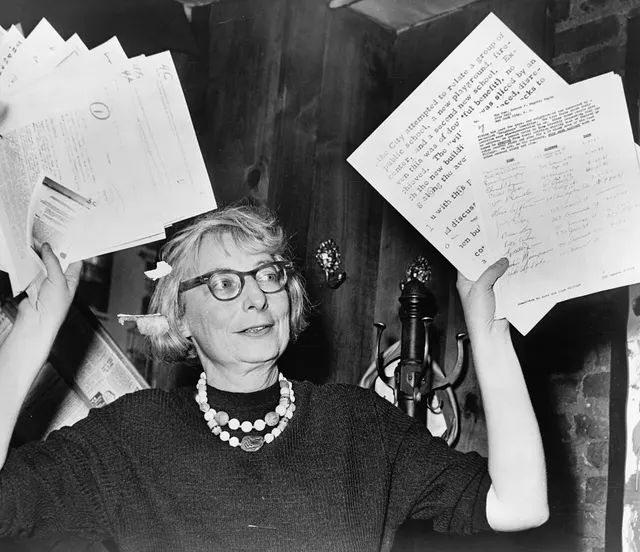
Jane Jacobs
Image creditPhil Stanziola · Public domainResized and cropped for display.

Jane Jacobs

American-Canadian writer whose The Death and Life of Great American Cities changed thinking about urban planning.

☉
AROUND THE WORLD

Observances & Anniversaries

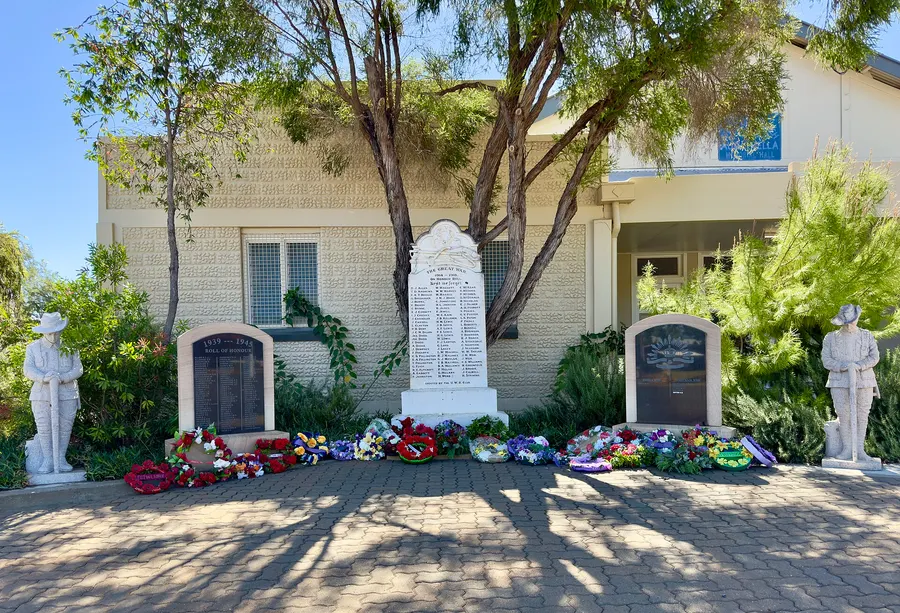
Wreaths at the war memorial in Augathella, Queensland, on Anzac Day 2024.
Image creditKgbo · CC BY-SA 4.0Resized and cropped for display.

Anzac Day

Australia and New Zealand mark 25 April as Anzac Day, remembering the landing at Gallipoli in 1915 and all who have served and died in their wars. The first commemorations were held in 1916, when more than 2,000 Australian and New Zealand soldiers marched through London.

Dawn services, which echo the soldiers’ pre-dawn ‘stand-to’, became a tradition from the late 1920s and are now held across both countries and at Gallipoli itself, followed later in the day by marches of veterans and their families.

Source: Australian War Memorial: Anzac Day traditions ↗
HISTORY & TIMELINE

Finished the highlights?

Follow 25 April chronologically, from the Middle Ages to the modern day, with 11 verified events and the sources behind them.

This day through time →