Explore 21 April

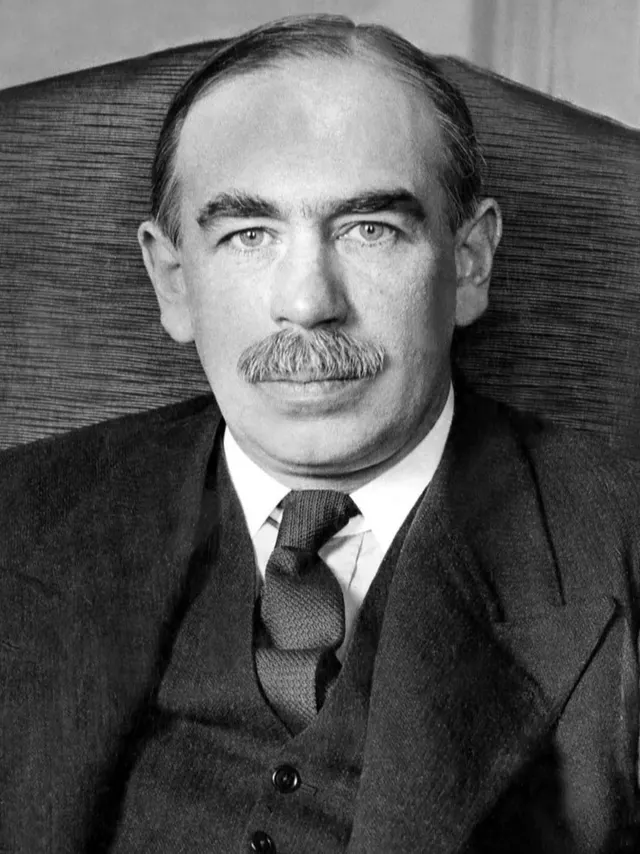
Explore 21 April: Brazil moves its capital to Brasília, Frenchwomen win the right to vote, Melbourne’s stonemasons win an eight-hour day and South Vietnam’s president resigns as Saigon is encircled. Meet Queen Elizabeth II, John Muir and Max Weber, born on this date, and remember John Maynard Keynes.

This day through time →14 verified events across 5 eras

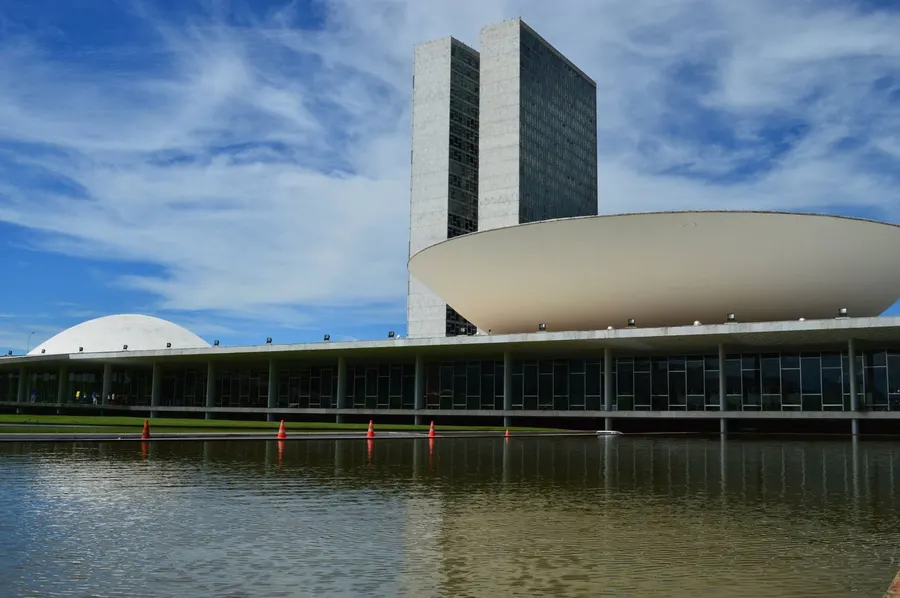
Oscar Niemeyer's National Congress building in Brasília.
Oscar Niemeyer’s National Congress building in Brasília.
Image creditDária Baísa · CC BY 2.0Resized and cropped for display.

Brazil moves its capital to a city built from scratch

On 21 April 1960 Brasília was inaugurated as the capital of Brazil, taking over from Rio de Janeiro. The city had risen on an empty upland plateau in under four years, driven by President Juscelino Kubitschek’s promise of ‘fifty years of progress in five’.

Lúcio Costa laid out the plan in the shape of a bird or aeroplane, and Oscar Niemeyer designed its sweeping white government buildings. The whole city is now a UNESCO World Heritage Site, a rare example of modernist planning carried out on a national scale.

Read the full storyHistory & Timeline →Source: Britannica: Brasília ↗
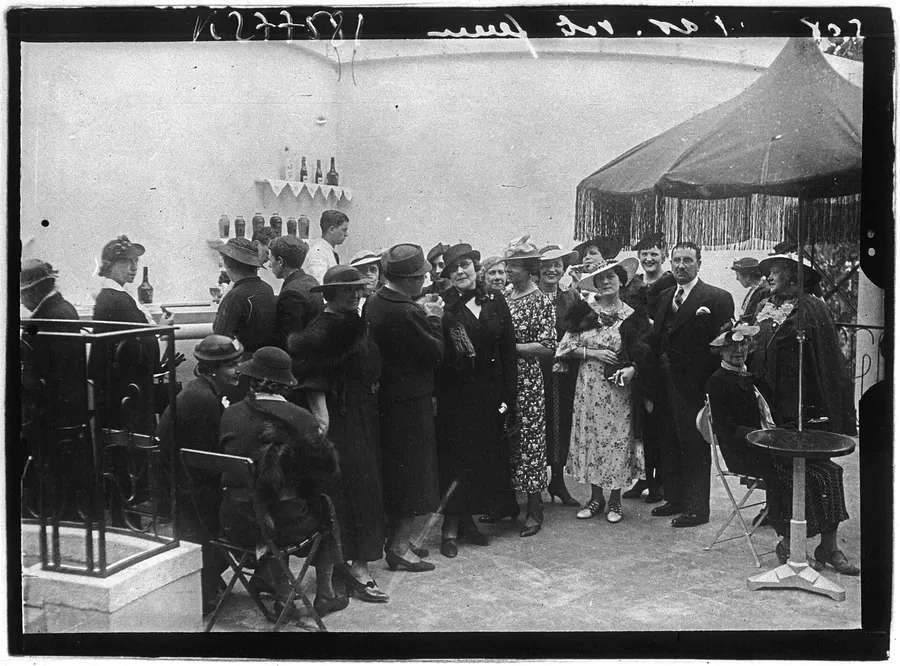
Visitors at the pavilion for women's votes at the Paris International Exhibition of 1937, seven years before the vote was won.
Visitors at the pavilion for women’s votes at the Paris International Exhibition of 1937, seven years before the vote was won.
Image creditUnknown · Public domainResized and cropped for display.

Frenchwomen win the right to vote

On 21 April 1944 the French Committee of National Liberation, then based in Algiers, signed an ordinance setting out how France would be governed after liberation. Article 17 declared that women could vote and stand for office on the same terms as men.

France had been one of the last major democracies to hold out against women’s suffrage. Frenchwomen cast their first ballots in municipal elections on 29 April 1945.

Read the full storyHistory & Timeline →Source: Assemblée nationale: 21 avril 1944, l’accession des femmes au droit de vote ↗
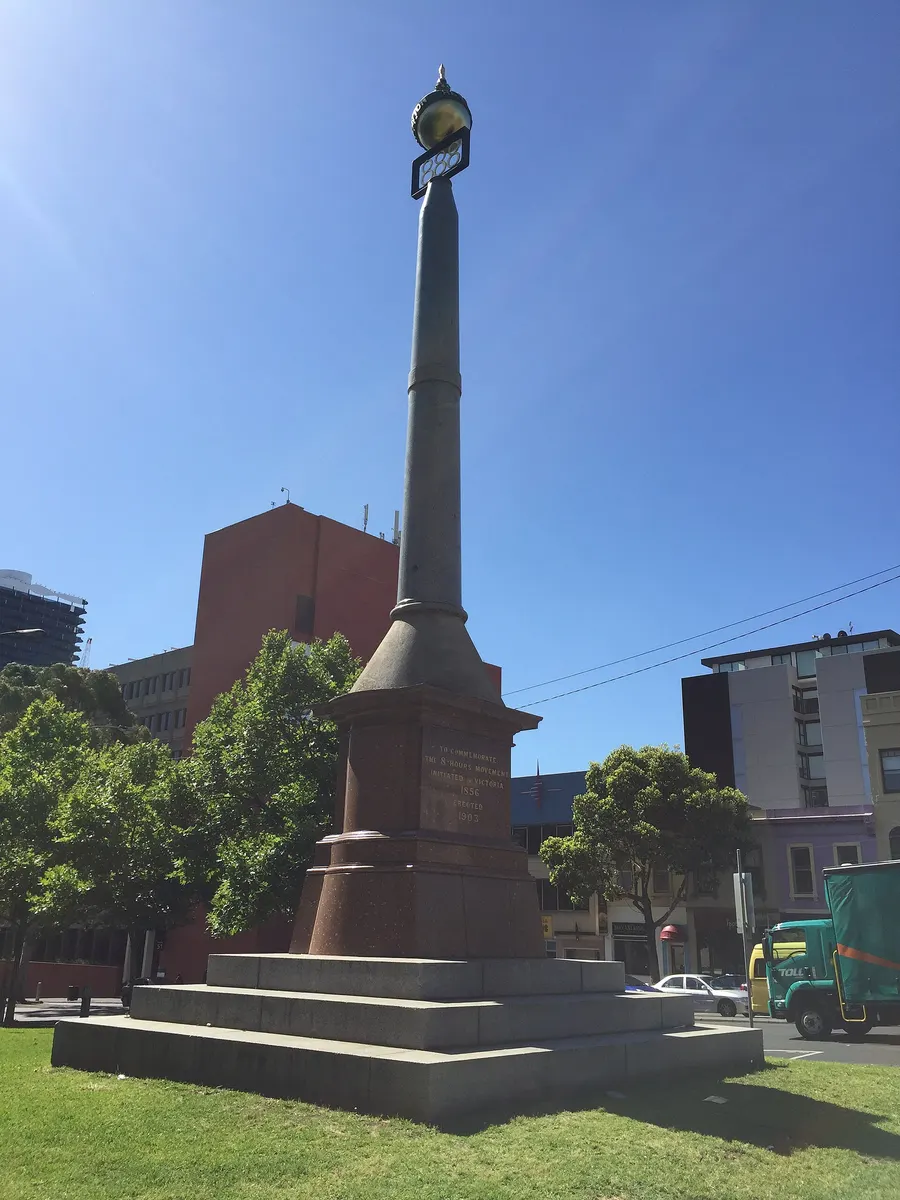
The Eight Hour Day monument in Melbourne, put up in 1903 to mark the 1856 victory.
Image creditMattinbgn · CC BY-SA 3.0Resized and cropped for display.

Melbourne’s stonemasons down tools for an eight-hour day

On 21 April 1856 stonemasons at work on the University of Melbourne put down their tools and marched to Parliament House, demanding that their working day be cut to eight hours. With skilled labour scarce in gold-rush Victoria, employers soon agreed, and without a cut in pay.

It was among the first times anywhere that an eight-hour day was won across a whole trade. The slogan of eight hours’ work, eight hours’ rest and eight hours’ recreation became a rallying cry for labour movements around the world.

Read the full storyHistory & Timeline →Source: National Museum of Australia: Eight-hour day ↗
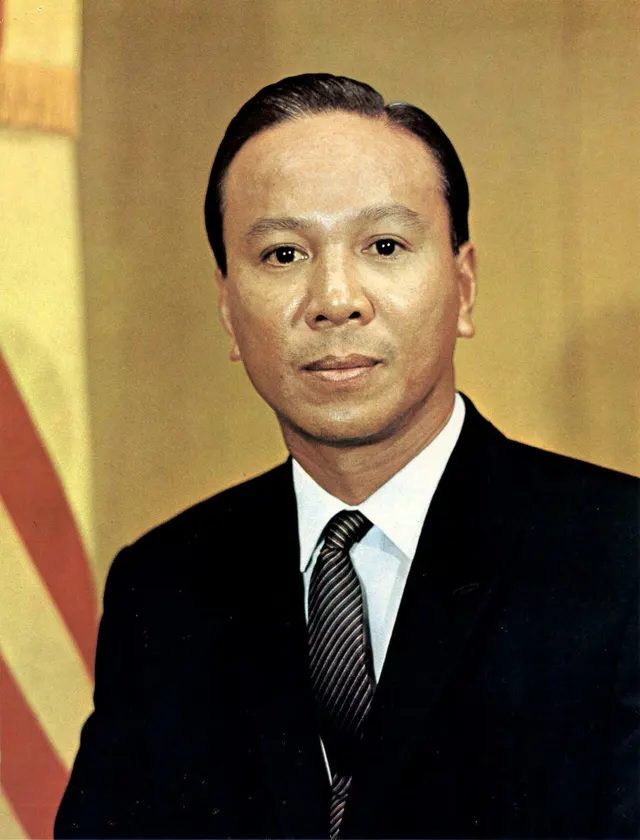
Nguyen Van Thieu in his official portrait as president of South Vietnam.
Image creditJUSPAO / Office of the President of South Vietnam · Public domainResized and cropped for display.

South Vietnam’s president resigns as Saigon is encircled

On 21 April 1975 Nguyen Van Thieu, president of South Vietnam, resigned in a long televised address, bitterly accusing the United States of abandoning his country. North Vietnamese forces had swept through the north and centre of the South in a matter of weeks and were closing on Saigon.

Power passed briefly to his vice-president, Tran Van Huong, in the hope that a new leader could negotiate. Nine days later, on 30 April, northern tanks rolled into the presidential palace and the war was over.

Read the full storyHistory & Timeline →Source: Britannica: Nguyen Van Thieu ↗
♙
PEOPLE

Born Today

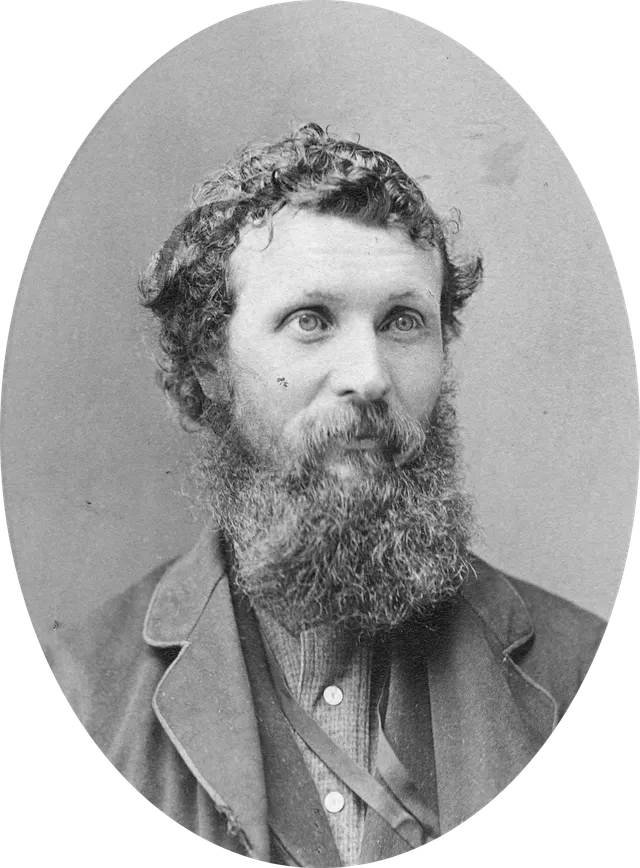
John Muir
Image creditCarlton E. Watkins · Public domainResized and cropped for display.

John Muir

Scottish-born naturalist whose writing and campaigning helped create America’s national parks.

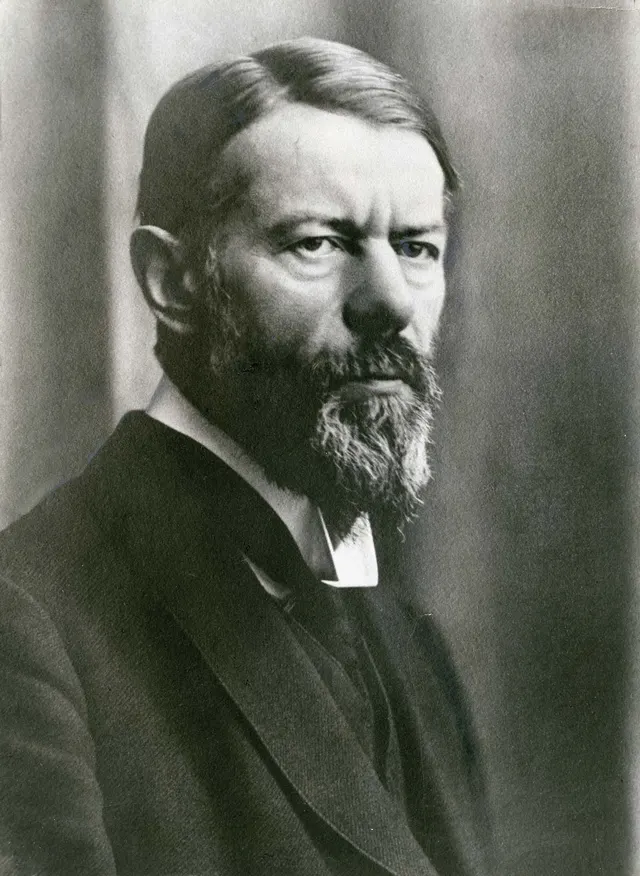
Max Weber
Image creditErnst Gottmann · Public domainResized and cropped for display.

Max Weber

German sociologist who linked the Protestant work ethic to the rise of capitalism.

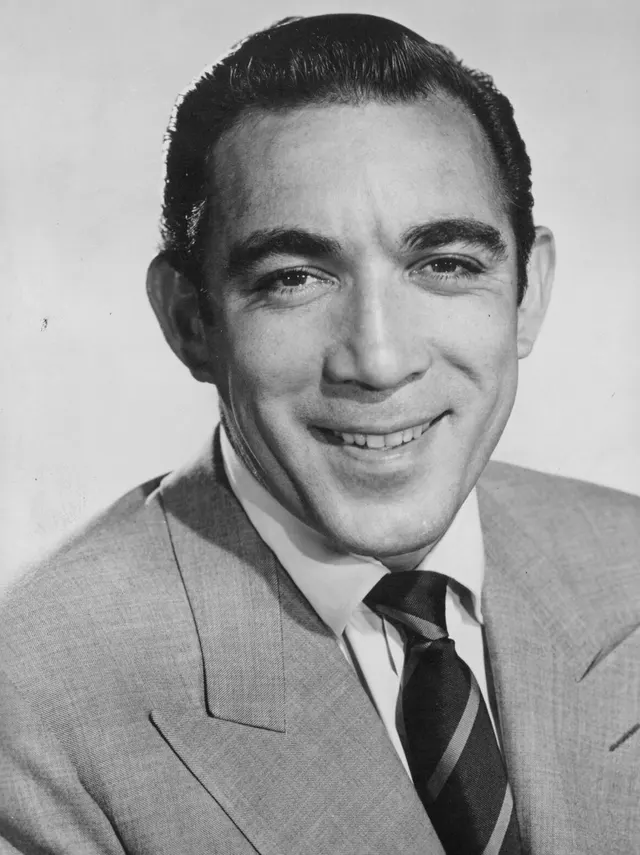
Anthony Quinn
Image creditUnknown · Public domainResized and cropped for display.

Anthony Quinn

Mexican-born actor who won two Oscars and became the face of Zorba the Greek.

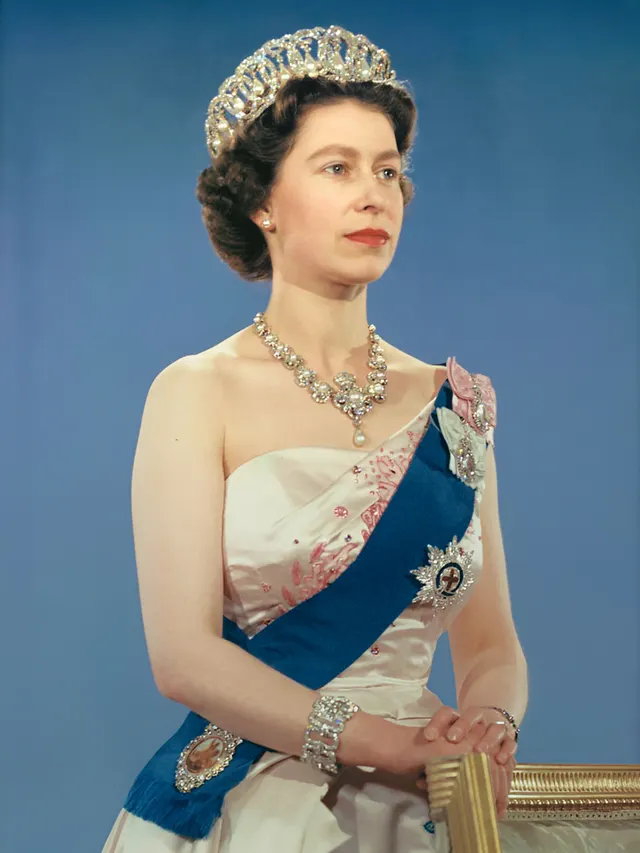
Elizabeth II
Image creditDonald McKague · Public domainResized and cropped for display.

Elizabeth II

Queen of the United Kingdom and Commonwealth realms for 70 years, the longest reign in British history.

Iggy Pop
Image creditDirk Annemans · CC BY-SA 4.0Resized and cropped for display.

Iggy Pop

American singer whose band the Stooges set the template for punk rock.

James McAvoy
Image creditJaceMerlyn · CC BY 4.0Resized and cropped for display.

James McAvoy

Scottish actor known for Atonement, The Last King of Scotland and the X-Men films.

◉
IDEAS THAT CHANGED THINGS

Firsts, Science & Discoveries

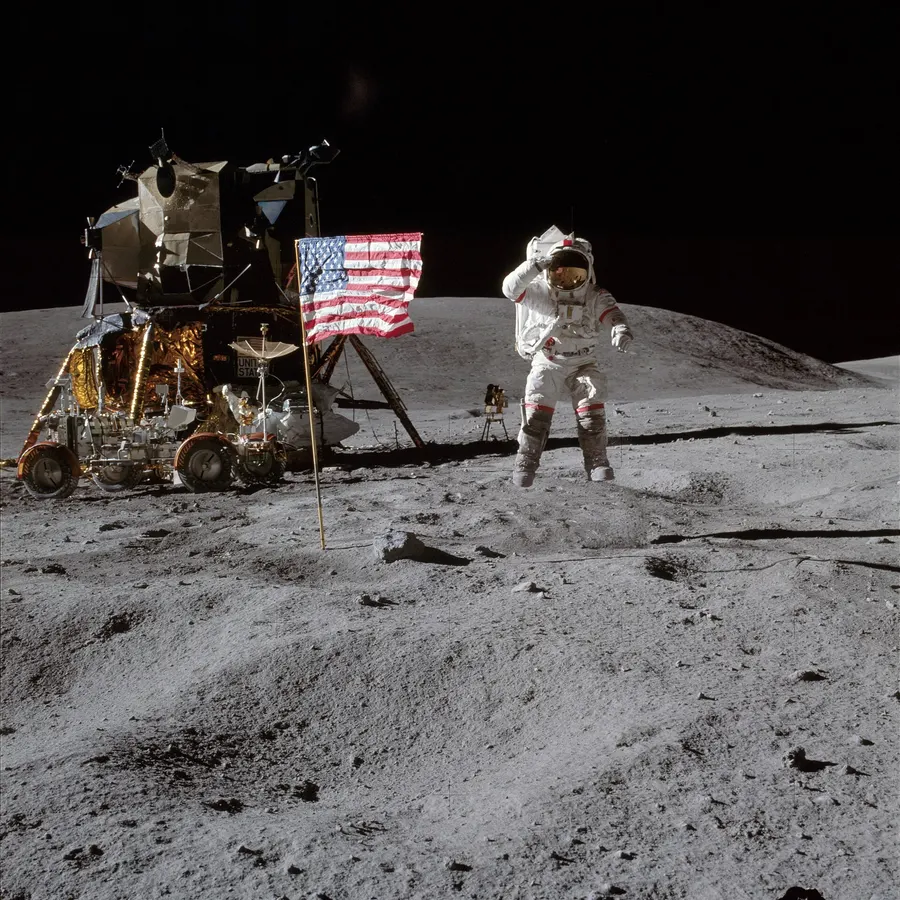
John Young leaps beside the flag and the lunar module Orion, photographed by Charles Duke during Apollo 16.
Image creditCharlie Duke · Public domainResized and cropped for display.

Apollo 16 lands in the Moon’s highlands

Early on 21 April 1972 (universal time), the lunar module Orion carrying John Young and Charles Duke touched down near the Descartes crater, the first Apollo landing in the Moon’s rugged central highlands. Ken Mattingly stayed in lunar orbit aboard the command module Casper.

Over three moonwalks totalling more than 20 hours, the pair drove a lunar rover, collected about 95 kilograms of rock and soil, and set up the first telescope on the Moon, an ultraviolet camera that photographed Earth’s outer atmosphere.

Read the full storyHistory & Timeline →Source: NASA: Apollo 16 on the Moon at Descartes ↗
♫
MUSIC • FILM • BOOKS • CULTURE

Culture Stories

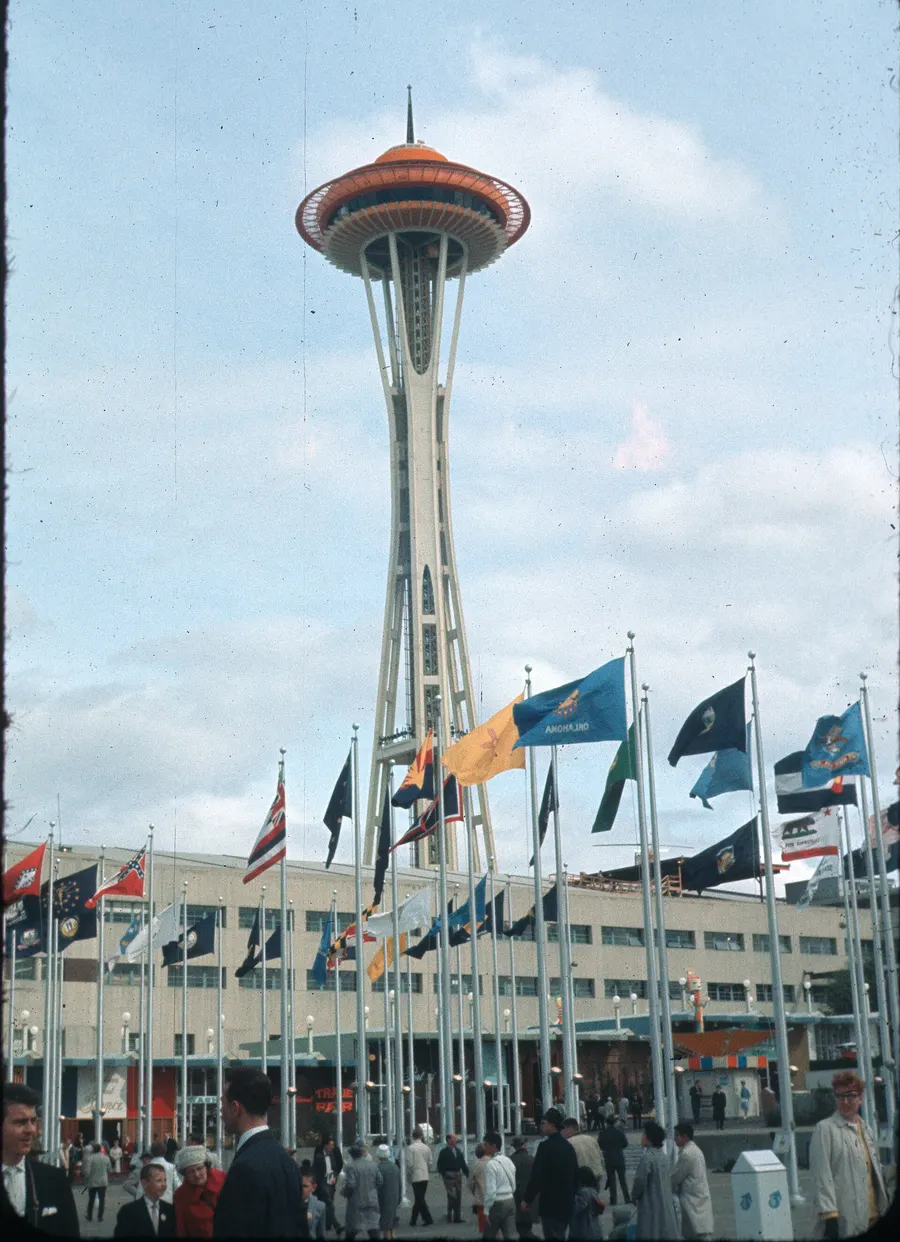
The Space Needle during the Century 21 Exposition in Seattle, 1962 (Seattle Municipal Archives).
Image creditSeattle Municipal Archives · Public domainResized and cropped for display.

Seattle’s Space Age world’s fair opens

On 21 April 1962 the Century 21 Exposition opened in Seattle, started when President Kennedy pressed a telegraph key in Florida. Its theme was life in the century to come, and its centrepiece was the Space Needle, a 605-foot tower topped by a revolving restaurant.

Almost 10 million people visited over six months, riding the new monorail into the fairground. The Needle and the monorail still stand as the city’s best-known landmarks.

Read the full storyHistory & Timeline →Source: HistoryLink.org: Century 21 World’s Fair opens in Seattle on April 21, 1962 ↗
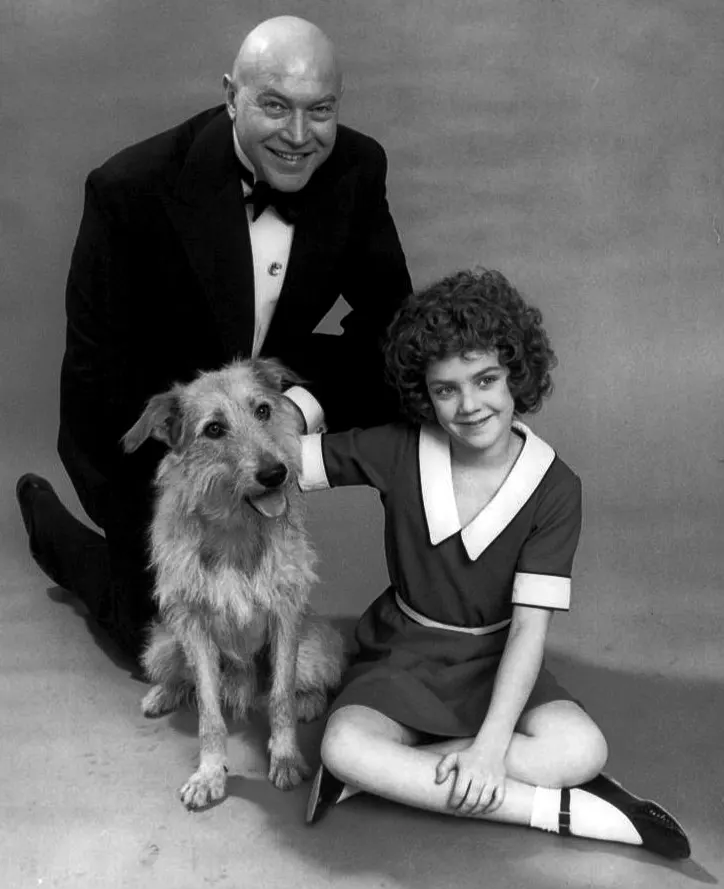
Andrea McArdle as Annie, with Reid Shelton as Daddy Warbucks and Sandy the dog, in a 1977 publicity photograph.
Image creditMartha Swope · Public domainResized and cropped for display.

Annie opens on Broadway

On 21 April 1977 the musical Annie opened at the Alvin Theatre in New York. Based on the Depression-era comic strip Little Orphan Annie, it followed a spirited orphan who wins over a gruff billionaire, Oliver Warbucks.

With songs by Charles Strouse and Martin Charnin, including the defiantly cheerful ‘Tomorrow’, it took seven Tony Awards and ran for nearly six years, becoming a staple of school and amateur stages worldwide.

Read the full storyHistory & Timeline →Source: IBDB (Internet Broadway Database): Annie, original production ↗
✦
LIVES REMEMBERED

Remembered Today

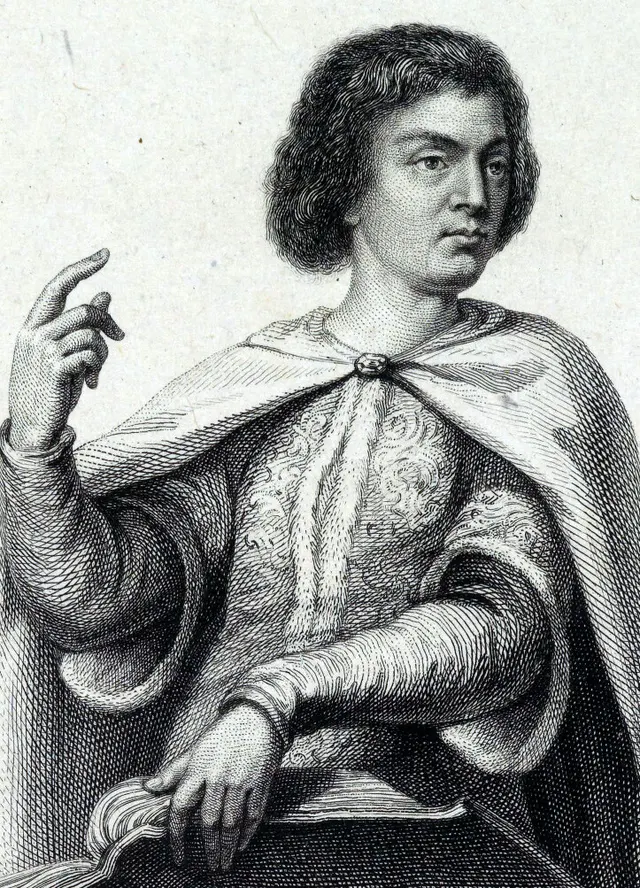
Peter Abelard
Image creditAntoni Oleszczyński · Public domainResized and cropped for display.

Peter Abelard

French philosopher and teacher, remembered as much for his love letters with Héloïse as for his logic.

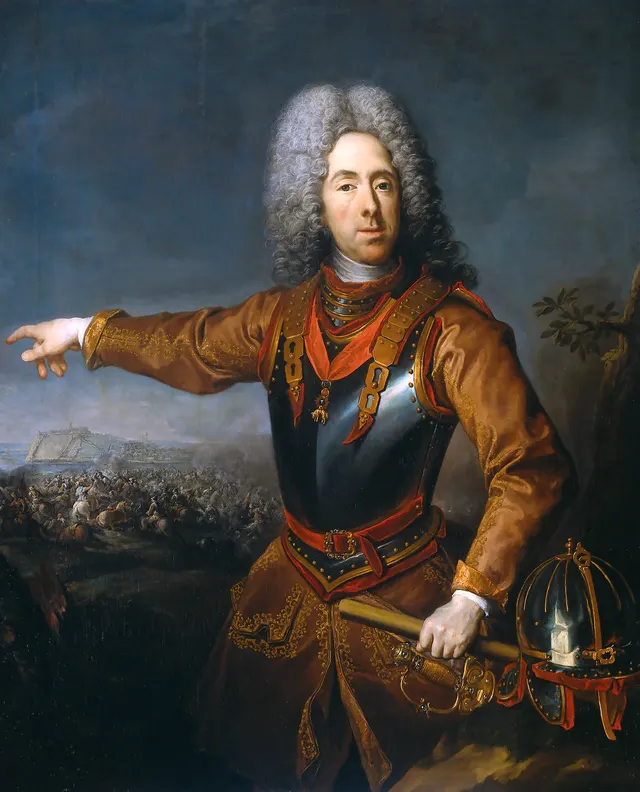
Prince Eugene of Savoy
Image creditJacob van Schuppen · Public domainResized and cropped for display.

Prince Eugene of Savoy

Paris-born general who led Habsburg armies to victories over France and the Ottoman Empire.

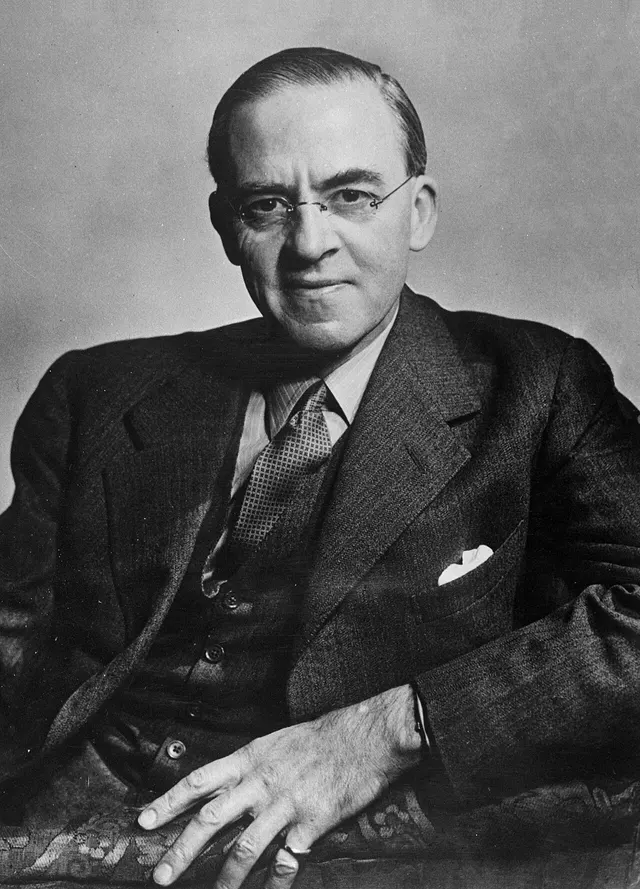
Stafford Cripps
Image creditYousuf Karsh · CC0Resized and cropped for display.

Stafford Cripps

British Labour politician who led wartime missions to India and ran Britain’s post-war economy.

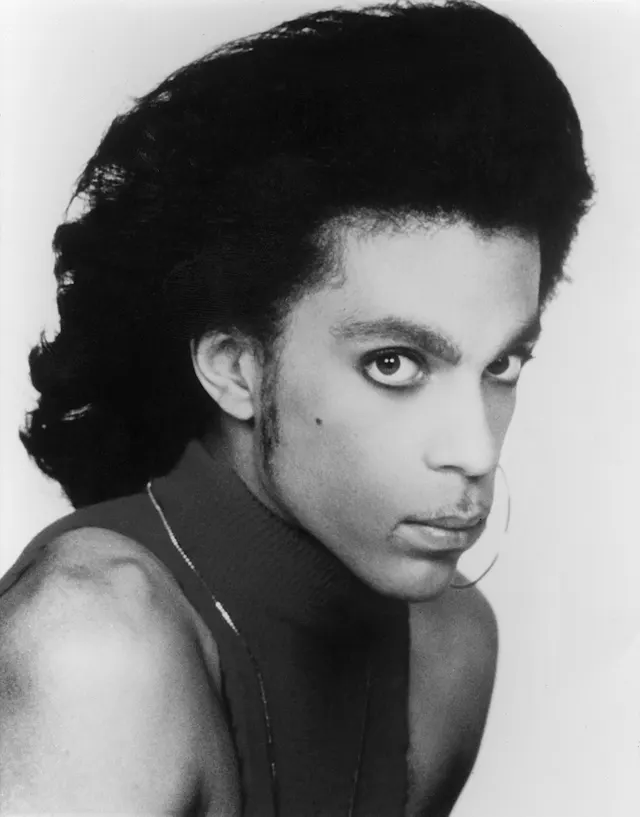
Prince
Image creditUnknown · Public domainResized and cropped for display.

Prince

American singer, guitarist and producer behind Purple Rain and a vast, genre-defying catalogue.

☉
AROUND THE WORLD

Observances & Anniversaries

Tiradentes in a 19th-century engraving; all his portraits were made after his death.
Image creditRoque Gameiro · Public domainResized and cropped for display.

Tiradentes Day (Brazil)

Brazil keeps 21 April as a national holiday in memory of Joaquim José da Silva Xavier, known as Tiradentes (‘tooth-puller’) from his work as a dentist. He led the Inconfidência Mineira, a plot against Portuguese rule in Minas Gerais, and was the only conspirator hanged for it, in Rio de Janeiro on 21 April 1792.

After Brazil became a republic in 1889 he was honoured as a national martyr, and his story is taught as an early step towards independence.

Source: Biblioteca Nacional (Brazil): 21 de abril de 1792, Tiradentes é enforcado no Rio de Janeiro ↗
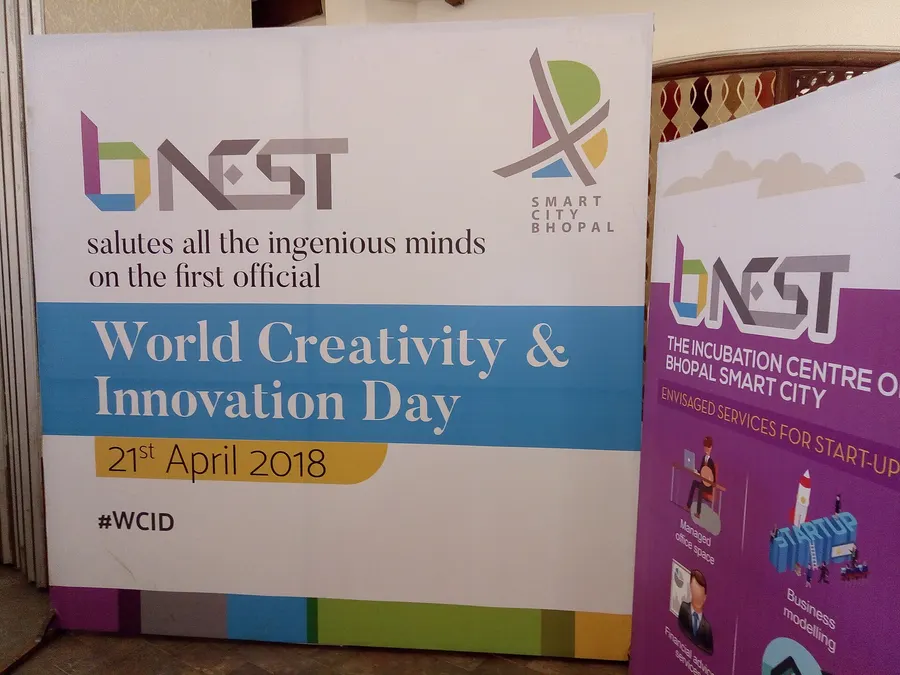
Banners for World Creativity and Innovation Day at an innovation centre in Bhopal, India, in 2018.
Image creditSuyash Dwivedi · CC BY-SA 4.0Resized and cropped for display.

World Creativity and Innovation Day

The United Nations General Assembly set aside 21 April as World Creativity and Innovation Day in 2017. It highlights the part that new ideas play in solving problems and in sustainable development.

The day falls at the end of World Creativity Week, which began on 15 April, the birthday of Leonardo da Vinci.

Source: United Nations: World Creativity and Innovation Day ↗
HISTORY & TIMELINE

Finished the highlights?

Follow 21 April chronologically, from the Middle Ages to the modern day, with 14 verified events and the sources behind them.

This day through time →