Explore 14 April

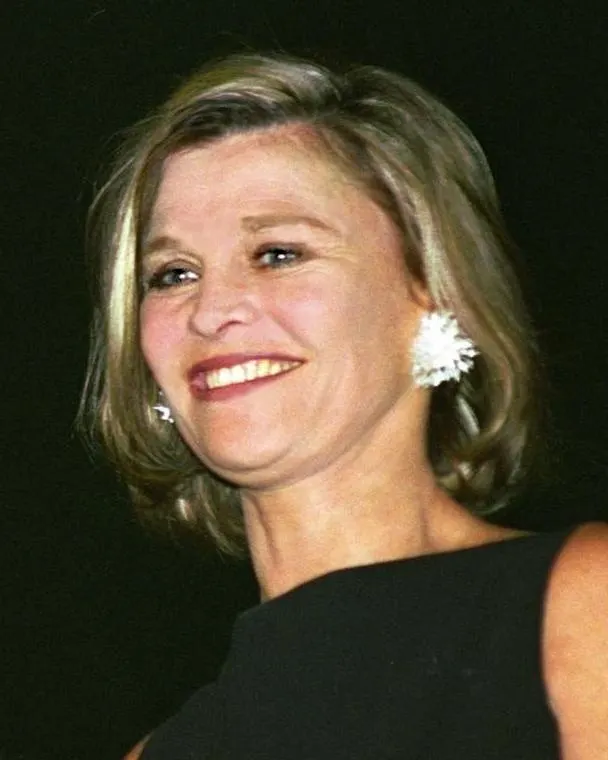
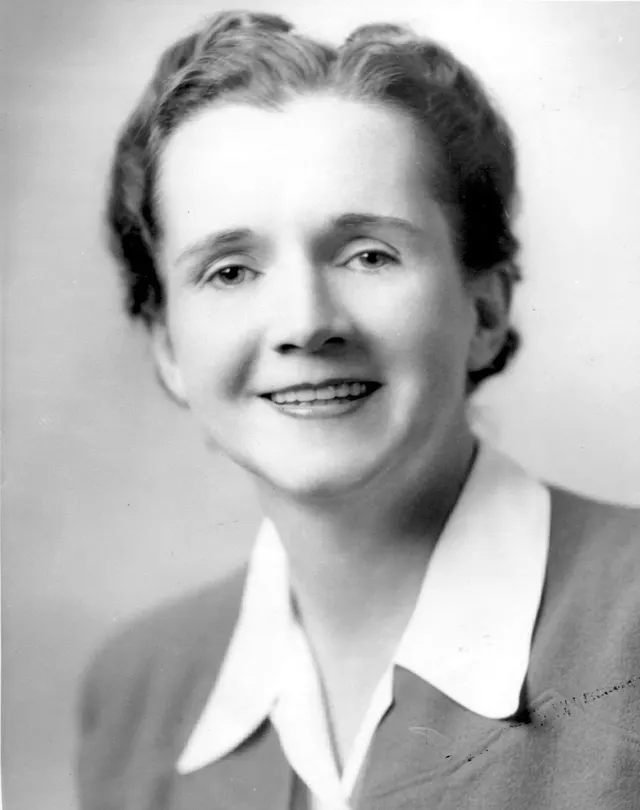
Explore 14 April: Abraham Lincoln is shot at Ford’s Theatre, the Titanic strikes an iceberg, Spain becomes a republic as its king leaves and the Geneva Accords open the way for Soviet troops to leave Afghanistan. Meet Christiaan Huygens, Loretta Lynn and Julie Christie, born on this date, and remember Rachel Carson.

This day through time →13 verified events across 5 eras

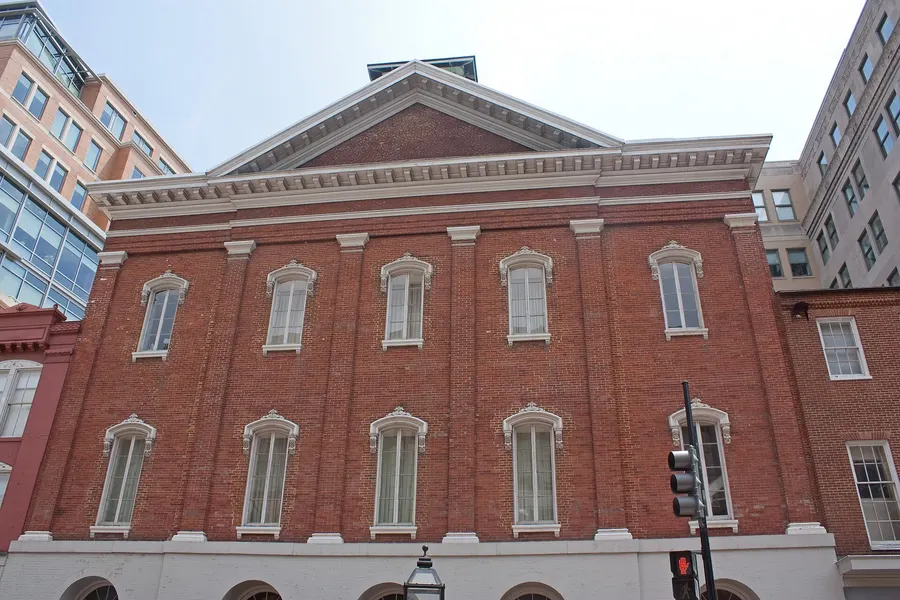
Ford's Theatre in Washington, where Lincoln was shot, photographed in 2011.
Ford’s Theatre in Washington, where Lincoln was shot, photographed in 2011.
Image creditWknight94 talk · CC BY-SA 3.0Resized and cropped for display.

Abraham Lincoln is shot at Ford’s Theatre

Five days after Lee’s surrender, President Abraham Lincoln and his wife Mary went to Ford’s Theatre in Washington on the evening of 14 April 1865 to see the comedy Our American Cousin. During the third act the actor John Wilkes Booth, a Confederate sympathiser, crept into the presidential box and shot Lincoln in the back of the head.

Booth leapt to the stage, breaking his leg, and escaped. Lincoln was carried to a house across the street and died the next morning, the first American president to be assassinated. Booth was cornered and killed 12 days later.

Read the full storyHistory & Timeline →Source: Ford’s Theatre: Lincoln’s assassination ↗
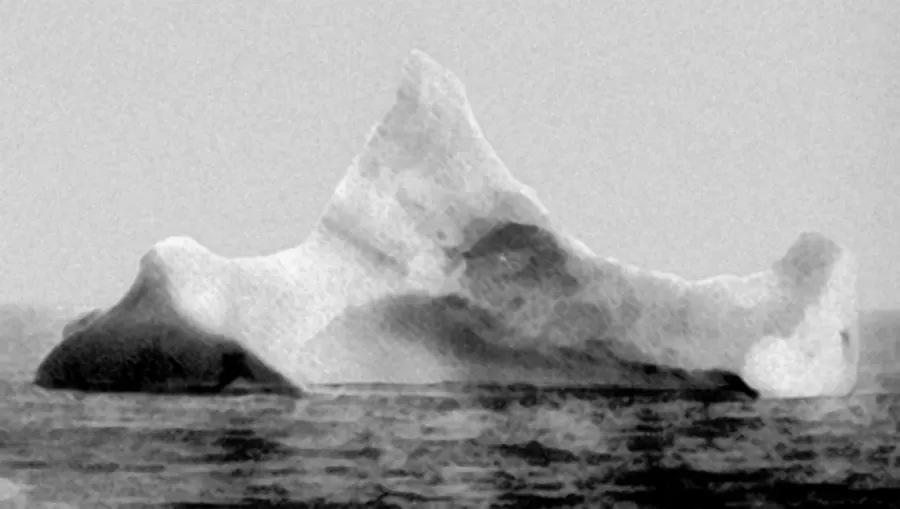
An iceberg photographed near the scene on the morning of 15 April 1912 by the chief steward of the liner Prinz Adalbert, thought to be the one the Titanic struck.
Image creditThe chief steward of the liner Prinz Adalbert · Public domainResized and cropped for display.

The Titanic strikes an iceberg

At about 11.40 pm on 14 April 1912, four days out from Southampton and south of Newfoundland, the lookouts on the Titanic sighted an iceberg dead ahead. The ship turned, but the ice scraped along her starboard side below the waterline, opening her forward compartments to the sea.

The ‘unsinkable’ liner went down at about 2.20 the next morning. There were lifeboats for barely half of those on board, and more than 1,500 people died in the icy Atlantic.

Read the full storyHistory & Timeline →Source: Royal Museums Greenwich: RMS Titanic facts ↗
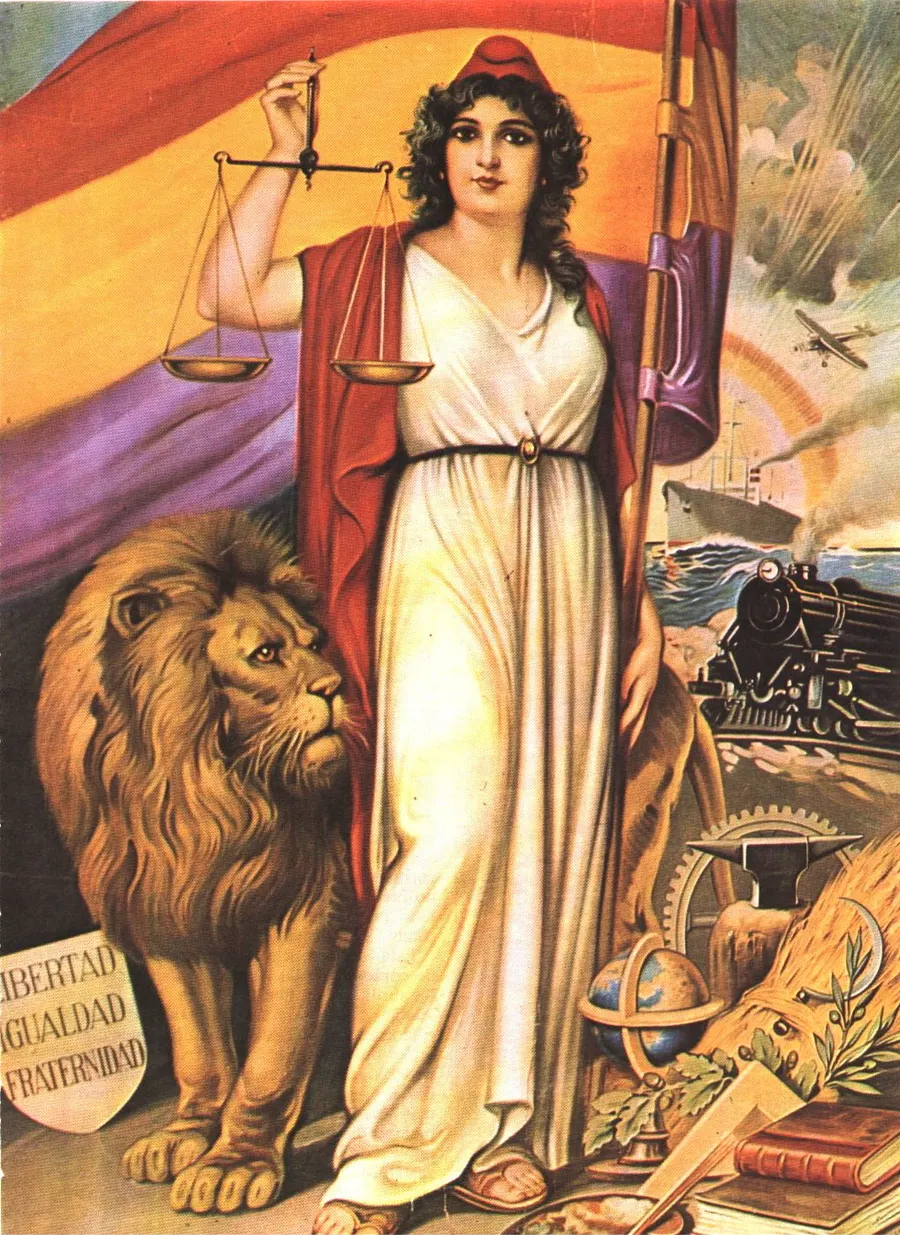
An allegory of the Spanish Republic, in a lithograph by S. Durá after J. Barrera.
Image creditS. Durá after J. Barrera · CC BY-SA 3.0Resized and cropped for display.

Spain becomes a republic

Two days after local elections in which Spain’s big cities voted overwhelmingly for republican parties, the Second Spanish Republic was proclaimed on 14 April 1931. King Alfonso XIII left the country that day without formally giving up his throne.

The new republic gave women the vote and set out to reform the army, the Church’s role and landholding. Its bitter divisions ended in the Civil War of 1936 to 1939 and Franco’s dictatorship.

Read the full storyHistory & Timeline →Source: Encyclopaedia Britannica: Second Republic, Spanish history ↗
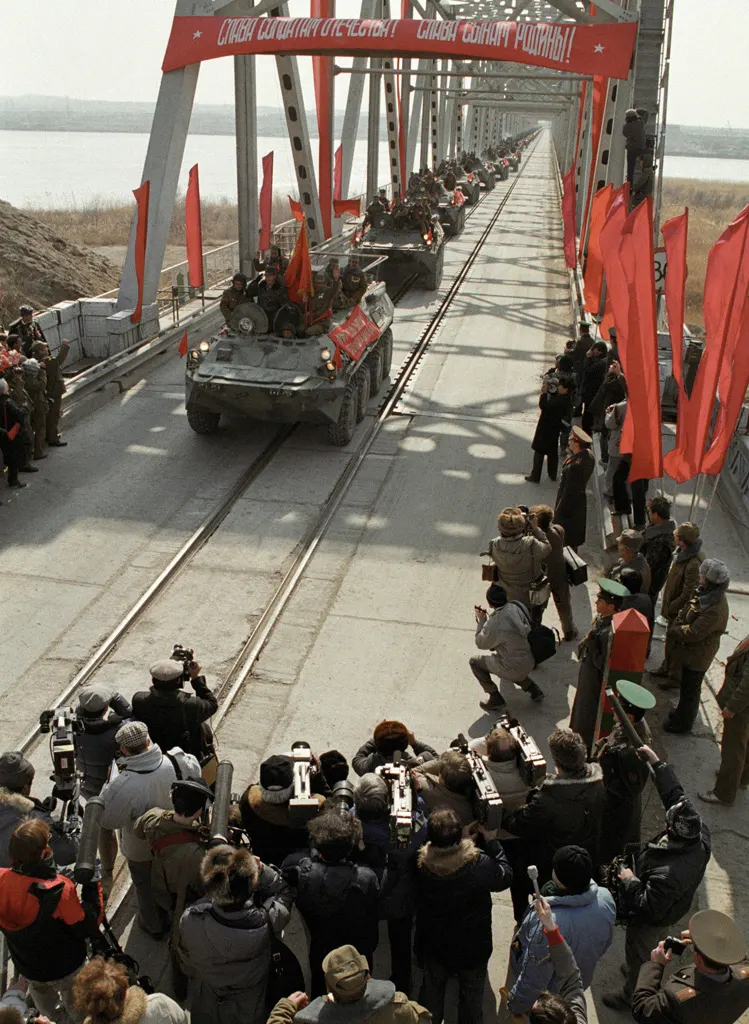
Soviet troops leaving Afghanistan, 1988 to 1989.
Image creditA. Solomonov / А. Соломонов · CC BY-SA 3.0Resized and cropped for display.

The Geneva Accords on Afghanistan

At the United Nations in Geneva on 14 April 1988, Afghanistan and Pakistan signed agreements to end the war in Afghanistan, with the Soviet Union and the United States as guarantors. Moscow promised to pull out the troops it had sent in 1979.

The withdrawal began in May 1988 and the last Soviet soldiers crossed home in February 1989. But the accords did not end the fighting between the Afghan government and the mujahideen, and the country’s civil war went on.

Read the full storyHistory & Timeline →Source: United Nations Photo: Signing of the Geneva agreements on Afghanistan ↗
♙
PEOPLE

Born Today

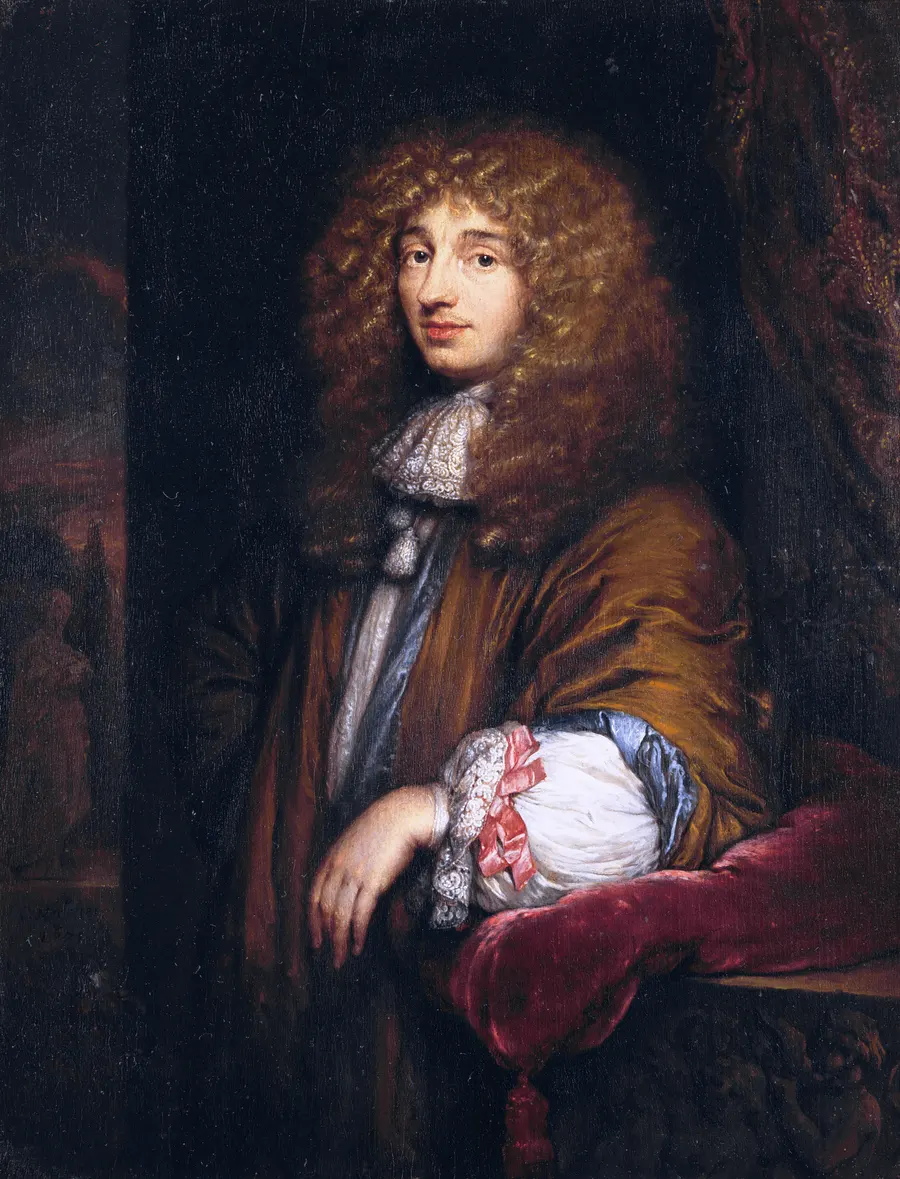
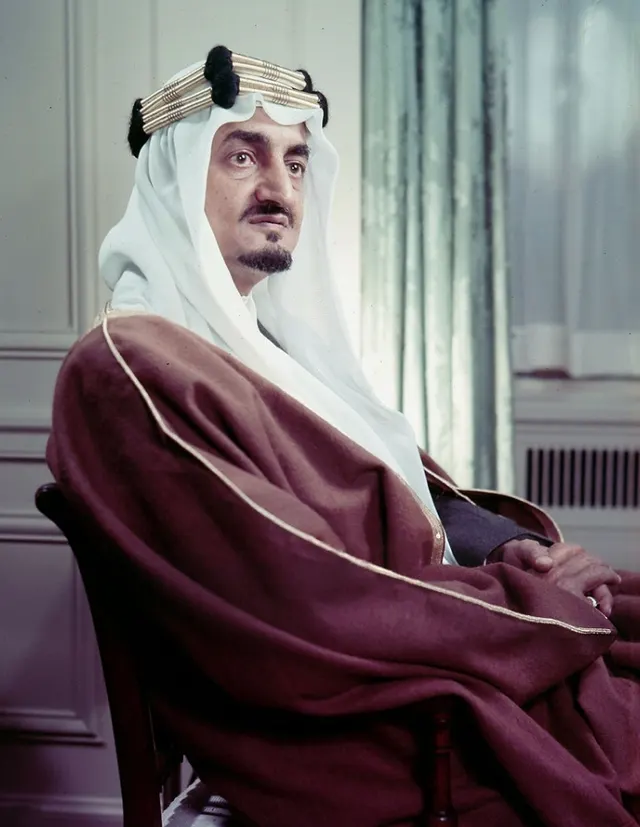
Christiaan Huygens
Image creditCaspar Netscher · Public domainResized and cropped for display.

Christiaan Huygens

Dutch scientist who invented the pendulum clock and discovered Saturn’s moon Titan.

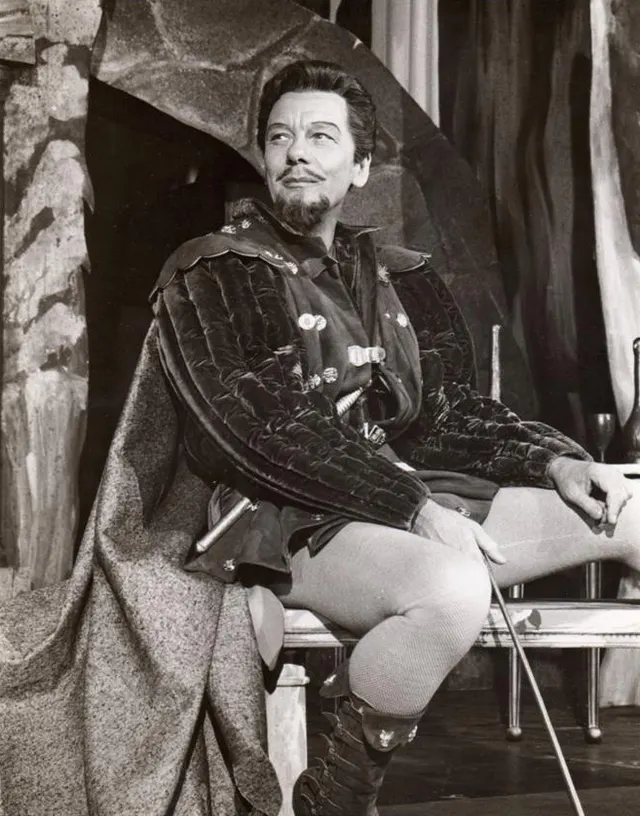
John Gielgud
Image creditUnknown photographer · Public domainResized and cropped for display.

John Gielgud

English actor, one of the great Shakespeareans of the 20th century.

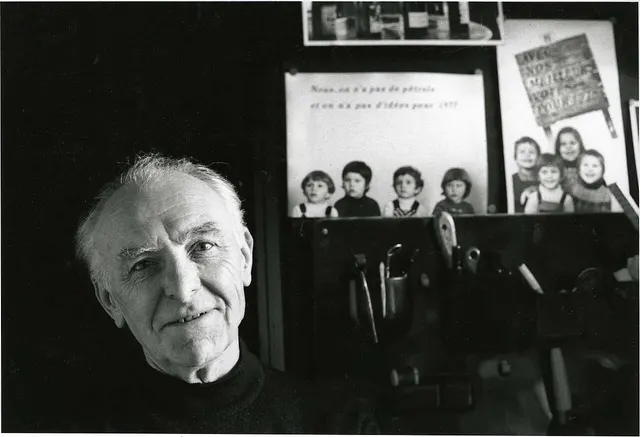
Robert Doisneau
Image creditBracha L. Ettinger · CC BY-SA 2.5Resized and cropped for display.

Robert Doisneau

French photographer of Paris street life, famous for The Kiss by the Town Hall.

Loretta Lynn
Image creditLes Leverett · Public domainResized and cropped for display.

Loretta Lynn

American country singer of ‘Coal Miner’s Daughter’.

Katsuhiro Otomo
Image creditSelbymay · CC BY-SA 4.0Resized and cropped for display.

Katsuhiro Otomo

Japanese creator of the manga and animated film Akira.

◉
IDEAS THAT CHANGED THINGS

Firsts, Science & Discoveries

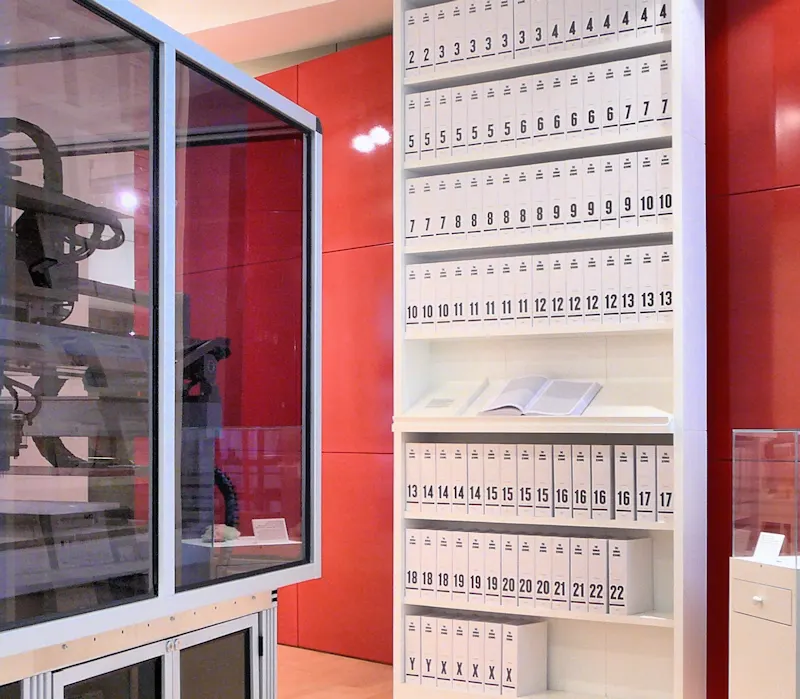
The human genome printed as a set of books, on show at the Wellcome Collection in London.
Image creditRuss London · CC BY-SA 3.0Resized and cropped for display.

The Human Genome Project is completed

On 14 April 2003 an international consortium of scientists from six countries announced that it had finished reading the human genome, the three billion letters of DNA code in our cells, more than two years ahead of schedule.

The project had begun in 1990 and cost about 2.7 billion dollars. Its freely shared data has changed medicine and biology; the last small gaps in the sequence were filled only in 2022.

Read the full storyHistory & Timeline →Source: National Human Genome Research Institute: International consortium completes Human Genome Project (2003) ↗
♫
MUSIC • FILM • BOOKS • CULTURE

Culture Stories

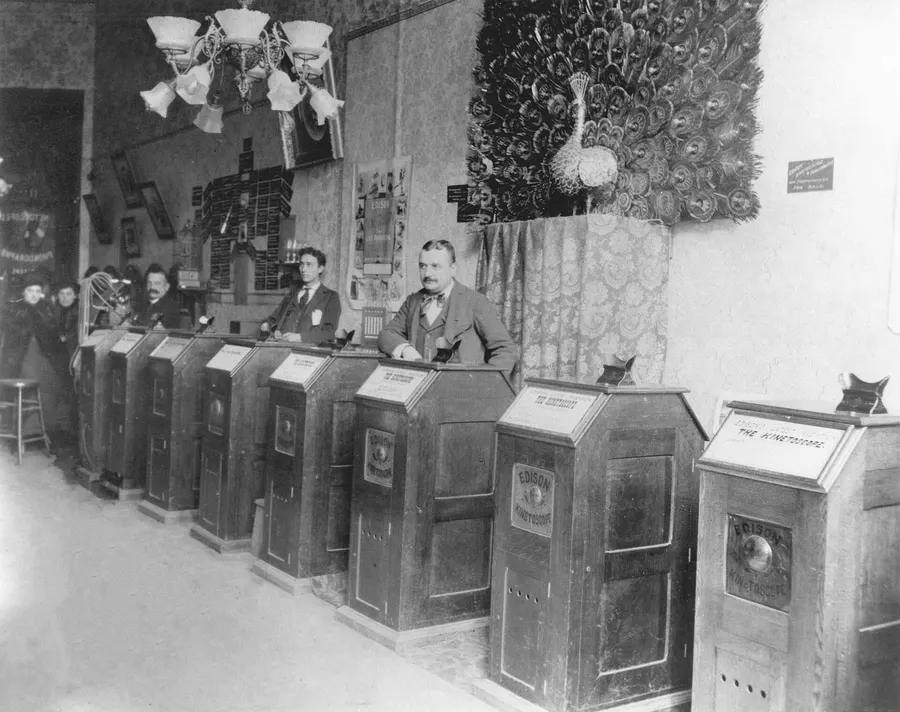
A Kinetoscope parlour in San Francisco, about 1894 to 1895.
Image creditUnknown photographer · Public domainResized and cropped for display.

The first Kinetoscope parlour opens

The Holland Brothers opened a parlour at 1155 Broadway in New York on 14 April 1894, with a row of Thomas Edison’s new Kinetoscopes. Customers bent over each wooden cabinet and peered through a viewer at a few seconds of moving pictures: strongmen, dancers, boxers and circus acts.

It was the first time people paid to watch films. Within months parlours had opened across America and Europe, and cinema was on its way.

Read the full storyHistory & Timeline →Source: Library of Congress: Early motion picture productions (Edison collection) ↗
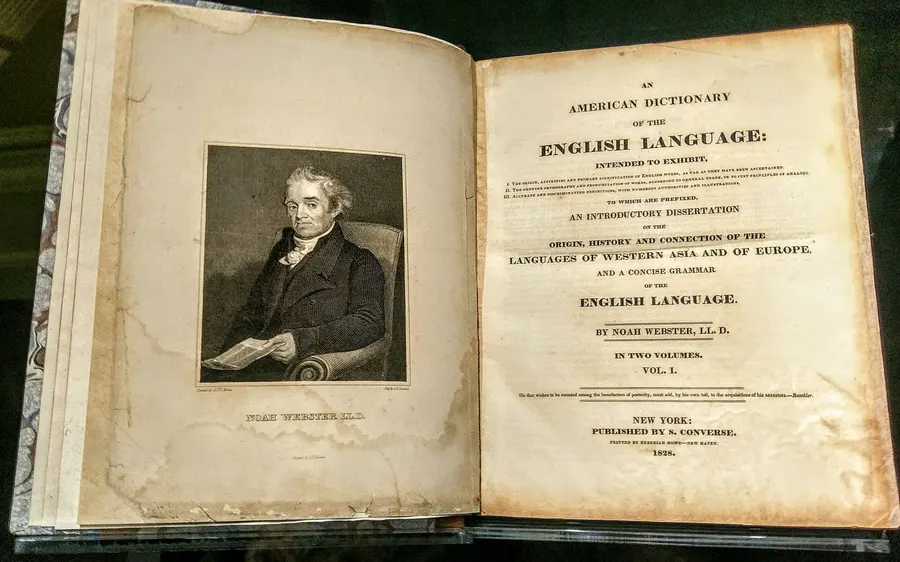
The title page and frontispiece portrait of Noah Webster's American Dictionary, 1828 (California State Library).
The title page and frontispiece portrait of Noah Webster’s American Dictionary, 1828 (California State Library).
Image creditCullen328 · CC BY-SA 3.0Resized and cropped for display.

Webster’s American dictionary is published

Noah Webster’s An American Dictionary of the English Language was published on 14 April 1828, in two volumes with about 70,000 entries, around 12,000 of which had never appeared in a dictionary before.

Webster had spent more than 20 years on it. He wanted Americans to have their own language, and his spellings, such as ‘color’ and ‘center’, became the American standard.

Read the full storyHistory & Timeline →Source: Merriam-Webster: America’s first dictionary ↗
✦
LIVES REMEMBERED

Remembered Today

Rafael Carrera
Image creditUnidentified painter · Public domainResized and cropped for display.

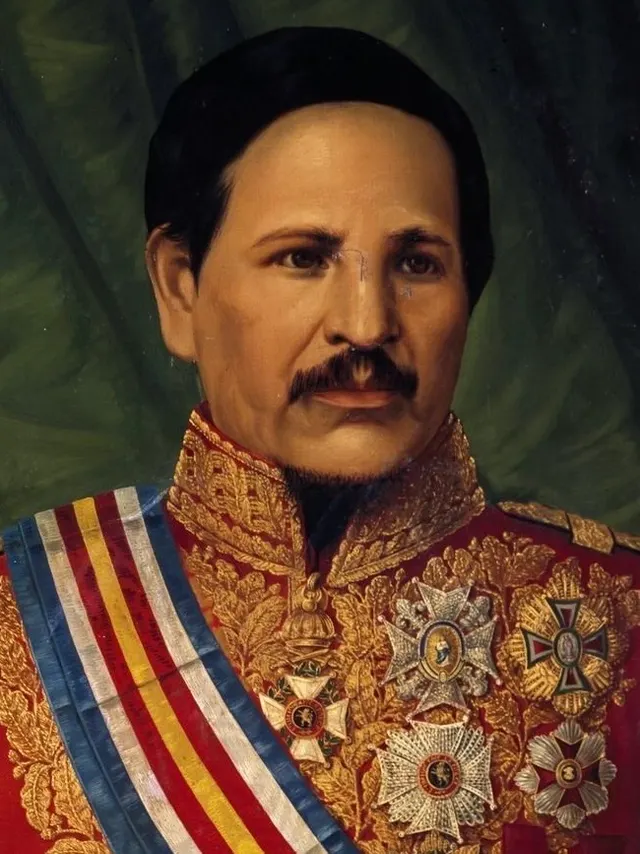
Rafael Carrera

Guatemala’s first president, who dominated the country for a generation.

Ramana Maharshi
Image creditG. G. Welling · Public domainResized and cropped for display.

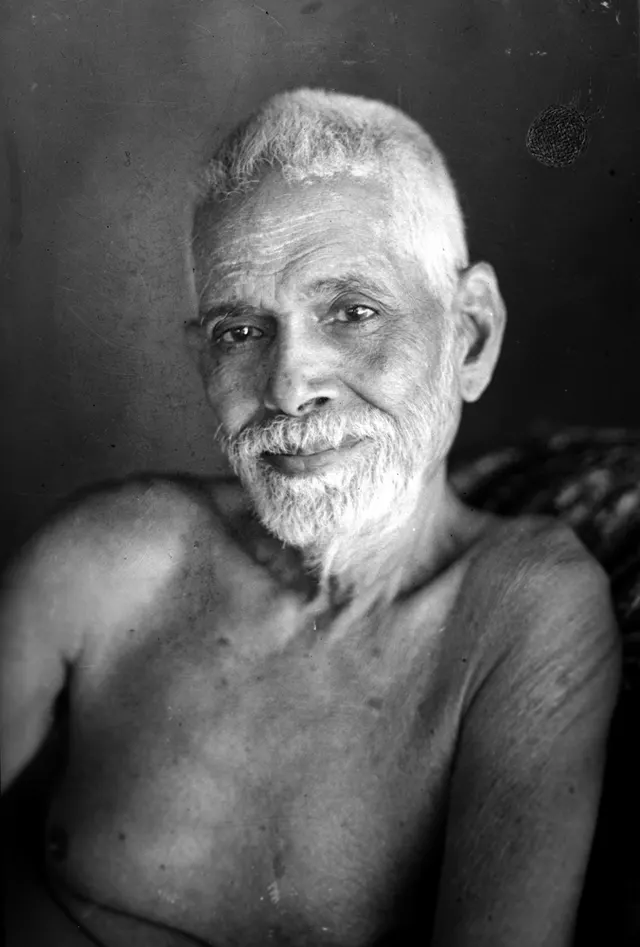
Ramana Maharshi

Indian sage of Tiruvannamalai who taught self-enquiry.

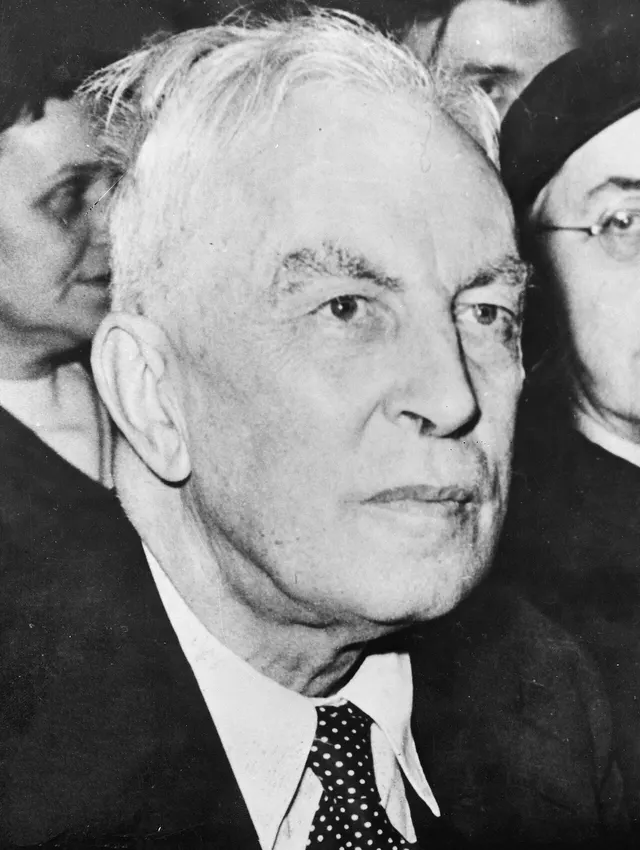
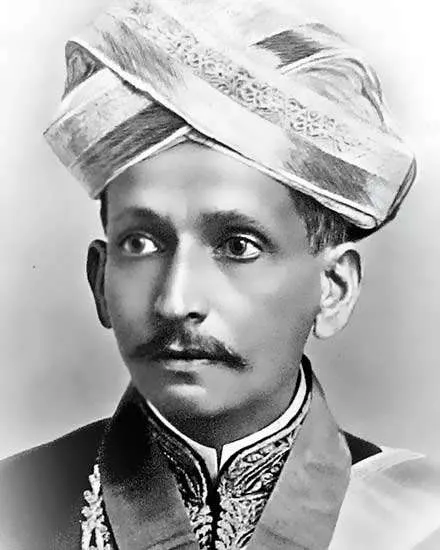
M. Visvesvaraya
Image creditUnknown photographer · Public domainResized and cropped for display.

M. Visvesvaraya

Indian engineer of dams and flood defences, whose birthday is India’s Engineers’ Day.

☉
AROUND THE WORLD

Observances & Anniversaries

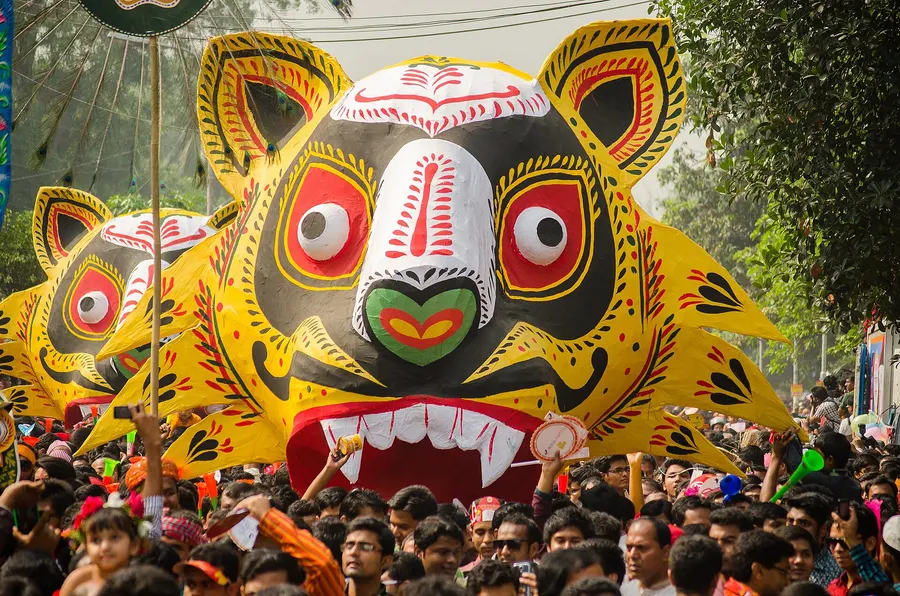
Giant masks in the Mangal Shobhajatra procession in Dhaka for Bengali New Year.
Image creditAbidhasan00 · CC BY-SA 4.0Resized and cropped for display.

Pohela Boishakh, the Bengali New Year

In Bangladesh the first day of the Bengali year falls on 14 April, and is a national holiday; in India’s West Bengal it falls on the 14th or 15th. People dress in red and white, eat traditional food and shopkeepers open new account books.

In Dhaka, art students lead the Mangal Shobhajatra, a colourful procession of giant masks and figures, which UNESCO added to its list of intangible cultural heritage in 2016.

Source: UNESCO Intangible Cultural Heritage: Mangal Shobhajatra on Pahela Baishakh ↗
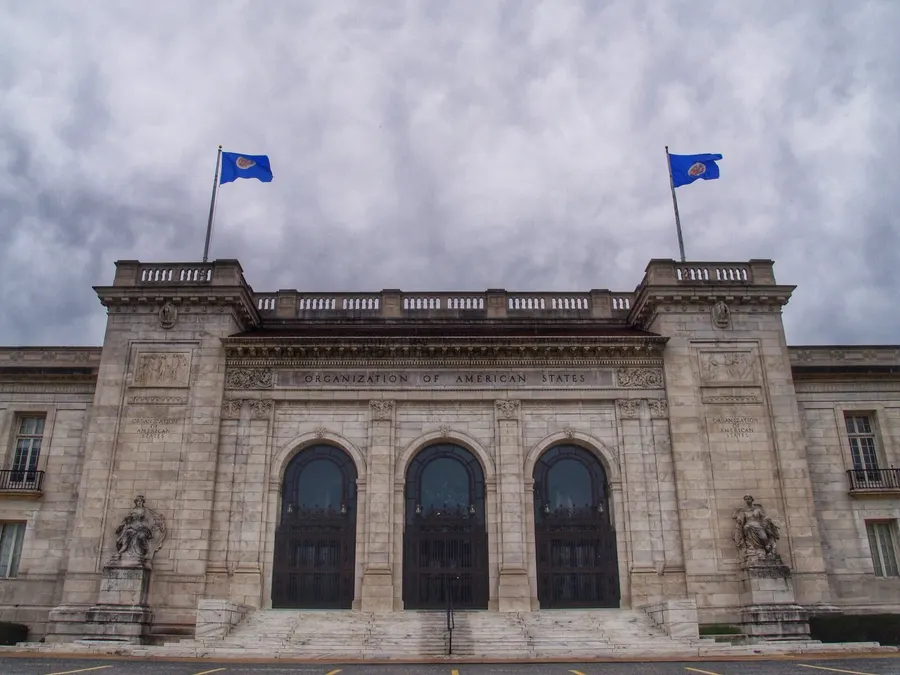
The headquarters of the Organization of American States, the former Pan American Union building, in Washington, 2014.
Image creditMichael Scialdone · CC BY 2.0Resized and cropped for display.

Pan American Day

The countries of the Americas mark 14 April as Pan American Day, recalling the day in 1890 when the first International Conference of American States, meeting in Washington, created a union of the republics of the hemisphere.

That union became the Pan American Union and, in 1948, the Organization of American States.

Source: Organization of American States: Our history ↗
HISTORY & TIMELINE

Finished the highlights?

Follow 14 April chronologically, from the Middle Ages to the modern day, with 13 verified events and the sources behind them.

This day through time →