Explore 11 April

Explore 11 April: American troops reach Buchenwald, Adolf Eichmann goes on trial in Jerusalem, Idi Amin’s rule in Uganda collapses and the Treaty of Utrecht brings peace to Europe. Meet George Canning, Gustav Vigeland and Alberto Ginastera, born on this date, and remember Dolores del Río.

This day through time →12 verified events across 3 eras

The bell tower of the Buchenwald memorial near Weimar, Germany.
Image creditColin Smith on geo.hlipp.de · CC BY-SA 2.0Resized and cropped for display.

American troops reach Buchenwald

On the afternoon of 11 April 1945 tanks of the US Third Army reached Buchenwald concentration camp, near Weimar. As the SS fled, the prisoners’ own underground resistance took over the gate. The Americans found more than 21,000 people still alive in the camp, many close to death.

Tens of thousands had died there since 1937, from hunger, disease, overwork, medical experiments and killing. The Americans made people from nearby Weimar walk through the camp, and brought journalists and politicians to see it, so that no one could deny what had happened.

Read the full storyHistory & Timeline →Source: United States Holocaust Memorial Museum: US forces enter Buchenwald ↗
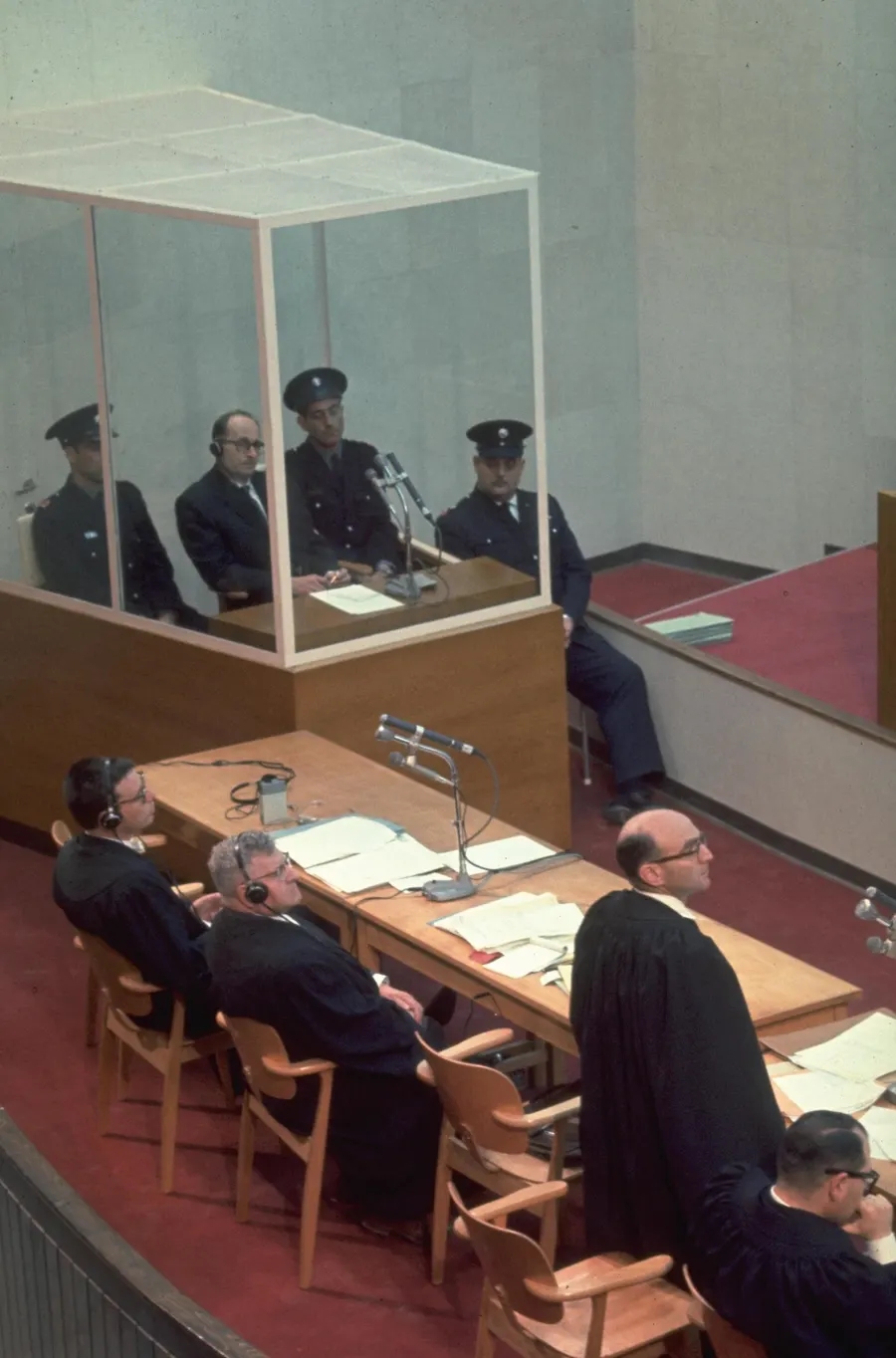
Adolf Eichmann, in a glass booth, at his trial in Jerusalem, 1961.
Image creditMilli John · Public domainResized and cropped for display.

Adolf Eichmann goes on trial

Seized by Israeli agents in Argentina the year before, Adolf Eichmann, who had organised the deportation of millions of Jews to the Nazi death camps, went on trial before a Jerusalem court on 11 April 1961, facing 15 charges.

More than 100 witnesses gave evidence, many of them survivors telling their stories in public for the first time, and the trial was filmed and broadcast around the world. Eichmann was found guilty in December 1961 and hanged in 1962.

Read the full storyHistory & Timeline →Source: United States Holocaust Memorial Museum: Eichmann trial ↗
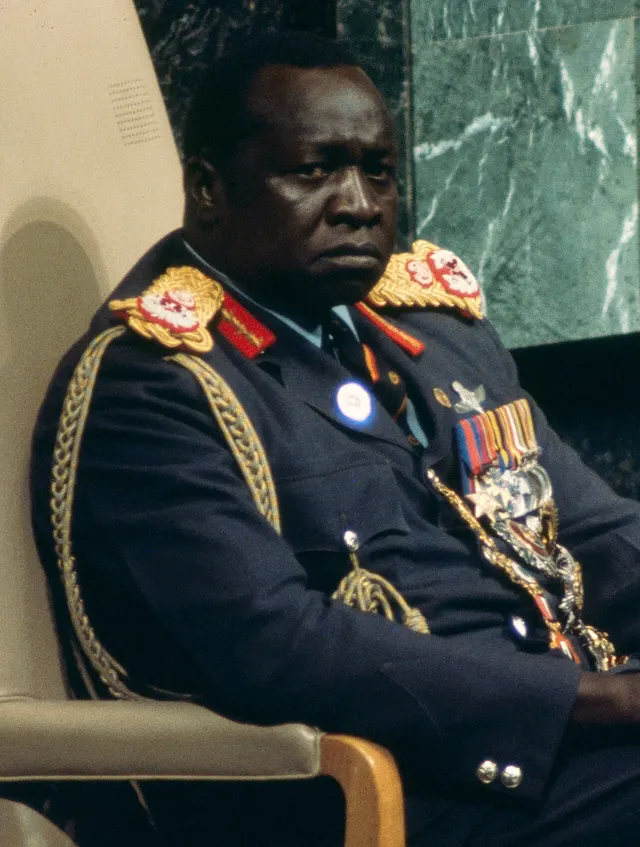
Idi Amin at the United Nations in New York.
Image creditBernard Gotfryd · Public domainResized and cropped for display.

Kampala falls and Idi Amin flees

Tanzanian troops and armed Ugandan exiles entered Kampala, the capital of Uganda, on 11 April 1979, as the dictator Idi Amin fled. Amin had invaded Tanzania the previous October, and Tanzania’s counter-attack had driven deep into Uganda.

His eight years in power had cost hundreds of thousands of lives. A new president was sworn in two days later, and Amin spent the rest of his life in exile, most of it in Saudi Arabia.

Read the full storyHistory & Timeline →Source: Encyclopaedia Britannica: Idi Amin ↗
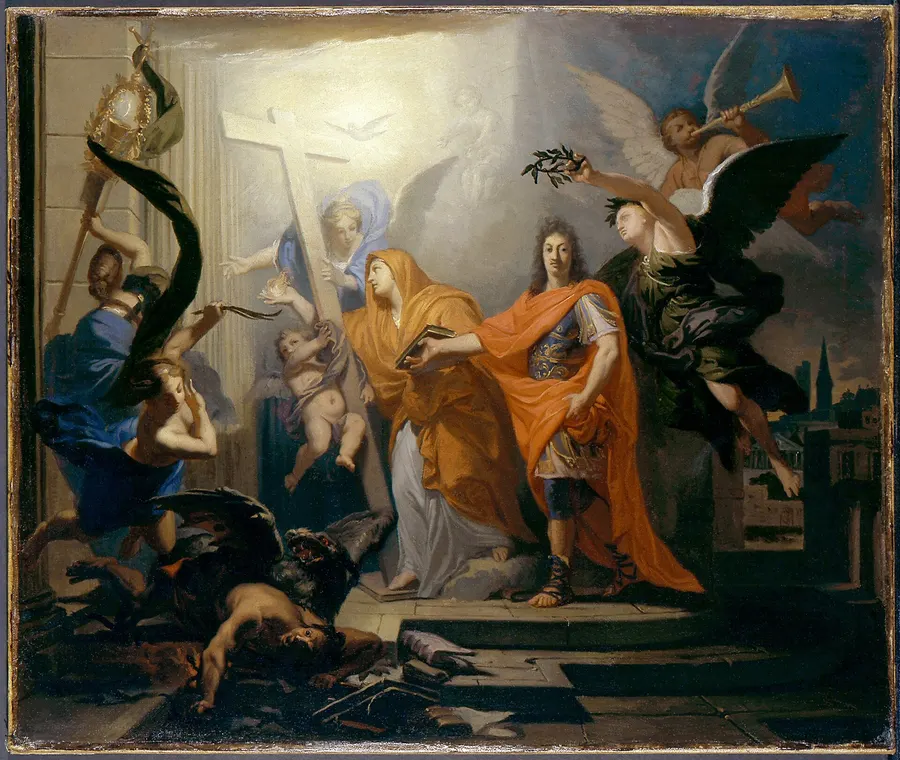
An allegory, probably of the Peace of Utrecht, painted by Antoine Rivalz (Metropolitan Museum of Art).
Image creditAntoine Rivalz · CC0Resized and cropped for display.

The Treaty of Utrecht

At Utrecht in the Dutch Republic on 11 April 1713, France signed peace treaties with Britain, the Dutch, Prussia, Portugal and Savoy, ending most of the long War of the Spanish Succession.

Louis XIV’s grandson kept the Spanish throne, but France and Spain were never to be united. Britain did well: France handed over Newfoundland, Nova Scotia and the Hudson Bay lands, and Spain later gave up Gibraltar and Minorca. The deals set Europe’s balance of power for a generation.

Read the full storyHistory & Timeline →Source: Encyclopaedia Britannica: Treaties of Utrecht ↗
♙
PEOPLE

Born Today

Adélaïde Labille-Guiard
Image creditAdélaïde Labille-Guiard · Public domainResized and cropped for display.

Adélaïde Labille-Guiard

French portrait painter who fought for women artists’ place in the Royal Academy.

Ferdinand Lassalle
Image creditPhilipp Graff · Public domainResized and cropped for display.

Ferdinand Lassalle

German socialist who founded the country’s first workers’ party.

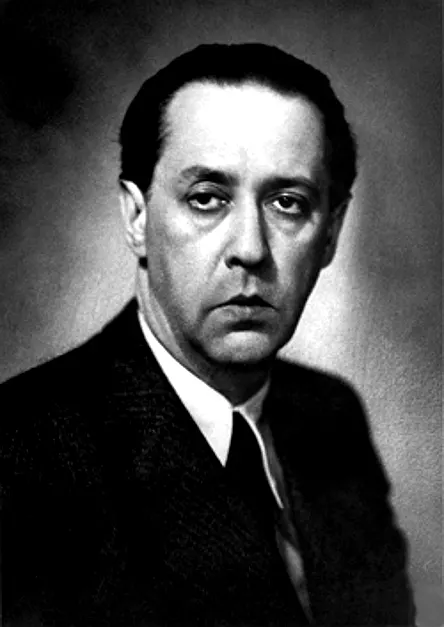
Sándor Márai
Image creditUnknown photographer · Public domainResized and cropped for display.

Sándor Márai

Hungarian novelist of Embers, rediscovered long after his death.

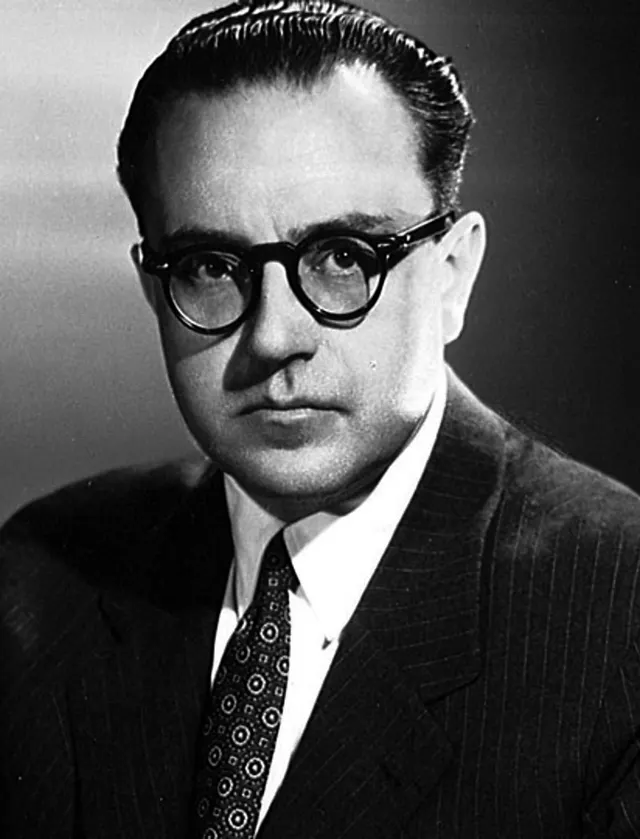
Alberto Ginastera
Image creditAnnemarie Heinrich · Public domainResized and cropped for display.

Alberto Ginastera

Argentine composer who drew on the music of the gauchos.

Joel Grey
Image creditPhilipRomanoPhoto · CC BY 4.0Resized and cropped for display.

Joel Grey

American actor, the Master of Ceremonies in Cabaret on stage and screen.

♫
MUSIC • FILM • BOOKS • CULTURE

Culture Stories

Families gather on the dunes north of Jaffa to share out the first plots of Tel Aviv, 1909, photographed by Avraham Soskin.
Image creditAvraham Soskin · Public domainResized and cropped for display.

Tel Aviv is founded with a seashell lottery

On 11 April 1909 a few dozen Jewish families met on the sand dunes outside the port of Jaffa to share out plots for a new garden suburb. Akiva Aryeh Weiss drew 66 white shells marked with family names and 66 grey shells marked with plot numbers.

The neighbourhood, called Ahuzat Bayit, was renamed Tel Aviv the next year. It grew into Israel’s second city, and its ‘White City’ of modernist buildings is now a UNESCO World Heritage Site.

Read the full storyHistory & Timeline →Source: Tel Aviv-Yafo Municipality: History of the city ↗
✦
LIVES REMEMBERED

Remembered Today

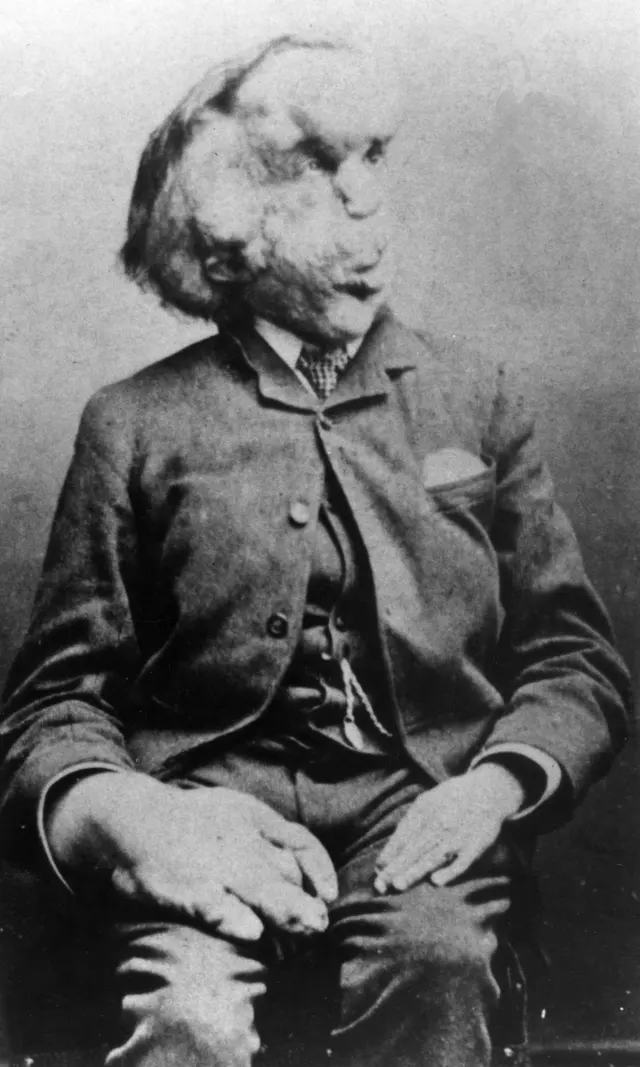
Joseph Merrick
Image creditUnknown photographer · Public domainResized and cropped for display.

Joseph Merrick

Englishman with severe deformities, known as the ‘Elephant Man’, who lived his last years at the London Hospital.

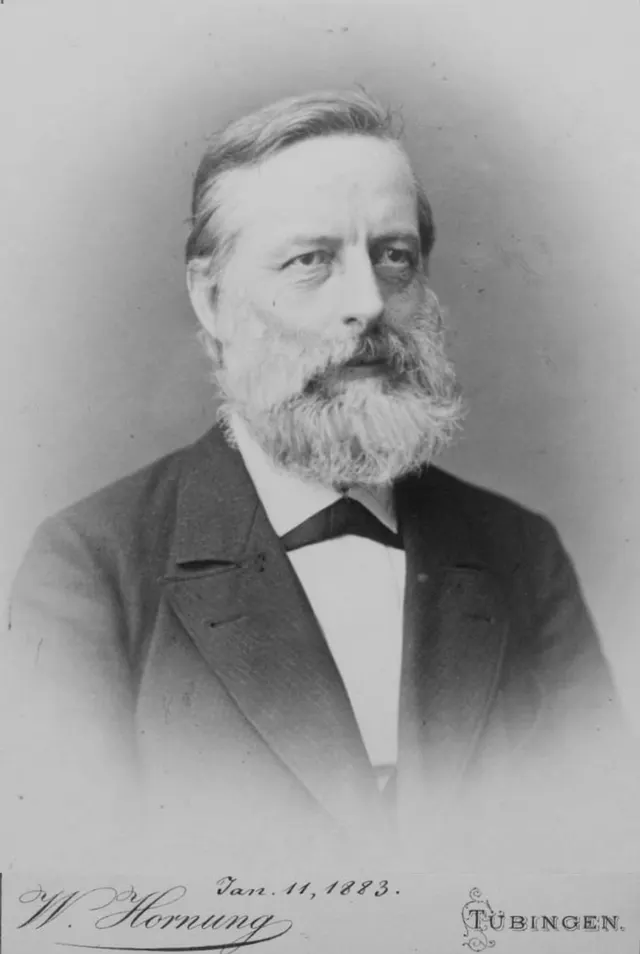
Lothar Meyer
Image creditWilhelm Hornung · Public domainResized and cropped for display.

Lothar Meyer

German chemist who drew up an early periodic table of the elements.

John Horton Conway
Image credit"Thane Plambeck" · CC BY 2.0Resized and cropped for display.

John Horton Conway

English mathematician who invented the Game of Life.

☉
AROUND THE WORLD

Observances & Anniversaries

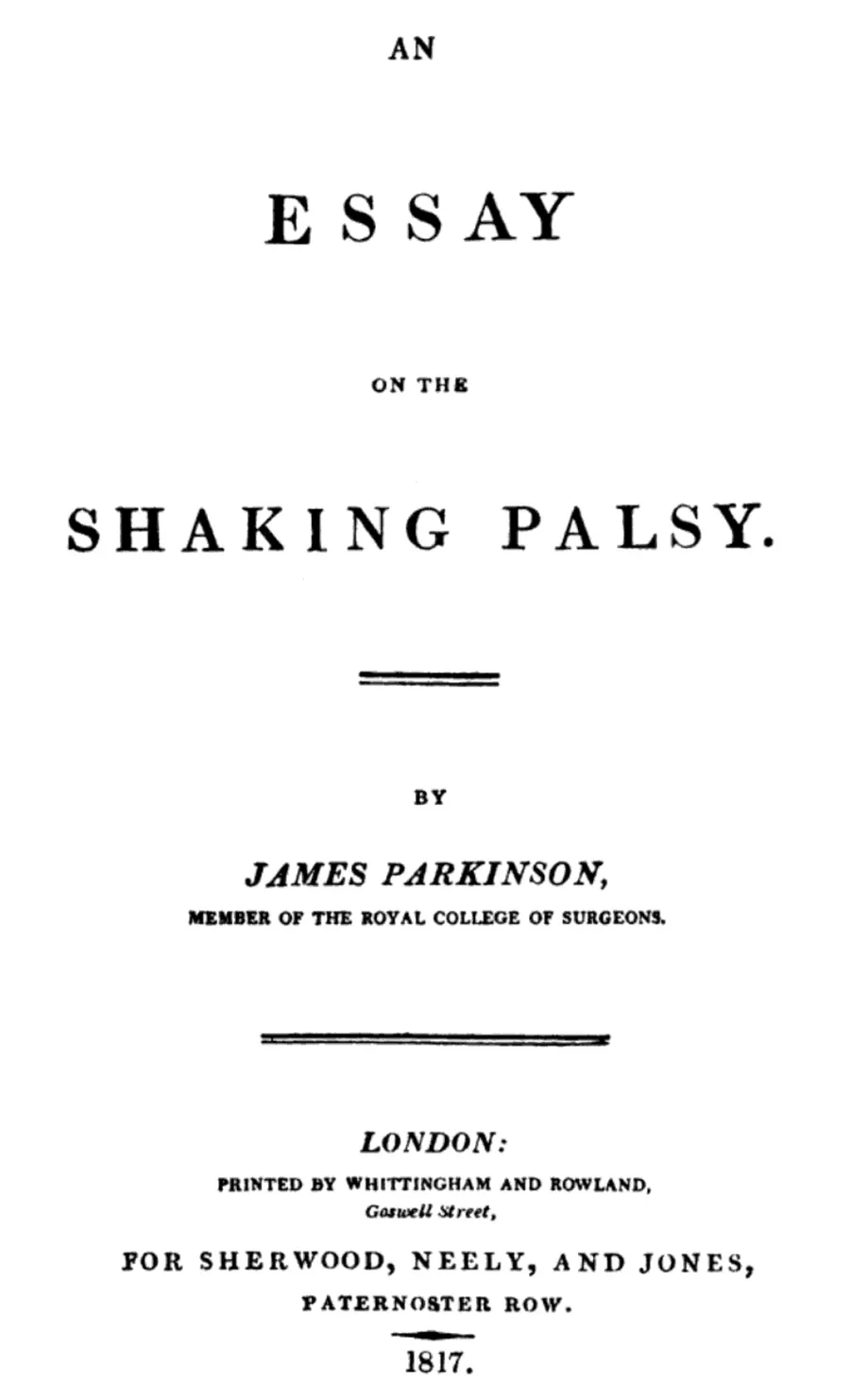
The title page of James Parkinson's An Essay on the Shaking Palsy, 1817.
The title page of James Parkinson’s An Essay on the Shaking Palsy, 1817.
Image creditJames Parkinson · Public domainResized and cropped for display.

World Parkinson’s Day

11 April is the birthday of James Parkinson, a London doctor born in 1755, and is kept as World Parkinson’s Day to raise awareness of the condition that bears his name.

In 1817 his Essay on the Shaking Palsy described the trembling and stiffness of the disease so clearly that it was later named after him.

Source: Parkinson’s UK: James Parkinson ↗
The monument to Juan Santamaría in Alajuela, Costa Rica.
Image creditRodrigo Fernández · CC BY-SA 4.0Resized and cropped for display.

Juan Santamaría Day in Costa Rica

Costa Rica remembers Juan Santamaría, a young drummer from Alajuela, on 11 April, the day in 1856 when he is said to have died setting fire to a building held by the American adventurer William Walker’s troops at Rivas, in Nicaragua.

The victory helped end Walker’s attempt to rule Central America. Santamaría is Costa Rica’s national hero, and its main airport bears his name.

Source: Encyclopaedia Britannica: Juan Santamaría ↗
HISTORY & TIMELINE

Finished the highlights?

Follow 11 April chronologically, from the Middle Ages to the modern day, with 12 verified events and the sources behind them.

This day through time →