Explore 17 April

Explore 17 April: Japan and China sign the Treaty of Shimonoseki, Cuban exiles land at the Bay of Pigs, the Khmer Rouge march into Phnom Penh and the crippled Apollo 13 splashes down safely. Meet Karen Blixen, Sirimavo Bandaranaike and Muttiah Muralitharan, born on this date, and remember the poet Juana Inés de la Cruz.

This day through time →16 verified events across 4 eras

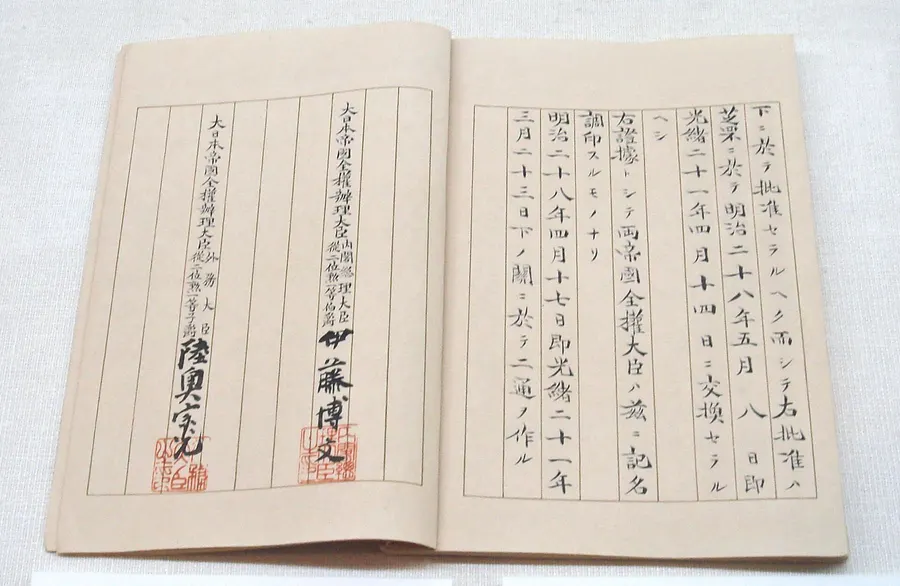
The Japanese text of the Treaty of Shimonoseki, signed on 17 April 1895.
Image creditWorld Imaging · CC BY-SA 3.0Resized and cropped for display.

The Treaty of Shimonoseki ends the First Sino-Japanese War

On 17 April 1895 Japan’s prime minister Itō Hirobumi and the veteran Chinese statesman Li Hongzhang signed a peace treaty at Shimonoseki, ending a war that China had lost badly on land and at sea. China recognised Korea’s independence, handed Taiwan, the Pescadores and the Liaodong Peninsula to Japan, and agreed to pay a huge indemnity.

The settlement announced Japan as a new power in East Asia. Within days Russia, Germany and France pressed Tokyo to give back Liaodong, a humiliation that fed the rivalry leading to the Russo-Japanese War a decade later.

Read the full storyHistory & Timeline →Source: Britannica: Treaty of Shimonoseki ↗
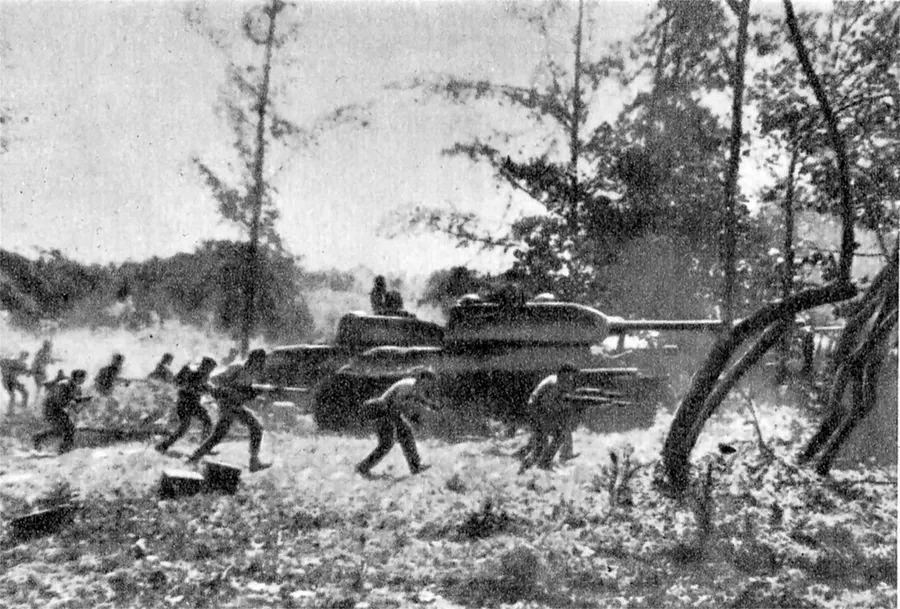
Cuban forces, backed by tanks, counter-attack near Playa Girón on 19 April 1961.
Image creditRumlin · CC BY 3.0Resized and cropped for display.

Exiles land at the Bay of Pigs

Before dawn on 17 April 1961 about 1,400 Cuban exiles, trained and equipped by the CIA and known as Brigade 2506, came ashore at the Bay of Pigs on Cuba’s southern coast. The plan assumed that a landing would spark a rising against Fidel Castro.

No rising came. Cuban aircraft sank supply ships, and within about two days Castro’s forces had surrounded the brigade; most of its men were captured and later exchanged for food and medicine. The failure embarrassed President Kennedy’s new administration and pushed Havana closer to Moscow.

Read the full storyHistory & Timeline →Source: JFK Presidential Library: The Bay of Pigs ↗
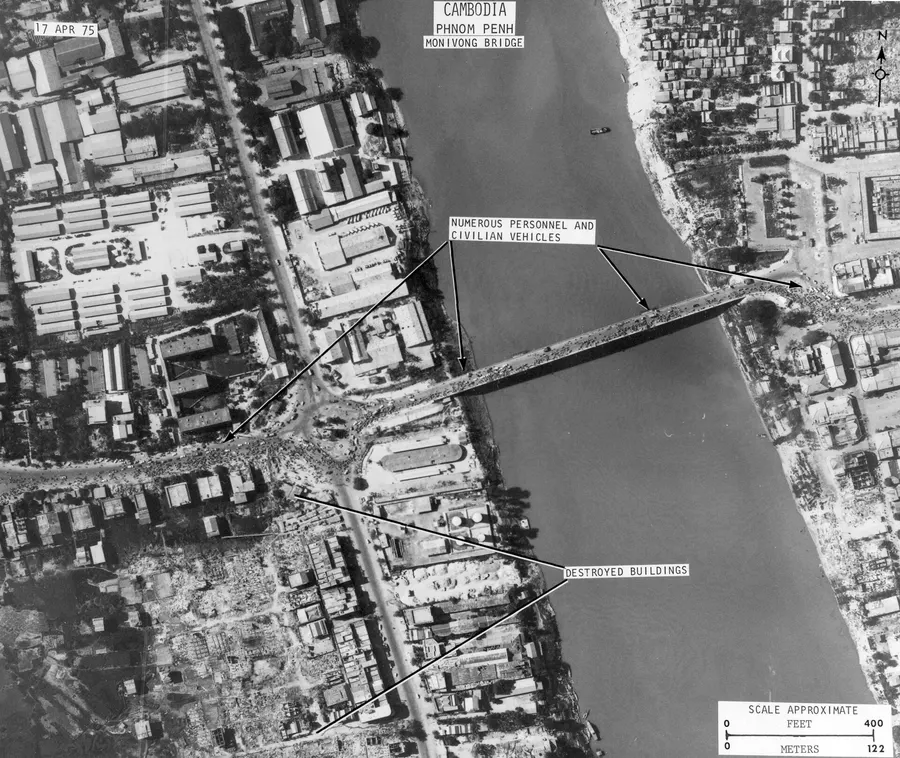
A US Air Force reconnaissance photograph of the Monivong Bridge in Phnom Penh, taken on 17 April 1975.
Image creditUnited States Air Force photo 110342 · Public domainResized and cropped for display.

The Khmer Rouge enter Phnom Penh

On 17 April 1975 Khmer Rouge fighters marched into Cambodia’s capital, Phnom Penh, ending five years of civil war. Many residents at first greeted them with relief that the fighting was over.

Within days the new rulers ordered the whole city emptied, sending some two million people into the countryside on foot. It was the opening act of a regime under which, by 1979, an estimated 1.7 million Cambodians died.

Read the full storyHistory & Timeline →Source: United States Holocaust Memorial Museum: Day One, April 17, 1975 ↗
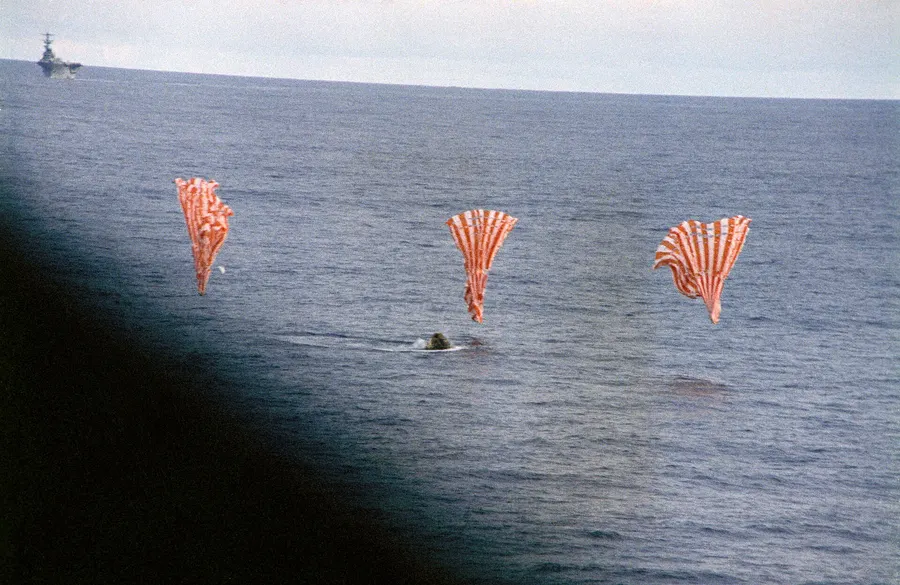
Apollo 13's command module splashes down in the South Pacific under its three parachutes, 17 April 1970.
Apollo 13’s command module splashes down in the South Pacific under its three parachutes, 17 April 1970.
Image creditNASA Johnson Space Center · Public domainResized and cropped for display.

Apollo 13 comes home

At 12:07 pm Houston time on 17 April 1970, the capsule Odyssey splashed down in the South Pacific south-east of American Samoa, carrying Jim Lovell, Jack Swigert and Fred Haise. Four days earlier an oxygen tank had exploded on the way to the Moon, crippling their spacecraft.

The crew survived by using their lunar module as a lifeboat, stretching supplies meant for two men for two days to keep three alive for four. NASA later called the mission a ‘successful failure’.

Read the full storyHistory & Timeline →Source: NASA: Splashdown of Apollo 13 Command Module in South Pacific, April 17, 1970 ↗
♙
PEOPLE

Born Today

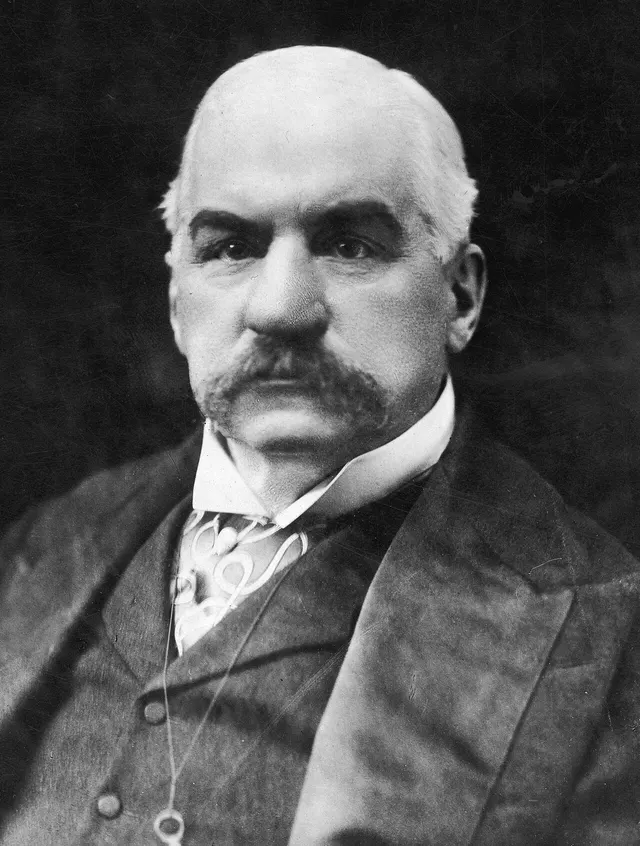
J. P. Morgan
Image creditUnknown · Public domainResized and cropped for display.

J. P. Morgan

American banker who dominated Wall Street and twice steadied the US financial system.

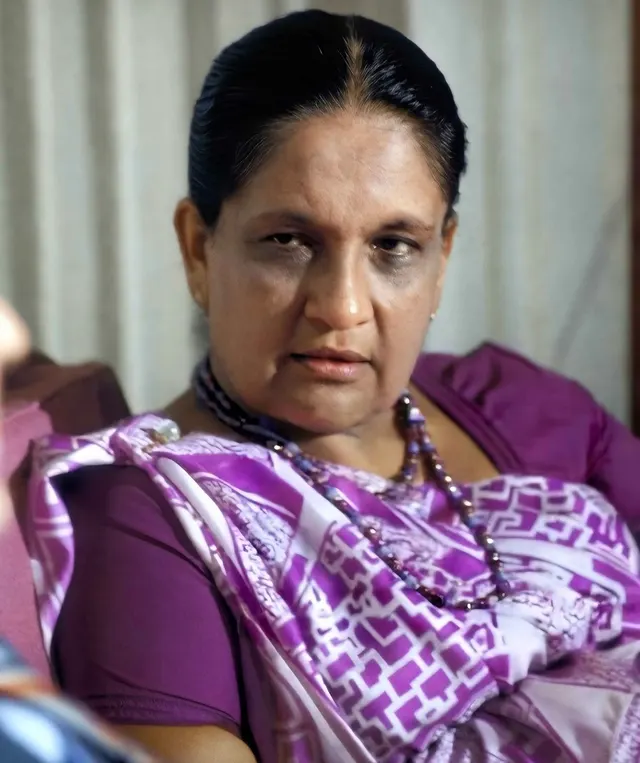
Sirimavo Bandaranaike
Image creditIndiragandhifan · CC0Resized and cropped for display.

Sirimavo Bandaranaike

Sri Lankan politician who became the world’s first woman prime minister in 1960.

Nick Hornby
Image creditJoe Mabel · CC BY-SA 3.0Resized and cropped for display.

Nick Hornby

English novelist of Fever Pitch and High Fidelity.

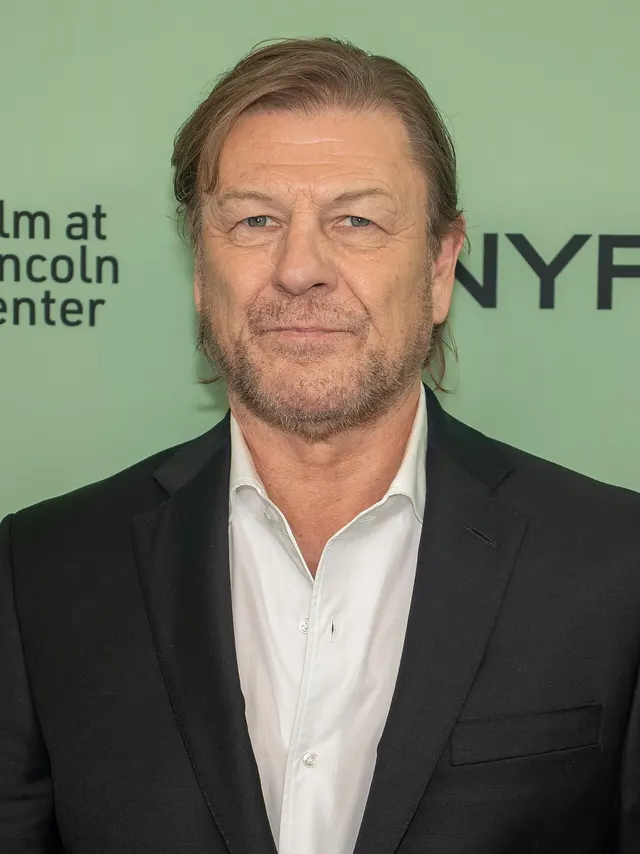
Sean Bean
Image creditBryan Berlin · CC BY-SA 4.0Resized and cropped for display.

Sean Bean

English actor known for Sharpe and The Lord of the Rings.

Muttiah Muralitharan
Image creditBollywood Hungama · CC BY 3.0Resized and cropped for display.

Muttiah Muralitharan

Sri Lankan spin bowler who took a record 800 Test wickets.

Victoria Beckham
Image creditOwl Bridge Media · CC BY 3.0Resized and cropped for display.

Victoria Beckham

English singer with the Spice Girls turned fashion designer.

◉
IDEAS THAT CHANGED THINGS

Firsts, Science & Discoveries

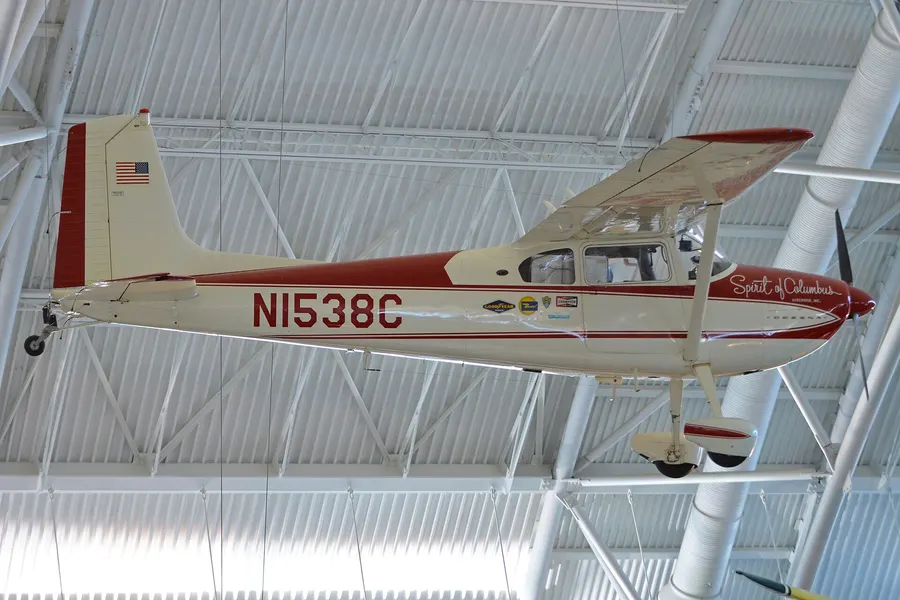
The Spirit of Columbus, the Cessna 180 in which Jerrie Mock flew around the world, at the Smithsonian's Udvar-Hazy Center.
The Spirit of Columbus, the Cessna 180 in which Jerrie Mock flew around the world, at the Smithsonian’s Udvar-Hazy Center.
Image creditAlan Wilson from Peterborough, Cambs, UK · CC BY-SA 2.0Resized and cropped for display.

Jerrie Mock becomes the first woman to fly solo around the world

On 17 April 1964 Geraldine ‘Jerrie’ Mock, a 38-year-old mother of three from Ohio, landed her single-engine Cessna 180, the Spirit of Columbus, back at Port Columbus airport. She had set off 29 days earlier and covered about 37,000 kilometres.

Hers was the first solo round-the-world flight by a woman, completing a journey Amelia Earhart had not lived to finish. Her little plane now belongs to the Smithsonian’s National Air and Space Museum.

Read the full storyHistory & Timeline →Source: Smithsonian National Air and Space Museum: Celebrating Jerrie Mock ↗
An artist's impression of Kepler-186f released by NASA on 17 April 2014.
An artist’s impression of Kepler-186f released by NASA on 17 April 2014.
Image creditNASA Ames/SETI Institute/JPL-Caltech · Public domainResized and cropped for display.

An Earth-sized world in a habitable zone

On 17 April 2014 NASA announced Kepler-186f, the first confirmed planet close to Earth’s size orbiting in the ‘habitable zone’ of another star, where liquid water could exist on the surface. It lies about 500 light years away in the constellation Cygnus.

The planet circles a small, cool red dwarf every 130 days and receives about a third of the energy Earth gets from the Sun. It showed that worlds of Earth’s size can sit in such zones elsewhere in the galaxy.

Read the full storyHistory & Timeline →Source: NASA: Kepler-186f, the first Earth-size planet in the habitable zone ↗
☆
SPORTING HISTORY

Sporting Moments

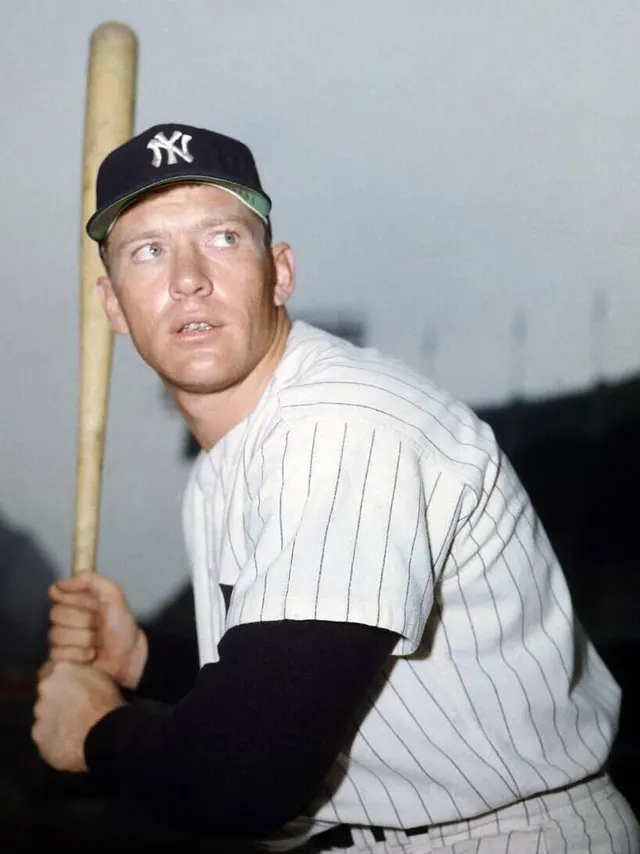
Mickey Mantle of the New York Yankees in 1957.
Image creditUnknown · Public domainResized and cropped for display.

Mickey Mantle’s ‘tape-measure’ home run

On 17 April 1953 the 21-year-old New York Yankees outfielder Mickey Mantle hit a ball clean out of Griffith Stadium in Washington, the first player ever to do so. It cleared the left-field bleachers and clipped a beer sign on its way out.

The Yankees’ publicist paced out where it came down and announced a distance of 565 feet (about 172 metres). The figure is still argued over, but the phrase ‘tape-measure home run’ has been part of baseball ever since.

Read the full storyHistory & Timeline →Source: National Baseball Hall of Fame: Mantle hits 565-foot home run ↗
♫
MUSIC • FILM • BOOKS • CULTURE

Culture Stories

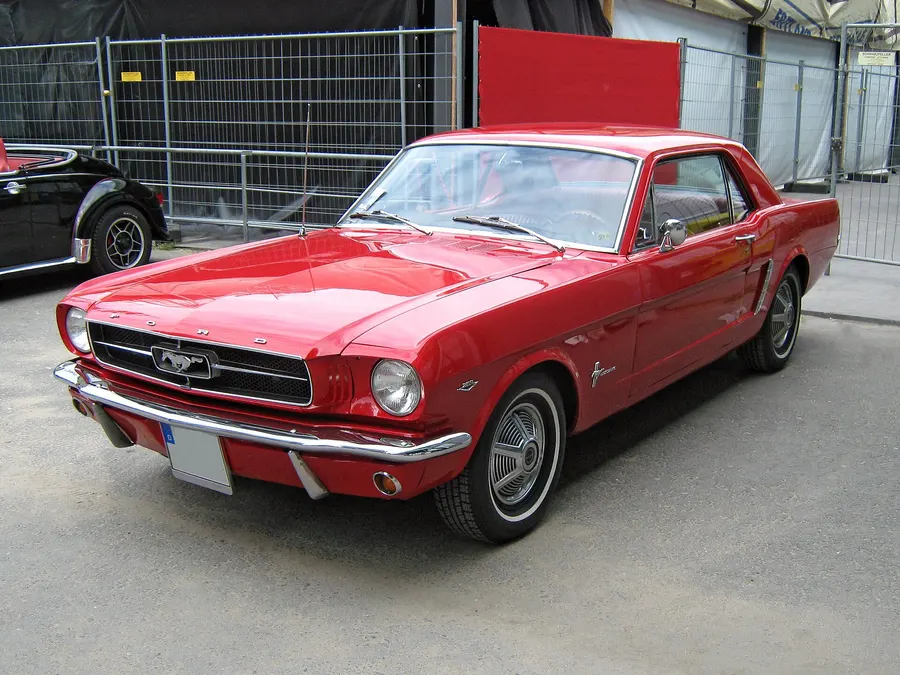
A 1965 Ford Mustang hardtop from the first production run.
Image creditKroelleboelle · CC BY-SA 3.0Resized and cropped for display.

The Ford Mustang meets the public

On 17 April 1964 Ford put its new Mustang on show to the public at the New York World’s Fair and in showrooms across the United States. Low, long-bonneted and affordable, it was pitched at a young generation of buyers.

Crowds packed Ford’s pavilion, where visitors could ride in Mustang convertibles through Walt Disney’s Magic Skyway. The car sold more than 400,000 in its first year and gave its name to a whole class of ‘pony cars’.

Read the full storyHistory & Timeline →Source: The Henry Ford: Mustang, the Birth of an American Icon ↗
✦
LIVES REMEMBERED

Remembered Today

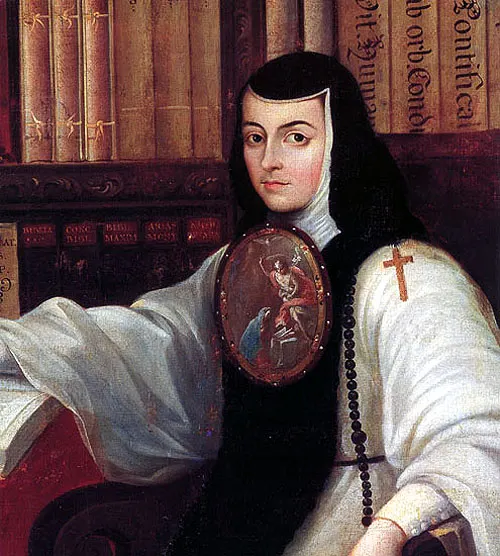
Juana Inés de la Cruz
Image creditMiguel Cabrera · Public domainResized and cropped for display.

Juana Inés de la Cruz

Mexican nun, poet and scholar, a towering writer of the Spanish Golden Age.

Eddie Cochran
Image creditMichael Ochs Archives · Public domainResized and cropped for display.

Eddie Cochran

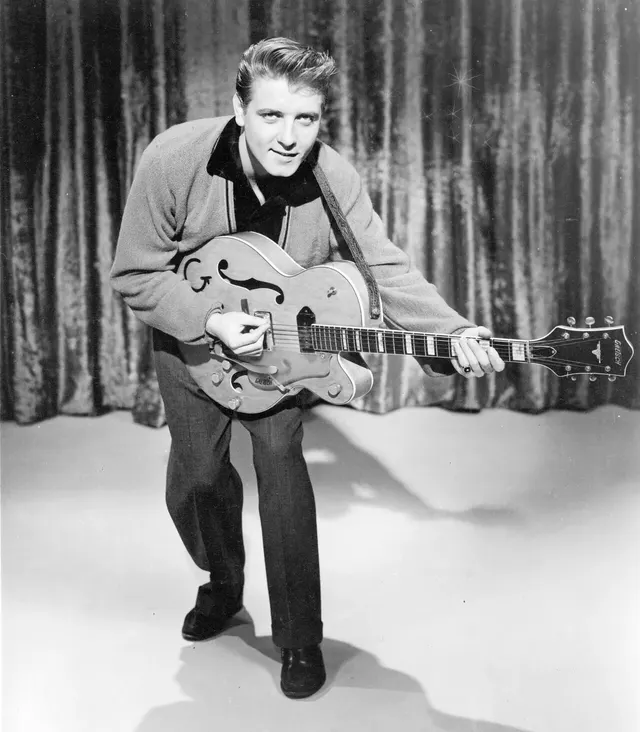
American rock and roll pioneer of Summertime Blues, killed in a car crash in England.

Sarvepalli Radhakrishnan
Image creditWhite House · Public domainResized and cropped for display.

Sarvepalli Radhakrishnan

Indian philosopher and second president of India.

☉
AROUND THE WORLD

Observances & Anniversaries

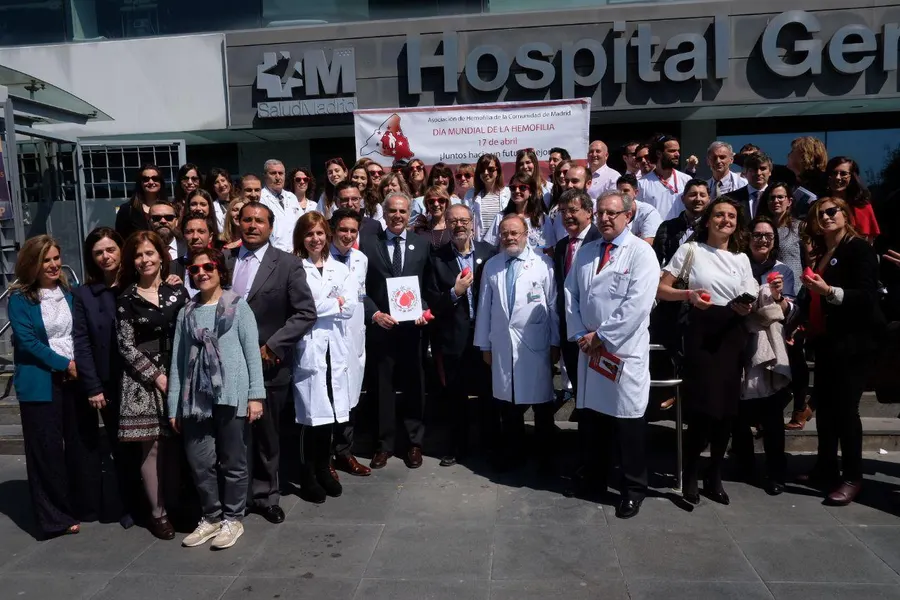
Staff and visitors mark World Hemophilia Day at La Paz hospital in Madrid.
Image creditDiario de Madrid · CC BY 4.0Resized and cropped for display.

World Hemophilia Day

Since 1989 patient groups around the world have marked 17 April to raise awareness of haemophilia and other inherited bleeding disorders.

The date honours Frank Schnabel, the Canadian businessman who lived with severe haemophilia and founded the World Federation of Hemophilia in 1963; it was his birthday.

Source: World Federation of Hemophilia: World Hemophilia Day ↗
HISTORY & TIMELINE

Finished the highlights?

Follow 17 April chronologically, from the Middle Ages to the modern day, with 16 verified events and the sources behind them.

This day through time →