Explore 16 April

Explore 16 April: India’s first passenger train steams out of Bombay, Lenin returns to Petrograd, Martin Luther King dates his Letter from Birmingham Jail and the Jacobite cause is crushed at Culloden. Meet Wilbur Wright, Queen Margrethe II and Selena, born on this date, and remember Rosalind Franklin.

This day through time →12 verified events across 5 eras

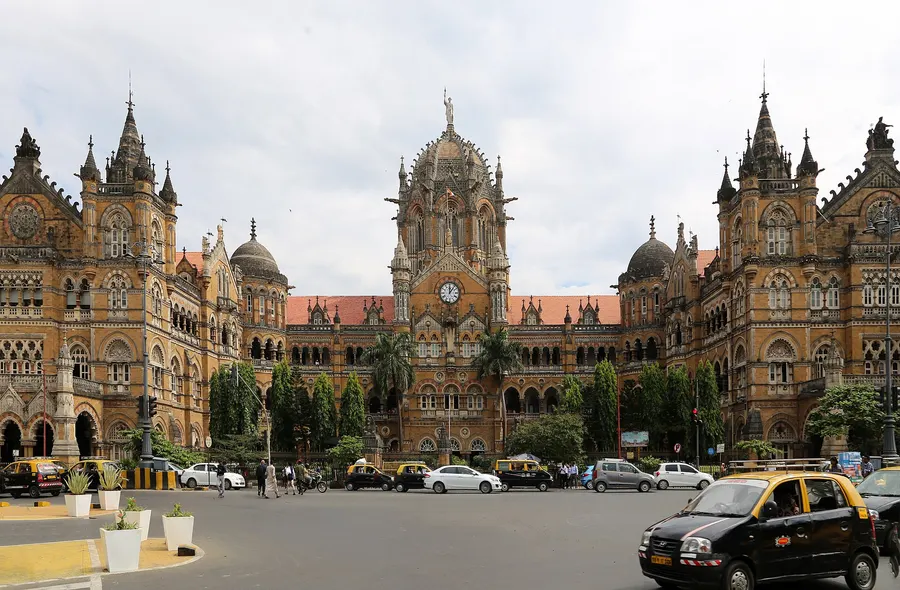
Chhatrapati Shivaji Maharaj Terminus in Mumbai, the great Victorian station that replaced Bori Bunder, where the first train set off.
Image creditSailko · CC BY 3.0Resized and cropped for display.

India’s first passenger train steams out of Bombay

On the afternoon of 16 April 1853, a train pulled out of Bori Bunder in Bombay and headed north for Thane, 34 kilometres away. Three steam locomotives named Sahib, Sultan and Sindh hauled roughly 400 passengers on a journey that took less than an hour, with a stop at Sion to take on water.

The line was run by the Great Indian Peninsula Railway, and the day is still marked as the birth of the Indian railways. From that short stretch grew one of the largest rail networks on Earth.

Read the full storyHistory & Timeline →Source: National Rail Museum (Google Arts & Culture): A History of Indian Railways ↗
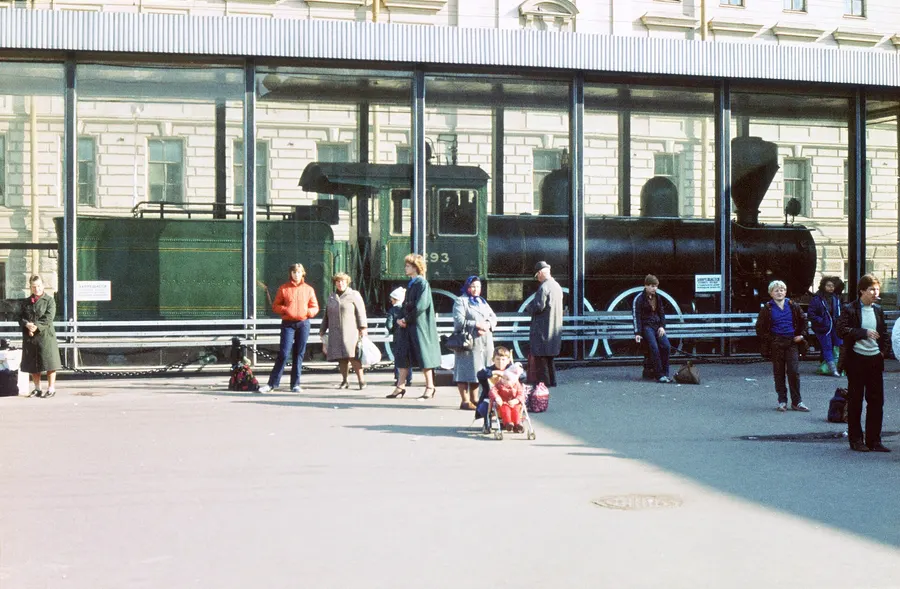
Locomotive No. 293, kept at the Finland Station in St Petersburg, which carried Lenin on his secret journeys later in 1917.
Image creditUnknown photographer · CC BY-SA 4.0Resized and cropped for display.

Lenin returns to Petrograd from exile

Late on 16 April 1917 (3 April under the Russian calendar of the time), Vladimir Lenin stepped off a train at the Finland Station in Petrograd after years of exile in Switzerland. Germany had let him cross its territory, hoping he would unsettle its wartime enemy, and a large crowd was waiting for him.

Within days he set out his April Theses, calling on the Bolsheviks to refuse support to the Provisional Government that had replaced the tsar. Seven months later his party seized power.

Read the full storyHistory & Timeline →Source: Britannica: Vladimir Lenin - Leadership in the Russian Revolution ↗
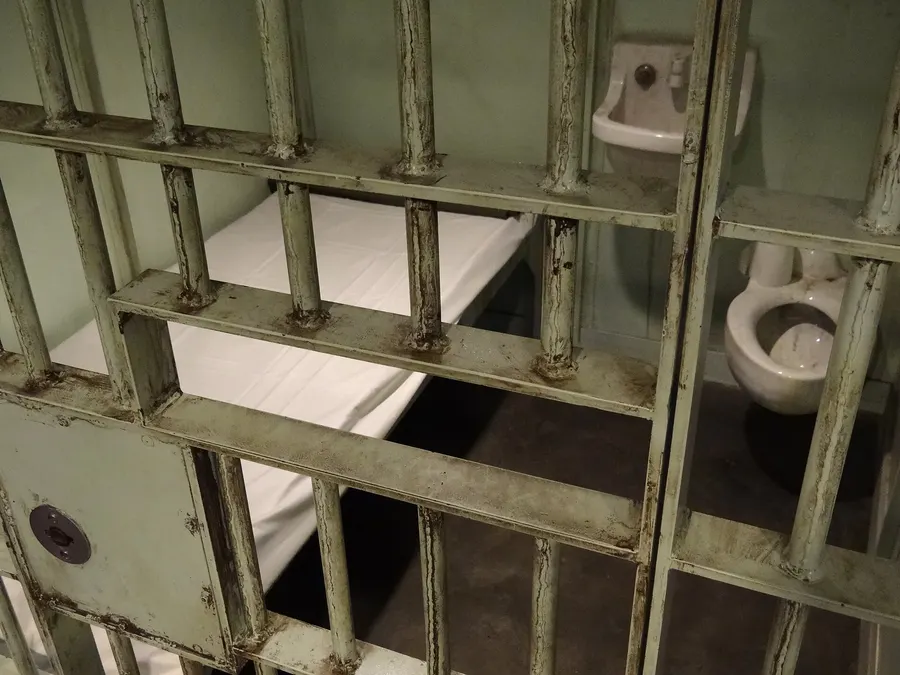
A recreation of King's Birmingham jail cell at the National Civil Rights Museum in Memphis.
A recreation of King’s Birmingham jail cell at the National Civil Rights Museum in Memphis.
Image creditAdam Jones, Ph.D. · CC BY-SA 3.0Resized and cropped for display.

Martin Luther King writes his Letter from Birmingham Jail

Arrested for defying a court ban on protest marches in Birmingham, Alabama, Martin Luther King Jr answered a group of white clergymen who had called the demonstrations unwise and untimely. His reply, written in the margins of a newspaper and on scraps of paper, carries the date 16 April 1963.

King argued that people have a moral duty to break unjust laws and that ‘wait’ had too often meant ‘never’. Printed and reprinted, the letter became one of the founding texts of the American civil rights movement.

Read the full storyHistory & Timeline →Source: Martin Luther King, Jr. Research and Education Institute, Stanford University: Letter from Birmingham Jail ↗
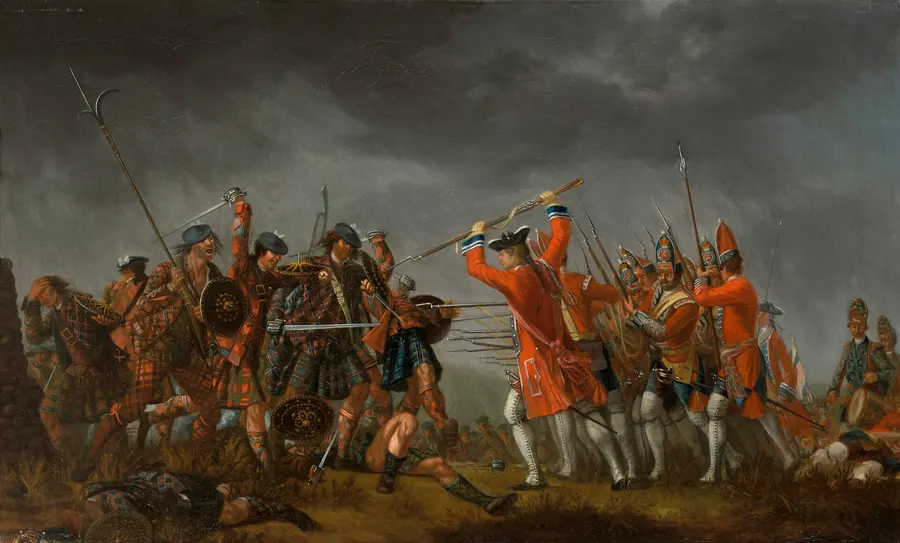
An Incident in the Rebellion of 1745, David Morier's painting of the fighting at Culloden.
An Incident in the Rebellion of 1745, David Morier’s painting of the fighting at Culloden.
Image creditDavid Morier · Public domainResized and cropped for display.

The Jacobite cause is crushed at Culloden

On a moor near Inverness on 16 April 1746 (by the Old Style calendar Britain still used), Prince Charles Edward Stuart’s Jacobite army met a larger government force under the Duke of Cumberland. The fighting lasted less than an hour, and the Highland charge broke against disciplined musket and cannon fire.

It was the last pitched battle fought on British soil. Charles escaped to France, the Stuart claim to the throne never recovered, and the government moved to dismantle the Highland clan system.

Read the full storyHistory & Timeline →Source: National Army Museum: Battle of Culloden ↗
♙
PEOPLE

Born Today

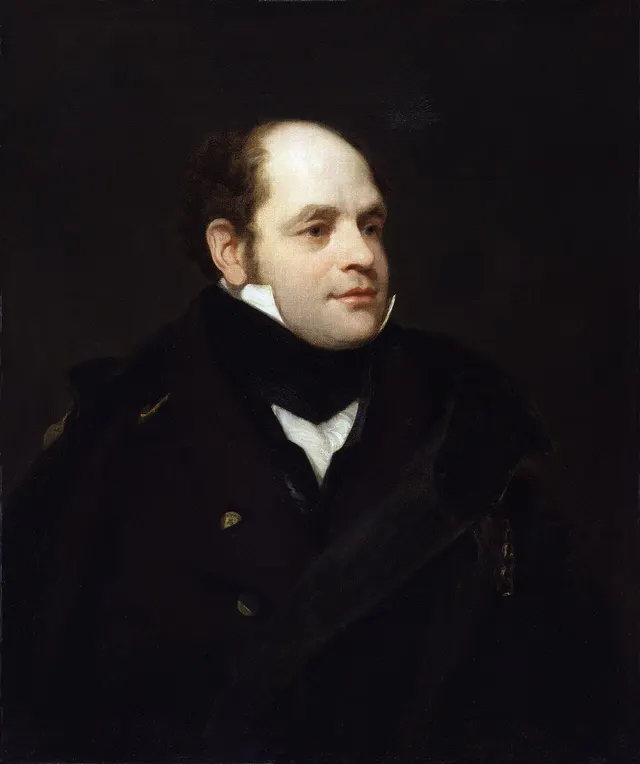
John Franklin
Image creditThomas Phillips · Public domainResized and cropped for display.

John Franklin

English naval officer and Arctic explorer whose lost 1845 expedition searched for the Northwest Passage.

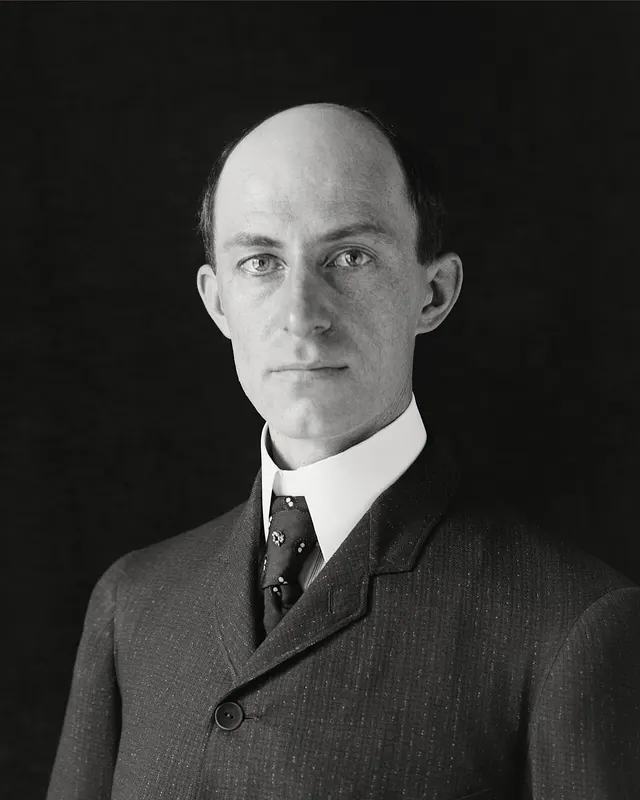
Wilbur Wright
Image creditOrville and Wilbur Wright · Public domainResized and cropped for display.

Wilbur Wright

American aviation pioneer who, with his brother Orville, made the first powered, controlled aeroplane flights in 1903.

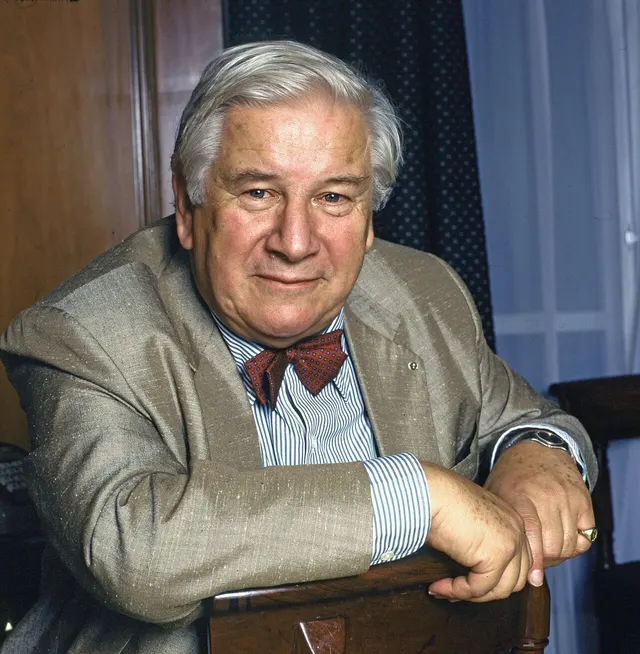
Peter Ustinov
Image creditAllan Warren · CC BY-SA 3.0Resized and cropped for display.

Peter Ustinov

British actor, writer and wit, twice an Oscar winner and a long-serving UNICEF ambassador.

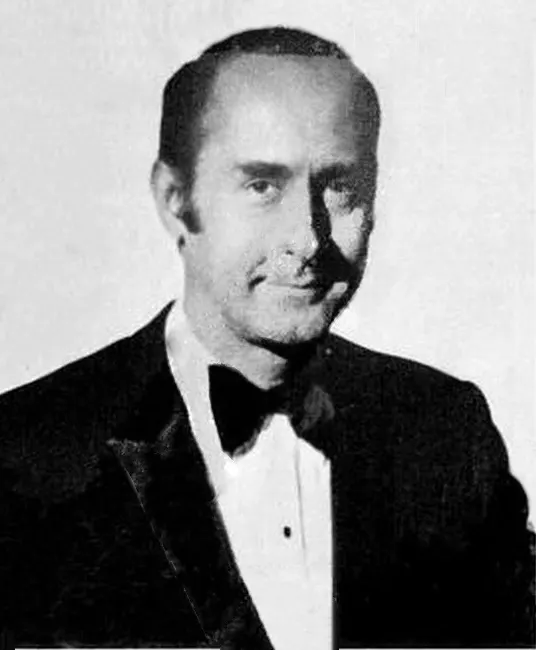
Henry Mancini
Image creditRCA Records · Public domainResized and cropped for display.

Henry Mancini

American composer of The Pink Panther theme and Moon River.

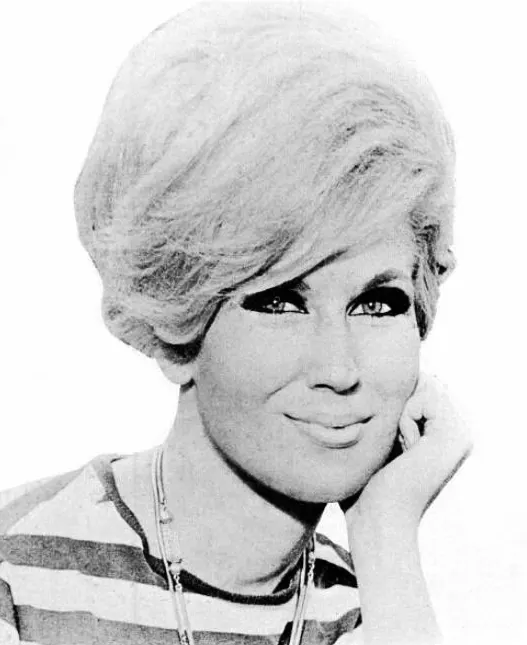
Dusty Springfield
Image creditPhilips Records · Public domainResized and cropped for display.

Dusty Springfield

British singer with a smoky, soulful voice, known for Son of a Preacher Man.

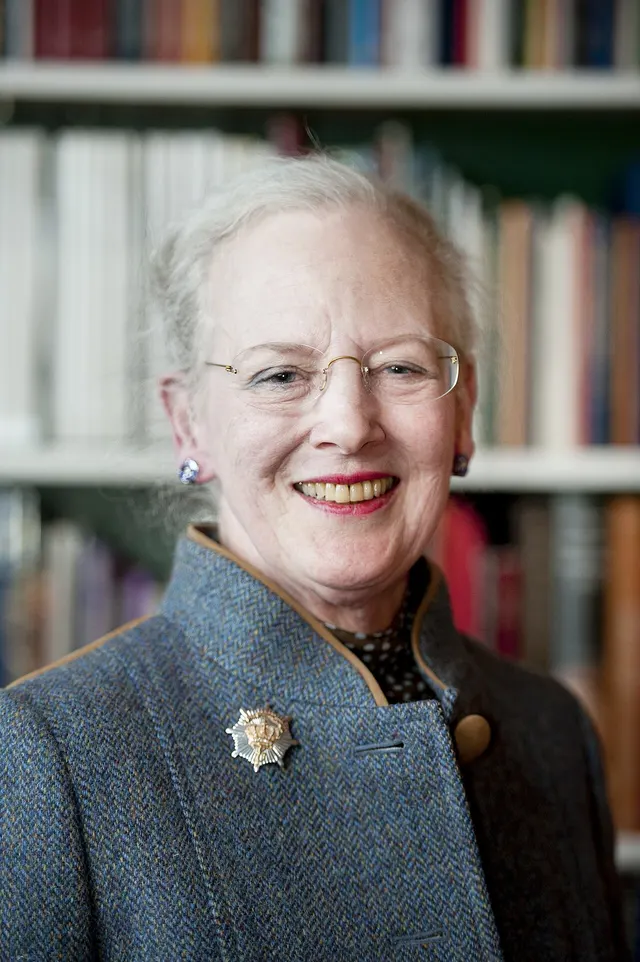
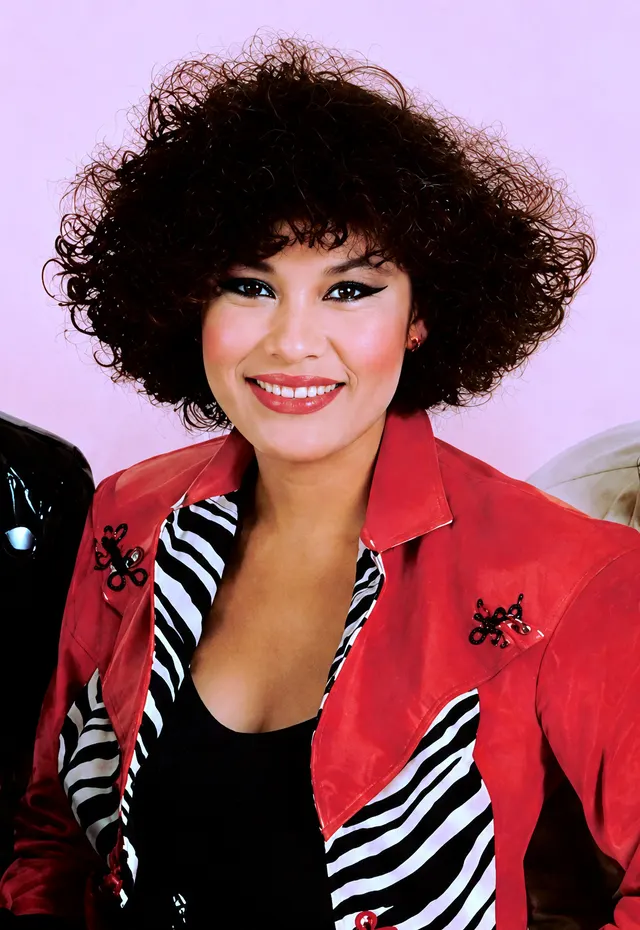
Margrethe II of Denmark
Image creditJohannes Jansson · CC BY 2.5 dkResized and cropped for display.

Margrethe II of Denmark

Queen of Denmark for 52 years, also an illustrator and designer, who abdicated in 2024.

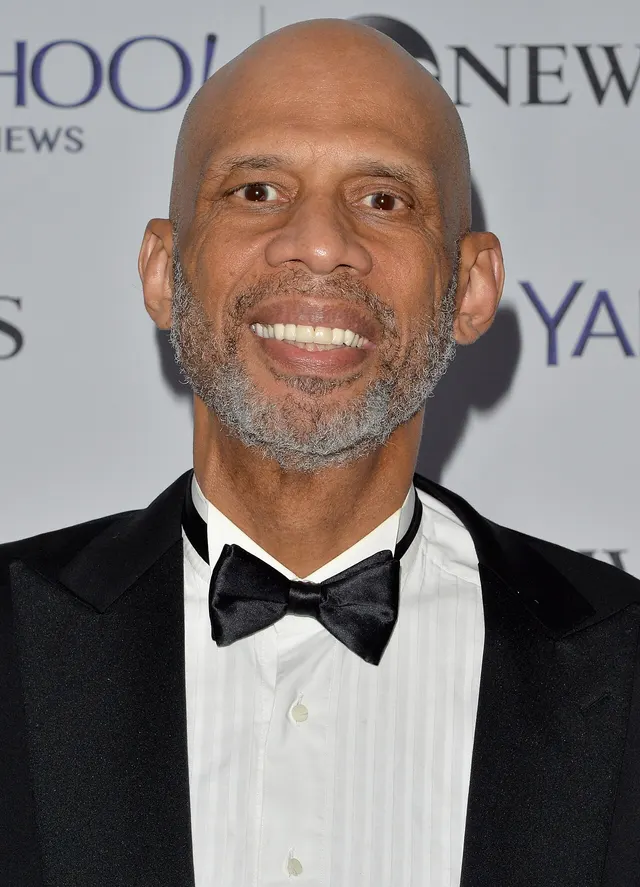
Kareem Abdul-Jabbar
Image creditYahoo from Sunnyvale, California, USA · CC BY 2.0Resized and cropped for display.

Kareem Abdul-Jabbar

American basketball great, famed for his skyhook, who held the NBA career scoring record for nearly 39 years.

Selena
Image creditUnknown · Public domainResized and cropped for display.

Selena

Mexican-American singer who brought Tejano music to a mass audience before her early death.

◉
IDEAS THAT CHANGED THINGS

Firsts, Science & Discoveries

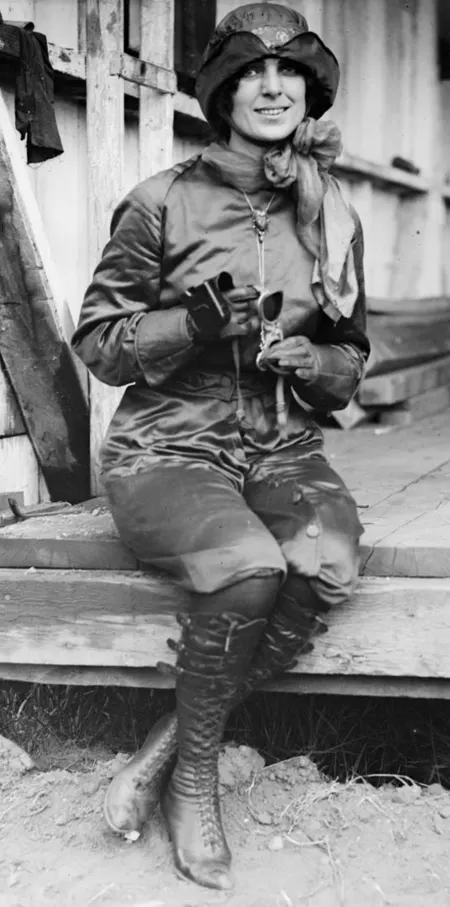
Harriet Quimby in her flying outfit in 1911.
Image creditBain · Public domainResized and cropped for display.

Harriet Quimby becomes the first woman to fly the English Channel

On 16 April 1912, the American pilot Harriet Quimby took off from Dover in a borrowed Blériot monoplane and headed into thick fog, steering by compass alone. About an hour later she came down on a beach near Hardelot on the French coast.

Her feat barely made the papers: the Titanic had sunk two days earlier. Quimby, the first licensed woman pilot in the United States, died in a flying accident near Boston that July.

Read the full storyHistory & Timeline →Source: PBS NOVA: Queen of the Channel Crossing ↗
♫
MUSIC • FILM • BOOKS • CULTURE

Culture Stories

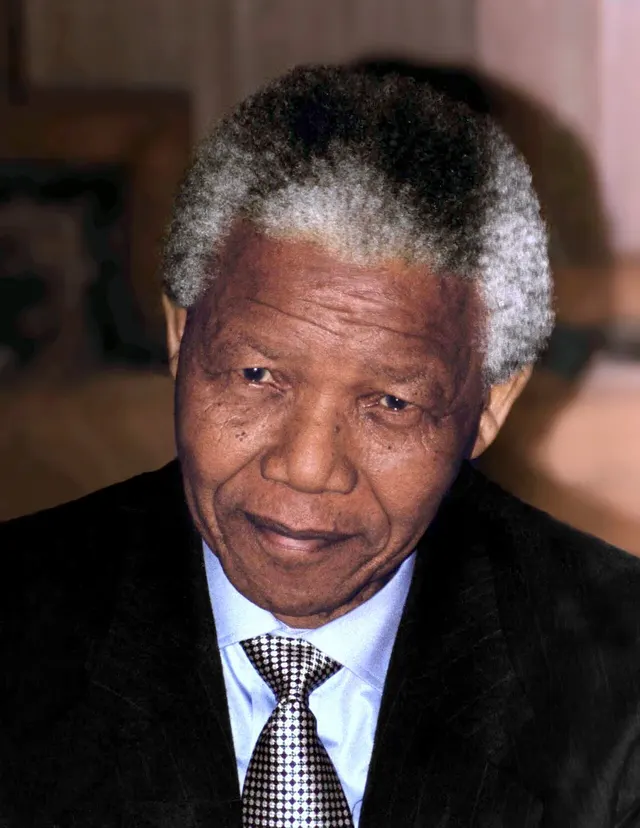
Nelson Mandela in 1994.
Image creditKingkongphoto & www.celebrity-photos.com from Laurel · CC BY-SA 2.0Resized and cropped for display.

Wembley welcomes a free Nelson Mandela

Two months after walking out of prison, Nelson Mandela appeared before 76,000 people at Wembley Stadium in London on 16 April 1990, at a concert broadcast to more than 60 countries. The line-up included Peter Gabriel, Neil Young, Tracy Chapman and Youssou N’Dour.

The crowd applauded him for several minutes before he could speak. Mandela thanked the anti-apartheid movement abroad and asked the world to keep up the pressure on South Africa until it became a non-racial democracy.

Read the full storyHistory & Timeline →Source: Anti-Apartheid Movement Archives: International Tribute for a Free South Africa concert programme, 1990 ↗
✦
LIVES REMEMBERED

Remembered Today

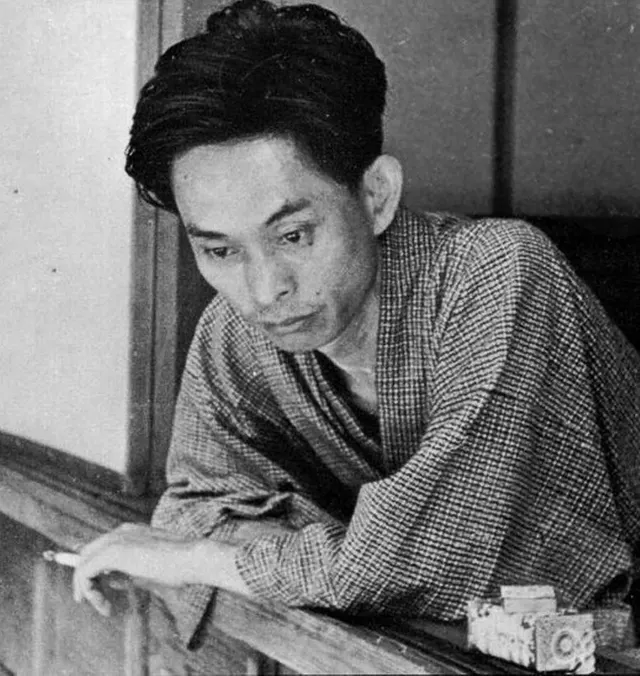
Yasunari Kawabata
Image creditUnknown · Public domainResized and cropped for display.

Yasunari Kawabata

Japanese novelist, author of Snow Country and the first Japanese winner of the Nobel Prize in Literature.

David Lean
Image creditHarry Pot / Anefo · CC0Resized and cropped for display.

David Lean

English film director of Lawrence of Arabia and Doctor Zhivago.

☉
AROUND THE WORLD

Observances & Anniversaries

A marching band in Washington's Emancipation Day parade.
A marching band in Washington’s Emancipation Day parade.
Image creditLidine Mia · CC BY-SA 4.0Resized and cropped for display.

DC Emancipation Day

Washington, DC marks 16 April as Emancipation Day, recalling the act Abraham Lincoln signed on 16 April 1862 that freed more than 3,000 enslaved people in the capital, nine months before the Emancipation Proclamation.

Freed people and their descendants held parades on the anniversary for decades afterwards, and the day is now a public holiday in the District.

Source: DC Government: A Historical Overview of DC Emancipation ↗
HISTORY & TIMELINE

Finished the highlights?

Follow 16 April chronologically, from the Middle Ages to the modern day, with 12 verified events and the sources behind them.

This day through time →