Explore 9 April

Explore 9 April: Robert E. Lee surrenders at Appomattox, Germany invades Denmark and Norway, the killing of Jorge Eliécer Gaitán sets Bogotá ablaze and Georgia declares its independence. Meet Isambard Kingdom Brunel, Charles Baudelaire and Seve Ballesteros, born on this date, and remember Frank Lloyd Wright.

This day through time →15 verified events across 5 eras

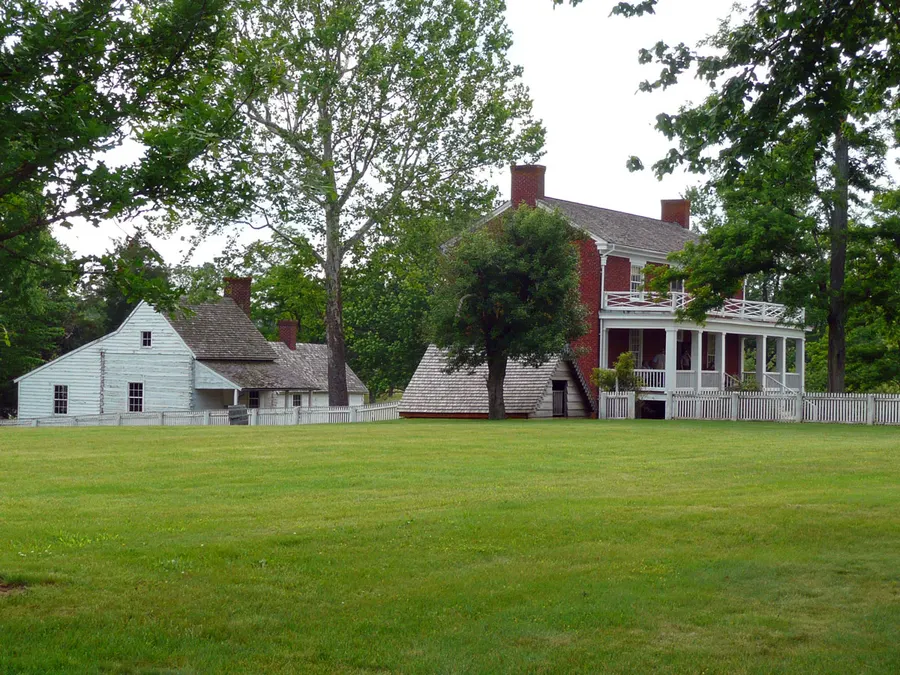
The McLean House at Appomattox Court House, Virginia, where Lee surrendered, as rebuilt by the National Park Service.
Image creditHal Jespersen at en.wikipedia · Public domainResized and cropped for display.

Lee surrenders at Appomattox

Hemmed in by Union forces, General Robert E. Lee surrendered the Confederate Army of Northern Virginia to General Ulysses S. Grant in the parlour of Wilmer McLean’s house at Appomattox Court House, Virginia, on 9 April 1865.

Grant’s terms were generous: Lee’s men could go home, officers kept their side arms, and Grant sent rations to the hungry Confederates. Other Southern armies soon gave up, and the Civil War, which had cost more than 600,000 lives, was effectively over.

Read the full storyHistory & Timeline →Source: US National Park Service, Appomattox Court House: The surrender ↗
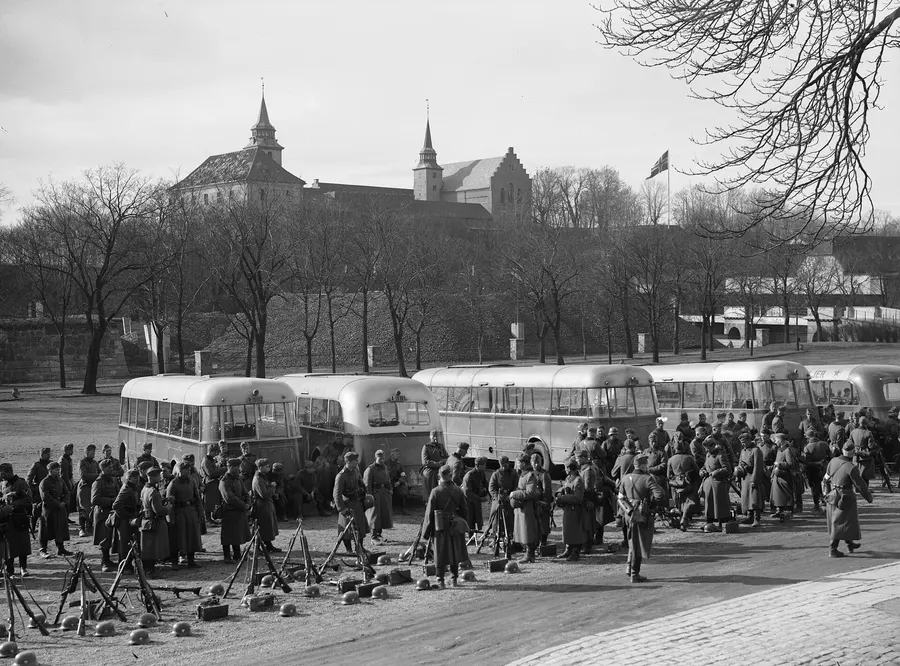
German troops at Akershus fortress in Oslo on 9 April 1940, the first day of the invasion.
Image creditHenriksen & Steen / National Library of Norway · CC BY-SA 4.0Resized and cropped for display.

Germany invades Denmark and Norway

Before dawn on 9 April 1940 German forces struck neutral Denmark and Norway by land, sea and air. Denmark, overrun within hours, gave in the same day. In Norway German troops seized Oslo and the main ports from the south to Narvik.

Germany wanted naval bases facing the Atlantic and a safe route for Swedish iron ore. Norway fought on with British and French help for two months, while its king and government escaped to London.

Read the full storyHistory & Timeline →Source: United States Holocaust Memorial Museum: German invasion of Denmark and Norway, 1940 ↗
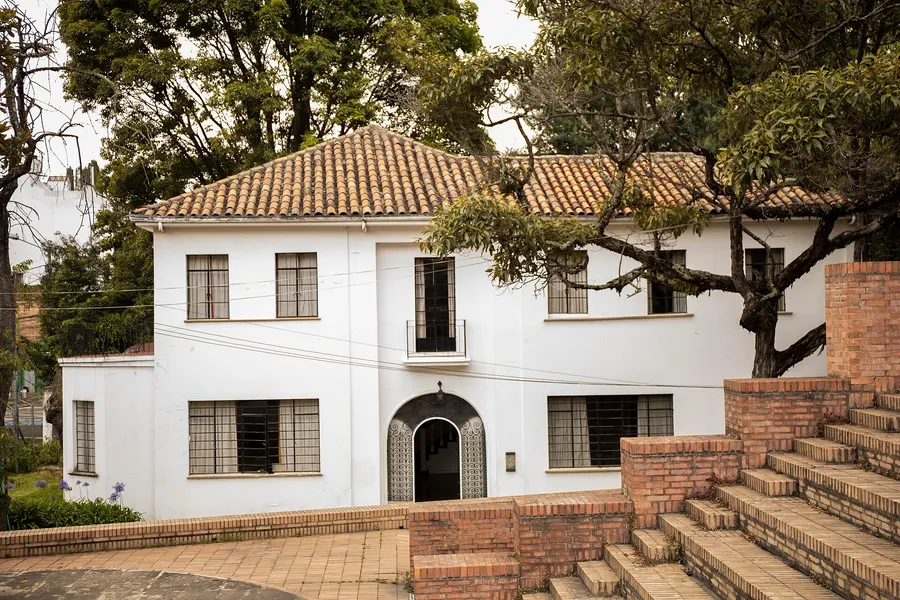
The house in Bogotá where Jorge Eliécer Gaitán lived, now a museum, 2022.
Image creditC.hernandezprada · CC BY-SA 4.0Resized and cropped for display.

Gaitán’s murder and the Bogotazo

Jorge Eliécer Gaitán, the Liberal leader many Colombians expected to be their next president, was shot in a Bogotá street around midday on 9 April 1948. An angry crowd killed the gunman on the spot.

Riots swept the capital, leaving much of the centre burned, while delegates to an inter-American conference sheltered in the city. The Bogotazo deepened the years of political bloodshed known as La Violencia.

Read the full storyHistory & Timeline →Source: Encyclopaedia Britannica: Jorge Eliécer Gaitán ↗
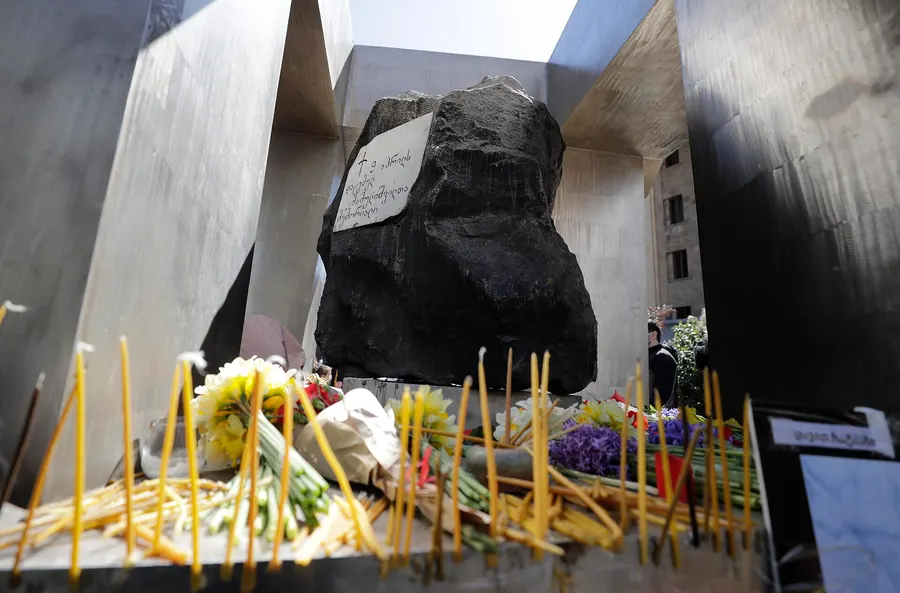
The 9 April Memorial in Tbilisi, dedicated to the protesters killed by Soviet troops in 1989.
Image creditGiorgi Abdaladze · CC BY-SA 4.0Resized and cropped for display.

Georgia declares its independence

On 9 April 1991 Georgia’s Supreme Council adopted an act restoring the country’s independence from the Soviet Union, after a referendum on 31 March had backed it overwhelmingly.

The date was chosen deliberately: two years earlier, on 9 April 1989, Soviet troops had broken up a peaceful rally in Tbilisi, killing protesters. The act looked back to Georgia’s first independence in 1918. The Soviet Union itself broke up at the end of 1991.

Read the full storyHistory & Timeline →Source: National Archives of Georgia: Restoration of the independence of Georgia ↗
♙
PEOPLE

Born Today

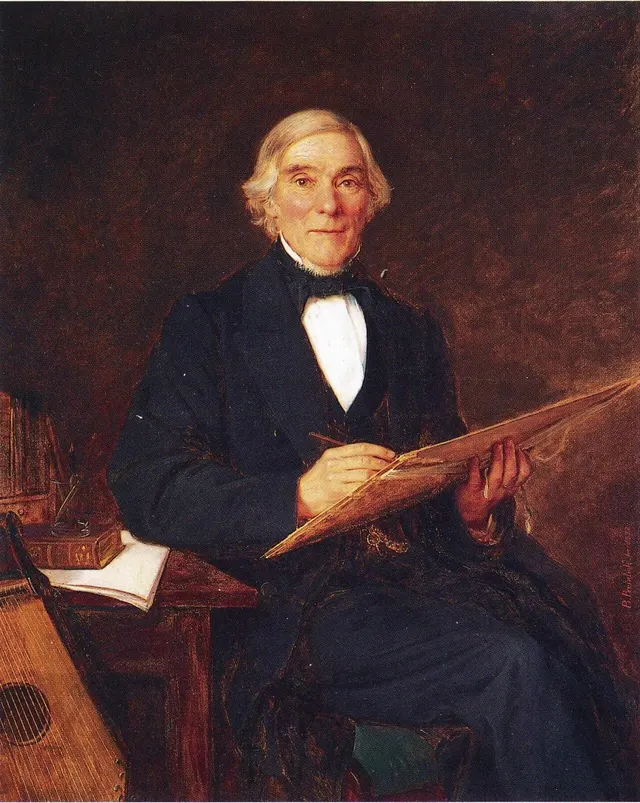
Elias Lönnrot
Image creditBernhard Reinhold · Public domainResized and cropped for display.

Elias Lönnrot

Finnish doctor who gathered folk poems into the national epic, the Kalevala.

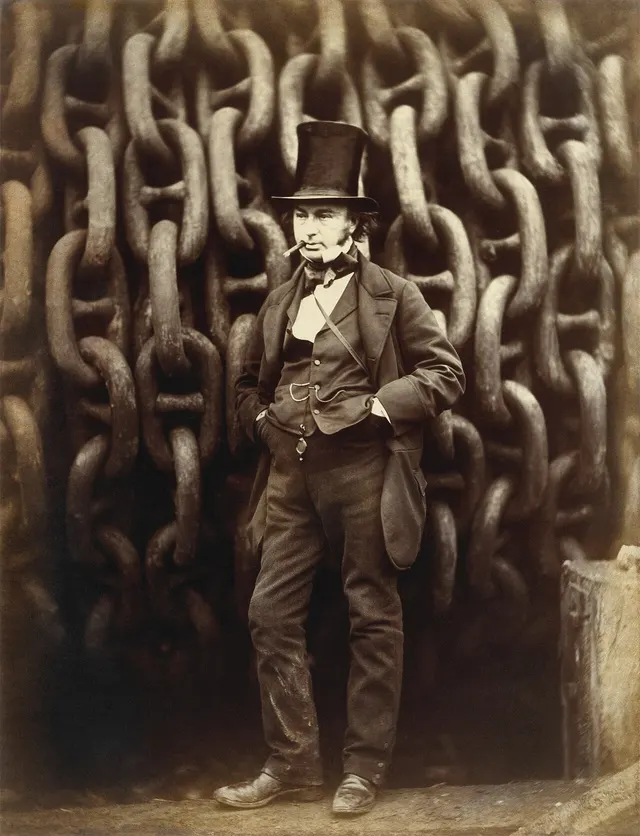
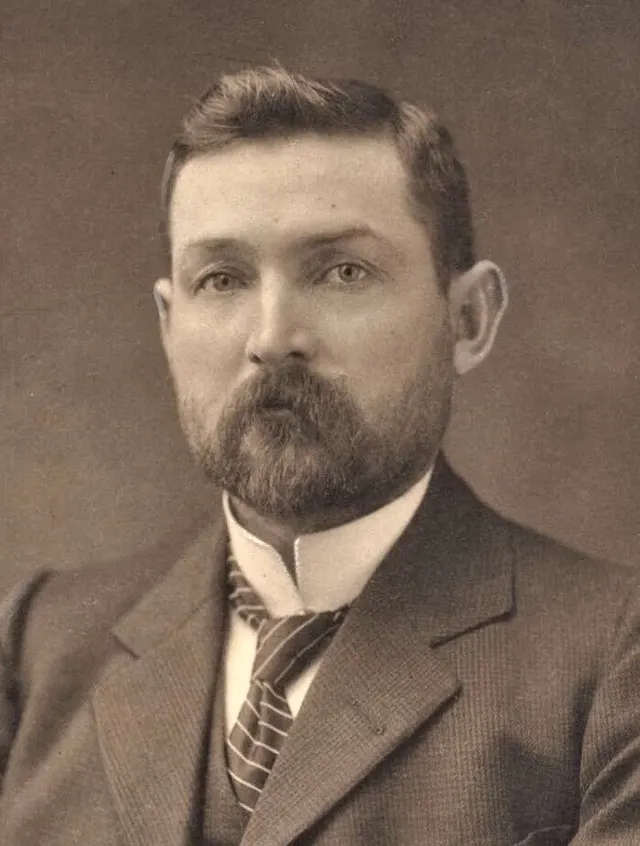
Isambard Kingdom Brunel
Image creditRobert Howlett · Public domainResized and cropped for display.

Isambard Kingdom Brunel

British engineer of the Great Western Railway, the Clifton bridge and great iron steamships.

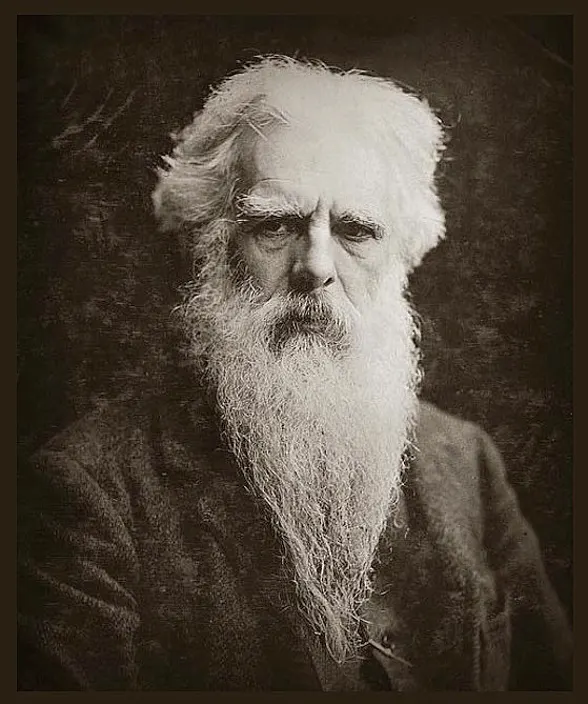
Eadweard Muybridge
Image creditUnknown photographer · Public domainResized and cropped for display.

Eadweard Muybridge

English-born photographer whose pictures of a galloping horse led the way to motion pictures.

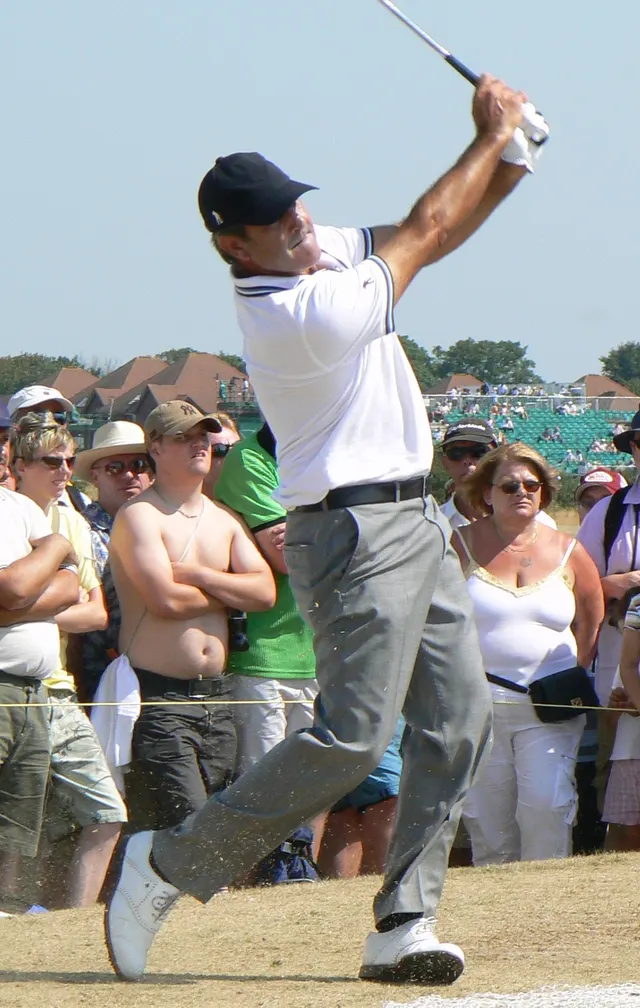
Seve Ballesteros
Image creditPeter from Liverpool, UK · CC BY-SA 2.0Resized and cropped for display.

Seve Ballesteros

Spanish golfer who won five majors and inspired Europe’s Ryder Cup teams.

◉
IDEAS THAT CHANGED THINGS

Firsts, Science & Discoveries

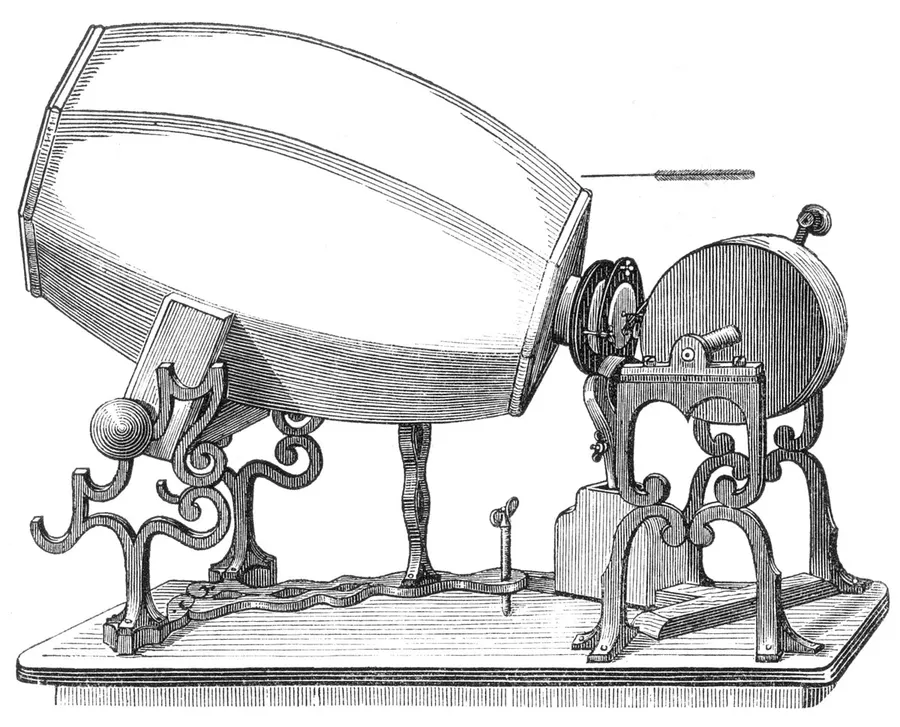
Scott de Martinville's phonautograph, in his own drawing of the 1859 model.
Scott de Martinville’s phonautograph, in his own drawing of the 1859 model.
Image creditÉdouard-Léon Scott de Martinville (1817–1879) · Public domainResized and cropped for display.

The oldest known recording of a human voice

On 9 April 1860 the Parisian inventor Édouard-Léon Scott de Martinville recorded someone singing ‘Au clair de la lune’ with his phonautograph, which traced sound waves as a wavy line on soot-blackened paper.

His machine could record but never play back. Almost 150 years later, in 2008, researchers scanned his paper and turned the line back into sound: the oldest recognisable recording of a human voice, made 17 years before Edison’s phonograph.

Read the full storyHistory & Timeline →Source: First Sounds: The phonautograms of Édouard-Léon Scott de Martinville ↗
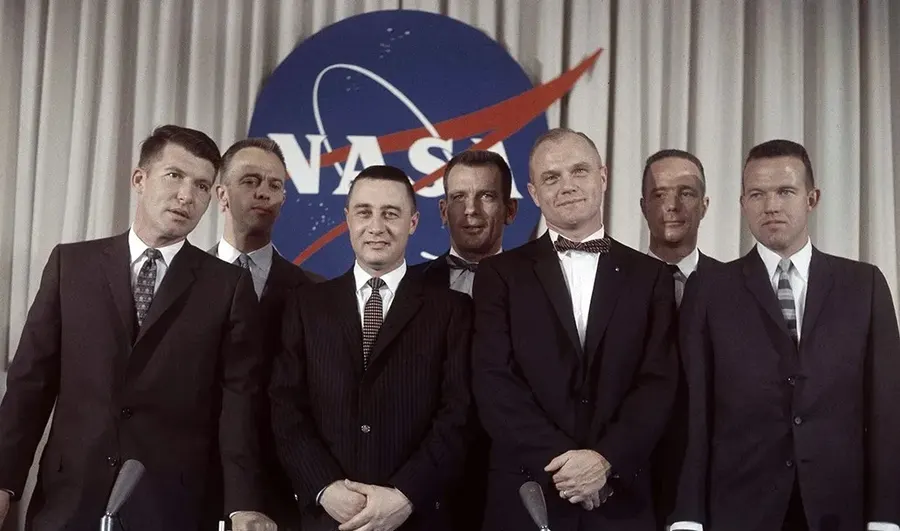
The Mercury Seven at their first public appearance, 9 April 1959.
Image creditNASA · Public domainResized and cropped for display.

NASA introduces the Mercury Seven

At a press conference in Washington on 9 April 1959, NASA presented the seven military test pilots chosen to be America’s first astronauts: Scott Carpenter, Gordon Cooper, John Glenn, Gus Grissom, Wally Schirra, Alan Shepard and Deke Slayton.

They became instant national heroes. Shepard became the first American in space in 1961, and Glenn the first to orbit the Earth in 1962.

Read the full storyHistory & Timeline →Source: NASA: 60 years ago, NASA introduces the Mercury 7 astronauts ↗
♫
MUSIC • FILM • BOOKS • CULTURE

Culture Stories

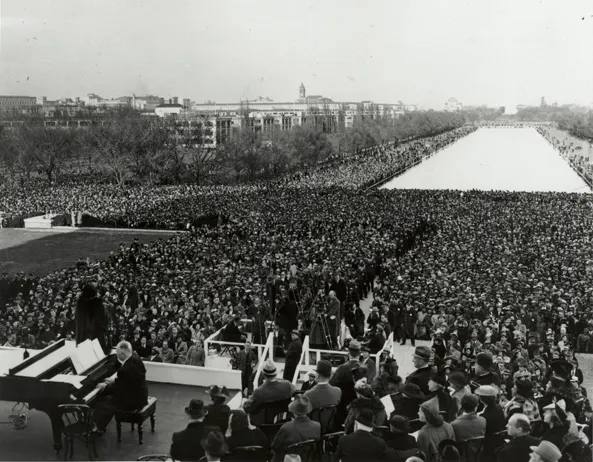
Marian Anderson sings at the Lincoln Memorial on 9 April 1939, with her accompanist Kosti Vehanen at the piano.
Image creditU.S. Information Agency · Public domainResized and cropped for display.

Marian Anderson sings at the Lincoln Memorial

Barred from Washington’s Constitution Hall because she was Black, the contralto Marian Anderson sang instead on the steps of the Lincoln Memorial on Easter Sunday, 9 April 1939, in a concert arranged with the help of Eleanor Roosevelt.

About 75,000 people stood in the open air to hear her, and millions more listened on the radio. She opened with ‘America’, and the concert became a landmark of the civil rights movement.

Read the full storyHistory & Timeline →Source: US National Archives: Marian Anderson and the Easter Sunday concert, April 9, 1939 ↗
✦
LIVES REMEMBERED

Remembered Today

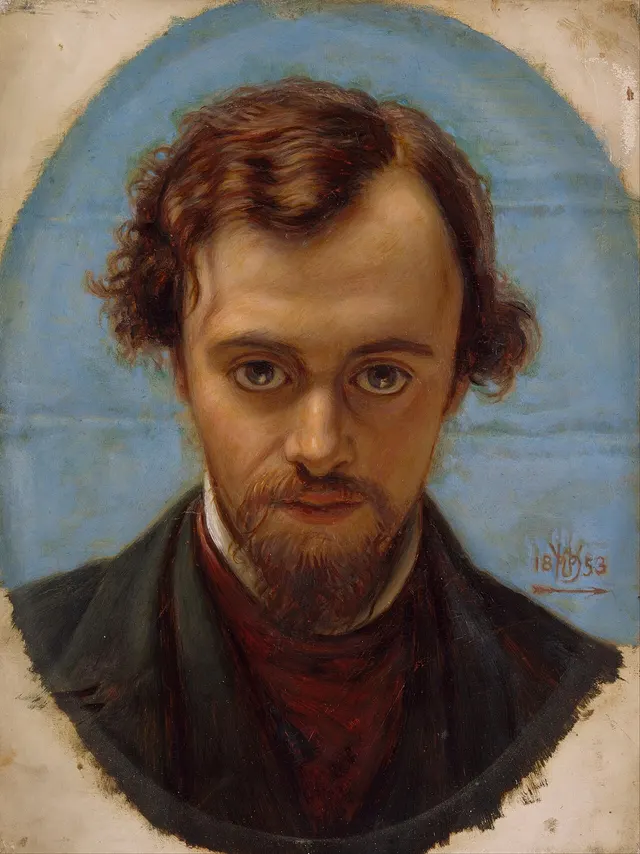
Dante Gabriel Rossetti
Image creditWilliam Holman Hunt · Public domainResized and cropped for display.

Dante Gabriel Rossetti

English poet and painter, a founder of the Pre-Raphaelite Brotherhood.

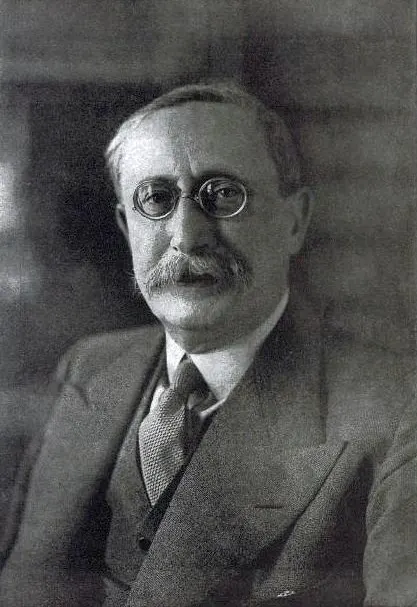
Michel Eugène Chevreul
Image creditNadar · Public domainResized and cropped for display.

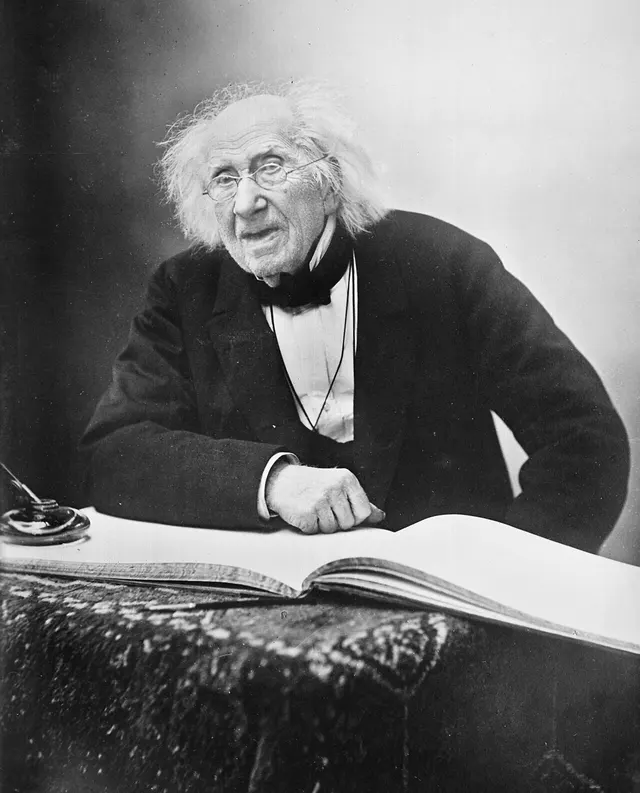
Michel Eugène Chevreul

French chemist of fats and colour who lived to 102.

Isabella II of Spain
Image creditJean Laurent · Public domainResized and cropped for display.

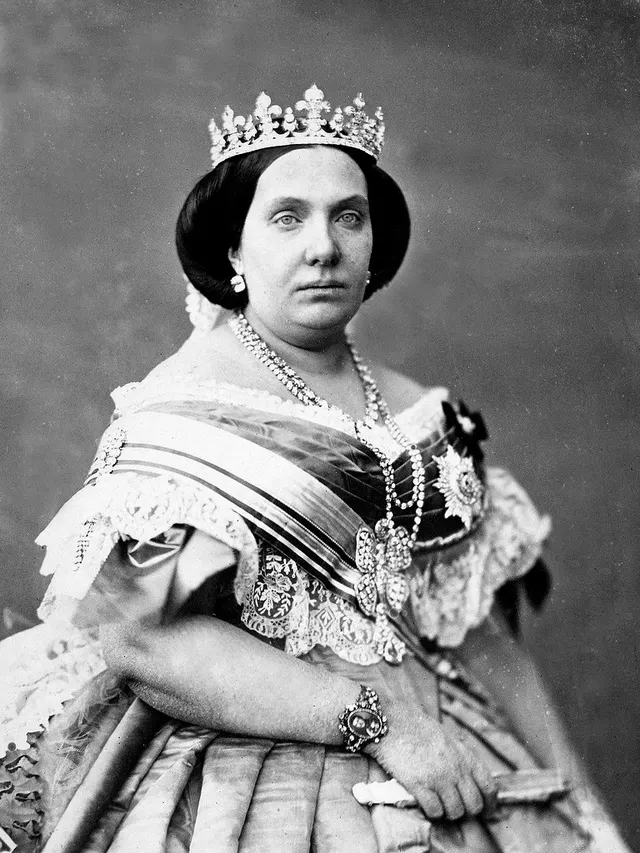
Isabella II of Spain

Queen of Spain from 1833 until she was overthrown in 1868.

Prince Philip, Duke of Edinburgh
Image creditAllan Warren · CC BY-SA 3.0Resized and cropped for display.

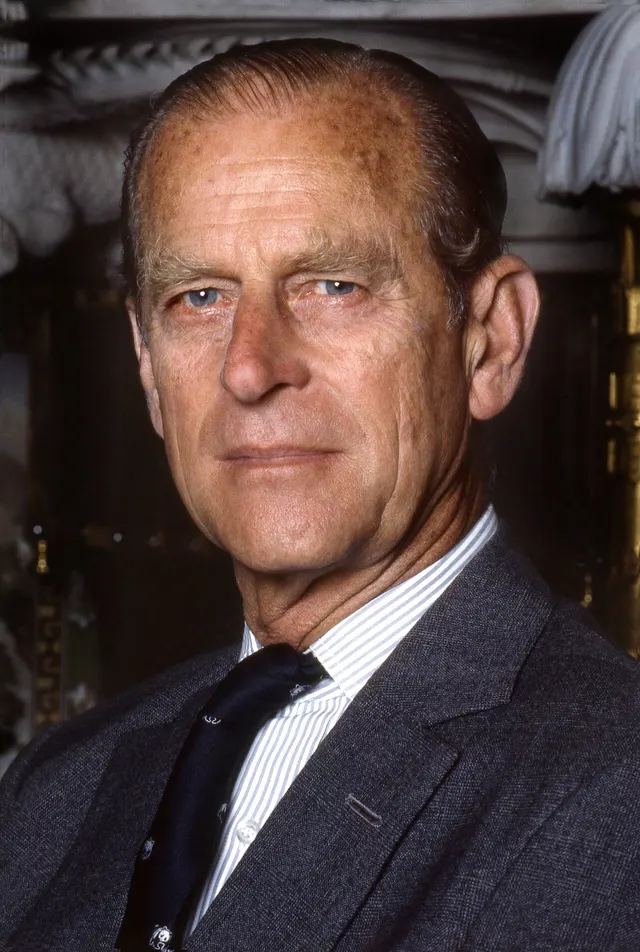
Prince Philip, Duke of Edinburgh

Husband of Queen Elizabeth II for 73 years and founder of the Duke of Edinburgh’s Award.

☉
AROUND THE WORLD

Observances & Anniversaries

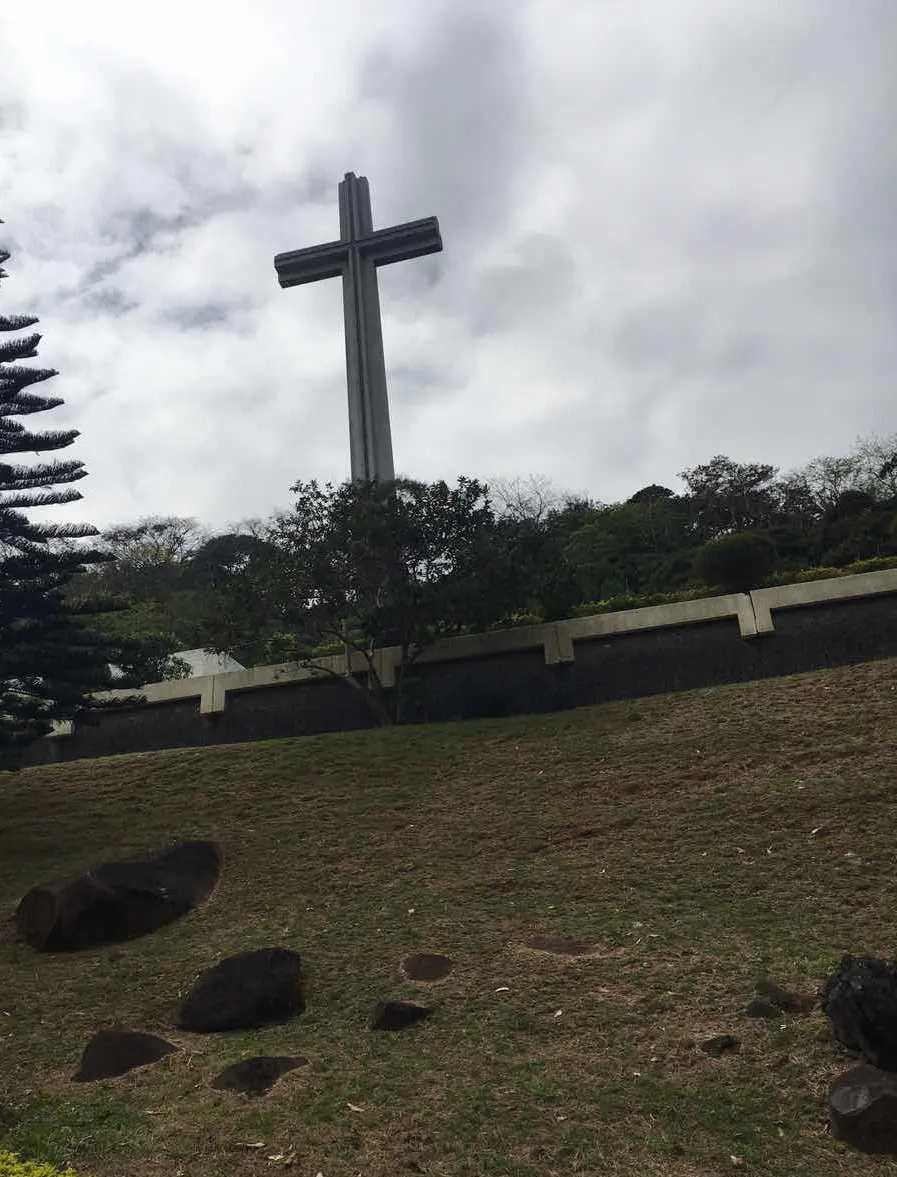
The memorial cross of the Mount Samat National Shrine in Bataan, 2017.
Image creditLMP 2001 · CC BY-SA 4.0Resized and cropped for display.

Araw ng Kagitingan, the Day of Valour in the Philippines

Filipinos honour the soldiers who defended Bataan in the Second World War on 9 April, the day in 1942 when the starving Filipino and American forces on the peninsula surrendered to Japan.

Ceremonies are held at the shrine on Mount Samat, whose great cross looks out over the battlefield.

Source: Official Gazette of the Republic of the Philippines: The fall of Bataan ↗
HISTORY & TIMELINE

Finished the highlights?

Follow 9 April chronologically, from the Middle Ages to the modern day, with 15 verified events and the sources behind them.

This day through time →