Explore 3 April

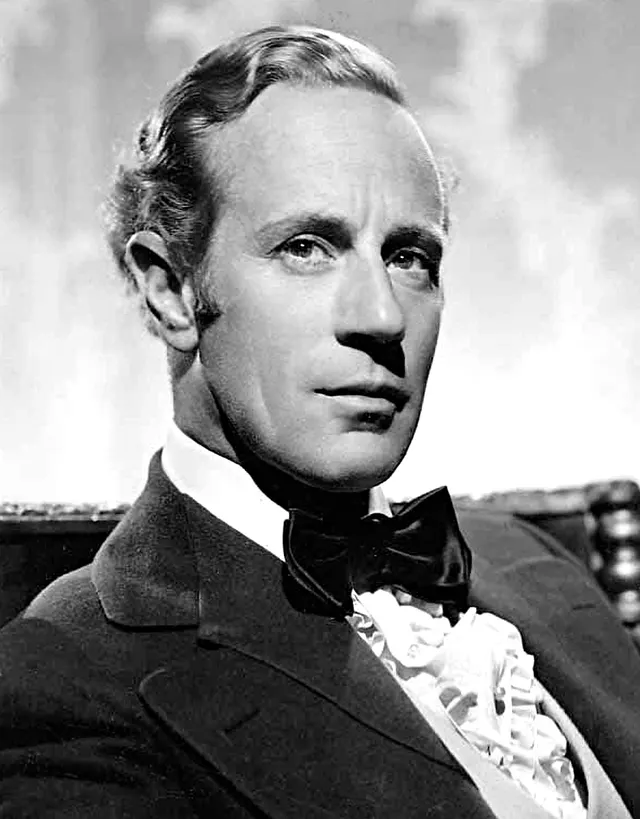
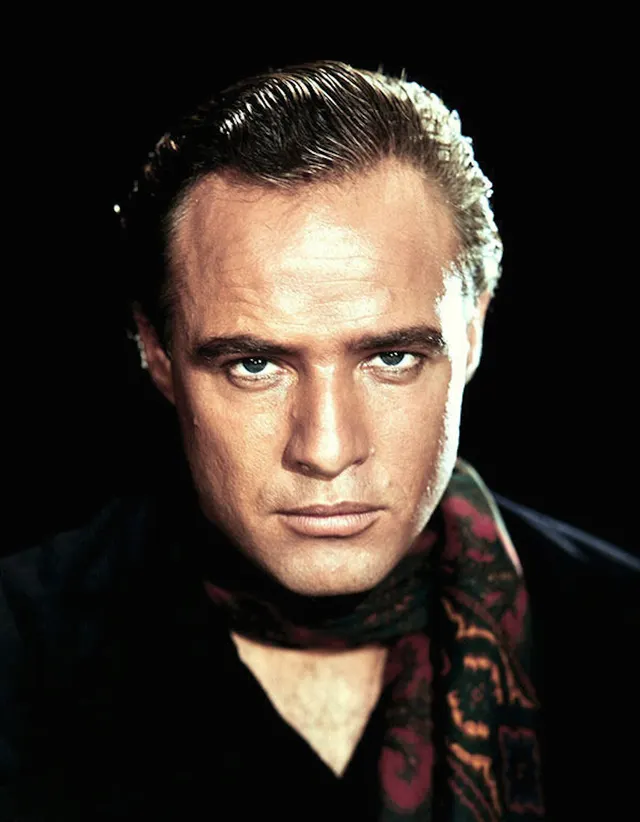
Explore 3 April: the first Pony Express riders set off across America, President Truman signs the Marshall Plan, an uprising begins on Korea’s Jeju Island and two biplanes fly over Mount Everest for the first time. Meet Marlon Brando, Doris Day and Jane Goodall, born on this date, and remember Johannes Brahms.

This day through time →13 verified events across 3 eras

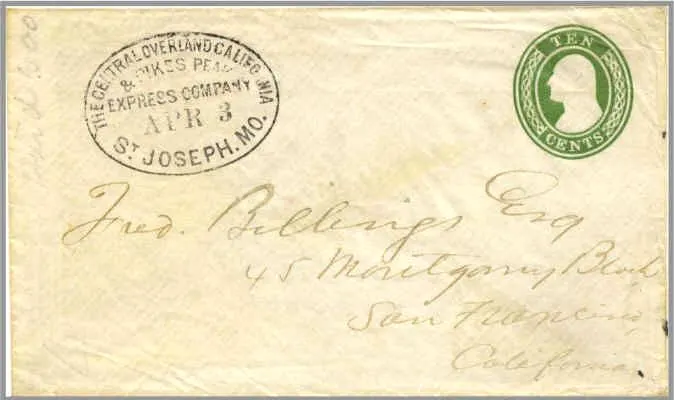
The only known surviving envelope from the first westbound Pony Express ride, postmarked at St Joseph, Missouri, on 3 April 1860.
Image creditPony Express · Public domainResized and cropped for display.

The Pony Express sets off

On the evening of 3 April 1860 a rider galloped out of St Joseph, Missouri, carrying a leather mail pouch with 49 letters and five telegrams, while another set off eastwards from Sacramento, California. Riders changed horses every 10 to 15 miles at relay stations across nearly 2,000 miles of plains, mountains and desert.

The first westbound mail reached Sacramento about ten days later, less than half the time taken by stagecoach. But the service lost money, and it closed in October 1861, days after the transcontinental telegraph was completed.

Read the full storyHistory & Timeline →Source: US National Park Service: The first ride on the Pony Express ↗
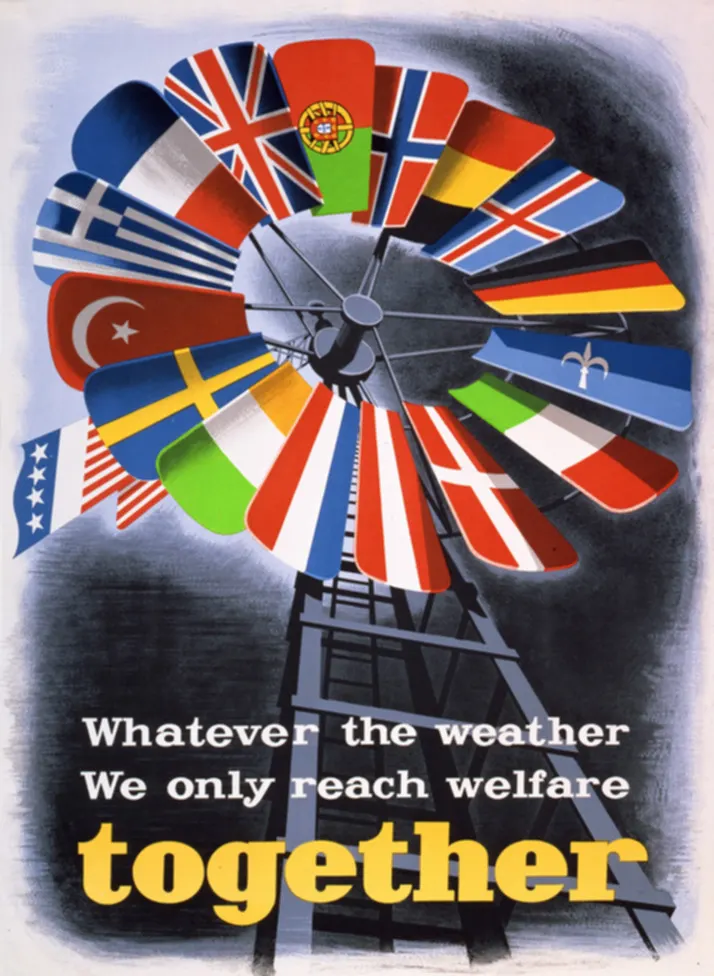
'Whatever the weather we only reach welfare together': a Marshall Plan poster of 1950, with the flags of the countries it aided.
‘Whatever the weather we only reach welfare together’: a Marshall Plan poster of 1950, with the flags of the countries it aided.
Image creditE. Spreckmeester, for the Economic Cooperation Administration · Public domainResized and cropped for display.

Truman signs the Marshall Plan

On 3 April 1948 President Harry Truman signed the Economic Cooperation Act, putting into effect the plan proposed by his Secretary of State, George Marshall, to rebuild the war-shattered economies of Western Europe.

Over four years the United States gave more than $13 billion in food, fuel, machinery and loans to 17 countries, from Britain and France to Italy, Greece and West Germany. It helped Europe recover quickly, and bound Western Europe to America at the start of the Cold War.

Read the full storyHistory & Timeline →Source: US National Archives: Marshall Plan (1948) ↗
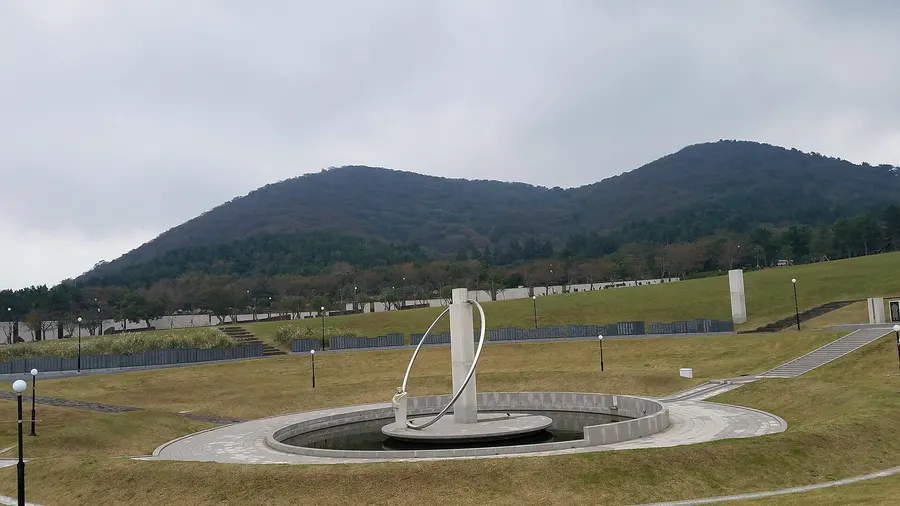
The memorial monument at the Jeju 4.3 Peace Park, Jeju Island, 2018.
Image creditGtDX8NNO3Efn2oF6q0s3 · CC BY-SA 4.0Resized and cropped for display.

The Jeju uprising begins

At about 2 am on 3 April 1948, armed members of the left-wing Workers’ Party attacked police stations across Jeju, an island off the south coast of Korea, then under American military rule. They opposed separate elections in the south that would divide Korea.

The crackdown by police, soldiers and right-wing youth groups lasted into 1949 and burned whole villages. An official inquiry counted more than 14,000 victims, most of them killed by the security forces, and some estimates reach 30,000. South Korea apologised in 2003, and the island remembers the dead every 3 April.

Read the full storyHistory & Timeline →Source: UNESCO Memory of the World: Revealing the truth, Jeju 4.3 archives ↗
The Westland PV-3 at Martlesham in 1931, before it was modified for the Everest flight.
Image creditTRSL · Public domainResized and cropped for display.

The first flight over Mount Everest

On 3 April 1933 two British Westland biplanes took off from Purnea in India and climbed to about 33,000 feet to fly over the summit of Mount Everest, the first aircraft ever to do so. The pilots were the Marquess of Douglas and Clydesdale and David McIntyre, each with an observer taking photographs.

The expedition was paid for by the wealthy Lady Houston. Dust haze spoiled many of the pictures, so the crews flew again on 19 April. Everest itself was not climbed until 1953.

Read the full storyHistory & Timeline →Source: RAF Museum: British civil aviation, 1933 ↗
♙
PEOPLE

Born Today

Alcide De Gasperi
Image creditUnknown author · Public domainResized and cropped for display.

Alcide De Gasperi

Italian prime minister after the Second World War and a founding father of the European Union.

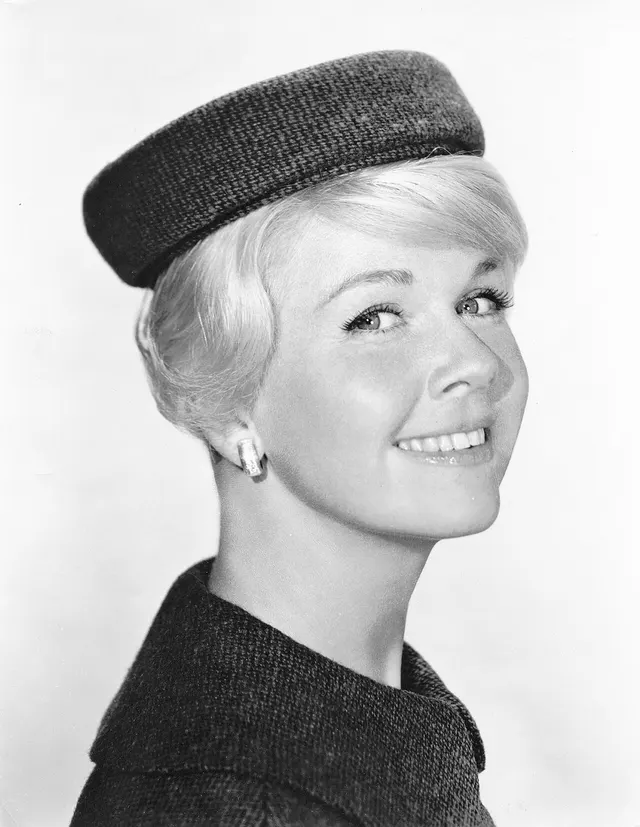
Doris Day
Image creditUniversal Pictures · Public domainResized and cropped for display.

Doris Day

American singer and actress of ‘Que Sera, Sera’ and Pillow Talk.

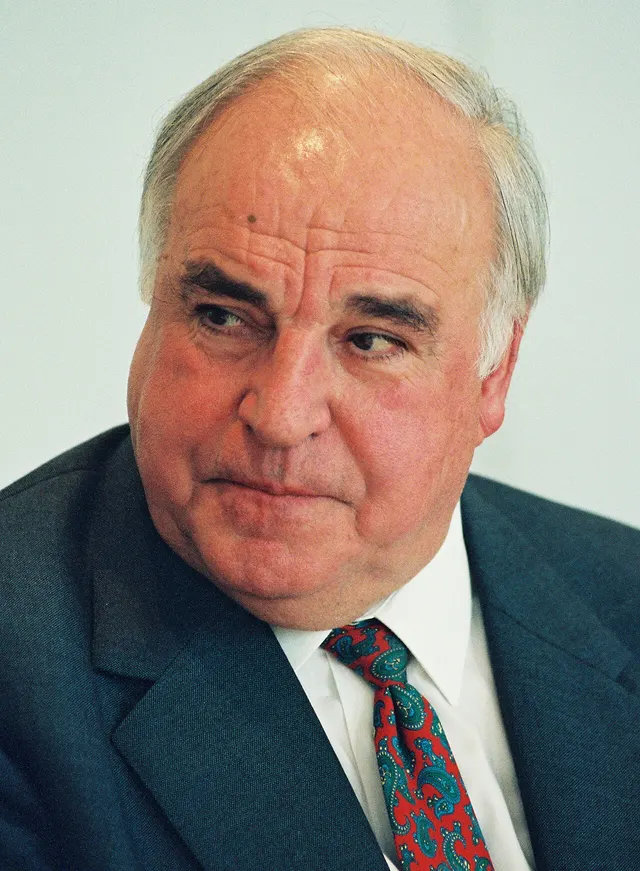
Helmut Kohl
Image creditChristian Lambiotte · CC BY 4.0Resized and cropped for display.

Helmut Kohl

German chancellor from 1982 to 1998 who reunited East and West Germany.

Eddie Murphy
Image creditDavid Shankbone · Public domainResized and cropped for display.

Eddie Murphy

American comedian and actor of Beverly Hills Cop.

◉
IDEAS THAT CHANGED THINGS

Firsts, Science & Discoveries

Martin Cooper with a DynaTAC prototype phone like the one he used in 1973, at a forum in Taipei in 2007.
Image creditRico Shen · CC BY-SA 3.0Resized and cropped for display.

The first call from a handheld mobile phone

Standing on a Manhattan street on 3 April 1973, the Motorola engineer Martin Cooper made the first public call from a handheld cellular phone. He rang his rival, Joel Engel of Bell Labs, to tell him where he was calling from.

The prototype DynaTAC weighed about 1.1 kilograms and its battery lasted around 30 minutes. It took ten more years for the first handheld phone to go on sale.

Read the full storyHistory & Timeline →Source: Smithsonian National Museum of American History: The true magic of dialing, Marty Cooper ↗
♫
MUSIC • FILM • BOOKS • CULTURE

Culture Stories

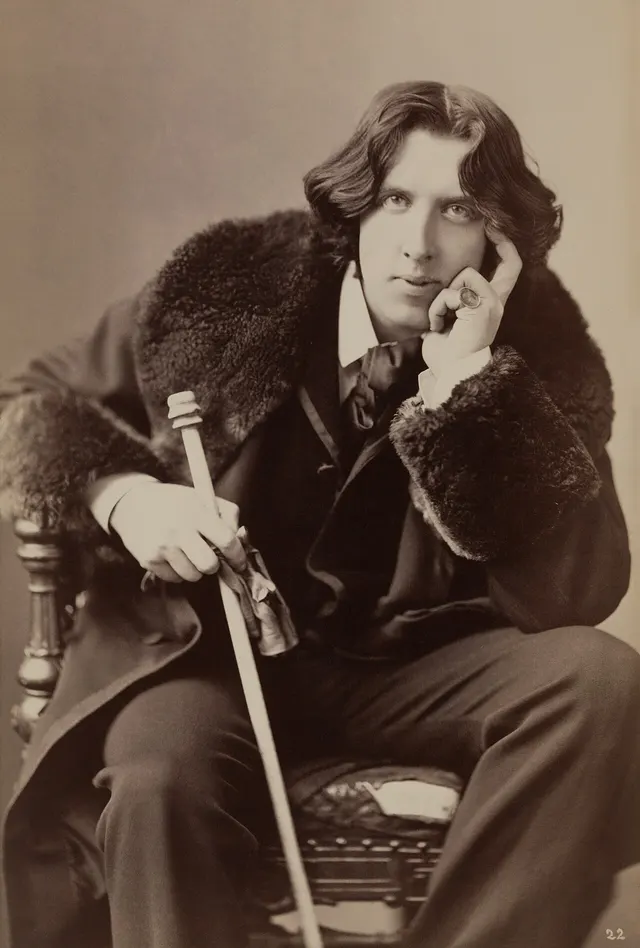
Oscar Wilde photographed by Napoleon Sarony in New York, 1882.
Image creditNapoleon Sarony / Adam Cuerden · Public domainResized and cropped for display.

Oscar Wilde takes Queensberry to court

On 3 April 1895, with The Importance of Being Earnest playing to full houses, Oscar Wilde’s prosecution of the Marquess of Queensberry for criminal libel opened at the Old Bailey. Queensberry, the father of Wilde’s young lover Lord Alfred Douglas, had left a card at Wilde’s club accusing him of posing as a sodomite.

Queensberry’s barrister, Edward Carson, produced evidence of Wilde’s relationships with young men, and the case collapsed within three days. Wilde was then arrested himself, convicted of gross indecency and sentenced to two years’ hard labour.

Read the full storyHistory & Timeline →Source: UK National Archives: The life and court trials of Oscar Wilde ↗
✦
LIVES REMEMBERED

Remembered Today

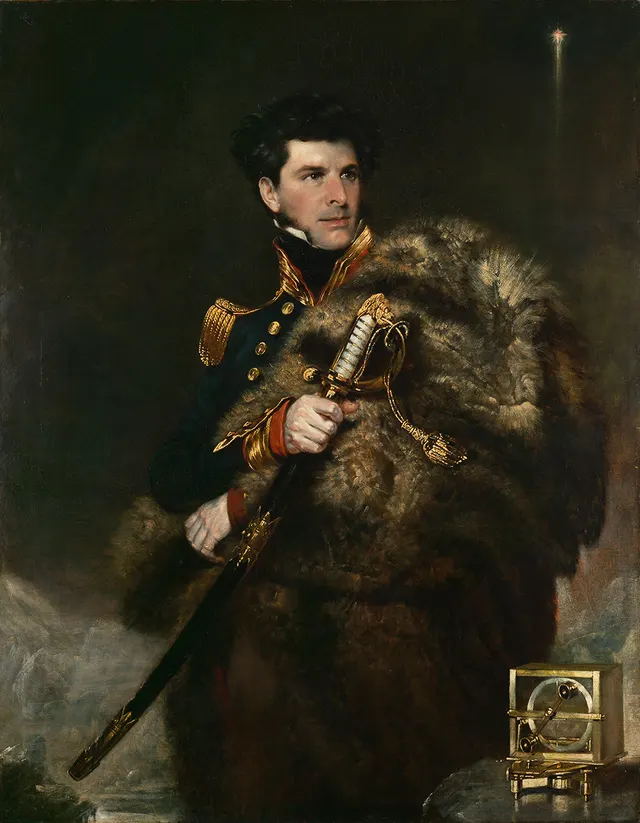
James Clark Ross
Image creditWildman, John R. (1785) · Public domainResized and cropped for display.

James Clark Ross

British naval explorer who located the north magnetic pole and charted much of Antarctica’s coast.

HISTORY & TIMELINE

Finished the highlights?

Follow 3 April chronologically, from the Middle Ages to the modern day, with 13 verified events and the sources behind them.

This day through time →