Explore 28 March

Explore 28 March: Britain and France go to war with Russia in the Crimea, Franco’s troops enter Madrid, a Spanish explorer chooses the site of San Francisco and a reactor at Three Mile Island partly melts down. Meet Maxim Gorky, Dirk Bogarde and Mario Vargas Llosa, born on this date, and mark Teachers’ Day in the Czech Republic and Slovakia.

This day through time →9 verified events across 4 eras

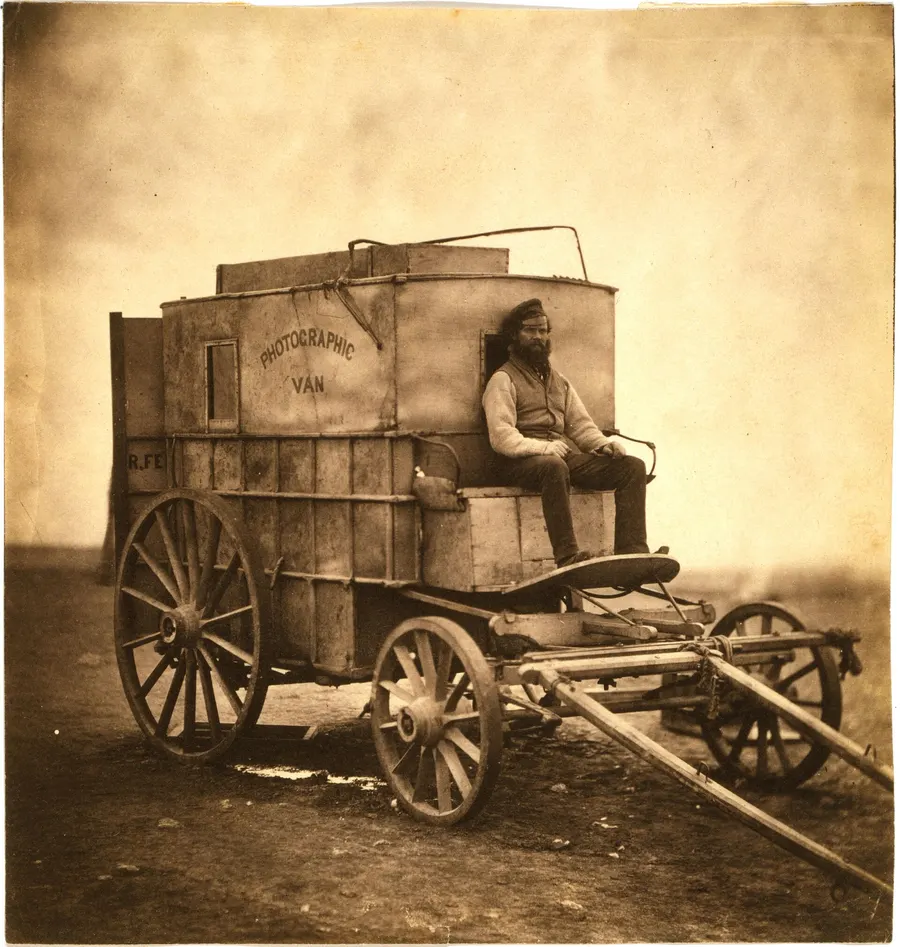
Roger Fenton's photographic van in the Crimea, 1855, one of the first war photographs.
Roger Fenton’s photographic van in the Crimea, 1855, one of the first war photographs.
Image creditRoger Fenton · Public domainResized and cropped for display.

Britain and France declare war on Russia

Russia had occupied the Danubian principalities, in what is now Romania, and in November 1853 destroyed a Turkish fleet at Sinope. On 28 March 1854 Britain and France, determined to stop Russia expanding at the expense of the Ottoman Empire, declared war on it.

The allies landed in the Crimea that September and besieged the naval base of Sevastopol for almost a year. The war, which ended in 1856, is remembered for the Charge of the Light Brigade, Florence Nightingale’s hospital at Scutari and the first war photographs and newspaper reporting from the front.

Read the full storyHistory & Timeline →Source: National Army Museum: Crimean War ↗
Julián Besteiro, the Republican politician who stayed in Madrid to the end.
Image creditUnknown author · Public domainResized and cropped for display.

Franco’s troops enter Madrid

Madrid had held out against Francisco Franco’s Nationalists for almost two and a half years, under siege, shelling and air raids. On 28 March 1939, after the Republican side had split, Nationalist troops marched into the starving city unopposed.

Republican resistance collapsed across Spain within days, and on 1 April Franco declared the war over. His dictatorship lasted until his death in 1975.

Read the full storyHistory & Timeline →Source: Imperial War Museums: The Spanish Civil War, the fall of Madrid, March 1939 ↗
Juan Bautista de Anza, as imagined by the painter Gerald Cassidy (El Paso Museum of Art).
Image creditGerald Cassidy · Public domainResized and cropped for display.

Anza chooses the site of San Francisco

In 1775-76 Lieutenant Colonel Juan Bautista de Anza led about 240 settlers overland from Sonora, in New Spain, to California. While they rested at Monterey, he rode north with a small party to explore the peninsula beside the great bay.

On 28 March 1776 he planted a cross on a bluff near the entrance to the bay and marked out the site for a fort. The Presidio of San Francisco was founded there that September, and a mission followed in October: the beginnings of the city.

Read the full storyHistory & Timeline →Source: US National Park Service: El Presidio de San Francisco, 1776-1846 ↗
The Three Mile Island nuclear power station in Pennsylvania, 2014.
Image creditZ22 · CC BY-SA 3.0Resized and cropped for display.

The Three Mile Island accident

At about 4 in the morning of 28 March 1979, a fault in the cooling system of the Unit 2 reactor at Three Mile Island, near Middletown, Pennsylvania, set off a chain of equipment failures and mistakes. Part of the reactor’s core melted.

It was the most serious accident in the history of US commercial nuclear power, though the small amounts of radiation released had no detectable effect on people’s health. It brought sweeping changes to reactor safety, training and emergency planning, and turned many Americans against nuclear power.

Read the full storyHistory & Timeline →Source: US Nuclear Regulatory Commission: Backgrounder on the Three Mile Island accident ↗
♙
PEOPLE

Born Today

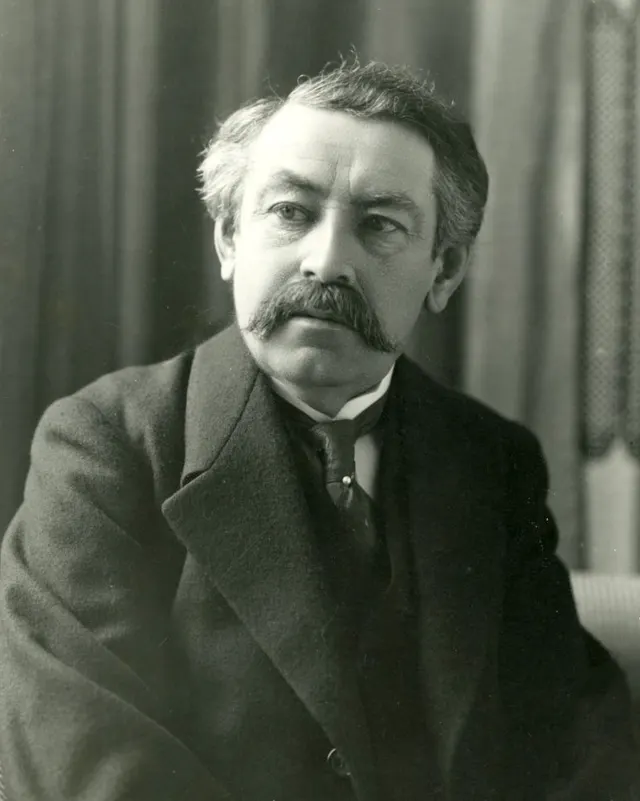
Aristide Briand
Image creditAnonymousUnknown author · Public domainResized and cropped for display.

Aristide Briand

French statesman, eleven times prime minister, who shared the 1926 Nobel Peace Prize.

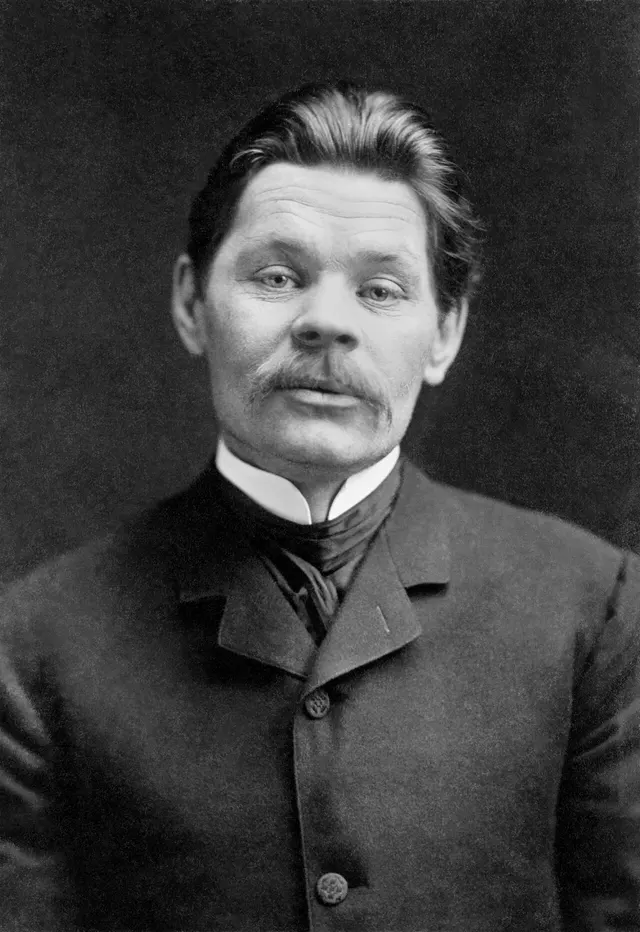
Maxim Gorky
Image creditHerman Mishkin · Public domainResized and cropped for display.

Maxim Gorky

Russian writer of The Lower Depths (born 16 March in the Russian calendar of the day).

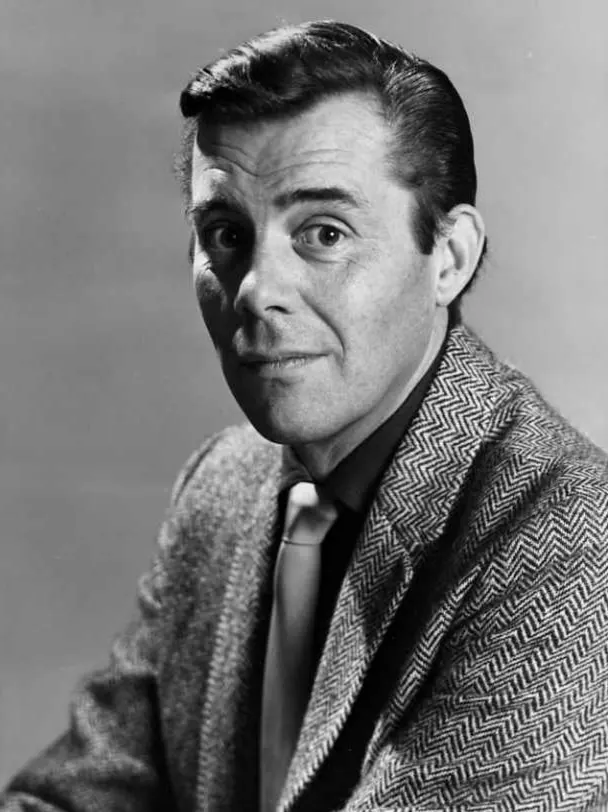
Dirk Bogarde
Image creditNBC Television · Public domainResized and cropped for display.

Dirk Bogarde

English actor of Death in Venice and The Servant.

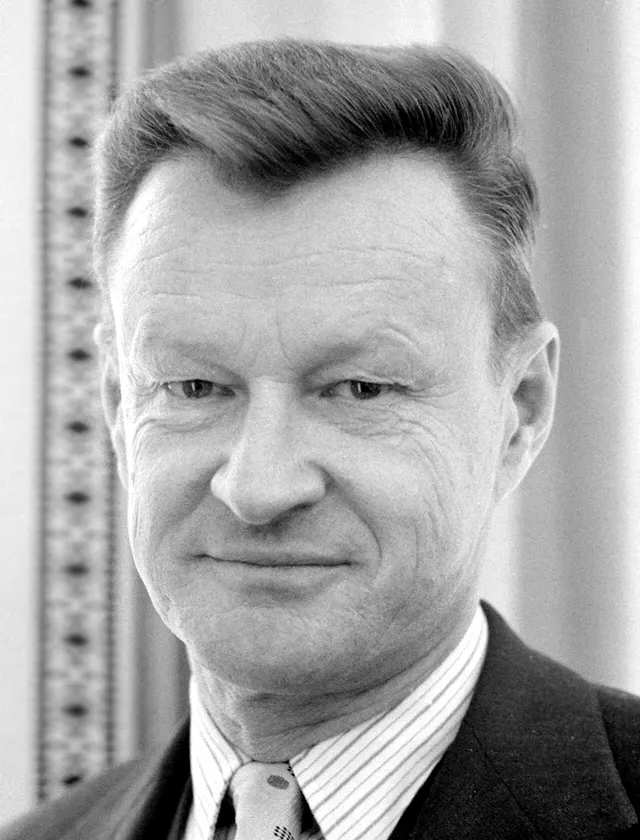
Zbigniew Brzezinski
Image creditKightlinger, Jack E. · Public domainResized and cropped for display.

Zbigniew Brzezinski

Polish-born American national security adviser to President Carter.

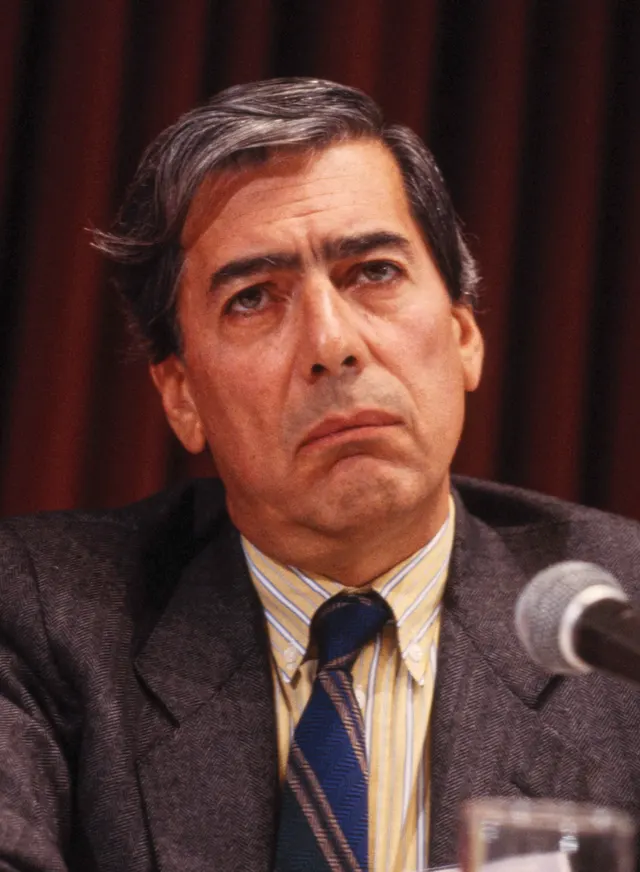
Mario Vargas Llosa
Image creditBernard Gotfryd · Public domainResized and cropped for display.

Mario Vargas Llosa

Peruvian novelist, winner of the 2010 Nobel Prize in Literature.

Stan Wawrinka
Image creditsi.robi · CC BY-SA 2.0Resized and cropped for display.

Stan Wawrinka

Swiss tennis player, winner of three Grand Slam titles.

◉
IDEAS THAT CHANGED THINGS

Firsts, Science & Discoveries

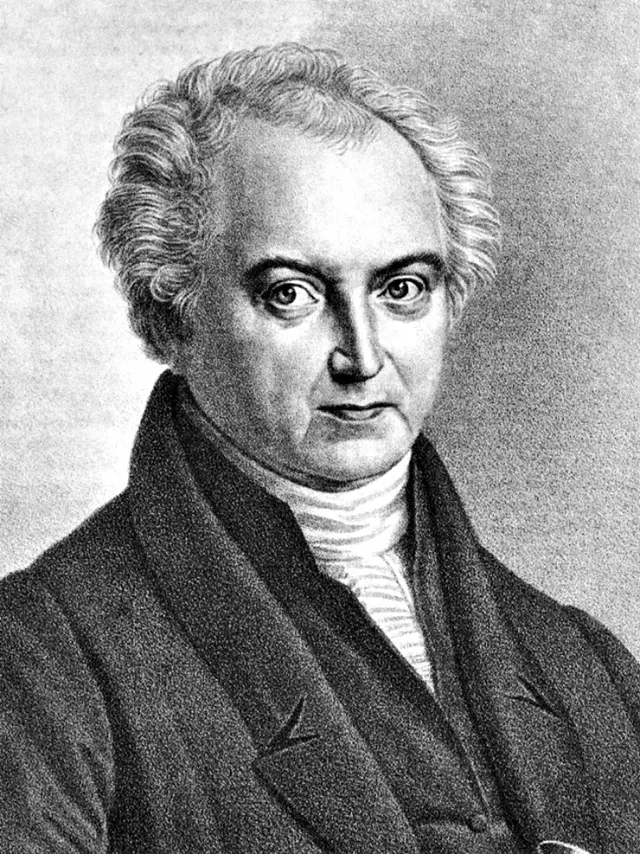
The astronomer and physician Wilhelm Olbers.
Image creditRudolph Suhrlandt · Public domainResized and cropped for display.

Wilhelm Olbers discovers the asteroid Pallas

On 28 March 1802 the German physician and amateur astronomer Wilhelm Olbers spotted a new object moving among the stars. It was Pallas, only the second asteroid ever found, after Ceres the year before.

Named after the Greek goddess Pallas Athena, it is one of the largest bodies in the asteroid belt. Its orbit is steeply tilted, and it takes about four and a half years to circle the Sun.

Read the full storyHistory & Timeline →Source: Encyclopaedia Britannica: Pallas ↗
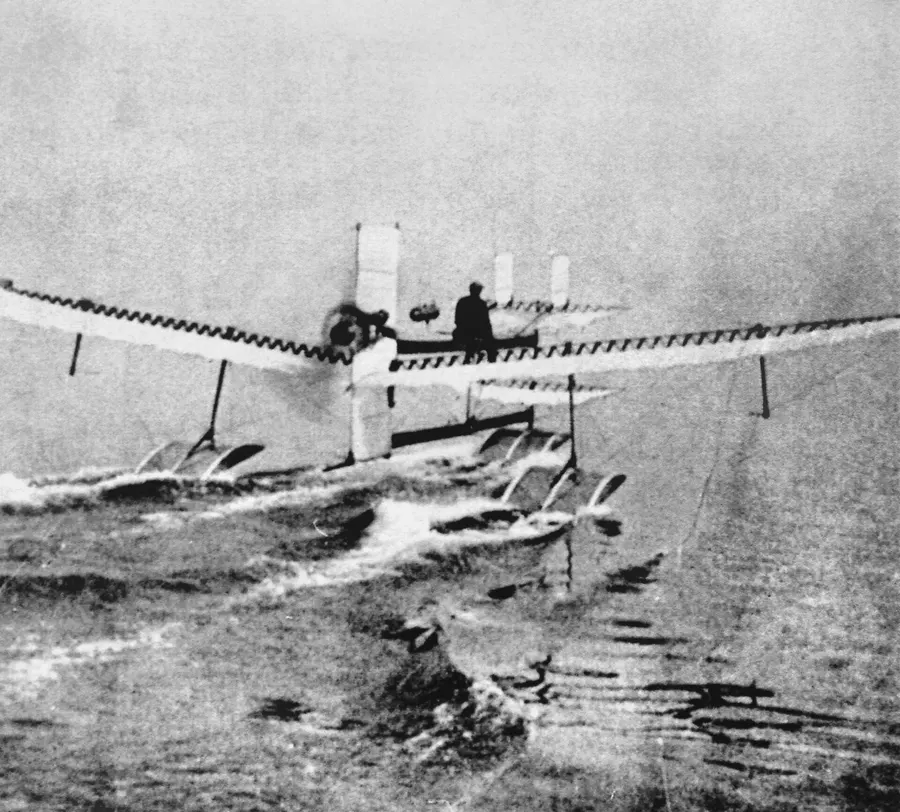
Henri Fabre flying his seaplane, 28 March 1910.
Image creditAnonymous, French Navy · Public domainResized and cropped for display.

The first seaplane flight

On 28 March 1910 the 27-year-old French engineer Henri Fabre took off from the water of the Étang de Berre, a lagoon near Martigues in southern France, in an aircraft of his own design on three floats. It was the first flight of a powered seaplane.

He flew about 800 metres on his first attempt and made several more flights that day. Other pioneers, including Glenn Curtiss, soon used Fabre’s floats on their own machines.

Read the full storyHistory & Timeline →Source: Smithsonian National Air and Space Museum: Model, Fabre Hydro-Avion Canard floatplane ↗
✦
LIVES REMEMBERED

Remembered Today

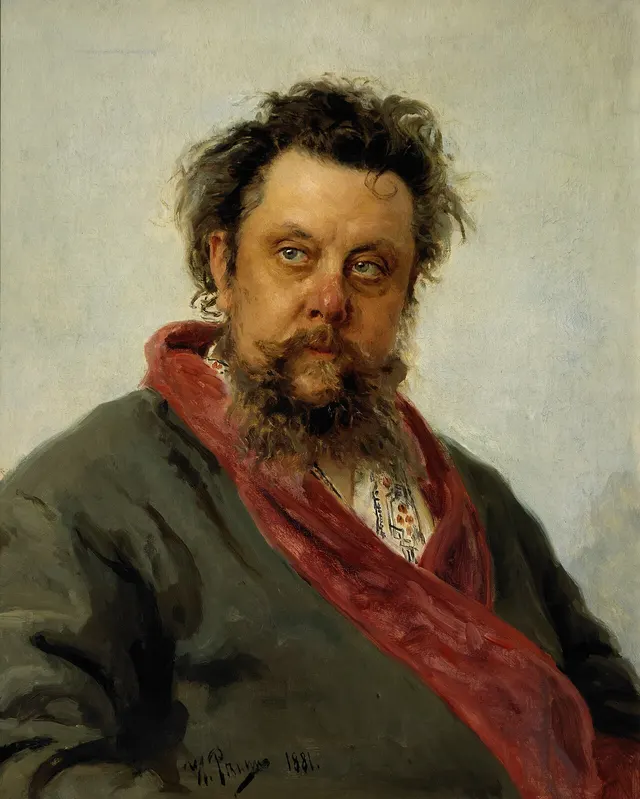
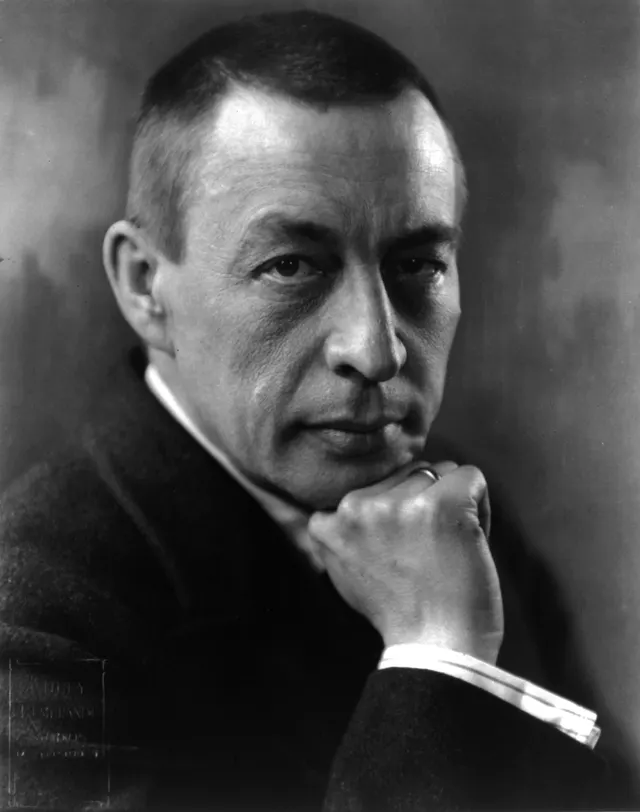
Modest Mussorgsky
Image creditIlya Repin · Public domainResized and cropped for display.

Modest Mussorgsky

Russian composer of Pictures at an Exhibition (died 16 March in the Russian calendar of the day).

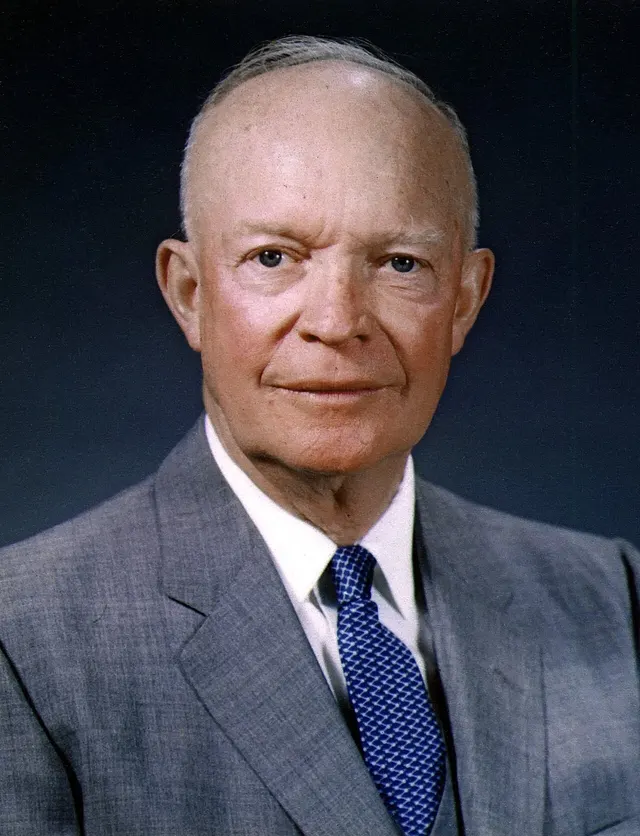
Dwight D. Eisenhower
Image creditWhite House · Public domainResized and cropped for display.

Dwight D. Eisenhower

Allied commander on D-Day and US president from 1953 to 1961.

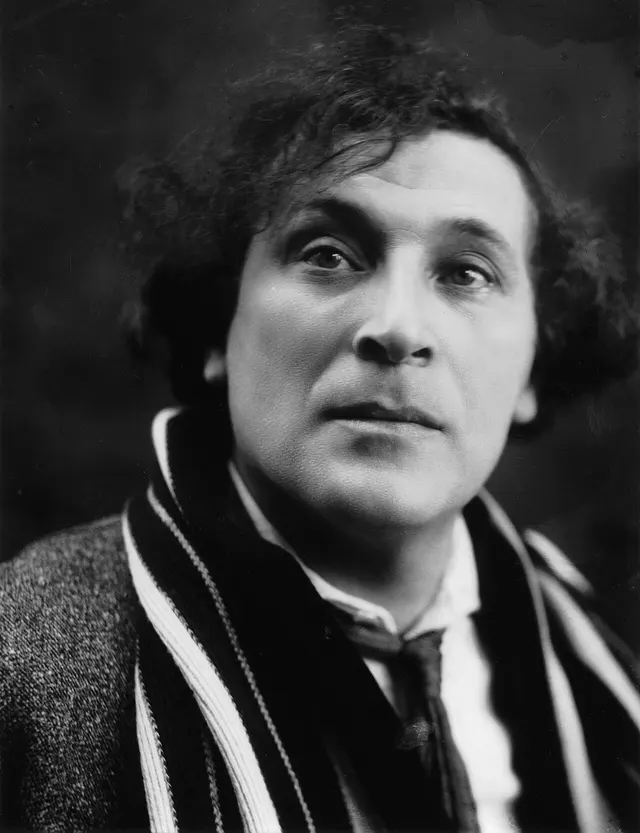
Marc Chagall
Image creditPierre Choumoff · Public domainResized and cropped for display.

Marc Chagall

Belarus-born French painter of dreamlike village scenes and stained glass.

☉
AROUND THE WORLD

Observances & Anniversaries

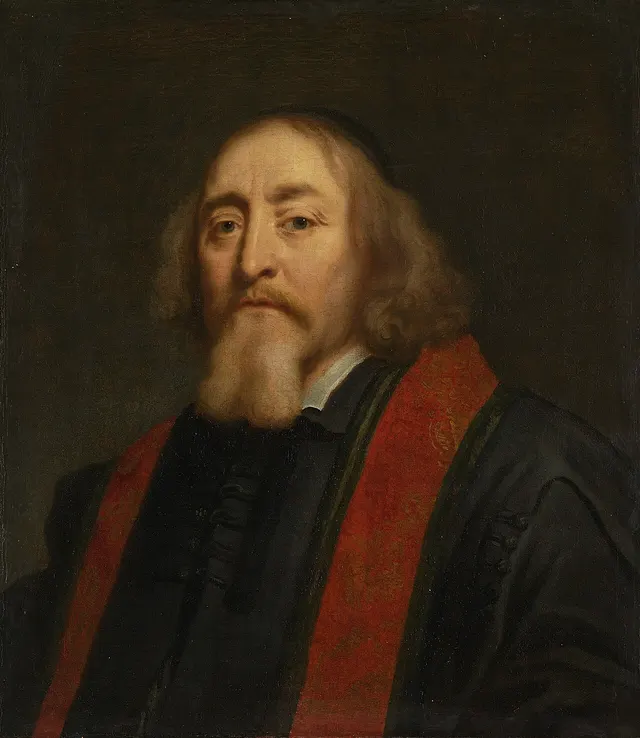
John Amos Comenius, painted by Jürgen Ovens.
Image creditJürgen Ovens · Public domainResized and cropped for display.

Teachers’ Day in the Czech Republic and Slovakia

The Czech Republic and Slovakia celebrate their teachers on 28 March, the birthday in 1592 of Jan Amos Komenský, known in English as John Amos Comenius. The Czech philosopher and bishop, called ‘the teacher of nations’, argued that all children, girls and boys, rich and poor, should go to school, and wrote one of the first picture books for children.

Pupils bring their teachers flowers, and awards are given to the best-loved teachers.

Source: Radio Prague International: Teachers’ Day ↗
HISTORY & TIMELINE

Finished the highlights?

Follow 28 March chronologically, from the Middle Ages to the modern day, with 9 verified events and the sources behind them.

This day through time →