Explore 21 March

Explore 21 March: France gets its Civil Code, police open fire at Sharpeville, marchers set out from Selma to Montgomery and Namibia becomes independent. Meet Benito Juárez, Ayrton Senna and Gary Oldman, born on this date, and mark Nowruz.

This day through time →9 verified events across 4 eras

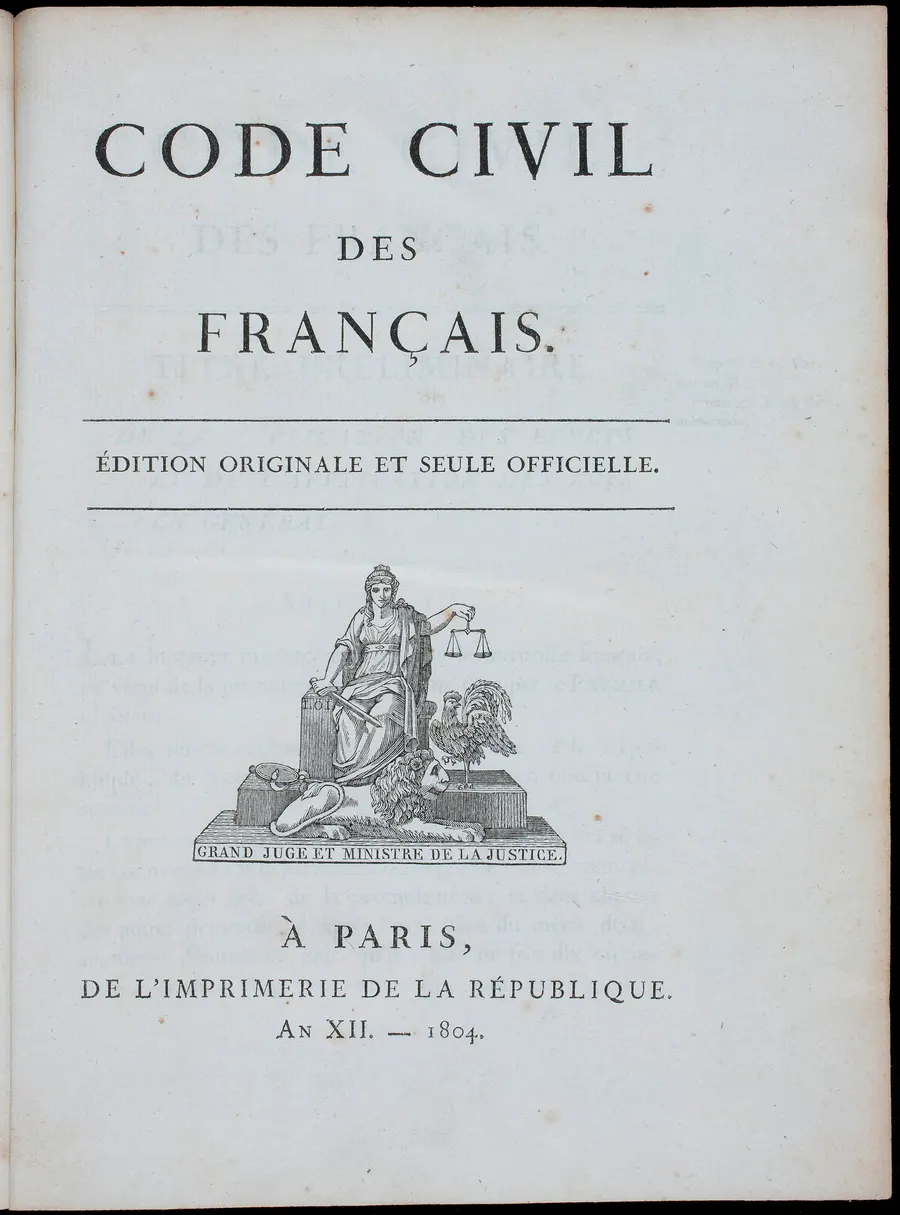
The title page of the original official edition of the Code civil des Français, Paris, 1804.
Image creditDe l'Imprimiere de la République · CC BY 2.0Resized and cropped for display.

France gets its Civil Code

On 21 March 1804 a law brought into force the Civil Code of the French, which gathered the country’s patchwork of old laws into one text of 2,281 articles. Napoleon, then First Consul, had chaired many of the sessions where it was drafted.

It set out equality before the law, secure rights to property and civil marriage and divorce, though it left wives firmly under their husbands’ authority. Renamed the Code Napoléon in 1807, it became the model for civil law across Europe and Latin America, and still underlies French law.

Read the full storyHistory & Timeline →Source: Encyclopaedia Britannica: Napoleonic Code ↗

The row of graves of the 69 people killed at Sharpeville, Phelindaba Cemetery, 2017.
Image creditAndrew Hall · CC BY-SA 4.0Resized and cropped for display.

The Sharpeville massacre

On 21 March 1960 the Pan Africanist Congress called on Black South Africans to protest against the pass laws, which forced them to carry passbooks. Thousands gathered outside the police station in Sharpeville township, south of Johannesburg, and police opened fire. Sixty-nine people were killed and more than 180 wounded.

The government declared a state of emergency and banned the ANC and the PAC. South Africa now marks 21 March as Human Rights Day, and the United Nations as the International Day for the Elimination of Racial Discrimination.

Read the full storyHistory & Timeline →Source: South African History Online: Sharpeville massacre, 21 March 1960 ↗
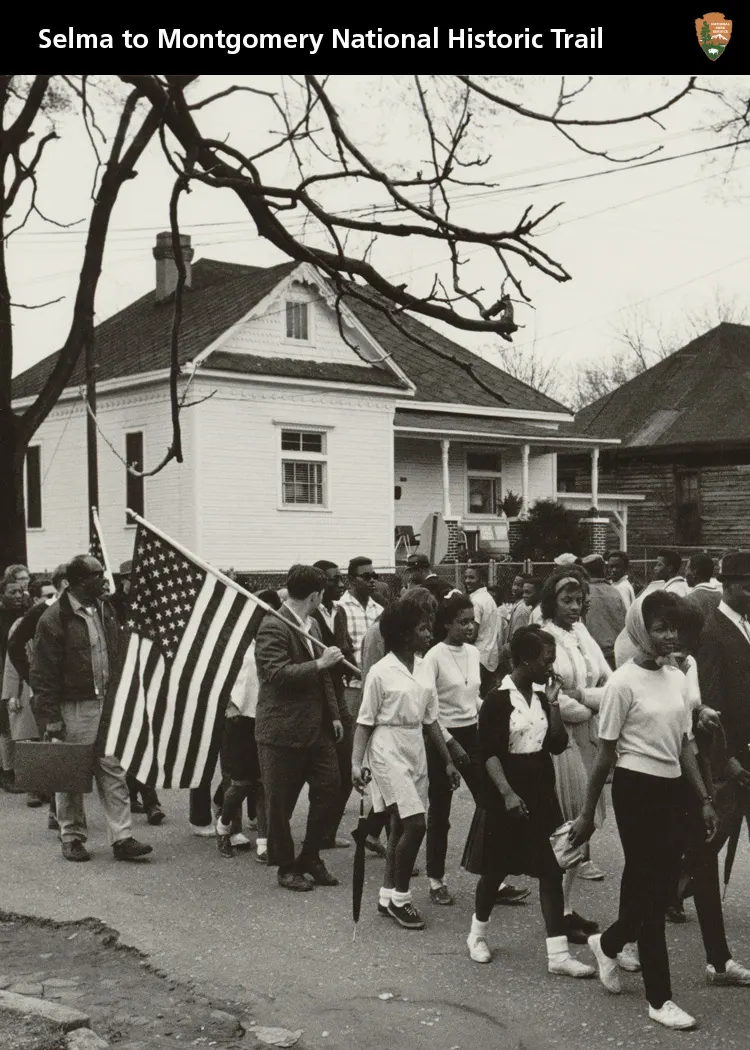
Marchers on the Selma to Montgomery march in March 1965, on a US National Park Service card.
Image creditTradingCardsNPS · CC BY 2.0Resized and cropped for display.

The march from Selma to Montgomery

Two weeks after state troopers beat peaceful marchers on the Edmund Pettus Bridge, about 3,200 people led by Martin Luther King Jr. set out from Selma, Alabama, on 21 March 1965, this time under the protection of federal troops, to walk 54 miles to the state capital.

When they reached the Capitol in Montgomery on 25 March, their numbers had grown to about 25,000. The Voting Rights Act became law that August, and the route is now a National Historic Trail.

Read the full storyHistory & Timeline →Source: US National Park Service: Selma to Montgomery march ↗
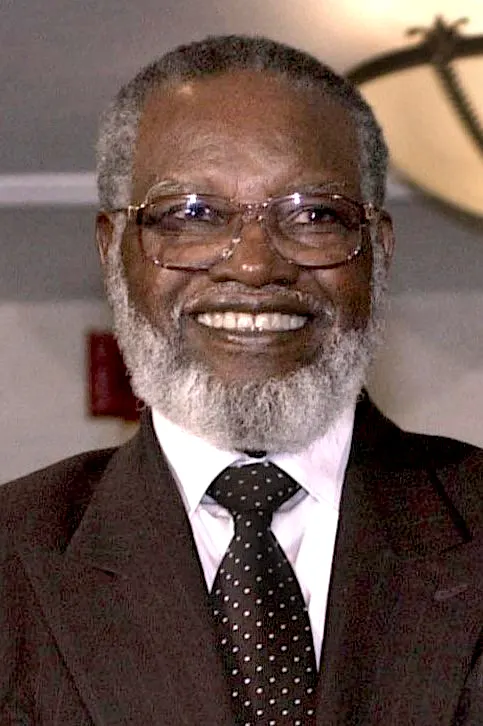
Sam Nujoma, Namibia's first president, in 2004.
Sam Nujoma, Namibia’s first president, in 2004.
Image creditAna Nascimento/ABr · CC BY 3.0 brResized and cropped for display.

Namibia becomes independent

At midnight on 20-21 March 1990, after decades of South African rule and a long war of liberation, Namibia became independent. The UN Secretary-General, Javier Pérez de Cuéllar, swore in the SWAPO leader Sam Nujoma as its first president.

Guests included South Africa’s president F. W. de Klerk and Nelson Mandela, freed from prison only weeks before. Namibia celebrates 21 March as Independence Day.

Read the full storyHistory & Timeline →Source: Encyclopaedia Britannica: Sam Nujoma ↗
♙
PEOPLE

Born Today

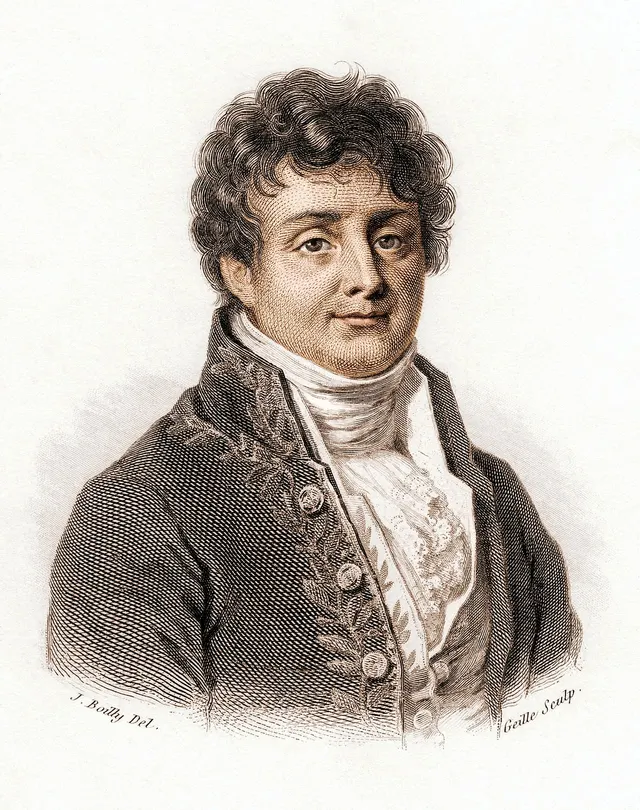
Joseph Fourier
Image creditJulien-Léopold Boilly · Public domainResized and cropped for display.

Joseph Fourier

French mathematician whose analysis of waves and heat underpins modern physics and engineering.

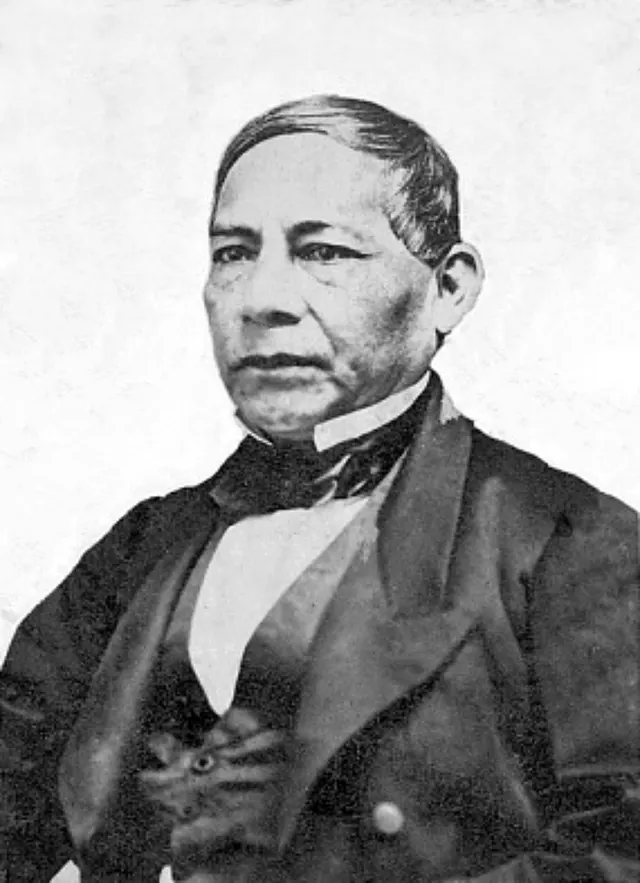
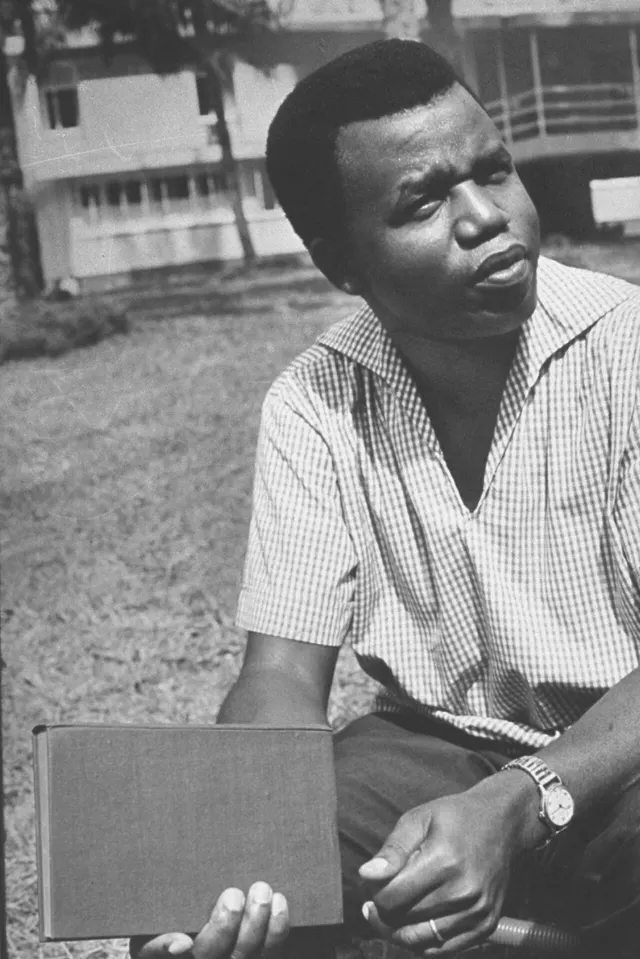
Benito Juárez
Image creditUnknown photographer · Public domainResized and cropped for display.

Benito Juárez

Zapotec lawyer who became president of Mexico and led resistance to the French.

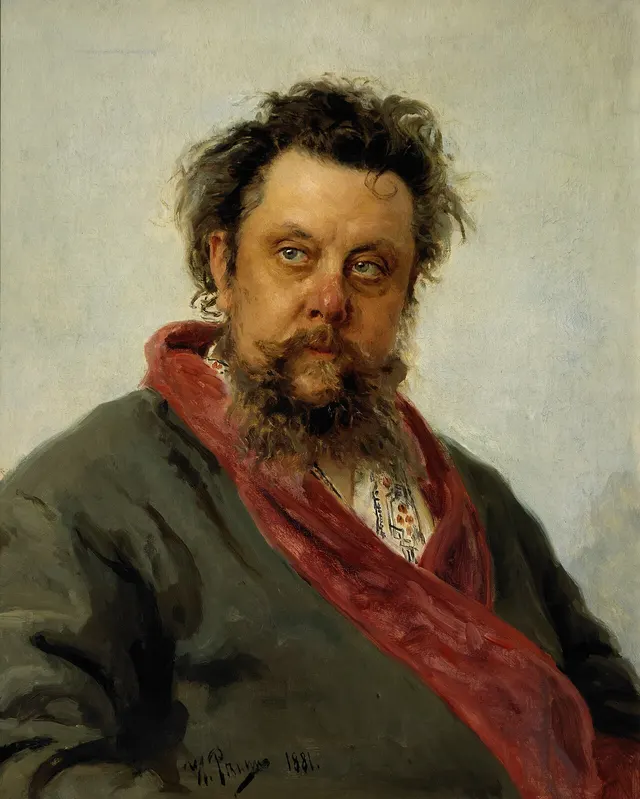
Modest Mussorgsky
Image creditIlya Repin · Public domainResized and cropped for display.

Modest Mussorgsky

Russian composer of Boris Godunov and Pictures at an Exhibition (born 9 March in the Russian calendar of the day).

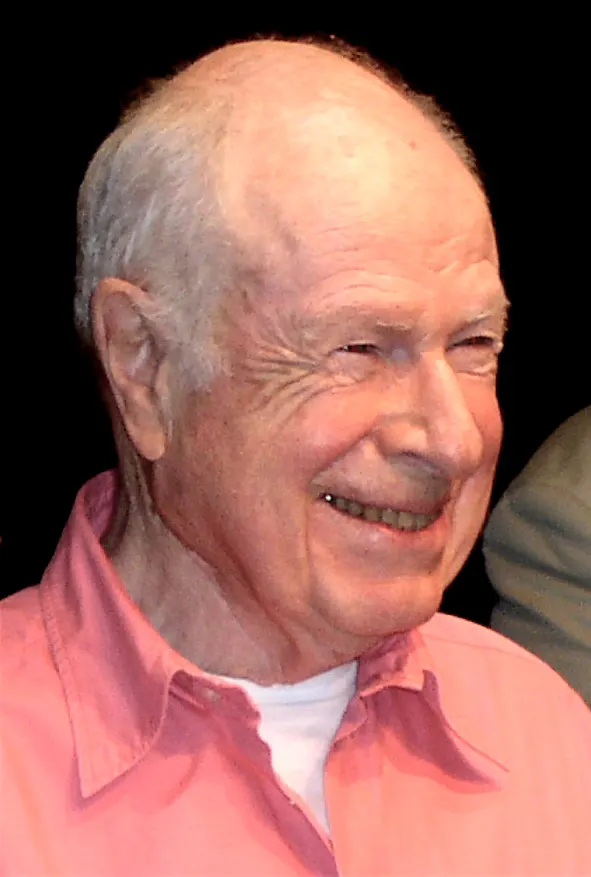
Peter Brook
Image creditJohn Thaxter · CC0Resized and cropped for display.

Peter Brook

English theatre director of A Midsummer Night’s Dream and The Mahabharata.

Ronaldinho
Image creditMarcos Corrêa/PR · CC BY 2.0Resized and cropped for display.

Ronaldinho

Brazilian footballer; World Cup winner and twice world player of the year.

◉
IDEAS THAT CHANGED THINGS

Firsts, Science & Discoveries

Jack Dorsey's notebook sketch for the service that became Twitter, 2006.
Jack Dorsey’s notebook sketch for the service that became Twitter, 2006.
Image creditJack Dorsey · CC BY 2.0Resized and cropped for display.

The first tweet

On 21 March 2006 Jack Dorsey, working at a small podcasting company in San Francisco, posted the first message on a new service then called ‘twttr’: ‘just setting up my twttr’.

The service opened to the public that July. As Twitter, and from 2023 as X, it became one of the world’s most influential places for news, politics and argument.

Read the full storyHistory & Timeline →Source: Chatham House, The World Today: Date with history, the first tweet takes flight ↗
☆
SPORTING HISTORY

Sporting Moments

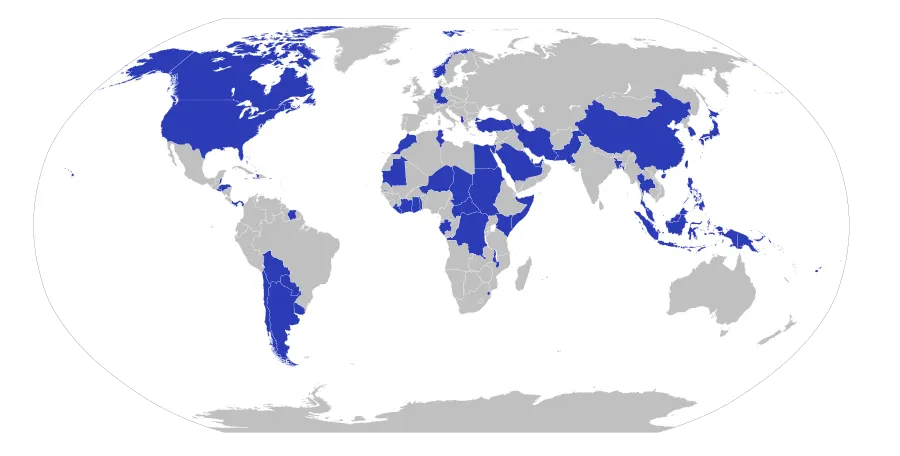
Countries that boycotted the 1980 Moscow Olympics, shown in blue.
Image creditTheAwesomeHwyh, after Paasikivi and NuclearVacuum · CC BY-SA 4.0Resized and cropped for display.

The United States boycotts the Moscow Olympics

In protest at the Soviet invasion of Afghanistan, President Jimmy Carter met representatives of America’s Olympic teams at the White House on 21 March 1980 and told them the United States would not go to the Summer Games in Moscow.

About 60 countries stayed away. Hundreds of American athletes lost their only chance of competing at an Olympics, and in 1984 the Soviet Union led a boycott of the Games in Los Angeles.

Read the full storyHistory & Timeline →Source: The American Presidency Project, UC Santa Barbara: Remarks to representatives of US teams to the 1980 Summer Olympics ↗
✦
LIVES REMEMBERED

Remembered Today

Frederick Winslow Taylor
Image creditGessford, New York · Public domainResized and cropped for display.

Frederick Winslow Taylor

American engineer and father of ‘scientific management’.

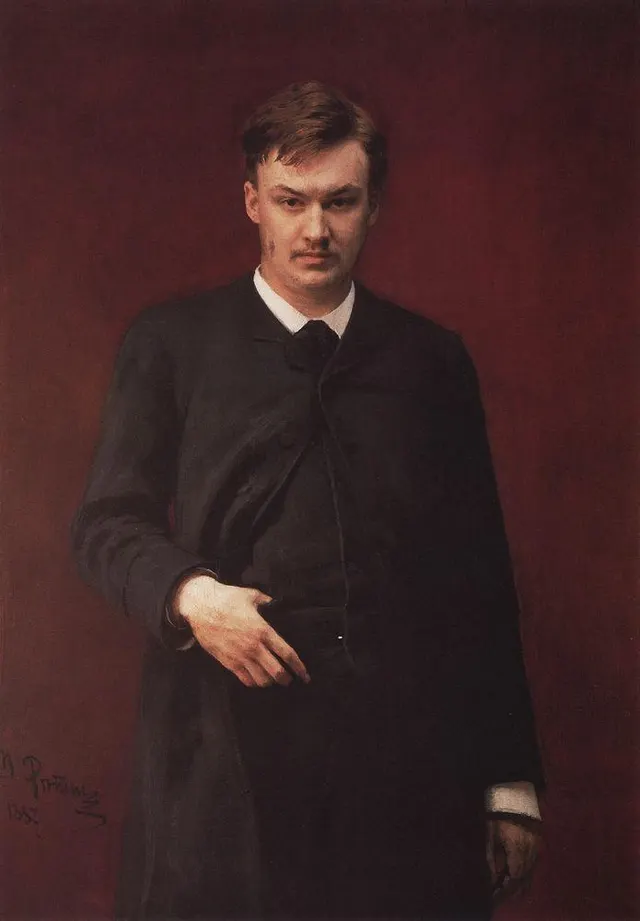
Alexander Glazunov
Image creditIlya Repin · Public domainResized and cropped for display.

Alexander Glazunov

Russian composer and teacher of Shostakovich, who died in Paris.

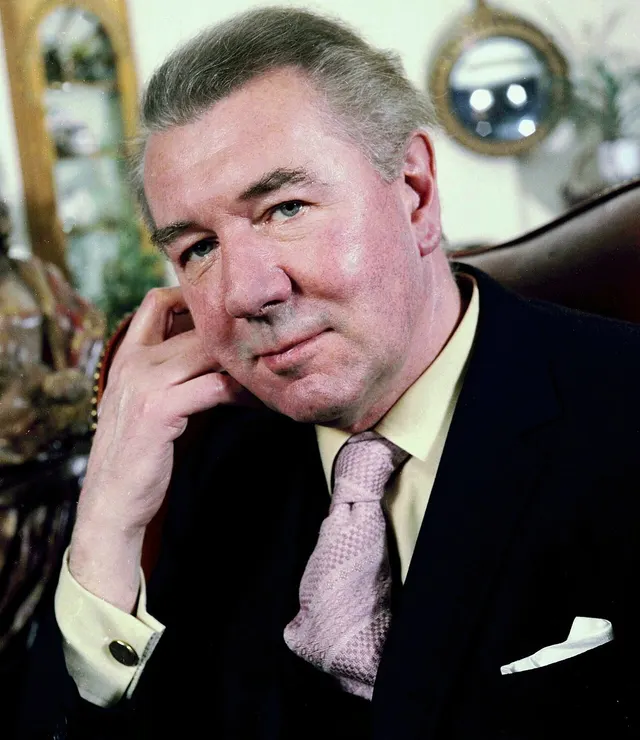
Michael Redgrave
Image creditAllan Warren · CC BY-SA 3.0Resized and cropped for display.

Michael Redgrave

English actor of stage and screen, head of an acting dynasty.

☉
AROUND THE WORLD

Observances & Anniversaries

A haft-sin table set for Nowruz, 2023.
Image creditAsalmavaddat · CC BY-SA 4.0Resized and cropped for display.

International Day of Nowruz

Nowruz, the Persian New Year, begins at the spring equinox, on 20 or 21 March, and has been celebrated for more than 3,000 years from the Balkans to Central Asia. Families gather around the haft-sin table, set with seven items whose names begin with the letter ‘s’.

UNESCO added Nowruz to its list of the intangible cultural heritage of humanity in 2009, and in 2010 the UN General Assembly proclaimed 21 March the International Day of Nowruz.

Source: United Nations: International Day of Nowruz ↗
HISTORY & TIMELINE

Finished the highlights?

Follow 21 March chronologically, from the Middle Ages to the modern day, with 9 verified events and the sources behind them.

This day through time →